

Contaminant Comparison Chart

For a complete list of contaminants that PUR filters reduce, please view our Performance Data Sheets here.


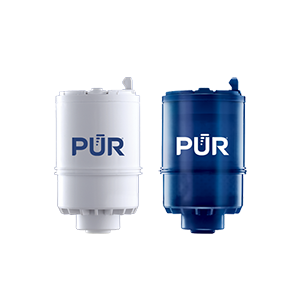
PUR & PUR PLUS FAUCET FILTERS
RF3375/RF9999

View Filters

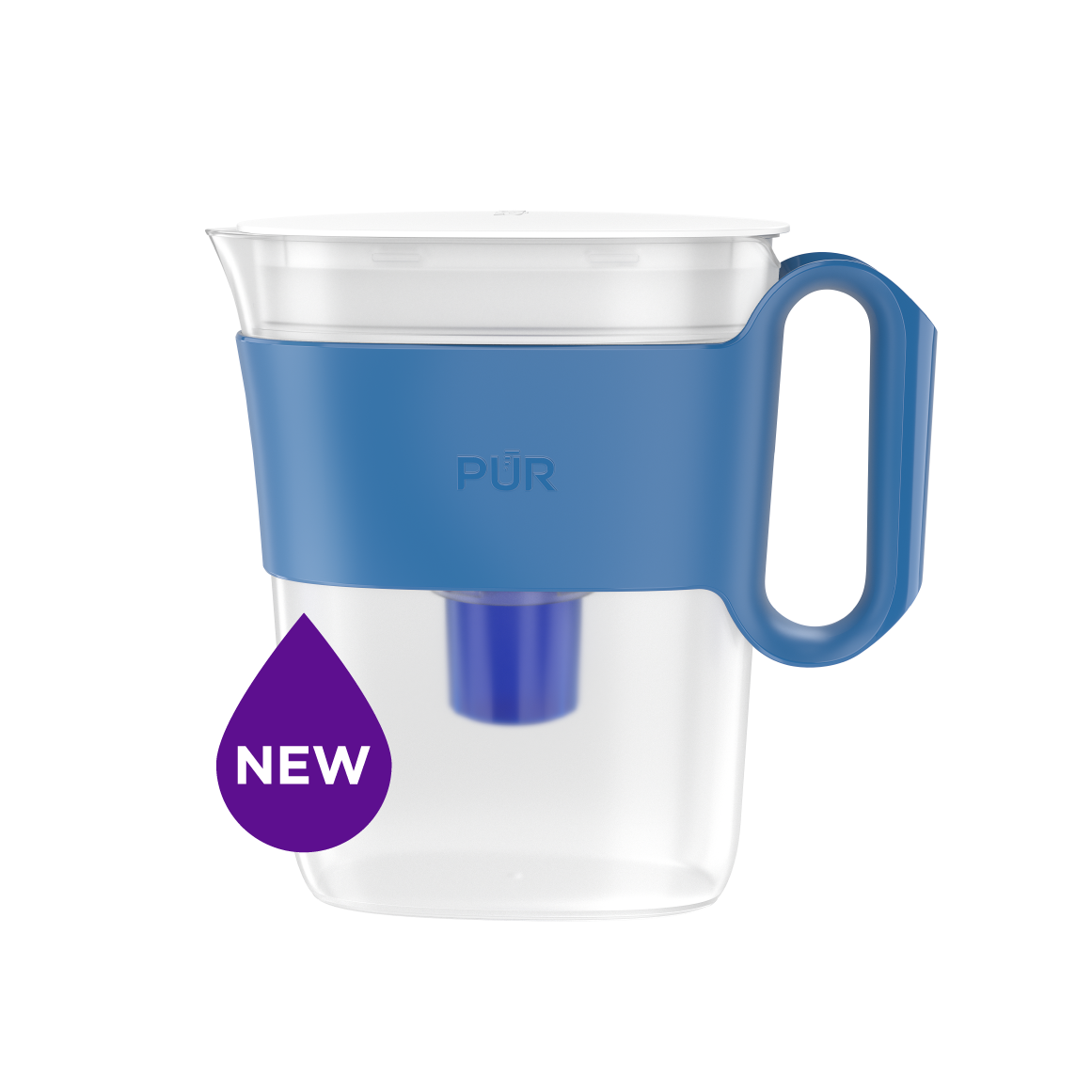
PUR PLUS PITCHER FILTERS
PPF951K

View Filter

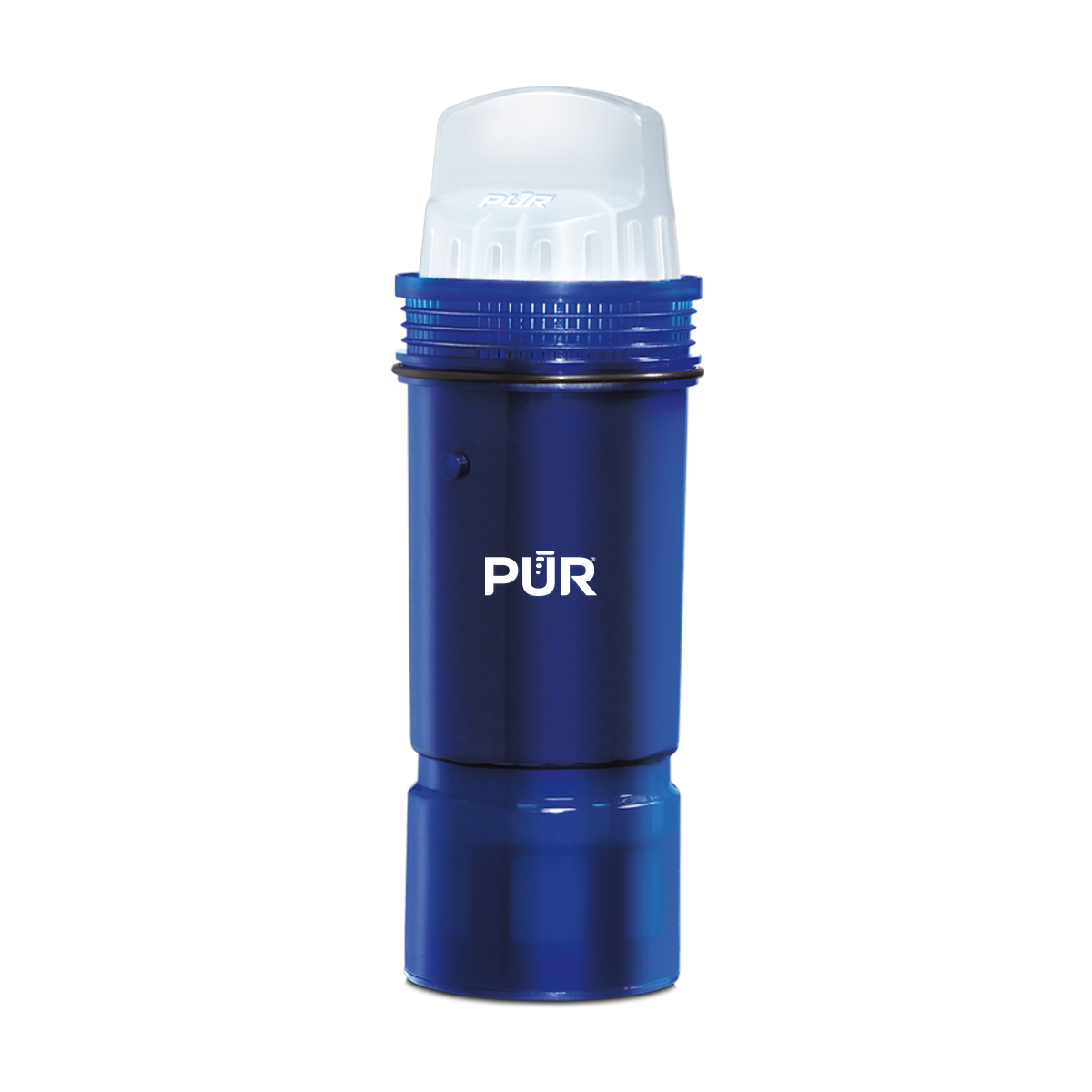
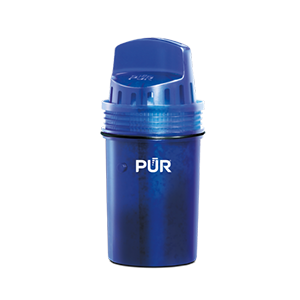
PUR BASIC PITCHER FILTERS
PPF900Z

View Filter


Vs. Brita*

Lead ✓ ✓
Microplastics ✓ ✓
Mercury ✓ ✓ ✓
Chlorine Taste & Odor ✓ ✓ ✓
DEET ✓
TTHM ✓

PUR’s Filtration Systems Are Certified By NSF And WQA For Their Contamination Reduction. WQA certifications as of 5/27/21 for Faucet filter models RF-3375 and RF-9999.

¹ Certified to reduce 10X more chemical and physical substances than Brita’s® leading pitcher filter.
² Certified to reduce 3X more chemical and physical substances than Brita’s® leading pitcher filter.
³ Certified to reduce 2X more chemical and physical substances than Brita’s® leading pitcher filter.
*Versus best-selling Brita® pitcher filter OB03. Brita® is a trademark of Brita LP.
**Like other leading brands, PUR does not filter microbes. As of 3/1/23 Brita® and ZeroWater® were not certified to filter microbes. Brita® is a trademark of Brita LP. ZeroWater® is a trademark of Zero Technologies, LLC..
 

PUR & PUR PLUS FAUCET FILTERS


PUR & PUR PLUS FAUCET FILTERS
RF3375/RF9999

View Filters


Vs. Brita*

Lead ✓
Microplastics ✓
Mercury ✓
Chlorine Taste & Odor ✓
DEET ✓
TTHM ✓

PUR’s Filtration Systems Are Certified By NSF And WQA For Their Contamination Reduction. WQA certifications as of 5/27/21 for Faucet filter models RF-3375 and RF-9999.

¹ Certified to reduce 10X more chemical and physical substances than Brita’s® leading pitcher filter.
² Certified to reduce 3X more chemical and physical substances than Brita’s® leading pitcher filter.
³ Certified to reduce 2X more chemical and physical substances than Brita’s® leading pitcher filter.
*Versus best-selling Brita® pitcher filter OB03. Brita® is a trademark of Brita LP.
**Like other leading brands, PUR does not filter microbes. As of 3/1/23 Brita® and ZeroWater® were not certified to filter microbes. Brita® is a trademark of Brita LP. ZeroWater® is a trademark of Zero Technologies, LLC..


PUR PLUS PITCHER FILTERS


PUR PLUS PITCHER FILTERS
PPF951K

View Filter


Vs. Brita*

Lead ✓
Microplastics ✓
Mercury ✓
Chlorine Taste & Odor ✓
DEET
TTHM

PUR’s Filtration Systems Are Certified By NSF And WQA For Their Contamination Reduction. WQA certifications as of 5/27/21 for Faucet filter models RF-3375 and RF-9999.

¹ Certified to reduce 10X more chemical and physical substances than Brita’s® leading pitcher filter.
² Certified to reduce 3X more chemical and physical substances than Brita’s® leading pitcher filter.
³ Certified to reduce 2X more chemical and physical substances than Brita’s® leading pitcher filter.
*Versus best-selling Brita® pitcher filter OB03. Brita® is a trademark of Brita LP.
**Like other leading brands, PUR does not filter microbes. As of 3/1/23 Brita® and ZeroWater® were not certified to filter microbes. Brita® is a trademark of Brita LP. ZeroWater® is a trademark of Zero Technologies, LLC..


PUR BASIC PITCHER FILTERS


PUR BASIC PITCHER FILTERS
PPF900Z

View Filter


Vs. Brita*

Lead
Microplastics
Mercury ✓
Chlorine Taste & Odor ✓
DEET
TTHM

PUR’s Filtration Systems Are Certified By NSF And WQA For Their Contamination Reduction. WQA certifications as of 5/27/21 for Faucet filter models RF-3375 and RF-9999.

¹ Certified to reduce 10X more chemical and physical substances than Brita’s® leading pitcher filter.
² Certified to reduce 3X more chemical and physical substances than Brita’s® leading pitcher filter.
³ Certified to reduce 2X more chemical and physical substances than Brita’s® leading pitcher filter.
*Versus best-selling Brita® pitcher filter OB03. Brita® is a trademark of Brita LP.
**Like other leading brands, PUR does not filter microbes. As of 3/1/23 Brita® and ZeroWater® were not certified to filter microbes. Brita® is a trademark of Brita LP. ZeroWater® is a trademark of Zero Technologies, LLC..


How to Choose the Best Modular Power Wall for Your Needs

Choosing a Modular Power Wall is not just a matter of comparing advertised capacity. The right system should fit your home’s energy use, available space, and backup goals. A household protecting a refrigerator, internet router, and a few lights may need a different setup from one hoping to run larger appliances overnight. Start with the loads that matter most. Then compare usable capacity, continuous output, and how the system handles peak demand. Small details count.

Modular designs can make future expansion easier, but added battery units must be compatible with the inverter and control system. Check the manufacturer’s specifications, installation requirements, warranty terms, and monitoring features before deciding. Also consider where the unit will sit: a narrow garage corner or a warm utility room can affect installation choices. Ask a qualified installer to review your electrical setup and local requirements; product labels alone do not tell the whole story. A larger battery is not automatically a better value. Nor does a low price explain the full cost of installation. It can be tempting to focus on capacity and overlook service support or replacement conditions. That is an easy mistake. Some comparisons remain imperfect, because quoted performance may depend on system configuration and operating conditions. Use the same assumptions when evaluating options, and confirm important figures in current product documents. With those checks, you can choose a Modular Power Wall that suits real daily needs, not just an appealing specification sheet.

How to Choose the Best Modular Power Wall for Your Needs

Understanding Modular Power Walls and Their Core Components

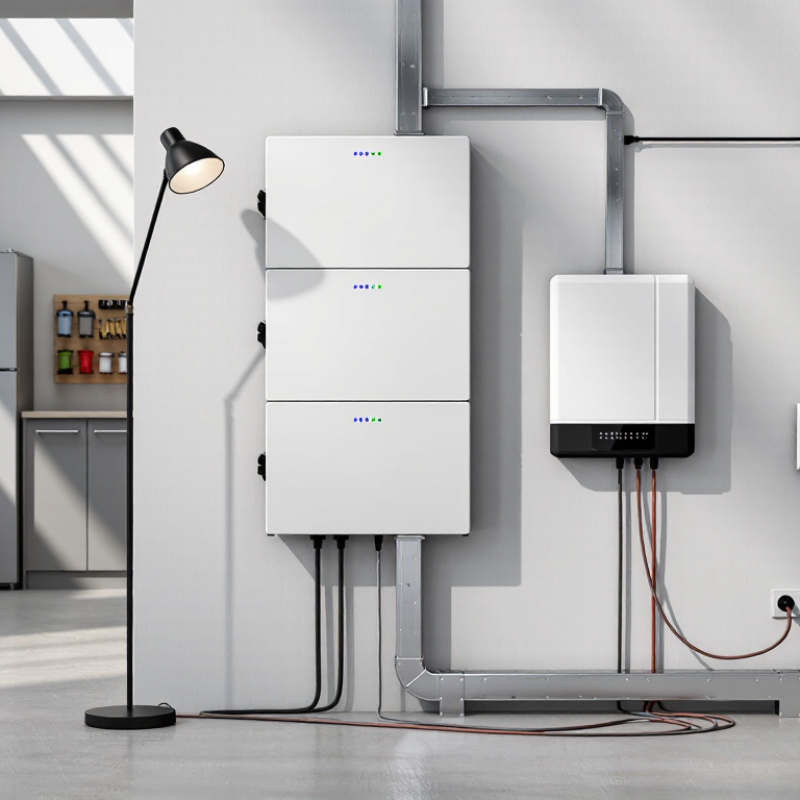
A modular power wall is more than a row of battery modules. Its core parts usually include battery cells, a battery management system, an inverter, thermal controls, and protective switching. Cells store energy; the management system monitors voltage and temperature and helps balance charging. The inverter converts battery power into the form household circuits can use. A neat diagram can make this seem simple. Real installations are less tidy: wiring, heat, and load timing all matter. NREL’s 2024 Annual Technology Baseline uses about 85% round-trip efficiency for battery storage, a useful benchmark rather than a guarantee for every home system.

Tips: Compare usable capacity, not just the advertised total. Check the inverter’s continuous output against appliances you may run together, such as a refrigerator and pump. Ask how the system handles expansion, backup operation, and heat in the proposed installation location. Also confirm whether added modules need matching specifications; “modular” does not always mean every unit can be mixed freely.

A well-sized system balances storage capacity with power output. Capacity indicates how long energy may last; output determines how many devices can run at once. Review the warranty’s capacity-retention terms and the installer’s commissioning plan. Small details count, including cable routes and room for service access. One limitation deserves a second look: published efficiency figures rarely capture every household condition, so expected performance should be checked against the system design and your actual usage.

How to Choose the Best Modular Power Wall for Your Needs

Understanding Modular Power Walls and Their Core Components

Adding battery modules increases a system’s nominal energy capacity. This illustrative example assumes 5 kWh per module; actual module sizes vary. Usable energy may be lower and depends on the battery’s specifications and operating limits.

Assessing Your Energy Use and Backup Power Requirements

Choosing a modular power wall begins with measured household demand, not its advertised capacity. The U.S. Energy Information Administration reports that residential customers used an average of 10,791 kilowatt-hours in 2022, or about 899 kilowatt-hours monthly. That figure is a reference, not a sizing plan.

Compare a full year of electricity bills and note seasonal peaks, especially air-conditioning or electric heating. If your utility offers hourly usage data, use it to identify when demand rises.

Then list the circuits you actually need during an outage: refrigerator, lights, internet router, and essential medical equipment. Record each load’s running watts and expected hours of use. Add starting surges; a refrigerator can briefly draw more power when its compressor starts.

Power and stored energy are different limits. Kilowatts describe what can run at once;
kilowatt-hours describe how long it can run.

EIA reliability data show U.S. customers averaged 5.5 hours of interruptions in 2022, excluding major events. Your local outage history may be very different. A neat spreadsheet can still miss real habits, like opening the refrigerator repeatedly or using a kettle at the wrong moment.

These estimates are imperfect. Leave a practical reserve, and check that the system can support both your peak load and the backup duration you expect.

Comparing Battery Capacity, Output, and Expandability

Choosing a modular power wall starts with the loads you need to keep running. Capacity, measured in kilowatt-hours, estimates how long stored energy lasts; output, measured in kilowatts, determines which appliances can run together. Check usable capacity, not just the headline figure. A 10-kWh battery may not deliver all 10 kWh to your home. NREL’s 2024 Annual Technology Baseline uses a 5-kW, 12.5-kWh residential battery as a reference configuration. That is a benchmark, not a prescription. A refrigerator, lights, and router need less output than an electric range or well pump.

Tips: Write down each essential appliance’s running and startup wattage. Add up the loads likely to overlap, then compare that figure with the system’s continuous and surge output. Leave some breathing room; estimates can miss real-world peaks.

For expandability, ask how many battery modules the system supports and whether adding them requires compatible controls or an inverter upgrade. More capacity will not fix an output limit. Nor does a large battery help much if your usual loads drain it before morning. Compare warranty-covered capacity and usable energy over time, too. A neat spreadsheet can still miss a cold night, a cloudy week, or a household routine that changes.

Checking System Compatibility, Safety, and Installation Needs

How to Choose the Best Modular Power Wall for Your Needs

Check compatibility before comparing storage capacity. Confirm that the battery voltage, inverter, communication protocol, and firmware support one another. Ask whether expansion requires identical modules; some systems limit future additions. Compare usable capacity, not just the headline figure. A battery that looks generous on paper may deliver less energy during an outage.

Safety and installation deserve equal attention. The International Energy Agency reported that global battery storage additions nearly tripled in 2023, reaching about 42 GW.

That rapid growth makes careful system selection and installation especially important.

Check for recognized system-level safety certification, such as UL 9540, and ask whether relevant fire-propagation testing, such as UL 9540A, applies to the equipment. Have a qualified installer assess wall strength, clearance, ventilation, temperature, wiring, and the home’s electrical panel. A tight utility room or a long cable route can change the installation plan. Bigger is not always better; I would recheck expected loads before paying for extra capacity.

Tips: Request a written compatibility check for your exact inverter and battery models. Ask for the installation drawing and usable-capacity figure. Keep room for service access. Small details matter.

Evaluating Costs, Warranties, and Long-Term Performance

When choosing a modular power wall, compare the full installed price, not just the battery’s cost per kilowatt-hour. BloombergNEF’s 2024 Battery Price Survey put the global average lithium-ion pack price at $115 per kilowatt-hour, down 20% from 2023. That is a useful benchmark, but it excludes items such as inverters, installation, and electrical upgrades. Ask for an itemized quote showing those costs separately. Check whether adding modules later requires new equipment or labor. Small costs add up.

Read the warranty for both years and energy throughput, and check its minimum retained-capacity level. A long warranty is less helpful if its exclusions are broad or the claim process is unclear. NREL’s 2024 Annual Technology Baseline uses a 15-year lifetime assumption for utility-scale battery storage; this is a modeling assumption, not a promise about a home system. Ask how the installer estimates usable capacity after years of cycling, and whether the estimate reflects your expected daily use. One detail is easy to miss: a system sized for evening cooking and lights may perform differently when it also runs heating equipment. Compare the warranty, service terms, and replacement costs together. Small print matters.