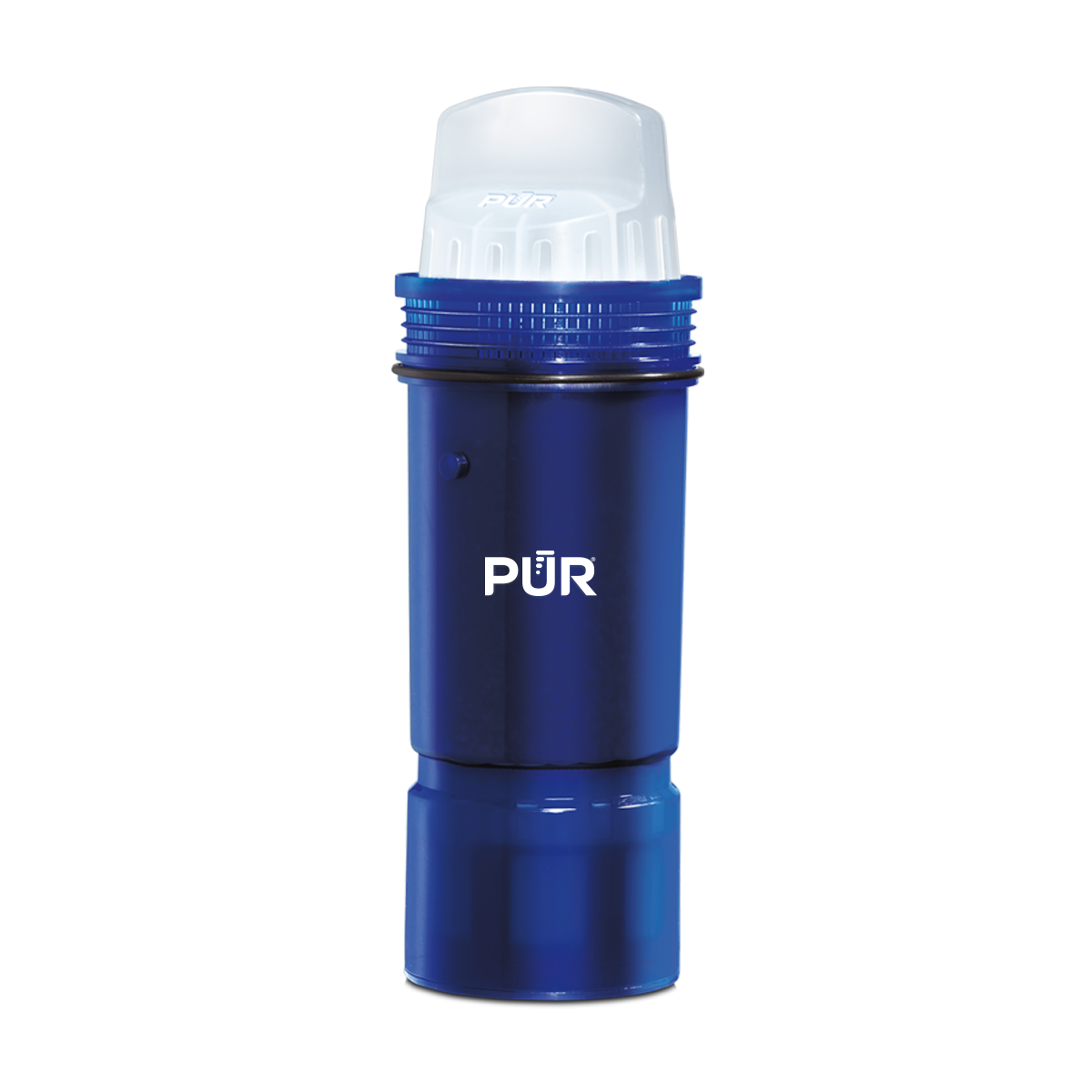
Contaminant Comparison Chart

For a complete list of contaminants that PUR filters reduce, please view our Performance Data Sheets here.


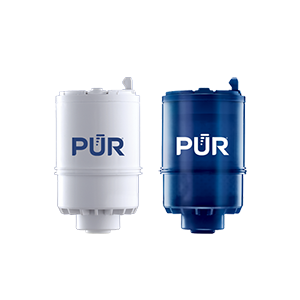
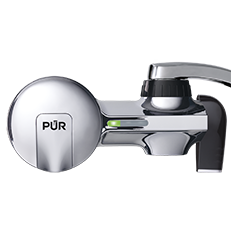
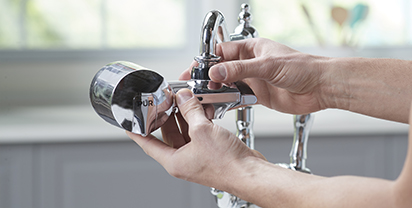
PUR & PUR PLUS FAUCET FILTERS
RF3375/RF9999

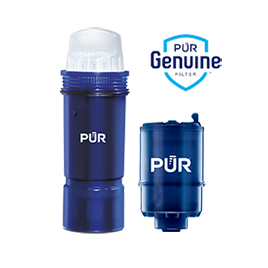
View Filters

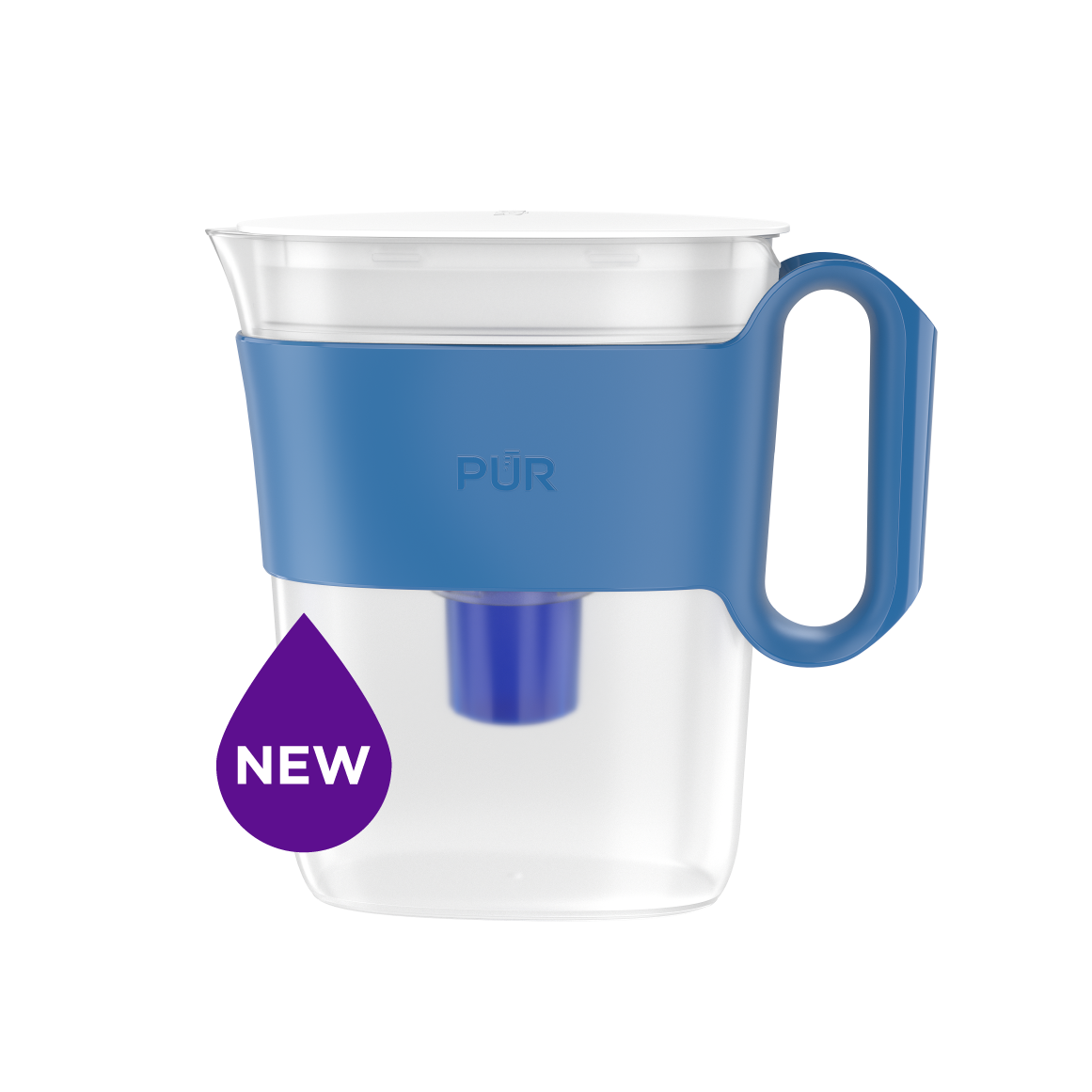
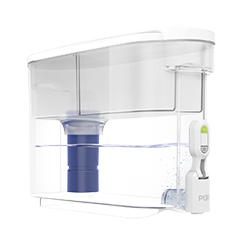
PUR PLUS PITCHER FILTERS
PPF951K

View Filter

PUR BASIC PITCHER FILTERS
PPF900Z

View Filter


Vs. Brita*

Lead ✓ ✓
Microplastics ✓ ✓
Mercury ✓ ✓ ✓
Chlorine Taste & Odor ✓ ✓ ✓
DEET ✓
TTHM ✓

PUR’s Filtration Systems Are Certified By NSF And WQA For Their Contamination Reduction. WQA certifications as of 5/27/21 for Faucet filter models RF-3375 and RF-9999.

¹ Certified to reduce 10X more chemical and physical substances than Brita’s® leading pitcher filter.
² Certified to reduce 3X more chemical and physical substances than Brita’s® leading pitcher filter.
³ Certified to reduce 2X more chemical and physical substances than Brita’s® leading pitcher filter.
*Versus best-selling Brita® pitcher filter OB03. Brita® is a trademark of Brita LP.
**Like other leading brands, PUR does not filter microbes. As of 3/1/23 Brita® and ZeroWater® were not certified to filter microbes. Brita® is a trademark of Brita LP. ZeroWater® is a trademark of Zero Technologies, LLC..
 

PUR & PUR PLUS FAUCET FILTERS


PUR & PUR PLUS FAUCET FILTERS
RF3375/RF9999

View Filters


Vs. Brita*

Lead ✓
Microplastics ✓
Mercury ✓
Chlorine Taste & Odor ✓
DEET ✓
TTHM ✓

PUR’s Filtration Systems Are Certified By NSF And WQA For Their Contamination Reduction. WQA certifications as of 5/27/21 for Faucet filter models RF-3375 and RF-9999.

¹ Certified to reduce 10X more chemical and physical substances than Brita’s® leading pitcher filter.
² Certified to reduce 3X more chemical and physical substances than Brita’s® leading pitcher filter.
³ Certified to reduce 2X more chemical and physical substances than Brita’s® leading pitcher filter.
*Versus best-selling Brita® pitcher filter OB03. Brita® is a trademark of Brita LP.
**Like other leading brands, PUR does not filter microbes. As of 3/1/23 Brita® and ZeroWater® were not certified to filter microbes. Brita® is a trademark of Brita LP. ZeroWater® is a trademark of Zero Technologies, LLC..
 

PUR PLUS PITCHER FILTERS


PUR PLUS PITCHER FILTERS
PPF951K

View Filter


Vs. Brita*

Lead ✓
Microplastics ✓
Mercury ✓
Chlorine Taste & Odor ✓
DEET
TTHM

PUR’s Filtration Systems Are Certified By NSF And WQA For Their Contamination Reduction. WQA certifications as of 5/27/21 for Faucet filter models RF-3375 and RF-9999.

¹ Certified to reduce 10X more chemical and physical substances than Brita’s® leading pitcher filter.
² Certified to reduce 3X more chemical and physical substances than Brita’s® leading pitcher filter.
³ Certified to reduce 2X more chemical and physical substances than Brita’s® leading pitcher filter.
*Versus best-selling Brita® pitcher filter OB03. Brita® is a trademark of Brita LP.
**Like other leading brands, PUR does not filter microbes. As of 3/1/23 Brita® and ZeroWater® were not certified to filter microbes. Brita® is a trademark of Brita LP. ZeroWater® is a trademark of Zero Technologies, LLC..
 

PUR BASIC PITCHER FILTERS


PUR BASIC PITCHER FILTERS
PPF900Z

View Filter


Vs. Brita*

Lead
Microplastics
Mercury ✓
Chlorine Taste & Odor ✓
DEET
TTHM

PUR’s Filtration Systems Are Certified By NSF And WQA For Their Contamination Reduction. WQA certifications as of 5/27/21 for Faucet filter models RF-3375 and RF-9999.

¹ Certified to reduce 10X more chemical and physical substances than Brita’s® leading pitcher filter.
² Certified to reduce 3X more chemical and physical substances than Brita’s® leading pitcher filter.
³ Certified to reduce 2X more chemical and physical substances than Brita’s® leading pitcher filter.
*Versus best-selling Brita® pitcher filter OB03. Brita® is a trademark of Brita LP.
**Like other leading brands, PUR does not filter microbes. As of 3/1/23 Brita® and ZeroWater® were not certified to filter microbes. Brita® is a trademark of Brita LP. ZeroWater® is a trademark of Zero Technologies, LLC..

 

How to Choose the Best Water Filter for Sink in 2026?

Choosing the best water filter for sink in 2026 requires more than comparing flow rates and glossy claims. The right choice depends on your water source, household habits, and tested contaminant performance. A municipal supply may need chlorine and lead reduction. A private well may require sediment, bacteria, nitrate, or arsenic testing first.

The scale of the issue is substantial. The WHO and UNICEF Joint Monitoring Programme reported that 2.2 billion people lacked safely managed drinking water in 2022. In the United States, the EPA’s 2024 PFAS National Primary Drinking Water Regulation added stricter monitoring and treatment expectations. These reports do not make every home filter necessary. They do show why verified performance matters.

Look for certification, not just laboratory language. NSF/ANSI 42 generally addresses taste and odor. NSF/ANSI 53 covers specific health-related contaminants, including certified lead reduction. NSF/ANSI 58 applies to reverse osmosis systems. A filter certified for chlorine is not automatically certified for PFAS or nitrate. Check the exact contaminant claim and replacement interval. Read the performance data sheet. Then compare it with your local water report.

Small details reveal practical quality. Will the cartridge fit beneath your sink? Can you change it without spilling water across the cabinet floor? Does the system waste water, require electricity, or reduce pressure? No filter is perfect. I would not pretend otherwise. Even reputable certifications cover defined claims, not every possible contaminant. An independent water test may cost more, but it can prevent an expensive mismatch. The best decision balances evidence, maintenance, budget, and the water actually coming from your tap.

How to Choose the Best Water Filter for Sink in 2026?

Water Filter Types and How They Work

How to Choose the Best Water Filter for Sink in 2026?

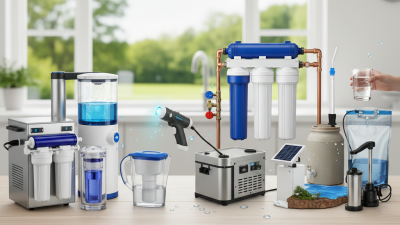
Water filters work differently, so the label matters more than appearance. Activated carbon traps chlorine, odors, and many organic compounds through adsorption. It usually improves taste quickly. However, it may not remove dissolved minerals, nitrate, or every PFAS compound.

Reverse osmosis pushes water through a semi-permeable membrane. It can reduce salts, metals, and several dissolved contaminants, but it produces wastewater and needs steady pressure. Ultrafiltration uses very small pores to block particles, bacteria, and some larger molecules. Ion-exchange cartridges target hardness minerals, such as calcium, and may reduce selected metals. No single filter removes everything.

The WHO and UNICEF Joint Monitoring Programme reported that 2.2 billion people lacked safely managed drinking water in 2022. That figure shows why treatment choices deserve care. The U.S. Environmental Protection Agency’s 2024 PFAS rule set limits of 4 nanograms per liter for PFOA and PFOS. If PFAS is a concern, choose a filter independently certified for that specific reduction claim. NSF/ANSI standards can help verify performance, but certification does not mean universal protection. Check laboratory results, replacement intervals, flow rate, and local water reports. A filter that is rarely changed can become a weak point. I would not select one by taste alone. That shortcut feels practical, but it can hide important contaminants.

How to Choose the Best Water Filter for Sink in 2026? - Water Filter Types and How They Work

General comparison of common under-sink and point-of-use water filtration technologies. Actual performance depends on the specific model, filter condition, water quality, and independent certification.
Filter Type How It Works Commonly Reduces Does Not Reliably Remove Typical Flow and Waste Typical Replacement Best For Main Advantages Important Limitations
Sediment Filter Uses a porous physical barrier to trap suspended particles such as sand, silt, rust, and dirt. Sediment, rust particles, sand, and visible debris. Dissolved chemicals, salts, heavy metals, microorganisms, and unpleasant tastes or odors. Usually maintains a relatively high flow rate; produces no wastewater. About 3–12 months, depending on sediment levels and capacity. Pre-filtration and homes with visibly cloudy or particle-filled water. Inexpensive, simple, and effective for protecting downstream filters. It is not a complete drinking-water treatment system.
Activated Carbon Block Adsorbs substances onto a large internal carbon surface while water passes through a compact carbon matrix. Chlorine taste and odor, many organic chemicals, and some particulate matter. Reduction claims vary by model. Most dissolved salts, nitrates, fluoride, and microorganisms unless specifically rated and certified for them. Moderate flow; no wastewater. Flow can fall as the block becomes clogged. About 6–12 months or the stated capacity, often measured in gallons or liters. Municipal tap water with chlorine taste, odor, or selected chemical concerns. Good taste improvement, compact installation, and efficient water use. Performance is contaminant-specific; regular replacement is essential to prevent exhausted media.
Granular Activated Carbon Water flows through loose carbon granules that adsorb chlorine, odors, and certain organic compounds. Chlorine taste and odor, and selected organic compounds depending on contact time and certification. Salt, hardness minerals, nitrate, and most microorganisms. Generally moderate to high flow; no wastewater. About 3–6 months in many point-of-use applications, subject to capacity. Basic taste and odor improvement where water pressure and flow are priorities. Affordable and often offers less flow restriction than dense carbon blocks. May provide less consistent particle filtration and shorter contact time than a carbon block.
Ultrafiltration Membrane Uses a pressure-driven membrane with very small pores to physically retain suspended solids, colloids, and many microorganisms. Bacteria, parasites, colloids, and fine particles when the membrane is appropriately rated. Dissolved salts, hardness, nitrate, and many dissolved chemicals. Moderate flow; normally produces little or no reject water. About 12–24 months, with pre-filter changes as required. Particle and microbial reduction when dissolved-mineral removal is not required. Can provide strong physical filtration without the water loss associated with reverse osmosis. Does not substantially reduce total dissolved solids or many dissolved contaminants.
Reverse Osmosis Applies pressure to force water through a semi-permeable membrane, leaving many dissolved contaminants in a reject-water stream. Many dissolved salts, lead, arsenic, fluoride, nitrate, and other contaminants when the system is certified for them. No system removes every contaminant; volatile chemicals and microorganisms require model-specific evaluation and adequate pre/post-treatment. Slower treated-water flow; commonly creates approximately 1–4 or more gallons of reject water per gallon treated, depending on design and pressure. Pre-filters about 6–12 months; membrane commonly 2–5 years; post-filter typically about 12 months. Homes needing broad reduction of dissolved contaminants or lower total dissolved solids. The broadest dissolved-contaminant reduction among common under-sink systems. Higher purchase and maintenance cost, slower production, wastewater, and removal of beneficial minerals.
Ion Exchange Uses resin beads that exchange unwanted ions in water for ions held on the resin. Hardness minerals such as calcium and magnesium; specialized resins can target nitrate or other ions. Particles, chlorine, most organic compounds, and many microorganisms. Usually good flow; regeneration may require salt or a chemical solution and can create wastewater. Varies widely; capacity is based on water hardness, contaminant concentration, and resin volume. Reducing hardness or a specifically identified ionic contaminant. Highly targeted treatment and effective hardness reduction. May add sodium or another exchange ion; requires correct regeneration and does not provide broad filtration.
Ultraviolet Disinfection Uses ultraviolet light to inactivate bacteria, viruses, and other microorganisms as water passes the lamp. Many bacteria, viruses, and protozoa when the system receives the required UV dose. Sediment, chemicals, heavy metals, salts, taste, and odor; it does not physically remove contaminants. Can support a steady flow; no wastewater, but requires electricity. UV lamp commonly requires annual replacement; quartz sleeves need periodic cleaning. Microbial control after suitable pre-filtration, especially for private well water. Chemical-free microbial inactivation without changing mineral content. Water must be sufficiently clear for UV transmission; treated water has no lasting disinfectant residual.
Distillation Boils water and condenses the steam, leaving many minerals and nonvolatile contaminants behind. Many dissolved minerals, salts, heavy metals, and microorganisms. Some volatile organic compounds can carry over unless additional treatment is used. Slow production; uses substantial energy and creates a concentrated residue rather than typical RO reject flow. Carbon or other polishing filters may require replacement every few months to one year; cleaning is also needed. Small-volume, high-purity water needs where energy use and speed are less important. Produces very low-mineral water and can reduce a wide range of nonvolatile contaminants. Slow, energy-intensive, and less convenient for continuous kitchen demand.
Selection checklist: Check a recent water-quality report or laboratory test first, identify the specific contaminants of concern, compare certified reduction claims rather than general marketing language, verify available space and water pressure, and follow the manufacturer’s replacement schedule.

Identify Your Sink, Space, and Installation Requirements

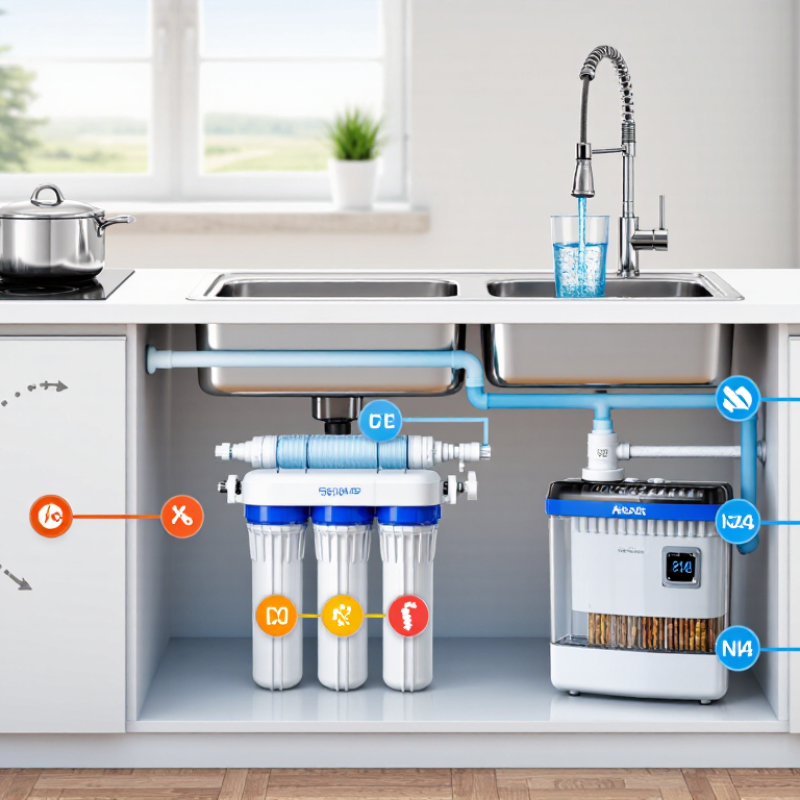
Choosing the best water filter for a sink in 2026 starts with identifying your sink type. Measure the distance from the faucet to the backsplash. Check whether your sink has one, two, or three faucet holes. A deep basin may require a taller faucet-mounted filter. Small details matter.

Under-sink systems need cabinet space, a nearby cold-water line, and an accessible shutoff valve. Measure the cabinet width, depth, and height before purchasing. Leave room for cartridge replacement and leak inspection. A countertop filter can suit renters or compact kitchens, but it needs a stable surface near the sink. Do not force fittings.

Installation requirements often determine the safest choice. Confirm the pipe size and connection style from the instruction manual. An adapter may be necessary, yet extra joints can create more leak points. For older plumbing, inspect corrosion before installation. Replace damaged washers instead of tightening them harder.

Your household’s water use also matters. Estimate daily drinking and cooking demand, then compare it with the filter’s rated capacity. Check independently verified contaminant-reduction claims, replacement intervals, and flow rate. A filter that works slowly may become inconvenient and get neglected. That is an easy mistake to make. When uncertain, test the incoming water or review a recent local water-quality report before choosing the filtration method.

Compare Filtration Performance and Contaminant Removal

Choosing a sink water filter starts with the water report, not a glossy specification.
A filter may improve taste while leaving dissolved metals untouched. Compare each claim with the exact contaminant and test standard listed. Independent certification, such as NSF/ANSI testing, offers stronger evidence than vague laboratory language. Still, certification may cover only specific models, cartridges, and operating conditions. Read the fine print.

Activated carbon usually reduces chlorine, odors, and some organic chemicals. Its performance can fall when water flows too quickly or the cartridge is overdue.

Reverse osmosis can remove many dissolved salts, lead, and other contaminants, but it wastes water and needs pressure.

Ultrafiltration can capture particles and some microbes, yet it does not reliably remove every dissolved chemical. No filter does everything.

For a fair comparison, record flow rate, cartridge life, replacement cost, and contaminant reduction percentage. A high removal percentage means little if the filter clogs after a few weeks. Check whether claims apply at your household’s water pressure and temperature. An under-sink model may perform better than a faucet unit, but installation can introduce leaks or poor connections. Inspect the first glass for cloudiness, strange taste, or loose carbon dust. That small test matters. Retest after replacement, because real usage rarely matches the brochure.

Evaluate Capacity, Maintenance, Cost, and Certification

How to Choose the Best Water Filter for Sink in 2026?

A suitable sink filter should match your household’s daily water demand. Check its rated capacity in gallons and its flow rate. A small cartridge may serve one person, but struggle with cooking, drinking, and filling bottles. Compare the certified capacity with your actual weekly use. Real kitchens rarely follow estimates. Cold water may flow slowly near cartridge replacement. That detail matters.

Maintenance affects both performance and long-term cost. Look for clear replacement intervals, simple installation, and accessible cartridges. A filter that needs frequent attention can become an expensive cupboard decoration. Record the installation date on a small label. Inspect leaks after changing the cartridge. Do not ignore unusual taste or reduced flow. These signs may indicate exhaustion, poor fitting, or trapped air.

Cost includes the housing, cartridges, tools, water waste, and your time. Calculate the yearly expense rather than trusting the purchase price. Certification deserves careful checking. Look for independent testing against relevant NSF/ANSI standards, then confirm the exact contaminants covered. Certification for chlorine does not prove removal of lead or microorganisms. Read the performance data, not only the front label. Some claims sound impressive. They still need evidence. A cheaper filter can be reasonable, but only when its capacity, maintenance needs, and verified performance fit your water quality.

Choose the Best Sink Water Filter for Your Household in 2026

Choosing the best sink water filter for your household in 2026 starts with your water report, not a glossy product claim. The U.S. EPA’s 2024 PFAS rule sets limits of 4.0 nanograms per liter for PFOA and PFOS. Check whether your local supply reports these chemicals, lead, chlorine, or hard-water minerals. A simple test strip can reveal hardness, but it cannot measure every contaminant. That limitation matters.

Match the filter to the problem. NSF/ANSI 42 generally covers taste and odor improvements, while NSF/ANSI 53 addresses specific health-related contaminants. Reverse-osmosis systems follow NSF/ANSI 58 and may reduce dissolved solids, but they can waste water and remove useful minerals. CDC guidance also recommends checking certification for the exact contaminant, not accepting vague “purification” language. Read the performance sheet carefully.

Household habits decide the practical choice. A small apartment may need a compact cartridge with an easy replacement reminder. A family of four may need higher capacity and faster flow. Place the filter under the sink, then measure cabinet space first. I have seen people overlook that detail. Poor installation can cause leaks, especially around stiff tubing and loose fittings. Replace cartridges on schedule, even when the water still tastes fine. Taste is not a safety test. Recheck the local water report each year, because source conditions and treatment practices can change.