Contaminant Comparison Chart

For a complete list of contaminants that PUR filters reduce, please view our Performance Data Sheets here.


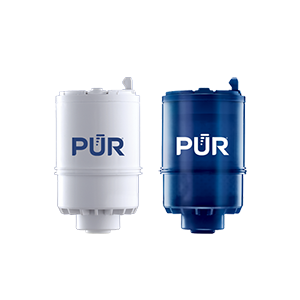
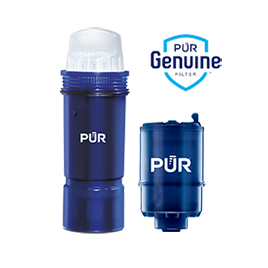
PUR & PUR PLUS FAUCET FILTERS
RF3375/RF9999

View Filters

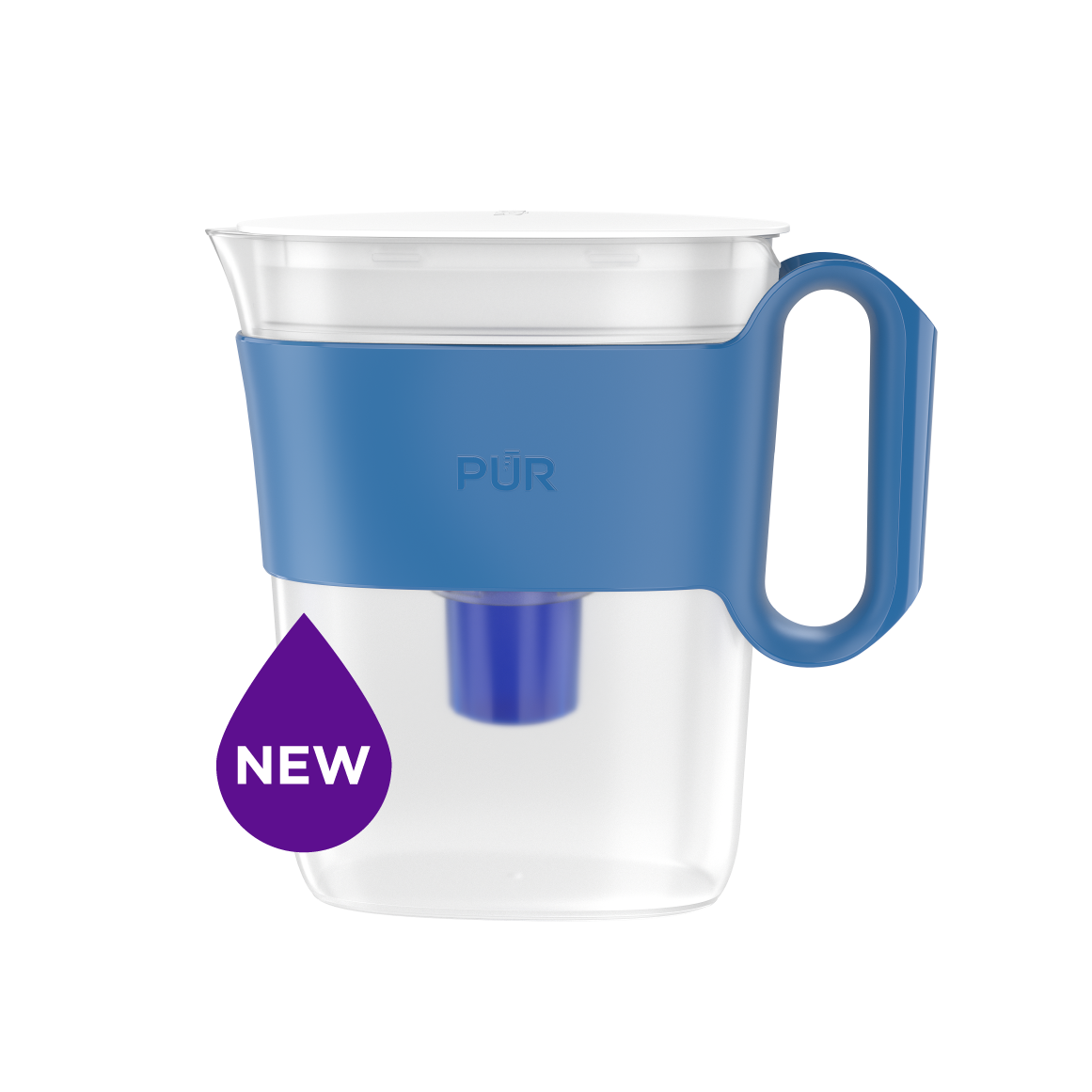
PUR PLUS PITCHER FILTERS
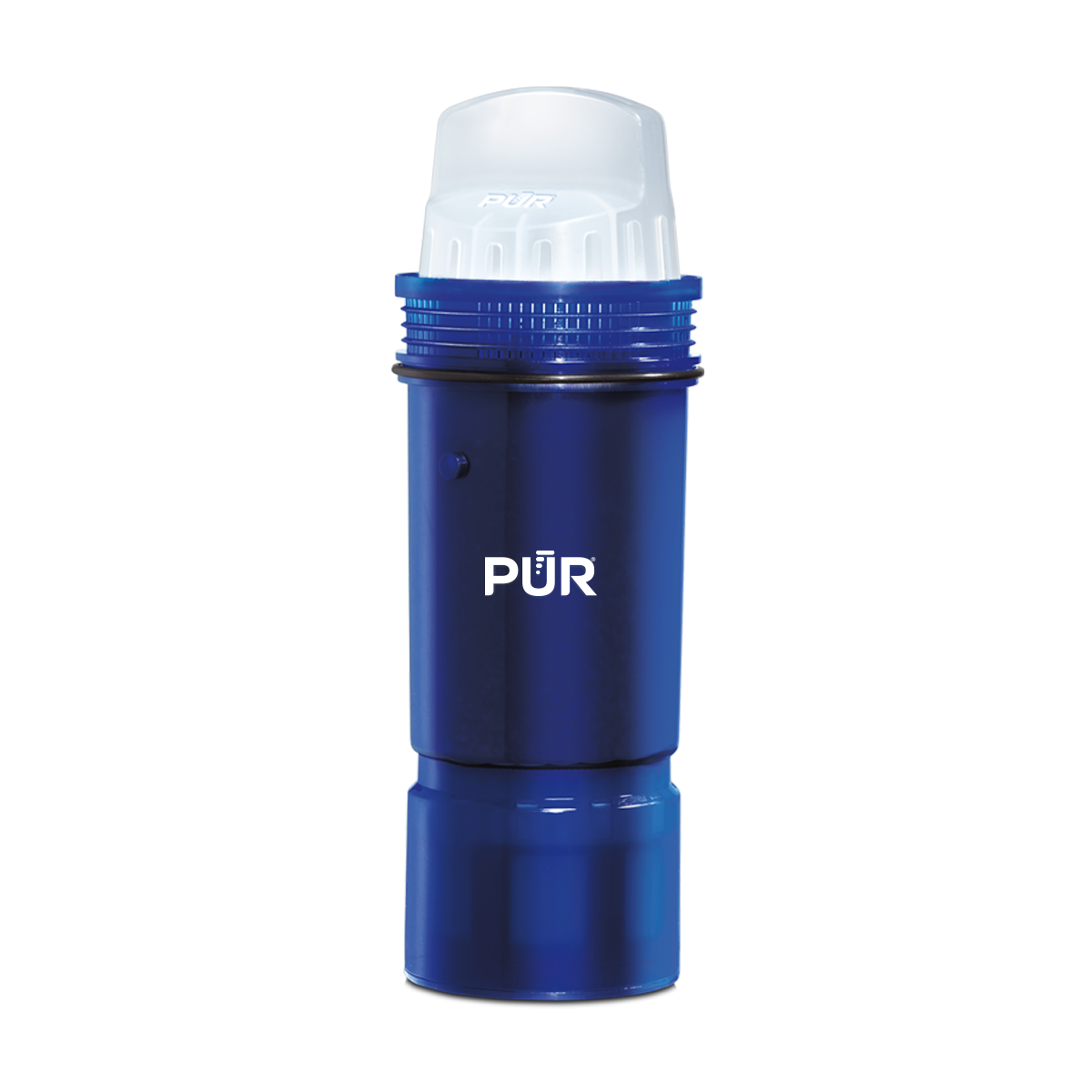
PPF951K

View Filter

PUR BASIC PITCHER FILTERS
PPF900Z

View Filter


Vs. Brita*

Lead
Microplastics
Mercury
Chlorine Taste & Odor
DEET
TTHM

PUR’s Filtration Systems Are Certified By NSF And WQA For Their Contamination Reduction. WQA certifications as of 5/27/21 for Faucet filter models RF-3375 and RF-9999.

¹ Certified to reduce 10X more chemical and physical substances than Brita’s® leading pitcher filter.
² Certified to reduce 3X more chemical and physical substances than Brita’s® leading pitcher filter.
³ Certified to reduce 2X more chemical and physical substances than Brita’s® leading pitcher filter.
*Versus best-selling Brita® pitcher filter OB03. Brita® is a trademark of Brita LP.
**Like other leading brands, PUR does not filter microbes. As of 3/1/23 Brita® and ZeroWater® were not certified to filter microbes. Brita® is a trademark of Brita LP. ZeroWater® is a trademark of Zero Technologies, LLC..
 

PUR & PUR PLUS FAUCET FILTERS


PUR & PUR PLUS FAUCET FILTERS
RF3375/RF9999

View Filters


Vs. Brita*

Lead
Microplastics
Mercury
Chlorine Taste & Odor
DEET
TTHM

PUR’s Filtration Systems Are Certified By NSF And WQA For Their Contamination Reduction. WQA certifications as of 5/27/21 for Faucet filter models RF-3375 and RF-9999.

¹ Certified to reduce 10X more chemical and physical substances than Brita’s® leading pitcher filter.
² Certified to reduce 3X more chemical and physical substances than Brita’s® leading pitcher filter.
³ Certified to reduce 2X more chemical and physical substances than Brita’s® leading pitcher filter.
*Versus best-selling Brita® pitcher filter OB03. Brita® is a trademark of Brita LP.
**Like other leading brands, PUR does not filter microbes. As of 3/1/23 Brita® and ZeroWater® were not certified to filter microbes. Brita® is a trademark of Brita LP. ZeroWater® is a trademark of Zero Technologies, LLC..
 

PUR PLUS PITCHER FILTERS


PUR PLUS PITCHER FILTERS
PPF951K

View Filter


Vs. Brita*

Lead
Microplastics
Mercury
Chlorine Taste & Odor
DEET
TTHM

PUR’s Filtration Systems Are Certified By NSF And WQA For Their Contamination Reduction. WQA certifications as of 5/27/21 for Faucet filter models RF-3375 and RF-9999.

¹ Certified to reduce 10X more chemical and physical substances than Brita’s® leading pitcher filter.
² Certified to reduce 3X more chemical and physical substances than Brita’s® leading pitcher filter.
³ Certified to reduce 2X more chemical and physical substances than Brita’s® leading pitcher filter.
*Versus best-selling Brita® pitcher filter OB03. Brita® is a trademark of Brita LP.
**Like other leading brands, PUR does not filter microbes. As of 3/1/23 Brita® and ZeroWater® were not certified to filter microbes. Brita® is a trademark of Brita LP. ZeroWater® is a trademark of Zero Technologies, LLC..
 

PUR BASIC PITCHER FILTERS


PUR BASIC PITCHER FILTERS
PPF900Z

View Filter


Vs. Brita*

Lead
Microplastics
Mercury
Chlorine Taste & Odor
DEET
TTHM

PUR’s Filtration Systems Are Certified By NSF And WQA For Their Contamination Reduction. WQA certifications as of 5/27/21 for Faucet filter models RF-3375 and RF-9999.

¹ Certified to reduce 10X more chemical and physical substances than Brita’s® leading pitcher filter.
² Certified to reduce 3X more chemical and physical substances than Brita’s® leading pitcher filter.
³ Certified to reduce 2X more chemical and physical substances than Brita’s® leading pitcher filter.
*Versus best-selling Brita® pitcher filter OB03. Brita® is a trademark of Brita LP.
**Like other leading brands, PUR does not filter microbes. As of 3/1/23 Brita® and ZeroWater® were not certified to filter microbes. Brita® is a trademark of Brita LP. ZeroWater® is a trademark of Zero Technologies, LLC..
 

2026 How to Choose the Best Tap Water Filter for Your Needs?

In today's world, choosing the right tap water filter is crucial for your health. According to Dr. Emily Green, a renowned water quality expert, "A good filter can significantly reduce contaminants in tap water." Her words remind us that the water we drink affects our wellbeing.

When selecting a tap water filter, consider your unique needs. Each home has different water quality issues. Some filters target chlorine, while others focus on heavy metals. Finding the best fit is essential. You might face confusion due to the variety of options available.

Reflect on your water consumption habits. Do you prefer drinking filtered water, or do you want to use it for cooking? It’s essential to weigh these factors. Selecting a tap water filter can impact your daily life. Striving for the best option may lead to unexpected thoughts and realizations about your water choices.

2026 How to Choose the Best Tap Water Filter for Your Needs?

Understanding the Importance of Tap Water Quality

2026 How to Choose the Best Tap Water Filter for Your Needs?

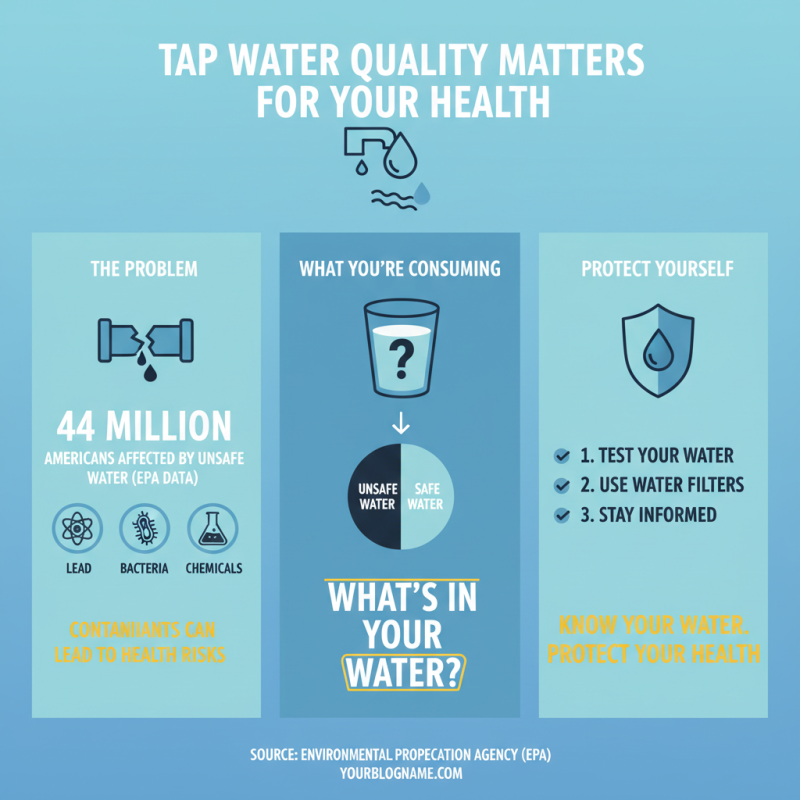
The quality of tap water directly affects our health. According to the Environmental Protection Agency (EPA), over 44 million Americans experience unsafe drinking water. Contaminants like lead, bacteria, and chemicals can infiltrate our supplies. This raises concerns about what we are really consuming.

Discovering the specific issues in your area is crucial. Water quality reports from local utilities show that contaminants vary by region. For instance, a study found that up to 20% of urban water supplies contain harmful levels of chlorine byproducts. Such data can be alarming but necessary for informed choices.

Choosing the right tap water filter is not just about convenience. Many people still overlook this critical step. Filters can effectively remove contaminants, but not all are equal. A survey indicated that 45% of consumers assumed their tap water was safe without testing it. This assumption can lead to health risks. Understanding local water quality reports empowers individuals to make better choices for their health.

Types of Tap Water Filters and Their Functions

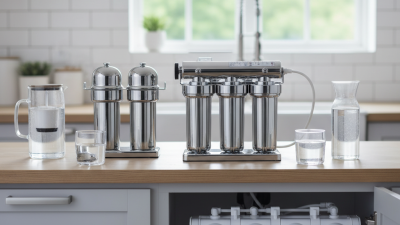
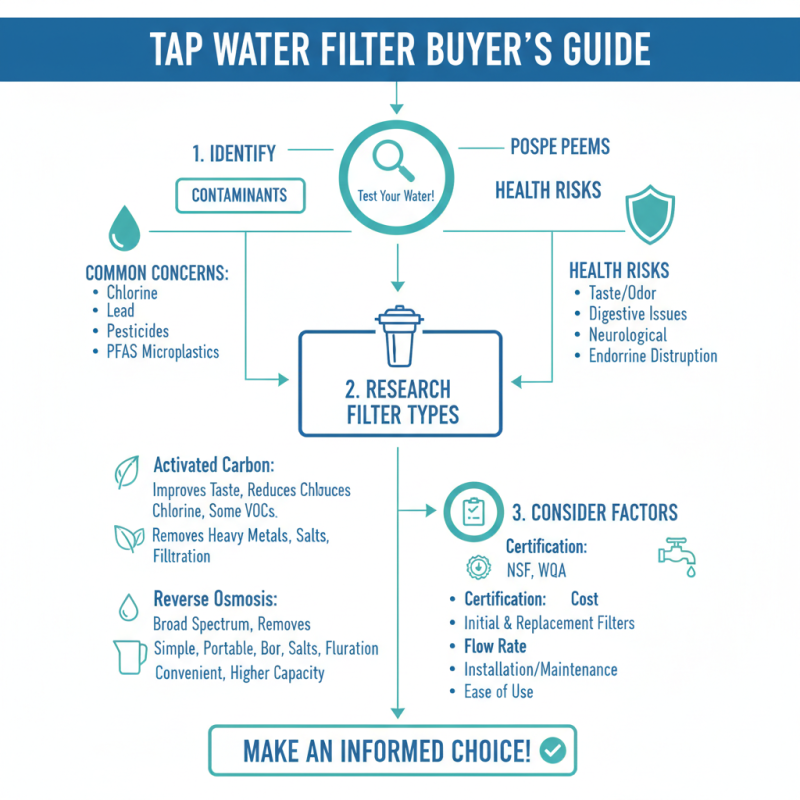
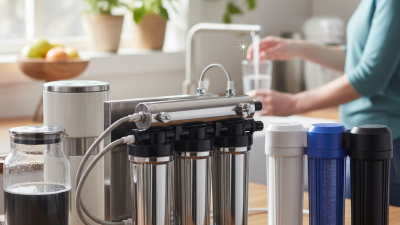
When selecting a tap water filter, understanding the various types is crucial. Common filters include activated carbon, reverse osmosis, and UV purification. Each serves a specific purpose.

Activated carbon filters excel at removing chlorine, sediment, and volatile organic compounds. Reports indicate these can reduce contaminants by up to 99%. However, their effectiveness diminishes with time.

Reverse osmosis filters provide a more comprehensive solution. They remove a wide array of impurities, including heavy metals, bacteria, and dissolved salts. However, they can waste up to three times the amount of water they purify. While effective, they require regular maintenance.

UV purification systems kill harmful microorganisms using ultraviolet light. These systems do not change the water's taste or odor, making them appealing to many. Yet, they do not remove chemical contaminants.

A blend of technologies can sometimes provide a more effective solution. Users often find this information conflicting, leaving them unsure about the best choice for their unique water quality needs. Always consider the specific contaminants in your water for the right filter selection.

Factors to Consider When Choosing a Water Filter

2026 How to Choose the Best Tap Water Filter for Your Needs?

Choosing the right tap water filter can feel overwhelming. There are many factors to consider. Start by looking at what contaminants are in your water. Test your water supply if you're unsure. This step is crucial for making the right choice.

Filter lifespan is another important feature. Some filters last longer than others. A shorter lifespan can lead to more frequent replacements. This could be both annoying and costly. Think about how much you're willing to spend over time.

**Tip:** Check for certifications. Look for filters that meet health standards. This adds assurance to your choice.

Think about the filter's installation process as well. Some models are easy to install. Others may require professional help. If you're not handy, this could become a hassle.

**Tip:** Read reviews online. Real user experiences offer valuable insights. They can highlight potential issues you might face.

Ease of maintenance is often overlooked. Regular cleaning can prevent buildup. But, many people forget to perform this task. So, consider your own habits when choosing a filter.

Comparing Popular Brands and Models of Tap Water Filters

When selecting a tap water filter, comparing popular brands is essential. Various models vary in effectiveness and features. According to a recent industry report, nearly 50% of tap water contains contaminants like lead and chlorine. Different filters target different impurities, making it crucial to identify specific needs.

Several models boast impressive ratings. Some remove over 99% of lead, while others focus on reducing chlorine taste and odor. The choice largely depends on your water quality. Data indicates that roughly 30% of households use subpar filtration, leading to continued exposure to harmful compounds. This highlights the importance of understanding what each filter can achieve.

Performance isn’t the only factor to consider. Installation and maintenance are often overlooked. Some filters require frequent cartridge changes, adding to long-term costs. These additional responsibilities can deter users. Only 15% of consumers fully invest in their filter systems. Reflecting on these aspects can pave the way for smarter choices.

Comparison of Tap Water Filter Removal Efficiency

Maintenance and Replacement: Ensuring Optimal Filter Performance

Maintaining a tap water filter is crucial for its efficiency and longevity. Over time, the filter accumulates impurities from the water. This buildup can affect the taste and quality of the water you drink. Regularly changing the filter is essential. Most filters have a specific lifespan, often measured in gallons or time. If ignored, you may end up drinking contaminated water.

Cleaning the filter system is another important task. Many filters have removable parts that require periodic cleaning. This helps prevent clogs and ensures that the filter works effectively. Use mild soap and water for cleaning. Avoid harsh chemicals. These can damage the filter and impact its performance.

Monitor changes in water quality. If the taste or smell changes, it may be time to check the filter. Visualization is key. A filter with discolored or clogged components is a clear sign of neglect. Maintaining a schedule for maintenance can help ensure that your filter operates at its best. Remember, the goal is clean, safe drinking water.

2026 How to Choose the Best Tap Water Filter for Your Needs? - Maintenance and Replacement: Ensuring Optimal Filter Performance

Filter Type Contaminants Removed Filter Lifespan Maintenance Frequency Replacement Cost
Activated Carbon Filter Chlorine, Sediment, Bad Odors 6 months - 1 year Every 6-12 months $20 - $50
Reverse Osmosis System Heavy Metals, Fluoride, Nitrates 2 years Every 2 years $100 - $300
UV Filter Bacteria, Viruses 1 year Annually $50 - $100
Ceramic Filter Bacteria, Sediment 1 - 3 years Every 1-3 years $30 - $70