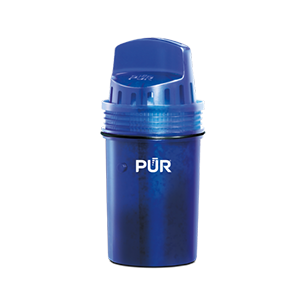
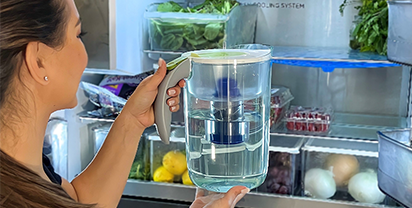
Contaminant Comparison Chart

For a complete list of contaminants that PUR filters reduce, please view our Performance Data Sheets here.


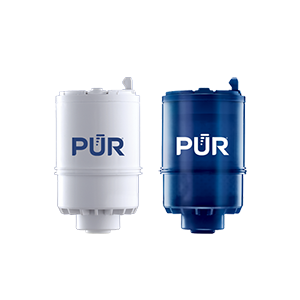
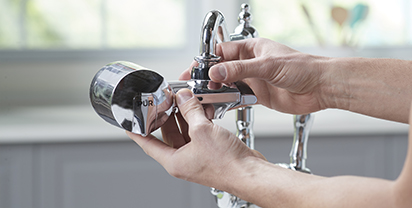
PUR & PUR PLUS FAUCET FILTERS
RF3375/RF9999

View Filters

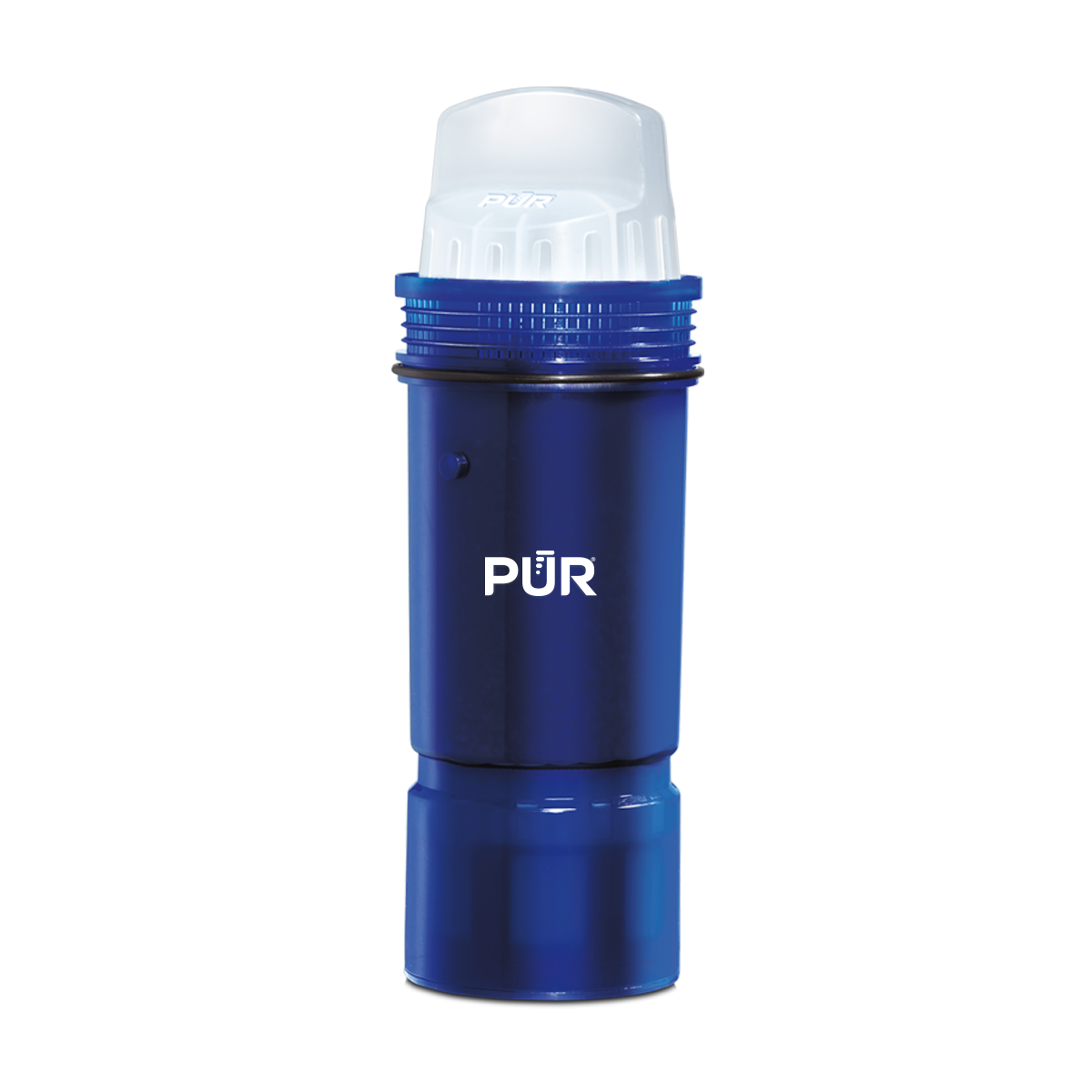
PUR PLUS PITCHER FILTERS
PPF951K

View Filter

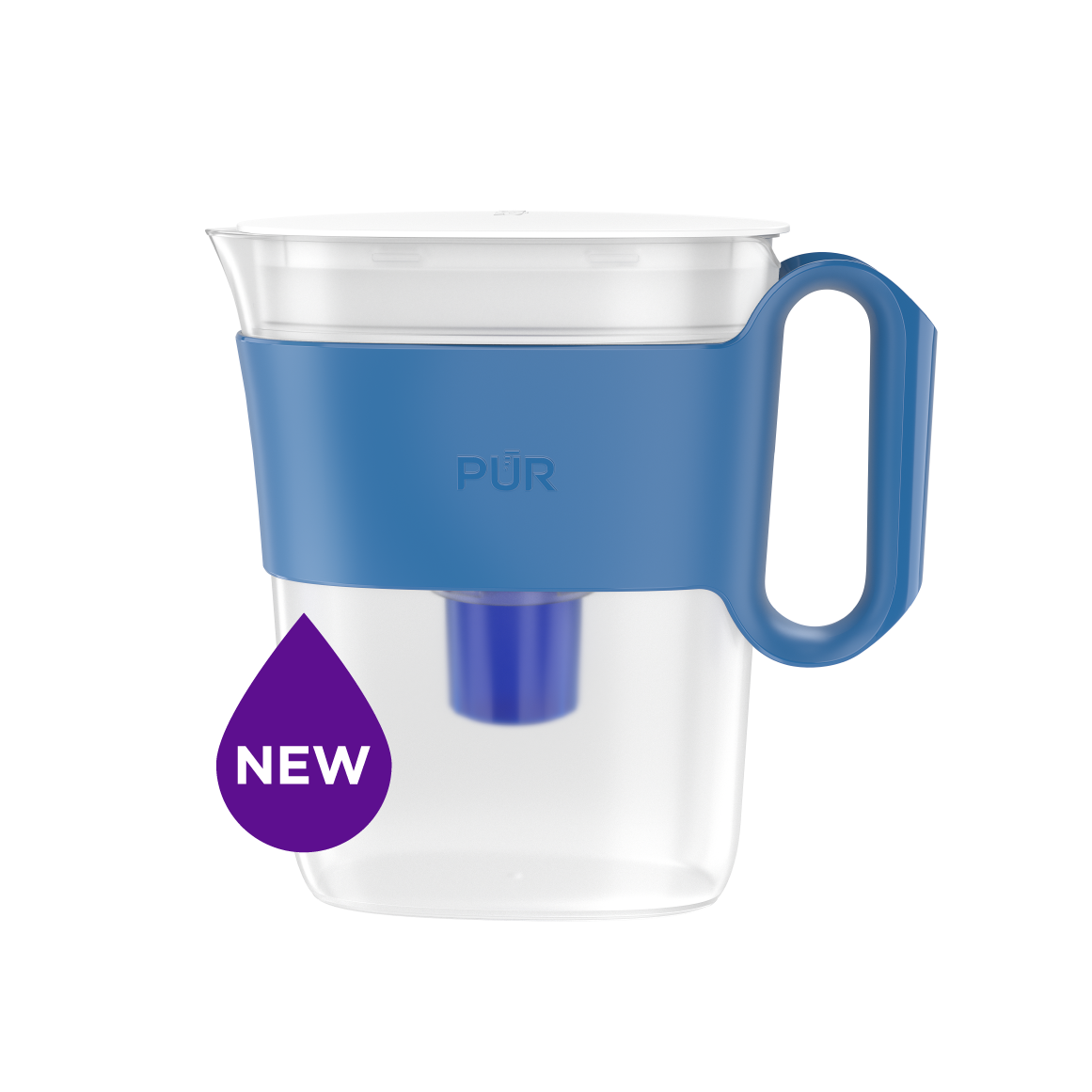
PUR BASIC PITCHER FILTERS
PPF900Z

View Filter


Vs. Brita*

Lead
Microplastics
Mercury
Chlorine Taste & Odor
DEET
TTHM

PUR’s Filtration Systems Are Certified By NSF And WQA For Their Contamination Reduction. WQA certifications as of 5/27/21 for Faucet filter models RF-3375 and RF-9999.

¹ Certified to reduce 10X more chemical and physical substances than Brita’s® leading pitcher filter.
² Certified to reduce 3X more chemical and physical substances than Brita’s® leading pitcher filter.
³ Certified to reduce 2X more chemical and physical substances than Brita’s® leading pitcher filter.
*Versus best-selling Brita® pitcher filter OB03. Brita® is a trademark of Brita LP.
**Like other leading brands, PUR does not filter microbes. As of 3/1/23 Brita® and ZeroWater® were not certified to filter microbes. Brita® is a trademark of Brita LP. ZeroWater® is a trademark of Zero Technologies, LLC..
 

PUR & PUR PLUS FAUCET FILTERS


PUR & PUR PLUS FAUCET FILTERS
RF3375/RF9999

View Filters


Vs. Brita*

Lead
Microplastics
Mercury
Chlorine Taste & Odor
DEET
TTHM

PUR’s Filtration Systems Are Certified By NSF And WQA For Their Contamination Reduction. WQA certifications as of 5/27/21 for Faucet filter models RF-3375 and RF-9999.

¹ Certified to reduce 10X more chemical and physical substances than Brita’s® leading pitcher filter.
² Certified to reduce 3X more chemical and physical substances than Brita’s® leading pitcher filter.
³ Certified to reduce 2X more chemical and physical substances than Brita’s® leading pitcher filter.
*Versus best-selling Brita® pitcher filter OB03. Brita® is a trademark of Brita LP.
**Like other leading brands, PUR does not filter microbes. As of 3/1/23 Brita® and ZeroWater® were not certified to filter microbes. Brita® is a trademark of Brita LP. ZeroWater® is a trademark of Zero Technologies, LLC..
 

PUR PLUS PITCHER FILTERS


PUR PLUS PITCHER FILTERS
PPF951K

View Filter


Vs. Brita*

Lead
Microplastics
Mercury
Chlorine Taste & Odor
DEET
TTHM

PUR’s Filtration Systems Are Certified By NSF And WQA For Their Contamination Reduction. WQA certifications as of 5/27/21 for Faucet filter models RF-3375 and RF-9999.

¹ Certified to reduce 10X more chemical and physical substances than Brita’s® leading pitcher filter.
² Certified to reduce 3X more chemical and physical substances than Brita’s® leading pitcher filter.
³ Certified to reduce 2X more chemical and physical substances than Brita’s® leading pitcher filter.
*Versus best-selling Brita® pitcher filter OB03. Brita® is a trademark of Brita LP.
**Like other leading brands, PUR does not filter microbes. As of 3/1/23 Brita® and ZeroWater® were not certified to filter microbes. Brita® is a trademark of Brita LP. ZeroWater® is a trademark of Zero Technologies, LLC..

 

PUR BASIC PITCHER FILTERS


PUR BASIC PITCHER FILTERS
PPF900Z

View Filter


Vs. Brita*

Lead
Microplastics
Mercury
Chlorine Taste & Odor
DEET
TTHM

PUR’s Filtration Systems Are Certified By NSF And WQA For Their Contamination Reduction. WQA certifications as of 5/27/21 for Faucet filter models RF-3375 and RF-9999.

¹ Certified to reduce 10X more chemical and physical substances than Brita’s® leading pitcher filter.
² Certified to reduce 3X more chemical and physical substances than Brita’s® leading pitcher filter.
³ Certified to reduce 2X more chemical and physical substances than Brita’s® leading pitcher filter.
*Versus best-selling Brita® pitcher filter OB03. Brita® is a trademark of Brita LP.
**Like other leading brands, PUR does not filter microbes. As of 3/1/23 Brita® and ZeroWater® were not certified to filter microbes. Brita® is a trademark of Brita LP. ZeroWater® is a trademark of Zero Technologies, LLC..
 

2026 How to Choose the Best Water Filter Pitcher for Your Needs

Choosing the right water filter pitcher can seem overwhelming. With so many options available, it's easy to feel lost. Each pitcher boasts different features, sizes, and filtration methods, making selection tricky.

Consider your water quality and family needs. Some pitchers excel in removing heavy metals, while others focus on taste. You may find that your tap water contains specific contaminants. Research is essential. It can reveal what you need in a water filter pitcher.

Remember, price doesn’t always reflect quality. Affordability is crucial, but don't settle for the cheapest option. Look for certifications, which indicate effective filtration. Evaluating these aspects is vital for health and convenience. Be prepared to reflect on your family’s water habits. What may work for one household might not meet another's needs. Ultimately, a thoughtful choice leads to improved hydration and peace of mind.

2026 How to Choose the Best Water Filter Pitcher for Your Needs

Understanding Water Filter Pitchers: Types and Technologies

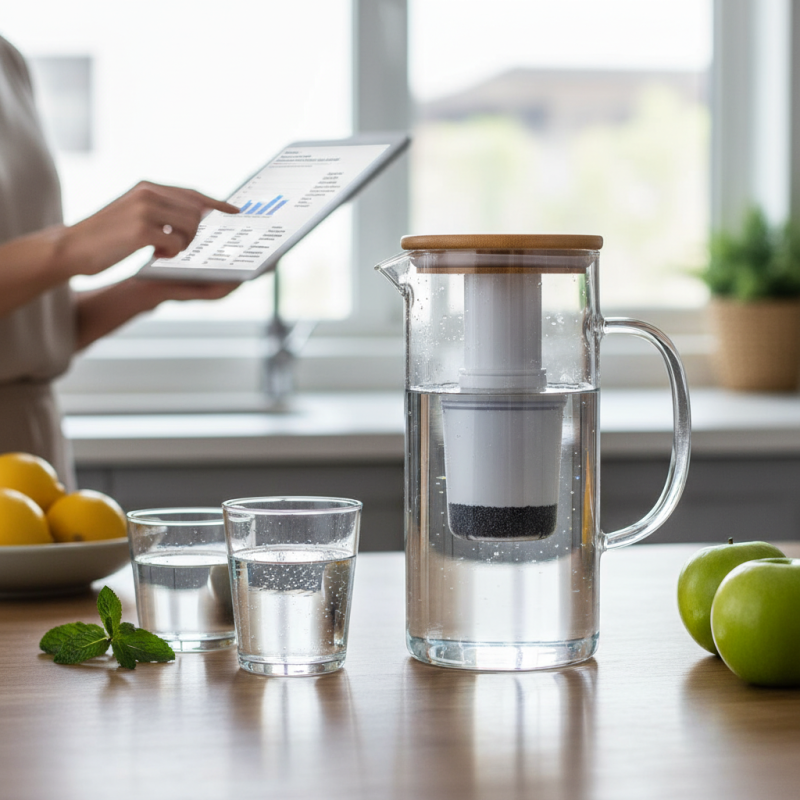
When selecting a water filter pitcher, understanding the various types available is crucial. Common options include activated carbon filters, which are effective at removing chlorine and bad tastes. There are also multi-stage filters that combine different technologies. These can target a broader range of contaminants.

Consider the technology behind each pitcher. Some pitchers use ion exchange, which can reduce hard minerals. Others utilize UV light, which is great for killing bacteria. Each method has its strengths and weaknesses. It's essential to match your specific water concerns with the right technology. Review filter lifespans as well. Some filters may need frequent replacements, which can become costly.

Many users may overlook design aspects, but they matter too. A pitcher should fit comfortably in your refrigerator and be easy to pour. A poor design can lead to spills or difficulty in filling. Reflect on your daily habits, as these features might impact your usage. Take the time to research various options and read multiple reviews. This investment in understanding can pay off with cleaner, safer drinking water.

Water Filter Pitcher Comparison: Contaminant Reduction Effectiveness

Key Factors to Consider When Choosing a Water Filter Pitcher

Choosing the right water filter pitcher can seem overwhelming. There are several key factors to consider. First, think about the capacity. Some pitchers hold only a few cups, while others can store more. This affects how often you'll need to refill. Ensure the size fits your family’s water consumption.

Next, examine the filtration system. Different filters remove various contaminants. Some tackle chlorine, while others address heavy metals. Read the specifications carefully. Check how often you need to replace the filter. A more efficient system might save money in the long run, despite the upfront cost.

Don’t overlook ease of use. A pitcher that’s difficult to fill or clean might end up unused. Test the weight when full. If it feels heavy, it can be cumbersome. Design matters too; a sleek pitcher fits well in the fridge. Think about what works for your lifestyle. Finding the right balance can take time. Be prepared to try a few before settling on one.

2026 How to Choose the Best Water Filter Pitcher for Your Needs - Key Factors to Consider When Choosing a Water Filter Pitcher

Feature Description Considerations
Filter Type Different filter technologies like activated carbon, reverse osmosis, or ceramic affect filtration quality. Choose based on contaminants in your water source.
Filter Lifespan Indicates how long the filter will effectively remove contaminants. Longer lifespan may reduce maintenance costs.
Capacity Amount of water the pitcher can hold before needing a refill. Consider your household size and water consumption.
Ease of Use Includes factors such as filling, pouring, and cleaning. Look for pitchers with ergonomic designs and easy-to-read indicators.
Cost Initial cost of the pitcher and ongoing filter replacements. Balance upfront costs with long-term maintenance expenses.
Portability Easy to carry or store, important for travel or limited kitchen space. Consider lightweight materials and compact designs.
Certification Verification from organizations like NSF confirms performance claims. Look for certifications that meet your specific water quality needs.

Evaluating Filter Performance and Contaminant Removal Capabilities

When choosing a water filter pitcher, understanding filter performance and contaminant removal capabilities is crucial. Various studies show that 60% of home tap water contains contaminants. This includes chlorine, lead, and even microplastics. A good filter pitcher should effectively reduce these impurities.

Performance varies significantly among different models. Some filters can eliminate up to 99% of common contaminants, while others may only reduce a fraction. The lack of standardization in testing can confuse buyers. An expert report suggested that some models only remove 20-30% of lead, which is underwhelming.

Also, not all filters remove fluoride, a common concern. Studies indicate that about 70% of Americans have fluoride in their water supply. Many people may overlook this fact. Regularly checking the filter lifespan is essential. A filter that exceeds its lifespan can lead to increased contaminant levels in your water. Users often underestimate this factor, leading to less effective filtration. It raises the question: How often are we really evaluating our water filter pitcher’s performance?

Assessing Capacity, Size, and Design for Your Household Needs

2026 How to Choose the Best Water Filter Pitcher for Your Needs

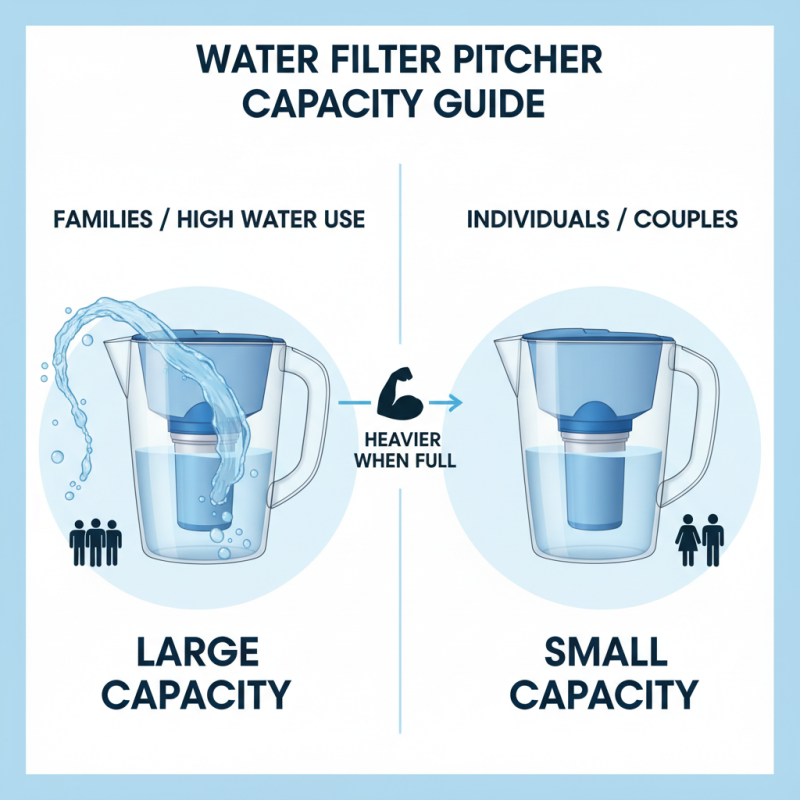
When choosing a water filter pitcher, capacity is crucial. Think about how many people live in your home. A larger pitcher is ideal for families who drink a lot of water. A smaller pitcher may suffice for individuals or couples. Keep in mind that larger pitchers can be heavy, making them harder to lift when full.

Size also matters. Consider your fridge space before buying. Some pitchers need ample space, while others are designed to fit snugly. You might find a more compact design easier to use daily. Don't underestimate how a sleek design can encourage you to drink more water.

Tips: Look for a pitcher with a comfortable grip. This feature aids easy pouring. Take note of the filter replacement indicators. They remind you when to switch filters. Also, read reviews about the ease of filling and cleaning the pitcher. The right choice can enhance your hydration routine. Think carefully, as it’s an investment in your health.

Comparing Brands and Price Points for Best Value Water Filter Pitchers

Choosing the right water filter pitcher can greatly impact your daily hydration. Many options exist, varying in price and features. Understanding these can help you find the best value. Price points often reflect the filter's lifespan and contaminant removal capabilities.


When comparing brands, check the certifications for contaminant removal. Not all pitchers filter the same elements. Some are better for chlorine, while others excel in lead reduction. Look for user reviews to gain insight into real-world performance.


Tips: Take time to review the filter replacement costs, too. A low initial price may come with high refill costs later. Consider the pitcher’s capacity to suit your family's needs. A smaller pitcher might require frequent refilling, which can be annoying. Reflect on your usage patterns before deciding.