Contaminant Comparison Chart

For a complete list of contaminants that PUR filters reduce, please view our Performance Data Sheets here.


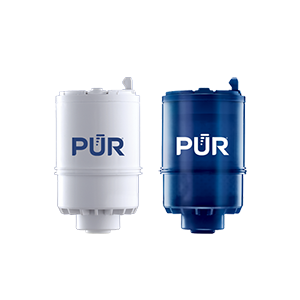
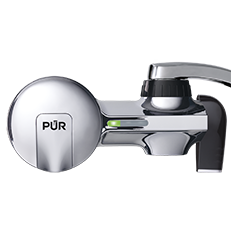
PUR & PUR PLUS FAUCET FILTERS
RF3375/RF9999

View Filters

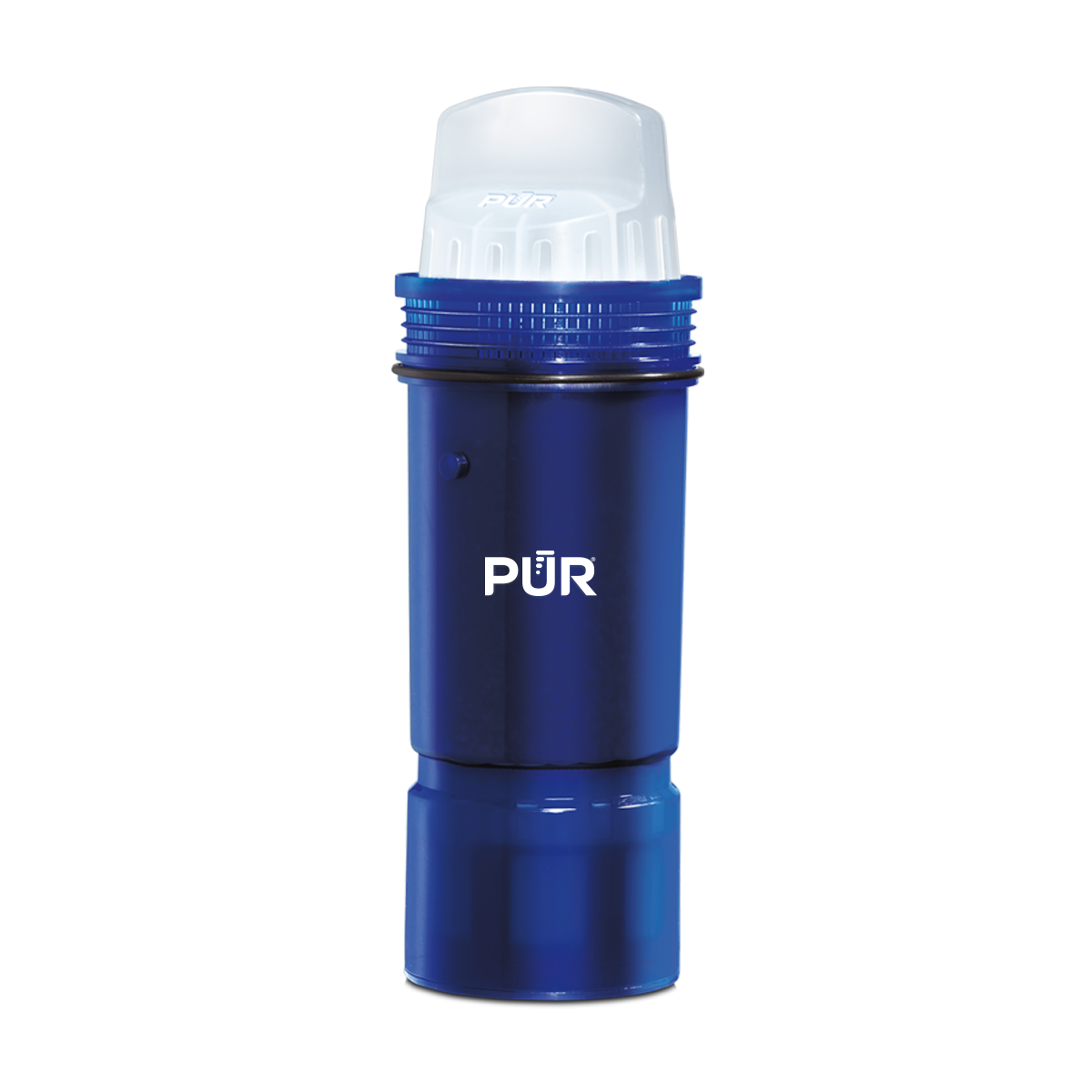
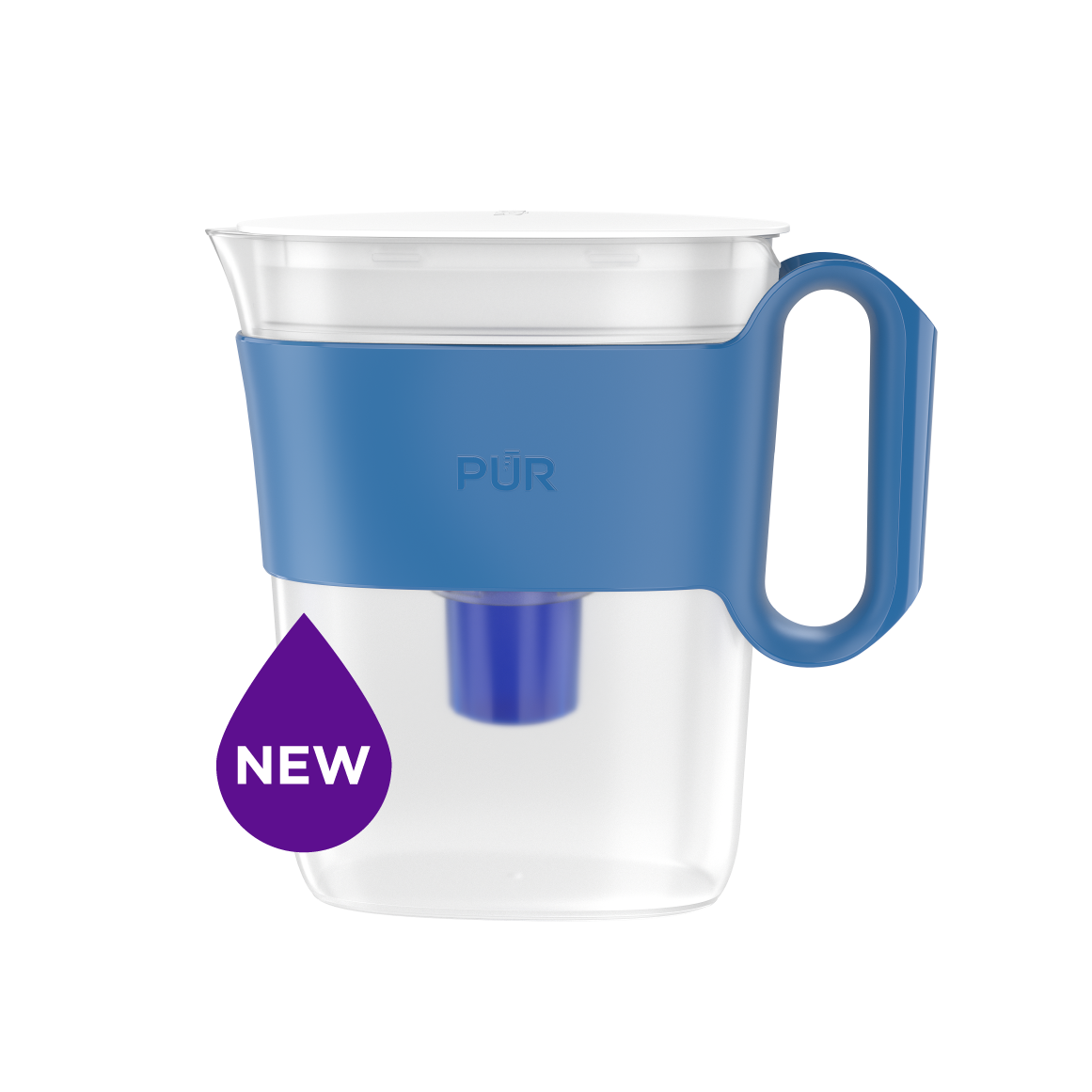
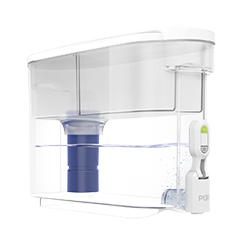
PUR PLUS PITCHER FILTERS
PPF951K

View Filter

PUR BASIC PITCHER FILTERS
PPF900Z

View Filter


Vs. Brita*

Lead
Microplastics
Mercury
Chlorine Taste & Odor
DEET
TTHM

PUR’s Filtration Systems Are Certified By NSF And WQA For Their Contamination Reduction. WQA certifications as of 5/27/21 for Faucet filter models RF-3375 and RF-9999.

¹ Certified to reduce 10X more chemical and physical substances than Brita’s® leading pitcher filter.
² Certified to reduce 3X more chemical and physical substances than Brita’s® leading pitcher filter.
³ Certified to reduce 2X more chemical and physical substances than Brita’s® leading pitcher filter.
*Versus best-selling Brita® pitcher filter OB03. Brita® is a trademark of Brita LP.
**Like other leading brands, PUR does not filter microbes. As of 3/1/23 Brita® and ZeroWater® were not certified to filter microbes. Brita® is a trademark of Brita LP. ZeroWater® is a trademark of Zero Technologies, LLC..
 

PUR & PUR PLUS FAUCET FILTERS


PUR & PUR PLUS FAUCET FILTERS
RF3375/RF9999

View Filters


Vs. Brita*

Lead
Microplastics
Mercury
Chlorine Taste & Odor
DEET
TTHM

PUR’s Filtration Systems Are Certified By NSF And WQA For Their Contamination Reduction. WQA certifications as of 5/27/21 for Faucet filter models RF-3375 and RF-9999.

¹ Certified to reduce 10X more chemical and physical substances than Brita’s® leading pitcher filter.
² Certified to reduce 3X more chemical and physical substances than Brita’s® leading pitcher filter.
³ Certified to reduce 2X more chemical and physical substances than Brita’s® leading pitcher filter.
*Versus best-selling Brita® pitcher filter OB03. Brita® is a trademark of Brita LP.
**Like other leading brands, PUR does not filter microbes. As of 3/1/23 Brita® and ZeroWater® were not certified to filter microbes. Brita® is a trademark of Brita LP. ZeroWater® is a trademark of Zero Technologies, LLC..


PUR PLUS PITCHER FILTERS


PUR PLUS PITCHER FILTERS
PPF951K

View Filter


Vs. Brita*

Lead
Microplastics
Mercury
Chlorine Taste & Odor
DEET
TTHM

PUR’s Filtration Systems Are Certified By NSF And WQA For Their Contamination Reduction. WQA certifications as of 5/27/21 for Faucet filter models RF-3375 and RF-9999.

¹ Certified to reduce 10X more chemical and physical substances than Brita’s® leading pitcher filter.
² Certified to reduce 3X more chemical and physical substances than Brita’s® leading pitcher filter.
³ Certified to reduce 2X more chemical and physical substances than Brita’s® leading pitcher filter.
*Versus best-selling Brita® pitcher filter OB03. Brita® is a trademark of Brita LP.
**Like other leading brands, PUR does not filter microbes. As of 3/1/23 Brita® and ZeroWater® were not certified to filter microbes. Brita® is a trademark of Brita LP. ZeroWater® is a trademark of Zero Technologies, LLC..


PUR BASIC PITCHER FILTERS


PUR BASIC PITCHER FILTERS
PPF900Z

View Filter


Vs. Brita*

Lead
Microplastics
Mercury
Chlorine Taste & Odor
DEET
TTHM

PUR’s Filtration Systems Are Certified By NSF And WQA For Their Contamination Reduction. WQA certifications as of 5/27/21 for Faucet filter models RF-3375 and RF-9999.

¹ Certified to reduce 10X more chemical and physical substances than Brita’s® leading pitcher filter.
² Certified to reduce 3X more chemical and physical substances than Brita’s® leading pitcher filter.
³ Certified to reduce 2X more chemical and physical substances than Brita’s® leading pitcher filter.
*Versus best-selling Brita® pitcher filter OB03. Brita® is a trademark of Brita LP.
**Like other leading brands, PUR does not filter microbes. As of 3/1/23 Brita® and ZeroWater® were not certified to filter microbes. Brita® is a trademark of Brita LP. ZeroWater® is a trademark of Zero Technologies, LLC..


2026 How to Make Freeze Dried Gummy Bears at Home?

Freeze Dried Gummy Bears have become increasingly popular in recent years. The freeze-drying process allows for unique flavors and textures. According to a report by Grand View Research, the global gummy candy market was valued at over $25 billion in 2022. This indicates a growing appetite for novel candy experiences.

Making Freeze Dried Gummy Bears at home is both fun and rewarding. They retain their vibrant colors and shapes while achieving a light, crispy texture. As with all food preservation methods, quality ingredients yield the best results. Techniques vary, so experimenting with different flavors can lead to unexpected results.

While this process is easy, it requires patience. Over-drying can harm the flavor and make them too hard. Learning from mistakes is essential for improvement. Creating perfect Freeze Dried Gummy Bears demands practice and close attention. Each attempt offers a chance to refine your technique and enhance your candy-making skills.

2026 How to Make Freeze Dried Gummy Bears at Home?

Ingredients Needed for Making Gummy Bears at Home

Making freeze-dried gummy bears at home is exciting and fun. To start this sweet journey, you need a few essential ingredients. First, you will need gelatin. This ingredient is vital for giving gummy bears their chewy texture. Ensure you have enough to create a good batch. Next, grab a flavored liquid. Fruit juices work well, or you can use flavored extracts.

You also need sugar. This adds sweetness and balances the flavors. Don’t forget food coloring if you want vibrant gummy bears. It’s a fun touch! Simply mix these ingredients together in a pan. You might find it tricky to get the right consistency at first. That’s part of the learning process.

After mixing, pour the mixture into molds. Be careful not to overfill them. It can be messy! Once they’re set, you can freeze dry them. This step can take some time, and results may vary. Some may turn out perfectly, while others might be too hard or crumbly. Experiment and adjust as needed to reach your desired texture.

Step-by-Step Guide to Preparing Gummy Bear Mixture

Making freeze-dried gummy bears at home is a fun and creative process. You'll need to prepare a gummy bear mixture first. Start with gelatin, as it forms the base of the gummy texture. Combine it with fruit juice for natural flavor. You can use any juice you like. Remember, a good mix is essential for the right taste.

Add sweeteners to your mixture. Honey or agave syrup often work well. Next, heat the mixture gently until the gelatin dissolves completely. Stir it thoroughly; lumps are not welcome. Pour the mixture into gummy bear molds. Fill each mold carefully to avoid spills. Let them set in the fridge for several hours.

After the gummy bears firm up, it's time for freeze-drying. If you don’t have a freeze dryer, this step won’t be perfect. Home methods vary and may result in a different texture. However, the experimentation can lead to unique flavors. If they stick to the mold, just be patient! It often takes a bit of practice to master the art of gummy making. Enjoy the process and happy snacking!

Gummy Bear Freezing Process Overview

Essential Equipment for Freeze Drying Gummy Bears

To make freeze-dried gummy bears at home, you'll need specific equipment. A freeze dryer is essential for this process. It is designed to remove moisture without cooking the gummy bears. A vacuum pump may also be required, depending on your freeze dryer model. Make sure to check the manual for guidelines.

Another crucial component is storage bags. Use high-quality vacuum-sealed bags to keep the gummy bears fresh. If you don’t have a vacuum sealer, regular airtight bags can work too. Remember, proper storage impacts the final taste and texture of your treats.

Tips: Use a digital scale to measure gummy bear quantities. This ensures consistent results. Overloading the freeze dryer can lead to uneven drying, which might ruin your batch. Also, try different gummy bear shapes. Not all shapes dry the same way. Experimentation is key. You may face some trial and error, but finding the perfect recipe is rewarding. Just keep notes on your process. That way, you'll learn what works and what doesn’t.

Process of Freeze Drying Gummy Bears: A Complete Walkthrough

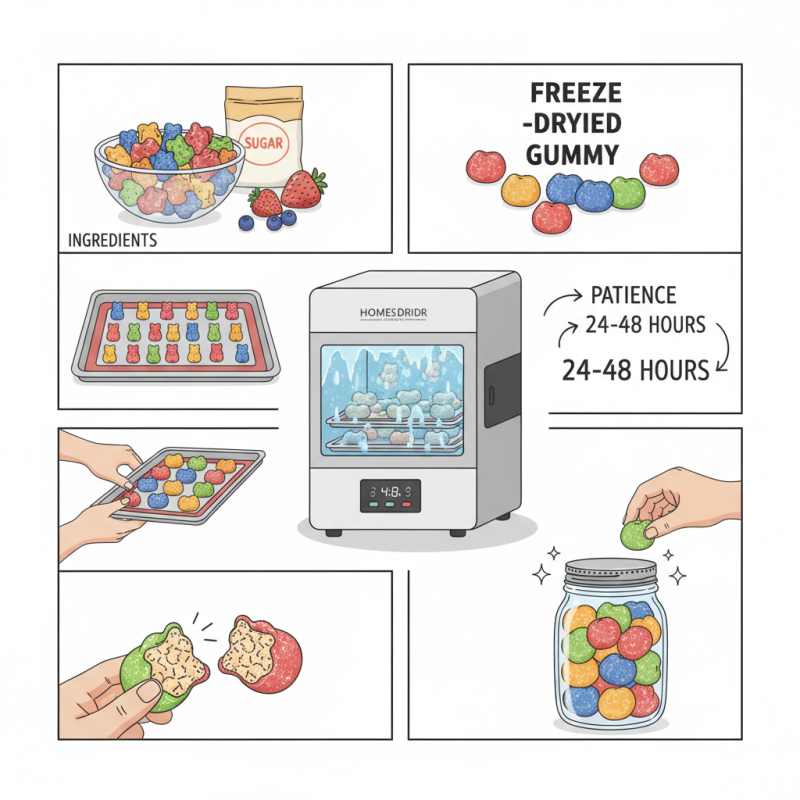
Freeze drying gummy bears is a fun and creative process. This method removes moisture, resulting in a chewy, crunchy treat. According to industry reports, freeze-drying can retain about 97% of the original nutrients. This makes it appealing for those who want healthy snacks. However, achieving the perfect texture requires precision.

To start, you need a freeze dryer. These machines can be expensive. Many home users might experience a learning curve with settings. Often, gummy bears can stick to trays if not placed properly. A recommended approach is to spread them evenly. Some beginners accidentally overcrowd the trays, leading to uneven drying.

Each batch could come out differently. Drying can take anywhere from 24 to 48 hours. Monitoring is crucial. The final texture should be light and crispy. If they feel sticky, the process wasn’t completed. This can be frustrating. Remember, practice makes perfect. Try varying temperatures.

Some might find they prefer a softer, chewier result. Balancing time and temperature is key to mastering this treat.

Storing and Enjoying Your Homemade Freeze Dried Gummy Bears

Storing homemade freeze-dried gummy bears is essential for preserving their texture and flavor. Use airtight containers to keep moisture out. Glass jars work well but be sure to label them. Consider using vacuum-sealed bags for longer storage. Always place them in a cool, dark place. This prevents them from getting too chewy or losing their taste.

Enjoying your gummy bears is just as important as making them. They can be a fun snack or a party treat. Pop them in your mouth for a burst of flavor. Pair them with yogurt or toss them into a dessert for added sweetness. Try enhancing their flavor with a sprinkle of salt or dipping them in chocolate.

Tips: Check the texture after rehydrating. Sometimes they need a bit longer to achieve the desired chewiness. Experiment with different fruits or flavors. Don’t hesitate to combine them for unique tastes. If you find some too tough, you can always adjust the drying time in the future.