

Contaminant Comparison Chart

For a complete list of contaminants that PUR filters reduce, please view our Performance Data Sheets here.


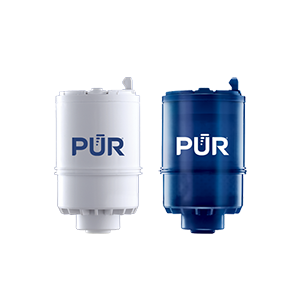
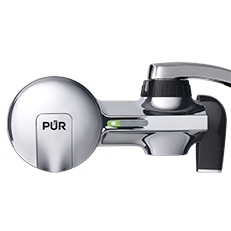
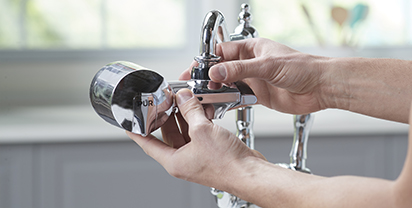
PUR & PUR PLUS FAUCET FILTERS
RF3375/RF9999

View Filters

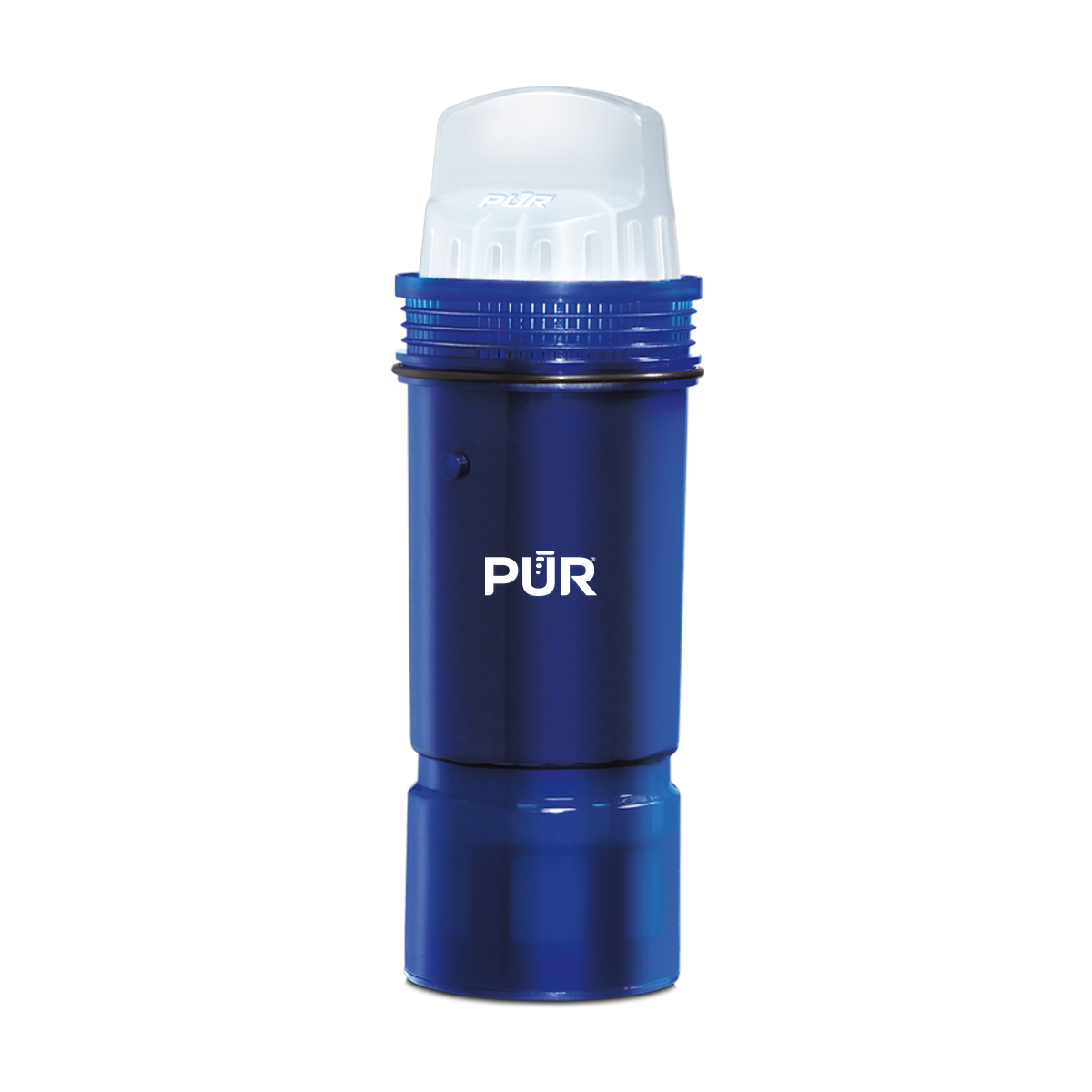
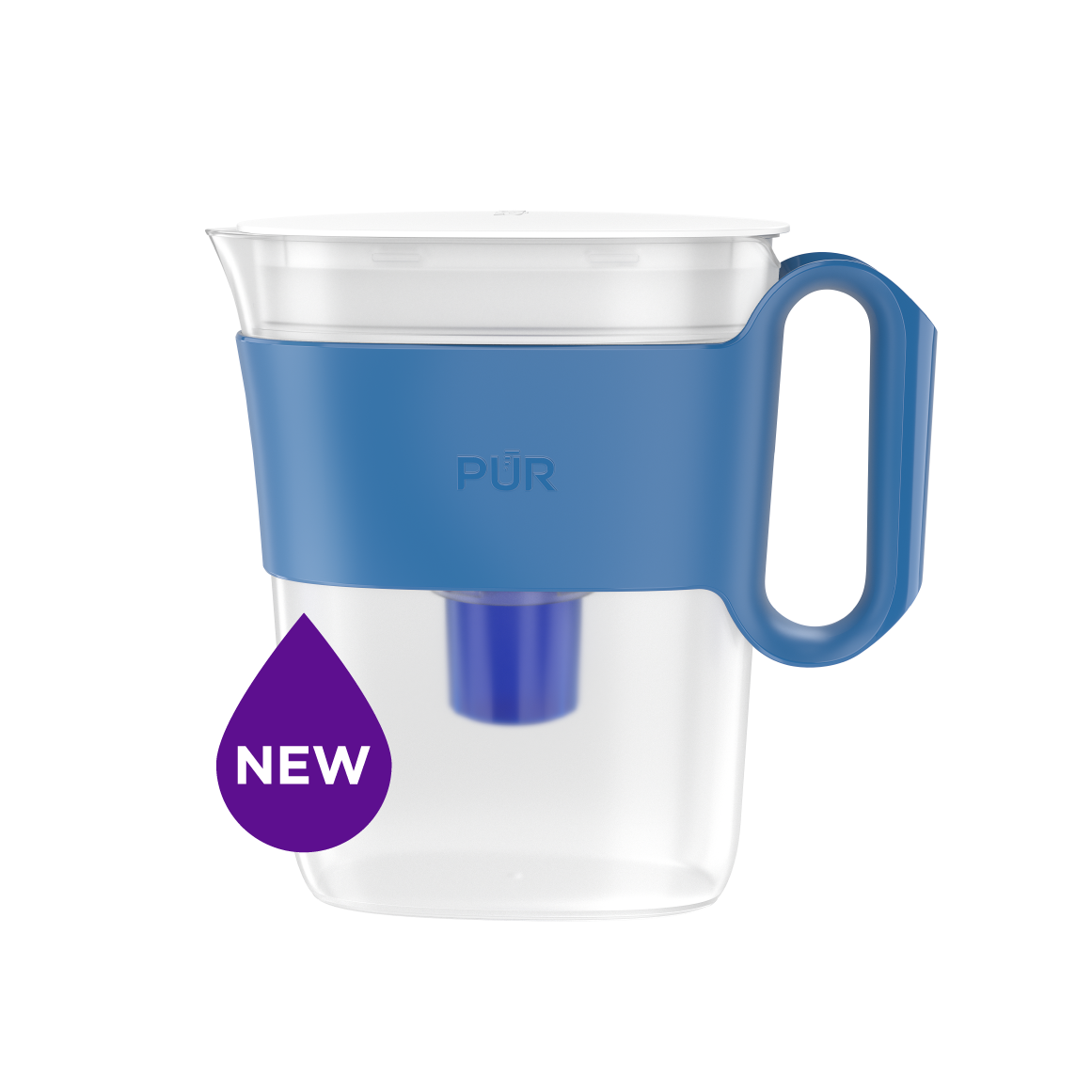
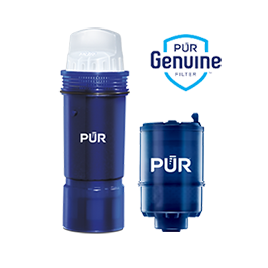
PUR PLUS PITCHER FILTERS
PPF951K

View Filter

PUR BASIC PITCHER FILTERS
PPF900Z

View Filter


Vs. Brita*

Lead ✓ ✓
Microplastics ✓ ✓
Mercury ✓ ✓ ✓
Chlorine Taste & Odor ✓ ✓ ✓
DEET ✓
TTHM ✓

PUR’s Filtration Systems Are Certified By NSF And WQA For Their Contamination Reduction. WQA certifications as of 5/27/21 for Faucet filter models RF-3375 and RF-9999.

¹ Certified to reduce 10X more chemical and physical substances than Brita’s® leading pitcher filter.
² Certified to reduce 3X more chemical and physical substances than Brita’s® leading pitcher filter.
³ Certified to reduce 2X more chemical and physical substances than Brita’s® leading pitcher filter.
*Versus best-selling Brita® pitcher filter OB03. Brita® is a trademark of Brita LP.
**Like other leading brands, PUR does not filter microbes. As of 3/1/23 Brita® and ZeroWater® were not certified to filter microbes. Brita® is a trademark of Brita LP. ZeroWater® is a trademark of Zero Technologies, LLC..
 

PUR & PUR PLUS FAUCET FILTERS


PUR & PUR PLUS FAUCET FILTERS
RF3375/RF9999

View Filters


Vs. Brita*

Lead ✓
Microplastics ✓
Mercury ✓
Chlorine Taste & Odor ✓
DEET ✓
TTHM ✓

PUR’s Filtration Systems Are Certified By NSF And WQA For Their Contamination Reduction. WQA certifications as of 5/27/21 for Faucet filter models RF-3375 and RF-9999.

¹ Certified to reduce 10X more chemical and physical substances than Brita’s® leading pitcher filter.
² Certified to reduce 3X more chemical and physical substances than Brita’s® leading pitcher filter.
³ Certified to reduce 2X more chemical and physical substances than Brita’s® leading pitcher filter.
*Versus best-selling Brita® pitcher filter OB03. Brita® is a trademark of Brita LP.
**Like other leading brands, PUR does not filter microbes. As of 3/1/23 Brita® and ZeroWater® were not certified to filter microbes. Brita® is a trademark of Brita LP. ZeroWater® is a trademark of Zero Technologies, LLC..


PUR PLUS PITCHER FILTERS


PUR PLUS PITCHER FILTERS
PPF951K

View Filter


Vs. Brita*

Lead ✓
Microplastics ✓
Mercury ✓
Chlorine Taste & Odor ✓
DEET
TTHM

PUR’s Filtration Systems Are Certified By NSF And WQA For Their Contamination Reduction. WQA certifications as of 5/27/21 for Faucet filter models RF-3375 and RF-9999.

¹ Certified to reduce 10X more chemical and physical substances than Brita’s® leading pitcher filter.
² Certified to reduce 3X more chemical and physical substances than Brita’s® leading pitcher filter.
³ Certified to reduce 2X more chemical and physical substances than Brita’s® leading pitcher filter.
*Versus best-selling Brita® pitcher filter OB03. Brita® is a trademark of Brita LP.
**Like other leading brands, PUR does not filter microbes. As of 3/1/23 Brita® and ZeroWater® were not certified to filter microbes. Brita® is a trademark of Brita LP. ZeroWater® is a trademark of Zero Technologies, LLC..


PUR BASIC PITCHER FILTERS


PUR BASIC PITCHER FILTERS
PPF900Z

View Filter


Vs. Brita*

Lead
Microplastics
Mercury ✓
Chlorine Taste & Odor ✓
DEET
TTHM

PUR’s Filtration Systems Are Certified By NSF And WQA For Their Contamination Reduction. WQA certifications as of 5/27/21 for Faucet filter models RF-3375 and RF-9999.

¹ Certified to reduce 10X more chemical and physical substances than Brita’s® leading pitcher filter.
² Certified to reduce 3X more chemical and physical substances than Brita’s® leading pitcher filter.
³ Certified to reduce 2X more chemical and physical substances than Brita’s® leading pitcher filter.
*Versus best-selling Brita® pitcher filter OB03. Brita® is a trademark of Brita LP.
**Like other leading brands, PUR does not filter microbes. As of 3/1/23 Brita® and ZeroWater® were not certified to filter microbes. Brita® is a trademark of Brita LP. ZeroWater® is a trademark of Zero Technologies, LLC..


What Is an Industrial Tool Bag Used For?

An Industrial Tool Bag is designed to keep essential equipment organized, protected, and ready for daily work. Electricians, mechanics, maintenance teams, and construction technicians often carry drivers, pliers, meters, fasteners, and small replacement parts. A well-designed bag places frequently used tools within quick reach. It also prevents sharp edges from damaging clothing, vehicles, or nearby surfaces.

The real value appears on busy job sites. A technician can move from a service van to a machine room without carrying loose tools in both hands. Reinforced handles, padded compartments, water-resistant fabric, and strong stitching support repeated use. Separate pockets reduce searching time and help prevent tools from striking delicate instruments. Some models include wide openings, shoulder straps, or detachable pouches for changing work conditions.

Small details matter.

However, no bag solves every problem. An oversized model may become uncomfortable when fully loaded. A compact design may lack space for testing equipment or longer hand tools. Poor weight distribution can also strain the shoulder during extended shifts. Users should consider tool size, working environment, cleaning needs, and carrying distance before choosing one. Manufacturer specifications and verified user feedback provide useful guidance, but they should not replace practical inspection.

A reliable Industrial Tool Bag should match the worker’s routine, not merely look durable in a product photograph. The best choice balances access, protection, capacity, and comfort. That balance can change over time as tools, responsibilities, and job locations change.

What Is an Industrial Tool Bag Used For?

Industrial Tool Bags: Definition, Users, and Five Core Worksite Functions

What Is an Industrial Tool Bag Used For?

Industrial Tool Bags: Definition, Users, and Five Core Worksite Functions

An industrial tool bag is a reinforced carrier for tools, parts, and small equipment. It serves electricians, maintenance technicians, HVAC workers, installers, and site inspectors. Unlike a household tote, it usually has rigid panels, stitched handles, protective feet, and separate compartments.

The design supports five core worksite functions: carrying, organizing, protecting, accessing, and controlling tools. A technician can carry a meter, drivers, pliers, fasteners, and gloves in one balanced load. That saves repeated trips, although poor packing can still strain the shoulder.

Worksite organization also supports safety. OSHA identifies falls as the leading cause of construction deaths. Its 2018 data recorded 1,008 construction fatalities, including 395 fatal falls.

A closed, stable bag helps prevent loose tools from creating trip hazards or falling objects. It also keeps sharp edges away from clothing and skin.

The Bureau of Labor Statistics continues to track overexertion and bodily reaction among major nonfatal injury categories. A lighter, better-arranged load may reduce unnecessary reaching and lifting, but it is not a complete ergonomic solution.

Tips:

Match bag size to the daily tool list. Keep heavy items near the base and frequently used tools near the opening. Inspect seams, zippers, and handles before each shift. Do not overload it.

That mistake is common. A simple inventory card can reveal duplicate tools, missing accessories, and unused weight.

Weather-resistant fabric helps, but no bag is fully waterproof unless its rating says so.

Tool Containment and Access: Organizing Equipment for Efficient Field Retrieval

What Is an Industrial Tool Bag Used For?

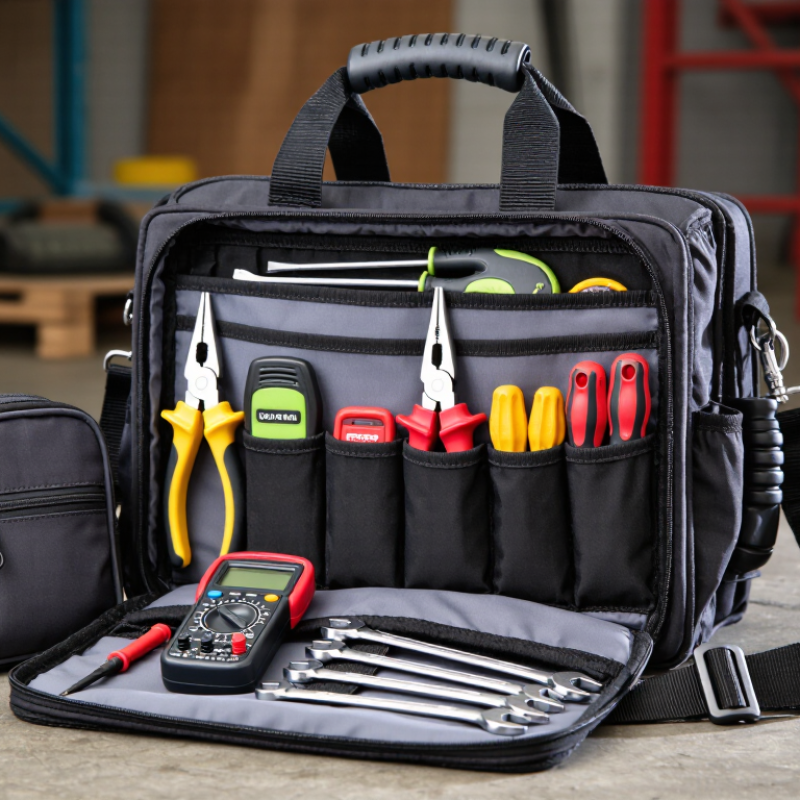
An industrial tool bag keeps equipment contained, protected, and ready for field retrieval. Technicians often carry cutters, meters, fasteners, gloves, and small replacement parts. Separate pockets prevent sharp tools from damaging cables or delicate instruments. That small detail matters during hurried repairs.

Access speed is equally important. A well-organized bag places frequently used tools near the opening. Deeper compartments can hold heavier equipment without burying essential items. Clear labels, contrasting pocket colors, and fixed tool positions reduce searching time. In low light, this arrangement can prevent unnecessary handling and dropped parts.

Durability supports reliable daily use. Reinforced stitching, firm handles, and a stable base help the bag survive crowded work areas. Water-resistant fabric may protect contents from light rain, though it is not a substitute for sealed storage. Weight also needs regular review. A full bag can become awkward and encourage unsafe lifting. I once added too many “useful” tools and slowed every task. Removing rarely used items improved access, but the selection still required adjustment. Field conditions change, so technicians should inspect the layout after each project. Missing tools, damaged pockets, and unused accessories reveal what the bag actually needs.

What Is an Industrial Tool Bag Used For? — Tool Containment and Access: Organizing Equipment for Efficient Field Retrieval

Industrial Use Case Typical Equipment Carried Containment Requirement Access and Organization Features Typical Capacity Field Retrieval Benefit
Mechanical Maintenance Wrenches, sockets, screwdrivers, pliers, hex keys, measuring tools Separate compartments to prevent small tools from mixing with heavy metal items Open-top design, elastic loops, removable dividers, reinforced base 20–35 L Keeps frequently used hand tools visible and reduces searching time during repairs
Electrical Installation and Service Insulated screwdrivers, wire strippers, crimpers, voltage testers, cable accessories Protected storage for delicate meters and insulated tools; small-item retention Padded meter pocket, zippered sections, labeled loops, removable pouch system 15–30 L Allows test instruments and hand tools to be accessed without unpacking the entire bag
Construction and Installation Drill bits, fasteners, levels, tape measures, driver bits, hand tools High abrasion resistance and stable storage for mixed-size equipment Wide opening, exterior pockets, rigid side panels, reinforced carrying handles 25–45 L Groups consumables and tools by task, helping reduce repeated trips to a vehicle or workshop
HVAC and Refrigeration Service Manifold gauges, thermometers, tubing tools, wrenches, leak-detection equipment Protection against impact, moisture, and contact between instruments and sharp tools Padded compartments, weather-resistant fabric, tool loops, dedicated gauge storage 20–40 L Separates diagnostic instruments from heavy tools and supports organized service calls
Plant Inspection and Preventive Maintenance Inspection mirrors, flashlights, calipers, markers, checklists, basic hand tools Lightweight containment with protection for inspection instruments and documents Front-access pockets, document sleeve, key clip, compact removable organizer 10–25 L Supports quick checks by keeping inspection items together and easy to identify
Utilities and Remote Field Service Hand tools, replacement parts, connectors, test equipment, personal protective equipment Weather-resistant construction, secure closures, and compartments for parts and tools Zippered lid, waterproof base, exterior attachment points, adjustable shoulder strap 25–50 L Improves portability and protects equipment when technicians work away from fixed facilities
Work-at-Height and Restricted-Access Tasks Compact hand tools, fasteners, tether-compatible equipment, measuring devices Secure retention to reduce dropped-object risk and prevent contents from shifting Closable compartments, tool tether points, compact profile, secure belt or harness attachment 8–20 L Makes essential tools available in confined or elevated work areas while supporting controlled handling
Note: Capacity ranges are typical working ranges for industrial tool bags and vary according to tool dimensions, load limits, compartment layout, and site requirements.

Load and Ergonomics: Applying NIOSH’s 51-Pound Lifting-Equation Constant

What Is an Industrial Tool Bag Used For?

Load and Ergonomics: Applying NIOSH’s 51-Pound Lifting-Equation Constant

An industrial tool bag carries hand tools, meters, fasteners, and small equipment between work areas. Its real value is not maximum capacity. It is controlled access with less reaching, twisting, and repeated carrying. NIOSH’s Revised Lifting Equation uses a 51-pound load constant under ideal conditions. This is not a recommended tool-bag weight. The equation adjusts that constant for distance, height, twisting, frequency, grip quality, and body position.

Think about a technician climbing stairs with a crowded bag. Tools shift, the handle pulls sideways, and one shoulder absorbs most of the load. A better layout keeps heavy tools close to the body and places frequent items near the opening. A padded shoulder strap can help, but it does not remove the lifting demand. Wheels may reduce carrying, although stairs and uneven flooring still create awkward handling.

The U.S. Bureau of Labor Statistics reported 275,790 workplace sprains, strains, and tears involving days away from work in 2023. That figure supports careful load planning, not fear of every heavy bag. A practical target should come from the task, not the bag’s advertised capacity. Measure the filled weight. Check how often it moves. Reconsider the setup after a full shift, when fatigue exposes weaknesses. I would also question whether every tool belongs inside. Sometimes, the best ergonomic improvement is leaving something out.

Jobsite Protection: Using IEC 60529 IP Ratings and ANSI/ISEA 121 Guidance

What Is an Industrial Tool Bag Used For?

An industrial tool bag protects tools during transport, storage, and daily jobsite work. It also helps workers control loose equipment around elevated areas. Dust, rain, metal chips, and accidental drops can damage both tools and nearby surfaces. A reinforced base, covered zipper, and secure closure provide practical protection. However, a rugged appearance proves little by itself.

IEC 60529 IP ratings help describe resistance to solid particles and water. An IP rating applies only when the bag has been tested and officially assigned that rating. Do not assume a sealed zipper creates IP protection. Check the exact rating and testing conditions. IP54, for example, offers limited dust protection and water resistance, but it is not waterproof. ANSI/ISEA 121 guidance focuses on dropped-object prevention. Look for rated tether points, compatible attachment hardware, clear load limits, and secure tool retention. In field inspections, a common mistake is trusting a clip without checking its condition. Worn stitching can fail quietly.

Tips: Match the bag’s protection level to the worksite. Inspect handles, seams, zippers, and tether points before each shift. Keep heavy tools low and balanced. Replace damaged attachment parts promptly. A small checklist helps, although workers may skip it when schedules tighten. That habit deserves attention. A tool bag should support safe work, not create false confidence.

Trade-Based Selection: Matching Capacity, Materials, and Carrying Systems

What Is an Industrial Tool Bag Used For?

Trade-Based Selection: Matching Capacity, Materials, and Carrying Systems

An industrial tool bag keeps equipment organized, protected, and ready for daily work. Its best design depends on the trade, not appearance. An electrician may need narrow compartments for testers, cutters, and insulated screwdrivers. A plumber often needs deeper storage for fittings, wrenches, and sealing tools. Carpenters may prefer wide openings for drills, squares, and measuring tapes. Capacity matters, but an oversized bag becomes heavy quickly.

Material choice affects service life. Reinforced fabric resists abrasion around concrete floors and metal edges. A water-resistant base helps protect tools from wet ground. However, water resistance is not the same as complete waterproofing. Carrying systems also deserve close attention. Padded shoulder straps suit longer walks, while rigid handles work better for short transfers. A balanced load reduces wrist and shoulder strain.

Tips: Load the heaviest tools near the bottom and close to your body. Check whether the bag stays upright when opened. Test every pocket with real tools, not empty samples. I once selected a large bag for convenience, then carried unused space every day. That choice was inefficient. Smaller bags can work better when the tool list is controlled, though limited capacity may slow changing tasks. Inspect stitching, zippers, and attachment points regularly. Small failures become annoying on busy sites.