Contaminant Comparison Chart

For a complete list of contaminants that PUR filters reduce, please view our Performance Data Sheets here.


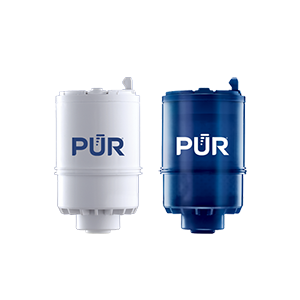
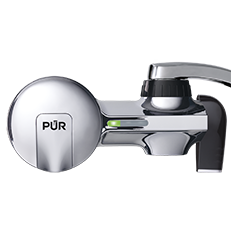
PUR & PUR PLUS FAUCET FILTERS
RF3375/RF9999

View Filters

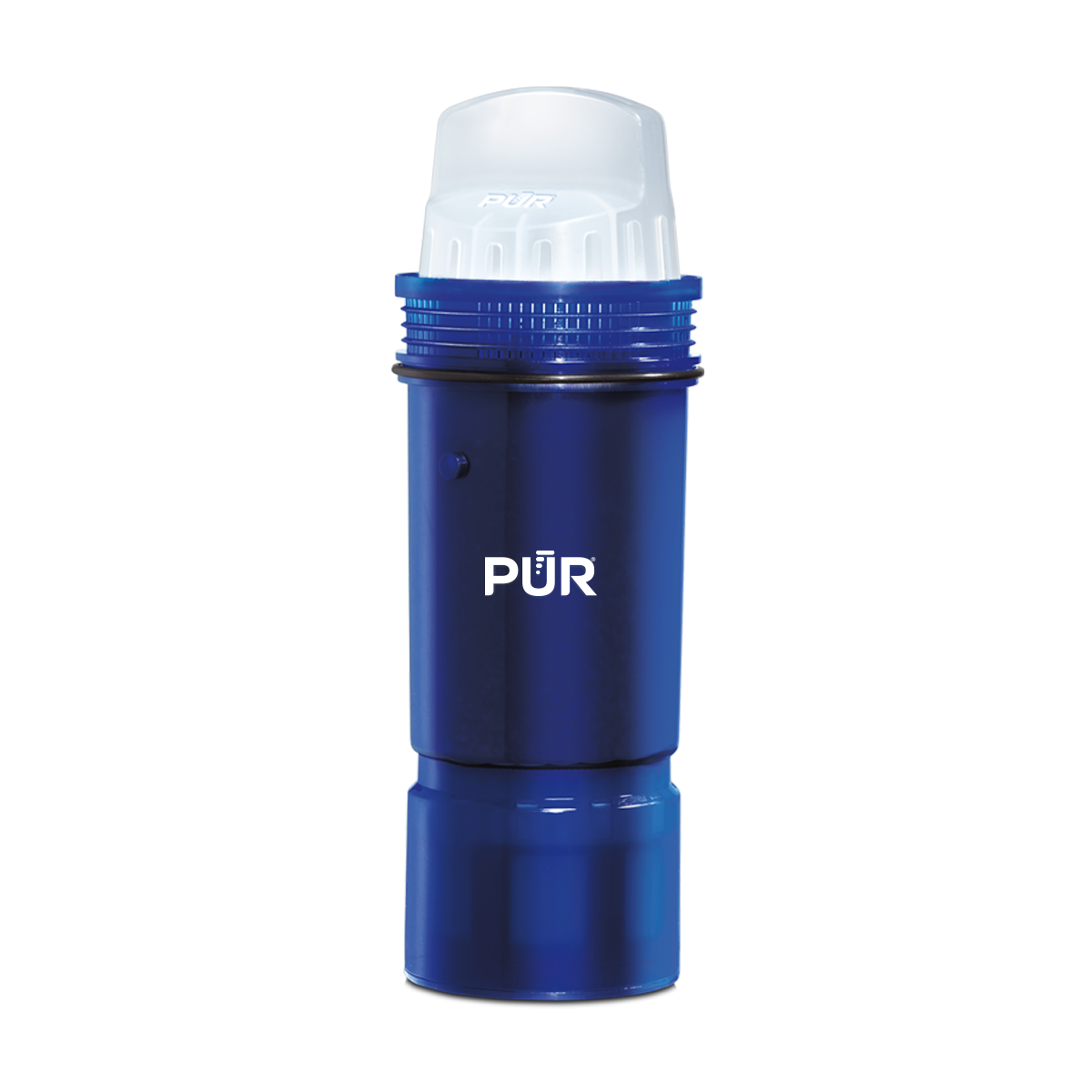
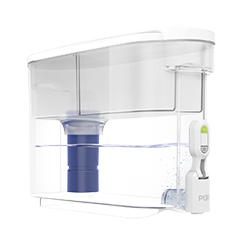
PUR PLUS PITCHER FILTERS
PPF951K

View Filter

PUR BASIC PITCHER FILTERS
PPF900Z

View Filter


Vs. Brita*

Lead
Microplastics
Mercury
Chlorine Taste & Odor
DEET
TTHM

PUR’s Filtration Systems Are Certified By NSF And WQA For Their Contamination Reduction. WQA certifications as of 5/27/21 for Faucet filter models RF-3375 and RF-9999.

¹ Certified to reduce 10X more chemical and physical substances than Brita’s® leading pitcher filter.
² Certified to reduce 3X more chemical and physical substances than Brita’s® leading pitcher filter.
³ Certified to reduce 2X more chemical and physical substances than Brita’s® leading pitcher filter.
*Versus best-selling Brita® pitcher filter OB03. Brita® is a trademark of Brita LP.
**Like other leading brands, PUR does not filter microbes. As of 3/1/23 Brita® and ZeroWater® were not certified to filter microbes. Brita® is a trademark of Brita LP. ZeroWater® is a trademark of Zero Technologies, LLC..
 

PUR & PUR PLUS FAUCET FILTERS


PUR & PUR PLUS FAUCET FILTERS
RF3375/RF9999

View Filters


Vs. Brita*

Lead
Microplastics
Mercury
Chlorine Taste & Odor
DEET
TTHM

PUR’s Filtration Systems Are Certified By NSF And WQA For Their Contamination Reduction. WQA certifications as of 5/27/21 for Faucet filter models RF-3375 and RF-9999.

¹ Certified to reduce 10X more chemical and physical substances than Brita’s® leading pitcher filter.
² Certified to reduce 3X more chemical and physical substances than Brita’s® leading pitcher filter.
³ Certified to reduce 2X more chemical and physical substances than Brita’s® leading pitcher filter.
*Versus best-selling Brita® pitcher filter OB03. Brita® is a trademark of Brita LP.
**Like other leading brands, PUR does not filter microbes. As of 3/1/23 Brita® and ZeroWater® were not certified to filter microbes. Brita® is a trademark of Brita LP. ZeroWater® is a trademark of Zero Technologies, LLC..


PUR PLUS PITCHER FILTERS


PUR PLUS PITCHER FILTERS
PPF951K

View Filter


Vs. Brita*

Lead
Microplastics
Mercury
Chlorine Taste & Odor
DEET
TTHM

PUR’s Filtration Systems Are Certified By NSF And WQA For Their Contamination Reduction. WQA certifications as of 5/27/21 for Faucet filter models RF-3375 and RF-9999.

¹ Certified to reduce 10X more chemical and physical substances than Brita’s® leading pitcher filter.
² Certified to reduce 3X more chemical and physical substances than Brita’s® leading pitcher filter.
³ Certified to reduce 2X more chemical and physical substances than Brita’s® leading pitcher filter.
*Versus best-selling Brita® pitcher filter OB03. Brita® is a trademark of Brita LP.
**Like other leading brands, PUR does not filter microbes. As of 3/1/23 Brita® and ZeroWater® were not certified to filter microbes. Brita® is a trademark of Brita LP. ZeroWater® is a trademark of Zero Technologies, LLC..


PUR BASIC PITCHER FILTERS


PUR BASIC PITCHER FILTERS
PPF900Z

View Filter


Vs. Brita*

Lead
Microplastics
Mercury
Chlorine Taste & Odor
DEET
TTHM

PUR’s Filtration Systems Are Certified By NSF And WQA For Their Contamination Reduction. WQA certifications as of 5/27/21 for Faucet filter models RF-3375 and RF-9999.

¹ Certified to reduce 10X more chemical and physical substances than Brita’s® leading pitcher filter.
² Certified to reduce 3X more chemical and physical substances than Brita’s® leading pitcher filter.
³ Certified to reduce 2X more chemical and physical substances than Brita’s® leading pitcher filter.
*Versus best-selling Brita® pitcher filter OB03. Brita® is a trademark of Brita LP.
**Like other leading brands, PUR does not filter microbes. As of 3/1/23 Brita® and ZeroWater® were not certified to filter microbes. Brita® is a trademark of Brita LP. ZeroWater® is a trademark of Zero Technologies, LLC..


What is Stainless Steel Uses Benefits and Types?

Stainless steel is a remarkable material, widely used in various industries and applications. According to Dr. Jane Smith, a well-known expert in metallurgical engineering, "Stainless steel has transformed the way we approach durability and design." This statement encapsulates the significance of stainless steel in modern manufacturing.

The uses of stainless steel are far-reaching. From kitchen appliances to medical instruments, its versatility shines through. Its resistance to corrosion and staining makes it ideal for environments that require hygiene and longevity. The aesthetic appeal of stainless steel also adds value to architectural designs and consumer products.

However, the reliance on stainless steel isn't without challenges. As the production process can be resource-intensive, it raises questions about sustainability. Balancing the benefits with environmental concerns invites reflection on our choices. Recognizing both the advantages and the drawbacks can lead to more responsible applications.

What is Stainless Steel Uses Benefits and Types?

Stainless Steel: An Overview of Its Composition and Properties

Stainless steel is a remarkable alloy known for its strength and durability. It primarily contains iron, carbon, and a minimum of 10.5% chromium. This unique blend provides resistance to corrosion, making it ideal for various applications. The chromium forms a protective layer on the steel surface, preventing rust and staining. In environments where exposure to moisture is common, stainless steel excels.

The properties of stainless steel extend beyond corrosion resistance. It is non-reactive, meaning it won’t alter the taste of food or drink. Moreover, it is easy to clean, which makes it popular in kitchens and hospitals. However, producing stainless steel can have an environmental impact that we must acknowledge. Its recycling process is efficient, yet many facilities still don’t prioritize it.

Different types of stainless steel offer varied properties for specific needs. Austenitic stainless steel, for instance, is known for its remarkable toughness. Ferritic stainless steel is magnetic and less ductile, while martensitic stainless steel is incredibly hard. Understanding these differences is crucial, but the complexity can be overwhelming. Continuous learning about this material can help inform better choices in construction and manufacturing.

Common Uses of Stainless Steel in Everyday Life

Stainless steel is an essential part of modern life. Its durability and resistance to corrosion make it ideal for various applications. According to a report by the International Stainless Steel Forum, the global stainless steel market was valued at over $130 billion in 2020. This highlights its importance in our everyday environment.

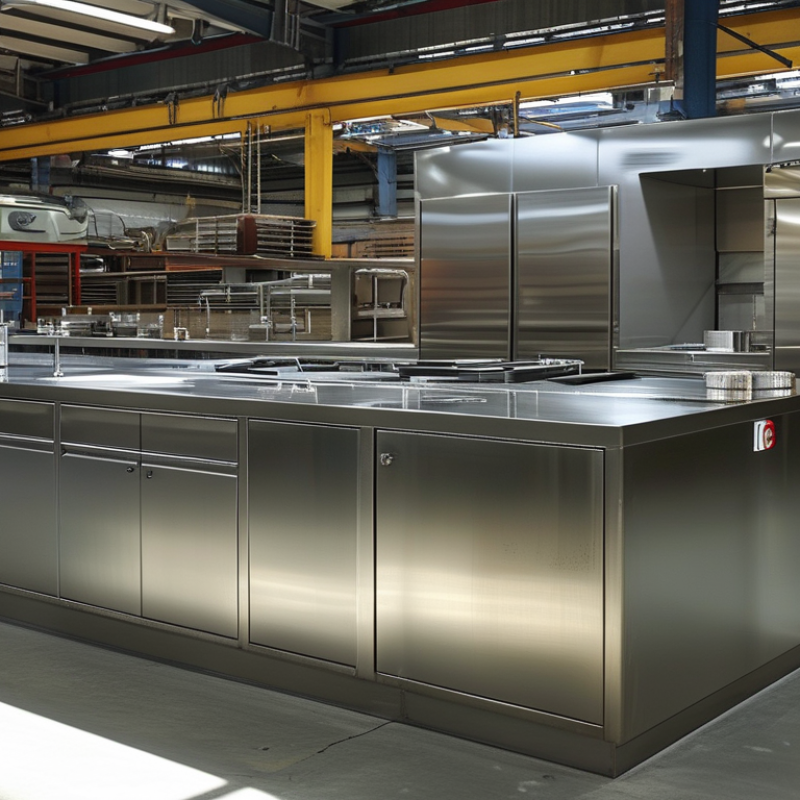
In kitchens, stainless steel plays a significant role. Sinks, countertops, and appliances are often made from this material. Its non-porous surface makes it easy to clean. Hospitals also utilize stainless steel. Instruments, surfaces, and medical equipment are commonly made of stainless steel, promoting hygiene and safety. A study shows that stainless steel reduces the risk of infections significantly.

Notably, construction and automotive industries benefit from stainless steel's strength. It is used in structural frameworks and vehicle components. However, the environmental impact of stainless steel production raises questions. The energy-intensive manufacturing process requires reflection and innovation. As we embrace stainless steel in everyday life, we must also consider its lifecycle and sustainability.

Advantages of Stainless Steel: Why It's a Popular Material

Stainless steel is known for its outstanding properties. It resists corrosion and staining, making it ideal for various applications. One common use is in kitchen equipment. This metal withstands high temperatures and is easy to clean. It’s perfect for food processing and medical instruments.

Another advantage of stainless steel is its strength. It can endure extreme conditions without losing its integrity. This makes it useful in construction and automotive industries. Knowing how to handle stainless steel is important. Improper cutting can lead to waste.

When choosing stainless steel, consider the environment. Certain grades perform better in specific conditions. For instance, marine environments require higher resistance to salt. Regular maintenance also extends the life of stainless steel products. Keeping surfaces clean and free from debris prevents wear.

Lastly, stainless steel is recyclable, promoting sustainability. By recycling, we can reduce waste and conserve resources. Thoughtful selection of materials can lead to better practices. This makes stainless steel not just functional, but also a responsible choice.

Different Types of Stainless Steel and Their Applications

Stainless steel is a versatile material used in various industries. It is categorized into different types, each designed for specific applications. The most common grades include austenitic, ferritic, and martensitic stainless steel. According to the American Iron and Steel Institute (AISI), austenitic stainless steel (type 304 and 316) comprises around 70% of the global stainless steel market.

Austenitic stainless steel is well-known for its excellent corrosion resistance and formability. This type is prevalent in food processing, pharmaceuticals, and kitchen equipment. On the other hand, ferritic stainless steel (like type 430) offers decent corrosion resistance and good weldability, making it suitable for automotive applications and architectural facades. Martensitic stainless steel, while not as corrosion-resistant, is valued for its hardness. It is often used in tools and cutlery.

The evolving landscape of stainless steel manufacturing raises questions. Quality control processes need continuous improvement. In recent studies, up to 20% of stainless steel samples contain impurities that can impact performance. Understanding these imperfections is crucial. Different applications require different grades. Choosing the right stainless steel is not always straightforward. Industry professionals must weigh the benefits against potential drawbacks.

What is Stainless Steel Uses Benefits and Types?

Type of Stainless Steel Common Uses Benefits
Austenitic Kitchen equipment, food processing, chemical containers Excellent corrosion resistance, good formability
Ferritic Automotive components, industrial applications Resistant to stress corrosion cracking, magnetic
Martensitic Cutlery, surgical instruments High strength, good hardness
Duplex Oil and gas industry, desalination plants Higher strength than austenitic, excellent resistance to pitting
Precipitation Hardening Aerospace components, high-strength applications Very high strength, good corrosion resistance

Factors to Consider When Choosing Stainless Steel for Projects

When selecting stainless steel for projects, several critical factors must be considered. Firstly, the corrosion resistance of the material is crucial. Different grades of stainless steel offer varying degrees of resistance. For instance, marine-grade stainless steel (grade 316) is often recommended for coastal applications. A report by the American Iron and Steel Institute indicates that a project’s longevity can be significantly affected by the choice of steel grade.

Additionally, mechanical properties such as strength and ductility matter. Certain applications may require high tensile strength, while others may prioritize flexibility. According to a study from the Steel Construction Institute, improper grade selection could lead to reduced performance under stress, potentially resulting in failure.

Tips: Always review the environmental conditions of the project site. Extreme temperatures or exposure to harsh chemicals can affect the material choice. Think about the long-term maintenance costs as well. Higher-quality stainless steel may have a higher upfront cost but can lead to lower maintenance requirements over time.

Furthermore, aesthetics can play a role in the choice of stainless steel. Polished finishes may be desirable for visible structures while brushed finishes may hide scratches better. Reflecting on these factors will help ensure that the selected stainless steel will meet both functional and visual needs throughout its lifespan.