Contaminant Comparison Chart

For a complete list of contaminants that PUR filters reduce, please view our Performance Data Sheets here.


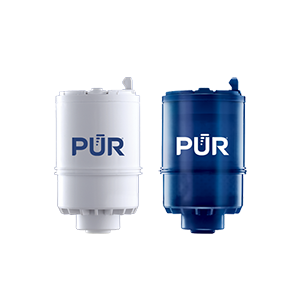
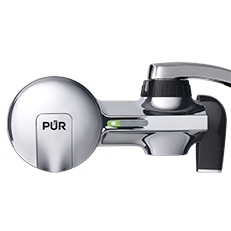
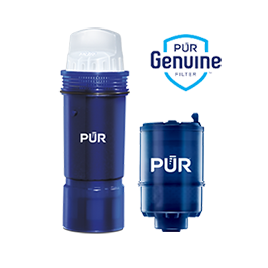
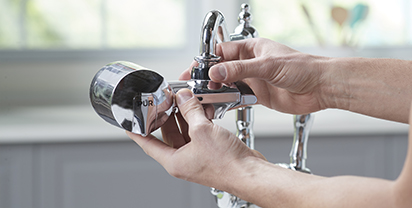
PUR & PUR PLUS FAUCET FILTERS
RF3375/RF9999

View Filters

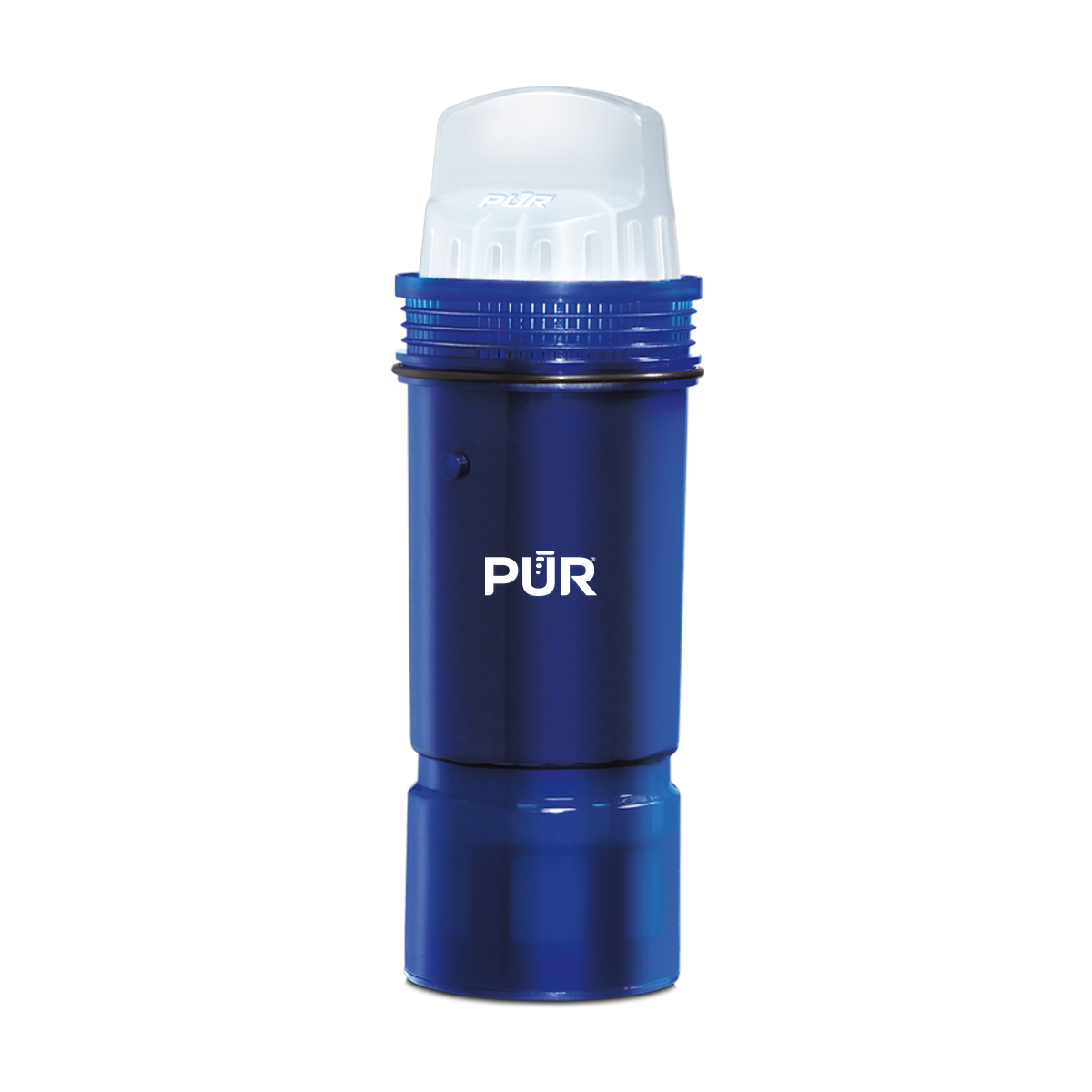
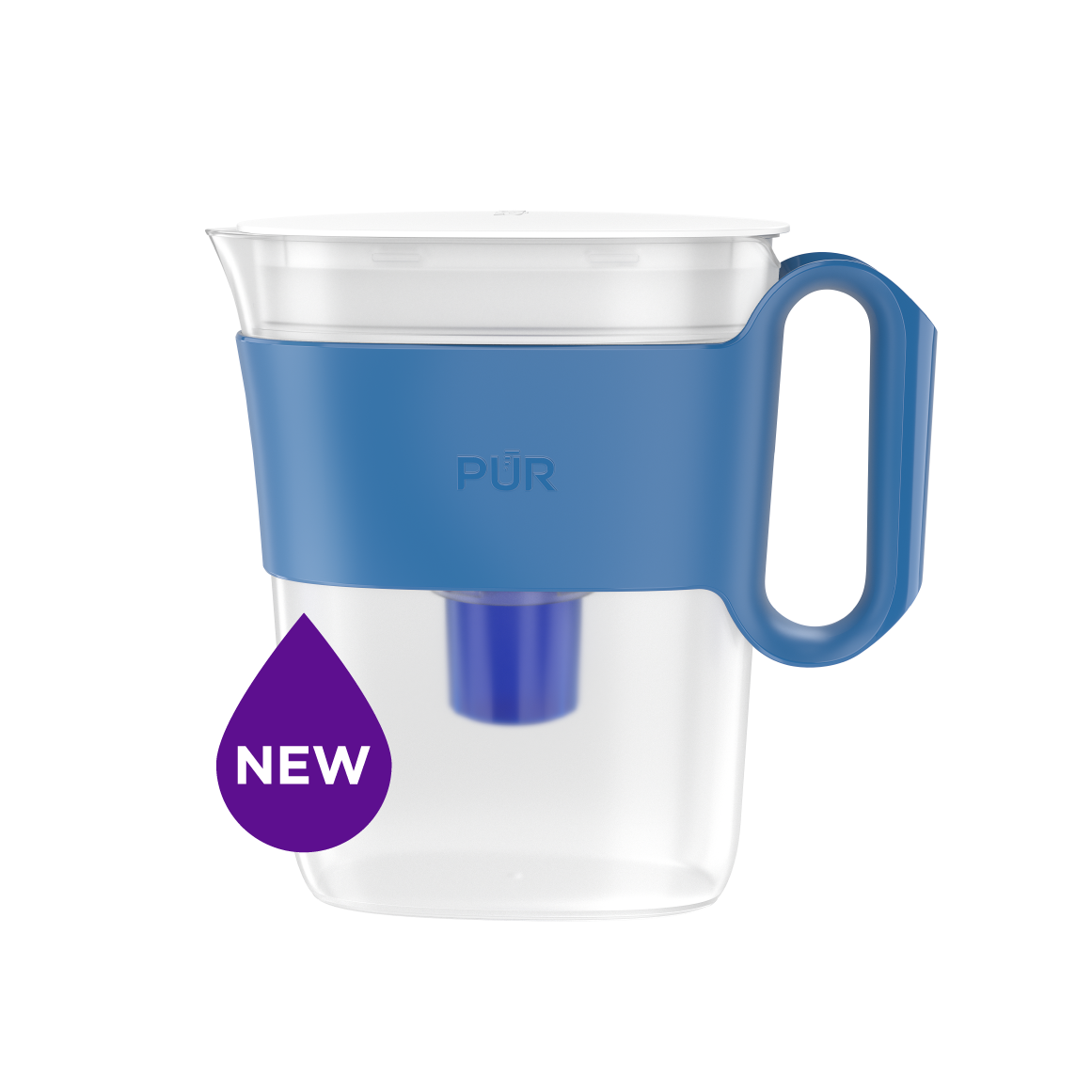
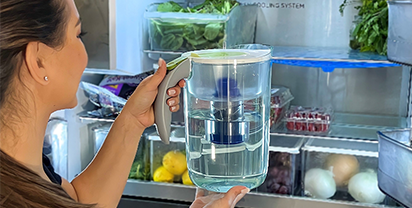
PUR PLUS PITCHER FILTERS
PPF951K

View Filter

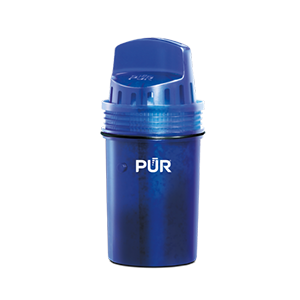
PUR BASIC PITCHER FILTERS
PPF900Z

View Filter


Vs. Brita*

Lead ✓ ✓
Microplastics ✓ ✓
Mercury ✓ ✓ ✓
Chlorine Taste & Odor ✓ ✓ ✓
DEET ✓
TTHM ✓

PUR’s Filtration Systems Are Certified By NSF And WQA For Their Contamination Reduction. WQA certifications as of 5/27/21 for Faucet filter models RF-3375 and RF-9999.

¹ Certified to reduce 10X more chemical and physical substances than Brita’s® leading pitcher filter.
² Certified to reduce 3X more chemical and physical substances than Brita’s® leading pitcher filter.
³ Certified to reduce 2X more chemical and physical substances than Brita’s® leading pitcher filter.
*Versus best-selling Brita® pitcher filter OB03. Brita® is a trademark of Brita LP.
**Like other leading brands, PUR does not filter microbes. As of 3/1/23 Brita® and ZeroWater® were not certified to filter microbes. Brita® is a trademark of Brita LP. ZeroWater® is a trademark of Zero Technologies, LLC..
 

PUR & PUR PLUS FAUCET FILTERS


PUR & PUR PLUS FAUCET FILTERS
RF3375/RF9999

View Filters


Vs. Brita*

Lead ✓
Microplastics ✓
Mercury ✓
Chlorine Taste & Odor ✓
DEET ✓
TTHM ✓

PUR’s Filtration Systems Are Certified By NSF And WQA For Their Contamination Reduction. WQA certifications as of 5/27/21 for Faucet filter models RF-3375 and RF-9999.

¹ Certified to reduce 10X more chemical and physical substances than Brita’s® leading pitcher filter.
² Certified to reduce 3X more chemical and physical substances than Brita’s® leading pitcher filter.
³ Certified to reduce 2X more chemical and physical substances than Brita’s® leading pitcher filter.
*Versus best-selling Brita® pitcher filter OB03. Brita® is a trademark of Brita LP.
**Like other leading brands, PUR does not filter microbes. As of 3/1/23 Brita® and ZeroWater® were not certified to filter microbes. Brita® is a trademark of Brita LP. ZeroWater® is a trademark of Zero Technologies, LLC..


PUR PLUS PITCHER FILTERS


PUR PLUS PITCHER FILTERS
PPF951K

View Filter


Vs. Brita*

Lead ✓
Microplastics ✓
Mercury ✓
Chlorine Taste & Odor ✓
DEET
TTHM

PUR’s Filtration Systems Are Certified By NSF And WQA For Their Contamination Reduction. WQA certifications as of 5/27/21 for Faucet filter models RF-3375 and RF-9999.

¹ Certified to reduce 10X more chemical and physical substances than Brita’s® leading pitcher filter.
² Certified to reduce 3X more chemical and physical substances than Brita’s® leading pitcher filter.
³ Certified to reduce 2X more chemical and physical substances than Brita’s® leading pitcher filter.
*Versus best-selling Brita® pitcher filter OB03. Brita® is a trademark of Brita LP.
**Like other leading brands, PUR does not filter microbes. As of 3/1/23 Brita® and ZeroWater® were not certified to filter microbes. Brita® is a trademark of Brita LP. ZeroWater® is a trademark of Zero Technologies, LLC..


PUR BASIC PITCHER FILTERS


PUR BASIC PITCHER FILTERS
PPF900Z

View Filter


Vs. Brita*

Lead
Microplastics
Mercury ✓
Chlorine Taste & Odor ✓
DEET
TTHM

PUR’s Filtration Systems Are Certified By NSF And WQA For Their Contamination Reduction. WQA certifications as of 5/27/21 for Faucet filter models RF-3375 and RF-9999.

¹ Certified to reduce 10X more chemical and physical substances than Brita’s® leading pitcher filter.
² Certified to reduce 3X more chemical and physical substances than Brita’s® leading pitcher filter.
³ Certified to reduce 2X more chemical and physical substances than Brita’s® leading pitcher filter.
*Versus best-selling Brita® pitcher filter OB03. Brita® is a trademark of Brita LP.
**Like other leading brands, PUR does not filter microbes. As of 3/1/23 Brita® and ZeroWater® were not certified to filter microbes. Brita® is a trademark of Brita LP. ZeroWater® is a trademark of Zero Technologies, LLC..


Why Choose a Super Bright LED Light Bar?

A Super Bright Led Light Bar can improve visibility when driving or working in dark, open areas. But brightness alone does not tell you whether a light is right for your vehicle or task. Beam shape, mounting position, and electrical compatibility matter too. On a rough trail, a focused beam may reveal distant obstacles, while a wider pattern can help show the edges of a work area. Neither option is best in every situation. It depends on what you need to see.

This guide explains what to look for before choosing a light bar, including output claims, beam patterns, build quality, and installation requirements. Check the product specifications, not just the largest number on the box. Look for clear information about power draw, weather resistance, and operating conditions. A sturdy housing and sound seals can matter after rain, dust, or repeated vibration. So can proper aiming. A powerful beam pointed too high may cause glare instead of useful visibility. That sounds simple, yet it is easy to overlook.

No light bar replaces careful driving or safe work practices. Even well-made products vary, and advertised performance may not match every real-world setup. Comparing details—and considering how, where, and how often you will use the light—can lead to a more practical choice. Sometimes a smaller, well-aimed bar is enough. Sometimes it isn’t.

Why Choose a Super Bright LED Light Bar?

What Defines a Super Bright LED Light Bar?

A super bright LED light bar is defined by more than a large lumen claim. Useful brightness depends on measured light output, beam shape, and how evenly the light reaches the road or work area. A focused beam can illuminate distant objects, while a wide beam helps reveal nearby edges. Both matter. Look for clear performance data, not just a dramatic number on the packaging.

Tips: Check the beam pattern and mounting position before choosing a light bar. Confirm that its voltage and current suit your vehicle or power system. A poorly aimed bar can create glare and reduce visibility for others. Brighter is not always better.

Heat management also affects sustained performance. Efficient heat sinks help move warmth away from LED components, while suitable weather protection supports use in changing conditions. Check the stated ingress rating and installation guidance; actual performance still depends on fit and upkeep. In practical use, a light bar may feel impressively bright in an empty field, yet seem less helpful on a wet, reflective surface. That difference is worth considering. Compare specifications with the conditions where you expect to use it.

How Brightness and Beam Patterns Shape Visibility

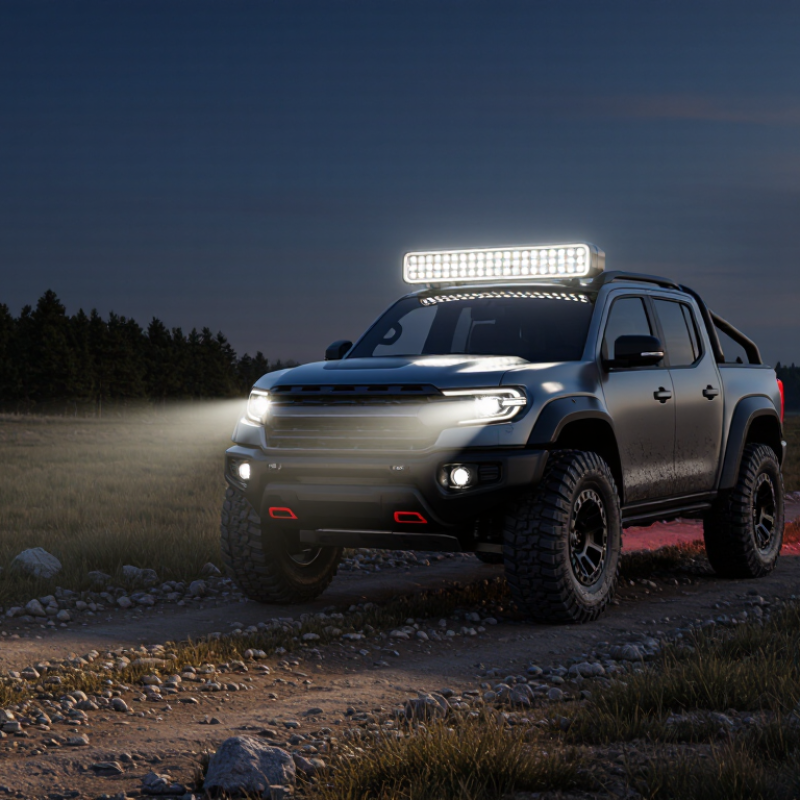
Brightness matters, but the advertised lumen figure does not tell the whole story. A beam must put useful light where a driver can see it. On a dark gravel road, a wide, even spread can reveal roadside rocks and animals near the verge. A very bright, narrow beam may reach farther but leave the edges dim. That matters.

Beam patterns shape visibility in different ways. A flood pattern spreads light across a broad area, helping with nearby turns, work sites, and trail edges. A spot pattern projects a tighter beam down the road, making distant objects easier to notice. Combination patterns balance distance and width, though their coverage depends on the bar’s optics and mounting position. Neither is perfect.

Consider where the light will be used before choosing a pattern. A low-mounted bar can cast long shadows over uneven ground, while a poorly aimed one may create glare on signs or wet surfaces. Rain, dust, and fog can also scatter intense light back toward the driver. More brightness is not always better; I once assumed it was, and overlooked how tiring harsh contrast can feel after a long drive. Check the beam on a safe, dark route, and adjust its aim if the road ahead looks bright but the shoulders disappear.

Where Super Bright LED Light Bars Are Commonly Used

Why Choose a Super Bright LED Light Bar?
Where Super Bright LED Light Bars Are Commonly Used

A super bright LED light bar can help when a wide beam is needed beyond standard headlights. Off-road drivers use them on private trails, where rocks, branches, and uneven ground can be hard to spot. Farm operators may use them to check gates, fields, or equipment after dusk. Work trucks also benefit when illuminating a loading area or roadside repair. Better visibility helps.

At campsites, utility vehicles can light paths and shared work areas. On boats, only models designed for marine conditions should be considered; salt spray can damage unsuitable equipment. Brightness alone is not enough. Poorly aimed lights can cause glare, and a light bar cannot make unsafe conditions safe. I’ve seen people expect a brighter beam to solve every visibility problem. It won’t.

Tips: Choose a beam pattern for the task: wide for nearby work, or focused for distance. Check the mounting position, weather rating, and wiring requirements before installation. Aim the light carefully to reduce glare, and follow local rules for vehicle lighting. A quick test at dusk can reveal blind spots. Don’t skip it.

What Practical Advantages Do They Offer?

Why Choose a Super Bright LED Light Bar?
What Practical Advantages Do They Offer?

A super-bright LED light bar can make poorly lit work areas easier to see. Its broad beam may illuminate a roadside tire change, a farm track, or tools spread across a garage floor. Many designs use less power than older lighting, although actual consumption varies. Lower draw can help reduce strain on a vehicle’s electrical system, but proper wiring and a secure mount still matter.

Visibility is the practical advantage. A wide beam helps reveal edges, branches, and uneven ground, while a focused beam reaches farther along open routes. This can make slow work less tiring at dusk. Brightness alone is not enough, though. Poor aiming can cause glare, and fog or dust may scatter light. Less can be more. In real use, a suitable beam pattern often matters more than an impressive brightness figure.

Tips: Choose a beam pattern for the task, check the mount for vibration, and test the light while stationary in a safe place. Clean the lens regularly; a thin film of mud can soften the beam. Don’t assume extra brightness solves every visibility problem.

Why Choose a Super Bright LED Light Bar? — What Practical Advantages Do They Offer?

Practical Advantage What It Offers Where It Can Help What to Check
More usable light for the task A well-designed light bar can illuminate a wider area or project light farther than a small, low-output lamp. Actual performance depends on the bar’s optics, LED configuration, and measured output. Off-road driving, work sites, and other settings where additional forward or area lighting is useful. Compare beam-pattern information and independently measured output where available; advertised lumen figures alone do not show how effectively light reaches the target.
Choice of beam pattern Spot optics concentrate light into a narrower, longer-range beam; flood optics spread light over a wider area. Some bars combine both patterns. A spot pattern may suit longer sightlines, while a flood pattern can help illuminate nearby surroundings. Choose a pattern that suits the intended use. A bright beam aimed poorly can cause glare for other road users.
Efficient electrical lighting LEDs generally convert a larger share of electrical power into light than traditional incandescent bulbs, though efficiency varies by product and operating conditions. Useful when adding auxiliary lighting to a vehicle or equipment with a limited electrical budget. Check the light bar’s actual power draw, wiring requirements, and compatibility with the vehicle’s electrical system.
Long service potential LEDs have no filament to burn out, and many LED fixtures are designed for long operating life. The driver, connections, seals, heat, and vibration also affect real-world durability. Can reduce the frequency of lamp replacement in hard-to-reach or frequently used installations. Review the product’s warranty, ingress-protection rating, mounting quality, and operating-temperature specifications.
Fast response when switched on LED light reaches its operating brightness almost immediately, without the warm-up period associated with some discharge lamps. Convenient for work lighting, reversing, or situations where auxiliary light is switched on only when needed. Confirm that the switch, relay, and wiring are suitable for the light bar’s electrical load.
Flexible mounting options Light bars are available in different lengths and mounting styles, making it possible to fit many vehicle and equipment layouts. Can be installed on suitable roof, bumper, rack, or equipment mounts, depending on the design. Allow for secure mounting, correct cable routing, and adequate heat dissipation. Installation should follow the manufacturer’s instructions.
Potentially improved visibility in dark work areas Additional light can make obstacles and nearby work areas easier to see when used in an appropriate location and direction. Useful on private property, at work sites, or off-road where auxiliary lighting is permitted. Auxiliary lights may be restricted on public roads. Check local regulations and use them in a way that does not dazzle other drivers.

Note: “Super bright” is not a standardized performance rating. Compare real-world beam performance, power draw, build quality, and legal requirements rather than relying on a brightness label alone.

Which Features Matter When Choosing One?

A super-bright LED light bar is useful only when its output suits the task. Check the beam pattern: a spot beam reaches farther along a dark trail, while a flood beam spreads light across nearby ground. Combination optics can help, though they may not excel at either job. Compare beam distance and usable illumination, not just a large lumen claim. Glare matters. If the light washes out nearby detail, extra brightness becomes a drawback.

Look for a sealed housing, sturdy brackets, and effective heat control. Water and dust resistance ratings offer useful guidance, but installation still affects durability. Match the bar’s voltage and current draw to your vehicle’s electrical system. Check cable length, fuse requirements, and available mounting space before buying. A heavy bar can vibrate on a thin bracket. That detail is easy to overlook. If wiring or compatibility is unclear, ask a qualified installer.

Tips: Aim the bar at a wall after installation, then adjust it to limit harsh spill. Check fasteners after the first few trips. Choose for the conditions you actually face, not the brightest specification on the page.