
Contaminant Comparison Chart

For a complete list of contaminants that PUR filters reduce, please view our Performance Data Sheets here.


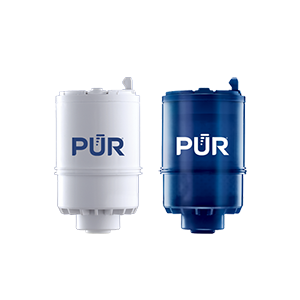
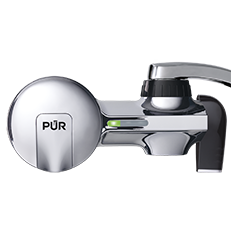
PUR & PUR PLUS FAUCET FILTERS
RF3375/RF9999

View Filters

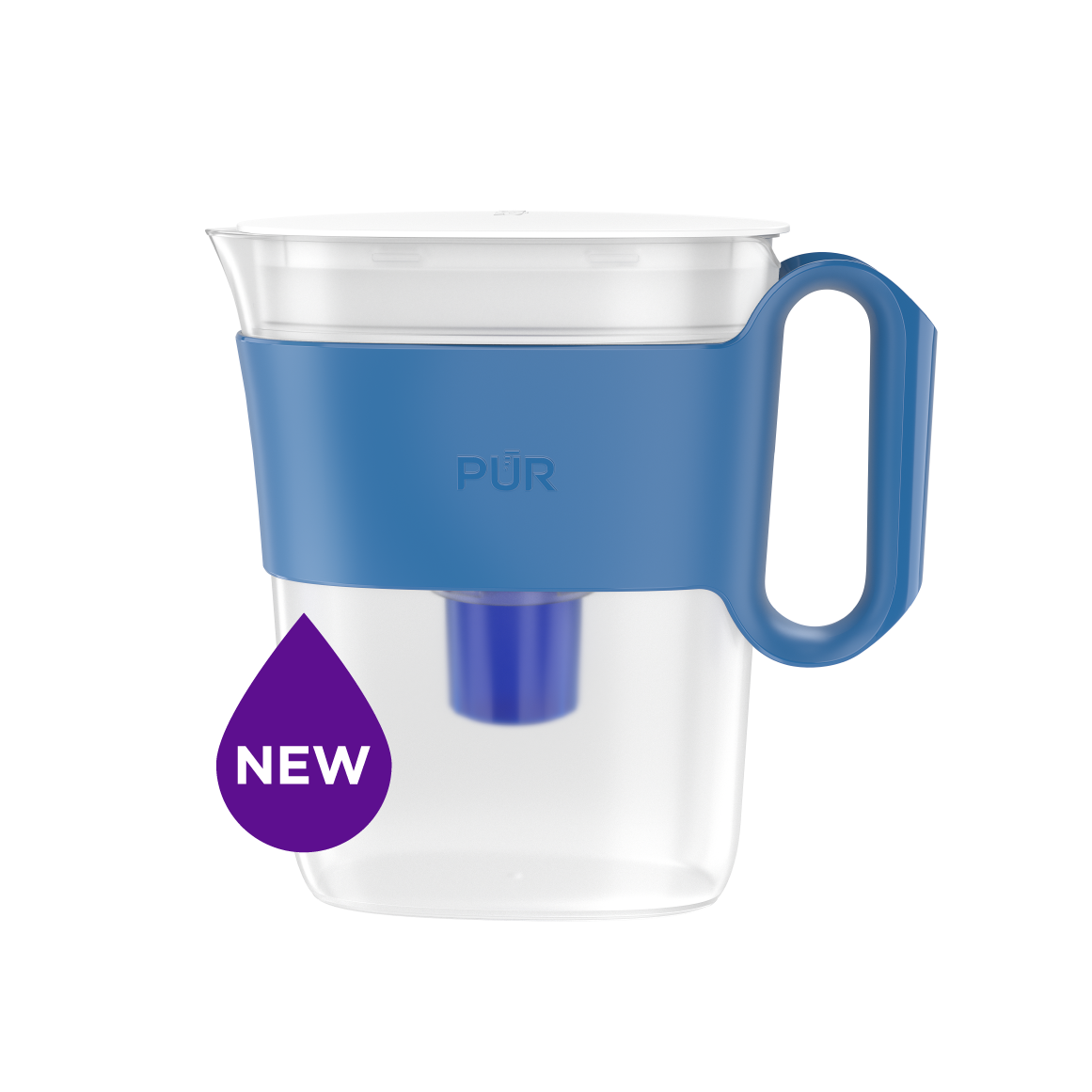
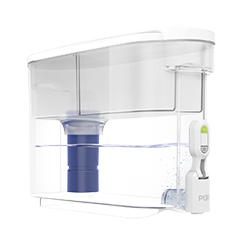
PUR PLUS PITCHER FILTERS
PPF951K

View Filter

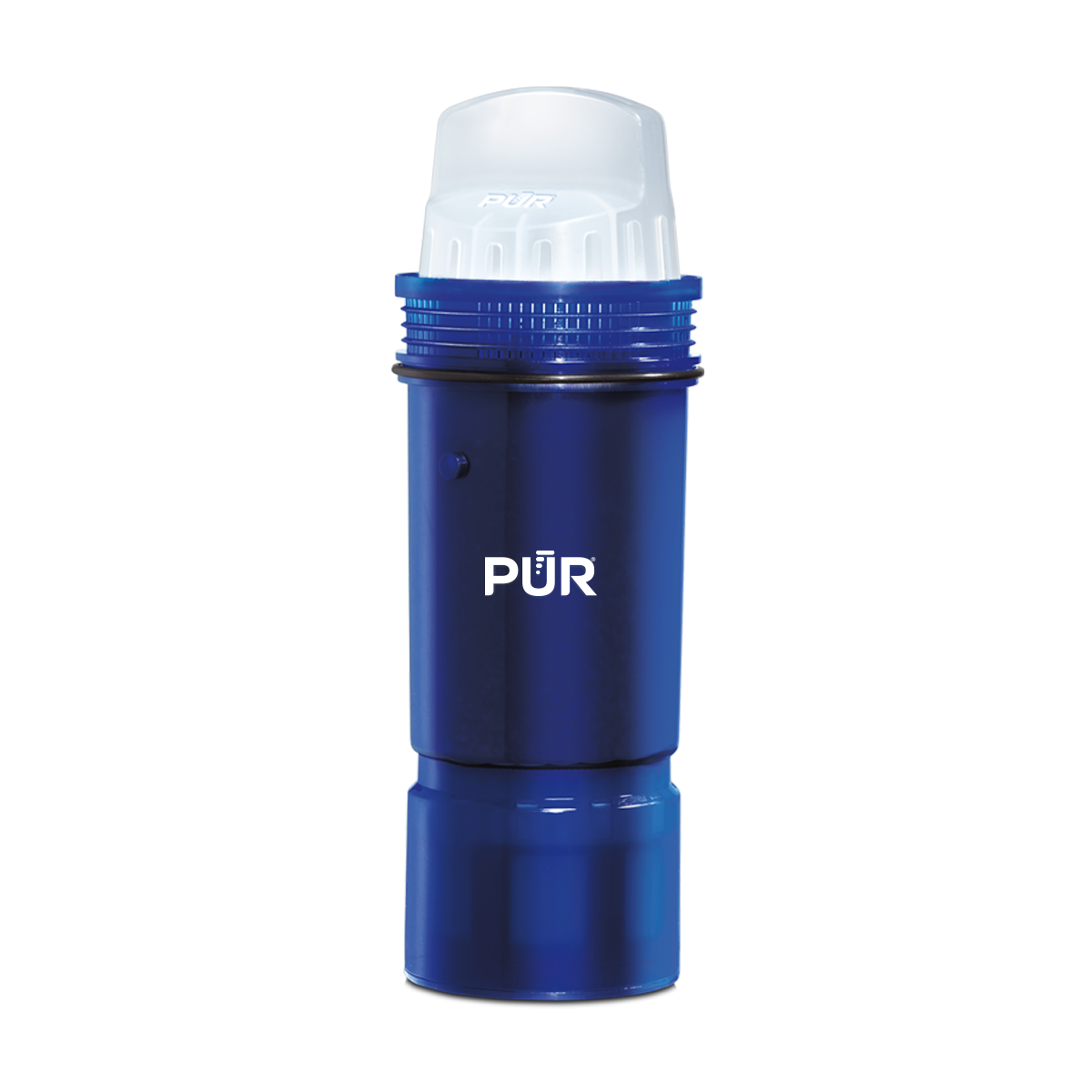
PUR BASIC PITCHER FILTERS
PPF900Z

View Filter


Vs. Brita*

Lead
Microplastics
Mercury
Chlorine Taste & Odor
DEET
TTHM

PUR’s Filtration Systems Are Certified By NSF And WQA For Their Contamination Reduction. WQA certifications as of 5/27/21 for Faucet filter models RF-3375 and RF-9999.

¹ Certified to reduce 10X more chemical and physical substances than Brita’s® leading pitcher filter.
² Certified to reduce 3X more chemical and physical substances than Brita’s® leading pitcher filter.
³ Certified to reduce 2X more chemical and physical substances than Brita’s® leading pitcher filter.
*Versus best-selling Brita® pitcher filter OB03. Brita® is a trademark of Brita LP.
**Like other leading brands, PUR does not filter microbes. As of 3/1/23 Brita® and ZeroWater® were not certified to filter microbes. Brita® is a trademark of Brita LP. ZeroWater® is a trademark of Zero Technologies, LLC..

 

PUR & PUR PLUS FAUCET FILTERS


PUR & PUR PLUS FAUCET FILTERS
RF3375/RF9999

View Filters


Vs. Brita*

Lead
Microplastics
Mercury
Chlorine Taste & Odor
DEET
TTHM

PUR’s Filtration Systems Are Certified By NSF And WQA For Their Contamination Reduction. WQA certifications as of 5/27/21 for Faucet filter models RF-3375 and RF-9999.

¹ Certified to reduce 10X more chemical and physical substances than Brita’s® leading pitcher filter.
² Certified to reduce 3X more chemical and physical substances than Brita’s® leading pitcher filter.
³ Certified to reduce 2X more chemical and physical substances than Brita’s® leading pitcher filter.
*Versus best-selling Brita® pitcher filter OB03. Brita® is a trademark of Brita LP.
**Like other leading brands, PUR does not filter microbes. As of 3/1/23 Brita® and ZeroWater® were not certified to filter microbes. Brita® is a trademark of Brita LP. ZeroWater® is a trademark of Zero Technologies, LLC..


PUR PLUS PITCHER FILTERS


PUR PLUS PITCHER FILTERS
PPF951K

View Filter


Vs. Brita*

Lead
Microplastics
Mercury
Chlorine Taste & Odor
DEET
TTHM

PUR’s Filtration Systems Are Certified By NSF And WQA For Their Contamination Reduction. WQA certifications as of 5/27/21 for Faucet filter models RF-3375 and RF-9999.

¹ Certified to reduce 10X more chemical and physical substances than Brita’s® leading pitcher filter.
² Certified to reduce 3X more chemical and physical substances than Brita’s® leading pitcher filter.
³ Certified to reduce 2X more chemical and physical substances than Brita’s® leading pitcher filter.
*Versus best-selling Brita® pitcher filter OB03. Brita® is a trademark of Brita LP.
**Like other leading brands, PUR does not filter microbes. As of 3/1/23 Brita® and ZeroWater® were not certified to filter microbes. Brita® is a trademark of Brita LP. ZeroWater® is a trademark of Zero Technologies, LLC..


PUR BASIC PITCHER FILTERS


PUR BASIC PITCHER FILTERS
PPF900Z

View Filter


Vs. Brita*

Lead
Microplastics
Mercury
Chlorine Taste & Odor
DEET
TTHM

PUR’s Filtration Systems Are Certified By NSF And WQA For Their Contamination Reduction. WQA certifications as of 5/27/21 for Faucet filter models RF-3375 and RF-9999.

¹ Certified to reduce 10X more chemical and physical substances than Brita’s® leading pitcher filter.
² Certified to reduce 3X more chemical and physical substances than Brita’s® leading pitcher filter.
³ Certified to reduce 2X more chemical and physical substances than Brita’s® leading pitcher filter.
*Versus best-selling Brita® pitcher filter OB03. Brita® is a trademark of Brita LP.
**Like other leading brands, PUR does not filter microbes. As of 3/1/23 Brita® and ZeroWater® were not certified to filter microbes. Brita® is a trademark of Brita LP. ZeroWater® is a trademark of Zero Technologies, LLC..


Top 10 Tips for Choosing Hydraulic Proportional Valves?

Choosing the right Hydraulic Proportional Valve can be challenging. According to industry expert John Smith, "The right valve can make or break your hydraulic system." This emphasizes the importance of making informed choices.

Hydraulic Proportional Valves control flow and pressure precisely. They play a critical role in various applications, from manufacturing to automotive systems. Each application may require different specifications, so clarity in your needs is vital. Understanding features like response time, sensitivity, and accuracy is crucial to ensure the valve suits your system.

However, many users overlook these aspects. Some might rush into buying, tempted by price alone. This can lead to inefficiencies or failures. Taking the time to assess your requirements is essential. A good Hydraulic Proportional Valve can optimize performance. But without proper selection, even the best options can become problematic. Reflecting on your choices can lead to better outcomes in the long run.

Top 10 Tips for Choosing Hydraulic Proportional Valves?

Understanding Hydraulic Proportional Valves and Their Functions

Hydraulic proportional valves play a crucial role in controlling fluid flow in various applications. These valves regulate pressure, flow rate, and direction, making them essential in machinery like excavators, forklifts, and agricultural equipment. According to industry data, around 70% of hydraulic system failures can be traced back to inadequate valve selection and performance issues.

When choosing a proportional valve, consider its application. Understand the specific requirements of your machinery. Will it operate under high pressure or fluctuating temperatures? Analyze the response time and operational accuracy. These factors can significantly impact productivity.

Tip: Always check the specifications before purchasing. This ensures the valve meets your system's requirements.

Another consideration is the type of control method—either electrical or manual. Each has its pros and cons. Electrical controls are often more precise, but they can introduce complexity. Tip: Evaluate the ease of integration with existing systems.

In choosing hydraulic proportional valves, don't underestimate the importance of expert consultation. Sometimes, relying on product literature might lead to misjudgments. Many users overlook how critical proper calibration is for optimal performance. Remember, ongoing maintenance is key for longevity.

Key Factors to Consider When Selecting Hydraulic Proportional Valves

When selecting hydraulic proportional valves, understanding key factors is crucial. The performance of these valves significantly impacts system efficiency. Recent industry data suggest that improper valve selection can reduce efficiency by up to 30%. This must prompt a closer examination of application requirements.

Flow capacity is a vital consideration. Ensure the valve can handle the system's maximum flow rate. Oversized valves may lead to inefficiencies. They often create excess space, which can harm fluid dynamics. Additionally, consider the pressure ratings. Subpar pressure ratings might compromise the entire system under load.

Another essential factor is response time. Different applications demand various response times. Heavy machinery may require valves with rapid actuation to ensure precision control. Even a slight delay can impede performance. Moreover, not all valves are interchangeable. Assess the compatibility with existing control systems to avoid operational issues. Evaluate how these factors align with your specific needs to maximize productivity.

Evaluating Performance Specifications for Optimal Valve Selection

When evaluating performance specifications for hydraulic proportional valves, several key factors come into play. One crucial aspect is the valve's flow rate. Studies show that the flow rate directly impacts system efficiency, particularly in applications with high demands. A valve that delivers the correct flow under various pressure conditions is essential. Reports indicate that approximately 75% of hydraulic system failures are linked to inadequate flow management.

Another important specification is the valve's response time. Faster response times lead to more precise control, which is vital in complex machinery. An analysis by industry experts reveals that valves with a response time under 50 milliseconds significantly improve machine performance. However, it's worth noting that achieving such speeds often comes with trade-offs. Manufacturers may sacrifice durability for speed, raising questions about long-term reliability.

It’s also vital to consider the operating temperature range. Valves operate differently under various thermal conditions. Some may perform well at standard temperatures but struggle in extreme environments. Research highlights that nearly 20% of hydraulic issues stem from temperature-induced failures. This inconsistency prompts reflection on how well a selected valve can adapt to fluctuating operational conditions.

Performance Comparison of Hydraulic Proportional Valves

Assessing Compatibility with Existing Hydraulic Systems and Components

When selecting hydraulic proportional valves, assessing compatibility with existing hydraulic systems is crucial. Not all valves work seamlessly with every system. Many factors come into play, such as pressure ratings, flow rates, and port sizes. A mismatched valve can lead to inefficiencies or even system failure. Checking the specifications of your current components is essential.

Another important aspect is understanding the control methods in use. Some systems rely on electronic signals, while others might function better with manual adjustments. Ensure that the chosen valve aligns with your control strategy. The integration process may seem straightforward, but mistakes can happen. Small differences in design or function can cause significant issues down the line.

Physical constraints also matter. Make sure the dimensions of the valve fit within your setup. Sometimes valves seem perfect on paper but don’t fit physically. Visually inspecting the area can save time and prevent costly adjustments later. This reflection on compatibility and installation is invaluable. Always consider these factors before making a decision.

Budgeting and Cost Considerations for Hydraulic Proportional Valves

When budgeting for hydraulic proportional valves, it's essential to consider various factors. Quality often comes at a price, so weigh performance against your budget. Low-cost options might save money initially, but they can lead to higher expenses over time. Consider maintenance costs too. Cheap valves may require frequent repairs.

One tip is to research the long-term value of each valve type. Sometimes, investing more upfront can lead to savings down the line. Additionally, examine installation expenses. Complex systems may increase your overall budget. Clear and simple designs can offset costs.

Understanding your specific needs is crucial. Are you looking for high precision? This might influence your choices. Optimize your spending by aligning valve features with actual requirements. Avoid over-specifying, which can drain resources. Balancing cost with performance is vital.

Top 10 Tips for Choosing Hydraulic Proportional Valves

Tip Number Consideration Details Estimated Cost ($)
1 Application Requirements Understand the specific hydraulic application and flow requirements. 300 - 800
2 Pressure Ratings Check the maximum pressure ratings for safety and performance. 100 - 400
3 Response Time Evaluate the response time for optimal performance in dynamic applications. 200 - 600
4 Control Type Choose between manual, electronic, or software controls based on needs. 150 - 500
5 Environmental Conditions Assess if the valve will be exposed to extreme temperatures or corrosive environments. 250 - 700
6 Size and Port Configuration Determine the appropriate size and port layout to fit your system. 100 - 300
7 Flow Control Options Explore options for adjustable flow rates and pressure compensation. 200 - 450
8 Quality and Standards Look for valves that meet industry standards for durability and performance. 300 - 600
9 Budget Management Align valve choice with your budget while considering long-term costs. 400 - 800
10 Supplier Support Ensure the supplier provides adequate support and warranty. 150 - 500