Contaminant Comparison Chart

For a complete list of contaminants that PUR filters reduce, please view our Performance Data Sheets here.


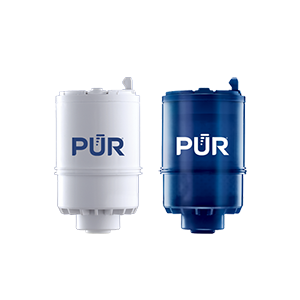
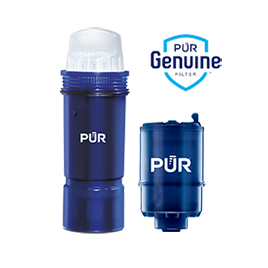
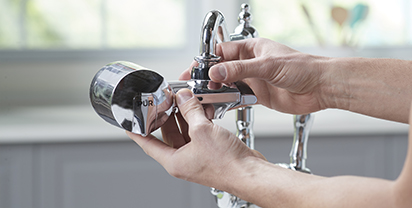
PUR & PUR PLUS FAUCET FILTERS
RF3375/RF9999

View Filters

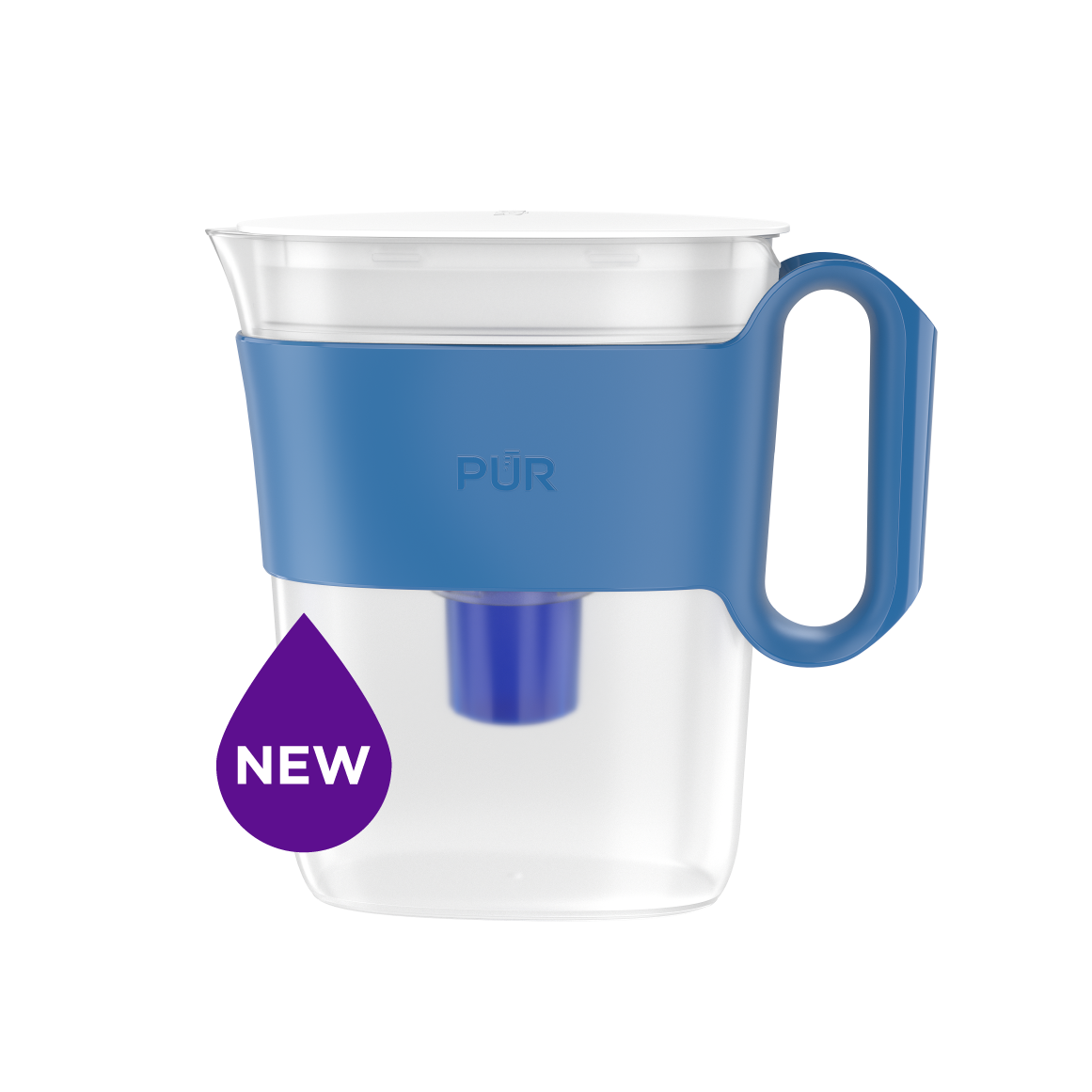
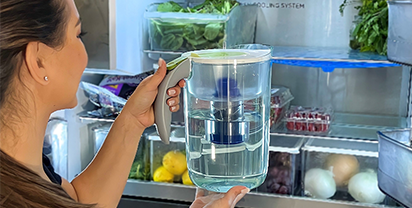
PUR PLUS PITCHER FILTERS
PPF951K

View Filter

PUR BASIC PITCHER FILTERS
PPF900Z

View Filter


Vs. Brita*

Lead
Microplastics
Mercury
Chlorine Taste & Odor
DEET
TTHM

PUR’s Filtration Systems Are Certified By NSF And WQA For Their Contamination Reduction. WQA certifications as of 5/27/21 for Faucet filter models RF-3375 and RF-9999.

¹ Certified to reduce 10X more chemical and physical substances than Brita’s® leading pitcher filter.
² Certified to reduce 3X more chemical and physical substances than Brita’s® leading pitcher filter.
³ Certified to reduce 2X more chemical and physical substances than Brita’s® leading pitcher filter.
*Versus best-selling Brita® pitcher filter OB03. Brita® is a trademark of Brita LP.
**Like other leading brands, PUR does not filter microbes. As of 3/1/23 Brita® and ZeroWater® were not certified to filter microbes. Brita® is a trademark of Brita LP. ZeroWater® is a trademark of Zero Technologies, LLC..
 

PUR & PUR PLUS FAUCET FILTERS


PUR & PUR PLUS FAUCET FILTERS
RF3375/RF9999

View Filters


Vs. Brita*

Lead
Microplastics
Mercury
Chlorine Taste & Odor
DEET
TTHM

PUR’s Filtration Systems Are Certified By NSF And WQA For Their Contamination Reduction. WQA certifications as of 5/27/21 for Faucet filter models RF-3375 and RF-9999.

¹ Certified to reduce 10X more chemical and physical substances than Brita’s® leading pitcher filter.
² Certified to reduce 3X more chemical and physical substances than Brita’s® leading pitcher filter.
³ Certified to reduce 2X more chemical and physical substances than Brita’s® leading pitcher filter.
*Versus best-selling Brita® pitcher filter OB03. Brita® is a trademark of Brita LP.
**Like other leading brands, PUR does not filter microbes. As of 3/1/23 Brita® and ZeroWater® were not certified to filter microbes. Brita® is a trademark of Brita LP. ZeroWater® is a trademark of Zero Technologies, LLC..
 

PUR PLUS PITCHER FILTERS


PUR PLUS PITCHER FILTERS
PPF951K

View Filter


Vs. Brita*

Lead
Microplastics
Mercury
Chlorine Taste & Odor
DEET
TTHM

PUR’s Filtration Systems Are Certified By NSF And WQA For Their Contamination Reduction. WQA certifications as of 5/27/21 for Faucet filter models RF-3375 and RF-9999.

¹ Certified to reduce 10X more chemical and physical substances than Brita’s® leading pitcher filter.
² Certified to reduce 3X more chemical and physical substances than Brita’s® leading pitcher filter.
³ Certified to reduce 2X more chemical and physical substances than Brita’s® leading pitcher filter.
*Versus best-selling Brita® pitcher filter OB03. Brita® is a trademark of Brita LP.
**Like other leading brands, PUR does not filter microbes. As of 3/1/23 Brita® and ZeroWater® were not certified to filter microbes. Brita® is a trademark of Brita LP. ZeroWater® is a trademark of Zero Technologies, LLC..
 

PUR BASIC PITCHER FILTERS


PUR BASIC PITCHER FILTERS
PPF900Z

View Filter


Vs. Brita*

Lead
Microplastics
Mercury
Chlorine Taste & Odor
DEET
TTHM

PUR’s Filtration Systems Are Certified By NSF And WQA For Their Contamination Reduction. WQA certifications as of 5/27/21 for Faucet filter models RF-3375 and RF-9999.

¹ Certified to reduce 10X more chemical and physical substances than Brita’s® leading pitcher filter.
² Certified to reduce 3X more chemical and physical substances than Brita’s® leading pitcher filter.
³ Certified to reduce 2X more chemical and physical substances than Brita’s® leading pitcher filter.
*Versus best-selling Brita® pitcher filter OB03. Brita® is a trademark of Brita LP.
**Like other leading brands, PUR does not filter microbes. As of 3/1/23 Brita® and ZeroWater® were not certified to filter microbes. Brita® is a trademark of Brita LP. ZeroWater® is a trademark of Zero Technologies, LLC..
 

Top 10 Best Water Filters You Need for Pure Drinking Water Today

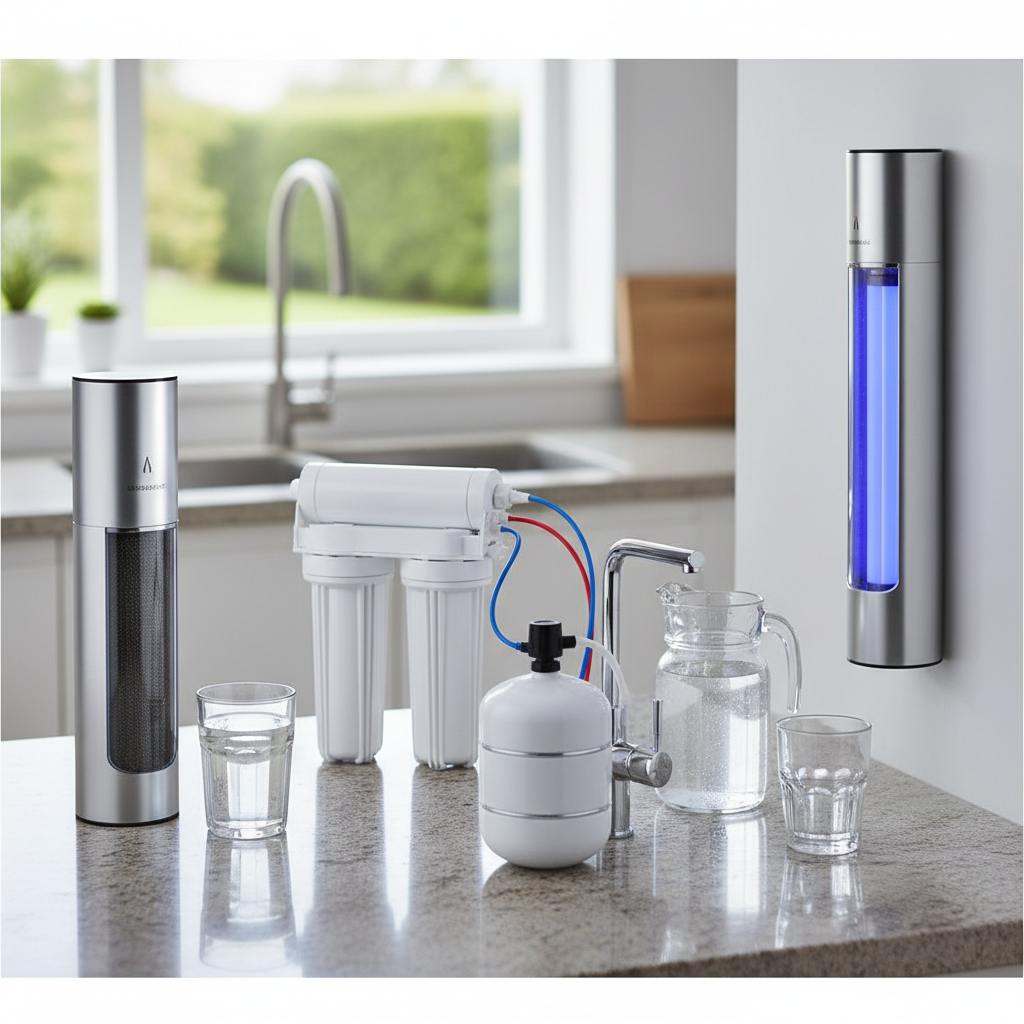
In the modern age, ensuring access to clean and pure drinking water has become a pressing necessity. With the Environmental Protection Agency (EPA) estimating that over 50% of Americans are concerned about the quality of their tap water, selecting the best water filter has never been more crucial. The right water filtration system can significantly reduce contaminants, including chlorine, lead, and even emerging pollutants, ensuring safe consumption for you and your family.

Recent studies from the Water Quality Association indicate that over 70% of households may benefit from using a water filtration system to improve the taste and safety of their drinking water. As technology advances, the variety of water filters available on the market has expanded, making it imperative to identify the best options tailored to specific needs. In this guide, we will explore the top 10 best water filters that can provide you with pure drinking water today, ensuring that you have the essential knowledge to make an informed decision for your health and well-being.

Top 10 Best Water Filters You Need for Pure Drinking Water Today

Essential Features to Look for in Water Filters

When selecting a water filter, it's essential to understand the key features that contribute to effective purification. One of the most critical aspects is the filter type—activated carbon filters are renowned for removing chlorine, sediment, and volatile organic compounds (VOCs) from water. A report by the National Sanitation Foundation (NSF) states that these filters can reduce contaminants by up to 99%, ensuring safer drinking water.

Another crucial feature is the filter's contaminant removal certification. Look for filters that are NSF-certified for specific pollutants like lead or cysts. According to a study by the Environmental Protection Agency (EPA), lead contamination is a significant issue affecting public health, with 11% of homes in the U.S. still having lead pipes. Choosing a certified filter can significantly decrease your risk of exposure.

Tip: Always check the filter’s replacement schedule. Replacing filters regularly is vital for maintaining effectiveness; stale or overused filters can actually lead to recontamination of your water. Additionally, consider the flow rate of the filter to ensure it meets your family’s daily needs without long wait times. With the right features, you can enjoy pure and safe drinking water every day.

Top 10 Best Water Filters You Need for Pure Drinking Water Today - Essential Features to Look for in Water Filters

Filter Type Filtration Method Contaminants Removed Filter Lifespan Price Range
Carbon Block Absorption Chlorine, Sediment 6-12 Months $30 - $60
Reverse Osmosis Membrane Filtration Lead, Nitrates 2-3 Years $150 - $400
UV Purifier Ultraviolet Light Bacteria, Virus 1 Year $100 - $300
Pitcher Filters Carbon Filtration Chlorine, Mercury 2 Months $20 - $40
Countertop Filter Multi-Stage Filtration Chlorine, Heavy Metals 6-12 Months $70 - $150
Faucet Filters Carbon and Ion Exchange Chlorine, Lead 2-3 Months $30 - $75
Whole House Filter Sediment and Carbon Filtration Sediment, Chlorine 5 Years $400 - $800
Ion Exchange Filter Ion Exchange Hardness Minerals 1 Year $50 - $120
Portable Water Filter Micro-filtration Bacteria, Protozoa Up to 1000 Liters $20 - $60

Types of Water Filters: Understanding Carbon, Reverse Osmosis, and UV

Top 10 Best Water Filters You Need for Pure Drinking Water Today

Water filters are essential for ensuring the purity of drinking water, and understanding the different types available is crucial. Among the most popular methods are carbon, reverse osmosis (RO), and ultraviolet (UV) filtration systems. Carbon filters are known for their ability to remove impurities and enhance taste by adsorbing contaminants from water. This technology is in high demand, with the global activated carbon mobile filter market projected to grow significantly over the next decade.

Reverse osmosis is another effective filtration technique that utilizes a semi-permeable membrane to remove a wide range of contaminants, including dissolved salts, bacteria, and viruses, providing pure drinking water. The market for RO systems is on the rise, with anticipated growth in residential water filtration expected to reach substantial figures in the coming years. Integrating advanced technologies, such as UV sterilization, provides an additional layer of safety by eliminating harmful microorganisms without the use of chemicals, making it a popular choice in modern water purification systems. As consumers become increasingly aware of the importance of clean drinking water, the demand for these filtration methods continues to expand, reflecting a growing trend towards health-conscious living.

Top 10 Water Filters: Overview of Best Products Available

When it comes to ensuring access to pure drinking water, choosing the right water filter is crucial. The market is flooded with options, making it essential to know which products stand out. In our overview of the top 10 water filters available today, we categorize filters based on effectiveness, convenience, and customer reviews. From pitcher filters to under-sink systems, each solution caters to different needs and preferences, ensuring that everyone can find an option that fits their lifestyle.

Among the best products, some noteworthy names include reverse osmosis systems that offer superior purification by eliminating a wide range of contaminants. Additionally, activated carbon filters are praised for their ability to improve taste and remove chlorine while being easy to maintain. For those seeking portability, filtered water bottles are a convenient option for on-the-go hydration. This variety enables consumers to select water filtration systems that not only provide safety but also align with their everyday routines, ensuring access to clean and delicious water at home or while traveling.

Top 10 Best Water Filters Overview

This chart displays the effectiveness percentage of the top 10 water filters, showcasing their ability to provide pure drinking water. Choose the right filter for your needs based on their effectiveness ratings.

How to Maintain Your Water Filter for Optimal Performance

To maintain optimal performance of your water filter, regular upkeep is essential. According to the Water Quality Association, approximately 85% of household water is not adequately treated, leading to potential health hazards. Routine checks and replacements can significantly improve your filter’s efficiency in eliminating contaminants. For instance, many leading brands recommend changing sediment filters every six months, while carbon filters should typically be replaced every 12 months to ensure they continue to capture harmful substances like chlorine, lead, and other heavy metals effectively.

Moreover, the Environmental Protection Agency (EPA) highlights that a well-maintained water filter can enhance purification rates by up to 50%. Users should clean any pre-filters or membranes as per manufacturer guidelines and perform regular performance tests using water quality testing kits, ensuring that the filter still meets health standards. Monitoring for changes in water taste or flow rate can also indicate when maintenance is needed. By prioritizing these maintenance practices, consumers can ensure their water filters deliver safe and pure drinking water consistently.

Cost Comparison of Common Water Filter Types and Brands

When it comes to ensuring pure drinking water, understanding the costs associated with different water filter types and brands is crucial. Among the most common options, water filter pitchers stand out for their affordability and simplicity. They are easy to use and maintain, making them ideal for households looking to improve their water quality without a substantial investment. Recent tests reveal that various brands offer reliable filtration solutions, allowing consumers to choose a product that fits their budget and specific needs.

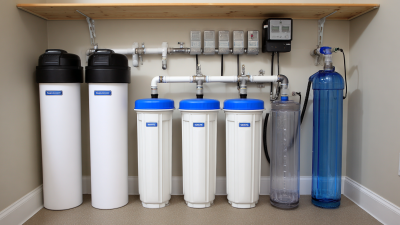
In addition to pitchers, under-sink filters have gained popularity for their ability to provide a consistent supply of filtered water. While the upfront costs might be higher, these systems effectively remove a range of contaminants and can deliver better-tasting water straight from the tap. For those considering a more portable option, backpacking water filters have also been evaluated, ensuring clean drinking water for outdoor enthusiasts. By comparing the costs and benefits of these different water filtration systems, consumers can make informed decisions that align with their lifestyle and financial considerations.