
Contaminant Comparison Chart

For a complete list of contaminants that PUR filters reduce, please view our Performance Data Sheets here.


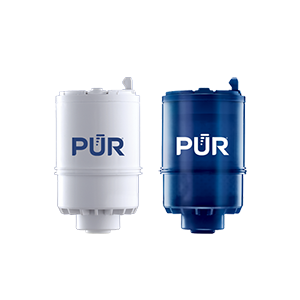
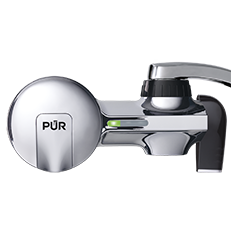
PUR & PUR PLUS FAUCET FILTERS
RF3375/RF9999

View Filters

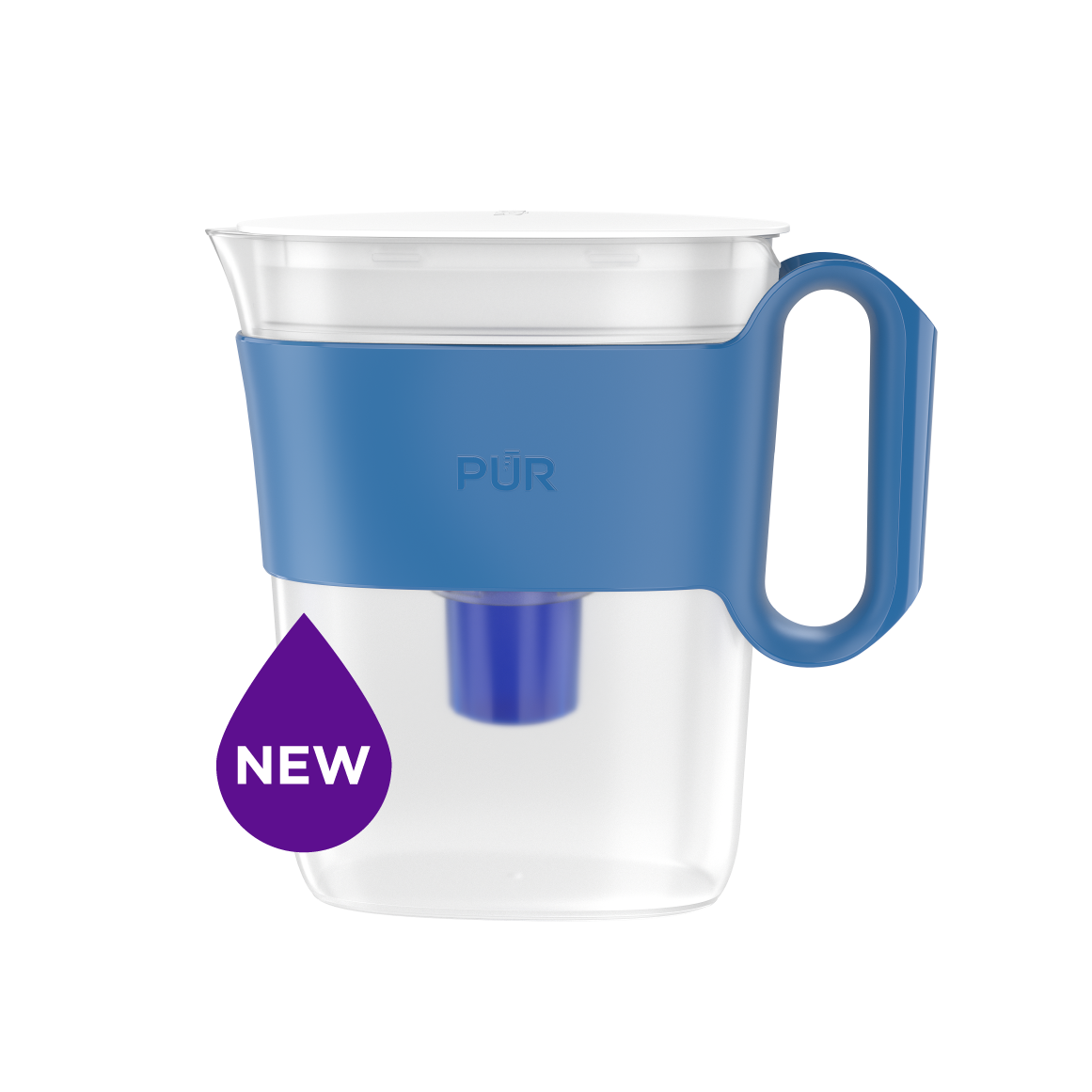
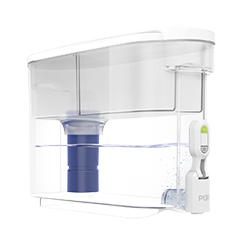
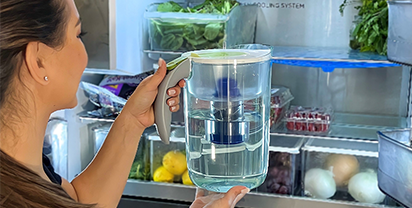
PUR PLUS PITCHER FILTERS
PPF951K

View Filter

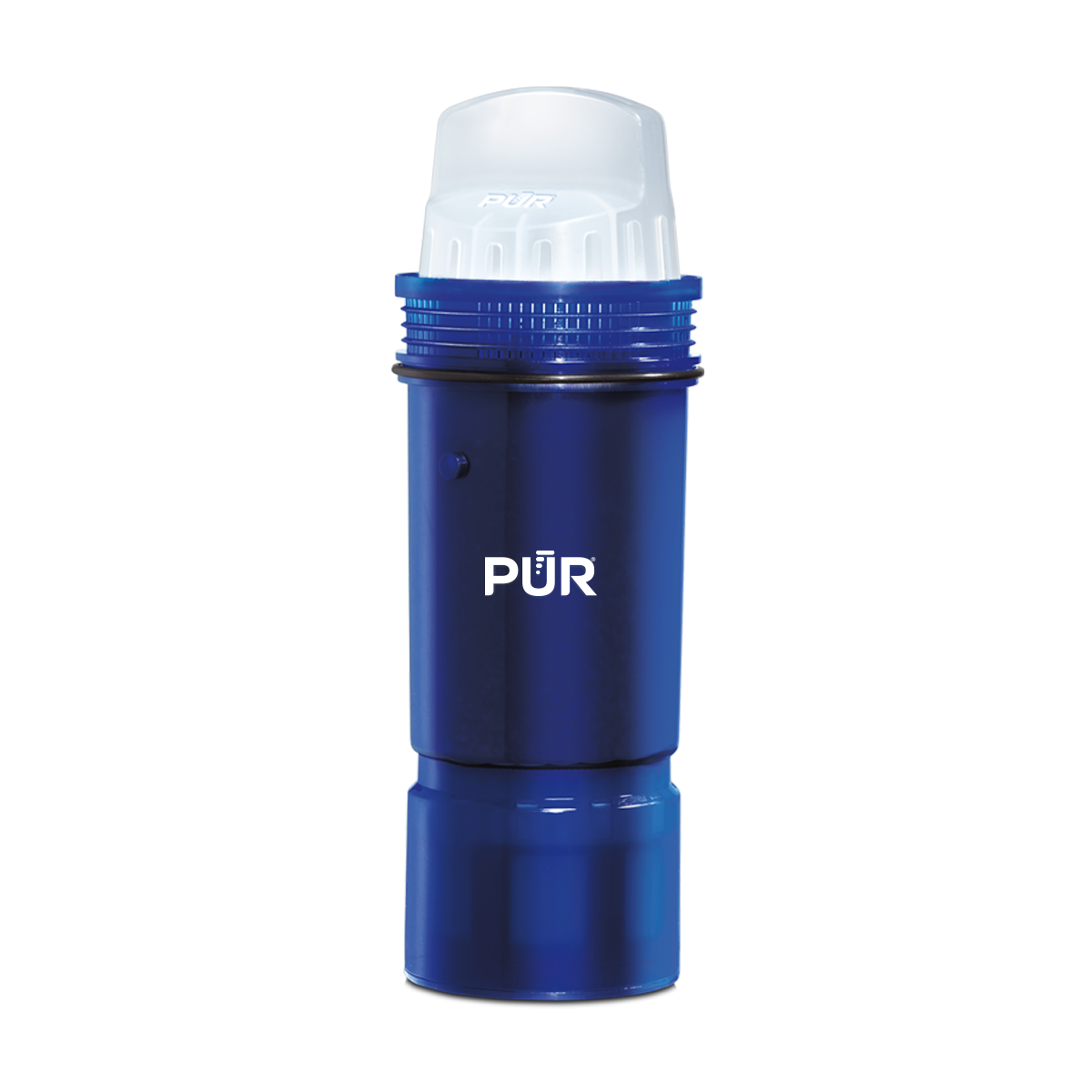
PUR BASIC PITCHER FILTERS
PPF900Z

View Filter


Vs. Brita*

Lead
Microplastics
Mercury
Chlorine Taste & Odor
DEET
TTHM

PUR’s Filtration Systems Are Certified By NSF And WQA For Their Contamination Reduction. WQA certifications as of 5/27/21 for Faucet filter models RF-3375 and RF-9999.

¹ Certified to reduce 10X more chemical and physical substances than Brita’s® leading pitcher filter.
² Certified to reduce 3X more chemical and physical substances than Brita’s® leading pitcher filter.
³ Certified to reduce 2X more chemical and physical substances than Brita’s® leading pitcher filter.
*Versus best-selling Brita® pitcher filter OB03. Brita® is a trademark of Brita LP.
**Like other leading brands, PUR does not filter microbes. As of 3/1/23 Brita® and ZeroWater® were not certified to filter microbes. Brita® is a trademark of Brita LP. ZeroWater® is a trademark of Zero Technologies, LLC..
 

PUR & PUR PLUS FAUCET FILTERS


PUR & PUR PLUS FAUCET FILTERS
RF3375/RF9999

View Filters


Vs. Brita*

Lead
Microplastics
Mercury
Chlorine Taste & Odor
DEET
TTHM

PUR’s Filtration Systems Are Certified By NSF And WQA For Their Contamination Reduction. WQA certifications as of 5/27/21 for Faucet filter models RF-3375 and RF-9999.

¹ Certified to reduce 10X more chemical and physical substances than Brita’s® leading pitcher filter.
² Certified to reduce 3X more chemical and physical substances than Brita’s® leading pitcher filter.
³ Certified to reduce 2X more chemical and physical substances than Brita’s® leading pitcher filter.
*Versus best-selling Brita® pitcher filter OB03. Brita® is a trademark of Brita LP.
**Like other leading brands, PUR does not filter microbes. As of 3/1/23 Brita® and ZeroWater® were not certified to filter microbes. Brita® is a trademark of Brita LP. ZeroWater® is a trademark of Zero Technologies, LLC..


PUR PLUS PITCHER FILTERS


PUR PLUS PITCHER FILTERS
PPF951K

View Filter


Vs. Brita*

Lead
Microplastics
Mercury
Chlorine Taste & Odor
DEET
TTHM

PUR’s Filtration Systems Are Certified By NSF And WQA For Their Contamination Reduction. WQA certifications as of 5/27/21 for Faucet filter models RF-3375 and RF-9999.

¹ Certified to reduce 10X more chemical and physical substances than Brita’s® leading pitcher filter.
² Certified to reduce 3X more chemical and physical substances than Brita’s® leading pitcher filter.
³ Certified to reduce 2X more chemical and physical substances than Brita’s® leading pitcher filter.
*Versus best-selling Brita® pitcher filter OB03. Brita® is a trademark of Brita LP.
**Like other leading brands, PUR does not filter microbes. As of 3/1/23 Brita® and ZeroWater® were not certified to filter microbes. Brita® is a trademark of Brita LP. ZeroWater® is a trademark of Zero Technologies, LLC..


PUR BASIC PITCHER FILTERS


PUR BASIC PITCHER FILTERS
PPF900Z

View Filter


Vs. Brita*

Lead
Microplastics
Mercury
Chlorine Taste & Odor
DEET
TTHM

PUR’s Filtration Systems Are Certified By NSF And WQA For Their Contamination Reduction. WQA certifications as of 5/27/21 for Faucet filter models RF-3375 and RF-9999.

¹ Certified to reduce 10X more chemical and physical substances than Brita’s® leading pitcher filter.
² Certified to reduce 3X more chemical and physical substances than Brita’s® leading pitcher filter.
³ Certified to reduce 2X more chemical and physical substances than Brita’s® leading pitcher filter.
*Versus best-selling Brita® pitcher filter OB03. Brita® is a trademark of Brita LP.
**Like other leading brands, PUR does not filter microbes. As of 3/1/23 Brita® and ZeroWater® were not certified to filter microbes. Brita® is a trademark of Brita LP. ZeroWater® is a trademark of Zero Technologies, LLC..


China Top 10 Packaging Automation Equipment Suppliers?

In the rapidly evolving landscape of Packaging Automation Equipment, the need for innovation and efficiency is paramount. Leading experts in the field, such as Dr. Emily Zhang, emphasize, "Automation is not just an option; it’s a necessity for competitiveness." This insight underscores the critical role that packaging automation equipment plays in driving productivity and reducing costs for manufacturers.

The landscape of packaging automation is filled with top-tier suppliers who provide cutting-edge solutions. These companies offer various technologies that streamline packaging processes, enhancing speed and precision. From robotics to advanced machinery, each supplier contributes uniquely to the industry. However, with so many options, determining the best suppliers can be a complex task. It’s essential to assess product quality, customer support, and technological advancements.

Despite the advancements, challenges persist in the packaging automation equipment sector. Some businesses report difficulties in integrating new systems with existing workflows. Others struggle with the high upfront costs of automation. Addressing these issues is crucial for achieving long-term benefits. The path to successful automation demands careful planning and investment.

China Top 10 Packaging Automation Equipment Suppliers?

Overview of Packaging Automation in China

Packaging automation has transformed the landscape of manufacturing in China. According to a recent report by Mordor Intelligence, the market for packaging automation in Asia-Pacific is projected to grow at a CAGR of 8.4% from 2023 to 2028. This significant growth highlights the increasing adoption of automated systems in various sectors, including food and beverage, pharmaceuticals, and electronics.

Automation enhances efficiency and reduces labor costs. Many companies are shifting from manual processes to automated solutions to boost productivity. For instance, a survey by Research and Markets found that businesses report up to a 30% increase in throughput when implementing these technologies. However, not all companies achieve these benefits. Challenges such as integration with existing equipment and training personnel can hinder progress.

Tip: Start with a pilot project. Evaluate its impact before moving to larger-scale automation solutions. This approach allows you to identify potential issues and minimize costs.

Another important aspect is sustainability. Automated packaging solutions can reduce waste and optimize material usage. According to a study by Smithers Pira, around 36% of packaging waste comes from food and drink products. Automation can help minimize this issue, yet many companies struggle with balancing automation and environmental concerns. Pushing for greener solutions while maintaining profitability remains a delicate task.

Tip: Consider eco-friendly materials in your automated processes. They may increase upfront costs but can lead to long-term savings and improved brand reputation.

Criteria for Evaluating Top Packaging Equipment Suppliers

Evaluating top packaging automation equipment suppliers requires clear criteria. Industry reports indicate that factors like innovation, reliability, and customer support are crucial. Many suppliers focus heavily on technology investment to enhance efficiency. A supplier's ability to integrate automation with existing systems also matters significantly.

Tips: Analyze the supplier's history. Look for their experience in various packaging sectors. A company that has adapted over time shows resilience and expertise.

Another important factor is quality certifications. Certification in ISO standards, for instance, reflects a commitment to high-quality production practices. Market analysis reveals that suppliers with documented quality metrics gain greater trust among clients. However, not every supplier may meet these standards consistently, leading to potential risks.

Tips: Ask for case studies. Assess how suppliers managed challenges in previous projects. This insight can highlight strengths and weaknesses in their service approach.

List of the Top 10 Packaging Automation Equipment Suppliers

The packaging automation industry is rapidly evolving. As of 2023, the global market for packaging automation equipment exceeds $55 billion and is projected to grow significantly. This growth is driven by the demand for efficiency and cost reduction in manufacturing processes. Companies are embracing technology to streamline operations and improve productivity.

In China, there are numerous suppliers leading in this sector. Factors such as technology innovation, durability, and customer service differentiate these suppliers. They provide advanced solutions that align with the latest industry standards. Automated packing lines, robotics, and AI-driven systems are becoming common.

Tip: When selecting a supplier, always assess their technological capabilities and customer feedback. Consider the scalability of their solutions. The right partner can enhance your production efficiency significantly. Also, don't overlook after-sales support, which can be a crucial aspect of your business. Partnering with the right supplier is essential for future growth.

Key Innovations and Technologies in Packaging Automation

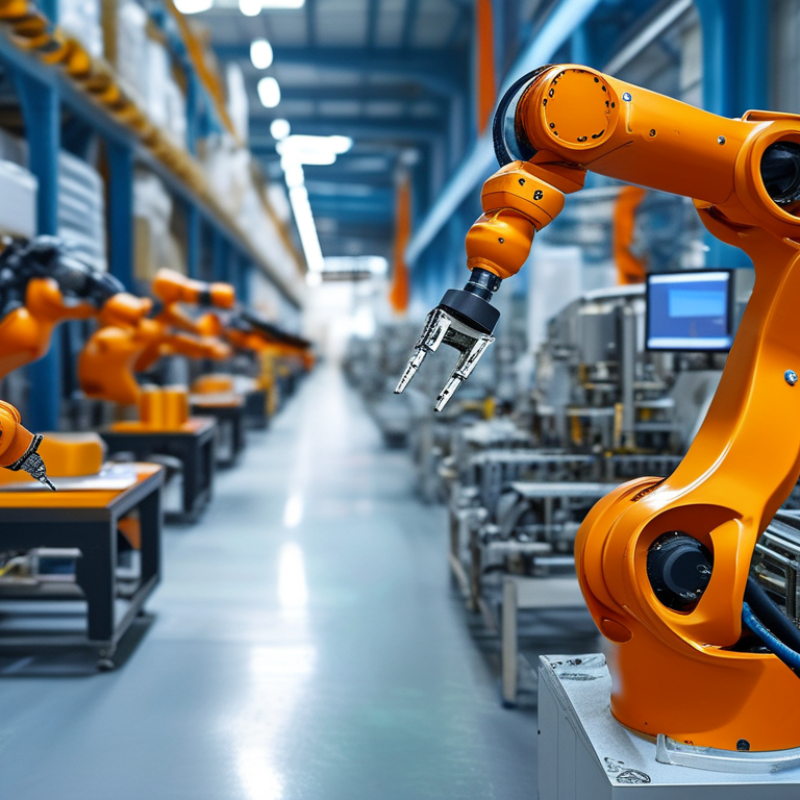
Packaging automation is undergoing significant transformations. Key innovations are shaping the industry. Robotics, artificial intelligence, and smart sensors are at the forefront. These technologies enhance efficiency and accuracy in packaging processes. Many companies now use robotic arms for precision tasks like picking and placing products. This reduces human error and speeds up production.

Another crucial advancement is the Internet of Things (IoT). Smart devices connect machines, allowing real-time monitoring. This leads to swift adjustments in packaging lines. Companies save time and resources. Yet, challenges remain, such as the need for skilled workers. As automation technology evolves, training becomes vital. Implementing new systems can also cause temporary disruptions.

Sustainable packaging solutions are gaining traction. Companies are exploring biodegradable materials and energy-efficient machinery. However, the transition can be slow and costly. Balancing innovation with sustainability requires careful planning and execution. Continuous evaluation of these strategies is essential for long-term success. The path to automation is promising, but it demands reflection and adaptation.

Market Trends and Future Outlook for Packaging Automation in China

The packaging automation sector in China is witnessing dynamic growth. Manufacturers are increasingly adopting advanced technologies to enhance efficiency. Automation not only improves production speed but also reduces labor costs. This is crucial in the highly competitive market. The demand for sustainable packaging solutions is on the rise. Companies are exploring eco-friendly materials and processes to meet consumer expectations.

However, challenges remain. Many small and medium enterprises struggle with high initial investments in automation. Often, the return on investment is not immediate, leading to hesitation among potential buyers.

Additionally, the fast pace of technological advancements can leave some companies behind. Keeping up with innovations and shifting consumer preferences requires ongoing education and adaptation. The future of packaging automation hinges on striking a balance between investment and flexibility. Companies must remain agile to respond to market shifts effectively.