Contaminant Comparison Chart

For a complete list of contaminants that PUR filters reduce, please view our Performance Data Sheets here.


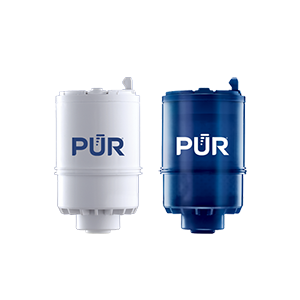
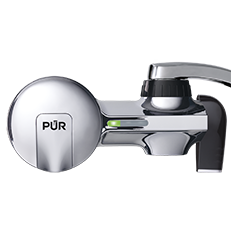
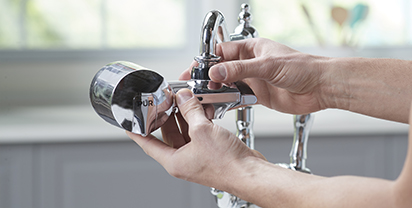
PUR & PUR PLUS FAUCET FILTERS
RF3375/RF9999

View Filters

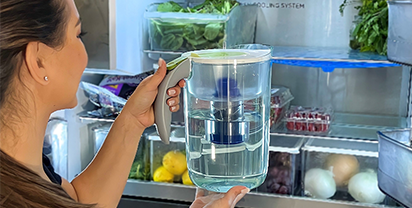
PUR PLUS PITCHER FILTERS
PPF951K

View Filter

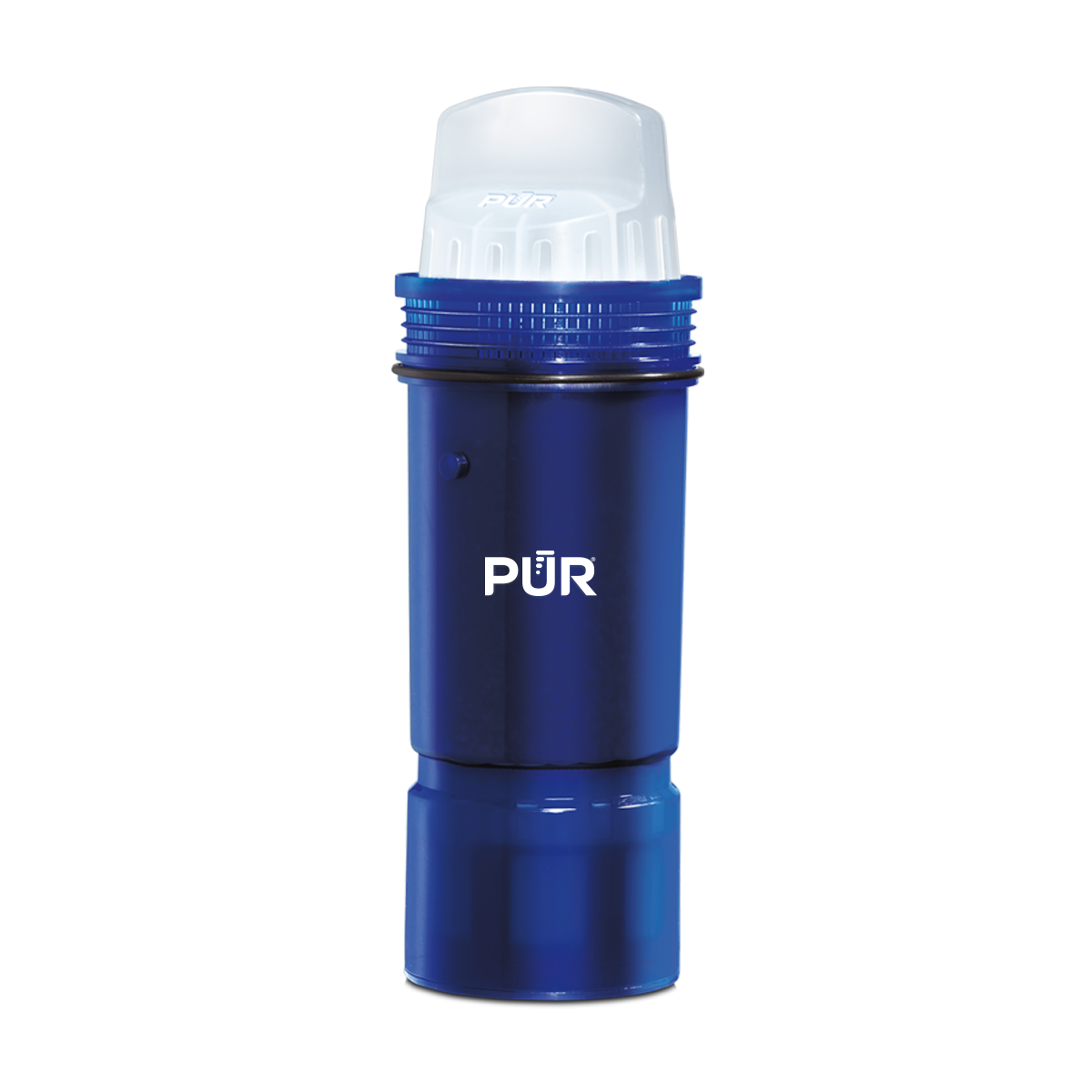
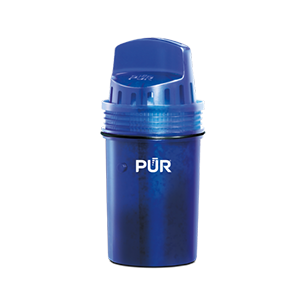
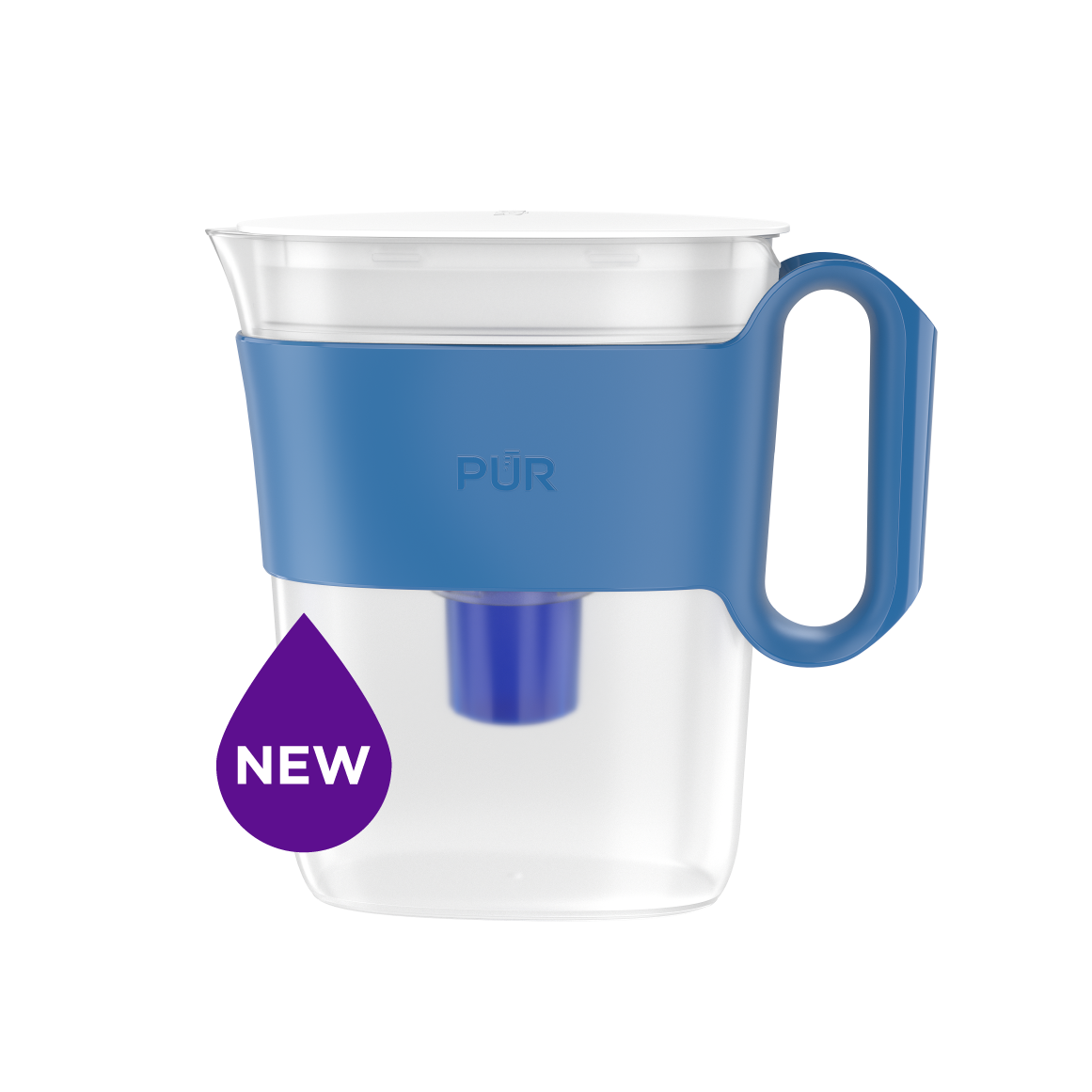
PUR BASIC PITCHER FILTERS
PPF900Z

View Filter


Vs. Brita*

Lead
Microplastics
Mercury
Chlorine Taste & Odor
DEET
TTHM

PUR’s Filtration Systems Are Certified By NSF And WQA For Their Contamination Reduction. WQA certifications as of 5/27/21 for Faucet filter models RF-3375 and RF-9999.

¹ Certified to reduce 10X more chemical and physical substances than Brita’s® leading pitcher filter.
² Certified to reduce 3X more chemical and physical substances than Brita’s® leading pitcher filter.
³ Certified to reduce 2X more chemical and physical substances than Brita’s® leading pitcher filter.
*Versus best-selling Brita® pitcher filter OB03. Brita® is a trademark of Brita LP.
**Like other leading brands, PUR does not filter microbes. As of 3/1/23 Brita® and ZeroWater® were not certified to filter microbes. Brita® is a trademark of Brita LP. ZeroWater® is a trademark of Zero Technologies, LLC..
 

PUR & PUR PLUS FAUCET FILTERS


PUR & PUR PLUS FAUCET FILTERS
RF3375/RF9999

View Filters


Vs. Brita*

Lead
Microplastics
Mercury
Chlorine Taste & Odor
DEET
TTHM

PUR’s Filtration Systems Are Certified By NSF And WQA For Their Contamination Reduction. WQA certifications as of 5/27/21 for Faucet filter models RF-3375 and RF-9999.

¹ Certified to reduce 10X more chemical and physical substances than Brita’s® leading pitcher filter.
² Certified to reduce 3X more chemical and physical substances than Brita’s® leading pitcher filter.
³ Certified to reduce 2X more chemical and physical substances than Brita’s® leading pitcher filter.
*Versus best-selling Brita® pitcher filter OB03. Brita® is a trademark of Brita LP.
**Like other leading brands, PUR does not filter microbes. As of 3/1/23 Brita® and ZeroWater® were not certified to filter microbes. Brita® is a trademark of Brita LP. ZeroWater® is a trademark of Zero Technologies, LLC..
 

PUR PLUS PITCHER FILTERS


PUR PLUS PITCHER FILTERS
PPF951K

View Filter


Vs. Brita*

Lead
Microplastics
Mercury
Chlorine Taste & Odor
DEET
TTHM

PUR’s Filtration Systems Are Certified By NSF And WQA For Their Contamination Reduction. WQA certifications as of 5/27/21 for Faucet filter models RF-3375 and RF-9999.

¹ Certified to reduce 10X more chemical and physical substances than Brita’s® leading pitcher filter.
² Certified to reduce 3X more chemical and physical substances than Brita’s® leading pitcher filter.
³ Certified to reduce 2X more chemical and physical substances than Brita’s® leading pitcher filter.
*Versus best-selling Brita® pitcher filter OB03. Brita® is a trademark of Brita LP.
**Like other leading brands, PUR does not filter microbes. As of 3/1/23 Brita® and ZeroWater® were not certified to filter microbes. Brita® is a trademark of Brita LP. ZeroWater® is a trademark of Zero Technologies, LLC..
 

PUR BASIC PITCHER FILTERS


PUR BASIC PITCHER FILTERS
PPF900Z

View Filter


Vs. Brita*

Lead
Microplastics
Mercury
Chlorine Taste & Odor
DEET
TTHM

PUR’s Filtration Systems Are Certified By NSF And WQA For Their Contamination Reduction. WQA certifications as of 5/27/21 for Faucet filter models RF-3375 and RF-9999.

¹ Certified to reduce 10X more chemical and physical substances than Brita’s® leading pitcher filter.
² Certified to reduce 3X more chemical and physical substances than Brita’s® leading pitcher filter.
³ Certified to reduce 2X more chemical and physical substances than Brita’s® leading pitcher filter.
*Versus best-selling Brita® pitcher filter OB03. Brita® is a trademark of Brita LP.
**Like other leading brands, PUR does not filter microbes. As of 3/1/23 Brita® and ZeroWater® were not certified to filter microbes. Brita® is a trademark of Brita LP. ZeroWater® is a trademark of Zero Technologies, LLC..


Top 10 Water Purification Systems for Safe Drinking Water in 2023

Access to safe drinking water is fundamental to human health and well-being, yet millions of people worldwide still face challenges in achieving this basic necessity. Water purification systems play a critical role in ensuring that the water we consume is free from harmful contaminants and pollutants. As awareness about water quality grows, so does the demand for effective purification solutions that can cater to various needs, whether in residential settings, outdoor adventures, or emergency situations.

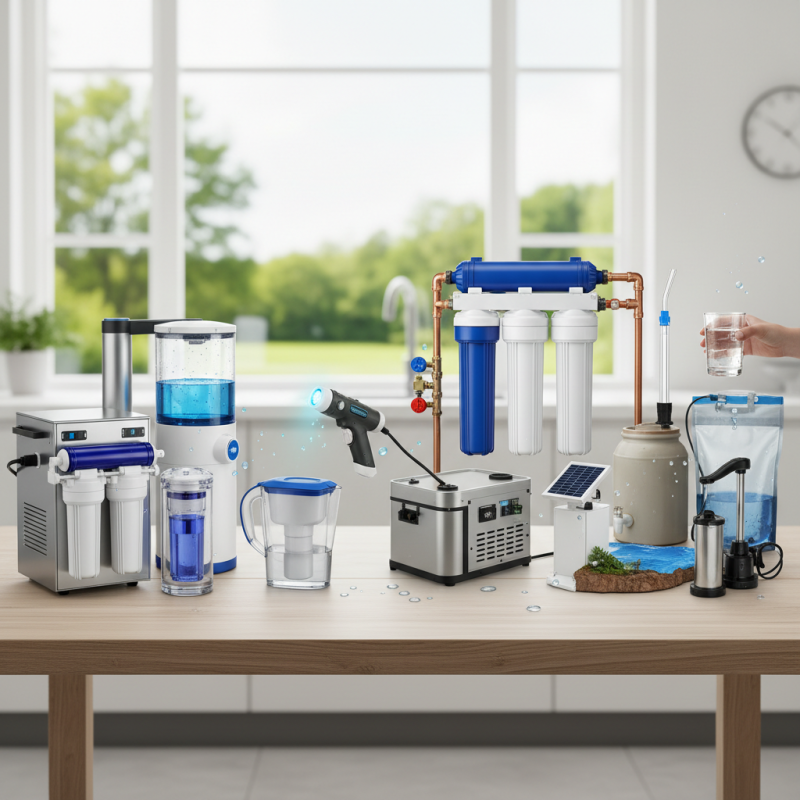
In 2023, the market for water purification systems has expanded significantly, offering a diverse range of technologies and solutions. From advanced filtration methods to innovative purification technologies, these systems vary widely in their design, efficiency, and effectiveness. It is essential for consumers to navigate this landscape, understanding the key features and benefits of different options available, to select the ideal system that meets their specific requirements.

This article aims to explore the top ten water purification systems available in 2023, providing insights into their capabilities and helping readers make informed decisions for securing clean and safe drinking water. By focusing on the importance of water purification systems, we hope to encourage a proactive approach toward ensuring water quality in every household.

Top 10 Water Purification Systems for Safe Drinking Water in 2023

Understanding the Importance of Water Purification Systems

Water purification systems play a crucial role in ensuring that the water we consume is free from harmful contaminants and pathogens. As awareness of water quality issues grows, the importance of investing in effective purification methods cannot be overstated. Safe drinking water is essential for maintaining health, preventing waterborne diseases, and promoting overall well-being. With various types available today, understanding their significance can help individuals make informed decisions about their water sources and purification systems.

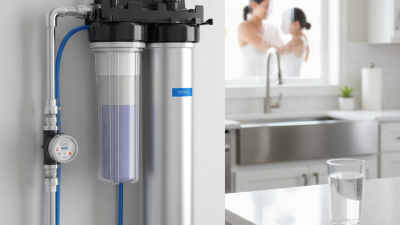
When choosing a water purification system, it's essential to consider the specific contaminants present in your water supply. Regular water testing can uncover impurities that might not be visible to the naked eye. This knowledge allows you to select a system that targets these specific issues, whether it be bacteria, chlorine, heavy metals, or sediment. Additionally, consider your household's water consumption needs to determine the appropriate capacity of the system.

Tips: Always prioritize systems that offer multiple purification stages, as they tend to provide the highest level of protection. Regular maintenance and filter replacement are critical to ensure optimal performance and longevity of your water purification system. Lastly, remain informed about emerging water quality standards and technologies, as this could influence your choice of system in the long run.

Key Features to Look for in Water Purification Systems

Top 10 Water Purification Systems for Safe Drinking Water in 2023

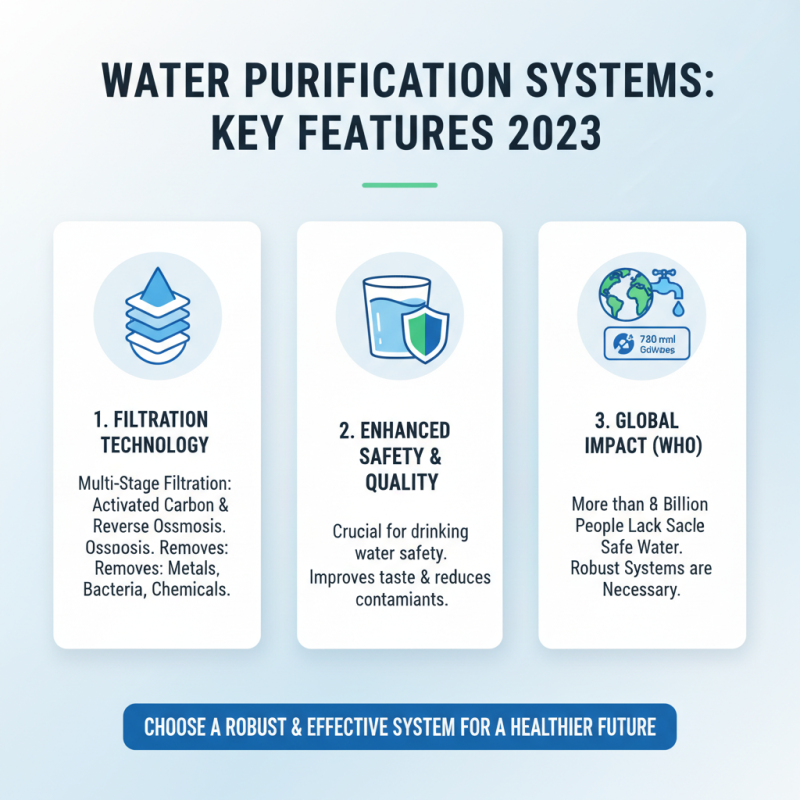
When selecting a water purification system in 2023, it is crucial to consider several key features that enhance the safety and quality of drinking water. First and foremost, the filtration technology is a critical aspect. Systems utilizing multi-stage filtration, such as activated carbon and reverse osmosis, tend to be more effective in removing a wide range of contaminants, including heavy metals, bacteria, and chemicals. According to the World Health Organization, more than 2 billion people lack access to safe drinking water, highlighting the necessity for robust filtration systems that can effectively purify water sources.

Another important feature is the system's capacity and flow rate. For families or communities with higher water consumption, it is essential to choose systems that provide sufficient output without compromising on purity. Industry reports indicate that an average family of four requires about 75 gallons of water per day, making it imperative to select systems that can handle this demand. Additionally, look for systems equipped with real-time monitoring capabilities to ensure water quality is constantly assessed, providing peace of mind and reliability in everyday usage.

Furthermore, ease of installation and maintenance should not be overlooked. Systems designed for simple DIY installation can save both time and costs, while those with easily replaceable filters ensure that users can maintain optimal performance without significant effort or expense. Research conducted by the Environmental Protection Agency emphasizes that regular maintenance of water purification systems can reduce health risks, thus reinforcing the importance of user-friendly features in making informed purchasing decisions.

Top 10 Water Purification Systems of 2023: A Comprehensive Review

Choosing the right water purification system is essential for ensuring access to safe drinking water. In 2023, various technologies have emerged that cater to different needs, from basic filtration to advanced reverse osmosis systems. Understanding how these systems work and their suitability for specific water sources can greatly aid consumers in making informed choices.

A comprehensive review of the top water purification systems reveals that user-friendly features and effectiveness in removing contaminants are critical factors to consider. Systems that employ multiple filtration stages are particularly effective in eliminating common impurities like chlorine, heavy metals, and bacteria. Additionally, considering the system's maintenance requirements and lifespan can help users find a balance between efficiency and cost-effectiveness. Whether for a household or a larger community, selecting the right purification technology is crucial for public health and safety.

Top 10 Water Purification Systems for Safe Drinking Water in 2023

System Type Filtration Method Capacity (Gallons) Filter Lifespan (Months) Price ($)
Reverse Osmosis RO Membrane 50 12 299
Activated Carbon Carbon Filter 40 6 79
UV Purifier UV Light 15 12 149
Ceramic Filter Ceramic Filtration 30 24 59
Distillation Heat Distillation 20 24 199
Ion Exchange Ion Exchange Resin 10 12 99
Countertop Filter Multi-Stage Filter 60 12 149
Under-Sink Filter Dual Filtration 50 12 249
Portable Filter Gravity Fed 5 12 39
Whole House Filter Multi-Stage Filter 1000 6 599

Comparative Analysis of Water Purification Technologies

In 2023, the demand for effective water purification systems has never been higher, driven by increasing awareness of contaminants in drinking water and rising public health concerns. A comparative analysis of current water purification technologies reveals significant advancements that cater to diverse needs. Traditional methods such as activated carbon filters and reverse osmosis systems continue to play essential roles in domestic settings, offering reliable removal of bacteria, heavy metals, and chemical pollutants. According to a report from the Water Quality Association, reverse osmosis systems can reduce total dissolved solids by up to 95%, making them a preferred choice for highly contaminated sources.

Emerging technologies, including UV purification and advanced filtration systems, are also gaining traction due to their enhanced efficiency and ease of use. For instance, UV purification systems effectively neutralize up to 99.99% of bacteria and viruses without the need for chemicals, providing a safe and eco-friendly alternative. The International Water Association reports that these systems are particularly suitable for regions where conventional water treatment facilities are lacking. In addition, innovations in nanotechnology are leading to the development of membrane filters with significantly smaller pore sizes, which can remove even the tiniest pathogens and contaminants, presenting exciting possibilities for future applications. As consumers increasingly prioritize safety and quality in their drinking water, understanding these technologies is crucial for making informed decisions.

Top 10 Water Purification Systems for Safe Drinking Water in 2023

Tips for Maintaining Your Water Purification System for Optimal Performance

Maintaining your water purification system is crucial for ensuring its optimal performance and prolonging its lifespan. According to a report by the Water Quality Association, regular maintenance can enhance the efficiency of purification systems by up to 30%. This is essential not only for ensuring the quality of drinking water but also for achieving cost-effectiveness in the long run. The key to effective maintenance involves routine checks on filters and membranes. It's recommended to replace filters every six months, as contaminated filters can lead to the growth of harmful pathogens and compromise water purity.

Another vital aspect of system maintenance is the regular monitoring of water quality. Industry experts suggest that homeowners should conduct water testing at least once a year to assess contaminants such as bacteria, lead, and chlorine. This proactive approach helps identify potential issues before they escalate, allowing for timely replacements and repairs. Furthermore, maintaining clear communication with professional service providers can prevent minor problems from evolving into significant malfunctions. By investing in proper upkeep, users can ensure their water purification systems deliver safe drinking water consistently.