


Contaminant Comparison Chart

For a complete list of contaminants that PUR filters reduce, please view our Performance Data Sheets here.


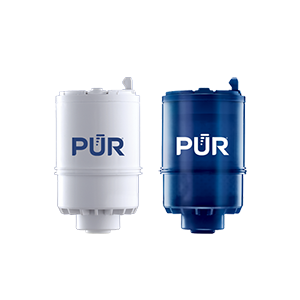
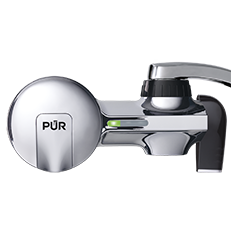
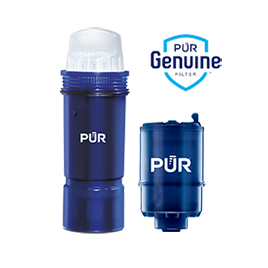
PUR & PUR PLUS FAUCET FILTERS
RF3375/RF9999

View Filters

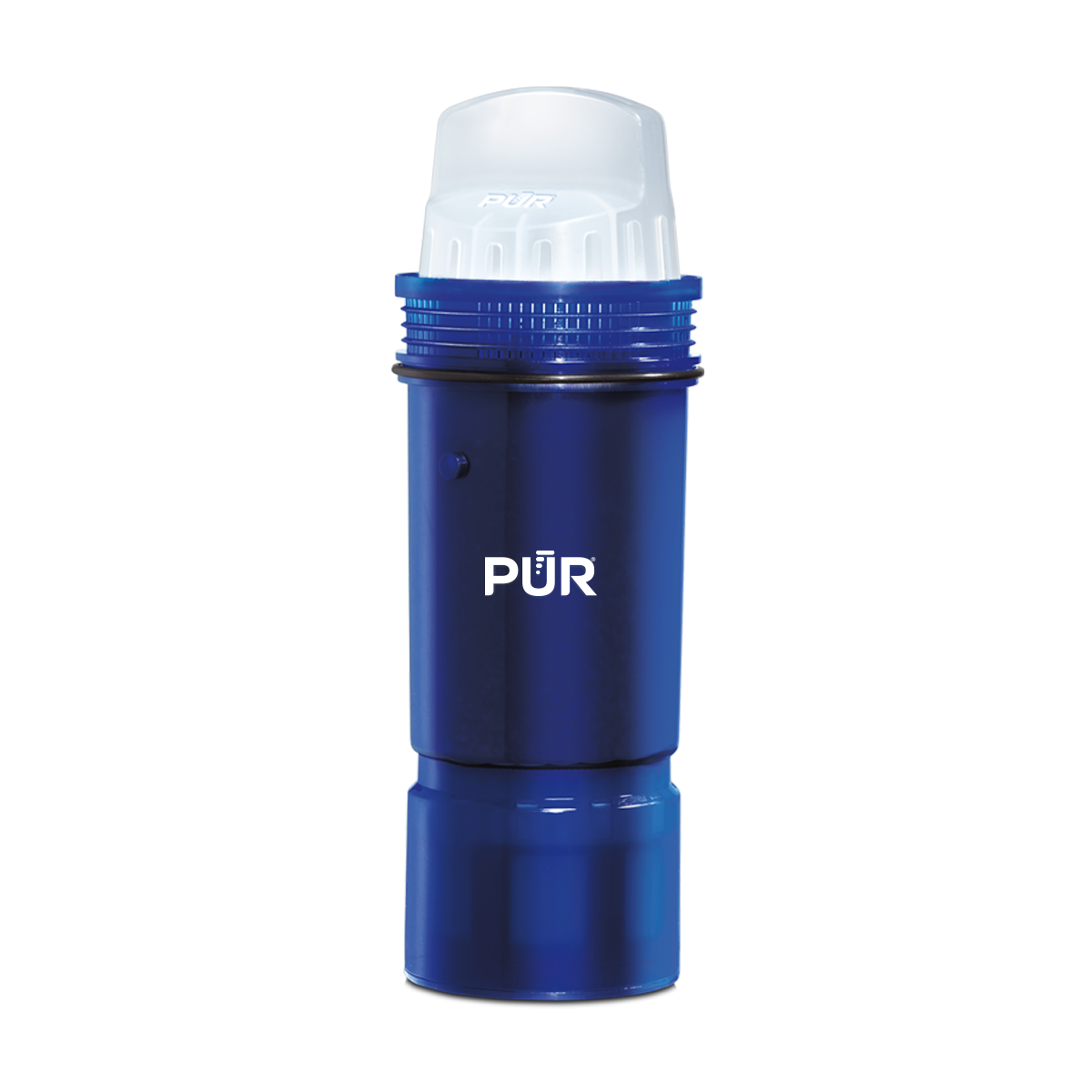
PUR PLUS PITCHER FILTERS
PPF951K

View Filter

PUR BASIC PITCHER FILTERS
PPF900Z

View Filter


Vs. Brita*

Lead
Microplastics
Mercury
Chlorine Taste & Odor
DEET
TTHM

PUR’s Filtration Systems Are Certified By NSF And WQA For Their Contamination Reduction. WQA certifications as of 5/27/21 for Faucet filter models RF-3375 and RF-9999.

¹ Certified to reduce 10X more chemical and physical substances than Brita’s® leading pitcher filter.
² Certified to reduce 3X more chemical and physical substances than Brita’s® leading pitcher filter.
³ Certified to reduce 2X more chemical and physical substances than Brita’s® leading pitcher filter.
*Versus best-selling Brita® pitcher filter OB03. Brita® is a trademark of Brita LP.
**Like other leading brands, PUR does not filter microbes. As of 3/1/23 Brita® and ZeroWater® were not certified to filter microbes. Brita® is a trademark of Brita LP. ZeroWater® is a trademark of Zero Technologies, LLC..
 

PUR & PUR PLUS FAUCET FILTERS


PUR & PUR PLUS FAUCET FILTERS
RF3375/RF9999

View Filters


Vs. Brita*

Lead
Microplastics
Mercury
Chlorine Taste & Odor
DEET
TTHM

PUR’s Filtration Systems Are Certified By NSF And WQA For Their Contamination Reduction. WQA certifications as of 5/27/21 for Faucet filter models RF-3375 and RF-9999.

¹ Certified to reduce 10X more chemical and physical substances than Brita’s® leading pitcher filter.
² Certified to reduce 3X more chemical and physical substances than Brita’s® leading pitcher filter.
³ Certified to reduce 2X more chemical and physical substances than Brita’s® leading pitcher filter.
*Versus best-selling Brita® pitcher filter OB03. Brita® is a trademark of Brita LP.
**Like other leading brands, PUR does not filter microbes. As of 3/1/23 Brita® and ZeroWater® were not certified to filter microbes. Brita® is a trademark of Brita LP. ZeroWater® is a trademark of Zero Technologies, LLC..


PUR PLUS PITCHER FILTERS


PUR PLUS PITCHER FILTERS
PPF951K

View Filter


Vs. Brita*

Lead
Microplastics
Mercury
Chlorine Taste & Odor
DEET
TTHM

PUR’s Filtration Systems Are Certified By NSF And WQA For Their Contamination Reduction. WQA certifications as of 5/27/21 for Faucet filter models RF-3375 and RF-9999.

¹ Certified to reduce 10X more chemical and physical substances than Brita’s® leading pitcher filter.
² Certified to reduce 3X more chemical and physical substances than Brita’s® leading pitcher filter.
³ Certified to reduce 2X more chemical and physical substances than Brita’s® leading pitcher filter.
*Versus best-selling Brita® pitcher filter OB03. Brita® is a trademark of Brita LP.
**Like other leading brands, PUR does not filter microbes. As of 3/1/23 Brita® and ZeroWater® were not certified to filter microbes. Brita® is a trademark of Brita LP. ZeroWater® is a trademark of Zero Technologies, LLC..


PUR BASIC PITCHER FILTERS


PUR BASIC PITCHER FILTERS
PPF900Z

View Filter


Vs. Brita*

Lead
Microplastics
Mercury
Chlorine Taste & Odor
DEET
TTHM

PUR’s Filtration Systems Are Certified By NSF And WQA For Their Contamination Reduction. WQA certifications as of 5/27/21 for Faucet filter models RF-3375 and RF-9999.

¹ Certified to reduce 10X more chemical and physical substances than Brita’s® leading pitcher filter.
² Certified to reduce 3X more chemical and physical substances than Brita’s® leading pitcher filter.
³ Certified to reduce 2X more chemical and physical substances than Brita’s® leading pitcher filter.
*Versus best-selling Brita® pitcher filter OB03. Brita® is a trademark of Brita LP.
**Like other leading brands, PUR does not filter microbes. As of 3/1/23 Brita® and ZeroWater® were not certified to filter microbes. Brita® is a trademark of Brita LP. ZeroWater® is a trademark of Zero Technologies, LLC..


Top 10 Benefits of Telescopic Antenna Mast Pole for Buyers

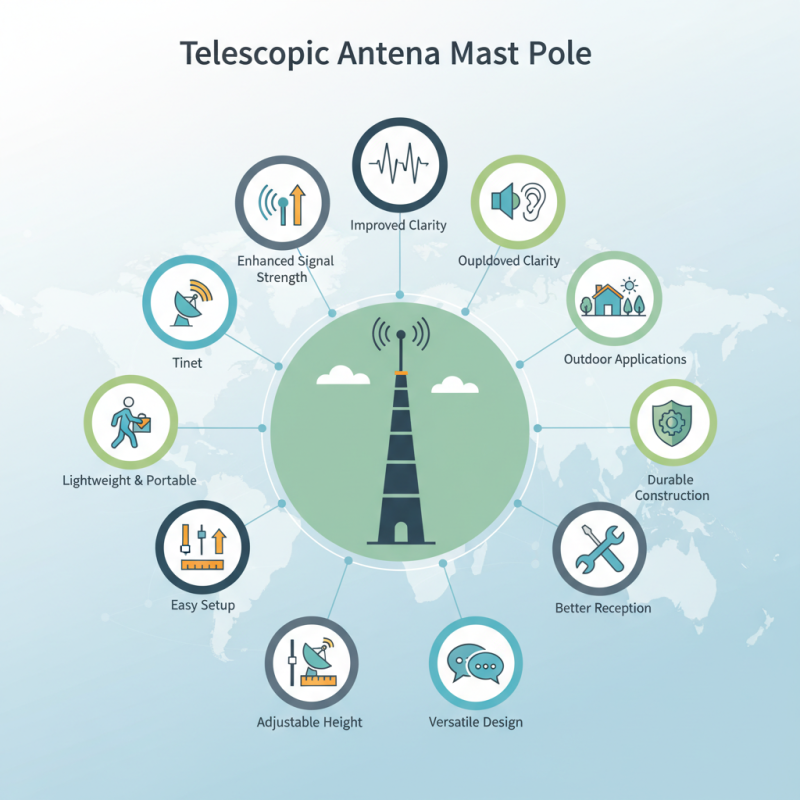
In today's world, communication relies heavily on effective signal transmission. One important tool in this area is the Telescopic Antenna Mast Pole. Its versatile design offers a range of benefits for buyers. This type of mast pole is not just a simple structure; it plays a vital role in enhancing signal strength and clarity.

The Telescopic Antenna Mast Pole is especially useful for outdoor applications. It is lightweight, yet durable, ensuring easy setup and relocation. Many users find that the adjustable height options allow for better signal reception. However, not all installations guarantee optimal performance. It's essential to consider placement and surroundings when using these masts.

Investing in a Telescopic Antenna Mast Pole can significantly improve your communication capabilities. Users should research models to find the right fit. Remember, quality and height can make a notable difference. Embracing this technology brings both advantages and challenges, and understanding these can lead to successful outcomes.

Top 10 Benefits of Telescopic Antenna Mast Pole for Buyers

Benefits of Telescopic Antenna Mast Poles in Communication

Telescopic antenna mast poles offer significant advantages for communication systems. These poles are versatile and can be easily adjusted for height. By extending the range of antennas, they enhance signal quality and coverage. According to industry reports, using a telescopic pole can improve signal reception by up to 50%. This is vital for both personal and professional communication needs.

One of the key benefits is their portability. Users can transport these masts effortlessly, making them ideal for temporary setups at events or remote locations. Their lightweight design allows for easy installation, reducing the need for specialized equipment. However, some users may face challenges in ensuring stability during high winds or adverse weather. Regular inspections and maintenance are necessary for optimal performance.

Tips: Always check the manufacturer’s guidelines for safe height limits. Consider investing in guy wires to secure the mast in strong winds. This adds an extra layer of safety and reliability to the setup. Additionally, bear in mind the impact of nearby structures on signal obstruction.

Effective communication is essential in today’s fast-paced world. Telescopic antenna mast poles can adapt to various environments, delivering improved connectivity. However, users should continually assess their effectiveness and remain open to upgrading as technology evolves.

Top 10 Benefits of Telescopic Antenna Mast Pole

Enhanced Signal Reception with Telescopic Antenna Mast Poles

Telescopic antenna mast poles serve a crucial role in enhancing signal reception for various communications. These poles extend and elevate antennas, allowing for clearer and stronger signals. Research indicates that antennas at increased heights can improve signal strength by up to 30%. This is essential in areas with dense structures, where signal interference is common.

Users often experience challenges related to signal quality. A well-designed telescopic mast can mitigate these issues. According to industry reports, adjusting the height of an antenna pole may lead to noticeably improved reception. For instance, a shift from 15 feet to 30 feet can enhance data download speeds by approximately 50%. Clear visibility to the signal source can dramatically reduce interruptions and enhance overall performance.

While telescopic masts provide many advantages, they also come with limitations. Installation can be complex, requiring specific tools and expertise. Moreover, portable masts might struggle in severe weather conditions. Users need to weigh these factors against the benefits of enhanced signal reception. Regular maintenance is necessary to ensure longevity and consistent performance.

Portability: The Advantage of Telescopic Design for Antenna Masts

Telescopic antenna mast poles are gaining traction among hobbyists and professionals alike. Their unique design offers remarkable portability, a critical factor for many users. According to industry reports, over 65% of antenna users prioritize portability when selecting equipment. The collapsible structure of telescopic masts makes transportation effortless. Users can easily fit these masts in compact spaces, whether in a vehicle or a backpack.


Another aspect to consider is setup time. Users value efficiency, as 40% of surveyed technicians noted the increased time spent setting up traditional masts. Telescopic masts can be erected in minutes, streamlining workflows. However, it’s essential to reflect on the potential downsides. For example, while they are lightweight, this can make them less stable in high winds. Users must find a balance between portability and stability. Judging by varying user reviews, some have expressed concerns over durability during extensive use. This highlights the need for careful evaluation before making a purchase.


Telescopic masts also offer height versatility. According to data from several industry studies, users report needing structures that can reach significantly greater heights than typical fixed poles. This flexibility allows for better signal reception and transmission. Yet, buyers should weigh the advantages against their specific needs. By understanding these factors, users can make informed decisions before investing.

Durability and Weather Resistance in Telescopic Antenna Masts

Telescopic antenna mast poles are designed for durability and weather resistance. Their materials are often engineered to withstand harsh conditions. This means they can endure heavy winds, rain, and even snow without compromising performance. Such reliability is vital for users who depend on consistent signal strength.

Tip: Regularly inspect your mast for signs of wear. A small crack can lead to bigger issues.

Understanding the importance of weather resistance is crucial. Reliable masts enhance reliability and performance of communication devices. They also reduce maintenance, saving time and costs long-term.

Tip: Before purchasing, read reviews about masts in real-world conditions. They reveal how well a product performs over time, especially under various weather conditions.

Ultimately, investing in a high-quality telescopic antenna mast pole pays off. It's all about ensuring you have the best performance when it matters most.

Cost-Effectiveness: Long-Term Savings with Telescopic Antenna Solutions

Choosing a telescopic antenna mast pole can lead to significant cost savings in the long run. These masts are designed for durability. They withstand harsh weather, reducing maintenance costs. The initial investment may seem high. However, the longevity and low upkeep make them an excellent choice for budget-conscious buyers.

Investing in a telescopic antenna can yield reliable performance over time. Most poles are made from weather-resistant materials. This reduces replacement frequency and keeps expenses low. Users often find that lower electricity bills accompany improved reception. Enhanced signal quality means less wasted energy in signal transmission.

Tips for Buyers: Consider local climate conditions. Ensure the mast material can withstand storms or extreme temperatures. Research installation methods to take advantage of optimal reception heights. Overall, selecting the right telescopic mast not only saves money but also enhances connectivity for both residential and commercial needs. Planning ahead will help you avoid costly mistakes.