
Contaminant Comparison Chart

For a complete list of contaminants that PUR filters reduce, please view our Performance Data Sheets here.


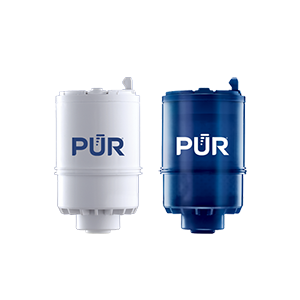
PUR & PUR PLUS FAUCET FILTERS
RF3375/RF9999

View Filters

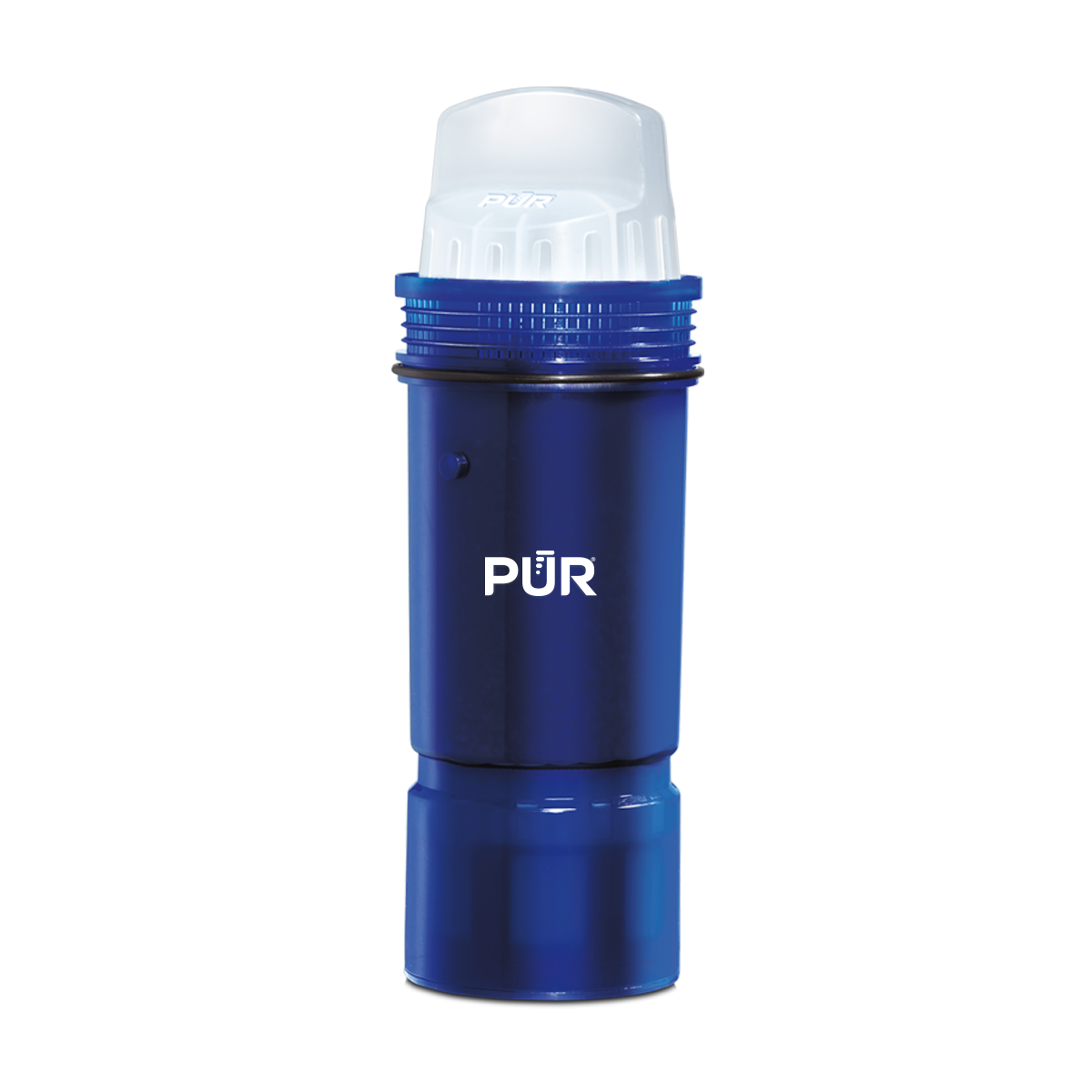
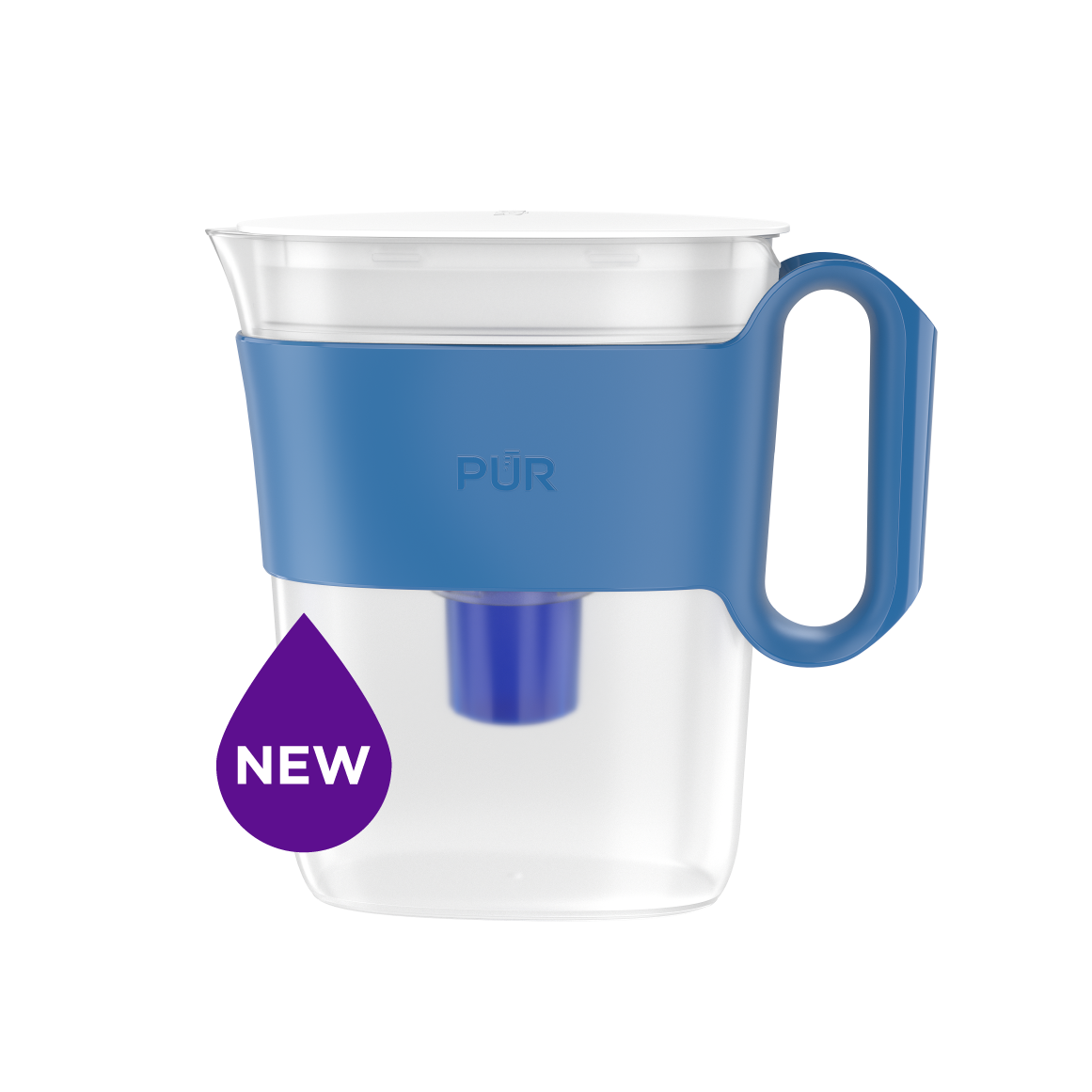
PUR PLUS PITCHER FILTERS
PPF951K

View Filter

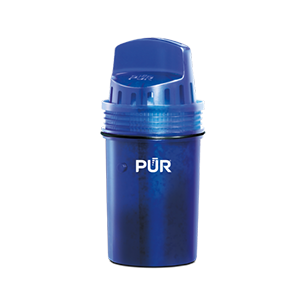
PUR BASIC PITCHER FILTERS
PPF900Z

View Filter


Vs. Brita*

Lead
Microplastics
Mercury
Chlorine Taste & Odor
DEET
TTHM

PUR’s Filtration Systems Are Certified By NSF And WQA For Their Contamination Reduction. WQA certifications as of 5/27/21 for Faucet filter models RF-3375 and RF-9999.

¹ Certified to reduce 10X more chemical and physical substances than Brita’s® leading pitcher filter.
² Certified to reduce 3X more chemical and physical substances than Brita’s® leading pitcher filter.
³ Certified to reduce 2X more chemical and physical substances than Brita’s® leading pitcher filter.
*Versus best-selling Brita® pitcher filter OB03. Brita® is a trademark of Brita LP.
**Like other leading brands, PUR does not filter microbes. As of 3/1/23 Brita® and ZeroWater® were not certified to filter microbes. Brita® is a trademark of Brita LP. ZeroWater® is a trademark of Zero Technologies, LLC..

 

PUR & PUR PLUS FAUCET FILTERS


PUR & PUR PLUS FAUCET FILTERS
RF3375/RF9999

View Filters


Vs. Brita*

Lead
Microplastics
Mercury
Chlorine Taste & Odor
DEET
TTHM

PUR’s Filtration Systems Are Certified By NSF And WQA For Their Contamination Reduction. WQA certifications as of 5/27/21 for Faucet filter models RF-3375 and RF-9999.

¹ Certified to reduce 10X more chemical and physical substances than Brita’s® leading pitcher filter.
² Certified to reduce 3X more chemical and physical substances than Brita’s® leading pitcher filter.
³ Certified to reduce 2X more chemical and physical substances than Brita’s® leading pitcher filter.
*Versus best-selling Brita® pitcher filter OB03. Brita® is a trademark of Brita LP.
**Like other leading brands, PUR does not filter microbes. As of 3/1/23 Brita® and ZeroWater® were not certified to filter microbes. Brita® is a trademark of Brita LP. ZeroWater® is a trademark of Zero Technologies, LLC..


PUR PLUS PITCHER FILTERS


PUR PLUS PITCHER FILTERS
PPF951K

View Filter


Vs. Brita*

Lead
Microplastics
Mercury
Chlorine Taste & Odor
DEET
TTHM

PUR’s Filtration Systems Are Certified By NSF And WQA For Their Contamination Reduction. WQA certifications as of 5/27/21 for Faucet filter models RF-3375 and RF-9999.

¹ Certified to reduce 10X more chemical and physical substances than Brita’s® leading pitcher filter.
² Certified to reduce 3X more chemical and physical substances than Brita’s® leading pitcher filter.
³ Certified to reduce 2X more chemical and physical substances than Brita’s® leading pitcher filter.
*Versus best-selling Brita® pitcher filter OB03. Brita® is a trademark of Brita LP.
**Like other leading brands, PUR does not filter microbes. As of 3/1/23 Brita® and ZeroWater® were not certified to filter microbes. Brita® is a trademark of Brita LP. ZeroWater® is a trademark of Zero Technologies, LLC..


PUR BASIC PITCHER FILTERS


PUR BASIC PITCHER FILTERS
PPF900Z

View Filter


Vs. Brita*

Lead
Microplastics
Mercury
Chlorine Taste & Odor
DEET
TTHM

PUR’s Filtration Systems Are Certified By NSF And WQA For Their Contamination Reduction. WQA certifications as of 5/27/21 for Faucet filter models RF-3375 and RF-9999.

¹ Certified to reduce 10X more chemical and physical substances than Brita’s® leading pitcher filter.
² Certified to reduce 3X more chemical and physical substances than Brita’s® leading pitcher filter.
³ Certified to reduce 2X more chemical and physical substances than Brita’s® leading pitcher filter.
*Versus best-selling Brita® pitcher filter OB03. Brita® is a trademark of Brita LP.
**Like other leading brands, PUR does not filter microbes. As of 3/1/23 Brita® and ZeroWater® were not certified to filter microbes. Brita® is a trademark of Brita LP. ZeroWater® is a trademark of Zero Technologies, LLC..


Top 10 Commercial Windows and Doors to Explore at Canton Fair 2026?

The upcoming Canton Fair 2026 promises to be a pivotal event for the Commercial Windows And Doors industry. Experts like John Smith, a leading figure in architectural materials, emphasize, "Innovation in commercial windows and doors can revolutionize energy efficiency in buildings." This reflects the growing significance of sustainability and design in this sector.

During the fair, attendees will explore the latest advancements and trends. With the integration of AI tools, buyers can navigate the expansive exhibition area more efficiently. The focus on quality home and building materials during the second phase of the fair will provide valuable insights for industry stakeholders. However, challenges remain for manufacturers striving to meet rigorous international certifications, such as ISO and CE.

As the industry evolves, there is much to ponder. Will the push for sustainable solutions be enough to drive the market forward? The potential of commercial windows and doors is vast, but continuous improvement is necessary. Engaging with innovative suppliers at the fair can help shape a more sustainable future.

Top 10 Commercial Windows and Doors to Explore at Canton Fair 2026?

Top Trends in Commercial Windows for 2026

The Canton Fair 2026 aims to showcase innovative trends in commercial windows. Energy efficiency continues to drive designs. Manufacturers will prioritize materials that reduce heat transfer and lower energy costs. Look for windows with advanced glazing options. These new technologies can enhance comfort significantly.

Aesthetic appeal will also play a crucial role. Sleek frames and customizable colors will attract buyers. Architects and designers will seek materials that complement various styles. Functional yet stylish options are in high demand.

Tip: Consider focusing on durability. The right window should withstand various weather conditions while maintaining its look. Additionally, think about ease of maintenance. Products that require less upkeep can save time and costs in the long run.

Expect to see smart features integrated into commercial windows. Automated systems for lighting and ventilation enhance user experience. However, pricing may become a concern. Balancing technology and budget will be essential. Take time to evaluate options carefully before deciding.

Top 10 Commercial Windows Trends for 2026

Innovative Door Designs to Watch at Canton Fair

The Canton Fair 2026 promises exciting innovations in door designs. Manufacturers are pushing boundaries now. Expect to see smart doors that integrate technology seamlessly. Biometric locks and automated features will enhance security and convenience.

One standout trend is eco-friendly materials. Many designs will utilize sustainable resources. This not only helps the environment but also appeals to conscious consumers. Look for doors made from recycled or renewable materials. They are as stylish as they are responsible.

Here are some tips when exploring new designs: Pay attention to functionality. A great door should balance aesthetics and practical use. Consider your needs. Will you prioritize security or style? Additionally, interact with the products. Opening and closing the doors will give you a feel for their quality. Engaging with the exhibits can lead to surprising discoveries. Keep an open mind, as you might find unexpected gems.

Energy Efficiency in Commercial Window Solutions

Energy efficiency is becoming crucial in commercial building design. Recent reports indicate that buildings account for approximately 40% of global energy consumption. As the demand grows, seeking efficient window solutions is essential. High-performance windows can significantly reduce energy costs. They enhance insulation and minimize heat transfer. According to the Department of Energy, replacing old windows can save up to 15% on heating bills.

The Canton Fair 2026 will showcase innovative options. Advanced glazing technologies are being developed. These technologies can reflect solar heat while allowing natural light. This balance creates comfortable indoor environments without excessive energy use. The push for better insulation materials is also on the rise. Double and triple-glazed windows are gaining favor, but concerns remain regarding their costs. The initial investment might be higher, yet the long-term savings could be substantial.

However, not all energy-efficient solutions are perfect. There can be trade-offs between cost and performance. Some products may not deliver the promised savings. It's vital for purchasers to conduct thorough evaluations. Gathering data on energy performance ratings will assist in making informed decisions. The path to energy efficiency in commercial windows is promising but requires careful consideration.

Top 10 Commercial Windows and Doors to Explore at Canton Fair 2026 - Energy Efficiency in Commercial Window Solutions

Product Type Material Energy Rating U-Value (W/m²K) Features
Triple Glazed Window Aluminum A++ 0.7 High insulation, noise reduction
Casement Window Vinyl A+ 1.0 Easy operation, durable
Sliding Door Fiberglass A 1.5 Space-saving, modern design
Hinged Door Steel B 2.0 Robust, secure
Bi-Fold Door Aluminum A+ 1.2 Open space, energy-efficient
Tilt and Turn Window Wood A++ 0.8 Versatile, easy cleaning
Fixed Window Aluminum A 1.3 Maximum light, minimal frame
Skylight Polycarbonate A+ 1.1 Natural light, energy-saving
Patio Door Vinyl A 1.4 Weather-resistant, stylish
Window Wall System Glass A++ 0.6 Contemporary design, privacy options

Sustainable Materials in Door Manufacturing

The door manufacturing industry is witnessing a shift towards sustainability. Many companies are now exploring eco-friendly materials in their production. This trend is not only beneficial for the environment but also appealing to consumers who prioritize green building practices.

Recycled aluminum and reclaimed wood are becoming popular choices. These materials reduce waste and lower the carbon footprint of manufacturing. However, challenges remain in sourcing these materials consistently. Manufacturers must ensure a reliable supply chain without sacrificing quality. Balancing sustainability and durability is a common struggle in the industry.

Additionally, energy-efficient doors are gaining traction. They help reduce energy consumption and enhance indoor comfort. Yet, achieving the ideal balance between thermal performance and aesthetic appeal can be difficult. Designers often have to compromise on certain features to meet energy standards. This ongoing dialogue within the industry highlights the importance of innovation and creativity in sustainable practices.

Technological Advancements in Smart Windows and Doors

The evolution of smart windows and doors is remarkable. Recent studies indicate that the global smart window market is projected to reach $9.0 billion by 2026. These innovations are transforming how we view energy efficiency and security in buildings.

Technological advancements include electrochromic and thermochromic glass. This glass can change tint based on sunlight or temperature, significantly reducing energy consumption. Reports show that smart windows can lower energy costs by up to 30%. However, high initial costs can be a barrier for many consumers. Additionally, the technology still requires improvements in reliability and durability, which need focused development.

Incorporating IoT into doors enhances security features. Smart locks and access systems provide real-time monitoring. Data shows that smart security systems can deter intruders effectively. Yet, user education is essential. Many consumers remain unaware of proper usage. They need guidance to fully realize security benefits. The balance between innovation and user adaptation requires ongoing attention.