Contaminant Comparison Chart

For a complete list of contaminants that PUR filters reduce, please view our Performance Data Sheets here.


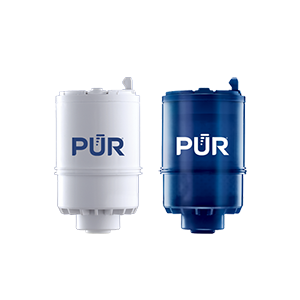
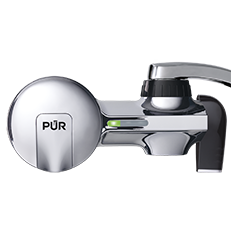
PUR & PUR PLUS FAUCET FILTERS
RF3375/RF9999

View Filters

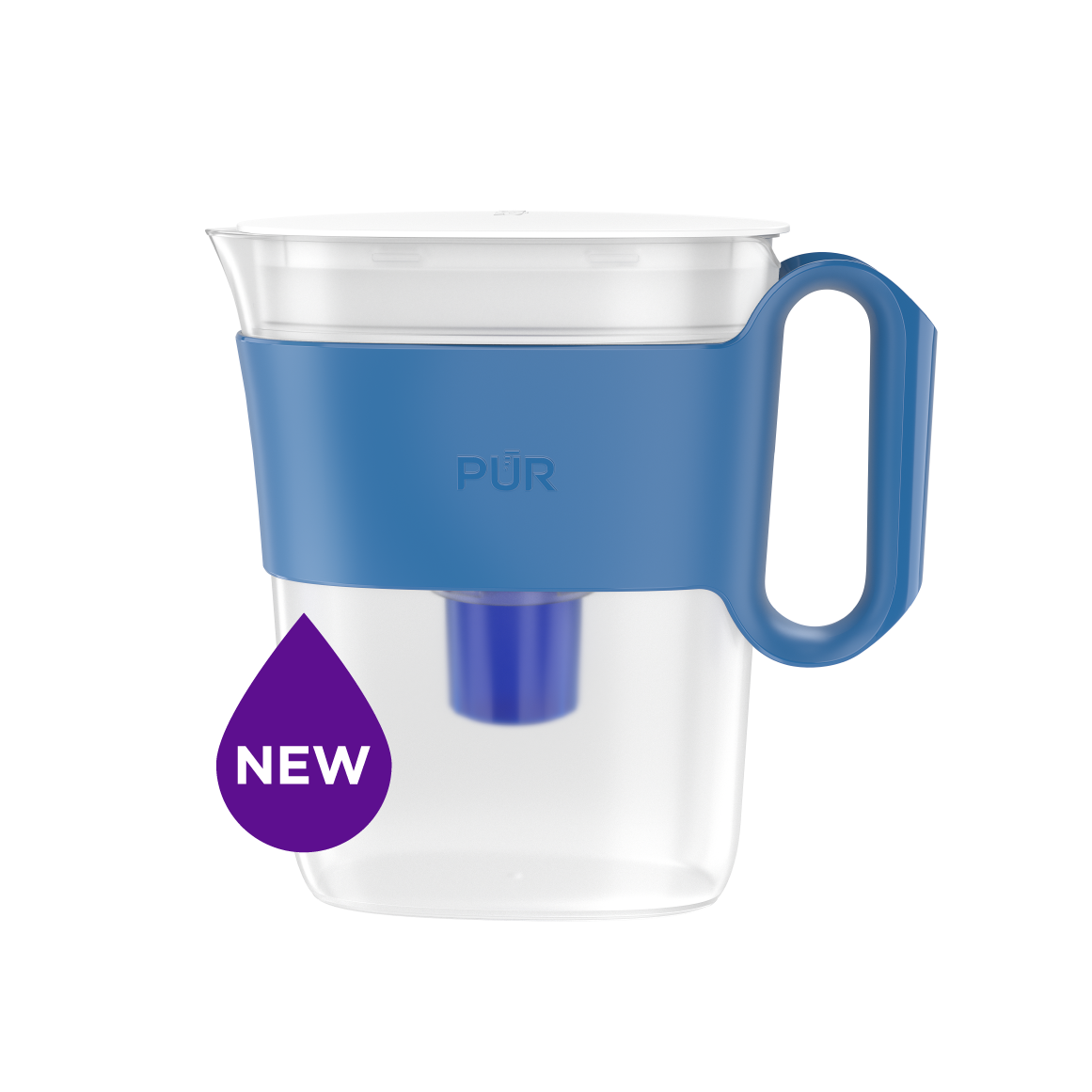
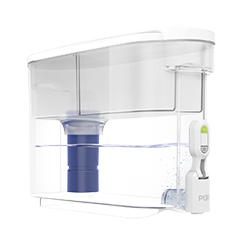
PUR PLUS PITCHER FILTERS
PPF951K

View Filter

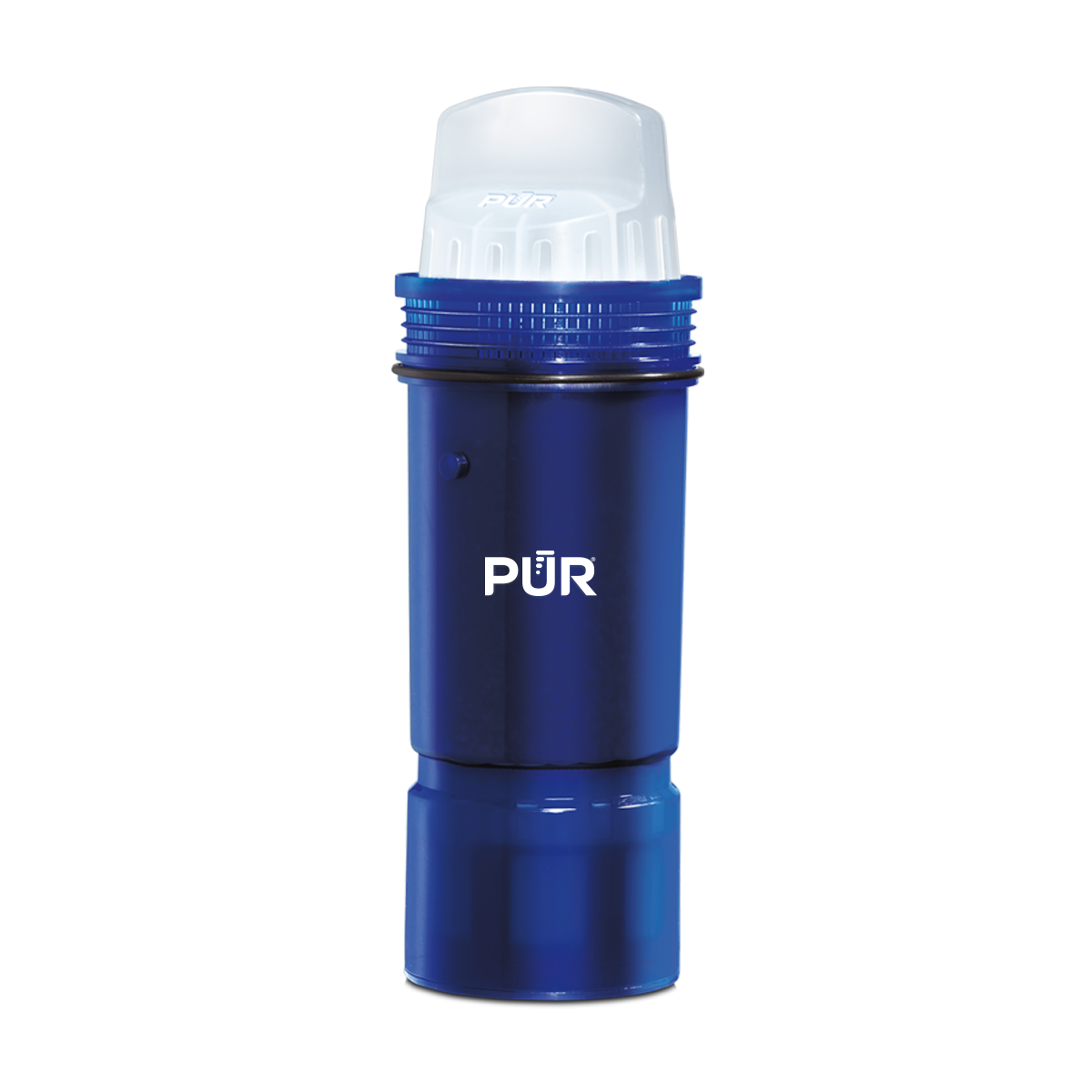
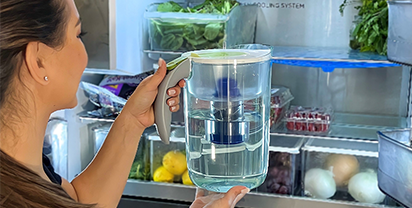
PUR BASIC PITCHER FILTERS
PPF900Z

View Filter


Vs. Brita*

Lead
Microplastics
Mercury
Chlorine Taste & Odor
DEET
TTHM

PUR’s Filtration Systems Are Certified By NSF And WQA For Their Contamination Reduction. WQA certifications as of 5/27/21 for Faucet filter models RF-3375 and RF-9999.

¹ Certified to reduce 10X more chemical and physical substances than Brita’s® leading pitcher filter.
² Certified to reduce 3X more chemical and physical substances than Brita’s® leading pitcher filter.
³ Certified to reduce 2X more chemical and physical substances than Brita’s® leading pitcher filter.
*Versus best-selling Brita® pitcher filter OB03. Brita® is a trademark of Brita LP.
**Like other leading brands, PUR does not filter microbes. As of 3/1/23 Brita® and ZeroWater® were not certified to filter microbes. Brita® is a trademark of Brita LP. ZeroWater® is a trademark of Zero Technologies, LLC..
 

PUR & PUR PLUS FAUCET FILTERS


PUR & PUR PLUS FAUCET FILTERS
RF3375/RF9999

View Filters


Vs. Brita*

Lead
Microplastics
Mercury
Chlorine Taste & Odor
DEET
TTHM

PUR’s Filtration Systems Are Certified By NSF And WQA For Their Contamination Reduction. WQA certifications as of 5/27/21 for Faucet filter models RF-3375 and RF-9999.

¹ Certified to reduce 10X more chemical and physical substances than Brita’s® leading pitcher filter.
² Certified to reduce 3X more chemical and physical substances than Brita’s® leading pitcher filter.
³ Certified to reduce 2X more chemical and physical substances than Brita’s® leading pitcher filter.
*Versus best-selling Brita® pitcher filter OB03. Brita® is a trademark of Brita LP.
**Like other leading brands, PUR does not filter microbes. As of 3/1/23 Brita® and ZeroWater® were not certified to filter microbes. Brita® is a trademark of Brita LP. ZeroWater® is a trademark of Zero Technologies, LLC..


PUR PLUS PITCHER FILTERS


PUR PLUS PITCHER FILTERS
PPF951K

View Filter


Vs. Brita*

Lead
Microplastics
Mercury
Chlorine Taste & Odor
DEET
TTHM

PUR’s Filtration Systems Are Certified By NSF And WQA For Their Contamination Reduction. WQA certifications as of 5/27/21 for Faucet filter models RF-3375 and RF-9999.

¹ Certified to reduce 10X more chemical and physical substances than Brita’s® leading pitcher filter.
² Certified to reduce 3X more chemical and physical substances than Brita’s® leading pitcher filter.
³ Certified to reduce 2X more chemical and physical substances than Brita’s® leading pitcher filter.
*Versus best-selling Brita® pitcher filter OB03. Brita® is a trademark of Brita LP.
**Like other leading brands, PUR does not filter microbes. As of 3/1/23 Brita® and ZeroWater® were not certified to filter microbes. Brita® is a trademark of Brita LP. ZeroWater® is a trademark of Zero Technologies, LLC..


PUR BASIC PITCHER FILTERS


PUR BASIC PITCHER FILTERS
PPF900Z

View Filter


Vs. Brita*

Lead
Microplastics
Mercury
Chlorine Taste & Odor
DEET
TTHM

PUR’s Filtration Systems Are Certified By NSF And WQA For Their Contamination Reduction. WQA certifications as of 5/27/21 for Faucet filter models RF-3375 and RF-9999.

¹ Certified to reduce 10X more chemical and physical substances than Brita’s® leading pitcher filter.
² Certified to reduce 3X more chemical and physical substances than Brita’s® leading pitcher filter.
³ Certified to reduce 2X more chemical and physical substances than Brita’s® leading pitcher filter.
*Versus best-selling Brita® pitcher filter OB03. Brita® is a trademark of Brita LP.
**Like other leading brands, PUR does not filter microbes. As of 3/1/23 Brita® and ZeroWater® were not certified to filter microbes. Brita® is a trademark of Brita LP. ZeroWater® is a trademark of Zero Technologies, LLC..


Top Condensate Pumps for Efficient HVAC Systems?

In HVAC systems, efficient operation is critical. Among essential components, condensate pumps play a vital role. These pumps handle excess moisture from air conditioning and heating systems.

Selecting the right condensate pump can enhance system performance. A quality pump prevents water damage and maintains indoor air quality. However, not all pumps are created equal. Some models struggle with even moderate demands, leading to failures.

Regular maintenance and correct installation are necessary. Users must pay attention to the selection process. Choosing a reliable brand can make a significant difference. The best condensate pumps offer durability and efficiency, vital for any HVAC setup. Understanding your system's specific requirements is key to making informed decisions.

Top Condensate Pumps for Efficient HVAC Systems?

Types of Condensate Pumps Used in HVAC Systems

In HVAC systems, condensate pumps play a crucial role. They help remove excess moisture that accumulates during cooling processes. There are various types of condensate pumps, each designed for specific applications.

The most common types include vertical and horizontal pumps. Vertical pumps are often compact and fit in tight spaces. They are ideal for small residential systems. Horizontal pumps, however, are usually more powerful. They can handle larger volumes of water, making them suitable for commercial applications.

Another type is the dual-purpose pump. These pumps can handle both condensate and wastewater. They are versatile and can be used in a variety of setups. While they are efficient, installation can be complex. It’s essential to consider space and the specific requirements of your HVAC system.

Understanding these types helps in making informed decisions.

Key Features to Consider When Choosing a Condensate Pump

When selecting a condensate pump for HVAC systems, certain features are essential for optimal performance. Look for pumps that offer high efficiency and low noise levels. These factors enhance comfort and maintain a peaceful environment. Energy efficiency is crucial. A pump that consumes less power can lead to significant savings over time.

Durability is another key aspect. Choose pumps made from corrosion-resistant materials. This ensures a longer lifespan, especially in humid environments. Heavy-duty construction can minimize maintenance needs and increase reliability.

Consider the pump's capacity and size. An appropriately sized pump prevents overworking and extends pump life. Many HVAC systems have different requirements, so understanding your specific needs is vital. Lastly, ease of installation and maintenance cannot be overlooked. A user-friendly design saves time and effort during setup and service.

Top Brands and Models of Condensate Pumps in the Market

When selecting a condensate pump for HVAC systems, various brands and models stand out in the market. Each has unique features designed for specific applications. Some models are compact, making them ideal for residential units. Others are engineered for commercial uses, where higher capacity is required. These pumps help efficiently remove excess water, preventing system damage.

Reliability is crucial. Users often report that certain pumps offer better performance over time. Factors to consider include pump capacity, noise levels, and maintenance needs. Some models may require frequent checks, while others can function well with minimal oversight. Choosing a dependable option can lead to long-term savings.

Installation also matters. Some pumps are easier to set up than others. It's essential to review installation requirements to avoid complications. Inexperienced users might face challenges that could have been easily addressed with a more user-friendly model. The right choice can make maintenance straightforward, ensuring optimal performance throughout its life.

Top Condensate Pumps for Efficient HVAC Systems

Installation Guidelines for Condensate Pumps in HVAC Systems

When installing condensate pumps in HVAC systems, proper guidelines are essential. A well-placed condensate pump can increase system efficiency by up to 20%. Incorrect installation can lead to flooding or system failures. With 90% of HVAC issues linked to moisture management, paying attention to installation is crucial.

Placement matters. Ideal locations include near the air handler or within a condensate drainage system. The pump must be above the drain line to ensure gravity flow. Always check the pump’s capacity and match it with the HVAC unit. A mismatch can cause overflow or underperformance.

Regular maintenance is no less critical. According to industry reports, 30% of condensate pumps fail due to clogged screens or improper maintenance. A scheduled check of filters can improve performance. Inspecting the power supply and connections can prevent unexpected breakdowns. Addressing these details can significantly enhance reliability and efficiency.

Top Condensate Pumps for Efficient HVAC Systems

Pump Model Max Flow Rate (GPH) Max Head (Feet) Power (Watts) Noise Level (dB) Features
Model A 30 20 50 45 Automatic reset, Thermal overload protection
Model B 25 15 40 50 Durable plastic housing, Compact design
Model C 35 25 60 40 High efficiency, Float switch
Model D 40 30 70 55 Corrosion-resistant, Easy installation

Maintenance Tips for Ensuring Efficient Condensate Pump Operation

Maintaining condensate pumps is crucial for efficient HVAC system performance. Regular checks help identify issues before they escalate. Inspect the pump for any signs of wear and tear. Look for leaks or unusual noises. A pump that struggles to remove condensate may not be operating at full capacity.

Cleaning the pump regularly is essential. Dust and debris can clog the system, leading to inefficient operation. Remove any obstructions and flush the pump with clean water periodically. Additionally, make sure the float switch is functioning correctly. A stuck float can prevent the pump from working, causing potential water damage.

Consider a preventive maintenance schedule. This can help ensure your pump remains in good shape over time. Regular maintenance can extend the lifespan of the unit. Many overlook these small details, but they can have significant impacts. Keeping an eye on your condensate pump is key to a well-functioning HVAC system.