Contaminant Comparison Chart

For a complete list of contaminants that PUR filters reduce, please view our Performance Data Sheets here.


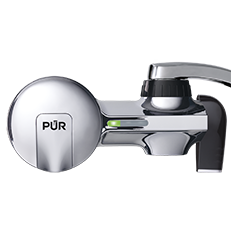
PUR & PUR PLUS FAUCET FILTERS
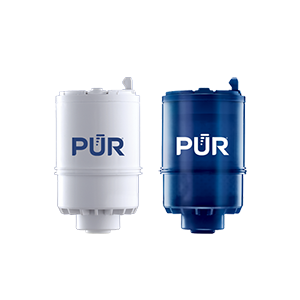
RF3375/RF9999

View Filters

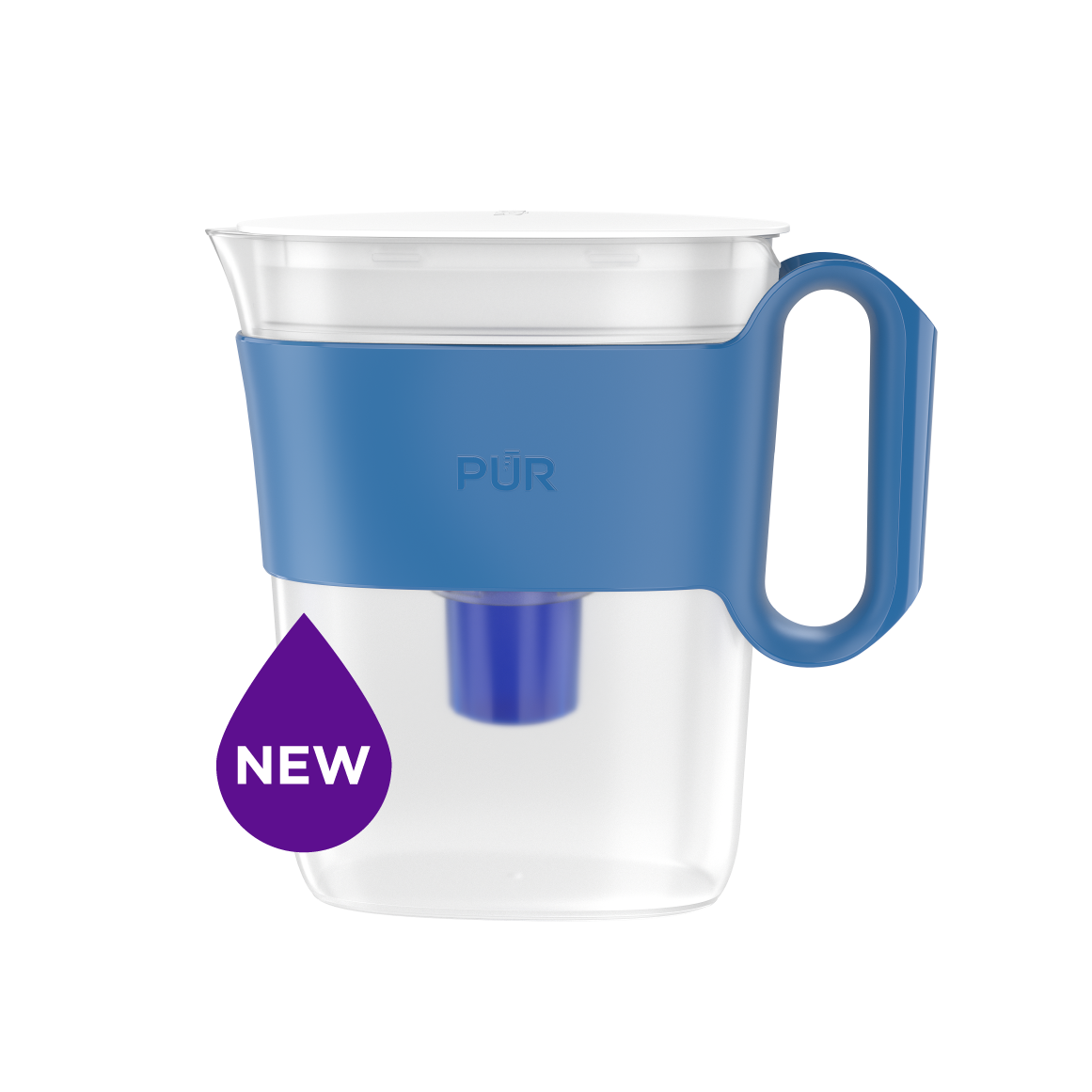
PUR PLUS PITCHER FILTERS
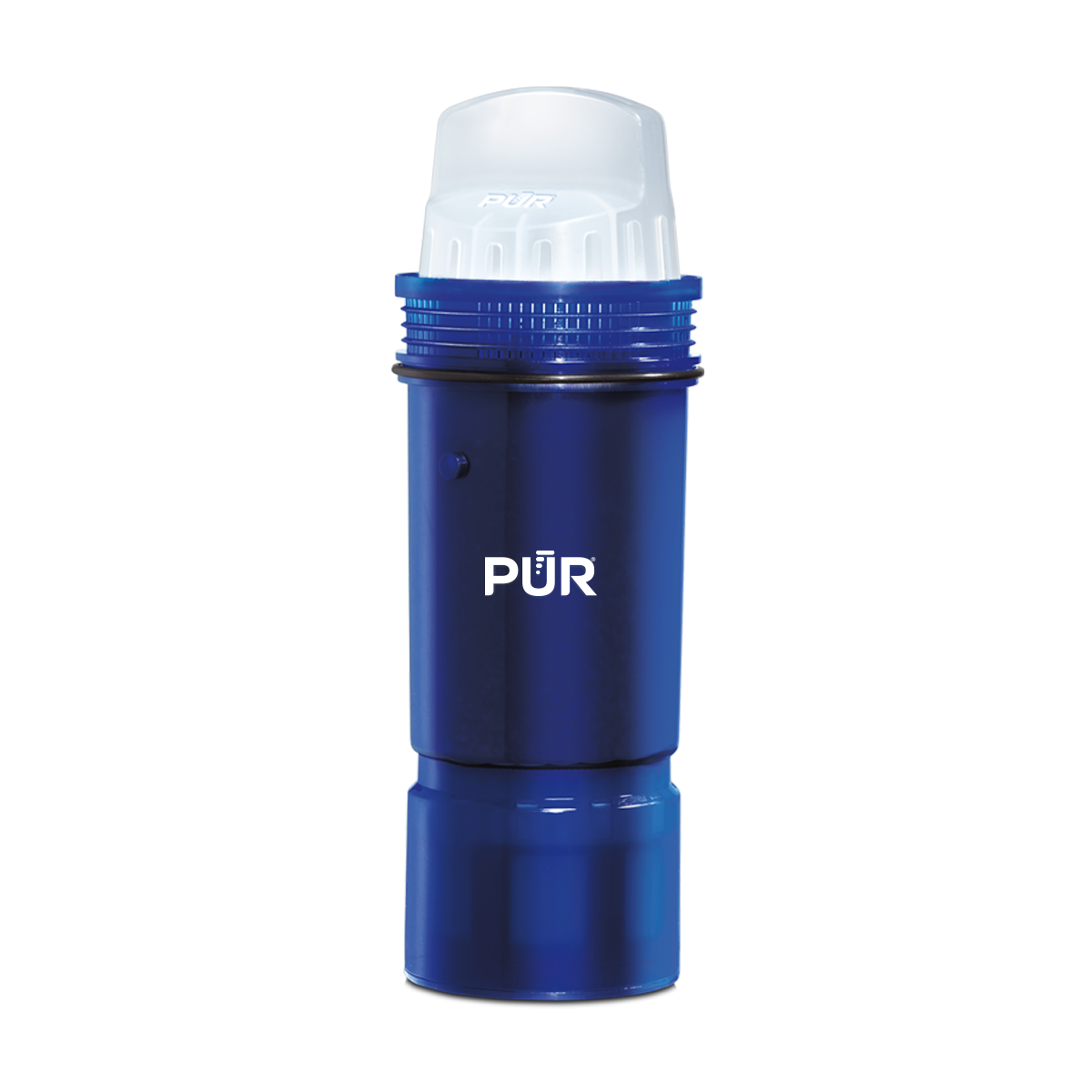
PPF951K

View Filter

PUR BASIC PITCHER FILTERS
PPF900Z

View Filter


Vs. Brita*

Lead
Microplastics
Mercury
Chlorine Taste & Odor
DEET
TTHM

PUR’s Filtration Systems Are Certified By NSF And WQA For Their Contamination Reduction. WQA certifications as of 5/27/21 for Faucet filter models RF-3375 and RF-9999.

¹ Certified to reduce 10X more chemical and physical substances than Brita’s® leading pitcher filter.
² Certified to reduce 3X more chemical and physical substances than Brita’s® leading pitcher filter.
³ Certified to reduce 2X more chemical and physical substances than Brita’s® leading pitcher filter.
*Versus best-selling Brita® pitcher filter OB03. Brita® is a trademark of Brita LP.
**Like other leading brands, PUR does not filter microbes. As of 3/1/23 Brita® and ZeroWater® were not certified to filter microbes. Brita® is a trademark of Brita LP. ZeroWater® is a trademark of Zero Technologies, LLC..
 

PUR & PUR PLUS FAUCET FILTERS


PUR & PUR PLUS FAUCET FILTERS
RF3375/RF9999

View Filters


Vs. Brita*

Lead
Microplastics
Mercury
Chlorine Taste & Odor
DEET
TTHM

PUR’s Filtration Systems Are Certified By NSF And WQA For Their Contamination Reduction. WQA certifications as of 5/27/21 for Faucet filter models RF-3375 and RF-9999.

¹ Certified to reduce 10X more chemical and physical substances than Brita’s® leading pitcher filter.
² Certified to reduce 3X more chemical and physical substances than Brita’s® leading pitcher filter.
³ Certified to reduce 2X more chemical and physical substances than Brita’s® leading pitcher filter.
*Versus best-selling Brita® pitcher filter OB03. Brita® is a trademark of Brita LP.
**Like other leading brands, PUR does not filter microbes. As of 3/1/23 Brita® and ZeroWater® were not certified to filter microbes. Brita® is a trademark of Brita LP. ZeroWater® is a trademark of Zero Technologies, LLC..


PUR PLUS PITCHER FILTERS


PUR PLUS PITCHER FILTERS
PPF951K

View Filter


Vs. Brita*

Lead
Microplastics
Mercury
Chlorine Taste & Odor
DEET
TTHM

PUR’s Filtration Systems Are Certified By NSF And WQA For Their Contamination Reduction. WQA certifications as of 5/27/21 for Faucet filter models RF-3375 and RF-9999.

¹ Certified to reduce 10X more chemical and physical substances than Brita’s® leading pitcher filter.
² Certified to reduce 3X more chemical and physical substances than Brita’s® leading pitcher filter.
³ Certified to reduce 2X more chemical and physical substances than Brita’s® leading pitcher filter.
*Versus best-selling Brita® pitcher filter OB03. Brita® is a trademark of Brita LP.
**Like other leading brands, PUR does not filter microbes. As of 3/1/23 Brita® and ZeroWater® were not certified to filter microbes. Brita® is a trademark of Brita LP. ZeroWater® is a trademark of Zero Technologies, LLC..


PUR BASIC PITCHER FILTERS


PUR BASIC PITCHER FILTERS
PPF900Z

View Filter


Vs. Brita*

Lead
Microplastics
Mercury
Chlorine Taste & Odor
DEET
TTHM

PUR’s Filtration Systems Are Certified By NSF And WQA For Their Contamination Reduction. WQA certifications as of 5/27/21 for Faucet filter models RF-3375 and RF-9999.

¹ Certified to reduce 10X more chemical and physical substances than Brita’s® leading pitcher filter.
² Certified to reduce 3X more chemical and physical substances than Brita’s® leading pitcher filter.
³ Certified to reduce 2X more chemical and physical substances than Brita’s® leading pitcher filter.
*Versus best-selling Brita® pitcher filter OB03. Brita® is a trademark of Brita LP.
**Like other leading brands, PUR does not filter microbes. As of 3/1/23 Brita® and ZeroWater® were not certified to filter microbes. Brita® is a trademark of Brita LP. ZeroWater® is a trademark of Zero Technologies, LLC..


Top Door Hinge Trends to Watch at 2026 Canton Fair?

The upcoming 2026 Canton Fair will spotlight innovative trends in Door Hinges. Scheduled for April 15-19, the fair will focus on advanced manufacturing and mechanical innovations. Attendees will witness the latest designs and materials that enhance functionality and aesthetics.

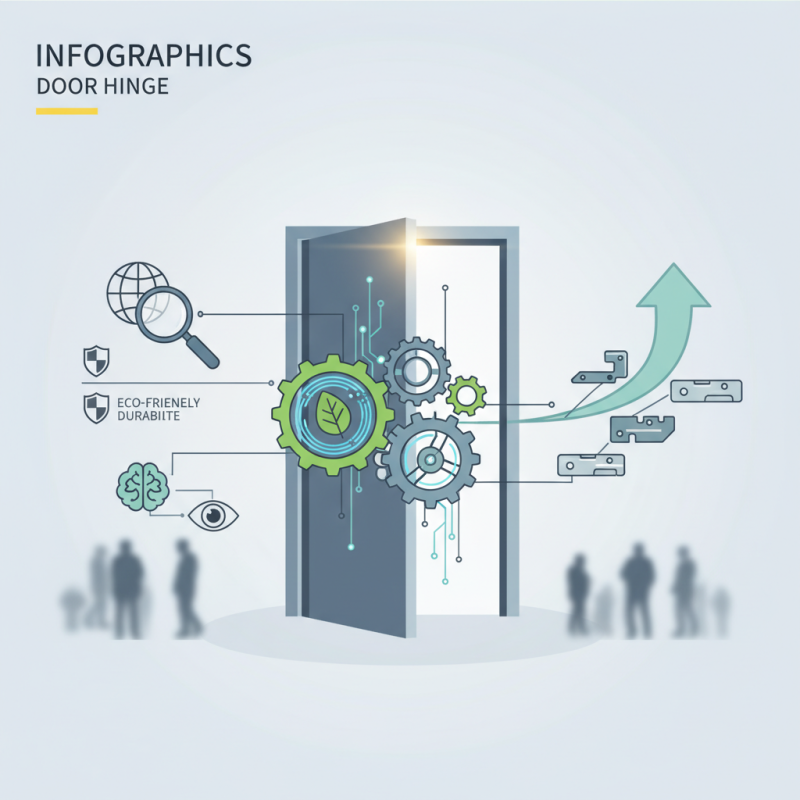
Door hinge technology is evolving rapidly. Manufacturers are integrating new materials that are both eco-friendly and durable. Certain hinges now feature smart capabilities. This could change how doors operate in residential and commercial spaces. However, as trends shift, buyers may struggle to identify the best options among countless varieties.

Navigating this vast marketplace will be easier with the integration of AI-powered tools. These tools will enable quick searches for suppliers with specific certifications, like ISO and CE. It will save time and improve decision-making. Nevertheless, the importance of human judgment remains vital. Consumers may still miss out on quality if they rely solely on technology.

Top Door Hinge Trends to Watch at 2026 Canton Fair?

Emerging Materials in Door Hinge Design for 2026 Trends

The 2026 Canton Fair will showcase revolutionary trends in door hinge design. Emerging materials reshape the landscape. Lightweight alloys and advanced polymers are becoming favorites among manufacturers. According to the International Door Hardware Association, 45% of industry players report interest in these materials due to cost efficiency and durability.

A shift towards sustainable options is evident. Bamboo composites and recycled metals are gaining traction. These materials not only reduce environmental impact but also offer unique aesthetics. Data from the Green Building Council indicates that 30% of builders prefer eco-friendly materials for their projects in 2026.

Tips: Consider the durability of materials when choosing hinges. Test how they perform under stress. Remember, aesthetics matter too. Aim for a design that complements your space. Balance form and function for the best results.

Top Door Hinge Trends to Watch at 2026 Canton Fair? - Emerging Materials in Door Hinge Design for 2026 Trends

Trend Description Material Application Sustainability
Smart Hinges Integrated sensors for enhanced security and functionality. Aluminum and composite materials Residential and commercial doors. High recyclability due to metal components.
Eco-friendly Coatings Non-toxic finishes that improve durability. Biodegradable polymers Interior and exterior applications. Significantly reduces environmental impact.
Antimicrobial Hinges Hinges treated with compounds to inhibit microbial growth. Stainless steel with antimicrobial finishes Healthcare facilities and public buildings. Increases hygiene and health safety.
Modular Designs Customized hinge systems for unique door applications. Recycled metals and plastics Architectural and design-focused projects. Promotes the use of sustainable materials.
Lightweight Designs Hinges made for easier installation and reduced strain. Advanced composites Residential and industrial applications. Reduction in energy costs during manufacturing.

Sustainable Practices Influencing Door Hinge Production

As we prepare for the 2026 Canton Fair, a significant trend emerges: sustainability in door hinge production. Manufacturers are beginning to prioritize eco-friendly materials. Recycled metals and biodegradable components are gaining traction. These practices not only reduce waste but also help in lowering the carbon footprint.

Innovative designs are being created, emphasizing durability and efficiency. However, the challenge lies in balancing sustainability with cost. Many producers struggle to find the right materials that meet both criteria. There's a growing need for education in sustainable manufacturing practices.

A shift towards energy-efficient production methods is also evident. Some companies are investing in renewable energy sources. This transition remains slow and sometimes costly. It raises questions about the feasibility for smaller manufacturers. As the industry evolves, ongoing reflection on these practices is crucial. Sustainable door hinges could shape our future, but barriers still exist.

Innovative Technologies Enhancing Door Hinge Functionality

As we approach the 2026 Canton Fair, a remarkable shift in door hinge technology is emerging. Manufacturers are increasingly focusing on innovative designs that enhance functionality. Smart connectivity, for instance, is becoming a game-changer. Some hinges now integrate sensors that send alerts when doors are left ajar. This technology not only boosts security but also improves energy efficiency.


Another noteworthy trend is the use of self-closing mechanisms. These hinges automatically shut doors after a brief delay. This innovation ensures that spaces remain secure and energy-efficient, even in high-traffic areas. However, some self-closing designs can be overly sensitive. Users may find them frustrating if they slam shut unexpectedly. Adjustments might be necessary for perfect balance.


Moreover, sustainability plays a key role in future developments. Many manufacturers are experimenting with eco-friendly materials. Bamboo and recycled metals are gaining traction. Yet, the longevity of these materials needs evaluation. How do they hold up under stress over time? These questions remain open for further exploration as the industry evolves.

Aesthetic Trends: Style and Design of Door Hinges for 2026

As the 2026 Canton Fair approaches, door hinge designs are set to captivate. Aesthetic trends will play a vital role in this event. Modern consumers seek more than functionality; they desire style and elegance in every detail. In this context, door hinges are evolving. Unique shapes and finishes are emerging as prominent themes.

Customization will be a key driver of change. Many exhibitors may showcase hinges in various colors and textures. Matte finishes and brushed metals could become essential options. Additionally, artistic designs might blend seamlessly with architectural themes. Consumers will appreciate hinges that complement their home decor while maintaining practicality.

Amid these exciting trends, there could be challenges. Manufacturers may struggle to balance aesthetics with durability. Some designs may prioritize visual appeal over strength. This could lead to functionality concerns. Reflecting on past mistakes can guide better design choices. Striving for a fusion of beauty and performance remains an ongoing journey in hinge design.

Market Predictions: Demand and Supply Dynamics for Door Hinges

The door hinge market is evolving, influenced by technological advancements and design innovations. Industry reports indicate a projected growth rate of 5.2% annually until 2026. Demand is rising for hinges that offer both durability and aesthetic appeal. Increasing construction activities globally contribute to this trend.

Hinges made from sustainable materials are gaining traction. Consumers are more eco-conscious, prompting manufacturers to innovate. Reports suggest that the market share for eco-friendly hinges will rise by 15% over the next few years. This shift reflects a broader trend toward sustainable building practices.

Tips: Focus on suppliers who prioritize sustainable materials. Seek hinges that balance quality with design. Always consider future market demands when investing in door hardware. Not all suppliers may meet these demands effectively, so research is essential.