

Contaminant Comparison Chart

For a complete list of contaminants that PUR filters reduce, please view our Performance Data Sheets here.


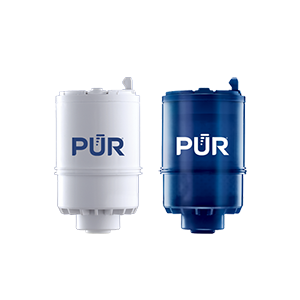
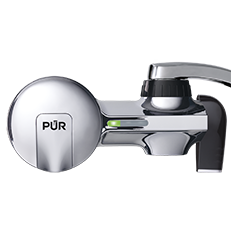
PUR & PUR PLUS FAUCET FILTERS
RF3375/RF9999

View Filters

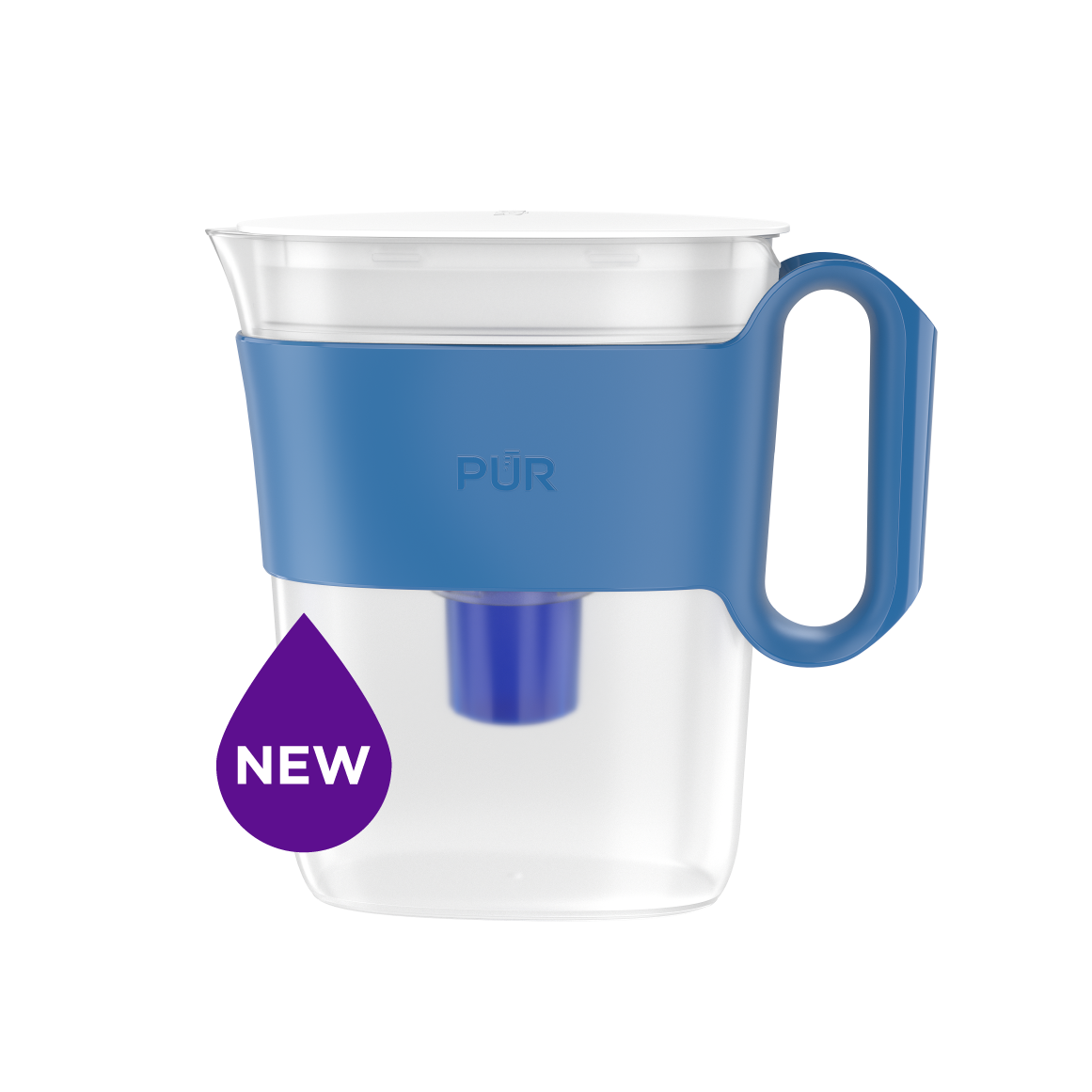
PUR PLUS PITCHER FILTERS
PPF951K

View Filter

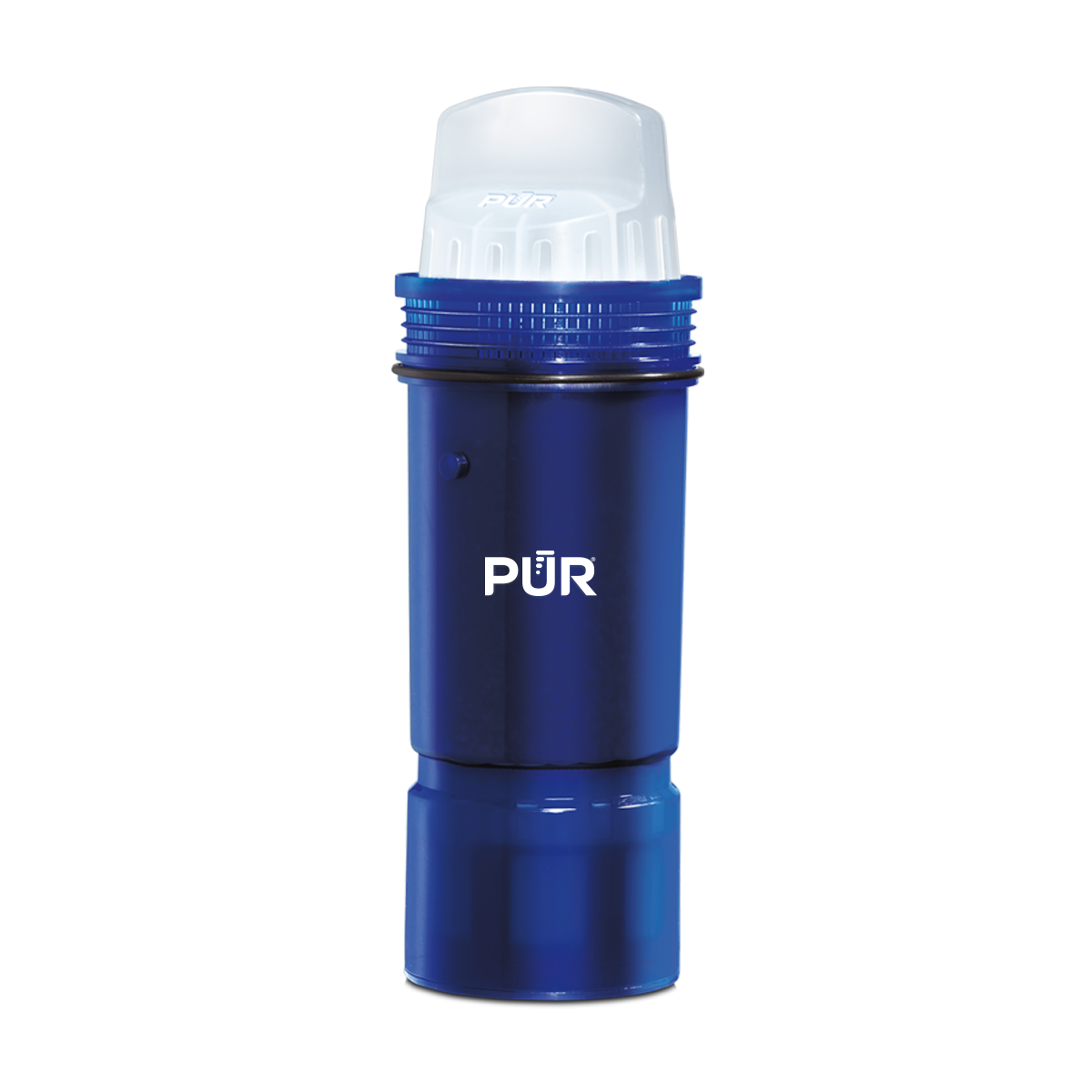
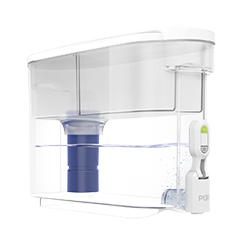
PUR BASIC PITCHER FILTERS
PPF900Z

View Filter


Vs. Brita*

Lead
Microplastics
Mercury
Chlorine Taste & Odor
DEET
TTHM

PUR’s Filtration Systems Are Certified By NSF And WQA For Their Contamination Reduction. WQA certifications as of 5/27/21 for Faucet filter models RF-3375 and RF-9999.

¹ Certified to reduce 10X more chemical and physical substances than Brita’s® leading pitcher filter.
² Certified to reduce 3X more chemical and physical substances than Brita’s® leading pitcher filter.
³ Certified to reduce 2X more chemical and physical substances than Brita’s® leading pitcher filter.
*Versus best-selling Brita® pitcher filter OB03. Brita® is a trademark of Brita LP.
**Like other leading brands, PUR does not filter microbes. As of 3/1/23 Brita® and ZeroWater® were not certified to filter microbes. Brita® is a trademark of Brita LP. ZeroWater® is a trademark of Zero Technologies, LLC..

 

PUR & PUR PLUS FAUCET FILTERS


PUR & PUR PLUS FAUCET FILTERS
RF3375/RF9999

View Filters


Vs. Brita*

Lead
Microplastics
Mercury
Chlorine Taste & Odor
DEET
TTHM

PUR’s Filtration Systems Are Certified By NSF And WQA For Their Contamination Reduction. WQA certifications as of 5/27/21 for Faucet filter models RF-3375 and RF-9999.

¹ Certified to reduce 10X more chemical and physical substances than Brita’s® leading pitcher filter.
² Certified to reduce 3X more chemical and physical substances than Brita’s® leading pitcher filter.
³ Certified to reduce 2X more chemical and physical substances than Brita’s® leading pitcher filter.
*Versus best-selling Brita® pitcher filter OB03. Brita® is a trademark of Brita LP.
**Like other leading brands, PUR does not filter microbes. As of 3/1/23 Brita® and ZeroWater® were not certified to filter microbes. Brita® is a trademark of Brita LP. ZeroWater® is a trademark of Zero Technologies, LLC..


PUR PLUS PITCHER FILTERS


PUR PLUS PITCHER FILTERS
PPF951K

View Filter


Vs. Brita*

Lead
Microplastics
Mercury
Chlorine Taste & Odor
DEET
TTHM

PUR’s Filtration Systems Are Certified By NSF And WQA For Their Contamination Reduction. WQA certifications as of 5/27/21 for Faucet filter models RF-3375 and RF-9999.

¹ Certified to reduce 10X more chemical and physical substances than Brita’s® leading pitcher filter.
² Certified to reduce 3X more chemical and physical substances than Brita’s® leading pitcher filter.
³ Certified to reduce 2X more chemical and physical substances than Brita’s® leading pitcher filter.
*Versus best-selling Brita® pitcher filter OB03. Brita® is a trademark of Brita LP.
**Like other leading brands, PUR does not filter microbes. As of 3/1/23 Brita® and ZeroWater® were not certified to filter microbes. Brita® is a trademark of Brita LP. ZeroWater® is a trademark of Zero Technologies, LLC..


PUR BASIC PITCHER FILTERS


PUR BASIC PITCHER FILTERS
PPF900Z

View Filter


Vs. Brita*

Lead
Microplastics
Mercury
Chlorine Taste & Odor
DEET
TTHM

PUR’s Filtration Systems Are Certified By NSF And WQA For Their Contamination Reduction. WQA certifications as of 5/27/21 for Faucet filter models RF-3375 and RF-9999.

¹ Certified to reduce 10X more chemical and physical substances than Brita’s® leading pitcher filter.
² Certified to reduce 3X more chemical and physical substances than Brita’s® leading pitcher filter.
³ Certified to reduce 2X more chemical and physical substances than Brita’s® leading pitcher filter.
*Versus best-selling Brita® pitcher filter OB03. Brita® is a trademark of Brita LP.
**Like other leading brands, PUR does not filter microbes. As of 3/1/23 Brita® and ZeroWater® were not certified to filter microbes. Brita® is a trademark of Brita LP. ZeroWater® is a trademark of Zero Technologies, LLC..


Top Electrical Transformers in China for Global Buyers?

In the rapidly evolving landscape of the electrical transformer industry, understanding the key players is crucial for global buyers. Renowned industry expert, Dr. Wei Chen, emphasizes, "The quality of electrical transformers is essential for energy efficiency and sustainability." This highlights the importance of selecting reliable manufacturers.

China has emerged as a dominant force in electrical transformer production, providing a diverse range of products. Buyers are faced with numerous choices, each with varying specifications and applications. Many manufacturers pride themselves on innovative technologies and sustainable practices. However, some may fall short in quality assurance and customer service.

Scrutinizing China’s top electrical transformer manufacturers can lead to informed decisions. While the market holds significant opportunities, there are challenges too. Buyers must navigate through different standards and certifications. Seeking expertise and insights becomes paramount to avoid potential pitfalls in selection and procurement.

Top Electrical Transformers in China for Global Buyers?

Overview of Electrical Transformers and Their Importance in Industry

Electrical transformers play a crucial role in the industry. They facilitate efficient power distribution, adapting voltage levels for safe transmission. This adaptability is essential for industrial operations, from manufacturing to energy management. Transformers ensure that equipment receives the correct voltage. This directly affects performance and longevity.

In many factories, the choice of transformer impacts energy efficiency. A poorly selected device can lead to energy loss and high operational costs. It's important to consider the specific needs of a facility when choosing a transformer. Details such as load requirements and operational conditions must guide this choice.

Additionally, the installation and maintenance of transformers require careful planning. They should be positioned properly for optimal performance. Regular checks can help in early identification of issues. This proactive approach ensures reliability and safety in power systems. Transforming energy for industrial use involves a careful balance of technology, efficiency, and ongoing evaluation.

Key Manufacturers of Electrical Transformers in China for Global Buyers

China has become a significant player in the global electrical transformer market. Various manufacturers specialize in producing high-quality transformers for diverse applications. These companies have extensive experience and expertise, making them reliable partners for buyers worldwide.

In China, numerous factories emphasize innovation and advanced technology. They focus on energy efficiency and sustainability in transformer production. Many manufacturers invest in research and development, enhancing their product offerings. However, quality control can sometimes vary. Buyers should conduct thorough evaluations before partnering with manufacturers.

Some manufacturers may have strong backgrounds in specific industries, while others might lack this experience. Understanding this landscape is crucial for global buyers. It enables informed decisions during the selection process. Knowing a manufacturer’s reputation is essential. Some companies may surprise you with their capabilities. Others might fall short. Communication is key to establishing clear expectations and ensuring a successful partnership.

Types of Electrical Transformers Available in the Chinese Market

The Chinese market offers a wide variety of electrical transformers. These devices are essential for power distribution and voltage regulation. Buyers can find several types, each with distinct features. Power transformers are widely used in transmission networks. These are designed for high voltage applications, capable of handling significant energy loads.

Another common type is distribution transformers. They are typically used in residential and commercial areas. Distribution transformers lower voltage levels to safe values for local use. They often feature oil-filled or dry-type constructions. Oil-filled transformers tend to be more efficient, but dry types are safer in certain environments.

Transformers come in varying sizes and ratings. Large industrial transformers can weigh several tons, while smaller units may be portable. Buyers should consider their specific needs when selecting a transformer. The choice of materials and design can impact performance and safety. However, not every option will be suitable for every application. Buyers should reflect on their requirements to ensure compatibility.

Quality Standards and Certifications for Transformers Manufactured in China

In recent years, China's transformer manufacturing industry has gained global attention. Buyers seek reliability, adhering to international quality standards. The emphasis on certifications reflects this market evolution. These standards ensure that transformers are safe, efficient, and durable.

ISO certifications are prevalent among manufacturers. They signify adherence to quality management systems. Such certifications ensure products meet customer expectations. Buyers should investigate the specific certifications held by manufacturers. This shows a commitment to quality but does not guarantee perfection in every instance.

Moreover, compliance with local standards tends to vary. Some manufacturers may focus more on export criteria than on home regulations. This leads to potential discrepancies in quality. While many factories meet international benchmarks, others struggle with consistency. Thorough vetting is essential for buyers seeking long-term partnerships.

Top Electrical Transformers in China for Global Buyers - Quality Standards and Certifications for Transformers Manufactured in China

Transformer Type Power Rating (kVA) Efficiency (%) Voltage Class (kV) Quality Certification
Distribution Transformer 100 98.5 10 ISO 9001, IEC 60076
Power Transformer 500 99.0 35 ISO 14001, CE
Isolation Transformer 50 97.5 5 UL, CSA
Dry-type Transformer 200 98.0 11 ISO 9001, IEC 60076
Step-down Transformer 300 98.7 20 IEC 60529, CE

Trends and Innovations in the Chinese Transformer Industry for Global Trade

The Chinese transformer industry is experiencing significant trends and innovations. Research shows that the market is projected to reach $12 billion by 2025, with a CAGR of 6.5%. This growth is driven by advancements in renewable energy and smart grid technologies. Companies are focusing on energy efficiency and sustainability.

Many manufacturers are adopting automation and IoT technologies. This enhances monitoring and improves efficiency. For instance, predictive maintenance in transformers reduces downtime by 25%. These innovations appeal to global buyers seeking reliable and efficient solutions. The push for greener technologies drives the industry forward, creating opportunities for international collaboration.

Tips: Always evaluate suppliers based on their innovation metrics. Look for partners who demonstrate sustainability in their production. Transparency in sourcing raw materials is vital for credibility.