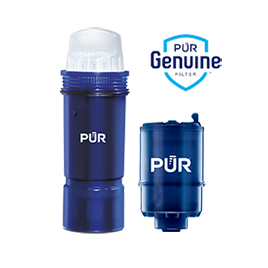
Contaminant Comparison Chart

For a complete list of contaminants that PUR filters reduce, please view our Performance Data Sheets here.


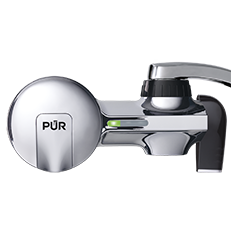
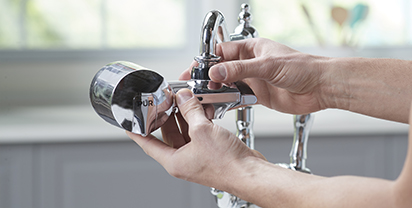
PUR & PUR PLUS FAUCET FILTERS
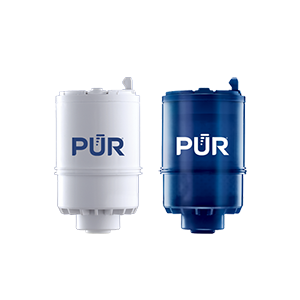
RF3375/RF9999

View Filters

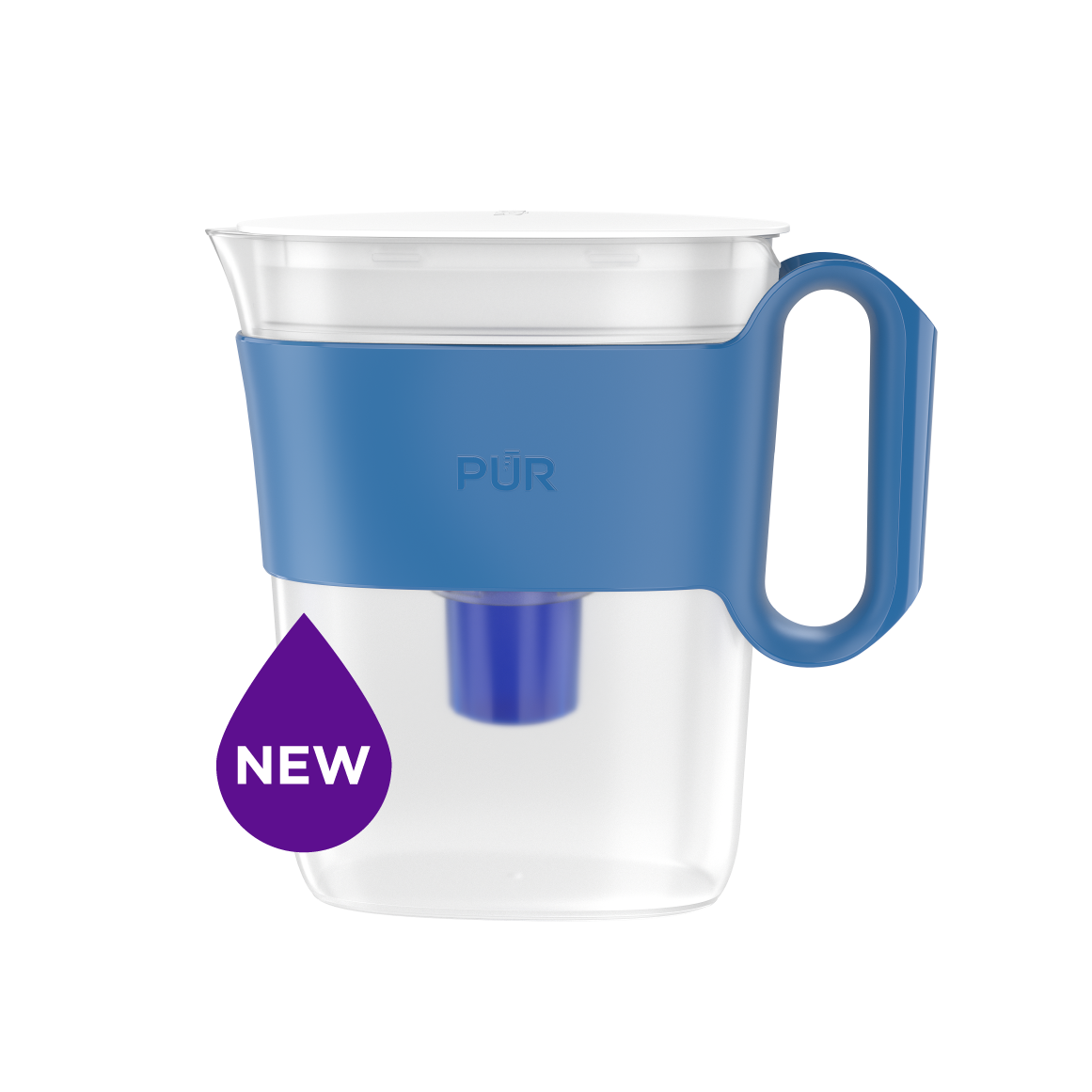
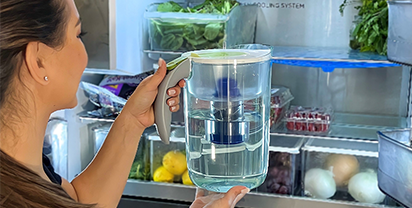
PUR PLUS PITCHER FILTERS
PPF951K

View Filter

PUR BASIC PITCHER FILTERS
PPF900Z

View Filter


Vs. Brita*

Lead
Microplastics
Mercury
Chlorine Taste & Odor
DEET
TTHM

PUR’s Filtration Systems Are Certified By NSF And WQA For Their Contamination Reduction. WQA certifications as of 5/27/21 for Faucet filter models RF-3375 and RF-9999.

¹ Certified to reduce 10X more chemical and physical substances than Brita’s® leading pitcher filter.
² Certified to reduce 3X more chemical and physical substances than Brita’s® leading pitcher filter.
³ Certified to reduce 2X more chemical and physical substances than Brita’s® leading pitcher filter.
*Versus best-selling Brita® pitcher filter OB03. Brita® is a trademark of Brita LP.
**Like other leading brands, PUR does not filter microbes. As of 3/1/23 Brita® and ZeroWater® were not certified to filter microbes. Brita® is a trademark of Brita LP. ZeroWater® is a trademark of Zero Technologies, LLC..
 

PUR & PUR PLUS FAUCET FILTERS


PUR & PUR PLUS FAUCET FILTERS
RF3375/RF9999

View Filters


Vs. Brita*

Lead
Microplastics
Mercury
Chlorine Taste & Odor
DEET
TTHM

PUR’s Filtration Systems Are Certified By NSF And WQA For Their Contamination Reduction. WQA certifications as of 5/27/21 for Faucet filter models RF-3375 and RF-9999.

¹ Certified to reduce 10X more chemical and physical substances than Brita’s® leading pitcher filter.
² Certified to reduce 3X more chemical and physical substances than Brita’s® leading pitcher filter.
³ Certified to reduce 2X more chemical and physical substances than Brita’s® leading pitcher filter.
*Versus best-selling Brita® pitcher filter OB03. Brita® is a trademark of Brita LP.
**Like other leading brands, PUR does not filter microbes. As of 3/1/23 Brita® and ZeroWater® were not certified to filter microbes. Brita® is a trademark of Brita LP. ZeroWater® is a trademark of Zero Technologies, LLC..
 

PUR PLUS PITCHER FILTERS


PUR PLUS PITCHER FILTERS
PPF951K

View Filter


Vs. Brita*

Lead
Microplastics
Mercury
Chlorine Taste & Odor
DEET
TTHM

PUR’s Filtration Systems Are Certified By NSF And WQA For Their Contamination Reduction. WQA certifications as of 5/27/21 for Faucet filter models RF-3375 and RF-9999.

¹ Certified to reduce 10X more chemical and physical substances than Brita’s® leading pitcher filter.
² Certified to reduce 3X more chemical and physical substances than Brita’s® leading pitcher filter.
³ Certified to reduce 2X more chemical and physical substances than Brita’s® leading pitcher filter.
*Versus best-selling Brita® pitcher filter OB03. Brita® is a trademark of Brita LP.
**Like other leading brands, PUR does not filter microbes. As of 3/1/23 Brita® and ZeroWater® were not certified to filter microbes. Brita® is a trademark of Brita LP. ZeroWater® is a trademark of Zero Technologies, LLC..
 

PUR BASIC PITCHER FILTERS


PUR BASIC PITCHER FILTERS
PPF900Z

View Filter


Vs. Brita*

Lead
Microplastics
Mercury
Chlorine Taste & Odor
DEET
TTHM

PUR’s Filtration Systems Are Certified By NSF And WQA For Their Contamination Reduction. WQA certifications as of 5/27/21 for Faucet filter models RF-3375 and RF-9999.

¹ Certified to reduce 10X more chemical and physical substances than Brita’s® leading pitcher filter.
² Certified to reduce 3X more chemical and physical substances than Brita’s® leading pitcher filter.
³ Certified to reduce 2X more chemical and physical substances than Brita’s® leading pitcher filter.
*Versus best-selling Brita® pitcher filter OB03. Brita® is a trademark of Brita LP.
**Like other leading brands, PUR does not filter microbes. As of 3/1/23 Brita® and ZeroWater® were not certified to filter microbes. Brita® is a trademark of Brita LP. ZeroWater® is a trademark of Zero Technologies, LLC..

 

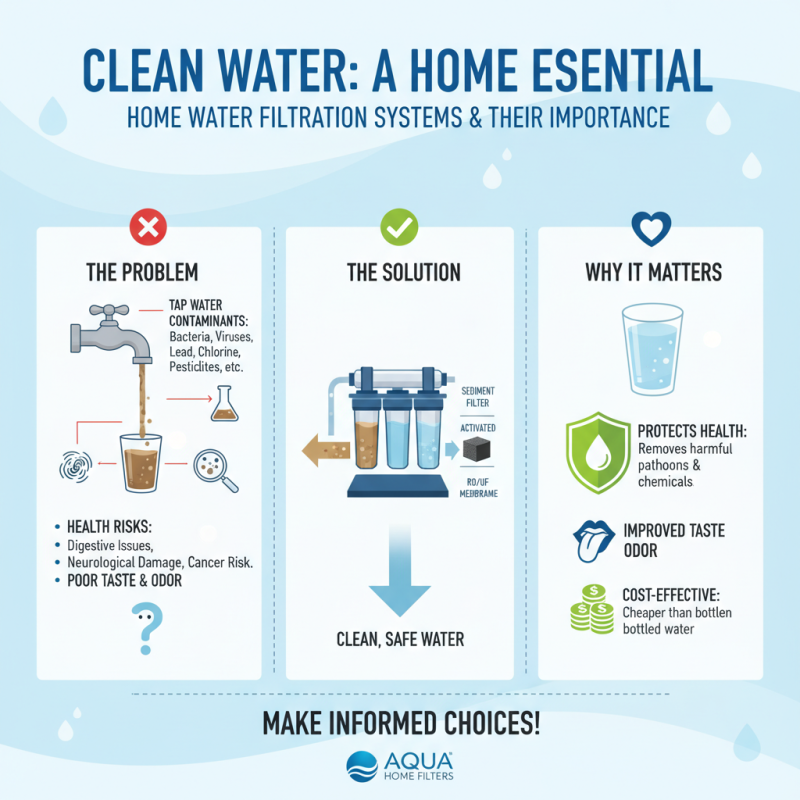
Top 10 Home Filtration Systems for Clean Drinking Water?

Access to clean drinking water should be a priority for every household. A reliable home filtration system can make a significant difference. Many families face challenges with tap water quality. Factors such as contaminants, taste, and odors often cause concern.

Choosing the right home filtration system requires understanding your specific water needs. Options vary widely, each with its own strengths and limitations. Some systems target specific impurities, while others provide comprehensive filtration. It's essential to select a system that fits your household’s requirements.

Investing in a home filtration system is not just about convenience. It's about ensuring health and safety for you and your family. However, a perfect solution may not exist for everyone. Therefore, evaluating your options and aligning them with your lifestyle is crucial. With careful consideration, your home can enjoy cleaner, safer drinking water.

Top 10 Home Filtration Systems for Clean Drinking Water?

Overview of Home Filtration Systems and Their Importance

Top 10 Home Filtration Systems for Clean Drinking Water?

Home filtration systems play a vital role in ensuring access to clean drinking water. Contaminants can often make their way into tap water, affecting health and taste. Many households overlook the importance of filtering their water supply, even though studies indicate potential hazards in unfiltered water. Understanding how these systems work can help in making informed choices.

Tips: Regularly check the filter lifespan. Filters can clog, reducing their effectiveness. A timely replacement ensures that your water remains safe to drink. Monitor the taste and clarity of your water. If you notice changes, it may signal that your filtration system needs attention.

There are various types of home filtration systems available. Each is designed to tackle specific contaminants. For instance, activated carbon filters are excellent for improving taste and removing chlorine. Reverse osmosis systems, on the other hand, can effectively eliminate heavy metals. However, some may find these systems complicated to maintain. It is essential to weigh the pros and cons before deciding on the right solution for your home.

Tips: Research different filtration methods. A little knowledge can go a long way. Consider the layout of your home and the water sources available. This thoughtful approach can lead to better water quality.

Types of Home Filtration Technologies Available

When it comes to home filtration technologies, there are several popular methods to consider. Activated carbon filters are common in many households. They effectively remove chlorine, odors, and some heavy metals. The tiny pores in carbon trap contaminants, making water taste better. However, they may not eliminate all pathogens.

Reverse osmosis systems are another reliable choice. They push water through a semi-permeable membrane, removing a wide range of impurities. It’s thorough, but the process can waste water. Some users report lower pressure after installation. Distillation is also used but can be slow and energy-intensive.

UV purification is an excellent option for those concerned about bacteria and viruses. It uses ultraviolet light to disinfect water, ensuring safety. Yet, it doesn’t filter out chemical contaminants. Each filtration method has strengths and weaknesses. Choosing the right system depends on personal needs and the specific contaminants present in your water. Understanding these technologies helps in making informed decisions.

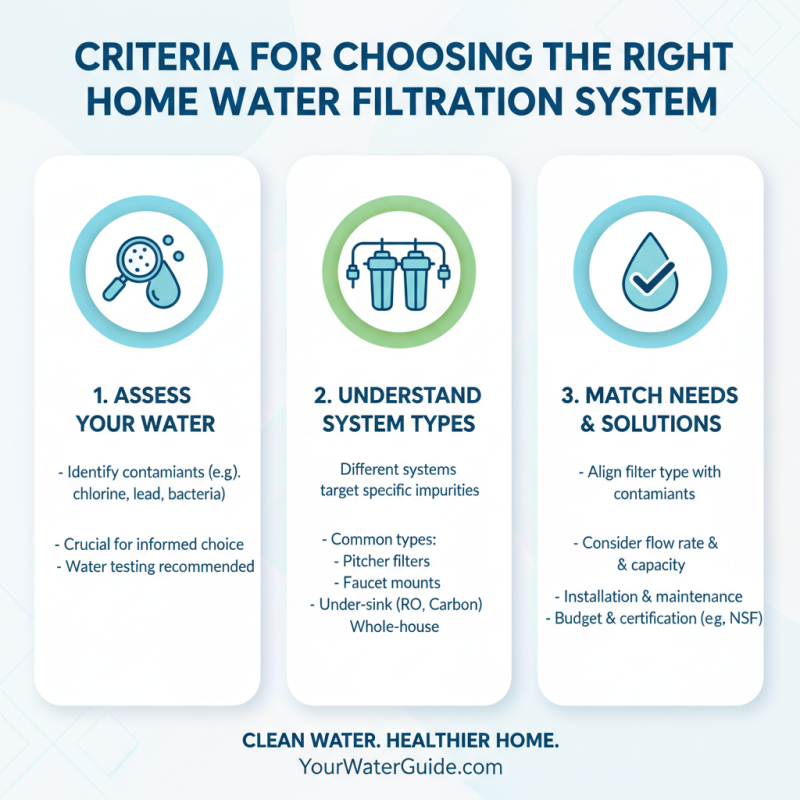
Criteria for Choosing the Right Filtration System

Top 10 Home Filtration Systems for Clean Drinking Water?

Choosing the right home filtration system for clean drinking water involves careful consideration. Start by assessing the specific contaminants present in your water supply. Understanding this is crucial. Testing your water can provide valuable insights. Different systems target different impurities, like chlorine, lead, or bacteria. Knowing what you need to filter out will guide your selection.

Water filtration systems vary in design and complexity. Some are simple pitcher filters, while others are under-sink setups. Think about your kitchen space. A bulky unit might not fit well in a small area. Installation plays a role too. Some systems require professional help, adding to costs. Be wary of claims that sound too good to be true. Reliable systems should come with evidence-based results.

Maintenance is another key factor. Systems require regular filter changes. Ignoring this can lead to reduced effectiveness. Consider how often you can commit to this task. Check for user reviews and expert opinions. Learning from others’ experiences can lead to a better choice. Ultimately, the right filtration system will provide peace of mind for you and your family.

Top 10 Home Filtration Systems for Clean Drinking Water

When it comes to ensuring clean drinking water at home, choosing the right filtration system is crucial. Many people overlook the importance of removing impurities from tap water. It's not just about taste; it's about health and safety. Various contaminants can lurk in your water supply, including heavy metals, chlorine, and bacteria. Research suggests that a good filtration system can significantly reduce these harmful substances.

Selecting a filtration system involves understanding your water quality. Test your water to identify which contaminants are present. Some systems target specific issues, while others offer broader protection. Look for models that utilize multiple filtration stages. Advanced technologies can remove particles more effectively.

However, not all systems are perfect. User experiences often reveal unexpected challenges. For example, regular maintenance is critical to ensure efficiency. Some filters need frequent cartridge replacements, which can be costly. Others may require more installation effort. It’s essential to weigh the pros and cons carefully before purchasing. Overall, investing in a reliable filtration system is a step towards better health.

Installation and Maintenance Tips for Home Filtration Systems

Home filtration systems are vital for ensuring clean drinking water. However, proper installation and maintenance are essential for optimal performance. According to the Environmental Protection Agency (EPA), water quality can significantly improve with the right system. Regular checkups and filter replacements can enhance the lifespan of your unit and ensure it works effectively.

Poor installation can lead to leaks and contamination. It’s crucial to follow the manufacturer’s guidelines closely. Local water quality reports can help identify which contaminants are present. This knowledge informs your maintenance schedule and type of filter needed. Each filter has different lifespans. For instance, activated carbon filters need replacement every six months, while reverse osmosis systems can last up to two years.

Maintenance doesn't just stop at filter changes. Regularly inspect hoses and connections for wear. Biofilms can develop if the system is not cleaned periodically. The American Water Works Association suggests flushing systems monthly. This strategy can prevent stagnation and ensure fresh-tasting water. Understanding these details can bridge the gap between adequate and excellent water quality.

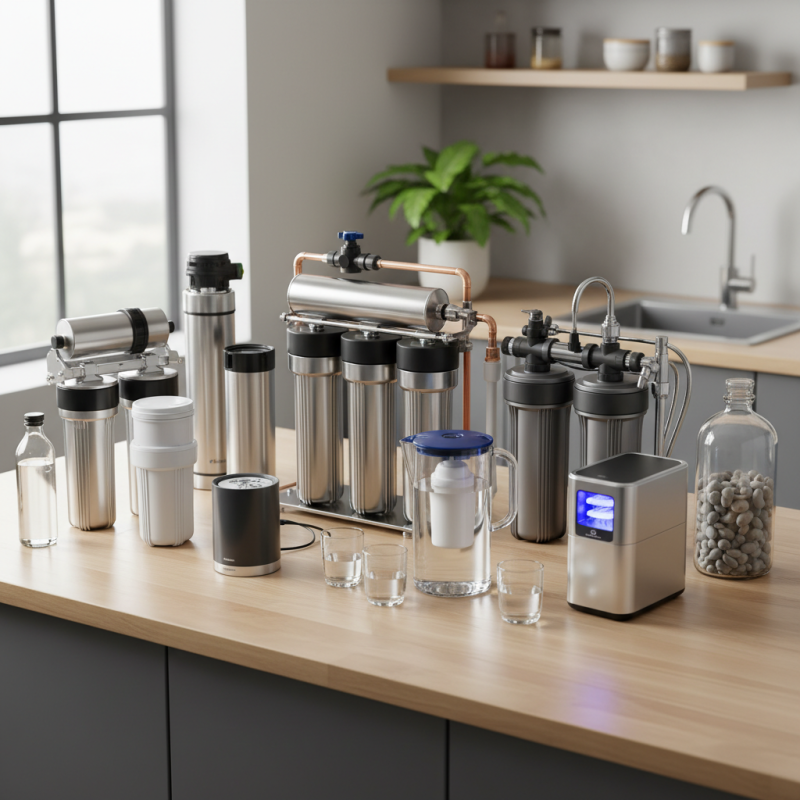
Top 10 Home Filtration Systems - Water Quality Comparison