Contaminant Comparison Chart

For a complete list of contaminants that PUR filters reduce, please view our Performance Data Sheets here.


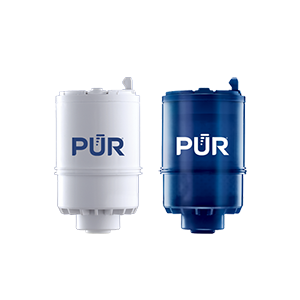
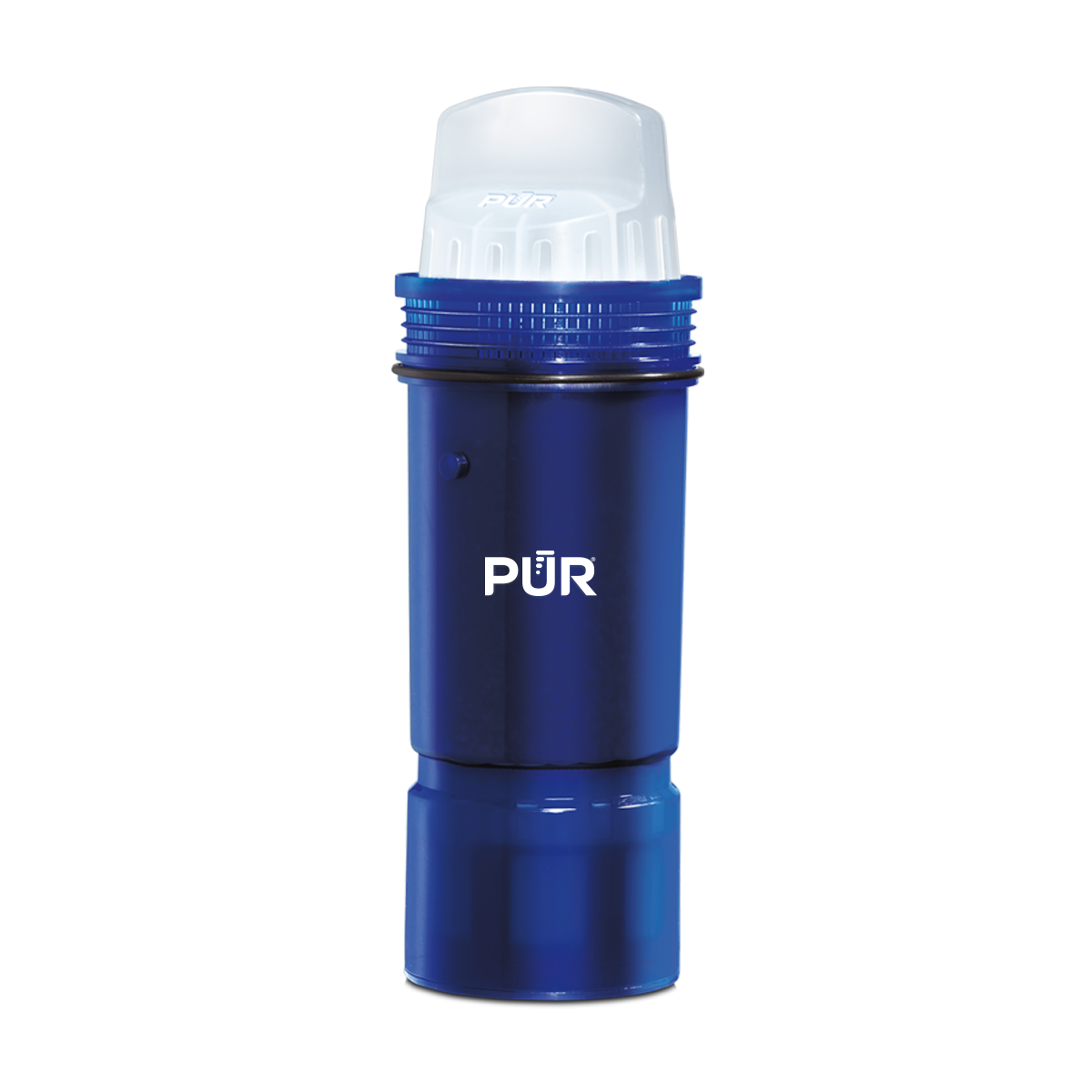
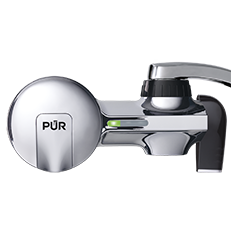
PUR & PUR PLUS FAUCET FILTERS
RF3375/RF9999

View Filters

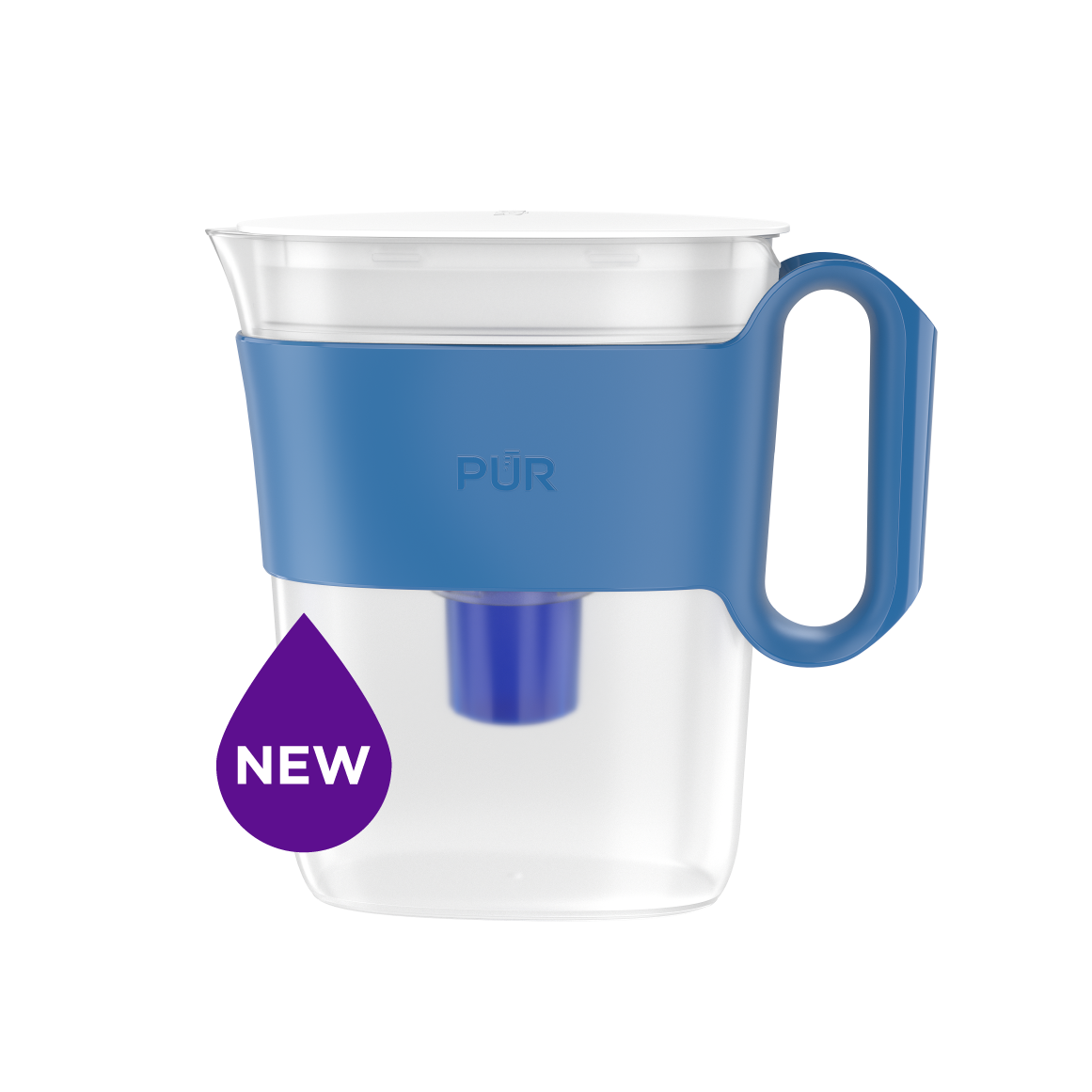
PUR PLUS PITCHER FILTERS
PPF951K

View Filter

PUR BASIC PITCHER FILTERS
PPF900Z

View Filter


Vs. Brita*

Lead
Microplastics
Mercury
Chlorine Taste & Odor
DEET
TTHM

PUR’s Filtration Systems Are Certified By NSF And WQA For Their Contamination Reduction. WQA certifications as of 5/27/21 for Faucet filter models RF-3375 and RF-9999.

¹ Certified to reduce 10X more chemical and physical substances than Brita’s® leading pitcher filter.
² Certified to reduce 3X more chemical and physical substances than Brita’s® leading pitcher filter.
³ Certified to reduce 2X more chemical and physical substances than Brita’s® leading pitcher filter.
*Versus best-selling Brita® pitcher filter OB03. Brita® is a trademark of Brita LP.
**Like other leading brands, PUR does not filter microbes. As of 3/1/23 Brita® and ZeroWater® were not certified to filter microbes. Brita® is a trademark of Brita LP. ZeroWater® is a trademark of Zero Technologies, LLC..
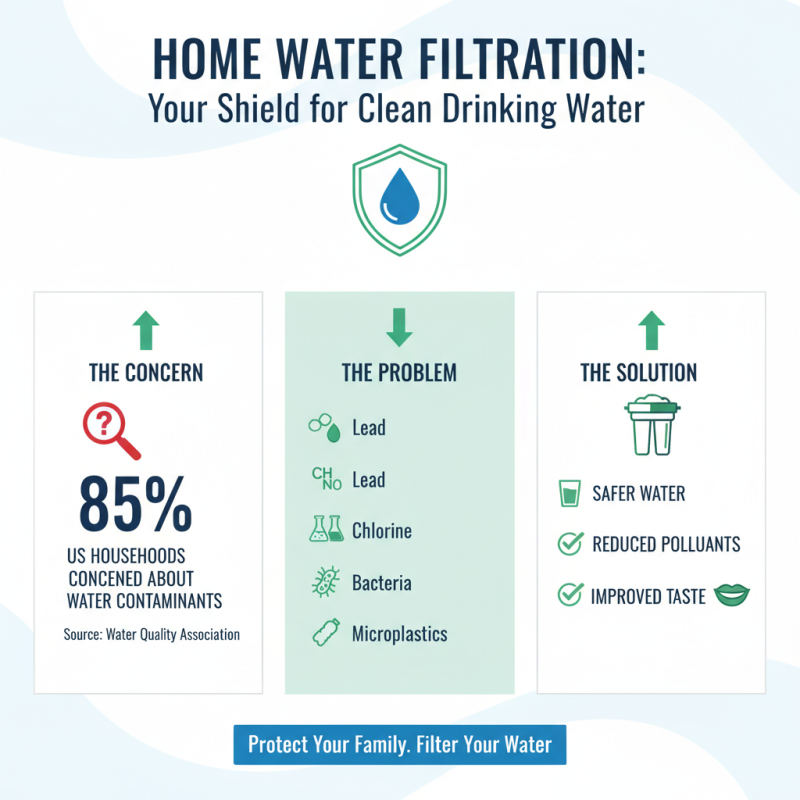
 

PUR & PUR PLUS FAUCET FILTERS


PUR & PUR PLUS FAUCET FILTERS
RF3375/RF9999

View Filters


Vs. Brita*

Lead
Microplastics
Mercury
Chlorine Taste & Odor
DEET
TTHM

PUR’s Filtration Systems Are Certified By NSF And WQA For Their Contamination Reduction. WQA certifications as of 5/27/21 for Faucet filter models RF-3375 and RF-9999.

¹ Certified to reduce 10X more chemical and physical substances than Brita’s® leading pitcher filter.
² Certified to reduce 3X more chemical and physical substances than Brita’s® leading pitcher filter.
³ Certified to reduce 2X more chemical and physical substances than Brita’s® leading pitcher filter.
*Versus best-selling Brita® pitcher filter OB03. Brita® is a trademark of Brita LP.
**Like other leading brands, PUR does not filter microbes. As of 3/1/23 Brita® and ZeroWater® were not certified to filter microbes. Brita® is a trademark of Brita LP. ZeroWater® is a trademark of Zero Technologies, LLC..
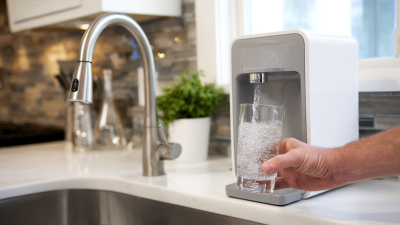
 

PUR PLUS PITCHER FILTERS


PUR PLUS PITCHER FILTERS
PPF951K

View Filter


Vs. Brita*

Lead
Microplastics
Mercury
Chlorine Taste & Odor
DEET
TTHM

PUR’s Filtration Systems Are Certified By NSF And WQA For Their Contamination Reduction. WQA certifications as of 5/27/21 for Faucet filter models RF-3375 and RF-9999.

¹ Certified to reduce 10X more chemical and physical substances than Brita’s® leading pitcher filter.
² Certified to reduce 3X more chemical and physical substances than Brita’s® leading pitcher filter.
³ Certified to reduce 2X more chemical and physical substances than Brita’s® leading pitcher filter.
*Versus best-selling Brita® pitcher filter OB03. Brita® is a trademark of Brita LP.
**Like other leading brands, PUR does not filter microbes. As of 3/1/23 Brita® and ZeroWater® were not certified to filter microbes. Brita® is a trademark of Brita LP. ZeroWater® is a trademark of Zero Technologies, LLC..
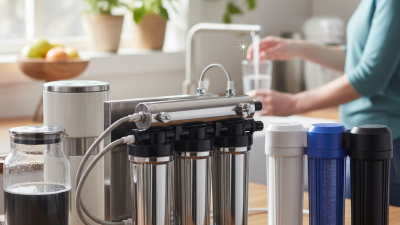
 

PUR BASIC PITCHER FILTERS


PUR BASIC PITCHER FILTERS
PPF900Z

View Filter


Vs. Brita*

Lead
Microplastics
Mercury
Chlorine Taste & Odor
DEET
TTHM

PUR’s Filtration Systems Are Certified By NSF And WQA For Their Contamination Reduction. WQA certifications as of 5/27/21 for Faucet filter models RF-3375 and RF-9999.

¹ Certified to reduce 10X more chemical and physical substances than Brita’s® leading pitcher filter.
² Certified to reduce 3X more chemical and physical substances than Brita’s® leading pitcher filter.
³ Certified to reduce 2X more chemical and physical substances than Brita’s® leading pitcher filter.
*Versus best-selling Brita® pitcher filter OB03. Brita® is a trademark of Brita LP.
**Like other leading brands, PUR does not filter microbes. As of 3/1/23 Brita® and ZeroWater® were not certified to filter microbes. Brita® is a trademark of Brita LP. ZeroWater® is a trademark of Zero Technologies, LLC..
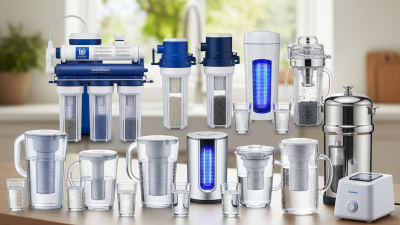
 

Top 10 Home Filtration Systems for Clean Drinking Water in 2023

In an era where clean drinking water is becoming increasingly vital for health and wellness, the importance of having a reliable home filtration system cannot be overstated. With contaminants like heavy metals, chlorine, and bacteria present in tap water, many homeowners are turning to innovative filtration solutions that promise not only purity but also improved taste. The market offers a plethora of options, each boasting unique features and capabilities, making it essential for consumers to understand which systems will best suit their needs.

As we explore the top 10 home filtration systems for clean drinking water in 2023, we will delve into the functionality, efficiency, and user-friendliness of each option. These systems range from under-sink installations to countertop models and even whole-house filters, ensuring that everyone can find a suitable method for elevating their water quality. With the right home filtration system, families can enjoy peace of mind knowing they are consuming safe, healthy water every day. Join us as we guide you through the leading choices available this year, helping you make an informed decision for your family's hydration needs.

Top 10 Home Filtration Systems for Clean Drinking Water in 2023

Overview of Home Filtration Systems and Their Importance

Top 10 Home Filtration Systems for Clean Drinking Water in 2023

When it comes to ensuring access to clean drinking water, home filtration systems play a pivotal role. According to a recent report by the Water Quality Association, nearly 85% of households in the U.S. are concerned about contaminants in their drinking water, highlighting the urgency and importance of effective filtration solutions. These systems can significantly reduce pollutants such as lead, chlorine, bacteria, and microplastics, making water safer and more palatable for everyday consumption.

In addition to improving health outcomes, home filtration systems can also enhance the taste and odor of water, which can encourage more families to hydrate properly. A study published by the International Journal of Environmental Research and Public Health found that people are more likely to drink water perceived as clean and tasty, promoting better overall hydration habits.

Tip: Regular maintenance of filtration systems is crucial for optimal performance. Check your filter replacement schedule and ensure that the system is serviced at least once a year to prevent any buildup of contaminants. Another tip is to consider your specific needs—some systems target specific pollutants more effectively, so select one that aligns with the contaminants present in your water supply.

Key Features to Consider When Choosing a Filtration System

When selecting a home filtration system for clean drinking water, it is crucial to consider various key features to ensure you choose the best option for your needs. One of the most significant factors is the type of filtration technology employed. According to the Water Quality Association, systems using reverse osmosis can remove up to 99% of contaminants, including lead, chlorine, and arsenic. This technology not only improves taste but also enhances safety, making it a popular choice among health-conscious consumers.

Another critical feature to assess is the system's capacity and flow rate. A recent report by the Environmental Protection Agency indicates that some households require systems capable of filtering several gallons per day, especially those with multiple family members. Additionally, while a high capacity is beneficial, examining the flow rate ensures that the water is dispensed at a desirable pace. It's essential to find a balance that meets your family’s consumption needs without significantly sacrificing water pressure. Remember to also consider maintenance costs, as systems requiring frequent filter changes can become expensive over time, impacting their long-term viability.

Top 10 Home Filtration Systems for Clean Drinking Water in 2023

Rank Type Filtration Method Contaminants Removed Filter Lifespan Price Range
1 Reverse Osmosis RO Membrane Lead, fluoride, chlorine 2 years $200 - $500
2 Activated Carbon Granular or Block Chlorine, sediment, VOCs 6 months - 1 year $50 - $200
3 Ultraviolet UV Light Purification Bacteria, viruses 1 year $100 - $300
4 Whole House Multi-Stage Filtering Sediment, chlorine, hard metals 5 years $500 - $1500
5 Countertop Multi-Stage Filtration Chlorine, lead, cysts 6 months $100 - $250
6 Faucet Mounted Carbon Filtration Chlorine, sediment 3 - 6 months $30 - $100
7 Under Sink Multi-Stage Carbon Chlorine, lead, bad taste 1 year $200 - $400
8 Portable Gravity Filtration Bacteria, chlorine 1 - 2 years $50 - $150
9 Inline Filtration Carbon Filter Chloramine, bad odors 1 - 3 years $100 - $300
10 Hydrogen Water Filters Electrolysis Chlorine, heavy metals 6 months $250 - $700

Top 10 Home Filtration Systems: An In-Depth Analysis

When it comes to securing clean drinking water, home filtration systems serve as a vital solution. In 2023, numerous filtration options are available, each tailored to meet specific needs and preferences. An in-depth analysis of these systems reveals critical factors such as filtration technology, flow rate, and maintenance requirements that consumers should consider. For instance, reverse osmosis systems offer comprehensive filtration by removing a wide range of contaminants, while activated carbon filters excel at improving taste and odor.

Moreover, the capacity and installation type can significantly influence user experience. Some systems are designed for easy countertop installation, ideal for renters or those with limited space, while others integrate seamlessly into existing plumbing for a more permanent solution. Performance metrics, such as the lifespan of filters and the contaminants they effectively eliminate, provide further insight into their efficacy. Evaluating these criteria is essential for homeowners seeking to ensure that their drinking water is not only safe but also pleasant to consume. As the demand for clean water continues to rise, understanding the nuances of various filtration options will empower consumers to make informed choices.

Top 10 Home Filtration Systems - Performance Comparison

Comparison of Performance and Cost of Leading Filtration Brands

When evaluating home filtration systems for clean drinking water in 2023, a crucial aspect is the comparison of performance and cost among leading filtration brands. The market offers a variety of options, including reverse osmosis systems, activated carbon filters, and UV purifiers. Each type presents unique benefits, such as superior contaminant removal or convenience but also varies in price point. For example, reverse osmosis systems typically offer higher performance by eliminating a wide range of impurities but can come with a steep initial investment and ongoing maintenance costs.

On the other hand, activated carbon filters provide a more budget-friendly solution with effective chlorine and sediment reduction, although they may not remove certain heavy metals and microorganisms. Brands like Brita and PUR are well-known for their affordable yet reliable options, making them popular for everyday consumers. In contrast, high-end brands such as APEC and Berkey command higher prices due to their advanced filtration technologies and larger capacities. Prospective buyers must carefully weigh their budget against the required performance levels to find the filtration system that best meets their needs.

Maintenance Tips for Ensuring Optimal Function of Filtration Systems

To ensure the optimal function of home filtration systems, regular maintenance is crucial. First and foremost, it's important to change filters according to the manufacturer's recommendations, typically every 6 to 12 months. This prevents the buildup of contaminants and ensures that the water remains clean and safe for consumption. Keeping track of filter lifespan through dates or reminders can help homeowners avoid neglecting this essential task.

Additionally, routine inspections should be conducted to check for leaks and cracks in the system. Any signs of wear can compromise the filtration process and lead to contamination. Cleaning the system's components, such as sediment filters and housings, is also important to maintain efficiency. Finally, sanitizing the entire system at least once a year can help remove any buildup of bacteria or mold, further safeguarding the quality of drinking water. By following these maintenance tips, homeowners can extend the life of their water filtration systems and ensure they provide clean drinking water consistently.