Contaminant Comparison Chart

For a complete list of contaminants that PUR filters reduce, please view our Performance Data Sheets here.


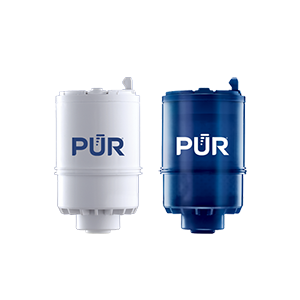
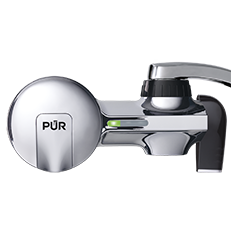
PUR & PUR PLUS FAUCET FILTERS
RF3375/RF9999

View Filters

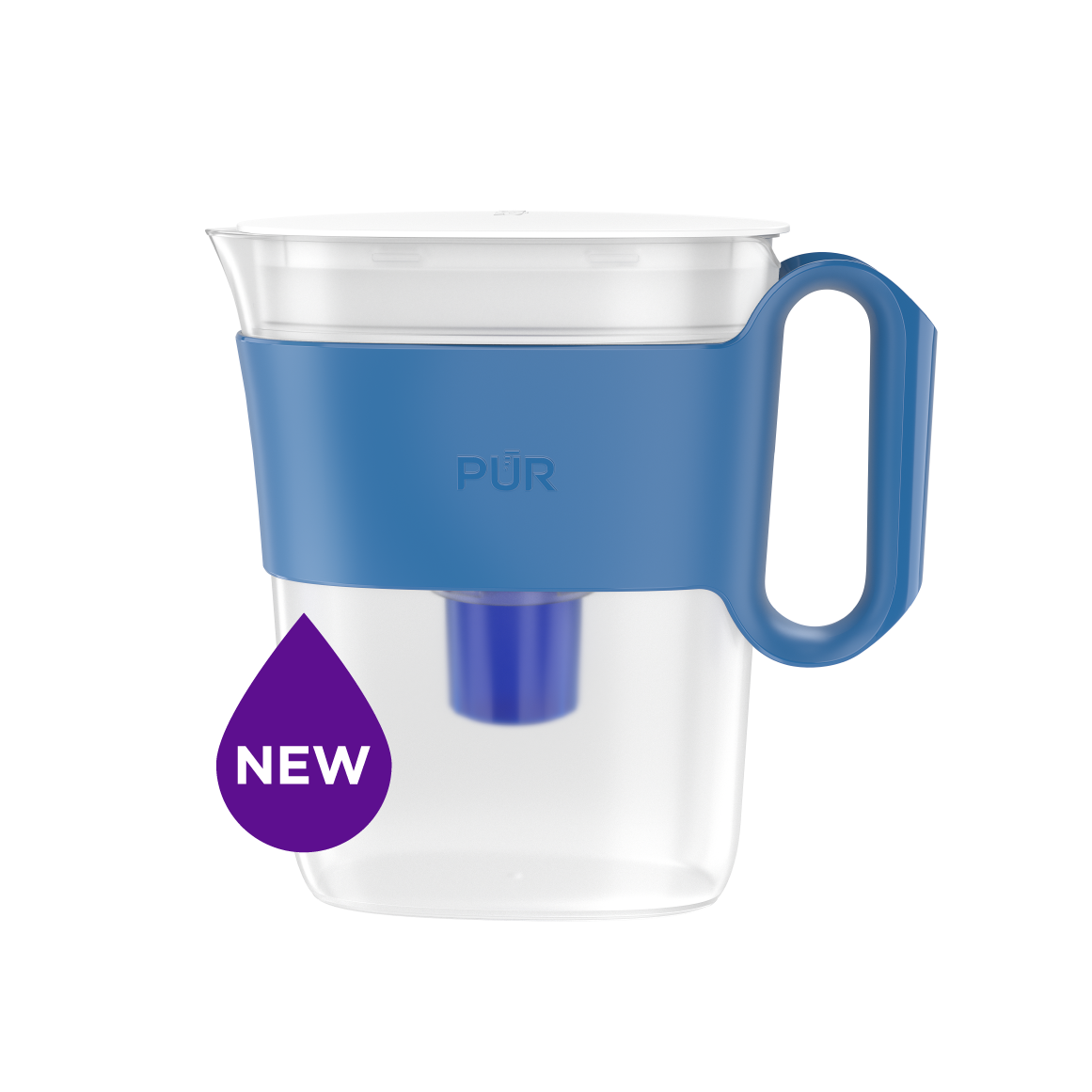
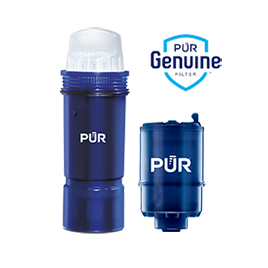
PUR PLUS PITCHER FILTERS
PPF951K

View Filter

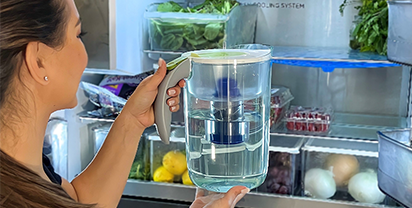
PUR BASIC PITCHER FILTERS
PPF900Z

View Filter


Vs. Brita*

Lead
Microplastics
Mercury
Chlorine Taste & Odor
DEET
TTHM

PUR’s Filtration Systems Are Certified By NSF And WQA For Their Contamination Reduction. WQA certifications as of 5/27/21 for Faucet filter models RF-3375 and RF-9999.

¹ Certified to reduce 10X more chemical and physical substances than Brita’s® leading pitcher filter.
² Certified to reduce 3X more chemical and physical substances than Brita’s® leading pitcher filter.
³ Certified to reduce 2X more chemical and physical substances than Brita’s® leading pitcher filter.
*Versus best-selling Brita® pitcher filter OB03. Brita® is a trademark of Brita LP.
**Like other leading brands, PUR does not filter microbes. As of 3/1/23 Brita® and ZeroWater® were not certified to filter microbes. Brita® is a trademark of Brita LP. ZeroWater® is a trademark of Zero Technologies, LLC..
 

PUR & PUR PLUS FAUCET FILTERS


PUR & PUR PLUS FAUCET FILTERS
RF3375/RF9999

View Filters


Vs. Brita*

Lead
Microplastics
Mercury
Chlorine Taste & Odor
DEET
TTHM

PUR’s Filtration Systems Are Certified By NSF And WQA For Their Contamination Reduction. WQA certifications as of 5/27/21 for Faucet filter models RF-3375 and RF-9999.

¹ Certified to reduce 10X more chemical and physical substances than Brita’s® leading pitcher filter.
² Certified to reduce 3X more chemical and physical substances than Brita’s® leading pitcher filter.
³ Certified to reduce 2X more chemical and physical substances than Brita’s® leading pitcher filter.
*Versus best-selling Brita® pitcher filter OB03. Brita® is a trademark of Brita LP.
**Like other leading brands, PUR does not filter microbes. As of 3/1/23 Brita® and ZeroWater® were not certified to filter microbes. Brita® is a trademark of Brita LP. ZeroWater® is a trademark of Zero Technologies, LLC..
 

PUR PLUS PITCHER FILTERS


PUR PLUS PITCHER FILTERS
PPF951K

View Filter


Vs. Brita*

Lead
Microplastics
Mercury
Chlorine Taste & Odor
DEET
TTHM

PUR’s Filtration Systems Are Certified By NSF And WQA For Their Contamination Reduction. WQA certifications as of 5/27/21 for Faucet filter models RF-3375 and RF-9999.

¹ Certified to reduce 10X more chemical and physical substances than Brita’s® leading pitcher filter.
² Certified to reduce 3X more chemical and physical substances than Brita’s® leading pitcher filter.
³ Certified to reduce 2X more chemical and physical substances than Brita’s® leading pitcher filter.
*Versus best-selling Brita® pitcher filter OB03. Brita® is a trademark of Brita LP.
**Like other leading brands, PUR does not filter microbes. As of 3/1/23 Brita® and ZeroWater® were not certified to filter microbes. Brita® is a trademark of Brita LP. ZeroWater® is a trademark of Zero Technologies, LLC..
 

PUR BASIC PITCHER FILTERS


PUR BASIC PITCHER FILTERS
PPF900Z

View Filter


Vs. Brita*

Lead
Microplastics
Mercury
Chlorine Taste & Odor
DEET
TTHM

PUR’s Filtration Systems Are Certified By NSF And WQA For Their Contamination Reduction. WQA certifications as of 5/27/21 for Faucet filter models RF-3375 and RF-9999.

¹ Certified to reduce 10X more chemical and physical substances than Brita’s® leading pitcher filter.
² Certified to reduce 3X more chemical and physical substances than Brita’s® leading pitcher filter.
³ Certified to reduce 2X more chemical and physical substances than Brita’s® leading pitcher filter.
*Versus best-selling Brita® pitcher filter OB03. Brita® is a trademark of Brita LP.
**Like other leading brands, PUR does not filter microbes. As of 3/1/23 Brita® and ZeroWater® were not certified to filter microbes. Brita® is a trademark of Brita LP. ZeroWater® is a trademark of Zero Technologies, LLC..
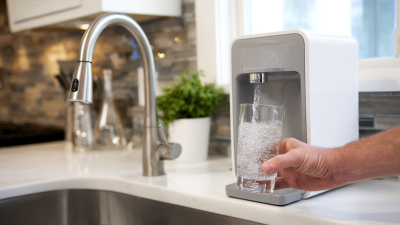
 

Top 10 Home Water Filters: Best Systems for Clean and Safe Drinking Water

In an age where clean and safe drinking water is paramount for maintaining health, the importance of selecting the right home water filter cannot be overstated. According to Dr. Emily Johnson, a leading expert in water purification technology, "Investing in a high-quality home water filter is one of the best decisions you can make for your family's health." With increasing concerns about water quality, contaminants, and potential health risks, the demand for efficient home water filtration systems has surged.

Top 10 Home Water Filters: Best Systems for Clean and Safe Drinking Water

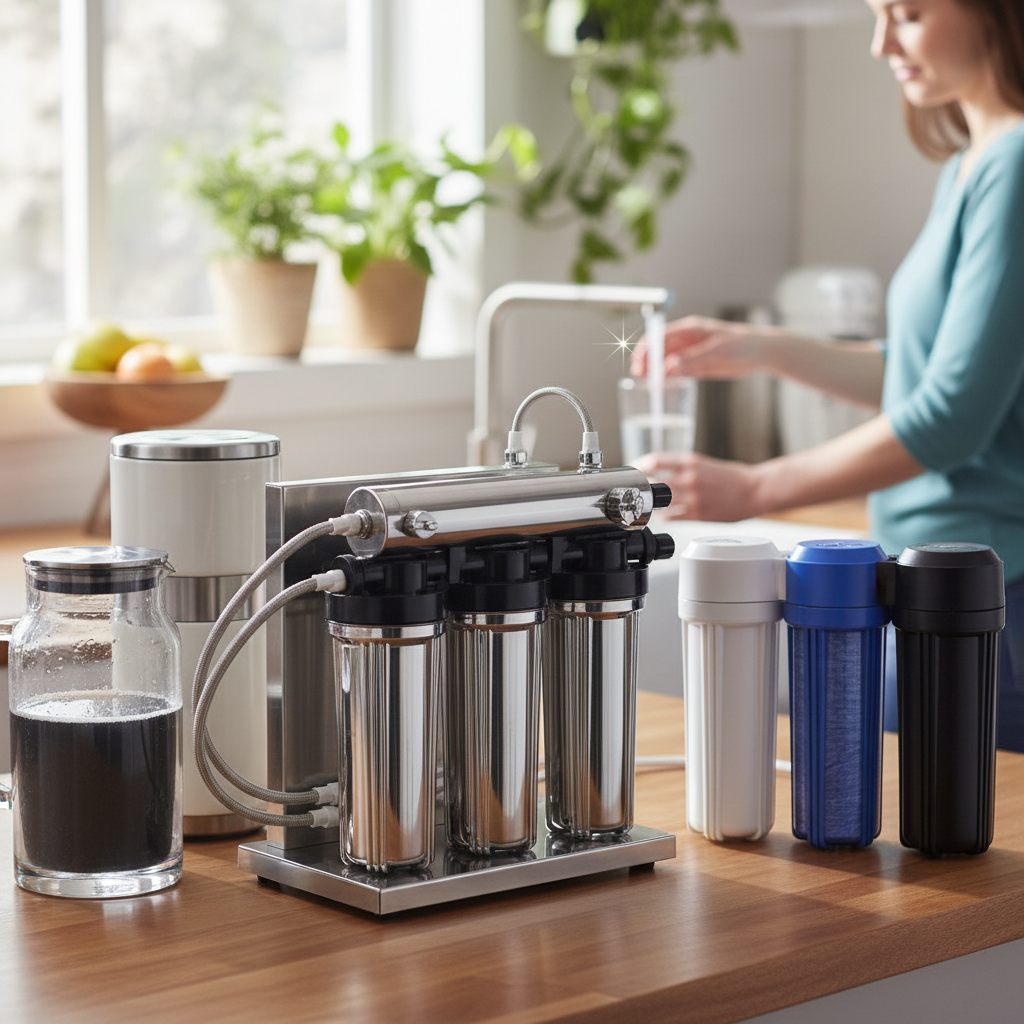
Home water filters come in various types, each designed to address specific needs and challenges in water quality. Whether you live in an urban environment where the water supply may be treated with chemicals or in a rural area reliant on well water, understanding the different types of filtration systems available is essential. This guide explores the top 10 home water filters on the market, highlighting the best systems that guarantee clean and safe drinking water, thereby empowering consumers to make informed choices for their homes and families.

Top 10 Home Water Filters: Key Features to Consider for Clean Drinking Water

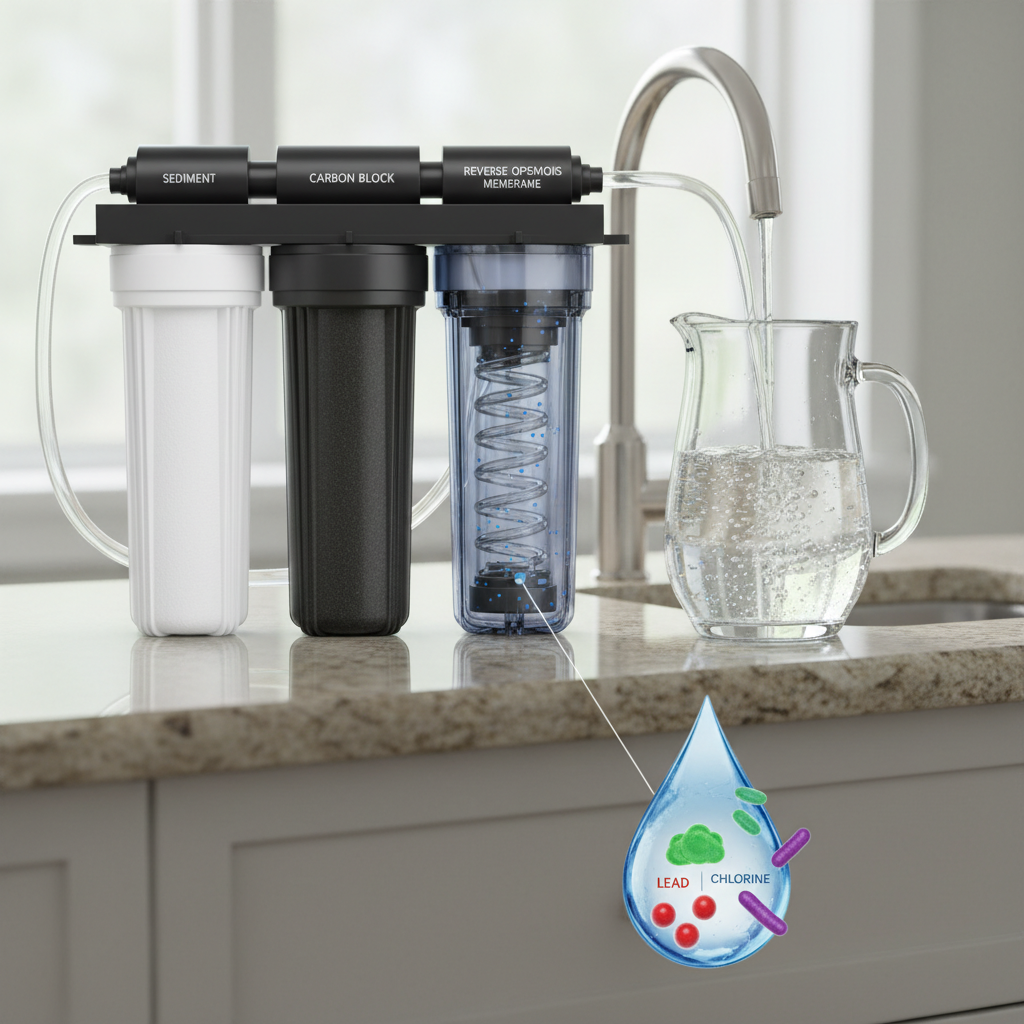
When selecting a home water filter, it's essential to understand the key features that contribute to ensuring clean and safe drinking water. First, consider the type of filtration system. Activated carbon filters are effective at removing chlorine, sediment, and volatile organic compounds, while reverse osmosis systems are known for their ability to eliminate a broader range of contaminants, including heavy metals and minerals. Understanding the specific contaminants present in your water will guide you in choosing the right type of filter.

Another crucial feature to look for is the filter’s capacity and lifespan. High-capacity filters can keep up with larger households, reducing the frequency of replacement and maintenance. Additionally, check the filtration rate, as this determines how quickly you can access filtered water. Certifications from organizations like NSF or ANSI can also provide assurance of the filter's performance and safety standards. By focusing on these key features, you can make an informed decision and invest in a home water filter that meets your needs for clean drinking water.

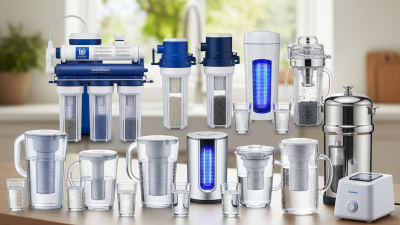
Top 10 Home Water Filters: Comparison of Key Features

Essential Types of Home Water Filtration Systems Explained

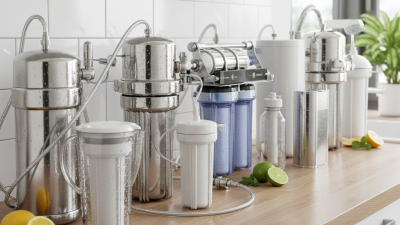
Home water filtration systems play a crucial role in ensuring that you and your family have access to clean and safe drinking water. These systems work by removing harmful contaminants, chemicals, and microorganisms, enhancing the overall quality of your water supply. Among the various types of home water filtration systems, options such as activated carbon filters, reverse osmosis units, and UV purifiers stand out for their effectiveness in addressing different water quality issues.

When choosing a water filtration system for your home, consider factors such as the specific contaminants present in your water, the system's capacity, and your household's water consumption needs. Additionally, perform regular maintenance on your filtration system to ensure optimal performance and longevity.

Tips: Always check for certifications that indicate the system has been tested and proven to remove specific contaminants. Keep an eye on replacement filter schedules to maintain the filtering efficacy and avoid any potential health risks associated with using old filters. Lastly, it may be beneficial to invest in a water testing kit to understand the quality of your tap water, which can guide you in selecting the most suitable filtration system for your needs.

Comparative Analysis: Reverse Osmosis vs. Activated Carbon Filters

When comparing water filtration systems, reverse osmosis (RO) and activated carbon filters emerge as popular choices, each offering unique advantages. RO systems are renowned for their superior filtering capabilities, effectively removing a wide range of contaminants including heavy metals, salts, and microorganisms. However, these systems can be more expensive and may require regular maintenance to ensure optimal performance.

On the other hand, activated carbon filters are appealing for their affordability and ease of use. They excel in reducing chlorine, volatile organic compounds (VOCs), and unpleasant tastes or odors, making water more palatable. The global market for activated carbon mobile filters is experiencing significant growth, with projections indicating a rise from $1.5 billion in 2022 to $3.2 billion by 2030, reflecting a compound annual growth rate (CAGR) of 11.2%. This trend emphasizes the increasing demand for efficient and cost-effective water filtration solutions.

**Tips:** When choosing a water filtration system, consider your specific water quality needs and usage. Regularly replace filters as recommended to maintain effectiveness, and explore options that align with your household's consumption levels. Always check for certification to ensure the system meets safety and performance standards.

Top 10 Home Water Filters: Best Systems for Clean and Safe Drinking Water

Filter Type Stage Count Contaminant Removal (%) Replacement Filter Cost Annual Maintenance Cost
Reverse Osmosis 5 90-99% $50-$100 $200-$300
Activated Carbon 2 70-90% $30-$60 $100-$150
UV Water Purifier 1 99.99% $50-$100 $50-$100
Ceramic Filter 1 90-95% $20-$40 $40-$70
Alkaline Filter 3 60-80% $50-$80 $100-$150
Countertop Filter 2-4 70-90% $40-$80 $80-$120
Under-Sink Filter 3-5 85-95% $60-$100 $120-$180
Point of Use Filter 3 80-90% $40-$70 $70-$100
Whole House Filter 3-7 70-85% $100-$200 $200-$300

Tips for Proper Maintenance of Your Home Water Filter System

Top 10 Home Water Filters: Best Systems for Clean and Safe Drinking Water

Proper maintenance of your home water filter system is crucial for ensuring the longevity and effectiveness of the filtration process. According to the Water Quality Association (WQA), regular servicing can reduce contaminants by up to 99% in systems that are adequately maintained. This involves not only replacing filters as recommended by manufacturers—often every six months to a year—but also performing routine checks for leaks and monitoring water quality. Neglecting these tasks can lead to decreased filtration performance and potentially expose you to harmful substances.

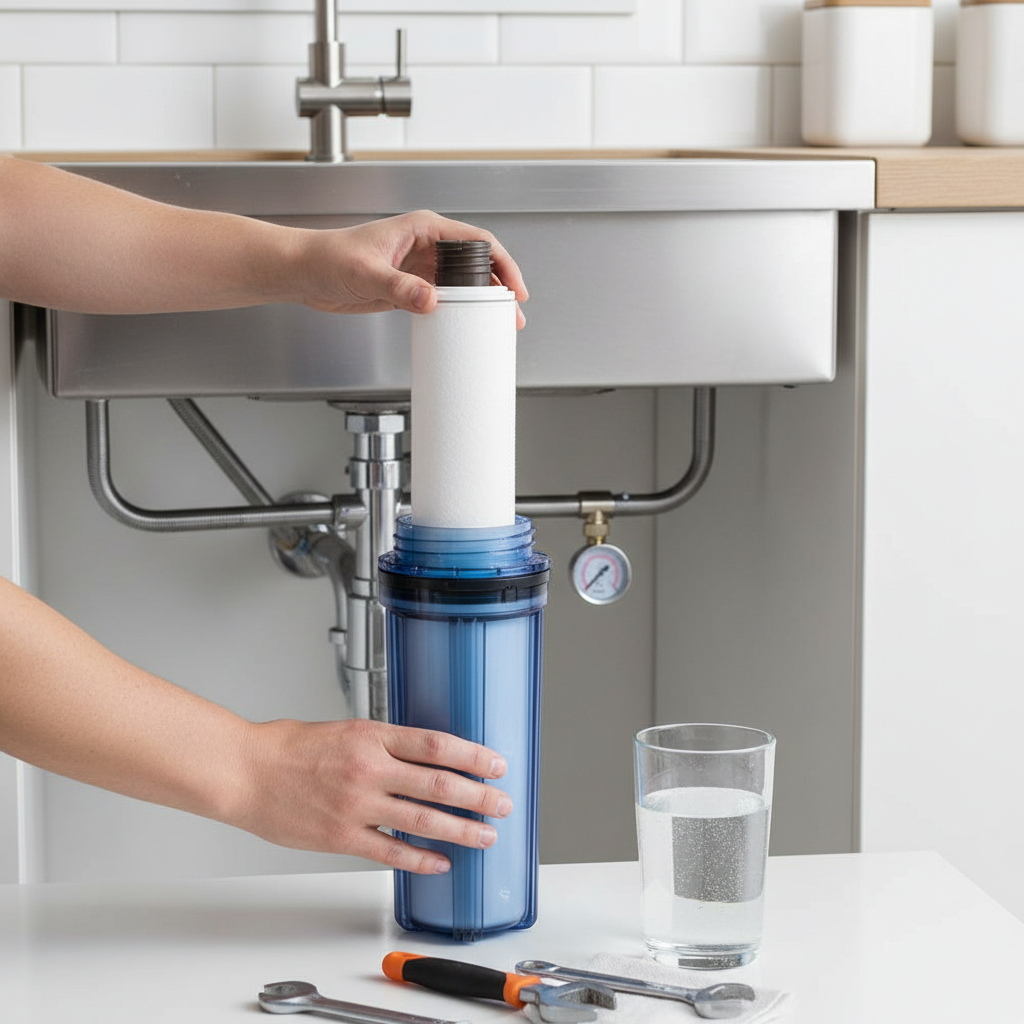
In addition to timely filter changes, it is essential to clean the system components periodically. A study by the Environmental Protection Agency (EPA) indicates that contaminants can accumulate in the filters and housing, diminishing their effectiveness. Homeowners should follow the manufacturer's guidelines for cleansing and sanitizing their systems, which often include simple steps such as rinsing out the filter housing with a mild bleach solution. Keeping your water filter system in top condition not only ensures safe drinking water but also maximizes the value of your investment in home filtration technology.

Common Contaminants Removed by Top Home Water Filters

Top 10 Home Water Filters: Best Systems for Clean and Safe Drinking Water

When it comes to ensuring access to clean and safe drinking water, understanding the common contaminants that home water filters can remove is essential. According to the Environmental Protection Agency (EPA), more than 10 million Americans are served by water systems that violate health-based standards. Leading home water filtration systems effectively address these challenges by reducing harmful substances such as chlorine, lead, and bacteria. A study by the Water Quality Association indicates that using a reverse osmosis system can eliminate up to 99% of contaminants found in tap water.

To optimize your water filtration system's effectiveness, consider these tips: regularly replace filter cartridges as advised by the manufacturer—typically every 6 to 12 months—to ensure peak performance. Additionally, perform routine tests on your home water supply to identify any specific contaminants present, enabling you to select a filtration system tailored to your needs.

Another significant concern is the presence of volatile organic compounds (VOCs) and pesticides in drinking water. Reports show that activated carbon filters can significantly reduce levels of these harmful chemicals, making them an excellent choice for households in agricultural areas. Be sure to research the specifications of various systems and choose one that addresses the specific contaminants found in your local water supply for optimal safety and health.