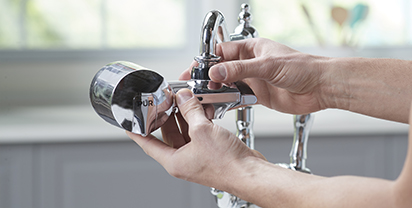
Contaminant Comparison Chart

For a complete list of contaminants that PUR filters reduce, please view our Performance Data Sheets here.


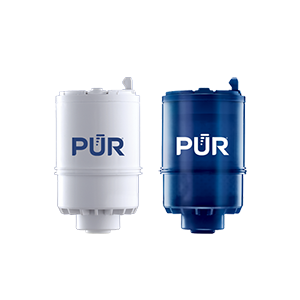
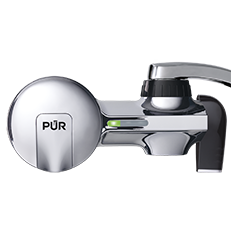
PUR & PUR PLUS FAUCET FILTERS
RF3375/RF9999

View Filters

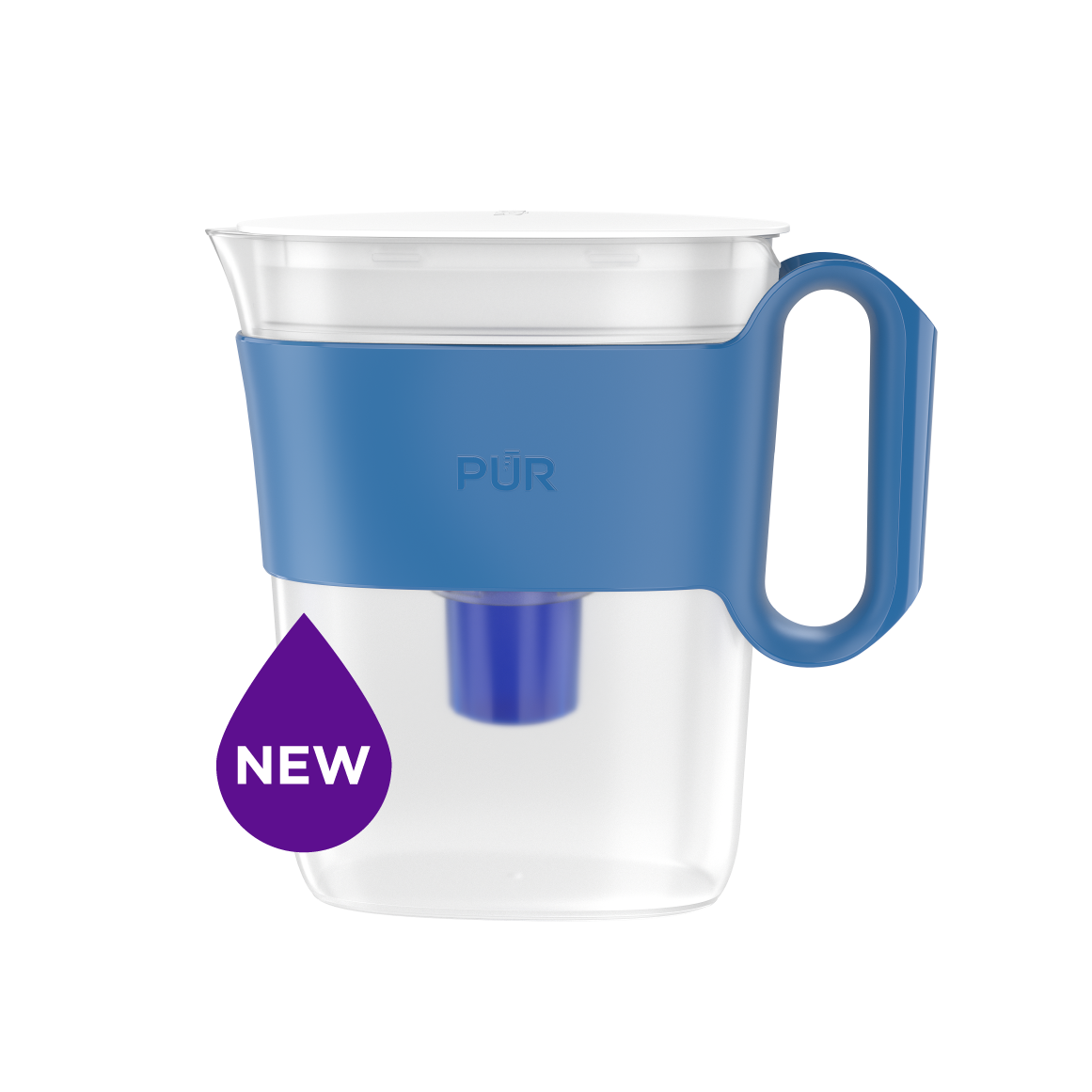
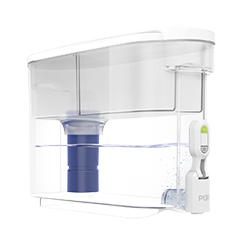
PUR PLUS PITCHER FILTERS
PPF951K

View Filter

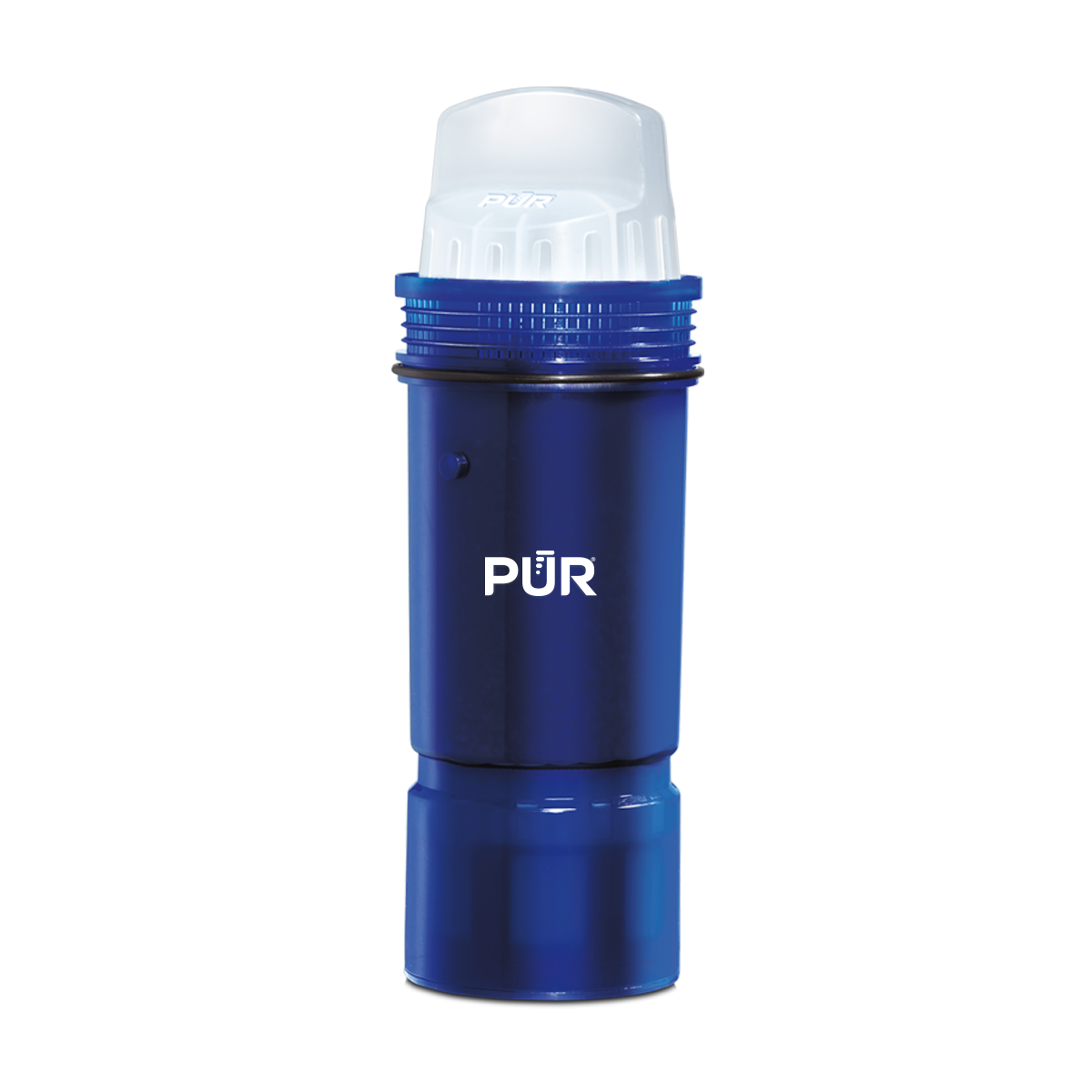
PUR BASIC PITCHER FILTERS
PPF900Z

View Filter


Vs. Brita*

Lead
Microplastics
Mercury
Chlorine Taste & Odor
DEET
TTHM

PUR’s Filtration Systems Are Certified By NSF And WQA For Their Contamination Reduction. WQA certifications as of 5/27/21 for Faucet filter models RF-3375 and RF-9999.

¹ Certified to reduce 10X more chemical and physical substances than Brita’s® leading pitcher filter.
² Certified to reduce 3X more chemical and physical substances than Brita’s® leading pitcher filter.
³ Certified to reduce 2X more chemical and physical substances than Brita’s® leading pitcher filter.
*Versus best-selling Brita® pitcher filter OB03. Brita® is a trademark of Brita LP.
**Like other leading brands, PUR does not filter microbes. As of 3/1/23 Brita® and ZeroWater® were not certified to filter microbes. Brita® is a trademark of Brita LP. ZeroWater® is a trademark of Zero Technologies, LLC..
 

PUR & PUR PLUS FAUCET FILTERS


PUR & PUR PLUS FAUCET FILTERS
RF3375/RF9999

View Filters


Vs. Brita*

Lead
Microplastics
Mercury
Chlorine Taste & Odor
DEET
TTHM

PUR’s Filtration Systems Are Certified By NSF And WQA For Their Contamination Reduction. WQA certifications as of 5/27/21 for Faucet filter models RF-3375 and RF-9999.

¹ Certified to reduce 10X more chemical and physical substances than Brita’s® leading pitcher filter.
² Certified to reduce 3X more chemical and physical substances than Brita’s® leading pitcher filter.
³ Certified to reduce 2X more chemical and physical substances than Brita’s® leading pitcher filter.
*Versus best-selling Brita® pitcher filter OB03. Brita® is a trademark of Brita LP.
**Like other leading brands, PUR does not filter microbes. As of 3/1/23 Brita® and ZeroWater® were not certified to filter microbes. Brita® is a trademark of Brita LP. ZeroWater® is a trademark of Zero Technologies, LLC..


PUR PLUS PITCHER FILTERS


PUR PLUS PITCHER FILTERS
PPF951K

View Filter


Vs. Brita*

Lead
Microplastics
Mercury
Chlorine Taste & Odor
DEET
TTHM

PUR’s Filtration Systems Are Certified By NSF And WQA For Their Contamination Reduction. WQA certifications as of 5/27/21 for Faucet filter models RF-3375 and RF-9999.

¹ Certified to reduce 10X more chemical and physical substances than Brita’s® leading pitcher filter.
² Certified to reduce 3X more chemical and physical substances than Brita’s® leading pitcher filter.
³ Certified to reduce 2X more chemical and physical substances than Brita’s® leading pitcher filter.
*Versus best-selling Brita® pitcher filter OB03. Brita® is a trademark of Brita LP.
**Like other leading brands, PUR does not filter microbes. As of 3/1/23 Brita® and ZeroWater® were not certified to filter microbes. Brita® is a trademark of Brita LP. ZeroWater® is a trademark of Zero Technologies, LLC..


PUR BASIC PITCHER FILTERS


PUR BASIC PITCHER FILTERS
PPF900Z

View Filter


Vs. Brita*

Lead
Microplastics
Mercury
Chlorine Taste & Odor
DEET
TTHM

PUR’s Filtration Systems Are Certified By NSF And WQA For Their Contamination Reduction. WQA certifications as of 5/27/21 for Faucet filter models RF-3375 and RF-9999.

¹ Certified to reduce 10X more chemical and physical substances than Brita’s® leading pitcher filter.
² Certified to reduce 3X more chemical and physical substances than Brita’s® leading pitcher filter.
³ Certified to reduce 2X more chemical and physical substances than Brita’s® leading pitcher filter.
*Versus best-selling Brita® pitcher filter OB03. Brita® is a trademark of Brita LP.
**Like other leading brands, PUR does not filter microbes. As of 3/1/23 Brita® and ZeroWater® were not certified to filter microbes. Brita® is a trademark of Brita LP. ZeroWater® is a trademark of Zero Technologies, LLC..


Top 10 Manual Coffee Grinder Stainless Steel for Global Buyers?

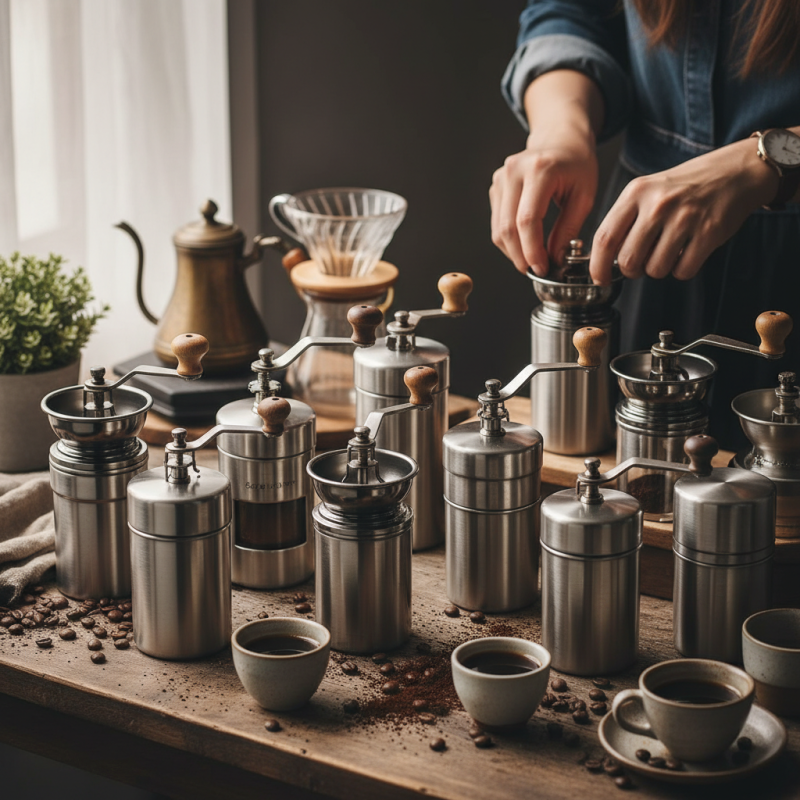
In the world of coffee enthusiasts, the Manual Coffee Grinder Stainless Steel stands out as a vital tool. Renowned expert Dr. Emily Brewster, an authority in coffee technology, once said, "A great grind is key to a great cup." This highlights the importance of a quality grinder in brewing the perfect coffee.

The Manual Coffee Grinder Stainless Steel combines durability and efficiency. Its sleek design appeals to both professionals and home brewers. Many users appreciate the control it offers. While electric grinders seem convenient, they can lack the nuanced flavors that a manual grinder can extract. This intimate brewing experience allows for precise adjustments, leading to a richer coffee profile.

However, not all manual grinders are created equal. Some users report inconsistencies in grind size. Others find the process tedious. These challenges remind us that finding the right manual grinder is a journey. Exploring different models can lead to surprising discoveries. Investing time to choose wisely often pays off in flavor and satisfaction.

Top 10 Manual Coffee Grinder Stainless Steel for Global Buyers?

Overview of Manual Coffee Grinders: Benefits and Features

Manual coffee grinders offer several advantages for coffee enthusiasts. They provide control over the grind size, allowing users to tailor the consistency to their brewing method. This precision is critical for extraction. A uniform grind leads to a better taste. Many grinders also feature adjustable settings. This feature suits different brewing styles, from espresso to French press.

Stainless steel construction adds durability and a modern touch. It resists rust and wear, promising long-term use. The materials used in manual grinders can affect flavor. Stainless steel does not impart unwanted tastes. There's also something satisfying about hand grinding coffee. It creates a ritual that enhances the coffee experience.

However, using a manual grinder may not be for everyone. It requires more effort compared to electric grinders. Some users might find it time-consuming. Additionally, the grinding process can be noisy. While these grinders are reliable, they might not meet the needs of busy lifestyles. Finding the right balance between convenience and quality can be challenging. Yet, for those who appreciate the craft, manual grinders offer unmatched benefits.

Key Factors to Consider When Choosing Stainless Steel Coffee Grinders

When selecting a stainless steel coffee grinder, multiple factors play a crucial role. Grinding consistency is vital; a good grind size directly impacts coffee extraction. Studies indicate that a uniform grind can enhance flavor extraction by up to 25%. However, many manual grinders can struggle to achieve this, often leading to uneven particle sizes.

Ease of use is another important consideration. A grinder should feel comfortable during operation. Many users report wrist fatigue after prolonged use. Stability is another aspect. Some models may slip on surfaces, leading to a frustrating experience. Opting for a grinder with a solid base can alleviate this issue. Notably, only 40% of users report that they are satisfied with the build quality of their grinders, suggesting room for improvement.

Lastly, maintenance is often overlooked. A grinder that disassembles easily will be simpler to clean. Residue buildup can significantly alter flavor profiles. In fact, studies show that 70% of coffee enthusiasts experience off-flavors due to poor grinder maintenance. A reliable grinder should offer a balance between performance and ease of care.

Top 10 Manual Coffee Grinder Stainless Steel Popularity

Top 10 Manual Coffee Grinders: Comprehensive Reviews and Comparisons

When it comes to coffee, the grind matters significantly. A manual coffee grinder offers control over grind size and freshness. Studies show that unevenly ground coffee can lead to inconsistent extraction, affecting flavor. A report from the Specialty Coffee Association highlights that 80% of coffee enthusiasts prefer manual grinding for its precision and ritualistic experience.

Choosing the right manual coffee grinder involves evaluating materials and design. Stainless steel grinders are popular due to their durability and resistance to corrosion. Many models come with adjustable settings, allowing users to tailor grind size for various brewing methods. However, not all grinders are created equal, and user reviews often reveal potential issues with grind consistency and ease of use.

Tip: Always clean your grinder regularly to maintain flavor integrity. Residual oils from past grinds can alter the taste of your coffee. Additionally, consider the weight and size for portability, especially if you travel. The craftsmanship of a grinder can reveal the dedication to the coffee-making process, contributing to a more satisfying cup.

User Experiences: Feedback on Popular Stainless Steel Coffee Grinders

Users often share their thoughts on stainless steel manual coffee grinders, highlighting both pros and cons. Many appreciate the durability of stainless steel. Its resistance to wear makes it ideal for daily use. Feedback shows that users enjoy the consistency in grind size. A consistent grind is crucial for brewing quality coffee. However, some users find the grinding process labor-intensive. They mention that it requires more effort compared to electric grinders.

Another common point raised is the ease of cleaning. Stainless steel grinders are generally easy to maintain, which is a plus for busy coffee enthusiasts. Users note that a quick rinse usually suffices. Yet, some report that the design can trap coffee grounds, making thorough cleaning challenging. This feedback opens a discussion about improving grinder designs for better functionality.

Finally, many users reflect on their experience with the grind's texture. While some prefer a fine grind, others enjoy coarser options for different brewing methods. This variety can sometimes create confusion. It also highlights the need for more guide resources. Users ultimately desire tools that accommodate their preferences while providing reliable performance.

Maintenance Tips for Prolonging the Life of Your Coffee Grinder

Maintaining your manual coffee grinder can extend its life significantly. Regular cleaning is essential. After each use, detach the grinder's parts and brush off coffee residue. This prevents old grounds from affecting the flavor of your coffee. Use a soft, dry cloth to wipe down the exterior.

Over time, the grinding mechanism may wear. Ensure to inspect it regularly. If you notice any unusual sounds or grinding difficulties, consider taking it apart for a thorough check. Tighten screws if they seem loose. Avoid using excessive force when grinding.

Storing your grinder properly also matters. Keep it in a dry place to avoid rust. Moisture can damage stainless steel over time. A dedicated storage bag can help protect it from dust. Remember, improper care can lead to unexpected issues, like uneven grind sizes. Regular attention pays off in great-tasting coffee.