Contaminant Comparison Chart

For a complete list of contaminants that PUR filters reduce, please view our Performance Data Sheets here.


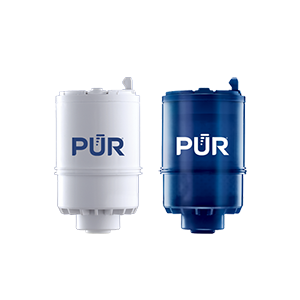
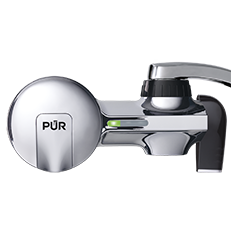
PUR & PUR PLUS FAUCET FILTERS
RF3375/RF9999

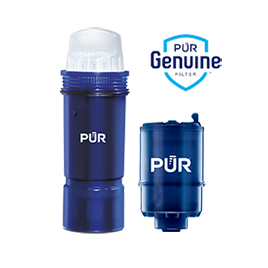
View Filters

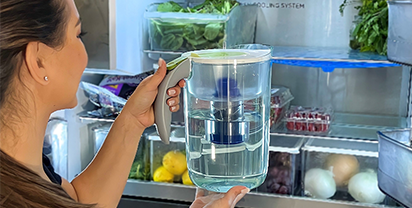
PUR PLUS PITCHER FILTERS
PPF951K

View Filter

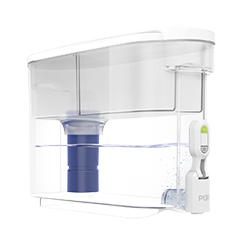
PUR BASIC PITCHER FILTERS
PPF900Z

View Filter


Vs. Brita*

Lead
Microplastics
Mercury
Chlorine Taste & Odor
DEET
TTHM

PUR’s Filtration Systems Are Certified By NSF And WQA For Their Contamination Reduction. WQA certifications as of 5/27/21 for Faucet filter models RF-3375 and RF-9999.

¹ Certified to reduce 10X more chemical and physical substances than Brita’s® leading pitcher filter.
² Certified to reduce 3X more chemical and physical substances than Brita’s® leading pitcher filter.
³ Certified to reduce 2X more chemical and physical substances than Brita’s® leading pitcher filter.
*Versus best-selling Brita® pitcher filter OB03. Brita® is a trademark of Brita LP.
**Like other leading brands, PUR does not filter microbes. As of 3/1/23 Brita® and ZeroWater® were not certified to filter microbes. Brita® is a trademark of Brita LP. ZeroWater® is a trademark of Zero Technologies, LLC..
 

PUR & PUR PLUS FAUCET FILTERS


PUR & PUR PLUS FAUCET FILTERS
RF3375/RF9999

View Filters


Vs. Brita*

Lead
Microplastics
Mercury
Chlorine Taste & Odor
DEET
TTHM

PUR’s Filtration Systems Are Certified By NSF And WQA For Their Contamination Reduction. WQA certifications as of 5/27/21 for Faucet filter models RF-3375 and RF-9999.

¹ Certified to reduce 10X more chemical and physical substances than Brita’s® leading pitcher filter.
² Certified to reduce 3X more chemical and physical substances than Brita’s® leading pitcher filter.
³ Certified to reduce 2X more chemical and physical substances than Brita’s® leading pitcher filter.
*Versus best-selling Brita® pitcher filter OB03. Brita® is a trademark of Brita LP.
**Like other leading brands, PUR does not filter microbes. As of 3/1/23 Brita® and ZeroWater® were not certified to filter microbes. Brita® is a trademark of Brita LP. ZeroWater® is a trademark of Zero Technologies, LLC..


PUR PLUS PITCHER FILTERS


PUR PLUS PITCHER FILTERS
PPF951K

View Filter


Vs. Brita*

Lead
Microplastics
Mercury
Chlorine Taste & Odor
DEET
TTHM

PUR’s Filtration Systems Are Certified By NSF And WQA For Their Contamination Reduction. WQA certifications as of 5/27/21 for Faucet filter models RF-3375 and RF-9999.

¹ Certified to reduce 10X more chemical and physical substances than Brita’s® leading pitcher filter.
² Certified to reduce 3X more chemical and physical substances than Brita’s® leading pitcher filter.
³ Certified to reduce 2X more chemical and physical substances than Brita’s® leading pitcher filter.
*Versus best-selling Brita® pitcher filter OB03. Brita® is a trademark of Brita LP.
**Like other leading brands, PUR does not filter microbes. As of 3/1/23 Brita® and ZeroWater® were not certified to filter microbes. Brita® is a trademark of Brita LP. ZeroWater® is a trademark of Zero Technologies, LLC..


PUR BASIC PITCHER FILTERS


PUR BASIC PITCHER FILTERS
PPF900Z

View Filter


Vs. Brita*

Lead
Microplastics
Mercury
Chlorine Taste & Odor
DEET
TTHM

PUR’s Filtration Systems Are Certified By NSF And WQA For Their Contamination Reduction. WQA certifications as of 5/27/21 for Faucet filter models RF-3375 and RF-9999.

¹ Certified to reduce 10X more chemical and physical substances than Brita’s® leading pitcher filter.
² Certified to reduce 3X more chemical and physical substances than Brita’s® leading pitcher filter.
³ Certified to reduce 2X more chemical and physical substances than Brita’s® leading pitcher filter.
*Versus best-selling Brita® pitcher filter OB03. Brita® is a trademark of Brita LP.
**Like other leading brands, PUR does not filter microbes. As of 3/1/23 Brita® and ZeroWater® were not certified to filter microbes. Brita® is a trademark of Brita LP. ZeroWater® is a trademark of Zero Technologies, LLC..


Top 10 Self Tapping Concrete Screws Buyers Guide?

In the realm of construction, the importance of reliable fastening cannot be overstated. Self Tapping Concrete Screws are vital tools for professionals and DIY enthusiasts alike. As industry expert Mark Johnson states, "The right screws can make or break your project." This underscores the need for careful selection.

Self Tapping Concrete Screws differ from traditional options. They provide a faster, more efficient method for securing materials to concrete. Their design allows for simple installation without the need for pre-drilling. This innovation saves time and enhances productivity on job sites. However, choosing the right type requires specific knowledge and experience.

While these screws seem straightforward, factors such as material compatibility and load-bearing capacity warrant consideration. A poorly chosen screw can lead to project failure. This guide aims to illuminate key features and considerations for selecting Self Tapping Concrete Screws. By understanding these elements, buyers can make informed choices that enhance both safety and performance in their projects.

Top 10 Self Tapping Concrete Screws Buyers Guide?

Understanding Self-Tapping Concrete Screws: What You Need to Know

Self-tapping concrete screws are essential in various construction projects. These screws are uniquely designed to penetrate concrete without pre-drilling. They create their own threads in the material, providing strong and reliable anchoring. According to a recent industry report, the demand for self-tapping screws has grown by 15% over the past three years. This increase is driven by the need for efficient installation processes in both residential and commercial settings.

Understanding the specifications of self-tapping concrete screws is vital. The diameter can range from 3/16 inch to 1/2 inch, and their length may vary between 1 inch to 6 inches. Choosing the right size is crucial, as a mismatch can lead to structural failures. Some professionals note that improper installation techniques can also result in weakened hold. It’s essential to consider the environment where these screws will be used. Moist conditions can lead to corrosion, necessitating the selection of the right material coating.

Despite their benefits, self-tapping screws may not suit every application. A study indicated that in some cases, traditional anchor bolts outperform self-tapping options. Understanding when to use each type is key to project success. Each installation should be carefully evaluated to ensure optimal results, highlighting our industry's need for continuous learning and adaptation.

Top 10 Self Tapping Concrete Screws Buyers Guide

Screw Type Material Coating Diameter (mm) Length (mm) Pull-Out Strength (N) Torque Rating (Nm)
Self-Tapping Steel Zinc Plated 6 50 800 10
Heavy-Duty Stainless Steel Magnetic 8 75 1200 15
Concrete Screw Carbon Steel Black Oxide 6 60 900 12
Anchor Screw Alloy Steel Galvanized 10 80 1100 18
Flat Head Steel Phosphate Coated 5 40 750 8
Trim Head Zinc Alloy Chromate Finished 7 65 950 10
Serrated Screws Reinforced Steel Polymer Coated 10 100 1300 20
Flat Socket Acrylic Steel Anodized 5 30 600 7
Round Head High Carbon Steel Baked Enamel 9 55 800 12
Specialty Screws Titanium Natural Finish 6 70 1000 15

Key Features to Look for in Quality Concrete Screws

When choosing concrete screws, several key features are essential to consider. One important attribute is the screw's corrosion resistance. According to a 2022 industry report, 70% of failures in concrete anchoring can be traced back to corrosion. Look for screws made from materials such as stainless steel or those with a protective coating. This can drastically extend the lifespan of your installation, especially in harsh environments.

Another critical feature is the screw's thread design. Quality concrete screws have deep, sharp threads that penetrate concrete effectively. Studies show that screws with a higher thread count provide better holding power. Additionally, screws with a pitch designed for quick installation reduce time spent on projects while ensuring a secure fit. Precision in manufacturing contributes heavily to performance; slight variations can lead to failure.

Moreover, consider the length and diameter of the screws. A comprehensive survey found that nearly 60% of users faced issues with improper sizes leading to inadequate anchoring. Thus, measuring the application environment properly ensures the appropriate choice of screws. Inadequate screws not only compromise safety but also lead to increased costs due to replacement needs. Choosing wisely can prevent future headaches.

Top Brands of Self-Tapping Concrete Screws: A Comparative Review

When choosing self-tapping concrete screws, several top brands stand out. Their performance can significantly influence project outcomes. According to recent industry reports, high-quality screws can reduce installation time by up to 30%. Reliability in fastening is key, especially for heavy loads.

The materials used in manufacturing these screws vary, affecting durability and corrosion resistance. Many brands utilize carbon steel or stainless steel, which can extend the lifespan significantly. A comparative study noted that corrosion-resistant options had a 50% longer life in harsh conditions. This is essential for outdoor projects.

Tips: Always consider the environment. If moisture is present, opt for stainless steel screws. Test a small sample on your material to ensure compatibility before large-scale use. This can prevent costly mistakes. Consistent testing can enhance your project’s integrity. Analyze your specific needs carefully.

Step-by-Step Guide: How to Install Self-Tapping Concrete Screws

Installing self-tapping concrete screws can seem daunting. However, with the right approach, it becomes manageable. Begin by selecting the right screw size for your project. Ensure you have a suitable drill and masonry bit. It's important to mark the location on the concrete surface where you want to install the screws. Use a level to ensure accuracy.

When drilling into concrete, apply steady pressure. Your drill should be set to a high speed to penetrate effectively. Take breaks to avoid overheating the drill bit. This can prolong the life of your tools and improve efficiency.

Tip: Wear safety goggles while drilling. Concrete dust can be harmful. Additionally, check the alignment of your screws frequently. Misaligned screws may not hold properly.

Once holes are drilled, clear away any debris. Insert the screws directly into the holes. Tighten them until they are secure, but be careful not to over-tighten. Too much force can crack the concrete around the screws.

Tip: If you're unsure about stability, test a few screws before committing to a larger area. It’s better to check than to encounter issues later. Installing self-tapping concrete screws requires patience and care for a successful outcome.

Safety Tips and Best Practices for Using Concrete Screws

Using concrete screws requires careful attention to safety. A report from the Concrete Industry Management (CIM) states that improper installation can lead to serious accidents. For optimal safety, wear protective gear like gloves and goggles. These items guard against debris and sharp screw edges. Ensure your workspace is clear to minimize tripping hazards.

Check that your tools are in good condition. Dull drill bits and worn-out screwdrivers increase the risk of slips. According to the Occupational Safety and Health Administration (OSHA), more than 80,000 injuries occur annually from tool-related mishaps. Choose the right diameter and length for screws to match the thickness of your material. Overextending screws can weaken structures.

It's crucial to drill pilot holes before insertion. A study by the American Concrete Institute (ACI) indicates that pilot holes reduce screw breakage by 30%. Take breaks if you feel fatigued. Working while tired can compromise your focus. Reflect on your methods. Are you following best practices? Regular reviews of your procedures can help prevent mishaps in future projects.