Contaminant Comparison Chart

For a complete list of contaminants that PUR filters reduce, please view our Performance Data Sheets here.


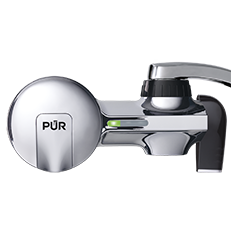
PUR & PUR PLUS FAUCET FILTERS
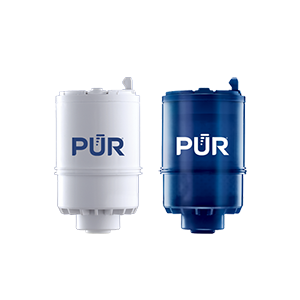
RF3375/RF9999

View Filters

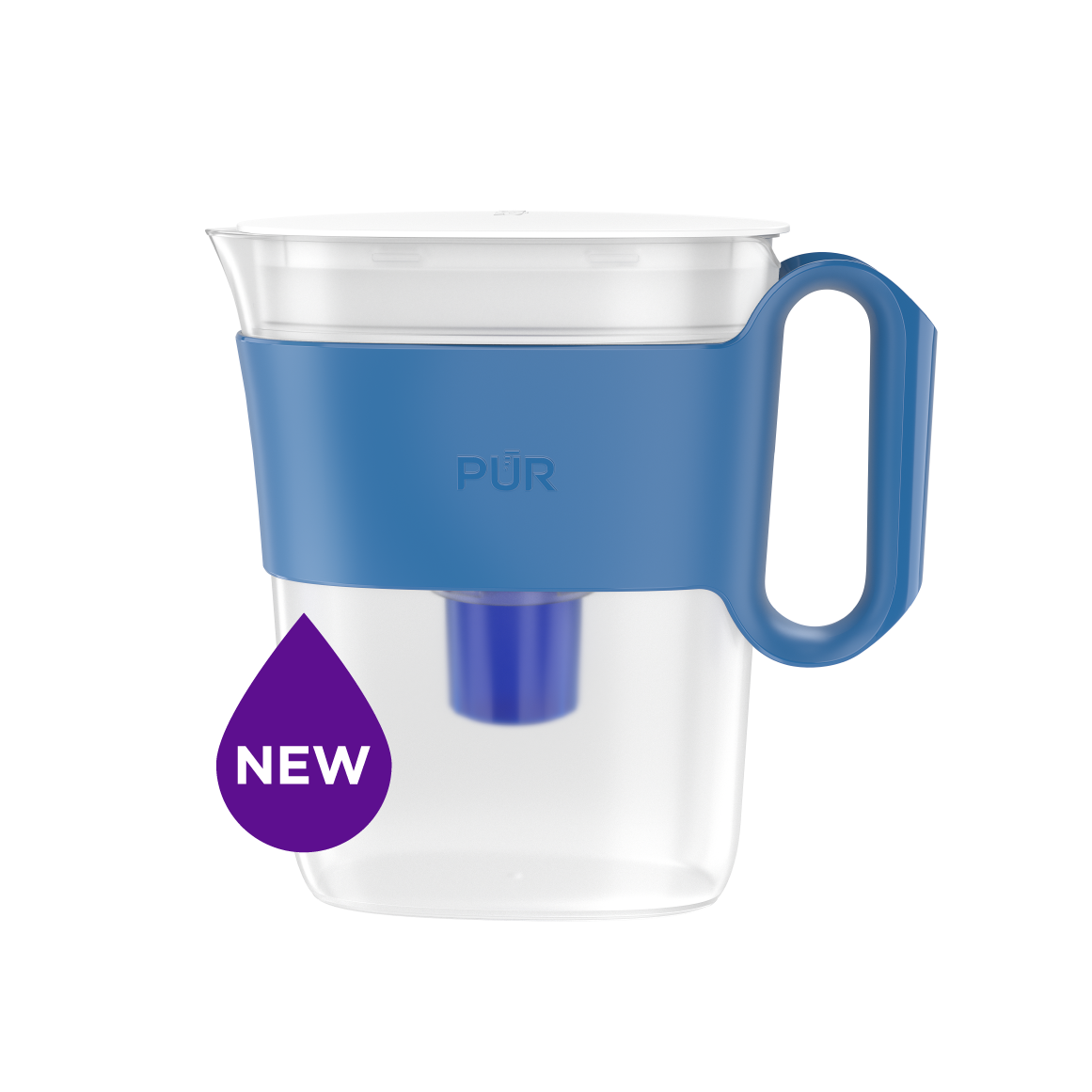
PUR PLUS PITCHER FILTERS
PPF951K

View Filter

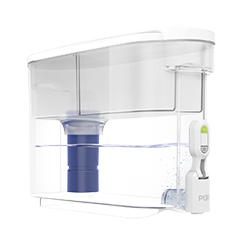
PUR BASIC PITCHER FILTERS
PPF900Z

View Filter


Vs. Brita*

Lead
Microplastics
Mercury
Chlorine Taste & Odor
DEET
TTHM

PUR’s Filtration Systems Are Certified By NSF And WQA For Their Contamination Reduction. WQA certifications as of 5/27/21 for Faucet filter models RF-3375 and RF-9999.

¹ Certified to reduce 10X more chemical and physical substances than Brita’s® leading pitcher filter.
² Certified to reduce 3X more chemical and physical substances than Brita’s® leading pitcher filter.
³ Certified to reduce 2X more chemical and physical substances than Brita’s® leading pitcher filter.
*Versus best-selling Brita® pitcher filter OB03. Brita® is a trademark of Brita LP.
**Like other leading brands, PUR does not filter microbes. As of 3/1/23 Brita® and ZeroWater® were not certified to filter microbes. Brita® is a trademark of Brita LP. ZeroWater® is a trademark of Zero Technologies, LLC..
 

PUR & PUR PLUS FAUCET FILTERS


PUR & PUR PLUS FAUCET FILTERS
RF3375/RF9999

View Filters


Vs. Brita*

Lead
Microplastics
Mercury
Chlorine Taste & Odor
DEET
TTHM

PUR’s Filtration Systems Are Certified By NSF And WQA For Their Contamination Reduction. WQA certifications as of 5/27/21 for Faucet filter models RF-3375 and RF-9999.

¹ Certified to reduce 10X more chemical and physical substances than Brita’s® leading pitcher filter.
² Certified to reduce 3X more chemical and physical substances than Brita’s® leading pitcher filter.
³ Certified to reduce 2X more chemical and physical substances than Brita’s® leading pitcher filter.
*Versus best-selling Brita® pitcher filter OB03. Brita® is a trademark of Brita LP.
**Like other leading brands, PUR does not filter microbes. As of 3/1/23 Brita® and ZeroWater® were not certified to filter microbes. Brita® is a trademark of Brita LP. ZeroWater® is a trademark of Zero Technologies, LLC..
 

PUR PLUS PITCHER FILTERS


PUR PLUS PITCHER FILTERS
PPF951K

View Filter


Vs. Brita*

Lead
Microplastics
Mercury
Chlorine Taste & Odor
DEET
TTHM

PUR’s Filtration Systems Are Certified By NSF And WQA For Their Contamination Reduction. WQA certifications as of 5/27/21 for Faucet filter models RF-3375 and RF-9999.

¹ Certified to reduce 10X more chemical and physical substances than Brita’s® leading pitcher filter.
² Certified to reduce 3X more chemical and physical substances than Brita’s® leading pitcher filter.
³ Certified to reduce 2X more chemical and physical substances than Brita’s® leading pitcher filter.
*Versus best-selling Brita® pitcher filter OB03. Brita® is a trademark of Brita LP.
**Like other leading brands, PUR does not filter microbes. As of 3/1/23 Brita® and ZeroWater® were not certified to filter microbes. Brita® is a trademark of Brita LP. ZeroWater® is a trademark of Zero Technologies, LLC..
 

PUR BASIC PITCHER FILTERS


PUR BASIC PITCHER FILTERS
PPF900Z

View Filter


Vs. Brita*

Lead
Microplastics
Mercury
Chlorine Taste & Odor
DEET
TTHM

PUR’s Filtration Systems Are Certified By NSF And WQA For Their Contamination Reduction. WQA certifications as of 5/27/21 for Faucet filter models RF-3375 and RF-9999.

¹ Certified to reduce 10X more chemical and physical substances than Brita’s® leading pitcher filter.
² Certified to reduce 3X more chemical and physical substances than Brita’s® leading pitcher filter.
³ Certified to reduce 2X more chemical and physical substances than Brita’s® leading pitcher filter.
*Versus best-selling Brita® pitcher filter OB03. Brita® is a trademark of Brita LP.
**Like other leading brands, PUR does not filter microbes. As of 3/1/23 Brita® and ZeroWater® were not certified to filter microbes. Brita® is a trademark of Brita LP. ZeroWater® is a trademark of Zero Technologies, LLC..
 

Top 10 Tips for Choosing the Best Home Filtration System for Clean Water

In today's world, access to clean and safe drinking water is more crucial than ever. As contamination risks rise, many homeowners are turning to home filtration systems as a reliable solution. According to Dr. Emily Carter, a leading expert in water quality and purification, “The right home filtration system can significantly enhance the safety and taste of your drinking water.” With numerous options available on the market, choosing the best system tailored to your needs can be overwhelming.

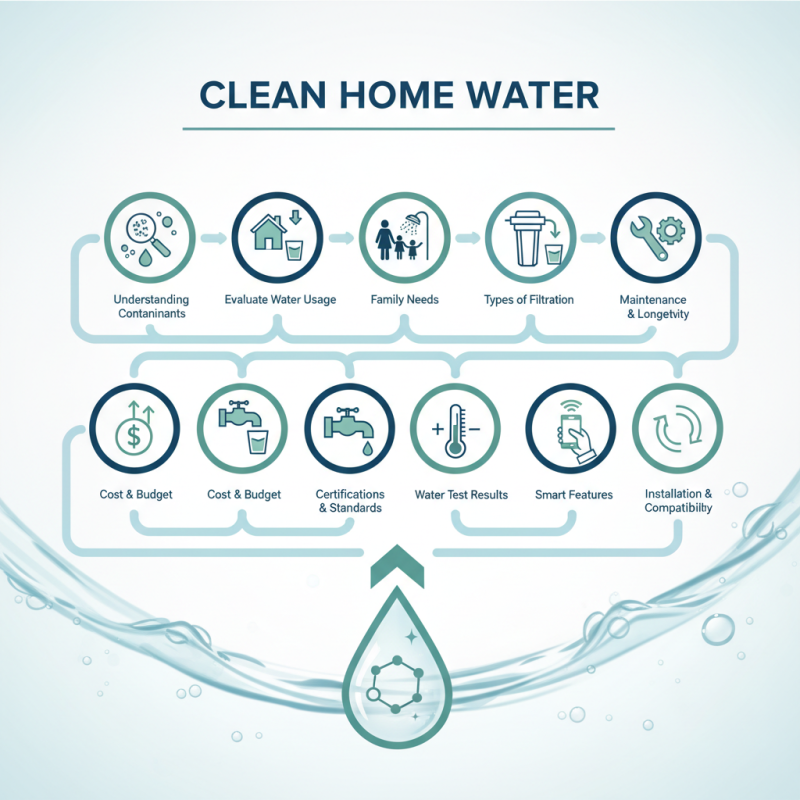
In this guide, we will explore the top ten tips to help you make an informed decision regarding home filtration systems. From understanding the different types of contaminants to evaluating water usage and family needs, these insights will equip you with the knowledge necessary to select a system that ensures not only the purity of your water but also the well-being of your family. Join us as we delve into the essential considerations that will lead you to the most suitable home filtration solution.

Top 10 Tips for Choosing the Best Home Filtration System for Clean Water

Understanding the Importance of Home Water Filtration Systems

Top 10 Tips for Choosing the Best Home Filtration System for Clean Water

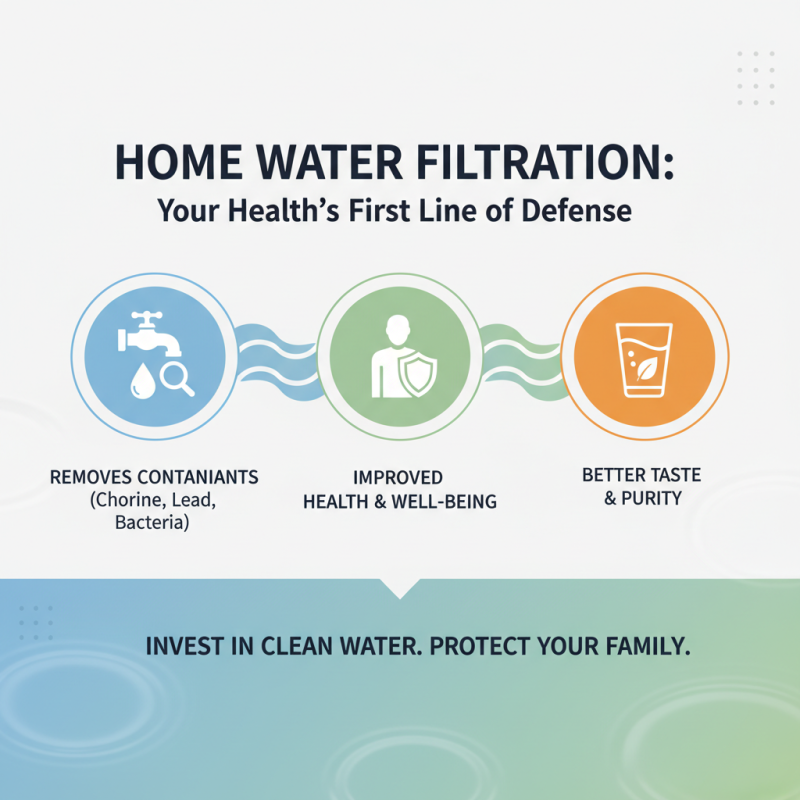
Understanding the importance of home water filtration systems cannot be overstated, especially in today’s world where contaminants are increasingly present in our water sources. These systems serve as a crucial barrier, helping to remove impurities such as chlorine, lead, heavy metals, and bacteria, which can negatively impact both health and taste. Clean water is essential for daily activities, from cooking and drinking to bathing. By investing in a home water filtration system, homeowners can ensure that their families are consuming safe and healthy water, thus reducing the risk of waterborne illnesses and supporting overall well-being.

Moreover, the significance of home water filtration extends beyond personal health; it also contributes to environmental sustainability. Many plastic bottles and single-use containers pollute our planet, and by opting for a filtration system, individuals can significantly reduce their reliance on bottled water. This not only minimizes plastic waste but also conserves resources associated with the production and distribution of these products. Additionally, a home filtration system can improve the taste and odor of tap water, encouraging more people to drink water as a healthier alternative to sugary beverages. Embracing a filtration system is a positive step toward both personal health and environmental stewardship.

Key Factors to Consider When Choosing a Filtration System

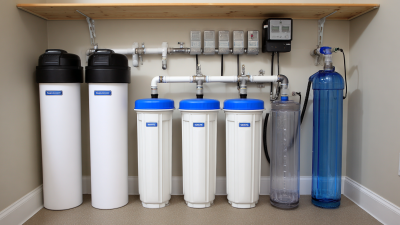
When choosing a home filtration system, several key factors should be considered to ensure that you select the best option for your needs. First and foremost, assess the specific contaminants present in your water supply. Conduct a water quality test to determine whether you need to filter out chlorine, lead, sediment, or other impurities. This will help narrow down the types of filtration systems suitable for your home, such as activated carbon filters, reverse osmosis systems, or UV purifiers, each addressing different contaminants effectively.

Another critical factor is the system's capacity and flow rate. Depending on the size of your household and water consumption patterns, you may require a system that handles higher volumes of water without compromising pressure. Additionally, consider the maintenance requirements and filter replacement frequency of the systems you are evaluating. Some systems may require regular maintenance and filter changes, which can add to the overall cost and effort. By weighing these factors, you can make an informed decision that ensures you have access to clean, safe drinking water tailored to your specific needs.

Types of Water Filtration Systems and Their Effectiveness

Top 10 Tips for Choosing the Best Home Filtration System for Clean Water

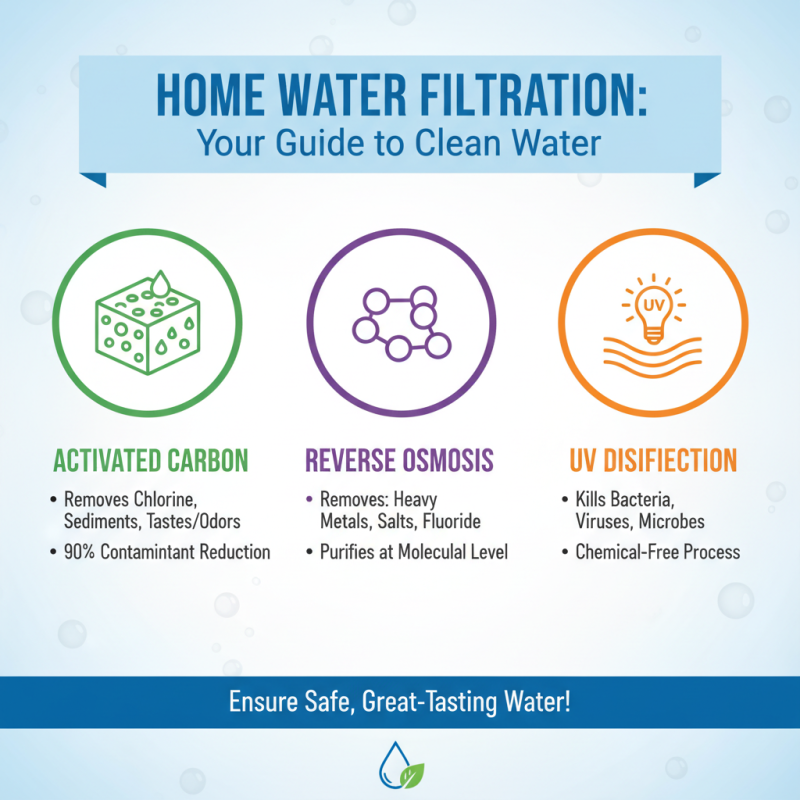
When considering a home water filtration system, understanding the various types and their effectiveness is crucial for ensuring clean and safe drinking water. The most common types of filtration systems include activated carbon filters, reverse osmosis units, and UV disinfection systems. According to a report by the Water Quality Association, activated carbon filters are highly effective for removing chlorine, sediments, and unpleasant tastes or odors from water. They can reduce the concentration of contaminants by more than 90% in some cases, making them a popular choice for homeowners.

Reverse osmosis systems are known for their ability to remove a wide range of impurities, including heavy metals and dissolved solids. A study by the American Water Works Association indicates that reverse osmosis can eliminate 95% to 98% of total dissolved solids (TDS), making it one of the most effective filtration methods available. Additionally, UV disinfection systems are gaining traction for their ability to neutralize microorganisms without the use of chemicals. Research by the Centers for Disease Control and Prevention has shown that UV light can effectively inactivate bacteria and viruses, providing an additional layer of protection for households relying on untreated water sources. Each of these systems addresses specific contaminants, making it important for homeowners to analyze their water quality before making a decision.

Assessing Water Quality: Testing and Identifying Contaminants

When selecting a home filtration system, assessing water quality is a crucial first step. Begin by testing your water to identify any contaminants present. Home testing kits are widely available and can help detect common issues such as excessive chlorine, lead, or bacteria. Understanding the specific contaminants in your water supply allows you to choose a filtration system that effectively addresses your needs and provides safe, clean drinking water.

After conducting water tests, it’s essential to interpret the results accurately. Contaminant levels can vary significantly depending on factors such as location and environmental conditions. It's important to familiarize yourself with the permissible limits set by health authorities and to understand the potential health effects of each contaminant. Consulting with local water quality resources can provide additional context and guide you toward the right filtration solution tailored to your specific water challenges.

Ultimately, thorough testing and a clear understanding of your water quality will ensure you invest in an effective home filtration system.

Cost Analysis: Budgeting for Purchase and Maintenance of Systems

When considering a home filtration system, it's crucial to conduct a thorough cost analysis that goes beyond the initial purchase price. While the upfront investment may seem manageable, potential buyers should also account for the long-term maintenance expenses. Filters typically require regular replacement, which can range from monthly to annually, depending on the system type and water quality. Furthermore, the cost of professional installation or repairs should also be factored into your budget, as these services can add substantial costs over time.

In addition to maintenance costs, consumers should consider the overall efficiency and lifespan of the filtration system. A more expensive system may offer greater durability and higher filtration quality, leading to savings in replacement parts and reduced water bills. It’s also wise to investigate any warranty or service agreements offered, as these can provide added value and protection against unforeseen expenses.

By taking a comprehensive approach to budgeting for both the initial and ongoing costs, homeowners can make informed decisions that ensure clean, safe water for years to come.