
Contaminant Comparison Chart

For a complete list of contaminants that PUR filters reduce, please view our Performance Data Sheets here.


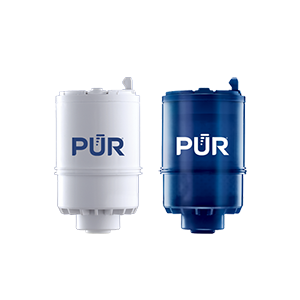
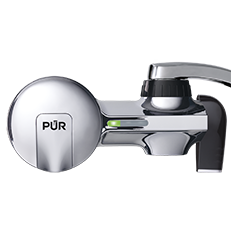
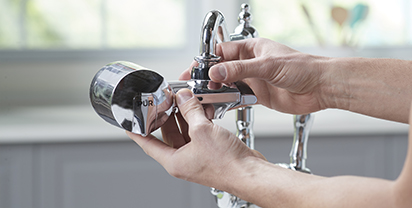
PUR & PUR PLUS FAUCET FILTERS
RF3375/RF9999

View Filters

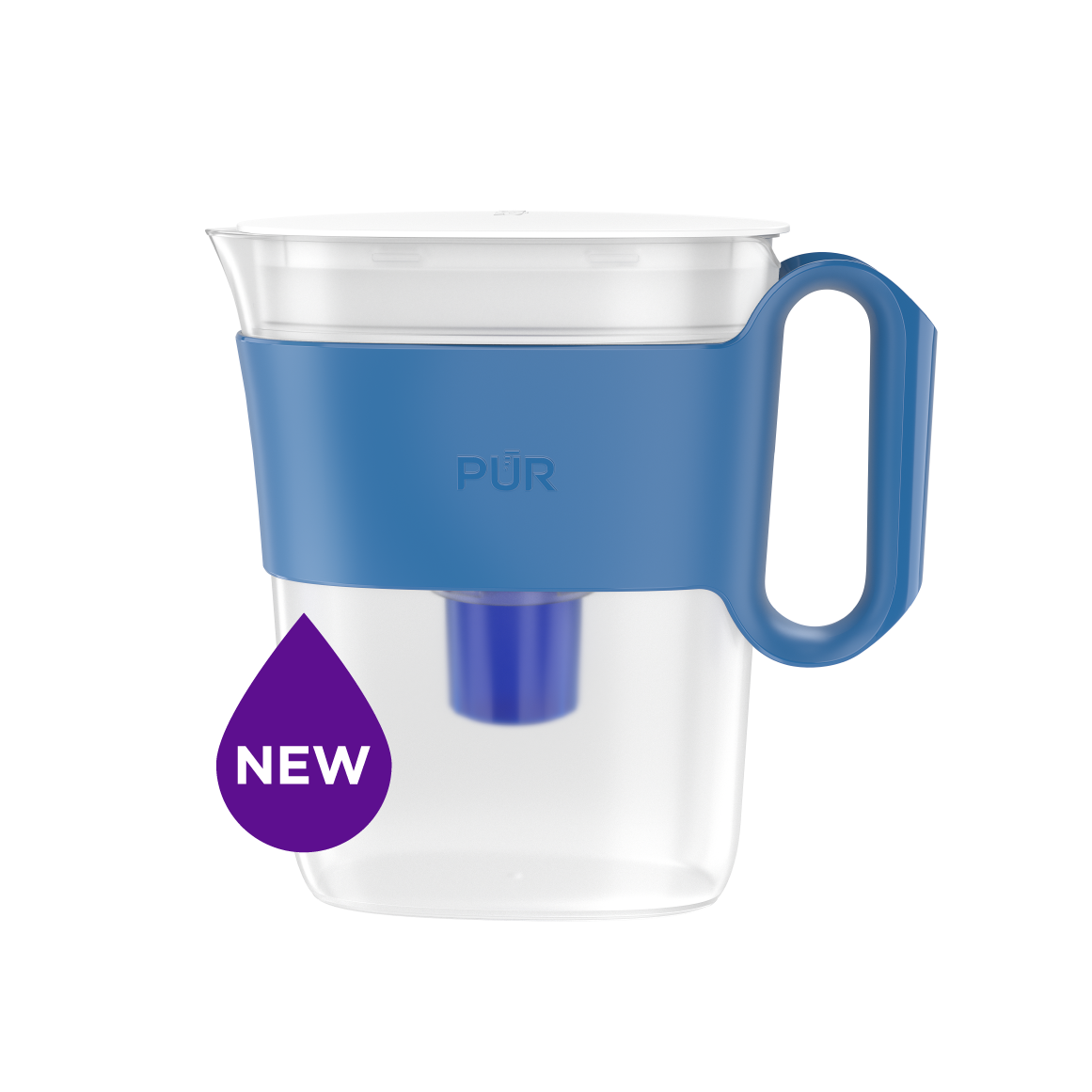
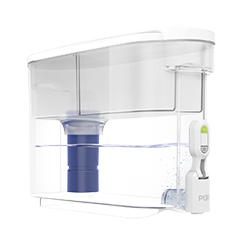
PUR PLUS PITCHER FILTERS
PPF951K

View Filter

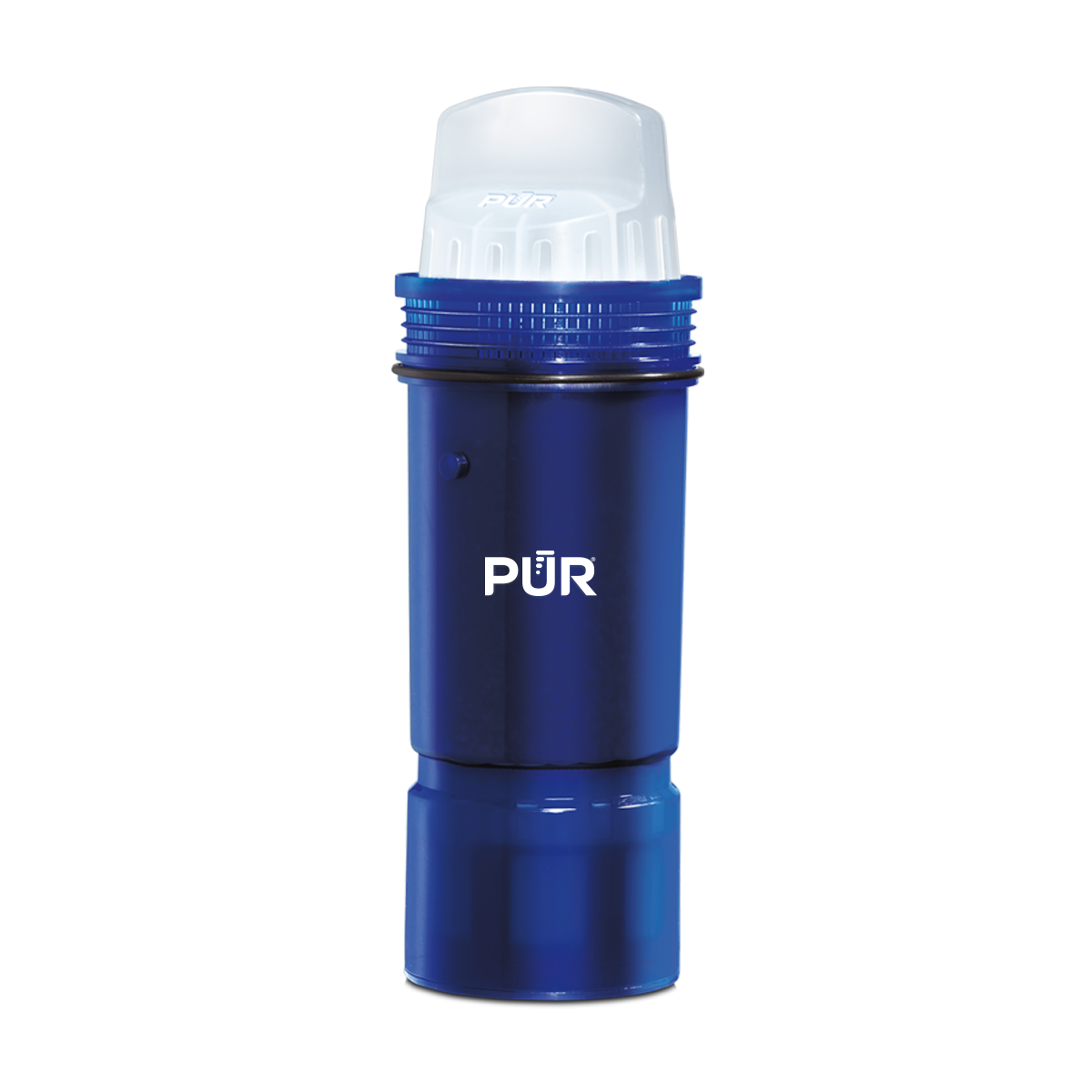
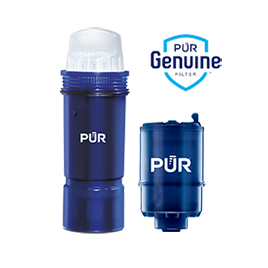
PUR BASIC PITCHER FILTERS
PPF900Z

View Filter


Vs. Brita*

Lead
Microplastics
Mercury
Chlorine Taste & Odor
DEET
TTHM

PUR’s Filtration Systems Are Certified By NSF And WQA For Their Contamination Reduction. WQA certifications as of 5/27/21 for Faucet filter models RF-3375 and RF-9999.

¹ Certified to reduce 10X more chemical and physical substances than Brita’s® leading pitcher filter.
² Certified to reduce 3X more chemical and physical substances than Brita’s® leading pitcher filter.
³ Certified to reduce 2X more chemical and physical substances than Brita’s® leading pitcher filter.
*Versus best-selling Brita® pitcher filter OB03. Brita® is a trademark of Brita LP.
**Like other leading brands, PUR does not filter microbes. As of 3/1/23 Brita® and ZeroWater® were not certified to filter microbes. Brita® is a trademark of Brita LP. ZeroWater® is a trademark of Zero Technologies, LLC..
 

PUR & PUR PLUS FAUCET FILTERS


PUR & PUR PLUS FAUCET FILTERS
RF3375/RF9999

View Filters


Vs. Brita*

Lead
Microplastics
Mercury
Chlorine Taste & Odor
DEET
TTHM

PUR’s Filtration Systems Are Certified By NSF And WQA For Their Contamination Reduction. WQA certifications as of 5/27/21 for Faucet filter models RF-3375 and RF-9999.

¹ Certified to reduce 10X more chemical and physical substances than Brita’s® leading pitcher filter.
² Certified to reduce 3X more chemical and physical substances than Brita’s® leading pitcher filter.
³ Certified to reduce 2X more chemical and physical substances than Brita’s® leading pitcher filter.
*Versus best-selling Brita® pitcher filter OB03. Brita® is a trademark of Brita LP.
**Like other leading brands, PUR does not filter microbes. As of 3/1/23 Brita® and ZeroWater® were not certified to filter microbes. Brita® is a trademark of Brita LP. ZeroWater® is a trademark of Zero Technologies, LLC..


PUR PLUS PITCHER FILTERS


PUR PLUS PITCHER FILTERS
PPF951K

View Filter


Vs. Brita*

Lead
Microplastics
Mercury
Chlorine Taste & Odor
DEET
TTHM

PUR’s Filtration Systems Are Certified By NSF And WQA For Their Contamination Reduction. WQA certifications as of 5/27/21 for Faucet filter models RF-3375 and RF-9999.

¹ Certified to reduce 10X more chemical and physical substances than Brita’s® leading pitcher filter.
² Certified to reduce 3X more chemical and physical substances than Brita’s® leading pitcher filter.
³ Certified to reduce 2X more chemical and physical substances than Brita’s® leading pitcher filter.
*Versus best-selling Brita® pitcher filter OB03. Brita® is a trademark of Brita LP.
**Like other leading brands, PUR does not filter microbes. As of 3/1/23 Brita® and ZeroWater® were not certified to filter microbes. Brita® is a trademark of Brita LP. ZeroWater® is a trademark of Zero Technologies, LLC..


PUR BASIC PITCHER FILTERS


PUR BASIC PITCHER FILTERS
PPF900Z

View Filter


Vs. Brita*

Lead
Microplastics
Mercury
Chlorine Taste & Odor
DEET
TTHM

PUR’s Filtration Systems Are Certified By NSF And WQA For Their Contamination Reduction. WQA certifications as of 5/27/21 for Faucet filter models RF-3375 and RF-9999.

¹ Certified to reduce 10X more chemical and physical substances than Brita’s® leading pitcher filter.
² Certified to reduce 3X more chemical and physical substances than Brita’s® leading pitcher filter.
³ Certified to reduce 2X more chemical and physical substances than Brita’s® leading pitcher filter.
*Versus best-selling Brita® pitcher filter OB03. Brita® is a trademark of Brita LP.
**Like other leading brands, PUR does not filter microbes. As of 3/1/23 Brita® and ZeroWater® were not certified to filter microbes. Brita® is a trademark of Brita LP. ZeroWater® is a trademark of Zero Technologies, LLC..


Top 10 Uses of Pu Stone That Global Buyers Should Know?

Pu Stone is a versatile material gaining significant attention in global markets. Its unique properties make it suitable for various applications, appealing to buyers in different industries. This article explores the top ten uses of Pu Stone. Understanding these applications can help buyers make informed decisions.

From construction to art, Pu Stone has diverse benefits. Its durability and ease of manipulation allow for stunning architectural designs. Many buyers appreciate its aesthetic appeal and practicality. As a result, it is increasingly popular among designers and builders alike.

However, not all uses of Pu Stone are widely recognized. Some applications remain underutilized, revealing opportunities for innovation. For example, its potential in sustainable design often goes unnoticed. Exploring lesser-known uses can inspire new approaches in multiple sectors, enhancing the overall value of Pu Stone.

Top 10 Uses of Pu Stone That Global Buyers Should Know?

Top 10 Uses of Pu Stone in Modern Construction and Design

Pu stone has emerged as a popular choice in modern construction and design due to its unique properties. This natural stone offers a stunning aesthetic with its various textures and colors. According to the Global Stone Council, the use of natural stone in construction has increased by 20% in the past five years. This trend highlights the growing appreciation for sustainable materials in architectural projects.

In the realm of interior design, Pu stone is often utilized for countertops and flooring. It provides durability while maintaining an elegant look. A report from the International Building Materials Institute states that natural stone can help improve indoor air quality. This is crucial in environments where health and sustainability are prioritized. However, sourcing Pu stone responsibly can be a challenge. Not all suppliers adhere to environmental regulations, leading to potential ethical concerns.

Exterior applications also benefit from Pu stone's resilience to harsh weather conditions. It is often chosen for facades, patios, and landscaping features. Despite its advantages, some architects still hesitate to use natural stone. While it offers longevity, installation can be complex and labor-intensive. This can discourage builders looking for quicker solutions. Balancing cost, time, and sustainability remains an ongoing dilemma in the industry.

Top 10 Uses of Pu Stone in Modern Construction and Design

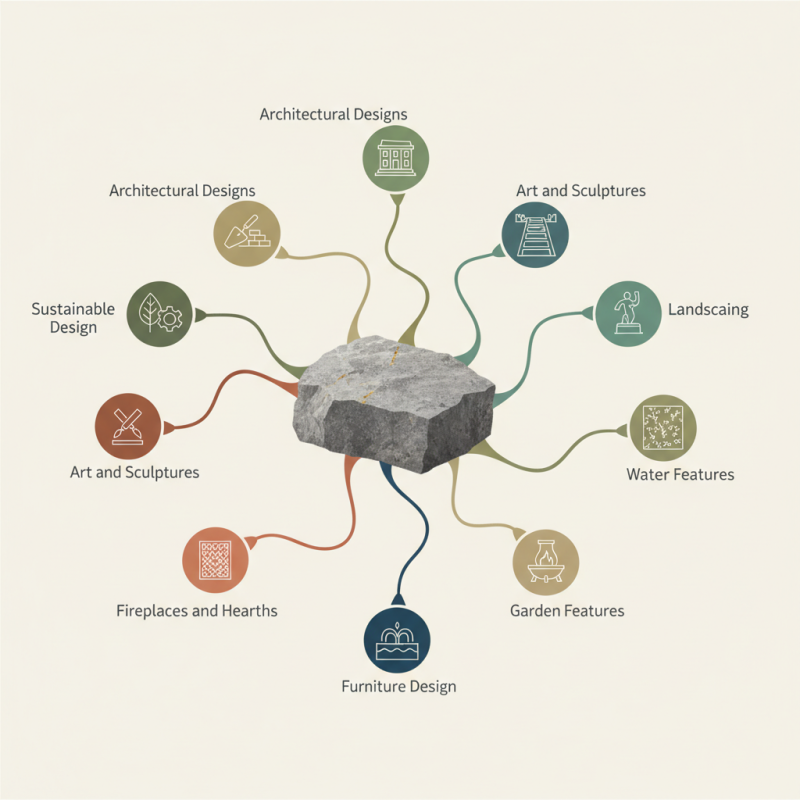
This chart illustrates the top 10 uses of PU stone in modern construction and design. It highlights the versatility of PU stone across different applications, showing the popularity and significance of each use in the industry.

Application of Pu Stone in Landscaping and Outdoor Spaces

Pu stone is becoming increasingly popular in landscaping and outdoor spaces. Its unique texture and versatility make it a preferred choice for various applications. Designers often use Pu stone for walkways, adding a touch of elegance. It can be shaped easily, allowing for custom designs that fit any landscape.

Another intriguing application is in garden walls. Using Pu stone for retaining walls not only serves a practical purpose but also enhances visual appeal. These walls can be stacked effortlessly, giving gardeners flexibility in design. Additionally, they blend well with nature, creating a seamless transition between hardscape and softscape.

Outdoor furniture is another creative use of Pu stone. Tables and benches made from this material are durable and resist weather conditions. They provide a stylish seating area in gardens or patios. However, some might find the weight of Pu stone daunting, making moving furniture challenging. It’s important to consider both aesthetics and practicality when choosing Pu stone for outdoor use.

Pu Stone's Role in Sustainable Architecture and Green Building

Pu stone has emerged as a significant material in sustainable architecture. Its natural composition makes it an eco-friendly choice for various building applications. This stone helps reduce the carbon footprint of construction projects. By substituting traditional materials, pu stone supports the idea of green building practices. It is lightweight yet durable, minimizing the resources needed for transportation.

Incorporating pu stone into designs can enhance energy efficiency. Its thermal properties provide natural insulation, contributing to lower energy costs. Architects are increasingly recognizing its potential for aesthetic appeal. Various textures and colors allow for versatile applications, from facades to landscaping. While pu stone offers many benefits, there are limitations to consider. Its availability can vary, leading to potential project delays. Moreover, some purists argue it lacks the authenticity of natural stone materials.

Despite these challenges, pu stone presents valuable opportunities for innovation. As global buyers seek sustainable options, awareness of its uses is crucial. Understanding the balance between practical needs and environmental impact is essential. This ongoing dialogue will drive the future of sustainable architecture.

Impact of Pu Stone on Interior Design Trends in 2023

The rise of Pu stone in 2023 has dramatically influenced interior design trends. Designers are embracing this natural material for its versatility and aesthetic appeal. One can find Pu stone in everything from countertops to wall cladding, offering a sophisticated look that enhances any space.

Many designers appreciate the unique textures of Pu stone. Its organic patterns add depth to modern interiors. The material's ability to blend with various styles, from minimalism to bohemian, makes it a favorite choice among architects. However, some projects have experienced challenges in matching the stone's tones with existing decor. This reflects the need for careful planning and creative solutions to achieve a harmonious design.

As Pu stone gains popularity, awareness of its environmental impact is essential. Sourcing responsibly can be difficult in the stone market. This raises questions about sustainability in design. Interior designers must critically assess their choices, balancing beauty and eco-friendliness. Adopting Pu stone presents an opportunity for innovation while also encouraging thoughtful conversations about the future of interior design.

Economic Benefits of Using Pu Stone for Global Buyers and Architects

Pu stone, a versatile material, offers significant economic benefits for global buyers and architects. Its lightweight nature reduces transportation costs, while its durability extends the lifespan of structures. This economical aspect cannot be ignored, especially in today's climate where sustainability is key. By opting for Pu stone, builders can create energy-efficient designs that ultimately reduce long-term operating expenses.

In addition to being cost-effective, Pu stone allows for creative architectural possibilities. Its ability to mimic natural stone while being less labor-intensive enables diverse design applications. However, it's essential to consider the learning curve when working with this material. Professionals must experiment with techniques to maximize aesthetics and functionality. Striking the right balance between innovation and practicality can be challenging. Nevertheless, the unique benefits of Pu stone present an opportunity worth exploring for those looking to enhance their projects economically and creatively.

Top 10 Uses of Pu Stone That Global Buyers Should Know

Use Case Description Economic Benefits Environmental Impact
Architectural Facades Pu stone is used to create visually appealing building façades. Enhances property value and appeal. Low carbon footprint, sustainable sourcing.
Flooring Solutions Durable and aesthetically pleasing flooring for residential and commercial use. Long-term cost savings through durability. Natural stone with minimal processing.
Countertops Elegant surfaces for kitchens and bathrooms. Increase in home value; low maintenance costs. Natural, non-toxic materials used.
Garden Landscaping Used for flower beds, pathways, and decorative borders. Enhances garden aesthetics, potentially increasing property value. Encourages biodiversity, blends with natural surroundings.
Swimming Pool Coping Durable edging for swimming pools. Safety and longevity, reduces maintenance costs. Natural material, blends into outdoor environments.
Fireplaces Stunning and heat-resistant surrounds for fireplaces. Adds aesthetic value and durability to homes. Source materials from sustainable practices.
Sculptures and Art Pieces Creating unique artworks for homes and businesses. Potential sales for artists; adds prestige. Promotes appreciation of natural materials.
Interior Wall Cladding Enhances indoor aesthetics and soundproofing. Increases property value and reduces energy costs. Reduces energy consumption through insulation.
Staircases Elegant and durable stair solutions. Long-lasting, reducing future renovation costs. Minimal processing required, reducing waste.
Commercial Spaces Used in retail designs and corporate interiors. Creates inviting spaces leading to higher customer retention. Encourages modern, eco-friendly business practices.

Article Source: