Contaminant Comparison Chart

For a complete list of contaminants that PUR filters reduce, please view our Performance Data Sheets here.


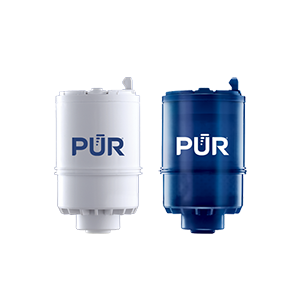
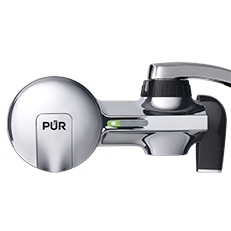
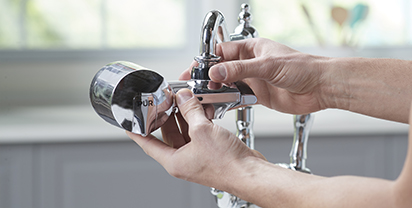
PUR & PUR PLUS FAUCET FILTERS
RF3375/RF9999

View Filters

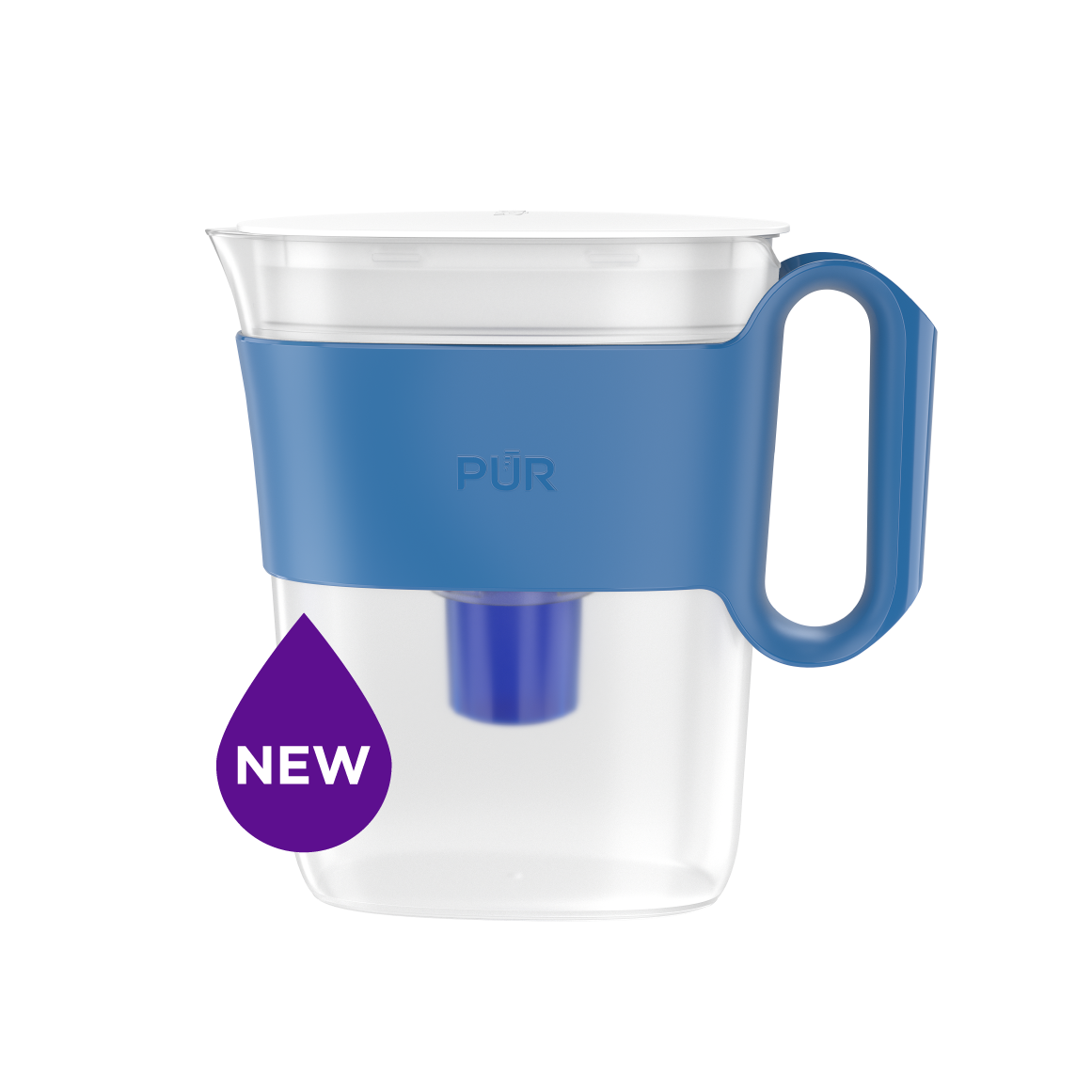
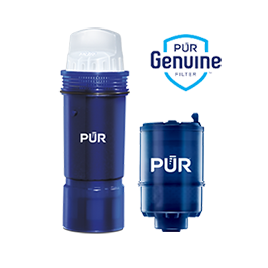
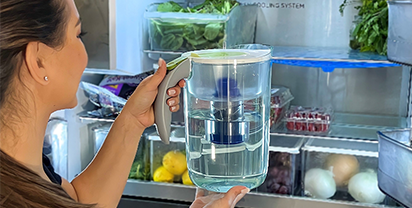
PUR PLUS PITCHER FILTERS
PPF951K

View Filter

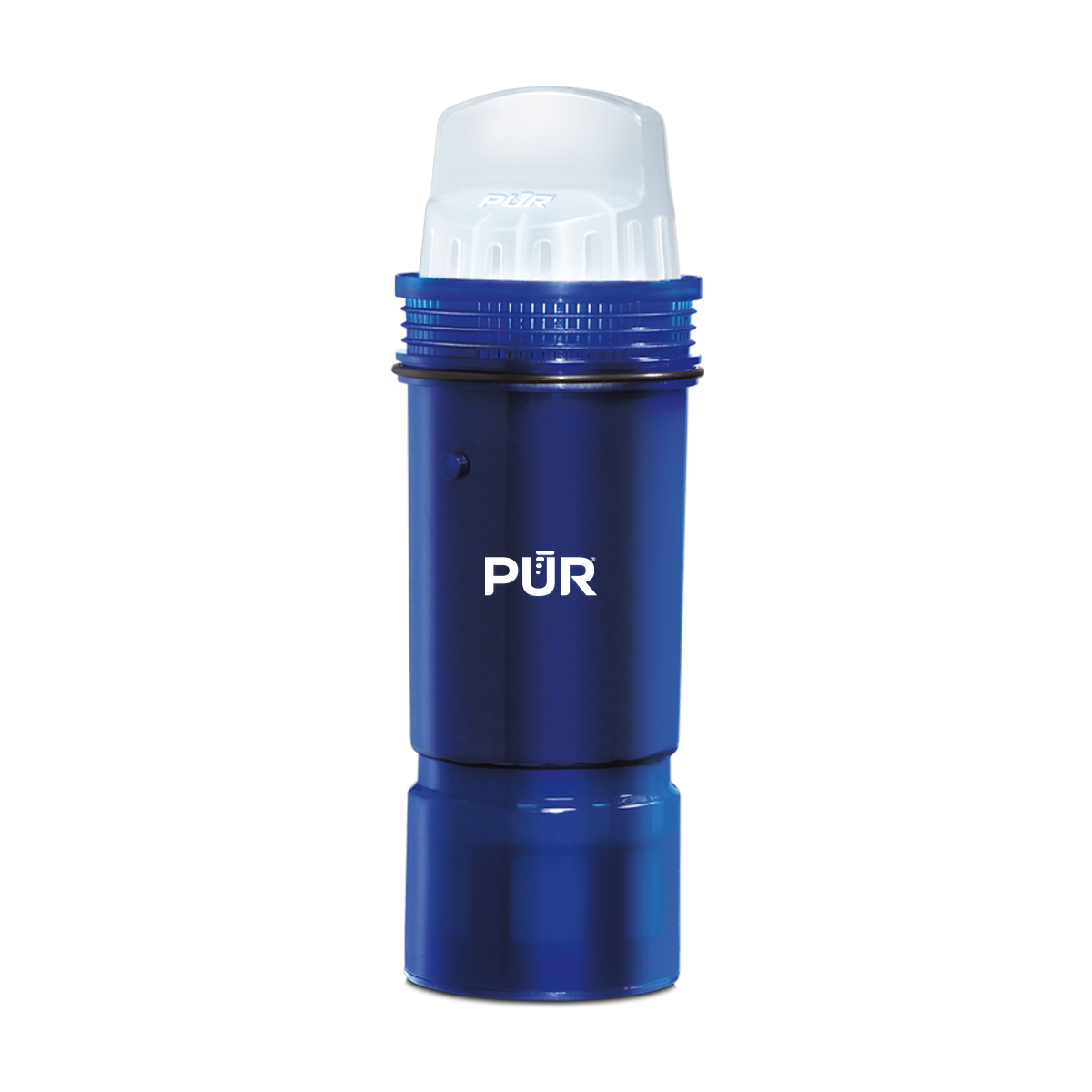
PUR BASIC PITCHER FILTERS
PPF900Z

View Filter


Vs. Brita*

Lead ✓ ✓
Microplastics ✓ ✓
Mercury ✓ ✓ ✓
Chlorine Taste & Odor ✓ ✓ ✓
DEET ✓
TTHM ✓

PUR’s Filtration Systems Are Certified By NSF And WQA For Their Contamination Reduction. WQA certifications as of 5/27/21 for Faucet filter models RF-3375 and RF-9999.

¹ Certified to reduce 10X more chemical and physical substances than Brita’s® leading pitcher filter.
² Certified to reduce 3X more chemical and physical substances than Brita’s® leading pitcher filter.
³ Certified to reduce 2X more chemical and physical substances than Brita’s® leading pitcher filter.
*Versus best-selling Brita® pitcher filter OB03. Brita® is a trademark of Brita LP.
**Like other leading brands, PUR does not filter microbes. As of 3/1/23 Brita® and ZeroWater® were not certified to filter microbes. Brita® is a trademark of Brita LP. ZeroWater® is a trademark of Zero Technologies, LLC..
 

PUR & PUR PLUS FAUCET FILTERS


PUR & PUR PLUS FAUCET FILTERS
RF3375/RF9999

View Filters


Vs. Brita*

Lead ✓
Microplastics ✓
Mercury ✓
Chlorine Taste & Odor ✓
DEET ✓
TTHM ✓

PUR’s Filtration Systems Are Certified By NSF And WQA For Their Contamination Reduction. WQA certifications as of 5/27/21 for Faucet filter models RF-3375 and RF-9999.

¹ Certified to reduce 10X more chemical and physical substances than Brita’s® leading pitcher filter.
² Certified to reduce 3X more chemical and physical substances than Brita’s® leading pitcher filter.
³ Certified to reduce 2X more chemical and physical substances than Brita’s® leading pitcher filter.
*Versus best-selling Brita® pitcher filter OB03. Brita® is a trademark of Brita LP.
**Like other leading brands, PUR does not filter microbes. As of 3/1/23 Brita® and ZeroWater® were not certified to filter microbes. Brita® is a trademark of Brita LP. ZeroWater® is a trademark of Zero Technologies, LLC..
 

PUR PLUS PITCHER FILTERS


PUR PLUS PITCHER FILTERS
PPF951K

View Filter


Vs. Brita*

Lead ✓
Microplastics ✓
Mercury ✓
Chlorine Taste & Odor ✓
DEET
TTHM

PUR’s Filtration Systems Are Certified By NSF And WQA For Their Contamination Reduction. WQA certifications as of 5/27/21 for Faucet filter models RF-3375 and RF-9999.

¹ Certified to reduce 10X more chemical and physical substances than Brita’s® leading pitcher filter.
² Certified to reduce 3X more chemical and physical substances than Brita’s® leading pitcher filter.
³ Certified to reduce 2X more chemical and physical substances than Brita’s® leading pitcher filter.
*Versus best-selling Brita® pitcher filter OB03. Brita® is a trademark of Brita LP.
**Like other leading brands, PUR does not filter microbes. As of 3/1/23 Brita® and ZeroWater® were not certified to filter microbes. Brita® is a trademark of Brita LP. ZeroWater® is a trademark of Zero Technologies, LLC..
 

PUR BASIC PITCHER FILTERS


PUR BASIC PITCHER FILTERS
PPF900Z

View Filter


Vs. Brita*

Lead
Microplastics
Mercury ✓
Chlorine Taste & Odor ✓
DEET
TTHM

PUR’s Filtration Systems Are Certified By NSF And WQA For Their Contamination Reduction. WQA certifications as of 5/27/21 for Faucet filter models RF-3375 and RF-9999.

¹ Certified to reduce 10X more chemical and physical substances than Brita’s® leading pitcher filter.
² Certified to reduce 3X more chemical and physical substances than Brita’s® leading pitcher filter.
³ Certified to reduce 2X more chemical and physical substances than Brita’s® leading pitcher filter.
*Versus best-selling Brita® pitcher filter OB03. Brita® is a trademark of Brita LP.
**Like other leading brands, PUR does not filter microbes. As of 3/1/23 Brita® and ZeroWater® were not certified to filter microbes. Brita® is a trademark of Brita LP. ZeroWater® is a trademark of Zero Technologies, LLC..
 

Top Rated Water Filtration Systems for Home Use

Choosing a home water filter can feel like comparing identical boxes under bright store lights. Each system promises cleaner water, better taste, or easier maintenance. Yet those claims need careful examination.

This guide explores top-rated water filtration systems for home use through practical, evidence-based criteria. We consider contaminant reduction, flow rate, installation, filter life, operating costs, and independent testing. Certifications such as NSF/ANSI standards can offer useful reassurance, but they do not guarantee that one product suits every household. A filter designed for chlorine may not address lead, nitrates, bacteria, or hard water. Testing your own water remains important.

The best water filtration system for home use depends on your water source, plumbing, budget, and daily habits. A pitcher may fit a small apartment, while an under-sink or whole-house system may serve a larger family. Picture the routine: filling a kettle before breakfast, replacing cartridges beside the sink, and checking pressure after installation. Small details matter.

No product is perfect. Some systems waste water, reduce flow, or require replacement parts sooner than expected. Maintenance is easy to overlook. That weakness can undermine an otherwise excellent filter. We will examine these trade-offs honestly, using manufacturer information, recognized standards, user experience, and practical testing considerations. The goal is not to recommend the most expensive option. It is to help readers choose a dependable system with realistic expectations and safer long-term use.

Top Rated Water Filtration Systems for Home Use

Home Water Quality: EPA Regulated Contaminants and Testing Priorities

Top Rated Water Filtration Systems for Home Use

Home water quality should guide every filtration decision. The EPA regulates contaminants in public drinking water, including lead, copper, nitrate, arsenic, microbes, and disinfection byproducts. Some contaminants enter through aging household pipes, not the treatment plant. Private wells require greater personal responsibility because they are not covered by the same federal monitoring system. Test well water at least annually, and test after flooding, repairs, or changes in taste and smell. Testing matters more than attractive filter claims.

A practical testing priority is lead at the tap, especially in older homes. Test nitrate near agricultural areas, and test arsenic where local geology raises concern. PFAS testing may also deserve attention because contamination can vary sharply between nearby properties. Ask an accredited laboratory which sample bottle and preservation method it requires. A poor sample can produce false confidence. I used to think clear water meant safe water. That assumption was incomplete.

Tips: Check your utility’s annual water quality report. Then test the water from the faucet you drink from. Choose filtration based on confirmed contaminants, not fear. Replace cartridges on schedule, and record the date on the housing. Some systems reduce one contaminant but leave others unchanged. Even careful testing has limits. Retest when plumbing, seasons, or water sources change.

Top Rated Water Filtration Systems for Home Use

Home Water Quality: EPA-Regulated Contaminants and Testing Priorities

This chart compares selected U.S. EPA maximum contaminant levels or action levels for drinking water. Values are shown in milligrams per liter on a logarithmic scale because regulatory limits vary widely. Testing priorities commonly include arsenic, nitrate, lead, disinfection byproducts, fluoride, and uranium, depending on local geology, agriculture, plumbing, and treatment practices. Private wells are generally not regulated by the EPA and should be tested according to local health guidance.

Sources: U.S. EPA National Primary Drinking Water Regulations and Contaminant Candidate information. Lead is shown using the EPA action level of 0.015 mg/L; it is not a conventional maximum contaminant level.

Filtration Technologies: Activated Carbon, RO, UV, and 0.2-Micron Membranes

Top Rated Water Filtration Systems for Home Use
Choosing a top-rated home water filter starts with matching technology to the contaminant. Activated carbon can reduce chlorine, unpleasant tastes, and some organic chemicals. Its performance depends on carbon quality, contact time, and cartridge replacement. The U.S. Environmental Protection Agency notes that treatment claims should be verified through independent testing, not marketing language alone. A filter may improve taste without making unsafe water microbiologically safe.
Reverse osmosis, or RO, uses pressure to push water through a dense membrane. It can reduce dissolved salts, lead, arsenic, nitrate, and several other contaminants. The World Health Organization describes RO as effective for desalination and broad contaminant reduction. However, household RO systems may waste several litres of water for each litre produced. They also need pressure, storage space, and regular sanitation. That trade-off is easy to overlook.
Ultraviolet treatment inactivates bacteria, viruses, and protozoa when the water is clear and the lamp receives adequate energy. It does not remove chemicals or particles. A 0.2-micron membrane can physically reduce many bacteria and cysts, but pore size claims must be checked carefully. “0.2 micron” may describe nominal performance, not absolute retention. The U.S. Centers for Disease Control and Prevention warns that many microfilters do not remove viruses. Maintenance is decisive. A neglected filter can become a contamination point, which is an uncomfortable but necessary consideration. Pairing technologies may offer stronger protection, yet every added stage increases cost, pressure loss, and maintenance demands.

Certification Standards: NSF/ANSI 42, 53, 58, and 55 for Treatment Claims

Top Rated Water Filtration Systems for Home Use

A high rating means little without a clear treatment claim. NSF/ANSI 42 usually covers aesthetic concerns, such as chlorine taste, odor, and visible particles. It can improve water’s flavor. It does not automatically address lead or microorganisms. Check the exact contaminant listed beside the certification.

NSF/ANSI 53 focuses on health-related contaminants, including certain metals, cysts, and volatile chemicals. The claim must name the tested substance. NSF/ANSI 58 applies to reverse osmosis systems, which can reduce dissolved solids and selected contaminants. These systems may waste water and require pressure checks. The numbers alone do not prove universal purification.

NSF/ANSI 55 covers ultraviolet treatment systems. Class A units are designed for microbiologically contaminated water, while Class B units support already disinfected water. UV needs electricity and clear water. Sediment can block the light. In a home test, a cloudy prefilter made the system seem less dependable, even though the lamp was operating. That detail is easy to miss.

Look for certification from an accredited testing organization. Read the performance data sheet, replacement schedule, and flow-rate limits. A certified model may protect against one contaminant but not another. I once treated a certification number as a complete safety guarantee. That was too simplistic. Water quality, installation, and maintenance still shape the result.

Performance Metrics: Flow Rate, Capacity, Reduction Rates, and Filter Life

Top Rated Water Filtration Systems for Home Use: Performance Metrics That Matter

A high-quality filter should match your household’s daily water demand. Flow rate is measured in gallons per minute, but faster is not always better. A unit delivering 0.5 gallons per minute may provide stronger contact time than a high-speed model. Check performance at the stated pressure, temperature, and contaminant level. Those details are often overlooked.

Capacity shows how much water a cartridge can treat before replacement. However, a 10,000-gallon rating may apply only to chlorine reduction. Lead or PFAS performance can decline sooner. NSF/ANSI 42 covers aesthetic claims, while NSF/ANSI 53 and 58 address specific health-related reductions. The U.S. Environmental Protection Agency’s 2024 PFAS rule sets limits of 4.0 nanograms per liter for PFOA and PFOS. Therefore, reduction percentages should be tied to independent testing, not broad advertising language.

Filter life depends on water quality and household use. The Centers for Disease Control and Prevention advises following the replacement schedule and avoiding overdue cartridges. A family using 3 gallons daily consumes about 1,095 gallons annually. Sediment can shorten that life significantly. I would record installation dates and compare real flow changes each month. A filter that technically lasts longer may become inconvenient when the faucet slows. That practical detail matters.

System Selection: Comparing Installation, Maintenance, Costs, and Household Needs

Top Rated Water Filtration Systems for Home Use

Choosing a home filtration system starts with your water, not attractive packaging. Check your local water report and test for hardness, chlorine, lead, nitrates, or bacteria. A certified laboratory provides more reliable results than taste alone. Taste can mislead you.

Installation needs careful thought. Under-sink units save counter space but may require drilling and a dedicated faucet. Whole-house systems need space near the main water line and usually professional plumbing. I have seen poor connections create slow leaks inside cabinets. That small detail can become expensive.

Maintenance and running costs deserve equal attention. Replace cartridges according to measured water use, not only calendar dates. Filter prices, replacement frequency, wastewater, electricity, and service visits affect the real cost. Reverse osmosis systems may reduce dissolved contaminants, but they can waste water and need storage tanks. Simpler carbon filters often suit households mainly concerned with taste and odor.

Tips:

Match capacity to household size and cooking habits. A family of five may exhaust a small cartridge quickly. Ask for verified contaminant-reduction claims, clear replacement instructions, and available spare parts. Keep installation records and inspect fittings monthly. Do not ignore unusual pressure drops. They may signal a blocked filter, even when the water still looks clear.