Contaminant Comparison Chart

For a complete list of contaminants that PUR filters reduce, please view our Performance Data Sheets here.


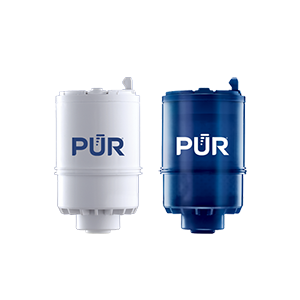
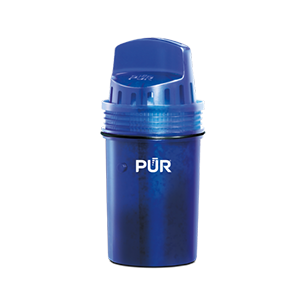
PUR & PUR PLUS FAUCET FILTERS
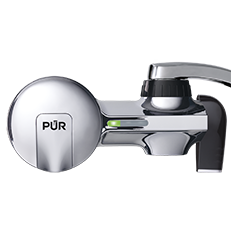
RF3375/RF9999

View Filters

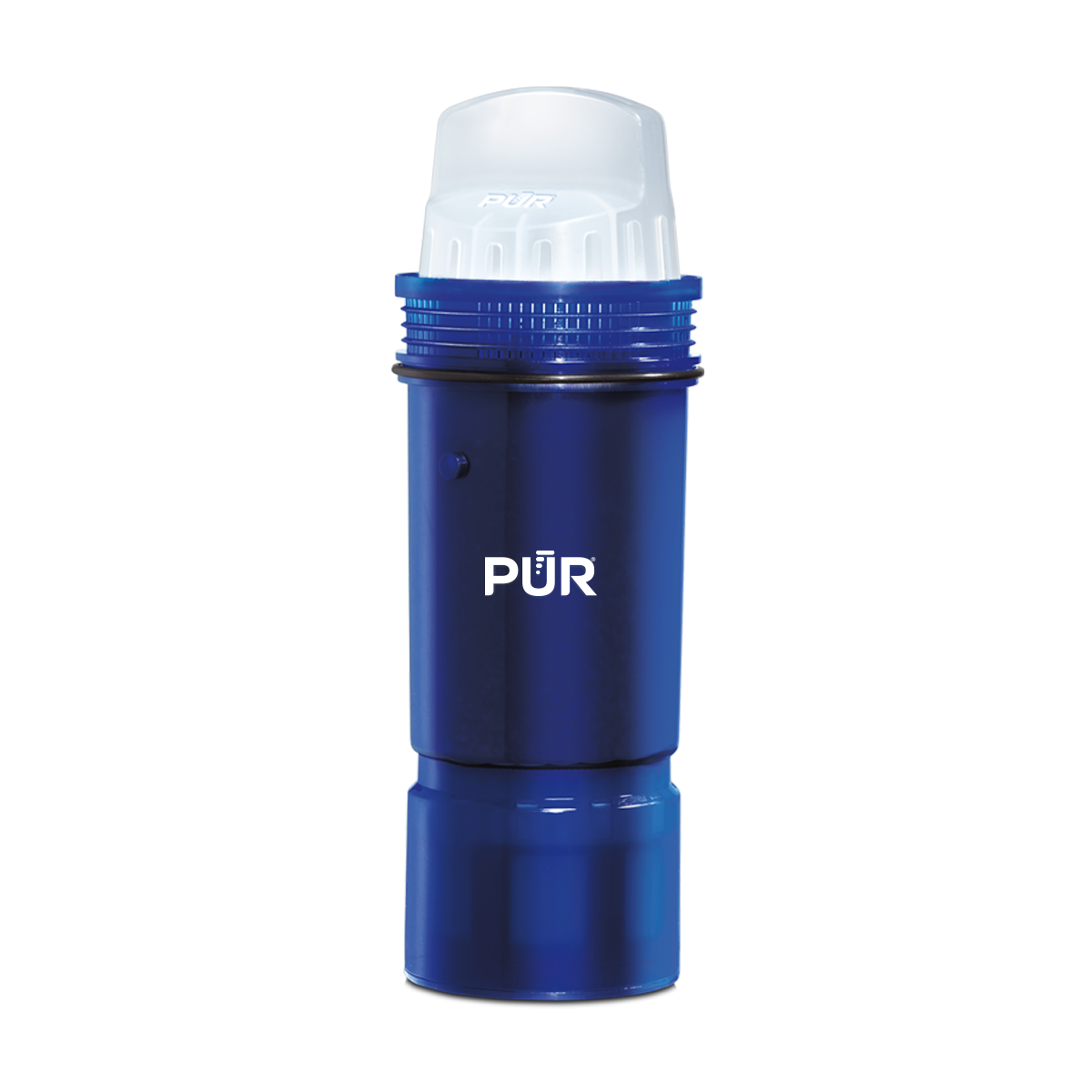
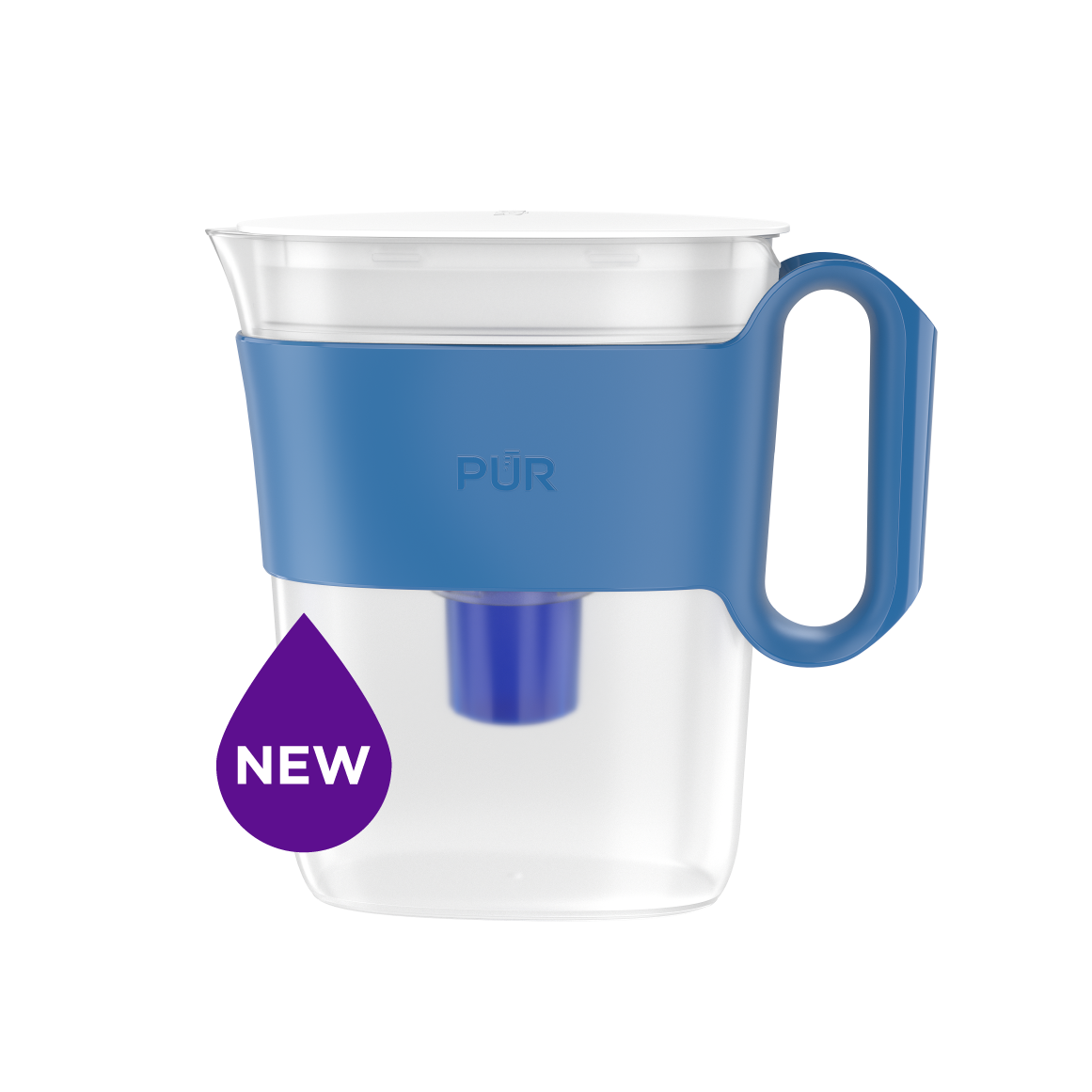
PUR PLUS PITCHER FILTERS
PPF951K

View Filter

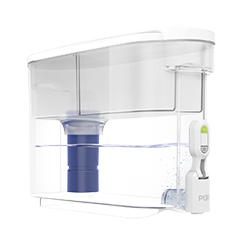
PUR BASIC PITCHER FILTERS
PPF900Z

View Filter


Vs. Brita*

Lead
Microplastics
Mercury
Chlorine Taste & Odor
DEET
TTHM

PUR’s Filtration Systems Are Certified By NSF And WQA For Their Contamination Reduction. WQA certifications as of 5/27/21 for Faucet filter models RF-3375 and RF-9999.

¹ Certified to reduce 10X more chemical and physical substances than Brita’s® leading pitcher filter.
² Certified to reduce 3X more chemical and physical substances than Brita’s® leading pitcher filter.
³ Certified to reduce 2X more chemical and physical substances than Brita’s® leading pitcher filter.
*Versus best-selling Brita® pitcher filter OB03. Brita® is a trademark of Brita LP.
**Like other leading brands, PUR does not filter microbes. As of 3/1/23 Brita® and ZeroWater® were not certified to filter microbes. Brita® is a trademark of Brita LP. ZeroWater® is a trademark of Zero Technologies, LLC..
 

PUR & PUR PLUS FAUCET FILTERS


PUR & PUR PLUS FAUCET FILTERS
RF3375/RF9999

View Filters


Vs. Brita*

Lead
Microplastics
Mercury
Chlorine Taste & Odor
DEET
TTHM

PUR’s Filtration Systems Are Certified By NSF And WQA For Their Contamination Reduction. WQA certifications as of 5/27/21 for Faucet filter models RF-3375 and RF-9999.

¹ Certified to reduce 10X more chemical and physical substances than Brita’s® leading pitcher filter.
² Certified to reduce 3X more chemical and physical substances than Brita’s® leading pitcher filter.
³ Certified to reduce 2X more chemical and physical substances than Brita’s® leading pitcher filter.
*Versus best-selling Brita® pitcher filter OB03. Brita® is a trademark of Brita LP.
**Like other leading brands, PUR does not filter microbes. As of 3/1/23 Brita® and ZeroWater® were not certified to filter microbes. Brita® is a trademark of Brita LP. ZeroWater® is a trademark of Zero Technologies, LLC..
 

PUR PLUS PITCHER FILTERS


PUR PLUS PITCHER FILTERS
PPF951K

View Filter


Vs. Brita*

Lead
Microplastics
Mercury
Chlorine Taste & Odor
DEET
TTHM

PUR’s Filtration Systems Are Certified By NSF And WQA For Their Contamination Reduction. WQA certifications as of 5/27/21 for Faucet filter models RF-3375 and RF-9999.

¹ Certified to reduce 10X more chemical and physical substances than Brita’s® leading pitcher filter.
² Certified to reduce 3X more chemical and physical substances than Brita’s® leading pitcher filter.
³ Certified to reduce 2X more chemical and physical substances than Brita’s® leading pitcher filter.
*Versus best-selling Brita® pitcher filter OB03. Brita® is a trademark of Brita LP.
**Like other leading brands, PUR does not filter microbes. As of 3/1/23 Brita® and ZeroWater® were not certified to filter microbes. Brita® is a trademark of Brita LP. ZeroWater® is a trademark of Zero Technologies, LLC..
 

PUR BASIC PITCHER FILTERS


PUR BASIC PITCHER FILTERS
PPF900Z

View Filter


Vs. Brita*

Lead
Microplastics
Mercury
Chlorine Taste & Odor
DEET
TTHM

PUR’s Filtration Systems Are Certified By NSF And WQA For Their Contamination Reduction. WQA certifications as of 5/27/21 for Faucet filter models RF-3375 and RF-9999.

¹ Certified to reduce 10X more chemical and physical substances than Brita’s® leading pitcher filter.
² Certified to reduce 3X more chemical and physical substances than Brita’s® leading pitcher filter.
³ Certified to reduce 2X more chemical and physical substances than Brita’s® leading pitcher filter.
*Versus best-selling Brita® pitcher filter OB03. Brita® is a trademark of Brita LP.
**Like other leading brands, PUR does not filter microbes. As of 3/1/23 Brita® and ZeroWater® were not certified to filter microbes. Brita® is a trademark of Brita LP. ZeroWater® is a trademark of Zero Technologies, LLC..
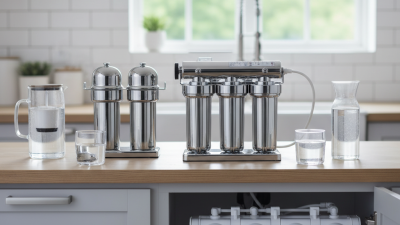
 

2026 Top Water Purification Systems That Will Revolutionize Clean Drinking Water?

In the quest for clean drinking water, innovative water purification systems have become essential. As Dr. Emily Rivers, an expert in water treatment technologies, states, "The future of drinking water lies in smart purification solutions." These systems promise to enhance water quality and accessibility globally.

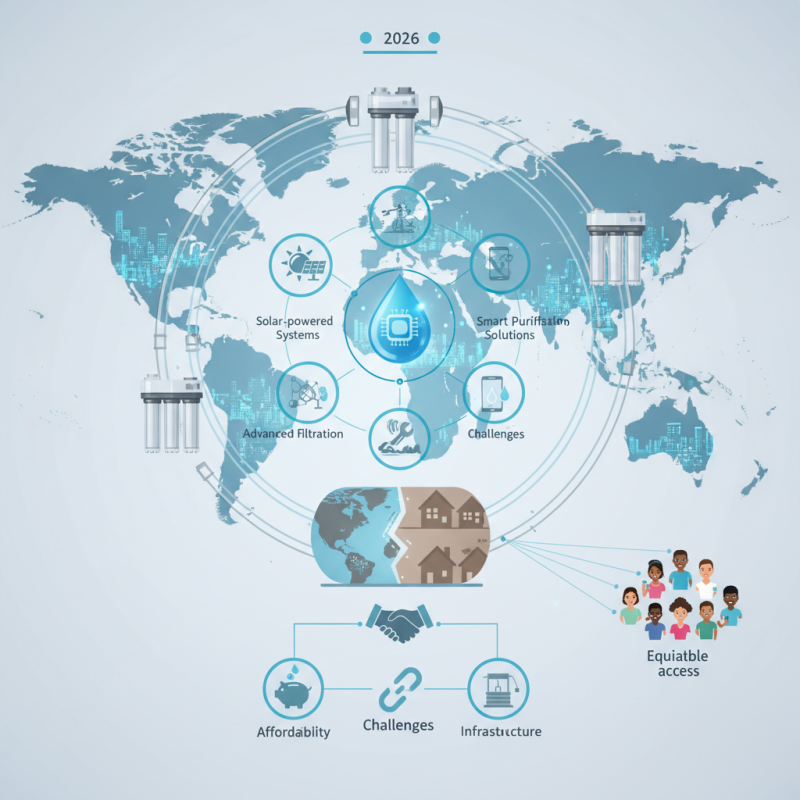
The landscape of water purification is evolving. New technologies are emerging to tackle contaminants and provide safe drinking water. For instance, advanced filtration methods and solar-powered systems showcase potential breakthroughs. Yet, challenges remain. Not all communities have access to these innovations. Affordability and infrastructure issues need consideration.

The need for effective water purification systems is urgent. Many regions still rely on outdated methods. As we explore the year 2026, it's crucial to reflect on equitable solutions. Solutions that ensure everyone can access clean drinking water deserve our focus and action.

2026 Top Water Purification Systems That Will Revolutionize Clean Drinking Water?

2026 Water Purification Technologies: Key Innovations Enhancing Access to Clean Water

2026 Top Water Purification Systems That Will Revolutionize Clean Drinking Water?

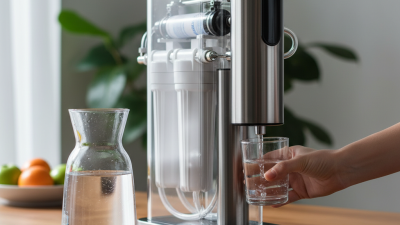
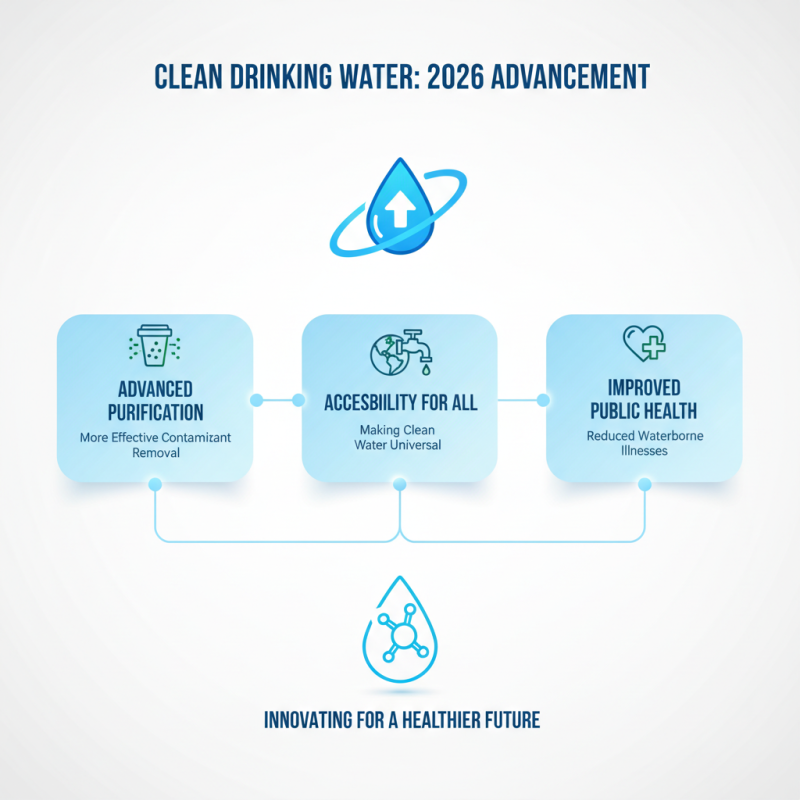
In the quest for clean drinking water, 2026 promises exciting technological advancements. Innovations in water purification aim to make clean water accessible to all. These systems are designed to remove contaminants more effectively, thus improving public health.

One major development is the use of nanotechnology in purification processes. This method allows for the creation of filters that can capture even the smallest particles. However, the environmental impact of these nanomaterials is still under study. Are we creating solutions too quickly without understanding the long-term effects?

Another innovation is solar-powered purification systems. These devices can operate in remote areas with limited access to electricity. While they show great potential, issues arise regarding initial costs and maintenance. Users often struggle with repairs, highlighting the need for user-friendly designs. The balance between sophistication and simplicity is crucial.

Advancements in Membrane Filtration: Breaking Down Contaminants Effectively

Advancements in membrane filtration are transforming the landscape of clean drinking water. According to a recent report from the Water Quality Association, membrane technology can remove over 99% of harmful pathogens and contaminants. This efficiency is crucial, especially in areas where water quality is poor. It addresses a significant public health concern, as nearly 2 billion people lack access to safe drinking water.

The intricacies of these systems lie in their design. Membranes utilize tiny pores to filter out contaminants. This includes bacteria, viruses, and heavy metals. A study published in the Journal of Water Process Engineering reveals that modern membranes are now capable of tackling emerging contaminants like pharmaceuticals and microplastics. However, while they are effective, issues remain. Membrane fouling can reduce efficiency and increase maintenance costs.

Furthermore, not all water treatment systems are the same. Some may struggle with high turbidity. Others cannot handle large volumes quickly. These discrepancies highlight the need for continuous innovation in membrane technology. Future systems must balance efficiency and cost. Ultimately, the goal is to ensure that everyone has access to clean, safe drinking water.

Impact of UV Light Purification: Bacterial Elimination Statistics and Efficacy

UV light purification is gaining traction in water treatment. This method can effectively eliminate up to 99.9% of bacteria. According to a study by the World Health Organization, UV systems can deactivate pathogens without additional chemicals. This results in cleaner water, reducing the risk of waterborne diseases.

However, not all UV systems are created equal. Efficacy varies based on water clarity and UV dose. For instance, a report from the Environmental Protection Agency highlights that suspended solids can impact UV effectiveness. When water is murky, bacteria can hide, making UV treatment less effective.

It's crucial to monitor UV system performance regularly. Regular maintenance ensures consistent results. The need for pre-filtration may arise, depending on water quality. Studies indicate that combining UV with other methods can enhance purification. This multi-barrier approach tackles potential weaknesses in solely relying on UV light.

Integration of Smart Technology in Water Purification Systems: A Data-Driven Approach

Smart technology is shaping the future of water purification systems. These innovations aim to provide cleaner drinking water efficiently. Advanced sensors and IoT technology allow real-time monitoring of water quality. Users can receive instant alerts about contaminants. This immediacy empowers families to act quickly.

Tips: Regularly check your water quality report. Awareness helps you choose the best purification method.

While smart filters are more effective, they also come with challenges. Initial costs may be high. Some users might feel overwhelmed by the technology. A simple interface can alleviate these concerns. It’s essential for users to take time to understand their systems fully.

Tips: Read user manuals carefully. Familiarity can greatly enhance your experience.

Integration of AI can optimize filtration processes. It analyzes data to improve efficiency. However, it also raises questions about data privacy. Users must ensure their information is secure. Engaging with these technologies requires a balance of innovation and caution. Understanding this balance is key to making informed decisions.

2026 Top Water Purification Systems With Smart Technology Integration

Comparative Analysis of Cost-Effectiveness in Top Purification Methods for Homes

The demand for clean drinking water is ever-increasing. Various purification systems have emerged, each claiming effectiveness. However, not all are cost-efficient. Analyzing their cost-effectiveness can reveal opportunities. Several methods include reverse osmosis and UV purification. These systems vary widely in price and maintenance.

Reverse osmosis systems are often pricey. They require regular filter changes. This adds to the long-term costs. On the other hand, UV purification is generally more affordable. It consumes less energy and involves fewer components. Yet, it does not remove all contaminants. Choosing a purification method depends on individual needs.

Annual maintenance costs can accumulate quickly. It’s essential to factor in this expense. The initial purchase price is sometimes misleading. A cheaper system may have hidden costs. It’s crucial to evaluate long-term benefits against upfront costs. Consumers should weigh options carefully. Balancing effectiveness and budget can feel overwhelming. But proper research helps in making informed choices.

2026 Top Water Purification Systems That Will Revolutionize Clean Drinking Water

Purification Method Cost (USD) Annual Maintenance Cost (USD) Effective Contaminants Removed Lifespan (Years)
Reverse Osmosis $300 $50 99% of contaminants 10
UV Purification $250 $30 Bacteria, viruses 5
Activated Carbon $100 $20 Chlorine, odor 3
Distillation $400 $70 Heavy metals, salts 15
Ceramic Filters $150 $25 Bacteria, protozoa 7