Contaminant Comparison Chart

For a complete list of contaminants that PUR filters reduce, please view our Performance Data Sheets here.


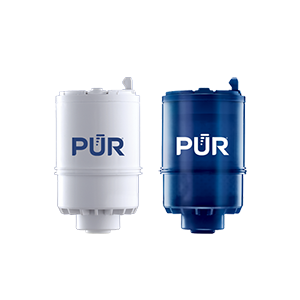
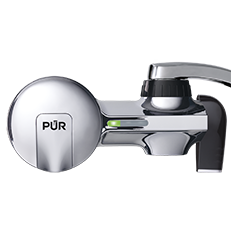
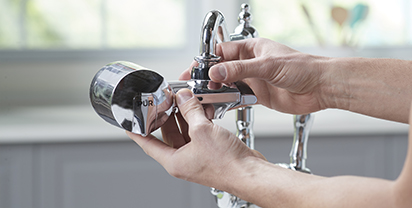
PUR & PUR PLUS FAUCET FILTERS
RF3375/RF9999

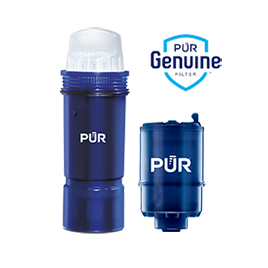
View Filters

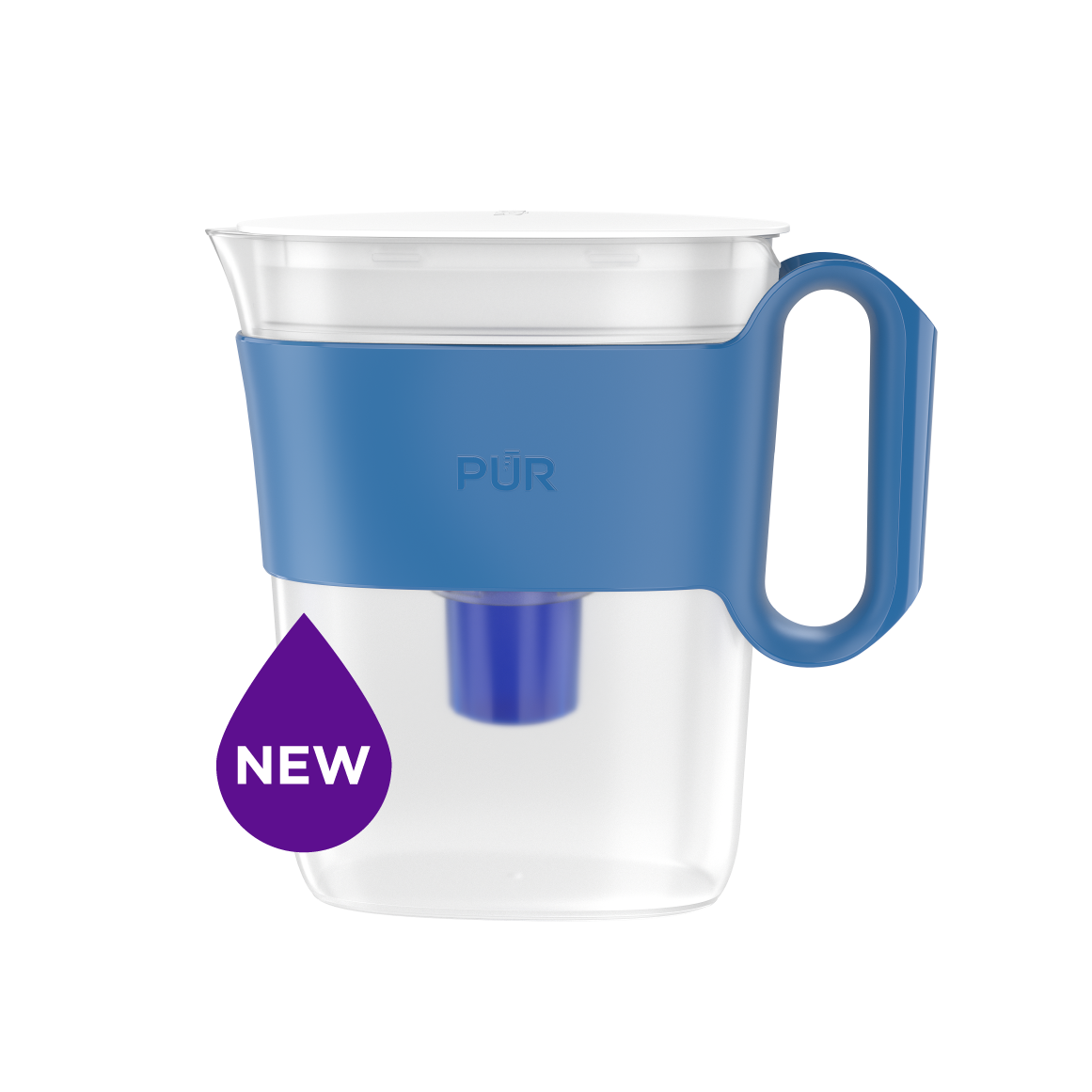
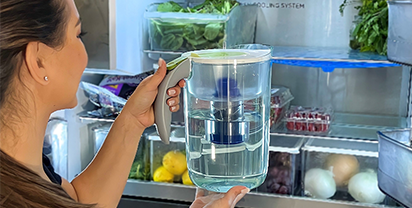
PUR PLUS PITCHER FILTERS
PPF951K

View Filter

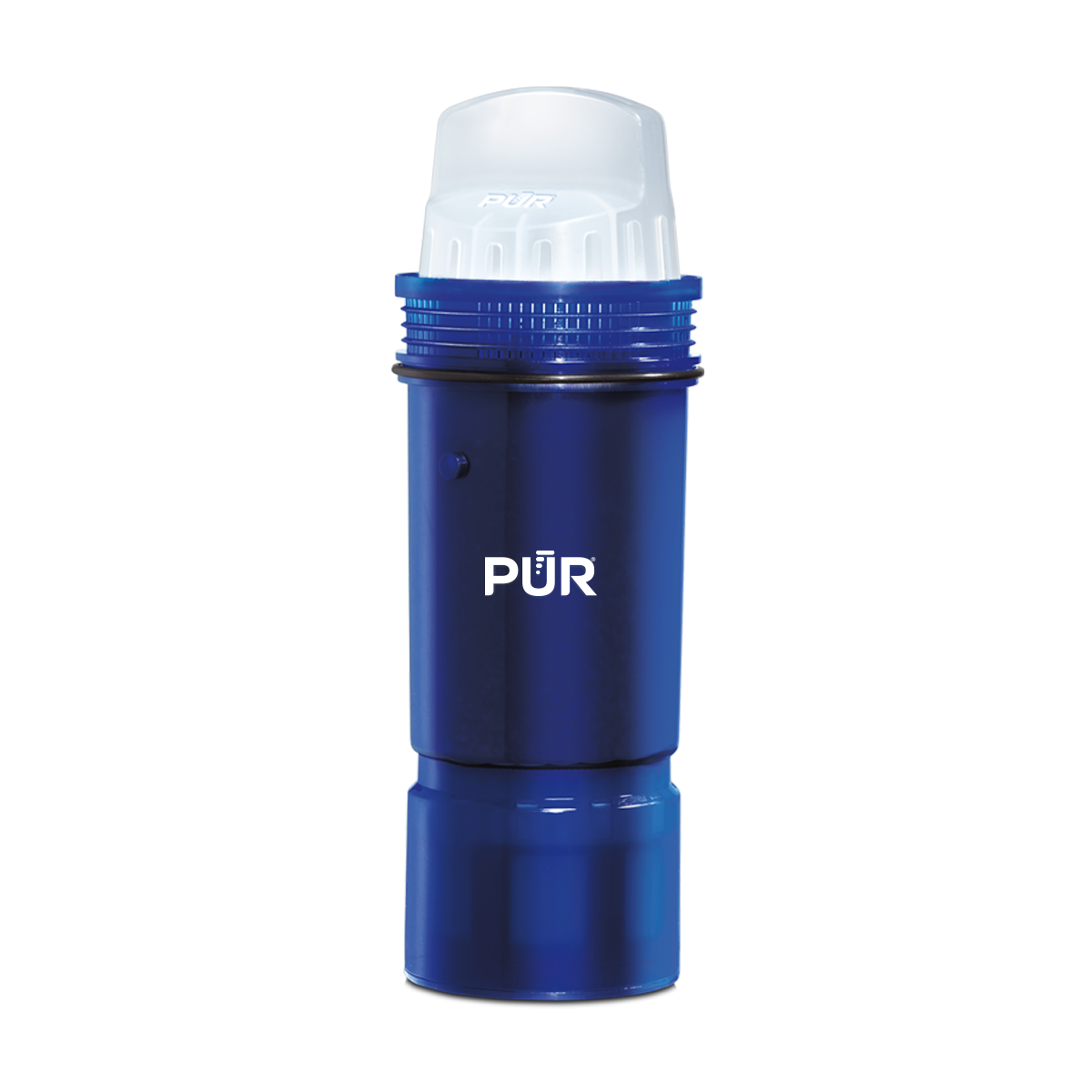
PUR BASIC PITCHER FILTERS
PPF900Z

View Filter


Vs. Brita*

Lead
Microplastics
Mercury
Chlorine Taste & Odor
DEET
TTHM

PUR’s Filtration Systems Are Certified By NSF And WQA For Their Contamination Reduction. WQA certifications as of 5/27/21 for Faucet filter models RF-3375 and RF-9999.

¹ Certified to reduce 10X more chemical and physical substances than Brita’s® leading pitcher filter.
² Certified to reduce 3X more chemical and physical substances than Brita’s® leading pitcher filter.
³ Certified to reduce 2X more chemical and physical substances than Brita’s® leading pitcher filter.
*Versus best-selling Brita® pitcher filter OB03. Brita® is a trademark of Brita LP.
**Like other leading brands, PUR does not filter microbes. As of 3/1/23 Brita® and ZeroWater® were not certified to filter microbes. Brita® is a trademark of Brita LP. ZeroWater® is a trademark of Zero Technologies, LLC..
 

PUR & PUR PLUS FAUCET FILTERS


PUR & PUR PLUS FAUCET FILTERS
RF3375/RF9999

View Filters


Vs. Brita*

Lead
Microplastics
Mercury
Chlorine Taste & Odor
DEET
TTHM

PUR’s Filtration Systems Are Certified By NSF And WQA For Their Contamination Reduction. WQA certifications as of 5/27/21 for Faucet filter models RF-3375 and RF-9999.

¹ Certified to reduce 10X more chemical and physical substances than Brita’s® leading pitcher filter.
² Certified to reduce 3X more chemical and physical substances than Brita’s® leading pitcher filter.
³ Certified to reduce 2X more chemical and physical substances than Brita’s® leading pitcher filter.
*Versus best-selling Brita® pitcher filter OB03. Brita® is a trademark of Brita LP.
**Like other leading brands, PUR does not filter microbes. As of 3/1/23 Brita® and ZeroWater® were not certified to filter microbes. Brita® is a trademark of Brita LP. ZeroWater® is a trademark of Zero Technologies, LLC..
 

PUR PLUS PITCHER FILTERS


PUR PLUS PITCHER FILTERS
PPF951K

View Filter


Vs. Brita*

Lead
Microplastics
Mercury
Chlorine Taste & Odor
DEET
TTHM

PUR’s Filtration Systems Are Certified By NSF And WQA For Their Contamination Reduction. WQA certifications as of 5/27/21 for Faucet filter models RF-3375 and RF-9999.

¹ Certified to reduce 10X more chemical and physical substances than Brita’s® leading pitcher filter.
² Certified to reduce 3X more chemical and physical substances than Brita’s® leading pitcher filter.
³ Certified to reduce 2X more chemical and physical substances than Brita’s® leading pitcher filter.
*Versus best-selling Brita® pitcher filter OB03. Brita® is a trademark of Brita LP.
**Like other leading brands, PUR does not filter microbes. As of 3/1/23 Brita® and ZeroWater® were not certified to filter microbes. Brita® is a trademark of Brita LP. ZeroWater® is a trademark of Zero Technologies, LLC..
 

PUR BASIC PITCHER FILTERS


PUR BASIC PITCHER FILTERS
PPF900Z

View Filter


Vs. Brita*

Lead
Microplastics
Mercury
Chlorine Taste & Odor
DEET
TTHM

PUR’s Filtration Systems Are Certified By NSF And WQA For Their Contamination Reduction. WQA certifications as of 5/27/21 for Faucet filter models RF-3375 and RF-9999.

¹ Certified to reduce 10X more chemical and physical substances than Brita’s® leading pitcher filter.
² Certified to reduce 3X more chemical and physical substances than Brita’s® leading pitcher filter.
³ Certified to reduce 2X more chemical and physical substances than Brita’s® leading pitcher filter.
*Versus best-selling Brita® pitcher filter OB03. Brita® is a trademark of Brita LP.
**Like other leading brands, PUR does not filter microbes. As of 3/1/23 Brita® and ZeroWater® were not certified to filter microbes. Brita® is a trademark of Brita LP. ZeroWater® is a trademark of Zero Technologies, LLC..
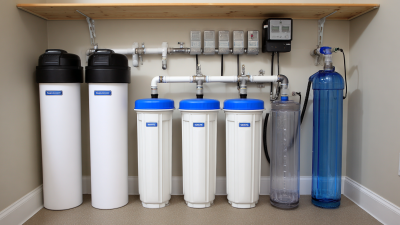
 

Top 10 Water Treatment Systems for Clean and Safe Drinking Water

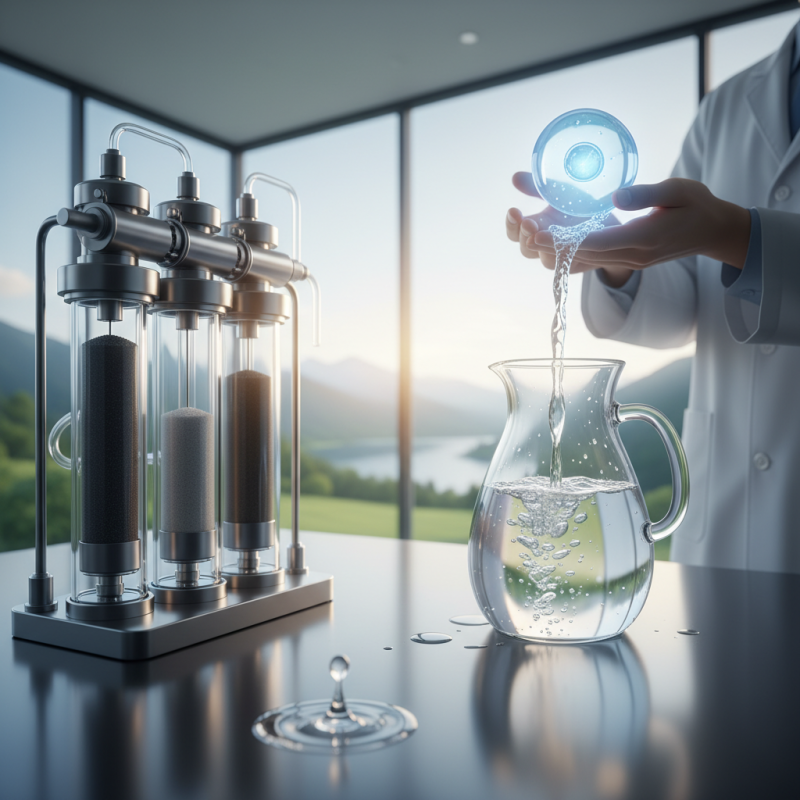
Access to clean and safe drinking water is one of the most critical global challenges today. According to the World Health Organization, approximately 2 billion people worldwide lack access to safe drinking water, leading to severe health implications. Water treatment systems play a vital role in mitigating this crisis by removing contaminants and ensuring that water quality meets safety standards. As stated by Dr. Emily Sanchez, a leading expert in water quality management, "Investing in advanced water treatment systems is essential not just for public health, but also for the sustainability of our water resources."

The importance of effective water treatment systems cannot be overstated, especially in the face of increasing environmental pollution and climate changes that affect water quality. Reports from the Environmental Protection Agency highlight that investments in modern water treatment technologies can reduce health risks associated with waterborne diseases by over 50%. This underscores the necessity for communities and nations to consider various water treatment options tailored to their specific needs. In this article, we will explore the top 10 water treatment systems that promise to deliver clean and safe drinking water, ensuring public health and promoting sustainable practices across the globe.

Top 10 Water Treatment Systems for Clean and Safe Drinking Water

Top 10 Water Treatment Systems for Clean and Safe Drinking Water

Access to clean and safe drinking water is a fundamental human right, yet millions of people worldwide still rely on unsafe sources. According to the World Health Organization (WHO), approximately 2 billion people globally use a drinking water source contaminated with feces, which poses serious health risks. Implementing effective water treatment systems is essential to ensure potable water, reducing the transmission of waterborne diseases such as cholera and dysentery.

Various advanced water treatment systems are available that cater to different needs and environments. For instance, reverse osmosis systems are gaining popularity due to their high efficiency in removing contaminants. A report by the Water Quality Association highlights that these systems can eliminate up to 99% of dissolved solids and harmful microorganisms, making them a preferred choice for many households.

Additionally, UV water purification technology has emerged as a reliable method to inactivate pathogens without the use of harsh chemicals, providing a safe solution for communities lacking access to treated water.

Moreover, innovative filtration solutions that combine multiple methods are increasingly being adopted. According to a study published by the American Water Works Association, multi-barrier systems that utilize both filtration and disinfection processes not only enhance water quality but also improve taste and odor. These treatment systems are crucial in addressing varying degrees of water quality challenges, ensuring that everyone has access to clean and safe drinking water.

Understanding the Importance of Clean Drinking Water for Public Health

Access to clean drinking water is a fundamental human right and a crucial component of public health. According to the World Health Organization (WHO), approximately 2 billion people worldwide are still without safely managed drinking water services. This lack of access can lead to a plethora of health issues, including waterborne diseases such as cholera, typhoid fever, and dysentery, which account for over 500,000 deaths each year. The impact on vulnerable populations, particularly children under five, is especially dire, with UNICEF reporting that over 800 children die daily due to preventable water-related diseases.

Notably, the importance of clean drinking water extends beyond immediate health effects; it is also closely linked to economic development and national security. The WHO estimates that for every $1 invested in water and sanitation, there is a return of $4 in increased productivity. This is critical in developing regions where contaminated water can hinder economic growth and stability. Furthermore, public health initiatives aimed at improving water quality are essential for preventing outbreaks and promoting overall community well-being, leading to healthier populations that can contribute more effectively to society. Implementing robust water treatment systems is instrumental in addressing these challenges and ensuring access to clean drinking water for all.

Top 10 Water Treatment Systems for Clean and Safe Drinking Water

System Type Filtration Method Contaminants Removed Capacity (Gallons/Day) Average Cost ($)
Reverse Osmosis System Membrane Filtration Heavy Metals, Microorganisms 50 300
Activated Carbon Filter Adsorption Chlorine, Sediment 25 150
Ultraviolet (UV) Filter UV Light Treatment Bacteria, Viruses 30 200
Ion Exchange System Ion Exchange Hardness Minerals 40 250
Whole House Water Filter Multi-Stage Filtration Sediment, Chlorine 70 400
Water Distillation Unit Steam Distillation Minerals, Bacteria 20 350
Point-of-Use Water Filters Inline Filtration Chlorine, VOCs 10 100
Acid Neutralizer System Chemical Neutralization Acidity, Metals 60 500
Granular Activated Carbon (GAC) Filter Granular Filtration Chlorine, Odor 35 175
Water Softeners Ion Exchange Hardness Minerals 80 600

Overview of Common Contaminants in Drinking Water: A Statistical Breakdown

Top 10 Water Treatment Systems for Clean and Safe Drinking Water

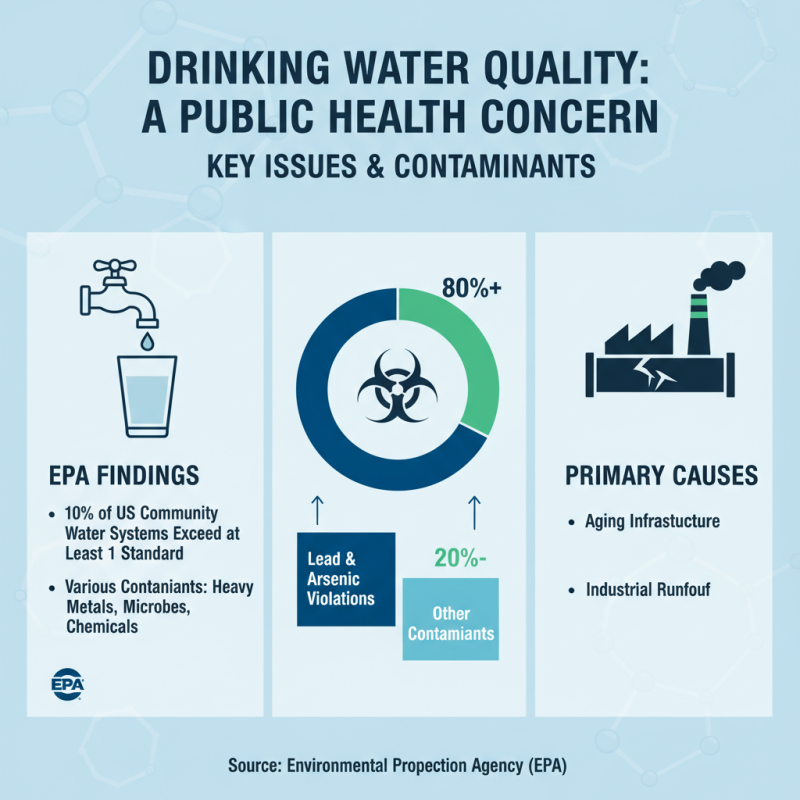
Drinking water quality is a critical concern for public health, with various contaminants potentially threatening safety. According to the Environmental Protection Agency (EPA), around 10% of community water systems in the United States exceed at least one water quality standard, highlighting the prevalence of varying contaminants, including heavy metals, microbiological agents, and chemical pollutants. Statistical analyses show that over 80% of violations reported relate to contaminants like lead and arsenic, often attributed to aging infrastructure and industrial runoff.

Microbial contaminants remain a significant risk, with the Centers for Disease Control and Prevention (CDC) estimating that approximately 7 million Americans become ill due to contaminated drinking water annually. Common pathogens found in water supplies include E. coli and Cryptosporidium, which can lead to severe gastrointestinal diseases. Additionally, chemical pollutants such as nitrates and pesticides continue to be detected, raising alarms particularly in agricultural regions where runoff can heavily influence water quality. Understanding these statistics not only emphasizes the necessity for effective water treatment systems but also underscores the importance of ongoing monitoring and regulatory efforts to ensure clean and safe drinking water for everyone.

Comparative Analysis of Top Water Treatment Technologies on the Market

Water treatment systems are crucial for ensuring access to clean and safe drinking water. A comparative analysis of the top technologies currently available on the market reveals diverse approaches in efficiency, maintenance, and affordability. For instance, reverse osmosis systems are renowned for their thorough filtration capabilities, removing a wide array of contaminants including bacteria, viruses, and heavy metals. However, their relatively high initial cost and the need for regular membrane replacements may deter some users.

Alternatively, activated carbon filters offer a cost-effective solution for improving water taste and odor while effectively reducing chlorine and organic compounds. These systems require less maintenance and demonstrate user-friendly installation processes. Yet, they may not address all contaminants, such as certain pathogens or dissolved solids. Ultraviolet (UV) purification, another popular method, provides a chemical-free option for disinfecting water, making it a safe choice for households sensitive to chemical treatments. By assessing the strengths and limitations of each technology, consumers can make informed decisions tailored to their specific water quality needs and budgetary constraints.

Top 10 Water Treatment Systems for Clean and Safe Drinking Water

Efficacy and Performance Metrics of Leading Water Treatment Systems

Top 10 Water Treatment Systems for Clean and Safe Drinking Water

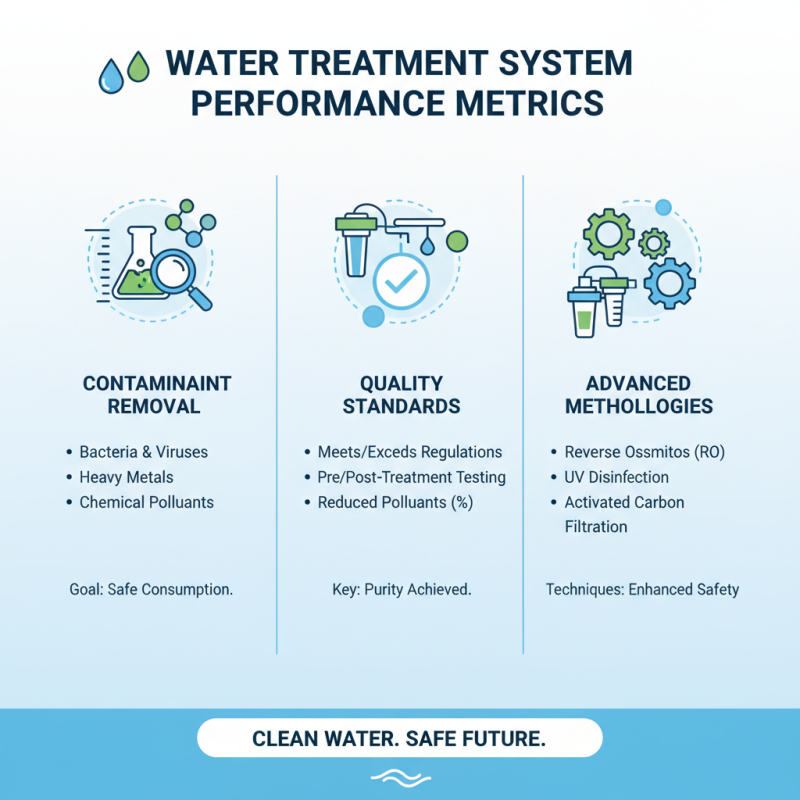
When assessing the efficacy and performance metrics of leading water treatment systems, several key factors come into play. First and foremost, the systems should effectively remove contaminants, including bacteria, viruses, heavy metals, and chemical pollutants. The ability to meet or exceed established water quality standards is a critical metric for evaluating performance, with tests typically measuring the reduction of specific pollutants before and after treatment. Advanced methodologies such as Reverse Osmosis, UV disinfection, and Activated Carbon filtration have demonstrated significant potential in reducing harmful substances, ensuring that the water produced is not only clean but also safe for consumption.

Furthermore, reliability and maintenance requirements are crucial components of performance metrics. An effective water treatment system should exhibit durability under various operating conditions while requiring minimal maintenance. Performance indicators, such as filter lifespan and energy consumption, play an essential role in determining the overall efficiency and cost-effectiveness of these systems. Additionally, user reports and independent testing can offer insights into operational performance, revealing how well a system performs over time in diverse environments. By focusing on these efficacy and performance metrics, consumers can make informed decisions when selecting the most suitable water treatment system for their needs.

Conclusion

This article explores the essential role of clean drinking water for public health, highlighting the significance of effective water treatment systems. It begins with a statistical overview of common contaminants found in drinking water, illustrating the necessity for robust solutions. A comparative analysis of the leading water treatment technologies provides insights into their efficacy and performance metrics, helping consumers make informed decisions.

The discussion also encompasses future trends in water treatment, emphasizing innovations and sustainable practices that are likely to shape the industry. By understanding these critical aspects, readers can better appreciate the importance of investing in high-quality water treatment systems to ensure safe and clean drinking water for all.