Contaminant Comparison Chart

For a complete list of contaminants that PUR filters reduce, please view our Performance Data Sheets here.


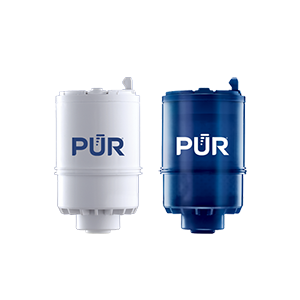
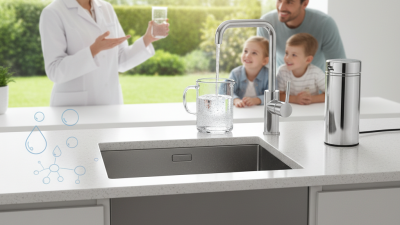
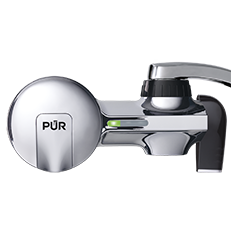
PUR & PUR PLUS FAUCET FILTERS
RF3375/RF9999

View Filters

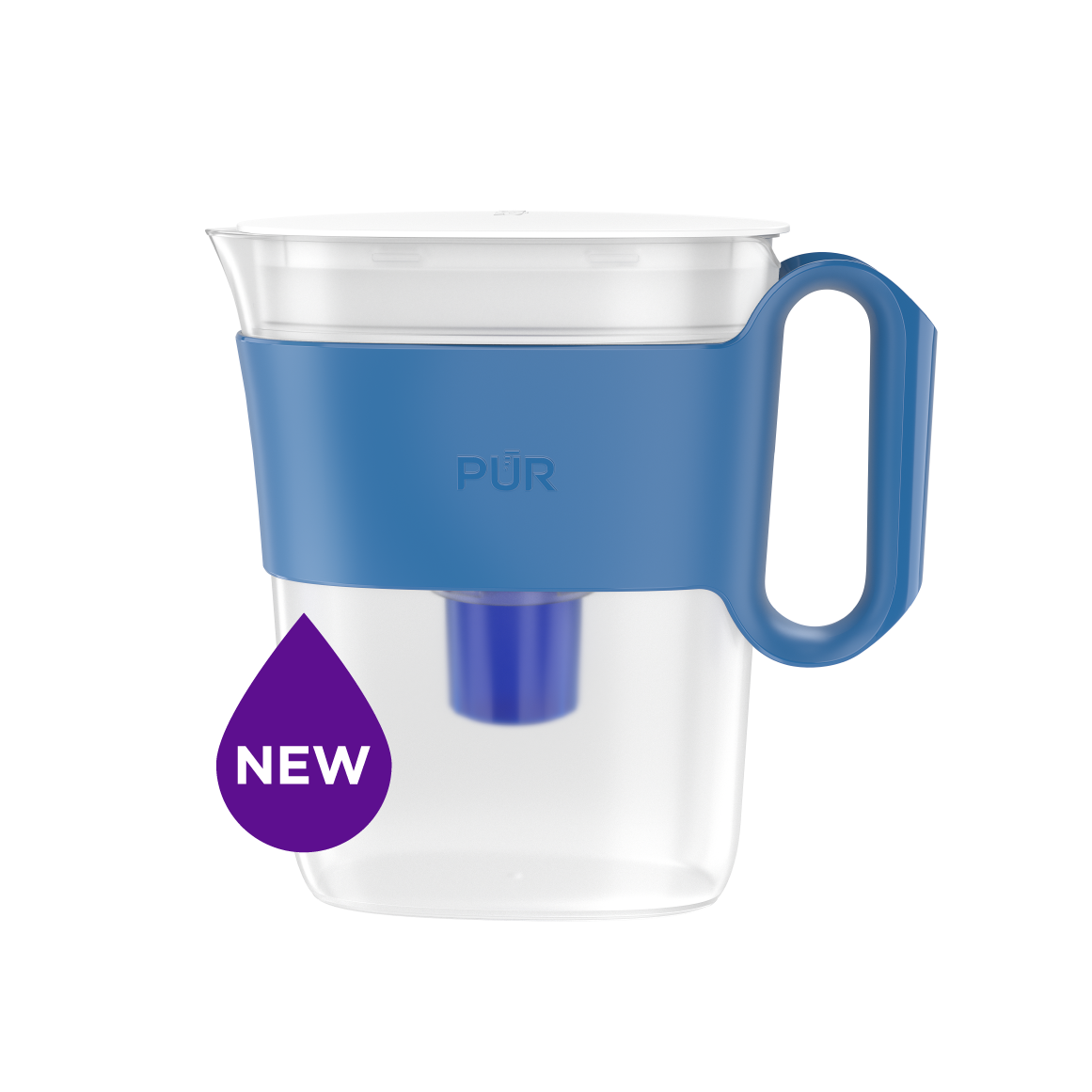
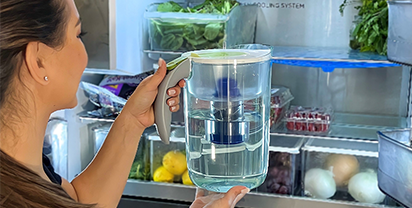
PUR PLUS PITCHER FILTERS
PPF951K

View Filter

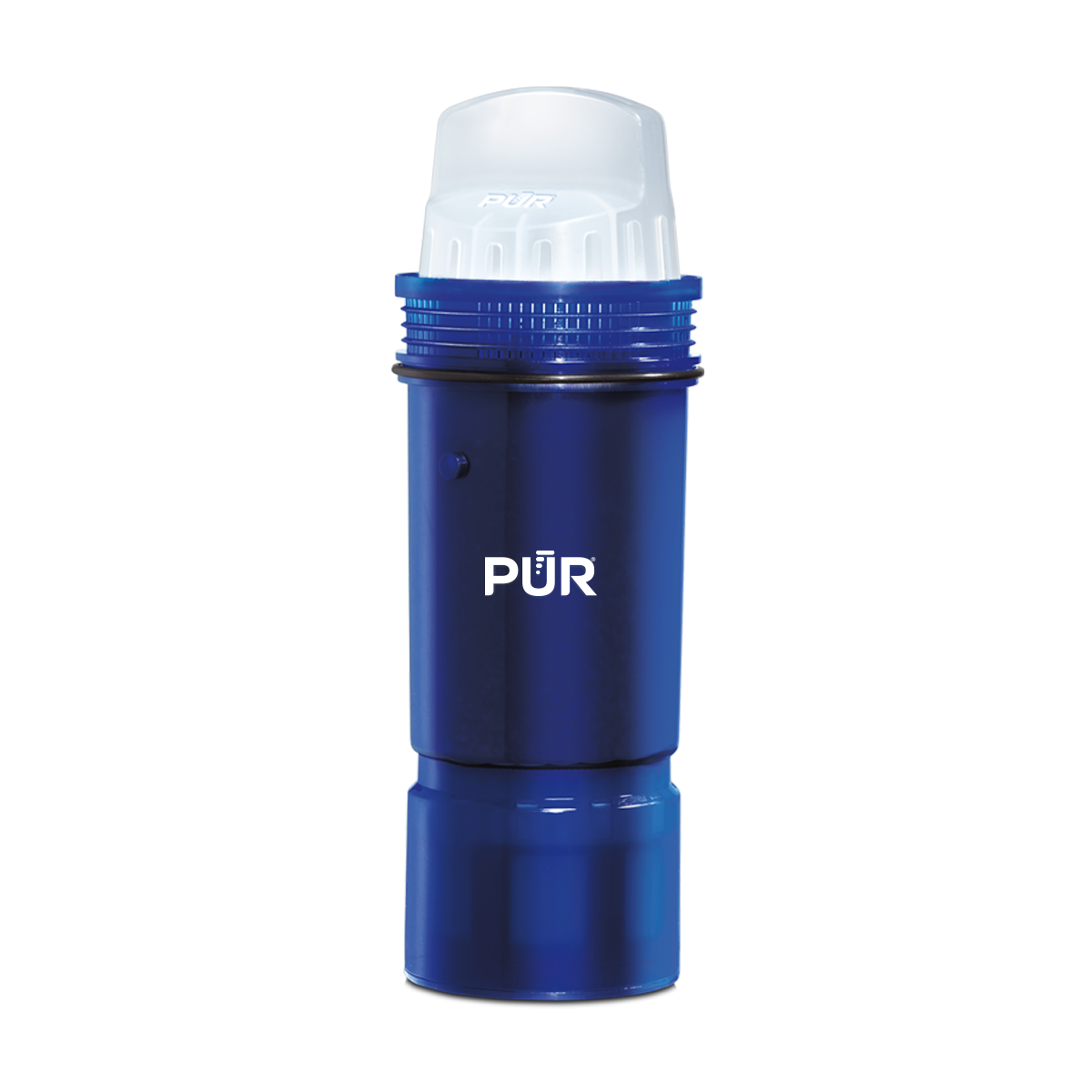
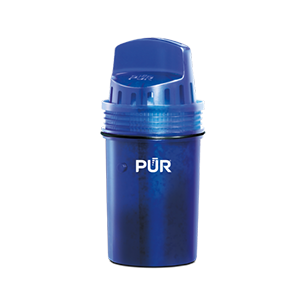
PUR BASIC PITCHER FILTERS
PPF900Z

View Filter


Vs. Brita*

Lead
Microplastics
Mercury
Chlorine Taste & Odor
DEET
TTHM

PUR’s Filtration Systems Are Certified By NSF And WQA For Their Contamination Reduction. WQA certifications as of 5/27/21 for Faucet filter models RF-3375 and RF-9999.

¹ Certified to reduce 10X more chemical and physical substances than Brita’s® leading pitcher filter.
² Certified to reduce 3X more chemical and physical substances than Brita’s® leading pitcher filter.
³ Certified to reduce 2X more chemical and physical substances than Brita’s® leading pitcher filter.
*Versus best-selling Brita® pitcher filter OB03. Brita® is a trademark of Brita LP.
**Like other leading brands, PUR does not filter microbes. As of 3/1/23 Brita® and ZeroWater® were not certified to filter microbes. Brita® is a trademark of Brita LP. ZeroWater® is a trademark of Zero Technologies, LLC..
 

PUR & PUR PLUS FAUCET FILTERS


PUR & PUR PLUS FAUCET FILTERS
RF3375/RF9999

View Filters


Vs. Brita*

Lead
Microplastics
Mercury
Chlorine Taste & Odor
DEET
TTHM

PUR’s Filtration Systems Are Certified By NSF And WQA For Their Contamination Reduction. WQA certifications as of 5/27/21 for Faucet filter models RF-3375 and RF-9999.

¹ Certified to reduce 10X more chemical and physical substances than Brita’s® leading pitcher filter.
² Certified to reduce 3X more chemical and physical substances than Brita’s® leading pitcher filter.
³ Certified to reduce 2X more chemical and physical substances than Brita’s® leading pitcher filter.
*Versus best-selling Brita® pitcher filter OB03. Brita® is a trademark of Brita LP.
**Like other leading brands, PUR does not filter microbes. As of 3/1/23 Brita® and ZeroWater® were not certified to filter microbes. Brita® is a trademark of Brita LP. ZeroWater® is a trademark of Zero Technologies, LLC..
 

PUR PLUS PITCHER FILTERS


PUR PLUS PITCHER FILTERS
PPF951K

View Filter


Vs. Brita*

Lead
Microplastics
Mercury
Chlorine Taste & Odor
DEET
TTHM

PUR’s Filtration Systems Are Certified By NSF And WQA For Their Contamination Reduction. WQA certifications as of 5/27/21 for Faucet filter models RF-3375 and RF-9999.

¹ Certified to reduce 10X more chemical and physical substances than Brita’s® leading pitcher filter.
² Certified to reduce 3X more chemical and physical substances than Brita’s® leading pitcher filter.
³ Certified to reduce 2X more chemical and physical substances than Brita’s® leading pitcher filter.
*Versus best-selling Brita® pitcher filter OB03. Brita® is a trademark of Brita LP.
**Like other leading brands, PUR does not filter microbes. As of 3/1/23 Brita® and ZeroWater® were not certified to filter microbes. Brita® is a trademark of Brita LP. ZeroWater® is a trademark of Zero Technologies, LLC..
 

PUR BASIC PITCHER FILTERS


PUR BASIC PITCHER FILTERS
PPF900Z

View Filter


Vs. Brita*

Lead
Microplastics
Mercury
Chlorine Taste & Odor
DEET
TTHM

PUR’s Filtration Systems Are Certified By NSF And WQA For Their Contamination Reduction. WQA certifications as of 5/27/21 for Faucet filter models RF-3375 and RF-9999.

¹ Certified to reduce 10X more chemical and physical substances than Brita’s® leading pitcher filter.
² Certified to reduce 3X more chemical and physical substances than Brita’s® leading pitcher filter.
³ Certified to reduce 2X more chemical and physical substances than Brita’s® leading pitcher filter.
*Versus best-selling Brita® pitcher filter OB03. Brita® is a trademark of Brita LP.
**Like other leading brands, PUR does not filter microbes. As of 3/1/23 Brita® and ZeroWater® were not certified to filter microbes. Brita® is a trademark of Brita LP. ZeroWater® is a trademark of Zero Technologies, LLC..
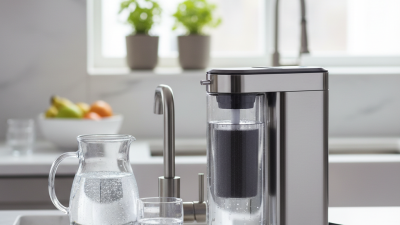
 

Top 10 Whole House Water Filtration Systems for Clean Drinking Water

In today's world, the quality of our drinking water has become an increasingly critical concern for households. According to water quality expert Dr. Emily Clear, "Investing in a whole house water filtration system is one of the most effective ways to ensure clean and safe drinking water for your family." This statement encapsulates the growing understanding that the tap water we rely on can contain various contaminants harmful to our health. A reliable whole house water filtration system not only provides clean drinking water but also protects your home’s plumbing system and appliances from the negative effects of hard water and other impurities.

As the demand for clean and safe water rises, many homeowners are turning to whole house water filtration solutions to safeguard their families. These systems filter out impurities at the point of entry, ensuring that every faucet and showerhead delivers water that meets health standards. The choice of the right filtration system can seem overwhelming, given the myriad of options available in the market. However, understanding the benefits and functionalities of different systems can empower homeowners to make informed decisions about their water quality needs. In this article, we will explore the top 10 whole house water filtration systems, helping you navigate this essential investment toward a healthier lifestyle.

Top 10 Whole House Water Filtration Systems for Clean Drinking Water

Overview of Whole House Water Filtration Systems and Their Importance

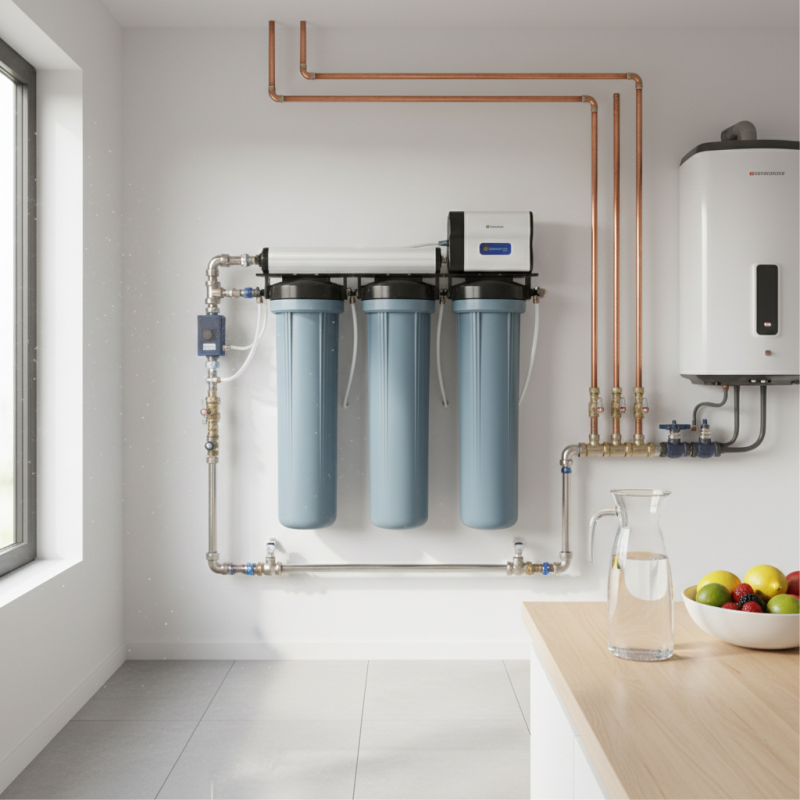
Whole house water filtration systems play a crucial role in ensuring that every drop of water in a household is clean and safe for consumption and use. These systems are designed to filter water at the point of entry into a home, which means that all taps, showers, and appliances benefit from purified water. This is increasingly important given that reports from the Environmental Protection Agency (EPA) indicate that over 20% of U.S. households receive drinking water that contains contaminants such as lead, chlorine, and bacteria. By incorporating a whole house filtration system, homeowners can reduce their exposure to these potential health risks.

The significance of these systems extends beyond just health benefits; they also contribute to cost savings in the long run. According to a study by the Water Quality Association (WQA), households utilizing whole house filtration see a reduction in maintenance costs for plumbing and appliances, as filtered water minimizes scale buildup and corrosive elements. This system not only improves water quality but also enhances the longevity of plumbing infrastructure, making it a wise investment for homeowners. Investing in a reliable filtration system can provide peace of mind, knowing that the water used in daily activities is clean and safe.

Key Contaminants in Household Water and Their Health Implications

Top 10 Whole House Water Filtration Systems for Clean Drinking Water

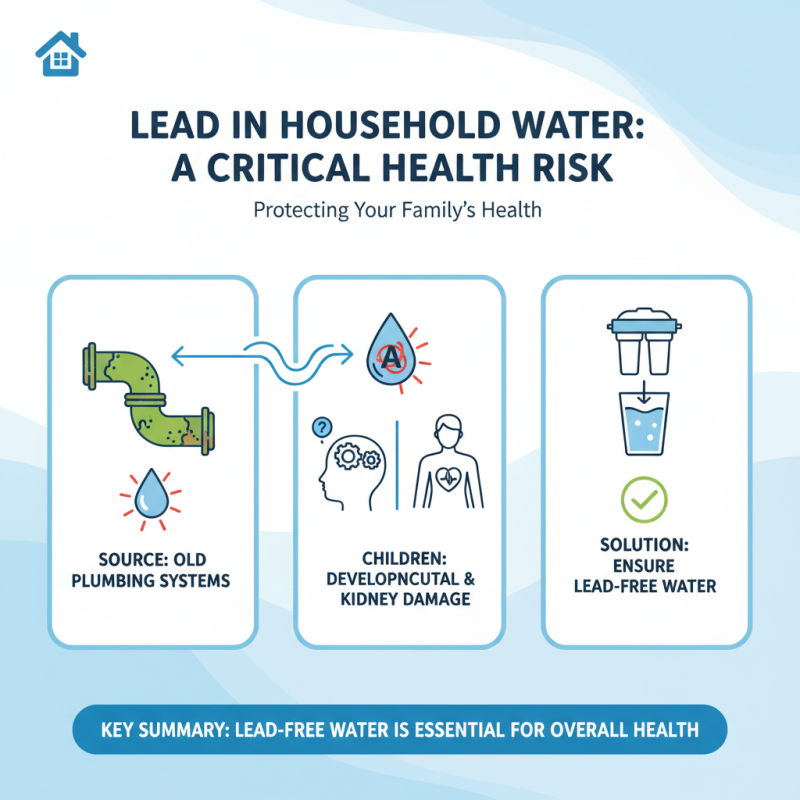
Household water can contain various contaminants that pose significant health risks to residents. One of the primary concerns is the presence of lead, often leached from old plumbing systems. Even low levels of lead exposure can lead to serious developmental issues in children and various health problems in adults, including cardiovascular effects and kidney damage. Therefore, ensuring that household water is free from lead is critical for maintaining overall health.

Another common contaminant is chlorine, widely used in municipal water supplies to disinfect. While effective for killing bacteria and viruses, chlorine can react with organic matter to form harmful byproducts, such as trihalomethanes, which have been linked to an increased risk of cancer and reproductive issues. Additionally, contaminants like pesticides, heavy metals, and microbes can infiltrate water sources, necessitating a comprehensive filtration solution that can address a range of potential health hazards. By understanding these key contaminants, homeowners can make informed decisions about their water filtration systems to safeguard their health and well-being.

Criteria for Selecting the Best Whole House Water Filtration Systems

When selecting the best whole house water filtration systems, it is essential to consider several key criteria that can significantly affect both water quality and household health. First, the filtration type is crucial; common methods include activated carbon, reverse osmosis, and sediment filters. Each method addresses different contaminants, so understanding the specific impurities present in your water supply is vital. According to a study by the Environmental Protection Agency (EPA), approximately 10% of Americans have drinking water that does not meet safe drinking water standards, emphasizing the importance of thorough filtration.

Another important criterion to evaluate is the system's capacity and flow rate. A whole house system must be able to handle the water demands of your household without impacting water pressure. Reports indicate that families typically require a filtration system that can filter at least 10 gallons per minute to maintain adequate water flow. Additionally, consider the maintenance requirements and cost-effectiveness of filter replacements, as some systems may have lower initial costs but higher long-term expenses.

Tips: Regular testing of your water quality can inform you about the effectiveness of your filtration system and help identify any emerging contaminants. It's also wise to consult with local water quality reports, often available from municipal sources, to ensure your system is properly configured for your specific needs.

Top 10 Whole House Water Filtration Systems for Clean Drinking Water

System Type Filter Stages Flow Rate (GPM) Installation Type Filter Life (Months) Certifications Price Range ($)
Multi-Stage Carbon 3 10 Point-of-Entry 12 NSF/ANSI 42 400-600
Reverse Osmosis 5 15 Point-of-Entry 24 NSF/ANSI 58 500-800
UV Filter System 1 8 Point-of-Entry 12 NSF/ANSI 55 300-500
Whole House Sediment Filter 1 20 Point-of-Entry 6 NSF/ANSI 61 100-200
Alkaline Water Filter 4 7 Point-of-Entry 24 NSF/ANSI 42 350-700
Cation & Anion Exchange 2 12 Point-of-Entry 18 NSF/ANSI 44 450-900
Chemical Filter 3 5 Point-of-Entry 12 NSF/ANSI 53 300-600
Mineral Filter System 4 9 Point-of-Entry 18 NSF/ANSI 42 400-750
Smart Water Softener 1 15 Point-of-Entry 36 NSF/ANSI 60 800-1200
Whole House Filter System 3 10 Point-of-Entry 12 NSF/ANSI 42 & 53 600-1000

Top 10 Whole House Water Filtration Systems: Features and Benefits

When considering a whole house water filtration system, understanding the features and benefits is crucial for ensuring clean drinking water. A well-chosen system can remove contaminants such as chlorine, heavy metals, and sediments from your tap water, enhancing both its taste and safety. According to the Water Quality Association, up to 60% of households in the United States use some type of water treatment system to address potential impurities. This not only provides peace of mind but contributes to better overall health for your family.

An essential feature to consider is the filtration technology used in the system. Carbon filters are renowned for their ability to absorb chlorine and improve taste, while reverse osmosis systems are effective in removing dissolved solids. Additionally, systems with multi-stage filtration offer comprehensive protection, addressing a broader range of contaminants. The longer lifespan of these systems, often averaging 10-15 years, means less frequent replacements and better long-term cost efficiency.

**Tip**: Regular maintenance and filter replacement are vital for optimal performance. Depending on usage and water quality, it's advisable to check filters every six months and replace them as recommended. Monitoring your water quality can also inform you when a system may need enhancement or replacement, ensuring you and your family have access to safe, clean drinking water.

Top 10 Whole House Water Filtration Systems: Features and Benefits

Cost Analysis and Long-Term Savings of Whole House Water Filtration Systems

When considering a whole house water filtration system, one of the key factors that homeowners often overlook is the cost analysis and potential long-term savings. Initial investments can vary significantly based on the system's technology and capacity, but the benefits frequently far outweigh these upfront costs. A well-functioning filtration system can enhance water quality by removing harmful contaminants, which directly contributes to better health and reduces the reliance on bottled water. This shift not only provides a substantial environmental benefit but also fosters savings on monthly grocery bills associated with purchasing bottled beverages.

Over time, the longevity of your plumbing and appliances can also play a significant role in determining overall savings. Whole house filtration systems can protect pipes from chlorine and sediment buildup, which could lead to costly repairs and replacements if left untreated. In addition, households may notice a decline in spending on maintenance for water heaters and dishwashers, as filtered water can improve their efficiency and lifespan. By investing in a quality filtration system, homeowners not only enhance their immediate drinking water quality but also contribute to a more sustainable financial approach for their household in the long run.