

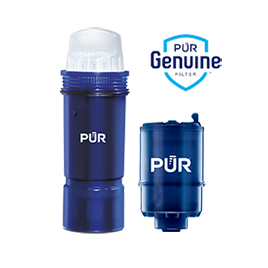
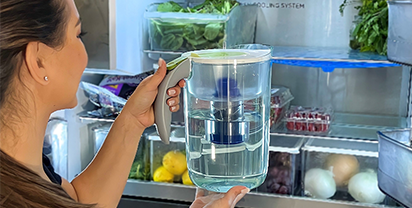
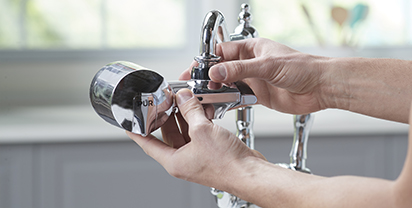
Contaminant Comparison Chart

For a complete list of contaminants that PUR filters reduce, please view our Performance Data Sheets here.


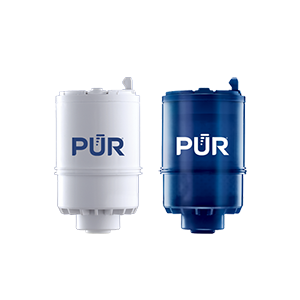
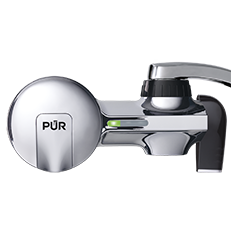
PUR & PUR PLUS FAUCET FILTERS
RF3375/RF9999

View Filters

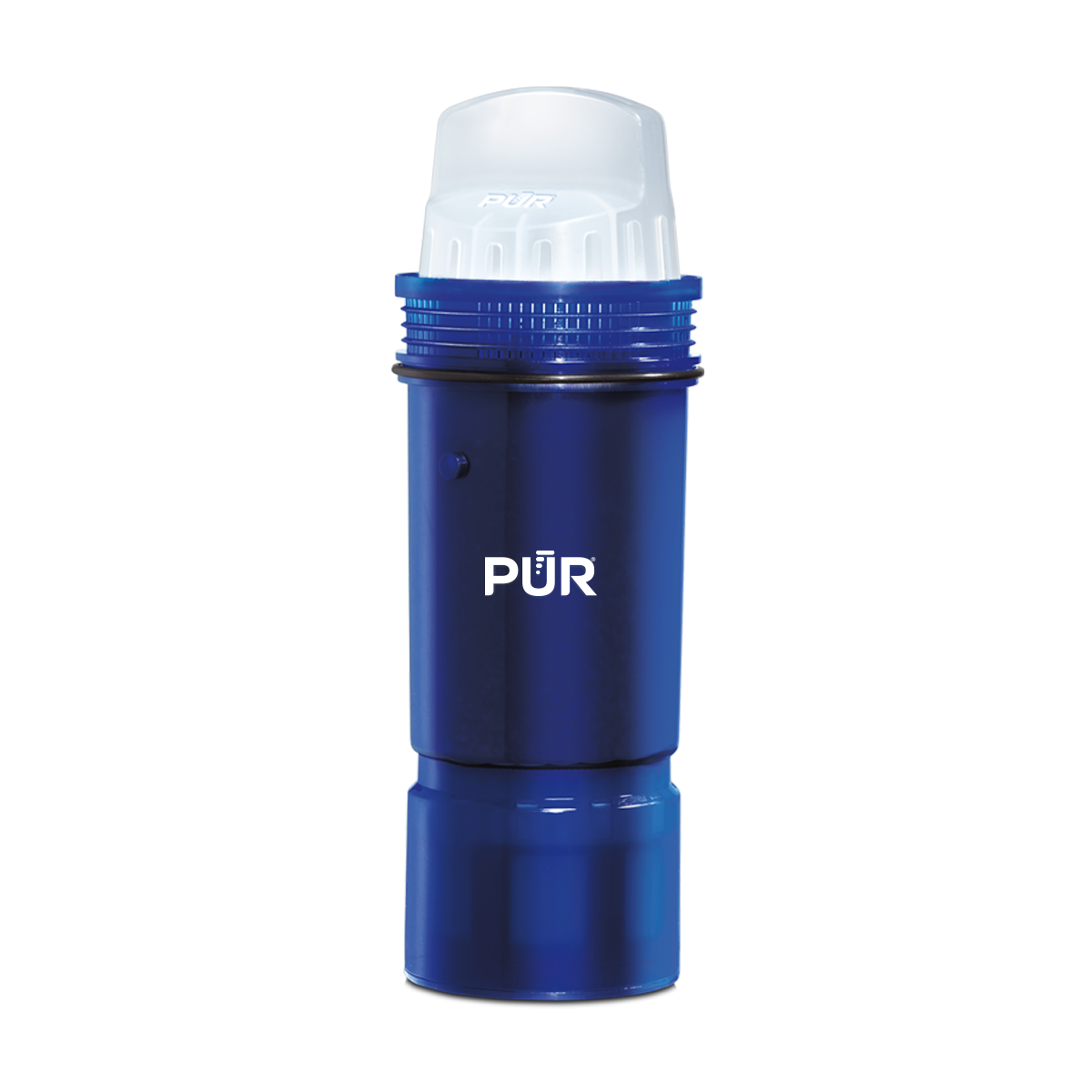
PUR PLUS PITCHER FILTERS
PPF951K

View Filter

PUR BASIC PITCHER FILTERS
PPF900Z

View Filter


Vs. Brita*

Lead ✓ ✓
Microplastics ✓ ✓
Mercury ✓ ✓ ✓
Chlorine Taste & Odor ✓ ✓ ✓
DEET ✓
TTHM ✓

PUR’s Filtration Systems Are Certified By NSF And WQA For Their Contamination Reduction. WQA certifications as of 5/27/21 for Faucet filter models RF-3375 and RF-9999.

¹ Certified to reduce 10X more chemical and physical substances than Brita’s® leading pitcher filter.
² Certified to reduce 3X more chemical and physical substances than Brita’s® leading pitcher filter.
³ Certified to reduce 2X more chemical and physical substances than Brita’s® leading pitcher filter.
*Versus best-selling Brita® pitcher filter OB03. Brita® is a trademark of Brita LP.
**Like other leading brands, PUR does not filter microbes. As of 3/1/23 Brita® and ZeroWater® were not certified to filter microbes. Brita® is a trademark of Brita LP. ZeroWater® is a trademark of Zero Technologies, LLC..
 

PUR & PUR PLUS FAUCET FILTERS


PUR & PUR PLUS FAUCET FILTERS
RF3375/RF9999

View Filters


Vs. Brita*

Lead ✓
Microplastics ✓
Mercury ✓
Chlorine Taste & Odor ✓
DEET ✓
TTHM ✓

PUR’s Filtration Systems Are Certified By NSF And WQA For Their Contamination Reduction. WQA certifications as of 5/27/21 for Faucet filter models RF-3375 and RF-9999.

¹ Certified to reduce 10X more chemical and physical substances than Brita’s® leading pitcher filter.
² Certified to reduce 3X more chemical and physical substances than Brita’s® leading pitcher filter.
³ Certified to reduce 2X more chemical and physical substances than Brita’s® leading pitcher filter.
*Versus best-selling Brita® pitcher filter OB03. Brita® is a trademark of Brita LP.
**Like other leading brands, PUR does not filter microbes. As of 3/1/23 Brita® and ZeroWater® were not certified to filter microbes. Brita® is a trademark of Brita LP. ZeroWater® is a trademark of Zero Technologies, LLC..


PUR PLUS PITCHER FILTERS


PUR PLUS PITCHER FILTERS
PPF951K

View Filter


Vs. Brita*

Lead ✓
Microplastics ✓
Mercury ✓
Chlorine Taste & Odor ✓
DEET
TTHM

PUR’s Filtration Systems Are Certified By NSF And WQA For Their Contamination Reduction. WQA certifications as of 5/27/21 for Faucet filter models RF-3375 and RF-9999.

¹ Certified to reduce 10X more chemical and physical substances than Brita’s® leading pitcher filter.
² Certified to reduce 3X more chemical and physical substances than Brita’s® leading pitcher filter.
³ Certified to reduce 2X more chemical and physical substances than Brita’s® leading pitcher filter.
*Versus best-selling Brita® pitcher filter OB03. Brita® is a trademark of Brita LP.
**Like other leading brands, PUR does not filter microbes. As of 3/1/23 Brita® and ZeroWater® were not certified to filter microbes. Brita® is a trademark of Brita LP. ZeroWater® is a trademark of Zero Technologies, LLC..


PUR BASIC PITCHER FILTERS


PUR BASIC PITCHER FILTERS
PPF900Z

View Filter


Vs. Brita*

Lead
Microplastics
Mercury ✓
Chlorine Taste & Odor ✓
DEET
TTHM

PUR’s Filtration Systems Are Certified By NSF And WQA For Their Contamination Reduction. WQA certifications as of 5/27/21 for Faucet filter models RF-3375 and RF-9999.

¹ Certified to reduce 10X more chemical and physical substances than Brita’s® leading pitcher filter.
² Certified to reduce 3X more chemical and physical substances than Brita’s® leading pitcher filter.
³ Certified to reduce 2X more chemical and physical substances than Brita’s® leading pitcher filter.
*Versus best-selling Brita® pitcher filter OB03. Brita® is a trademark of Brita LP.
**Like other leading brands, PUR does not filter microbes. As of 3/1/23 Brita® and ZeroWater® were not certified to filter microbes. Brita® is a trademark of Brita LP. ZeroWater® is a trademark of Zero Technologies, LLC..


Why Choose Tray Baking for Global Food Production?

Why Choose Tray Baking for Global Food Production?

Global food production demands more than high output. It requires repeatable quality across climates, facilities, and consumer preferences. Tray Baking offers a practical structure for achieving that balance. Dough or batter is portioned into trays, then baked under controlled temperature and airflow. Each tray creates a visible production unit. This helps teams monitor shape, color, moisture, and yield.

Food-processing author Peter Fellows offers a useful principle: “Process control must serve product consistency, safety, and cost.” Tray Baking reflects this principle through measurable settings. Operators can adjust oven zones, baking time, tray spacing, and cooling speed. These details matter when products travel from a European bakery to a tropical market. They also support cleaner handling and more predictable packaging.

The benefits are not automatic. Tray materials, oven design, and product thickness can change results. A crisp biscuit may soften during humid transport. A soft cake may lose structure after rapid cooling. These problems require testing, not assumptions. In my view, the strongest Tray Baking systems combine automation with experienced judgment. Sensors can identify temperature changes. Skilled bakers still notice uneven browning or a fragile edge.

There is room for improvement. Energy use may remain high in older ovens. Tray cleaning can also add labor and water consumption. However, better insulation, efficient airflow, and reusable tray programs can reduce these pressures. For global manufacturers, Tray Baking is not merely a baking method. It is a production strategy built around consistency, flexibility, and continuous review.

Why Choose Tray Baking for Global Food Production?

Tray Baking: Definition, Principles, and Production Workflow

Why Choose Tray Baking for Global Food Production?

Tray Baking: Definition, Principles, and Production Workflow

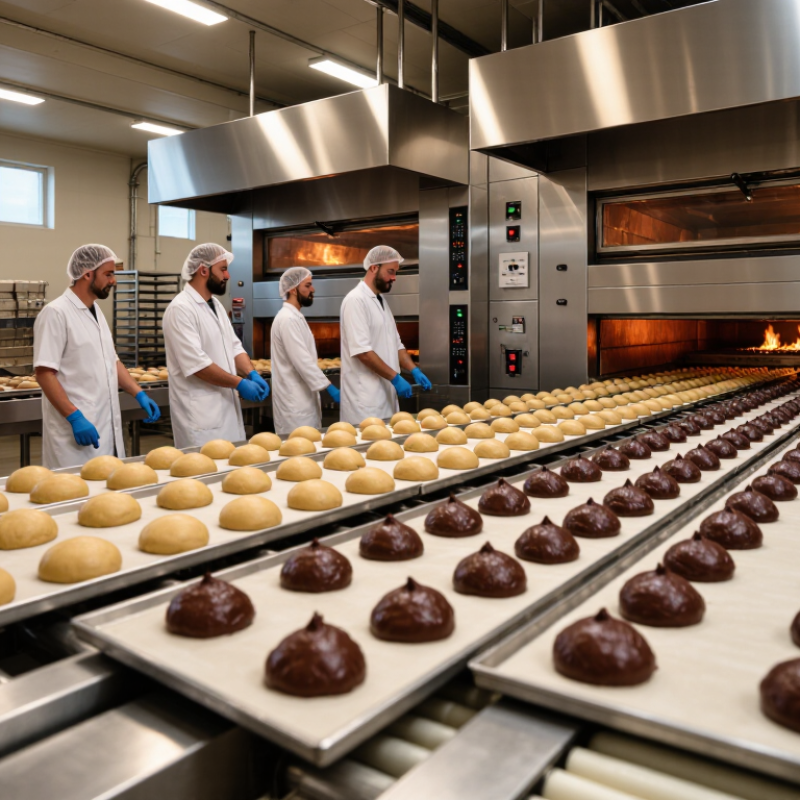
Tray baking is a controlled process where food portions are arranged on trays and baked with calibrated heat. It supports repeatable shapes, even cooking, and efficient handling across large production sites. Products may include breads, pastries, biscuits, and prepared foods.

The process begins with ingredient weighing and batch mixing. Operators then portion the dough or batter onto clean, food-grade trays. Spacing matters because crowded pieces bake unevenly. A short resting stage may improve structure and reduce cracking. The trays enter an oven with controlled temperature, airflow, and baking time. Sensors record key conditions, while trained staff check color, texture, and internal temperature.

After baking, products cool on racks or a controlled conveyor. Cooling prevents condensation inside sealed packaging. Workers inspect weight, appearance, and damaged edges before packing. Sanitation checks should occur between production runs, especially when recipes change. This workflow sounds simple, but small differences in flour moisture, room temperature, or tray position can alter results. No line is perfectly uniform. That assumption deserves review.

For global production, documented procedures help teams repeat the same method across facilities. However, operators should not follow numbers blindly. Local climate, equipment behavior, and ingredient supply can require careful adjustment. Reliable records, routine calibration, and practical staff experience support safer decisions and more consistent products.

Key Equipment and Ingredients Used in Tray Baking

Tray baking supports global food production through consistent portions, flexible shapes, and efficient oven loading. The process begins with accurate weighing equipment and industrial mixers. These machines develop a stable batter or dough. Depositors place measured portions onto trays, while alignment systems maintain even spacing. Small differences matter. An extra few grams can change baking time, texture, and product yield.

Commercial ovens require stable heat zones, controlled airflow, and reliable temperature sensors. Operators should inspect the tray center and edges, rather than trusting the display alone. Cooling conveyors remove steam and help protect the crust. Hygienic transfer surfaces, detection systems, and sealed packaging support safer handling. Tray materials also affect performance. Aluminum heats quickly, while reusable or coated trays can improve release and cleaning when maintained correctly.

Ingredient control is equally important. Flour, sugar, fats, liquids, leavening agents, and salt must be weighed with documented tolerances. Eggs or plant-based alternatives may change structure and moisture. I have found that regional flour strength often requires small formulation adjustments. Still, automation is not flawless. Humidity, ingredient temperature, and worn depositor parts can disturb a reliable process. Regular calibration, batch records, and practical staff checks keep those problems visible before they become costly.

Advantages of Tray Baking for Large-Scale Food Production

For global food production, tray baking offers a controlled way to scale familiar recipes. Each tray provides a defined baking surface, helping operators manage portion size, spacing, and product height. In a large facility, this consistency supports predictable heat transfer across thousands of units. It also simplifies production records. Teams can connect batch numbers with oven settings, ingredient lots, and cooling times. That evidence helps quality managers investigate problems quickly.

Tray systems can improve labor flow when loading, unloading, and inspection follow repeatable steps. Workers can check browning, surface cracks, and edge color before products enter cooling or packaging. Perforated or coated trays may support airflow, but the choice depends on dough moisture and release behavior. A small change in tray material can alter the bottom crust. Testing matters. Engineers should measure center temperature, weight loss, and bake time rather than trust appearance alone. I have found that visual checks remain useful, but they are not enough for reliable process control.

Large-scale operations also gain practical flexibility. Separate trays can carry different sizes or recipes through the same oven schedule, with careful validation. They stack efficiently, reduce direct handling, and can support automated washing and inspection. Still, tray baking is not automatically cheaper. Tray storage, cleaning, damage, and manual movement can increase operating costs. Uneven loading may create pale corners and overbaked edges. That weakness deserves attention, especially during peak seasons when speed pressures every decision. Continuous training and documented checks help prevent small errors from becoming expensive product losses.

Quality Control, Food Safety, and Process Consistency

Why Choose Tray Baking for Global Food Production?

Tray baking supports quality control because every product follows a visible, repeatable path. In high-volume production, trays help teams measure portion size, spacing, color, and bake loss. Operators can compare samples from different ovens and shifts. This creates useful evidence, not just personal judgment. Quality needs evidence.

Food safety begins with controlled handling. Trays can reduce direct contact during loading, baking, cooling, and transfer. Clearly defined cleaning procedures help prevent residue buildup and allergen carryover. Staff should inspect trays for cracks, oil films, or damaged coatings before use. Small gaps matter. Temperature probes, time records, and cooling checks also help verify critical process conditions. These records support hazard-based food safety systems and local requirements.

Process consistency depends on details that are easy to overlook. Identical tray layouts improve airflow and reduce uneven browning. Dough weight, oven temperature, and conveyor speed still require regular verification. A small change in dough moisture can alter texture across thousands of units. Tray baking is not foolproof. I have seen well-designed lines produce uneven results after a minor loading change. That weakness deserves honest review. Reliable teams investigate the cause, adjust the process, and document the result. Even experienced operators must recheck assumptions when ingredients, equipment, or production volume changes.

Global Applications and Operational Considerations for Tray Baking

Why Choose Tray Baking for Global Food Production?

Tray baking supports consistent production across different regions, product sizes, and oven systems. It suits bread, pastries, flatbreads, and prepared foods. Each tray helps define portion shape, spacing, and heat exposure.

That detail matters. In high-volume facilities, operators check tray dimensions, coating condition, and loading patterns every shift. Small changes can affect browning and internal moisture. Humid climates may require longer cooling times before packaging. Dry regions can increase crust formation and weight loss. Oven profiles must be tested with local ingredients, not copied blindly from another plant.

Material selection also affects performance. Durable trays can reduce replacement frequency, while lighter designs may lower handling effort. However, lighter is not always better. Warping can disrupt stacking and create uneven baking. Cleaning procedures require equal attention. Residue around tray edges may become a hygiene concern, especially when production changes between recipes. Documented sanitation checks, allergen controls, and traceability records support reliable operations and regulatory compliance.

Global teams also need practical training. Workers should understand safe loading, cooling space, inspection points, and basic fault reporting. Automation can improve repeatability, but manual checks still reveal problems early. I have seen production plans fail because they ignored storage space for clean trays. Waste follows. Energy use, labor availability, transport distance, and local food requirements should be reviewed before scaling. Tray baking is efficient, but only when the complete workflow is designed together.

Why Choose Tray Baking for Global Food Production? - Global Applications and Operational Considerations for Tray Baking
Global Application Typical Food Products Typical Process Window Tray Format and Material Considerations Operational Advantages Critical Controls and Limitations
Bakery and Pastry Bread rolls, cakes, muffins, biscuits, laminated pastries and flatbreads. Baking temperatures commonly range from approximately 160–230 °C, depending on product size, formulation and oven design. Perforated or solid metal trays, coated trays and reusable baking sheets are selected according to dough release, airflow and cleaning requirements. Supports consistent product spacing, repeatable baking profiles, simplified loading and unloading, and easier product transfer between process stages. Tray flatness, coating condition, dough adhesion, loading density and airflow must be controlled to prevent uneven browning or inconsistent moisture loss.
Ready Meals and Convenience Foods Lasagne, pasta dishes, rice meals, vegetable meals, casseroles and portion-controlled complete meals. Cooking, chilling, freezing and reheating conditions vary widely; refrigerated products are commonly stored at or below 5 °C, while frozen products are generally maintained at or below −18 °C. Trays may be rigid metal, heat-resistant plastic, paperboard-based or multilayer formats, subject to compatibility with the filling, oven, freezer and distribution route. Enables portion control, direct presentation, reduced product handling and efficient integration of cooking, cooling, storage and final preparation. Seal integrity, thermal expansion, hot-spot management, headspace, condensation and compatibility with the intended reheating method require validation.
Frozen Food Production Frozen bakery items, coated vegetables, prepared meals, appetizers and formed products. Products commonly pass through rapid freezing and are stored at approximately −18 °C or colder; subsequent baking or reheating conditions depend on the product. Trays must tolerate repeated temperature cycling, low-temperature handling, impact during conveying and the required freezing or baking environment. Provides stable product geometry, organized loading patterns and reliable movement through freezing, storage, case packing and cooking operations. Ice formation, tray brittleness, product sticking, freezer airflow and thermal shock can affect release, appearance and line efficiency.
Meat, Poultry and Seafood Cooked portions, marinated products, formed items, seafood portions and heat-and-eat protein meals. Thermal schedules depend on product composition and local food-safety requirements; validated internal temperatures and hold times are essential. Deep or lidded trays may be used to contain juices and protect product shape. Materials must be suitable for food contact, heating, chilling and sanitation. Reduces manual handling, supports portion consistency, simplifies juice collection and can improve traceability through batch-oriented tray movement. Cross-contamination prevention, drainage, fat and protein residue removal, seal performance and validated cold-chain control are central requirements.
Fruit, Vegetable and Plant-Based Foods Roasted vegetables, vegetable patties, dehydrated produce, fruit pieces, plant-based meals and prepared salads requiring heat treatment. Drying and roasting commonly use moderate-to-high airflow and temperatures broadly ranging from about 40–200 °C, depending on the process. Perforated trays support airflow and drainage; solid trays are preferred when small pieces, sauces or fine particles must be retained. Facilitates even distribution of pieces, controlled moisture reduction, gentle transfer of fragile products and flexible use across seasonal product formats. Piece size, surface moisture, tray loading depth, airflow uniformity and cleaning frequency strongly influence drying time and final texture.
Snack and Confectionery Products Crackers, granola clusters, cereal bars, molded snacks, cookies and baked confectionery products. Baking and setting conditions vary by formulation; many products require controlled heating followed by cooling before packing. Low-stick surfaces, precise dimensions and stable tray geometry help maintain product shape and support automated demolding or discharge. Improves product alignment, supports high-density conveyor layouts and allows multiple product sizes to be managed through standardized handling systems. Sugar or syrup buildup, oil migration, warping, surface wear and cooling-time variation can increase rejects and cleaning downtime.
Drying and Dehydration Herbs, spices, fruits, vegetables, noodles, specialty ingredients and shelf-stable components. Many food-drying processes operate within approximately 40–120 °C, with the selected temperature depending on water activity, product structure and quality targets. Open-mesh or perforated trays improve air circulation, while solid trays are used for powders, small pieces and products requiring containment. Provides a repeatable product bed, supports batch identification and enables controlled handling before, during and after moisture removal. Uneven bed depth, blocked perforations, insufficient airflow, case hardening and excessive residence time may reduce drying uniformity and product quality.
Regional and Export Production Products manufactured for multiple climates, distribution distances, regulatory markets and consumer preparation methods. Process parameters must be validated against local food-safety rules, transport conditions, shelf-life targets and the final consumer preparation method. Standardized tray footprints can be selected to fit local racks, conveyors, pallets, cold stores and packaging equipment while allowing format changes. Supports manufacturing standardization, lower product handling, easier line changeovers and consistent presentation across different markets. Tray dimensions, labeling space, food-contact compliance, recycling or disposal routes, cleaning infrastructure and local logistics must be assessed market by market.

Note: Temperature ranges and storage conditions shown above are indicative industry operating ranges rather than product specifications. Final settings must be validated for the specific recipe, equipment, tray material, food-safety requirements and distribution conditions.