
Contaminant Comparison Chart

For a complete list of contaminants that PUR filters reduce, please view our Performance Data Sheets here.


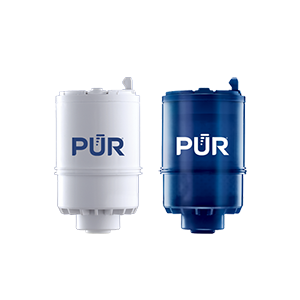
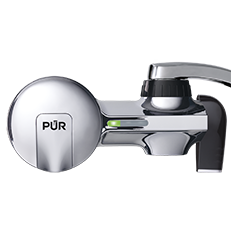
PUR & PUR PLUS FAUCET FILTERS
RF3375/RF9999

View Filters

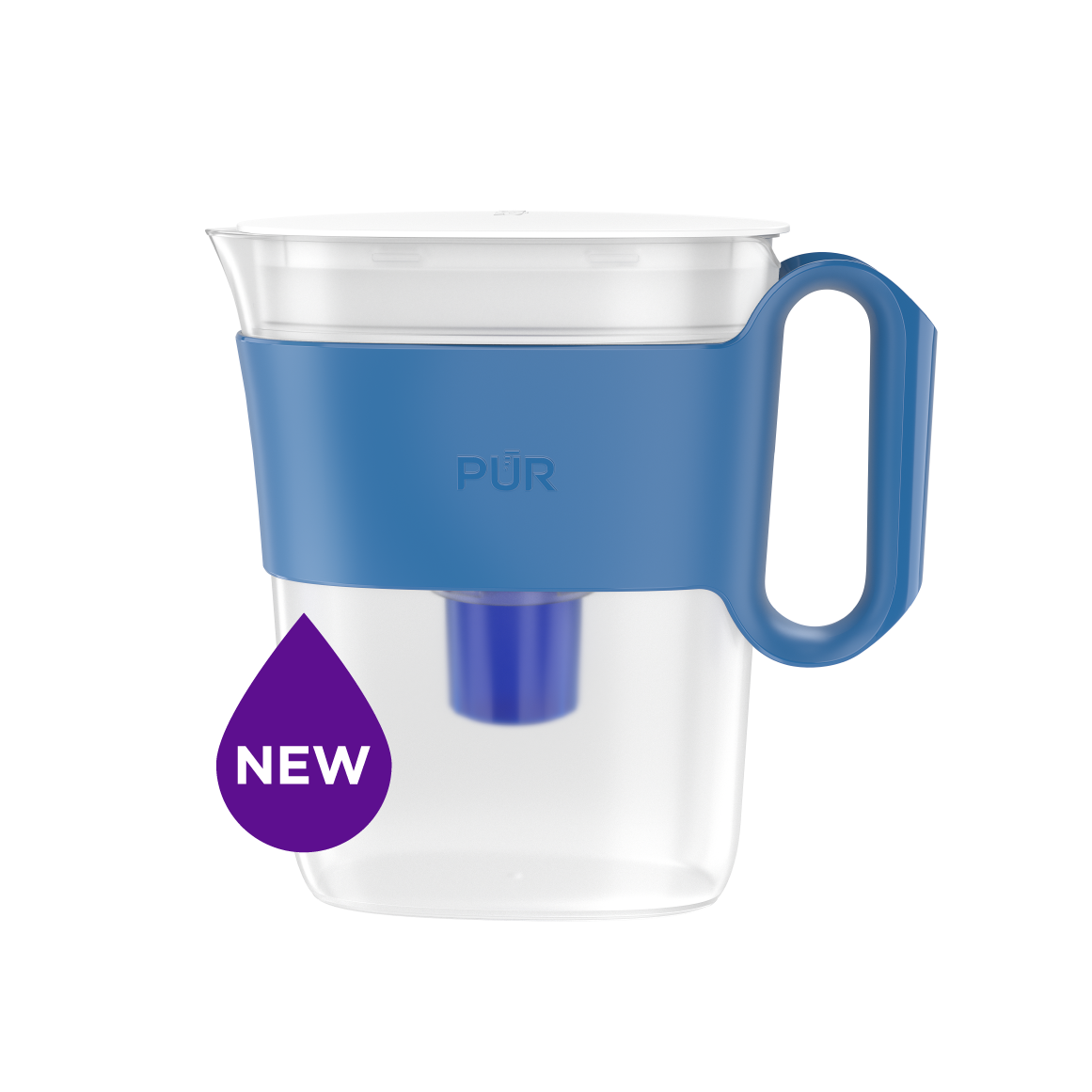
PUR PLUS PITCHER FILTERS
PPF951K

View Filter

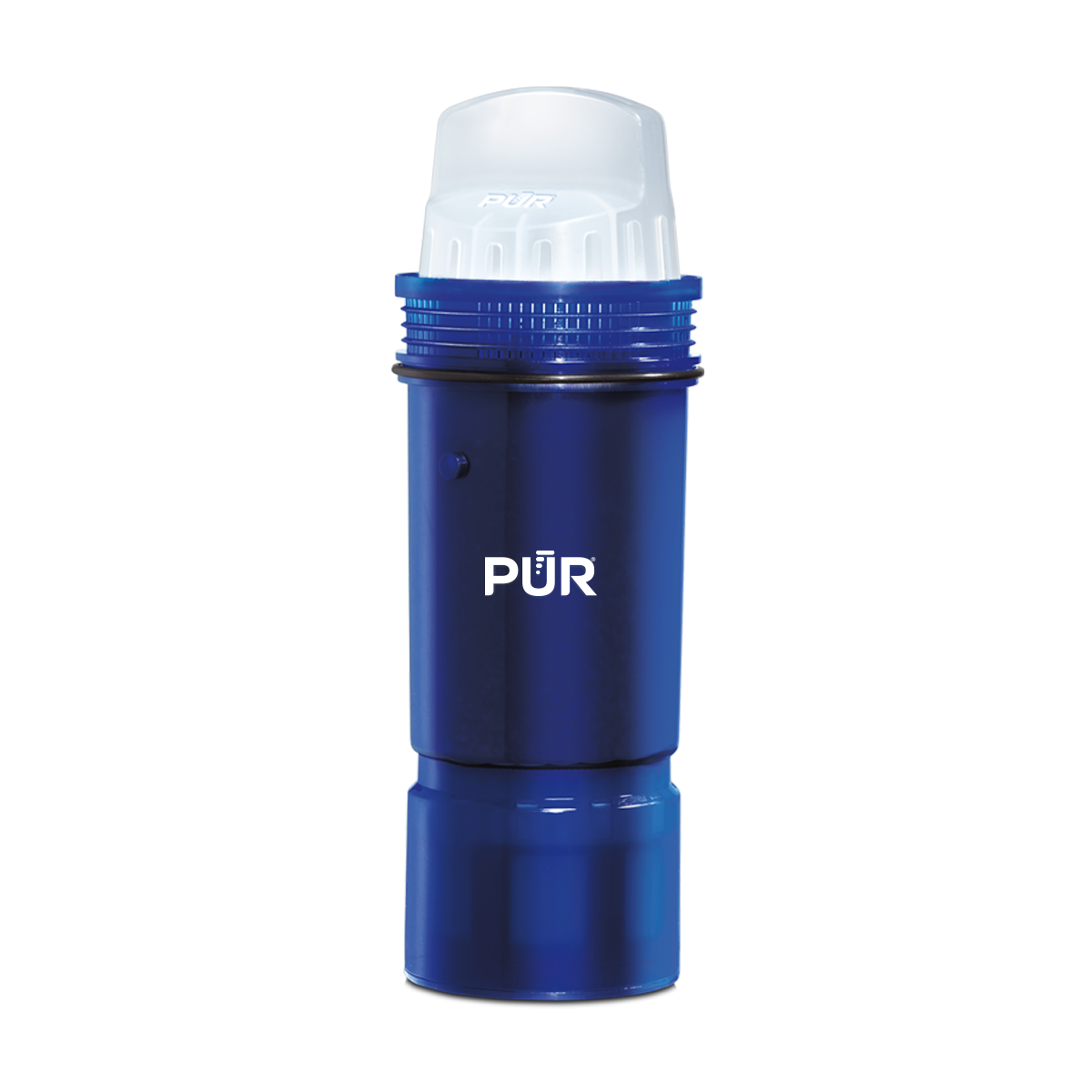
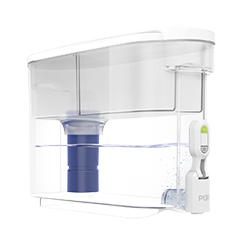
PUR BASIC PITCHER FILTERS
PPF900Z

View Filter


Vs. Brita*

Lead
Microplastics
Mercury
Chlorine Taste & Odor
DEET
TTHM

PUR’s Filtration Systems Are Certified By NSF And WQA For Their Contamination Reduction. WQA certifications as of 5/27/21 for Faucet filter models RF-3375 and RF-9999.

¹ Certified to reduce 10X more chemical and physical substances than Brita’s® leading pitcher filter.
² Certified to reduce 3X more chemical and physical substances than Brita’s® leading pitcher filter.
³ Certified to reduce 2X more chemical and physical substances than Brita’s® leading pitcher filter.
*Versus best-selling Brita® pitcher filter OB03. Brita® is a trademark of Brita LP.
**Like other leading brands, PUR does not filter microbes. As of 3/1/23 Brita® and ZeroWater® were not certified to filter microbes. Brita® is a trademark of Brita LP. ZeroWater® is a trademark of Zero Technologies, LLC..
 

PUR & PUR PLUS FAUCET FILTERS


PUR & PUR PLUS FAUCET FILTERS
RF3375/RF9999

View Filters


Vs. Brita*

Lead
Microplastics
Mercury
Chlorine Taste & Odor
DEET
TTHM

PUR’s Filtration Systems Are Certified By NSF And WQA For Their Contamination Reduction. WQA certifications as of 5/27/21 for Faucet filter models RF-3375 and RF-9999.

¹ Certified to reduce 10X more chemical and physical substances than Brita’s® leading pitcher filter.
² Certified to reduce 3X more chemical and physical substances than Brita’s® leading pitcher filter.
³ Certified to reduce 2X more chemical and physical substances than Brita’s® leading pitcher filter.
*Versus best-selling Brita® pitcher filter OB03. Brita® is a trademark of Brita LP.
**Like other leading brands, PUR does not filter microbes. As of 3/1/23 Brita® and ZeroWater® were not certified to filter microbes. Brita® is a trademark of Brita LP. ZeroWater® is a trademark of Zero Technologies, LLC..


PUR PLUS PITCHER FILTERS


PUR PLUS PITCHER FILTERS
PPF951K

View Filter


Vs. Brita*

Lead
Microplastics
Mercury
Chlorine Taste & Odor
DEET
TTHM

PUR’s Filtration Systems Are Certified By NSF And WQA For Their Contamination Reduction. WQA certifications as of 5/27/21 for Faucet filter models RF-3375 and RF-9999.

¹ Certified to reduce 10X more chemical and physical substances than Brita’s® leading pitcher filter.
² Certified to reduce 3X more chemical and physical substances than Brita’s® leading pitcher filter.
³ Certified to reduce 2X more chemical and physical substances than Brita’s® leading pitcher filter.
*Versus best-selling Brita® pitcher filter OB03. Brita® is a trademark of Brita LP.
**Like other leading brands, PUR does not filter microbes. As of 3/1/23 Brita® and ZeroWater® were not certified to filter microbes. Brita® is a trademark of Brita LP. ZeroWater® is a trademark of Zero Technologies, LLC..


PUR BASIC PITCHER FILTERS


PUR BASIC PITCHER FILTERS
PPF900Z

View Filter


Vs. Brita*

Lead
Microplastics
Mercury
Chlorine Taste & Odor
DEET
TTHM

PUR’s Filtration Systems Are Certified By NSF And WQA For Their Contamination Reduction. WQA certifications as of 5/27/21 for Faucet filter models RF-3375 and RF-9999.

¹ Certified to reduce 10X more chemical and physical substances than Brita’s® leading pitcher filter.
² Certified to reduce 3X more chemical and physical substances than Brita’s® leading pitcher filter.
³ Certified to reduce 2X more chemical and physical substances than Brita’s® leading pitcher filter.
*Versus best-selling Brita® pitcher filter OB03. Brita® is a trademark of Brita LP.
**Like other leading brands, PUR does not filter microbes. As of 3/1/23 Brita® and ZeroWater® were not certified to filter microbes. Brita® is a trademark of Brita LP. ZeroWater® is a trademark of Zero Technologies, LLC..


Ultimate Guide to Bras and Bralettes Tips for Global Buyers

When it comes to bras and bralettes, making the right choice can be challenging. The variety available is immense, catering to different styles, fits, and purposes. Bras and bralettes play a significant role in comfort and confidence. Understanding these undergarments is essential for every buyer, especially those exploring global options.

Many factors decide what makes the perfect bra or bralette. Comfort, support, and design are vital. Yet, women often grapple with sizing issues. It’s not uncommon to find that favorite brands may not fit the same across the globe. Navigating international sizing charts can feel overwhelming.

Moreover, trends evolve, but personal preferences remain paramount. Some may prefer a seamless bra, while others find joy in a lacy bralette. Reflecting on personal needs is crucial. This guide aims to clarify the complexities surrounding bras and bralettes, supporting global buyers in their quest for the ideal fit. It's about embracing choices and understanding that what works for one may not work for another.

Ultimate Guide to Bras and Bralettes Tips for Global Buyers

Understanding Different Types of Bras and Bralettes for Global Buyers

When exploring bras and bralettes, understanding the variety available is essential for global buyers. Bras come in many styles, each designed for specific needs. The most common types include underwire bras, which provide support and lift; sports bras, built for movement; and push-up bras, which enhance the bust. Each design serves a unique purpose, catering to different body types and preferences.

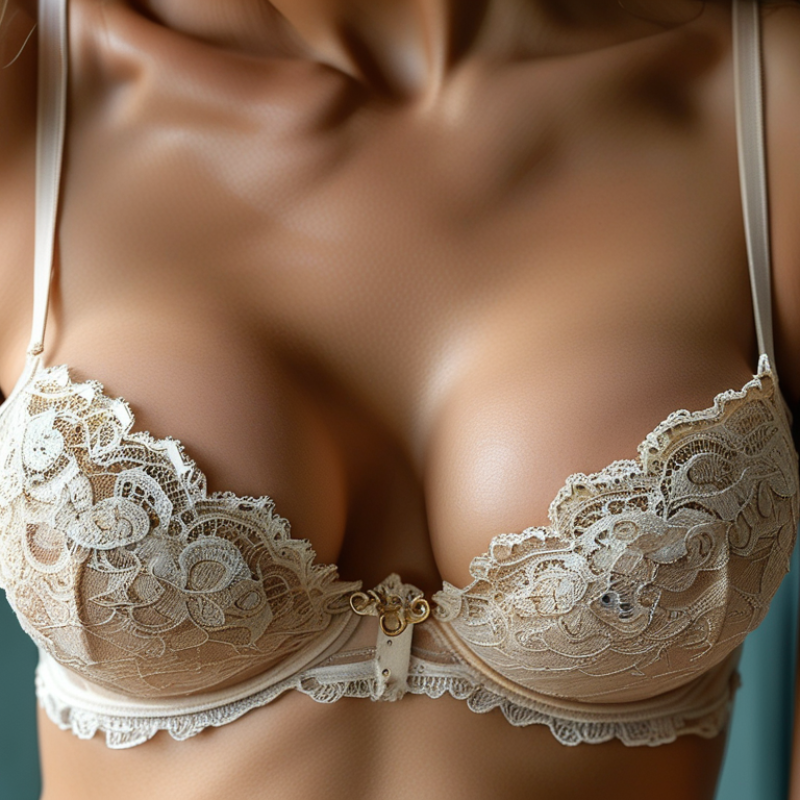
Bralettes offer a different experience. These are typically wireless and provide light support. Many choose bralettes for comfort or style under sheer tops. Lace and cotton options ensure there’s something for every occasion. However, they may not suit everyone’s needs, especially those seeking more support. Finding the right fit is crucial. It can be a trial-and-error process, leading to many returns and exchanges.

Global buyers should remember cultural differences in preferences. What works in one market may not resonate in another. Additionally, sizing can vary greatly internationally. Researching local sizing charts can save time and frustration. It’s key to seek guidance and make informed choices. In the end, understanding the nuances of bras and bralettes can make the shopping experience more satisfying and aligned with personal style.

Understanding Different Types of Bras and Bralettes

Key Factors to Consider When Buying Bras and Bralettes Online

When buying bras and bralettes online, several key factors influence your choice. Sizing is crucial. According to a report by the International Journal of Fashion Design, Technology and Education, around 80% of women wear the wrong size. This can lead to discomfort and an unflattering fit. Always check the size chart before making a purchase.

Fabric is another essential aspect. Cotton is breathable, while lace adds a touch of elegance. However, luxurious materials can also come with care instructions that may complicate your laundry routine. Consider how often you'll wear the piece.

Tip: Look for return policies. Many online retailers allow returns if the product doesn’t fit or appeal to you. This flexibility can alleviate the stress of online shopping. Additionally, reading customer reviews gives insights into quality and fit. Pay attention to detailed feedback rather than just ratings.

Remember, bralettes often lack structured support. They can be stylish but may not suit all body types. Reflect on how the product aligns with your needs before buying.

Ultimate Guide to Bras and Bralettes Tips for Global Buyers

Category Style Size Range Material Price Range Best For
Bras Push-Up 30A - 38D Cotton Blend $25 - $60 Enhancing Shape
Bralettes Lace XS - L Lace Polyester $15 - $45 Casual Wear
Wireless Bras Comfort Fit 30B - 38C Modal $30 - $50 All-Day Wear
Sport Bras High Support 32B - 40D Nylon/Spandex $20 - $50 Active Lifestyle
Bridal Bras Strapless 32A - 38C Silk Blend $40 - $80 Special Occasions

How to Measure Your Bra Size Accurately Before Purchasing

Measuring your bra size accurately is crucial for comfort and support. According to a report by the Intimate Apparel Council, nearly 80% of women wear the wrong bra size. This mismatch can lead to discomfort, poor posture, and health issues. Understanding how to measure properly can make a significant difference.

To accurately measure your bra size, you need two essential measurements: band size and bust size. First, use a soft measuring tape to measure around your rib cage, right under your bust. This number helps determine your band size. For added precision, breathe normal and ensure the tape is snug but not tight. Next, measure around the fullest part of your breasts while wearing a non-padded bra. This measurement will be used to find your cup size.

Many women make common mistakes while measuring. For example, they may pull the tape too tight or forget to wear a properly fitting bra. Additionally, factors like hormonal changes can lead to size fluctuations. The lingerie market reports that 70% of women fail to update their measurements regularly, contributing to discomfort. Remember, measurements can change over time. It's wise to measure at least once a year to ensure a perfect fit.

Material and Comfort: Choosing the Right Fabric for Your Needs

When choosing the right fabric for bras and bralettes, comfort is key. Cotton is a popular choice. It’s breathable, soft, and good for everyday wear. However, it may not provide the support some seek. Consider materials like spandex or nylon for more stretch and flexibility. These fabrics contour to the body and offer excellent support. Choose what feels right for you.

Another important factor is moisture-wicking capability. This feature is essential for active individuals. Polyester blends often excel in this area, keeping you dry during workouts. However, some materials may cause irritation. Not all synthetic fabrics are created equally, and sometimes they trap heat. This can lead to discomfort.

Don’t overlook the importance of your body type. Different fabrics respond differently to various body shapes. Experimenting is key. It’s okay not to find the perfect fit immediately. Listen to your body and pay attention to how each fabric makes you feel. Comfort is a personal journey, and it can take time to discover what works for you.

Cultural Variations in Bra and Bralette Styles Around the World

When exploring bras and bralettes globally, one quickly realizes the cultural influences shaping styles. For instance, in Brazil, colorful and vibrant designs reflect the lively culture. Statistics show that 70% of Brazilian women prefer styles that enhance their curves, favoring underwire and push-up designs. In contrast, Scandinavian countries lean towards minimalist styles, emphasizing comfort and functionality. Research indicates that 65% of women in Sweden opt for bralettes that offer soft support without underwires.

Different markets have unique preferences that impact purchasing decisions. Tips for buyers include understanding local trends and body types. Seek out styles that cater to regional preferences. Transparency in sizing is essential. An A-cup in one region may differ from another.

While online shopping offers convenience, it can also lead to mismatches in size and fit. Data shows that 30% of women experience discomfort due to improper sizing. Buyers should measure themselves accurately before making choices. Since cultures vary significantly, keep an open mind. Embrace the beauty in diversity while choosing intimates that suit personal style and comfort.