Contaminant Comparison Chart

For a complete list of contaminants that PUR filters reduce, please view our Performance Data Sheets here.


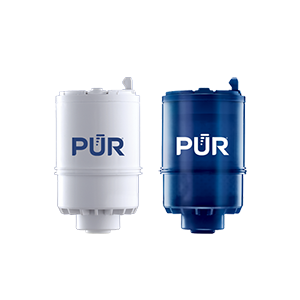
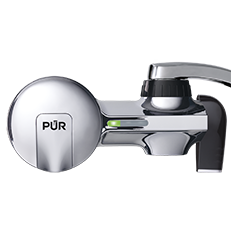
PUR & PUR PLUS FAUCET FILTERS
RF3375/RF9999

View Filters

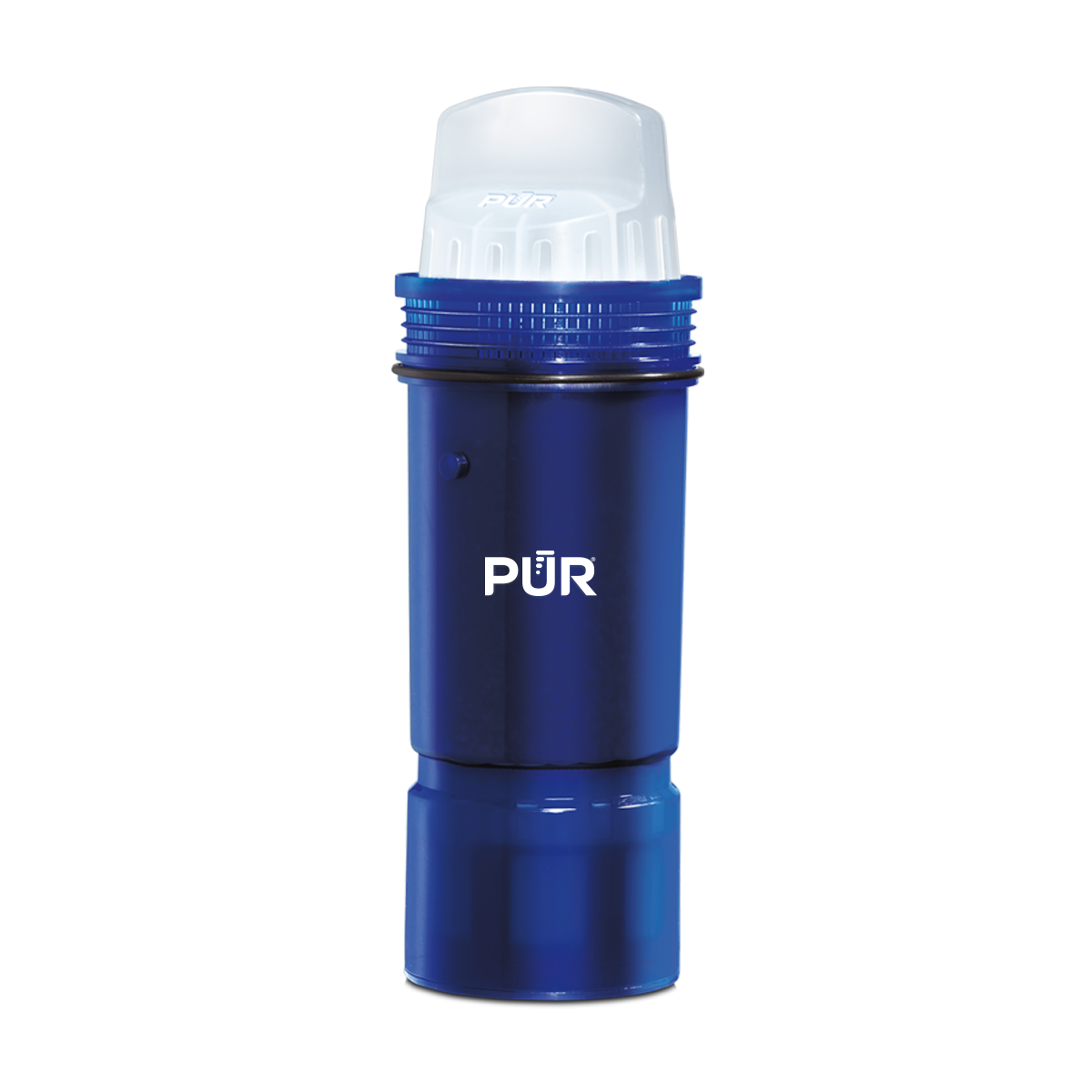
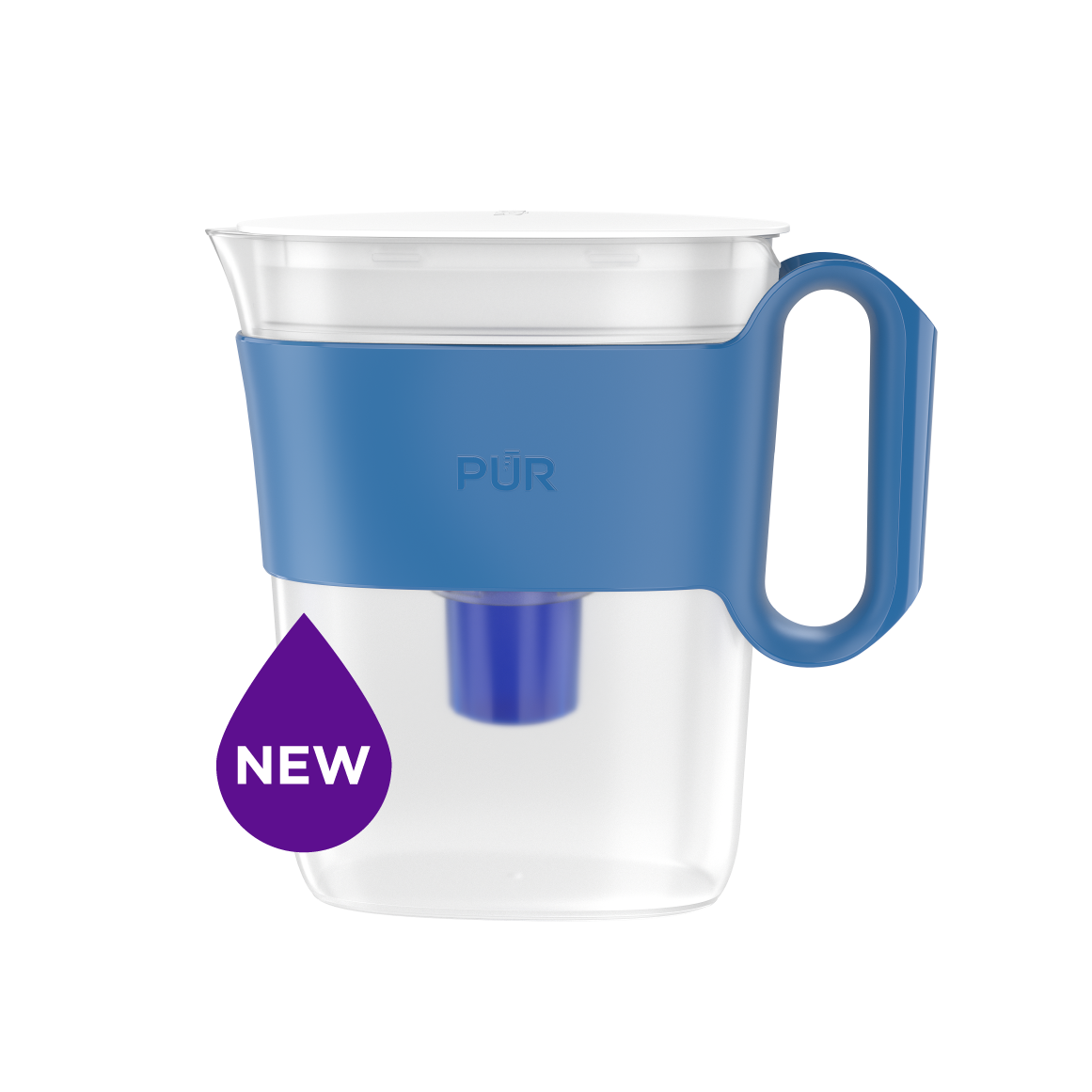
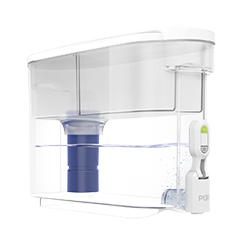
PUR PLUS PITCHER FILTERS
PPF951K

View Filter

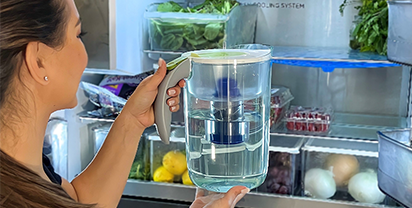
PUR BASIC PITCHER FILTERS
PPF900Z

View Filter


Vs. Brita*

Lead
Microplastics
Mercury
Chlorine Taste & Odor
DEET
TTHM

PUR’s Filtration Systems Are Certified By NSF And WQA For Their Contamination Reduction. WQA certifications as of 5/27/21 for Faucet filter models RF-3375 and RF-9999.

¹ Certified to reduce 10X more chemical and physical substances than Brita’s® leading pitcher filter.
² Certified to reduce 3X more chemical and physical substances than Brita’s® leading pitcher filter.
³ Certified to reduce 2X more chemical and physical substances than Brita’s® leading pitcher filter.
*Versus best-selling Brita® pitcher filter OB03. Brita® is a trademark of Brita LP.
**Like other leading brands, PUR does not filter microbes. As of 3/1/23 Brita® and ZeroWater® were not certified to filter microbes. Brita® is a trademark of Brita LP. ZeroWater® is a trademark of Zero Technologies, LLC..
 

PUR & PUR PLUS FAUCET FILTERS


PUR & PUR PLUS FAUCET FILTERS
RF3375/RF9999

View Filters


Vs. Brita*

Lead
Microplastics
Mercury
Chlorine Taste & Odor
DEET
TTHM

PUR’s Filtration Systems Are Certified By NSF And WQA For Their Contamination Reduction. WQA certifications as of 5/27/21 for Faucet filter models RF-3375 and RF-9999.

¹ Certified to reduce 10X more chemical and physical substances than Brita’s® leading pitcher filter.
² Certified to reduce 3X more chemical and physical substances than Brita’s® leading pitcher filter.
³ Certified to reduce 2X more chemical and physical substances than Brita’s® leading pitcher filter.
*Versus best-selling Brita® pitcher filter OB03. Brita® is a trademark of Brita LP.
**Like other leading brands, PUR does not filter microbes. As of 3/1/23 Brita® and ZeroWater® were not certified to filter microbes. Brita® is a trademark of Brita LP. ZeroWater® is a trademark of Zero Technologies, LLC..
 

PUR PLUS PITCHER FILTERS


PUR PLUS PITCHER FILTERS
PPF951K

View Filter


Vs. Brita*

Lead
Microplastics
Mercury
Chlorine Taste & Odor
DEET
TTHM

PUR’s Filtration Systems Are Certified By NSF And WQA For Their Contamination Reduction. WQA certifications as of 5/27/21 for Faucet filter models RF-3375 and RF-9999.

¹ Certified to reduce 10X more chemical and physical substances than Brita’s® leading pitcher filter.
² Certified to reduce 3X more chemical and physical substances than Brita’s® leading pitcher filter.
³ Certified to reduce 2X more chemical and physical substances than Brita’s® leading pitcher filter.
*Versus best-selling Brita® pitcher filter OB03. Brita® is a trademark of Brita LP.
**Like other leading brands, PUR does not filter microbes. As of 3/1/23 Brita® and ZeroWater® were not certified to filter microbes. Brita® is a trademark of Brita LP. ZeroWater® is a trademark of Zero Technologies, LLC..

 

PUR BASIC PITCHER FILTERS


PUR BASIC PITCHER FILTERS
PPF900Z

View Filter


Vs. Brita*

Lead
Microplastics
Mercury
Chlorine Taste & Odor
DEET
TTHM

PUR’s Filtration Systems Are Certified By NSF And WQA For Their Contamination Reduction. WQA certifications as of 5/27/21 for Faucet filter models RF-3375 and RF-9999.

¹ Certified to reduce 10X more chemical and physical substances than Brita’s® leading pitcher filter.
² Certified to reduce 3X more chemical and physical substances than Brita’s® leading pitcher filter.
³ Certified to reduce 2X more chemical and physical substances than Brita’s® leading pitcher filter.
*Versus best-selling Brita® pitcher filter OB03. Brita® is a trademark of Brita LP.
**Like other leading brands, PUR does not filter microbes. As of 3/1/23 Brita® and ZeroWater® were not certified to filter microbes. Brita® is a trademark of Brita LP. ZeroWater® is a trademark of Zero Technologies, LLC..


Why You Should Consider an Under Sink Water Filter for Your Home?

Every year, millions of households face water quality issues. Reports indicate that nearly 85% of U.S. homes have hard water, leading to health concerns. An under sink water filter can provide a solution. This system effectively reduces contaminants, including lead and chlorine, which are prevalent in many municipal supplies.

Homeowners often underestimate the importance of clean water. Surprisingly, a study revealed that about 60% of people do not test their water quality at home. This hesitation can lead to consuming harmful substances over time. Installing an under sink water filter not only enhances taste but also promotes health and safety for your family.

However, not all filters are the same. Some may fail to remove critical toxins, and others require frequent replacements. Consumers should educate themselves about the different types available. A thoughtful choice in an under sink water filter can lead to improved water quality. Reflecting on our water habits is essential for a better future.

Why You Should Consider an Under Sink Water Filter for Your Home?

Benefits of Installing an Under Sink Water Filter in Your Home

Why You Should Consider an Under Sink Water Filter for Your Home?

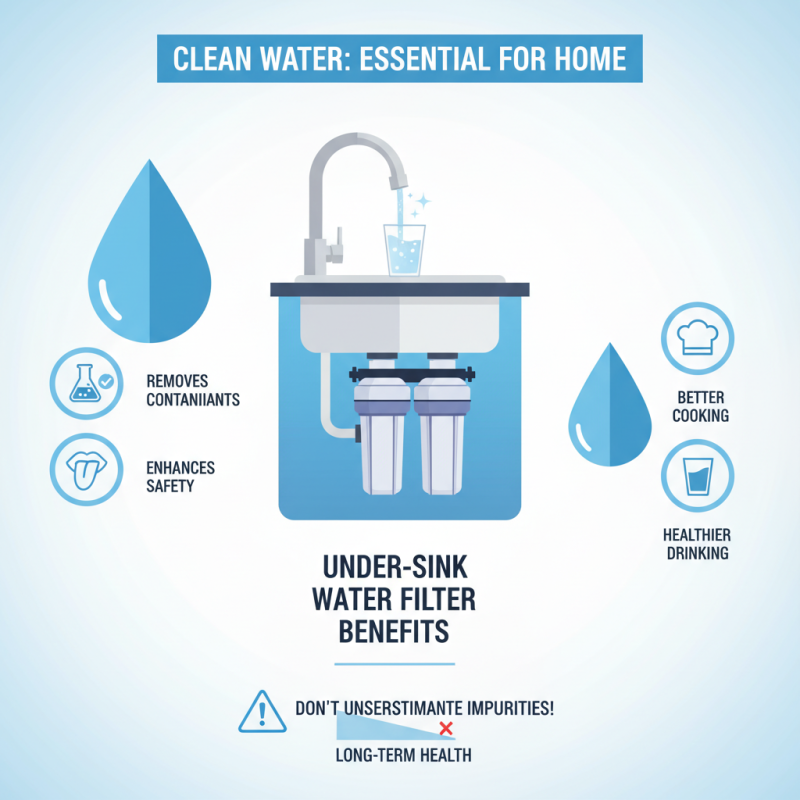
Installing an under sink water filter can greatly enhance your home’s water quality. It removes contaminants, improving taste and safety. Clean water is essential for cooking and drinking. Many people underestimate the impact of hidden impurities in tap water. These can affect health over time.

Tip: Regularly check your filter's lifespan. A clogged filter can do more harm than good.

Additionally, under sink filters save space and reduce plastic waste. Instead of buying bottled water, you can fill reusable containers. This not only cuts costs but also minimizes environmental impact. Many homes have not considered this simple change.

Tip: Test your water quality periodically. You might be surprised by the results.

Many folks worry about installation complexity. In reality, most systems are user-friendly. They come with straightforward instructions. However, you might encounter unique plumbing issues. Don't hesitate to seek help if needed.

How Under Sink Water Filters Improve Water Quality and Taste

Why You Should Consider an Under Sink Water Filter for Your Home?

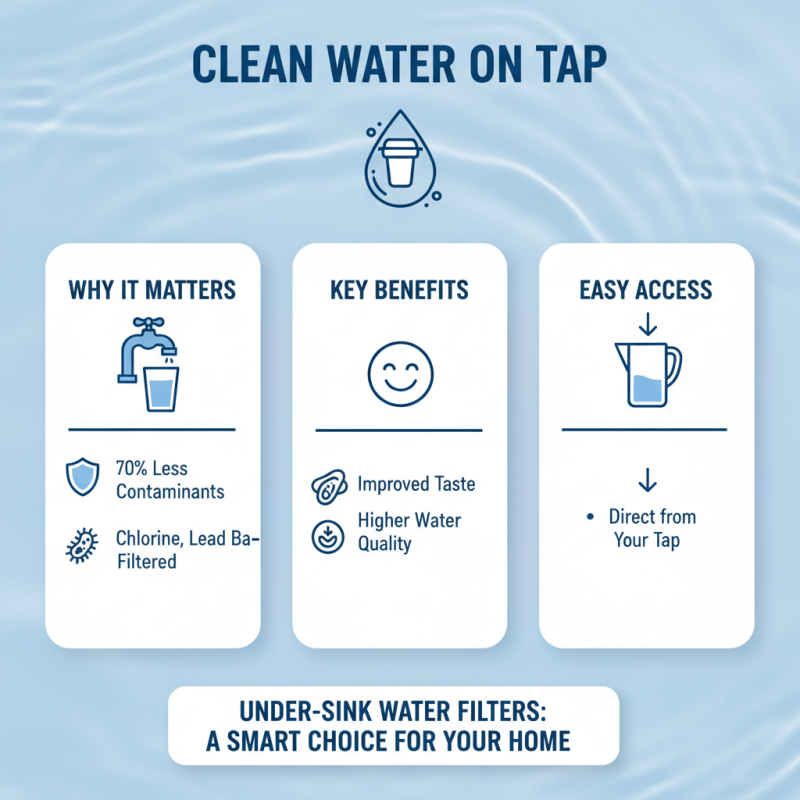
Under sink water filters are becoming increasingly popular. They provide a direct source of clean water right from your tap. Studies indicate that up to 70% of household contaminants can be removed by these systems. This includes chlorine, lead, and bacteria. Such improvements significantly enhance both the taste and quality of drinking water.

The taste of water is affected by the presence of impurities. According to research by the Environmental Protection Agency, over 60% of Americans are dissatisfied with their tap water taste. This leads many to buy bottled water, which is costly and impractical. Filters installed under the sink can provide better-tasting water, reducing the need for bottled alternatives. Many users report a noticeable difference in flavor after installation.

Moreover, these filters can improve water clarity. A survey found that 45% of respondents experienced visibly clearer water after using an under sink filter. However, some still worry about filter maintenance. Regular checks and replacements are crucial for optimal performance. This requires a commitment that some homeowners might find challenging. Despite these concerns, the positive impacts on health and consumption could outweigh the drawbacks.

Comparison Between Under Sink and Other Water Filtration Systems

Under sink water filters have become popular in many homes. They provide clean water without taking up counter space. This makes them an appealing choice for those with limited kitchen areas. Comparing them with pitcher filters or faucet-mounted options reveals some key differences.

Under sink systems typically have higher filtration capacities. They can remove more contaminants than a simple pitcher filter. This is crucial for households concerned about water quality. However, installation can seem daunting. A few homeowners may hesitate to try it due to fears of plumbing issues.

Tips: Choose a model that fits your plumbing setup. Research the filter types that address your specific water quality concerns. Also, consider regular maintenance. Neglecting filter changes can lead to inefficiency. A little planning and awareness can lead to better water quality and peace of mind.

Why You Should Consider an Under Sink Water Filter for Your Home? - Comparison Between Under Sink and Other Water Filtration Systems

Feature Under Sink Filter Pitcher Filter Countertop Filter Whole House Filter
Installation Professional or DIY Easy DIY Easy DIY Professional preferred
Water Quality High filtration efficiency Moderate filtration Moderate to high filtration Comprehensive filtration
Cost Higher initial cost, low ongoing cost Low initial cost, filter replacements add up Moderate initial cost, moderate filter costs High initial cost, low maintenance
Filter Lifespan 6-12 months 1-3 months 6-12 months 3-5 years
Space Requirement Under sink Requires countertop space Requires countertop space Requires dedicated space

Installation Process and Maintenance of Under Sink Water Filters

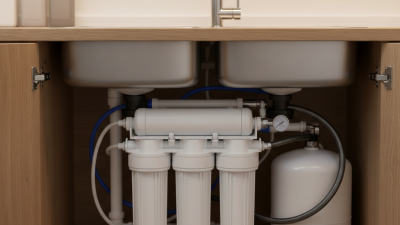
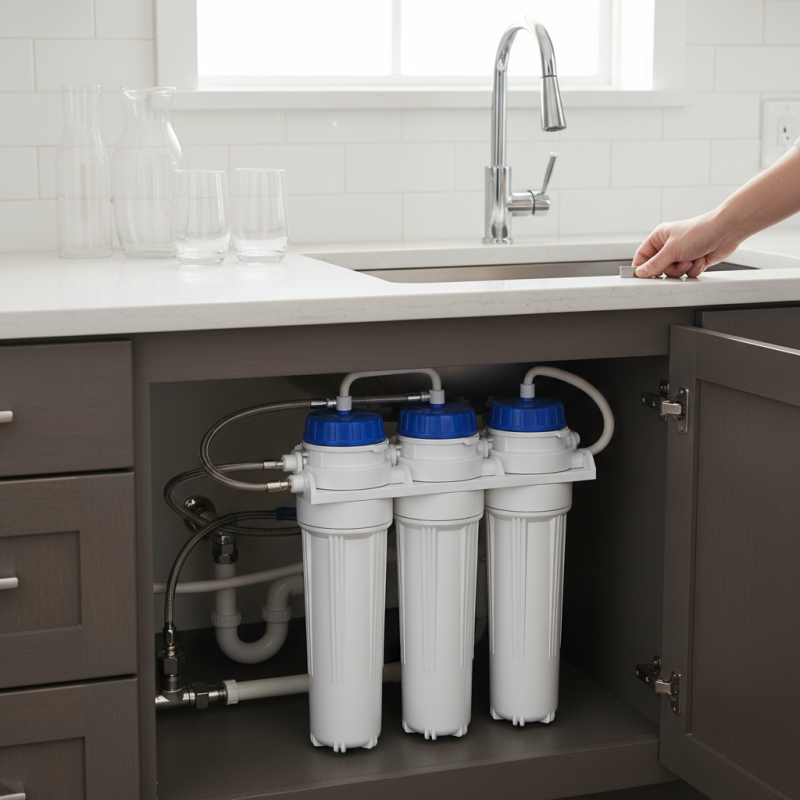
Installing an under sink water filter can enhance your home's water quality. The installation process, while straightforward, requires attention to detail. First, gather all necessary tools. You will need a drill, wrench, and a bucket. Make sure to shut off the water supply. This step is crucial to avoid a messy situation.

Once you have prepared, remove the existing faucet if needed. Take time to read the installation instructions. They can differ based on the model. Connect the filter to the water line carefully. A secure connection prevents leaks. However, mistakes can happen. Double-check your fittings after installation.

Maintenance is another important aspect. Regularly change the filter as recommended. Forgetting this can lead to poor water quality. Some users might find it a hassle, but it’s essential. Keep an eye on water quality and taste. This helps determine when to replace filters. Don’t overlook these small details. They play a big role in ensuring clean drinking water at home.

Water Contaminants Reduction by Under Sink Water Filters

Common Misconceptions About Under Sink Water Filters

Many believe that under sink water filters are too expensive or need constant replacements. This misbelief can keep homeowners from accessing clean water. In reality, these filters often have a longer lifespan than expected and can save money in the long run.

Another common misconception is that under sink filters are complicated to install. In truth, many models have straightforward setups. Most homeowners can complete the installation within an hour. However, those who are unsure should consult a professional.

Tip: Always check the filter's lifespan. Replace filters according to the manufacturer's recommendations.

Many think under sink filters compromise water pressure. However, many models are designed to maintain strong water flow. It’s vital to choose a filter that suits your needs.

Tip: Research before buying. Read reviews and ask for recommendations from friends.