
Contaminant Comparison Chart

For a complete list of contaminants that PUR filters reduce, please view our Performance Data Sheets here.


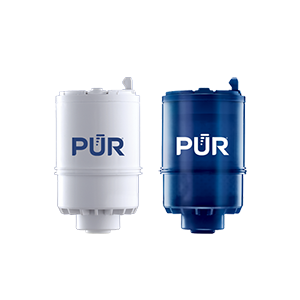
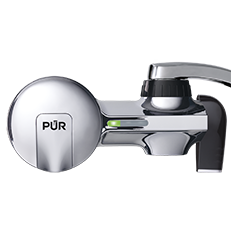
PUR & PUR PLUS FAUCET FILTERS
RF3375/RF9999

View Filters

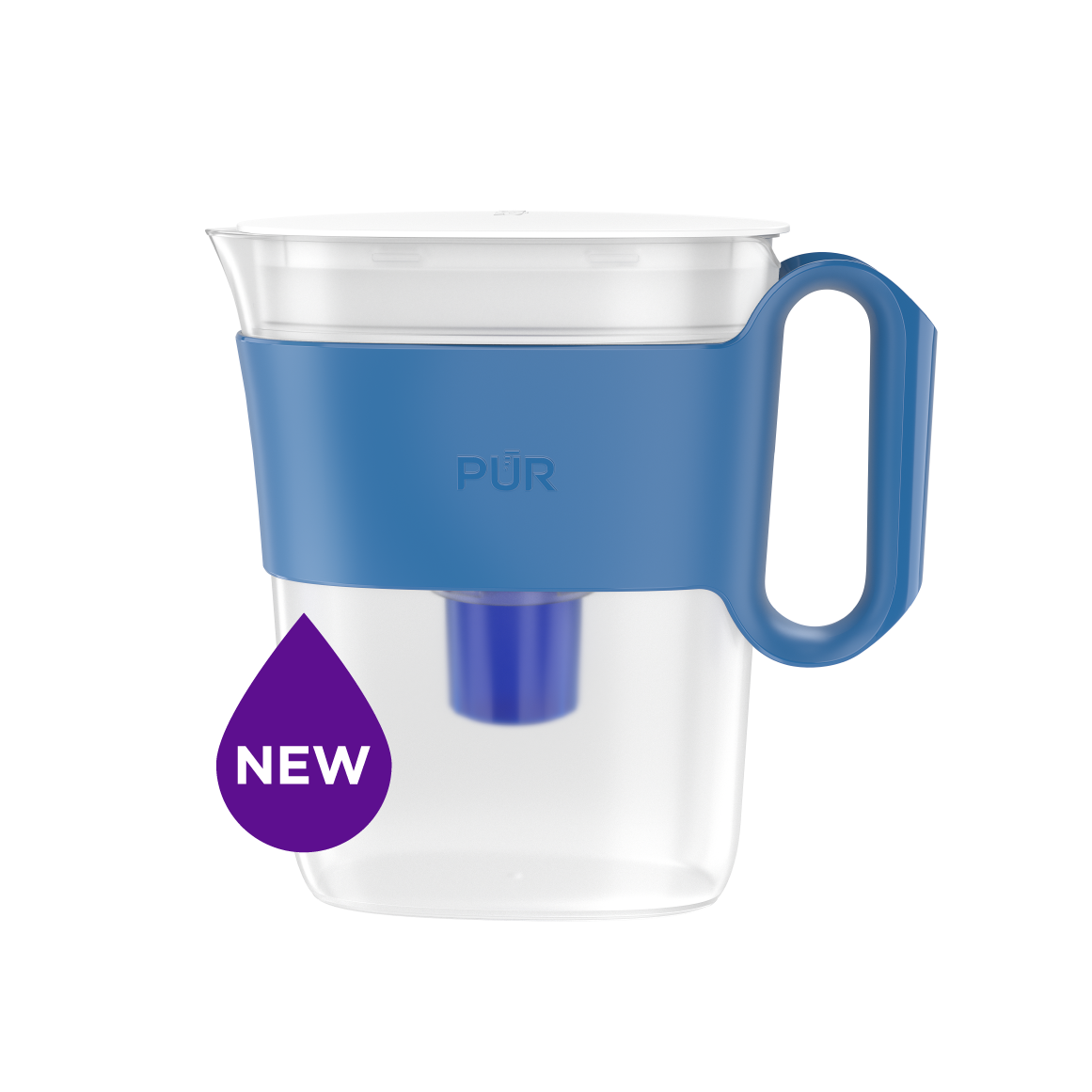
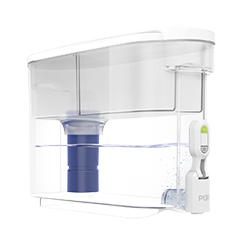
PUR PLUS PITCHER FILTERS
PPF951K

View Filter

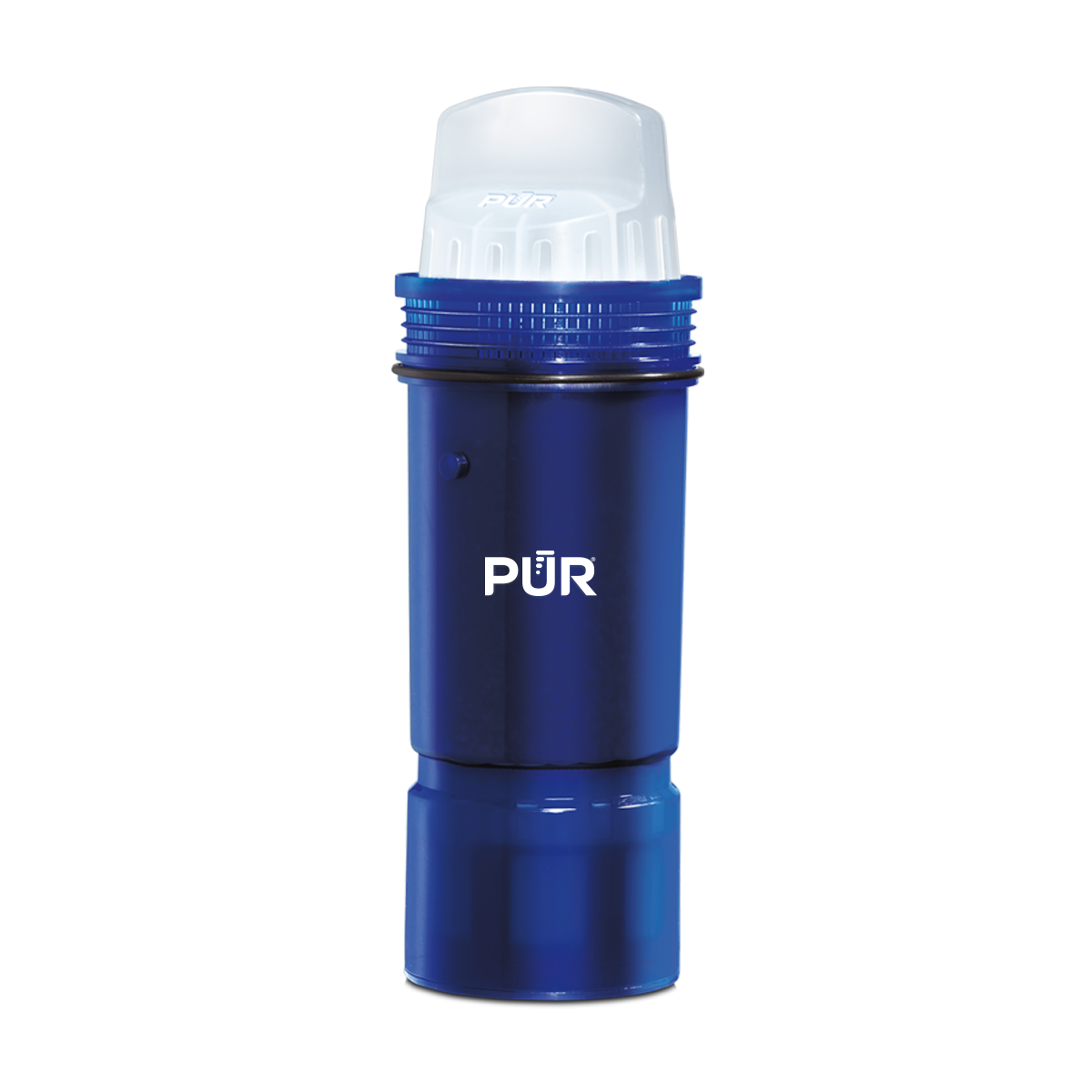
PUR BASIC PITCHER FILTERS
PPF900Z

View Filter


Vs. Brita*

Lead
Microplastics
Mercury
Chlorine Taste & Odor
DEET
TTHM

PUR’s Filtration Systems Are Certified By NSF And WQA For Their Contamination Reduction. WQA certifications as of 5/27/21 for Faucet filter models RF-3375 and RF-9999.

¹ Certified to reduce 10X more chemical and physical substances than Brita’s® leading pitcher filter.
² Certified to reduce 3X more chemical and physical substances than Brita’s® leading pitcher filter.
³ Certified to reduce 2X more chemical and physical substances than Brita’s® leading pitcher filter.
*Versus best-selling Brita® pitcher filter OB03. Brita® is a trademark of Brita LP.
**Like other leading brands, PUR does not filter microbes. As of 3/1/23 Brita® and ZeroWater® were not certified to filter microbes. Brita® is a trademark of Brita LP. ZeroWater® is a trademark of Zero Technologies, LLC..
 

PUR & PUR PLUS FAUCET FILTERS


PUR & PUR PLUS FAUCET FILTERS
RF3375/RF9999

View Filters


Vs. Brita*

Lead
Microplastics
Mercury
Chlorine Taste & Odor
DEET
TTHM

PUR’s Filtration Systems Are Certified By NSF And WQA For Their Contamination Reduction. WQA certifications as of 5/27/21 for Faucet filter models RF-3375 and RF-9999.

¹ Certified to reduce 10X more chemical and physical substances than Brita’s® leading pitcher filter.
² Certified to reduce 3X more chemical and physical substances than Brita’s® leading pitcher filter.
³ Certified to reduce 2X more chemical and physical substances than Brita’s® leading pitcher filter.
*Versus best-selling Brita® pitcher filter OB03. Brita® is a trademark of Brita LP.
**Like other leading brands, PUR does not filter microbes. As of 3/1/23 Brita® and ZeroWater® were not certified to filter microbes. Brita® is a trademark of Brita LP. ZeroWater® is a trademark of Zero Technologies, LLC..


PUR PLUS PITCHER FILTERS


PUR PLUS PITCHER FILTERS
PPF951K

View Filter


Vs. Brita*

Lead
Microplastics
Mercury
Chlorine Taste & Odor
DEET
TTHM

PUR’s Filtration Systems Are Certified By NSF And WQA For Their Contamination Reduction. WQA certifications as of 5/27/21 for Faucet filter models RF-3375 and RF-9999.

¹ Certified to reduce 10X more chemical and physical substances than Brita’s® leading pitcher filter.
² Certified to reduce 3X more chemical and physical substances than Brita’s® leading pitcher filter.
³ Certified to reduce 2X more chemical and physical substances than Brita’s® leading pitcher filter.
*Versus best-selling Brita® pitcher filter OB03. Brita® is a trademark of Brita LP.
**Like other leading brands, PUR does not filter microbes. As of 3/1/23 Brita® and ZeroWater® were not certified to filter microbes. Brita® is a trademark of Brita LP. ZeroWater® is a trademark of Zero Technologies, LLC..


PUR BASIC PITCHER FILTERS


PUR BASIC PITCHER FILTERS
PPF900Z

View Filter


Vs. Brita*

Lead
Microplastics
Mercury
Chlorine Taste & Odor
DEET
TTHM

PUR’s Filtration Systems Are Certified By NSF And WQA For Their Contamination Reduction. WQA certifications as of 5/27/21 for Faucet filter models RF-3375 and RF-9999.

¹ Certified to reduce 10X more chemical and physical substances than Brita’s® leading pitcher filter.
² Certified to reduce 3X more chemical and physical substances than Brita’s® leading pitcher filter.
³ Certified to reduce 2X more chemical and physical substances than Brita’s® leading pitcher filter.
*Versus best-selling Brita® pitcher filter OB03. Brita® is a trademark of Brita LP.
**Like other leading brands, PUR does not filter microbes. As of 3/1/23 Brita® and ZeroWater® were not certified to filter microbes. Brita® is a trademark of Brita LP. ZeroWater® is a trademark of Zero Technologies, LLC..


What is a Usb C Charger and Why is it Important for You?

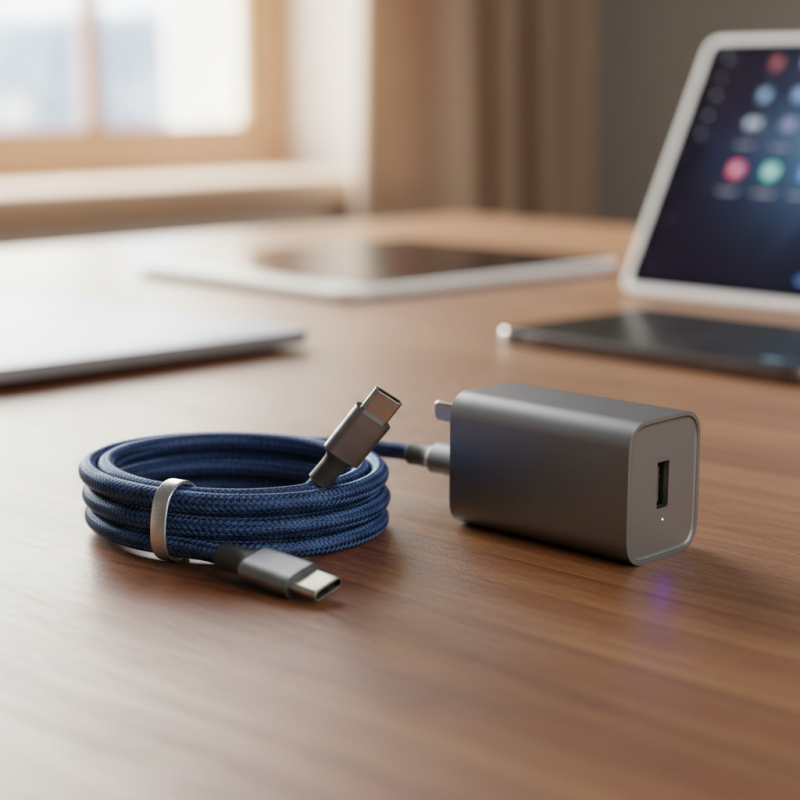
In today's tech-driven world, the Usb C Charger stands out as a crucial gadget for many users. This charger provides a universal solution for various devices, including laptops, smartphones, and tablets. Its compact design makes it easy to carry, fitting seamlessly into any lifestyle.

Many people overlook the importance of this charger. It not only speeds up charging but also allows for data transfer at high rates. The convenience it brings is undeniable. However, some may feel overwhelmed by the variety of options available in the market. Finding a reliable Usb C Charger might require careful consideration and research.

Moreover, not all Usb C Chargers are created equal. It's important to notice differences in quality and compatibility. Investing in a reputable brand can ensure safety and efficiency. Many users have faced frustration due to poor-quality chargers. Their experience highlights the need for learning and making informed choices when purchasing these critical accessories.

What is a Usb C Charger and Why is it Important for You?

What is a USB-C Charger? An Overview of the Technology and Design

USB-C chargers represent a significant advancement in charging technology. They utilize a reversible connector, meaning users can plug the charger in without worrying about orientation. This small design choice enhances convenience, especially in dimly lit spaces. Furthermore, USB-C supports faster data transfer rates and higher power delivery. Devices can charge quicker, maximizing efficiency for users on the go.

The USB-C design is compatible with a variety of devices, from smartphones to laptops. This universality reduces the need for multiple chargers. One cable can serve various purposes, which is particularly beneficial for those with limited space. However, this versatility can lead to confusion. Not all USB-C chargers offer the same power output. Some may charge devices slowly or not at all.

Understanding USB-C technology is crucial for making informed purchasing decisions. The importance of checking power ratings cannot be overstated. Users must ensure compatibility to avoid damaging their devices. While USB-C simplifies connections, awareness is key. Without it, users might face frustrating charging experiences. Awareness helps navigate this evolving tech landscape effectively.

What is a USB-C Charger and Why is it Important for You?

Feature Description
Connector Type Reversible design that allows for easy connection
Charging Speed Supports fast charging capabilities up to 100W
Data Transfer Rate Can transfer data at speeds up to 40 Gbps
Compatibility Compatible with various devices including laptops, smartphones, and tablets
Versatility Used for charging, data transfer, and video output
Universal Standard Adopted widely across different brands and devices

Key Features of USB-C Chargers: Fast Charging and Compatibility

USB-C chargers have become an essential accessory in today’s tech landscape. Their key features, especially fast charging and compatibility, make them a favorite among users. Fast charging is crucial for those on the go. This technology can significantly reduce the time it takes to power up your devices. Many USB-C chargers can deliver up to 100W of power. This means you can charge laptops, tablets, and phones quickly.

Compatibility is another significant advantage. USB-C is designed to work across various devices. Whether you own an Android, a tablet, or even the latest laptops, a USB-C charger likely fits. However, compatibility isn’t always perfect. Some devices may have restrictions on charging speeds. Using the wrong charger can even lead to slower charging times.

It's important to consider that not all USB-C chargers perform the same. Some might not support fast charging features effectively. Always checking specifications before purchasing is wise. A reliable charger should match your device requirements for the best performance. Understanding these details can help you make an informed choice.

USB-C Charger Features and Importance

The Importance of USB-C for Modern Devices in a Multi-Device Era

In today's multi-device era, USB-C is reshaping how we power and connect our gadgets. This versatile charging standard supports various devices, from smartphones to laptops. Its ability to deliver power, data, and video through a single cable streamlines our digital lives. With faster charging speeds and universal compatibility, USB-C solves many issues faced by users juggling multiple cables.

Device manufacturers increasingly prioritize USB-C for new products. This shift emphasizes the importance of a standard that works across platforms. However, while many devices now support this technology, not all accessories do. Users often face frustration when trying to connect older chargers or peripherals. It's a reminder that transitioning to a new standard takes time.

Adopting USB-C can reduce clutter and enhance productivity, yet it comes with challenges. Many users must invest in new accessories to stay updated. Some may feel overwhelmed by the rapid changes in technology. USB-C's significance lies not only in its practicality but also in the ongoing evolution of our digital interactions. Embracing this standard requires awareness and adaptability as we navigate the future of connectivity.

Understanding Power Delivery: How USB-C Enhances Charging Efficiency

USB-C technology has revolutionized how we charge our devices. Understanding Power Delivery (PD) is crucial, as it enhances charging efficiency. PD allows USB-C chargers to deliver high power levels, dramatically reducing charging times. According to a report by the USB Implementers Forum, PD can provide up to 100 watts of power. This capability supports a wide range of devices, from smartphones to laptops.

Efficiency is not just about speed. PD intelligently manages the power flow, optimizing energy use. This consistency can lead to longer device lifespans. A study by the International Electrotechnical Commission states that improper charging can degrade battery health over time. Using a USB-C charger with PD can minimize this risk, ensuring devices charge safely.

Tips: Consider the cable quality you use with your charger. High-quality cables can support faster charging speeds. Not all USB-C cables are created equal; always check specifications. Remember that while PD is efficient, overcharging can still happen. Monitor your device while charging for better battery health.

Industry Trends: The Growing Adoption of USB-C in Electronics and Accessories

The transition to USB-C is reshaping the electronics landscape. This connector type is becoming a standard across various devices. Laptops, smartphones, and accessories are embracing USB-C for its versatility and efficiency. Its design allows for faster data transfer and charging compared to older models. The industry is quickly adopting USB-C due to its practicality.

Tips: When purchasing a USB-C device, check compatibility with your existing cables. Not all USB-C ports support the same speeds. Look for specifications that match your needs.

The rise of USB-C is about more than just convenience. It simplifies connections by providing a single cable for multiple devices. This reduces the clutter of various chargers and connectors in your home. Yet, not every product on the market adheres to the same standards. Consumers should pay attention.

Tips: Verify the power output before using a USB-C charger with different devices. Using a charger designed for lower wattage can damage your gadgets. Always prioritize safety and efficiency.