Contaminant Comparison Chart

For a complete list of contaminants that PUR filters reduce, please view our Performance Data Sheets here.


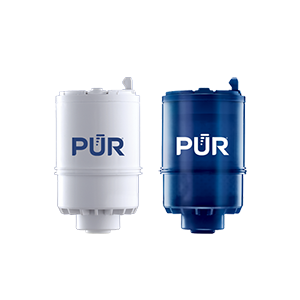
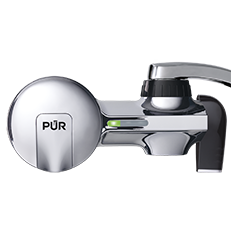
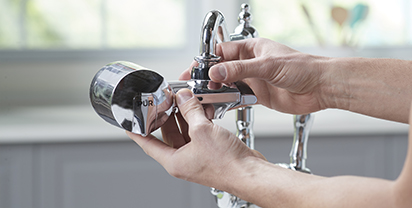
PUR & PUR PLUS FAUCET FILTERS
RF3375/RF9999

View Filters

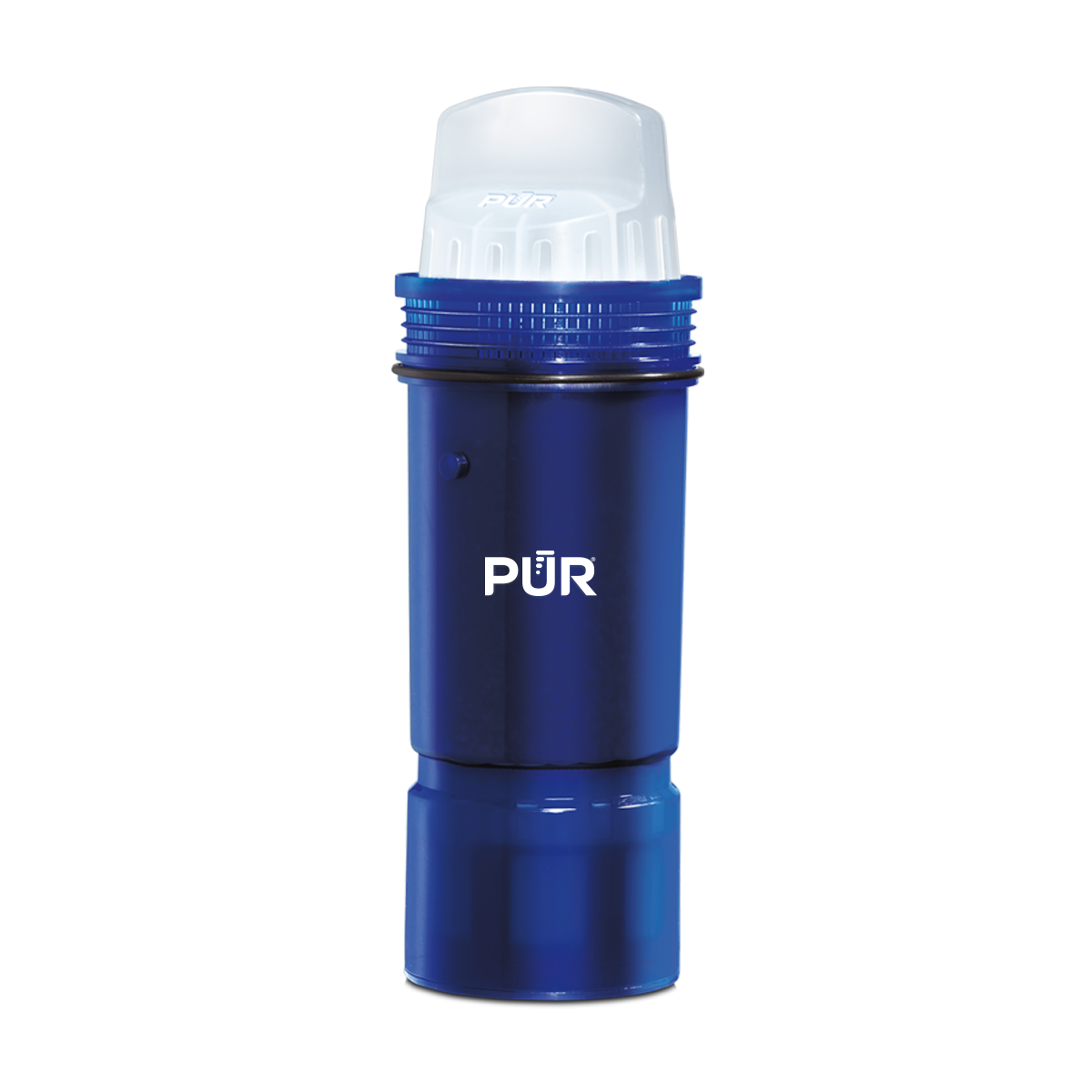
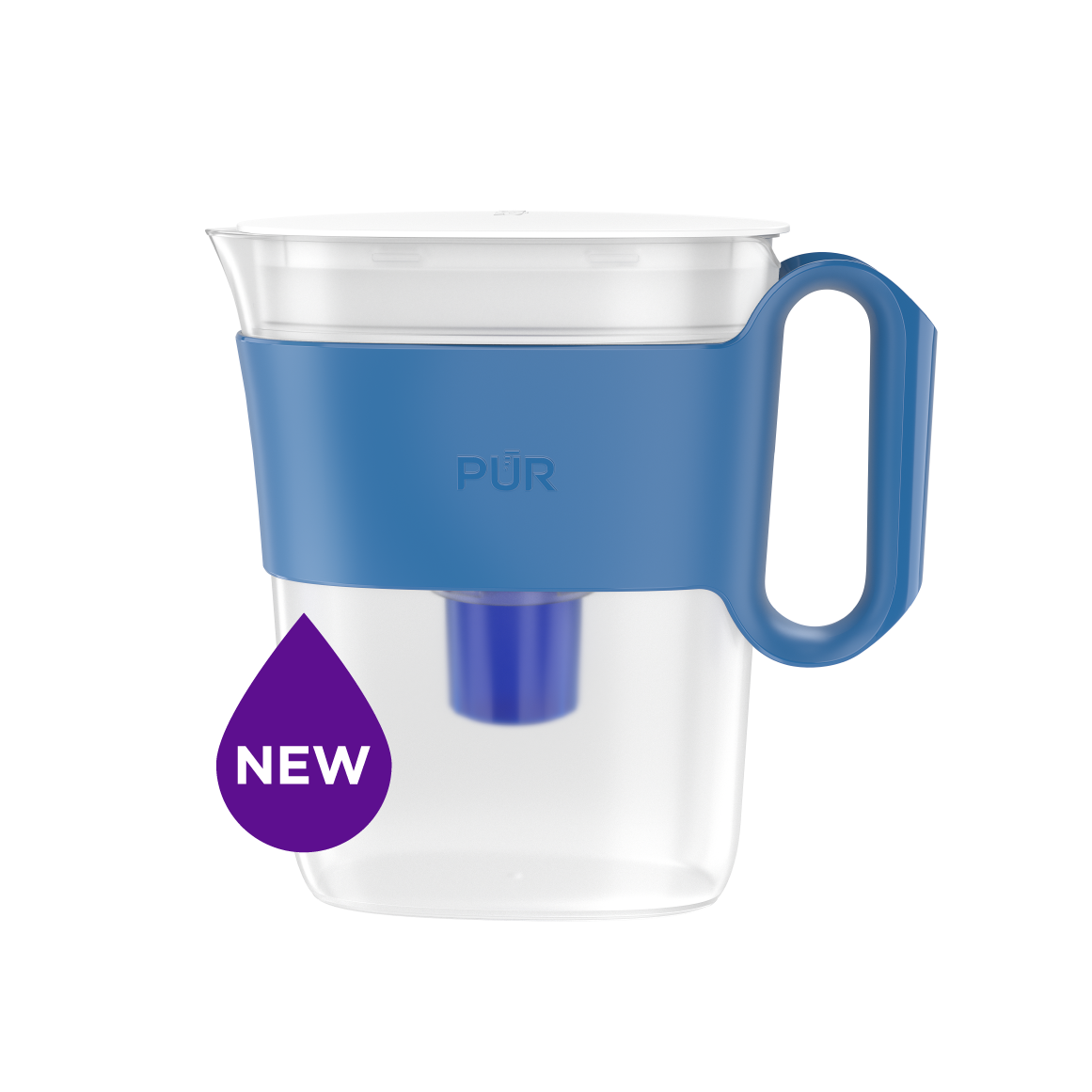
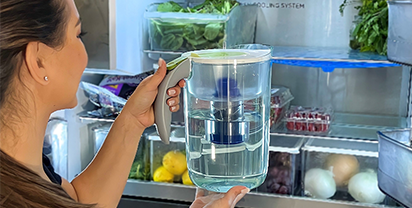
PUR PLUS PITCHER FILTERS
PPF951K

View Filter

PUR BASIC PITCHER FILTERS
PPF900Z

View Filter


Vs. Brita*

Lead
Microplastics
Mercury
Chlorine Taste & Odor
DEET
TTHM

PUR’s Filtration Systems Are Certified By NSF And WQA For Their Contamination Reduction. WQA certifications as of 5/27/21 for Faucet filter models RF-3375 and RF-9999.

¹ Certified to reduce 10X more chemical and physical substances than Brita’s® leading pitcher filter.
² Certified to reduce 3X more chemical and physical substances than Brita’s® leading pitcher filter.
³ Certified to reduce 2X more chemical and physical substances than Brita’s® leading pitcher filter.
*Versus best-selling Brita® pitcher filter OB03. Brita® is a trademark of Brita LP.
**Like other leading brands, PUR does not filter microbes. As of 3/1/23 Brita® and ZeroWater® were not certified to filter microbes. Brita® is a trademark of Brita LP. ZeroWater® is a trademark of Zero Technologies, LLC..
 

PUR & PUR PLUS FAUCET FILTERS


PUR & PUR PLUS FAUCET FILTERS
RF3375/RF9999

View Filters


Vs. Brita*

Lead
Microplastics
Mercury
Chlorine Taste & Odor
DEET
TTHM

PUR’s Filtration Systems Are Certified By NSF And WQA For Their Contamination Reduction. WQA certifications as of 5/27/21 for Faucet filter models RF-3375 and RF-9999.

¹ Certified to reduce 10X more chemical and physical substances than Brita’s® leading pitcher filter.
² Certified to reduce 3X more chemical and physical substances than Brita’s® leading pitcher filter.
³ Certified to reduce 2X more chemical and physical substances than Brita’s® leading pitcher filter.
*Versus best-selling Brita® pitcher filter OB03. Brita® is a trademark of Brita LP.
**Like other leading brands, PUR does not filter microbes. As of 3/1/23 Brita® and ZeroWater® were not certified to filter microbes. Brita® is a trademark of Brita LP. ZeroWater® is a trademark of Zero Technologies, LLC..
 

PUR PLUS PITCHER FILTERS


PUR PLUS PITCHER FILTERS
PPF951K

View Filter


Vs. Brita*

Lead
Microplastics
Mercury
Chlorine Taste & Odor
DEET
TTHM

PUR’s Filtration Systems Are Certified By NSF And WQA For Their Contamination Reduction. WQA certifications as of 5/27/21 for Faucet filter models RF-3375 and RF-9999.

¹ Certified to reduce 10X more chemical and physical substances than Brita’s® leading pitcher filter.
² Certified to reduce 3X more chemical and physical substances than Brita’s® leading pitcher filter.
³ Certified to reduce 2X more chemical and physical substances than Brita’s® leading pitcher filter.
*Versus best-selling Brita® pitcher filter OB03. Brita® is a trademark of Brita LP.
**Like other leading brands, PUR does not filter microbes. As of 3/1/23 Brita® and ZeroWater® were not certified to filter microbes. Brita® is a trademark of Brita LP. ZeroWater® is a trademark of Zero Technologies, LLC..
 

PUR BASIC PITCHER FILTERS


PUR BASIC PITCHER FILTERS
PPF900Z

View Filter


Vs. Brita*

Lead
Microplastics
Mercury
Chlorine Taste & Odor
DEET
TTHM

PUR’s Filtration Systems Are Certified By NSF And WQA For Their Contamination Reduction. WQA certifications as of 5/27/21 for Faucet filter models RF-3375 and RF-9999.

¹ Certified to reduce 10X more chemical and physical substances than Brita’s® leading pitcher filter.
² Certified to reduce 3X more chemical and physical substances than Brita’s® leading pitcher filter.
³ Certified to reduce 2X more chemical and physical substances than Brita’s® leading pitcher filter.
*Versus best-selling Brita® pitcher filter OB03. Brita® is a trademark of Brita LP.
**Like other leading brands, PUR does not filter microbes. As of 3/1/23 Brita® and ZeroWater® were not certified to filter microbes. Brita® is a trademark of Brita LP. ZeroWater® is a trademark of Zero Technologies, LLC..


What is a Water Filter System and How Does It Work?

Access to clean drinking water is crucial for health. A water filter system ensures that harmful contaminants are removed. According to a report by the Environmental Protection Agency, over 13 million Americans rely on contaminated water sources. This alarming statistic emphasizes the need for effective filtration systems.

A water filter system works by using various methods to trap and eliminate impurities. These systems can range from simple pitcher filters to complex reverse osmosis units. Each type offers unique advantages and challenges. Consumers often grapple with choices based on their specific needs and the quality of their water supply.

However, not all water filter systems are created equal. Some may reduce contaminants effectively but lack in removing others. This dichotomy poses a challenge. Users must research and understand what each system offers. It’s important to match the right filter with personal water quality concerns.

What is a Water Filter System and How Does It Work?

What is a Water Filter System?

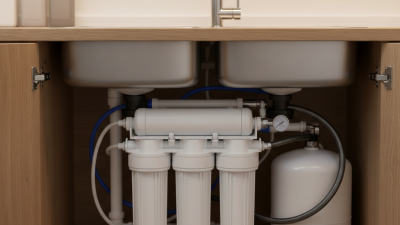
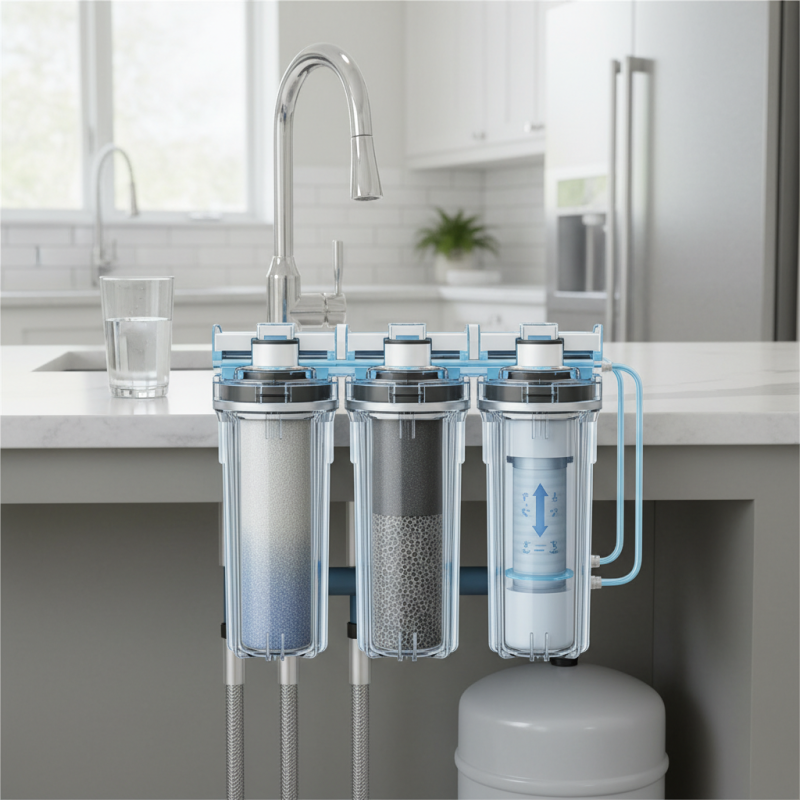
Water filter systems are crucial for ensuring clean and safe drinking water. They utilize various methods to remove impurities and contaminants. These systems can be installed under the sink, mounted on the countertop, or even integrated into a refrigerator. Different filters target different issues, such as taste, odor, and harmful chemicals.

In a typical water filter, water flows through a series of filters. Some use activated carbon to absorb chlorine and other pollutants. Others employ reverse osmosis, which forces water through a semi-permeable membrane. This process is more complicated. Yet, it is effective in removing a wide range of contaminants.

However, not all water filters are perfect. Some may not remove every type of impurity. Regular maintenance is essential to keep them functioning well. Users often forget to change filters at the recommended intervals. This neglect can lead to reduced efficiency and even contamination. Understanding the limitations of a water filter system highlights the importance of evaluating your specific needs.

Types of Water Filter Systems Available

Water filter systems are essential for ensuring clean and safe drinking water. They come in various types, each designed to tackle specific contaminants. The most common types include activated carbon filters, reverse osmosis systems, and UV filters.

Activated carbon filters are widely used. They effectively remove chlorine, sediment, and some volatile organic compounds (VOCs). According to the Water Quality Association, these filters can reduce contaminants by nearly 90%. However, they require regular replacement to maintain effectiveness. Users may neglect this aspect, leading to potential health risks.

Reverse osmosis systems are another popular choice. These units force water through a semi-permeable membrane. They remove a broad spectrum of impurities, including heavy metals and salts. Research indicates that these systems can eliminate up to 99% of contaminants. This high efficiency comes at a cost: they can waste considerable amounts of water. Users should be aware of this and explore options to reduce waste.

UV filters use ultraviolet light to disinfect water. They effectively kill bacteria and viruses without chemicals. The World Health Organization emphasizes their role in improving water quality. However, these systems only work on clear water. If the water is cloudy, additional filtration steps are necessary. Users often overlook this detail, which can compromise safety. Understanding these nuances is crucial for effective water filtration.

How a Water Filter System Works: The Process Explained

A water filter system is an essential tool for improving drinking water quality. Most systems use various filtration methods to remove impurities. Common contaminants include chlorine, lead, and bacteria. According to the Environmental Protection Agency (EPA), over 10 million households rely on well water. This water may contain harmful substances. For these households, a water filter system is crucial.

The filtration process typically begins with a pre-filter. It catches larger particles like sediment and dirt. Then, water moves through activated carbon filters. These filters adsorb chemicals, improving taste and smell. Studies show that activated carbon can reduce chlorine levels by up to 98%. Afterward, water often passes through a reverse osmosis membrane. This step can eliminate up to 99% of dissolved solids.

However, not all filter systems are perfect. Some may not remove certain contaminants effectively. For instance, conventional filters often struggle with heavy metals. A report from the Water Quality Association highlighted that many consumers don’t maintain their systems properly. Regular maintenance is crucial for optimal performance. Without it, filters can become a source of bacteria themselves. The complexity of these systems and the variability of water quality can lead to gaps in filtration. People must stay informed and proactive.

Water Filter System Efficiency: A Comparative Analysis

Benefits of Using a Water Filter System

What is a Water Filter System and How Does It Work?

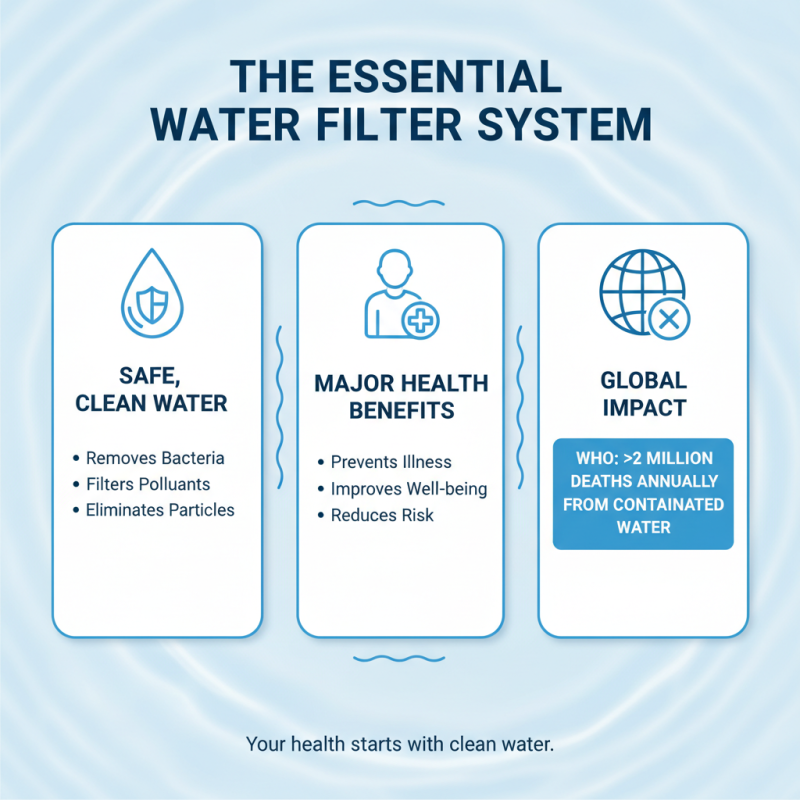
A water filter system is essential for ensuring safe and clean drinking water. The benefits of using such a system are numerous and significant. According to a report by the World Health Organization, contaminated water contributes to over 2 million deaths each year. A good filter removes harmful bacteria, pollutants, and particulates, which can make a substantial difference in health.

There are various types of water filter systems, including activated carbon filters and reverse osmosis systems. These systems can reduce lead, chlorine, and other dangerous substances. Studies show that 90% of households using water filters noticed an improvement in taste and odor. Cleaner water not only tastes better but is also crucial for hydration and overall well-being.

Tips: Consider testing your water before purchasing a filter. This can help you choose the right system for your needs. Also, regularly check and replace filter cartridges. Neglected filters can become breeding grounds for contaminants. Regular maintenance is key to effective filtration. It's important to reflect on how easily we often take clean water for granted.

Maintenance and Care for Your Water Filter System

Maintaining a water filter system is crucial for ensuring clean, safe drinking water. Regular upkeep keeps the system running efficiently. It's essential to follow the manufacturer's guidelines for filter replacement. Most filters need changing every few months, but some require more frequent attention. Neglecting this can lead to decreased performance. Dirty filters can also release contaminants back into the water.


Tips: Inspect filters regularly for discoloration or build-up. If you notice any changes, replace them immediately.


Cleaning your system is just as important. Bacteria can build up in the storage tank or on parts of the filter. To prevent this, empty the tank and clean it monthly with a mild solution. Make sure to rinse thoroughly afterward.


Tips: Use vinegar and water for a natural cleaning solution. Avoid using harsh chemicals that might damage your system.


Be mindful of your water source, too. If you notice cloudy or unusual water, it might be time for additional maintenance. Always keep an eye on the system’s performance. A little attention can go a long way in keeping your water filter system effective.