Contaminant Comparison Chart

For a complete list of contaminants that PUR filters reduce, please view our Performance Data Sheets here.


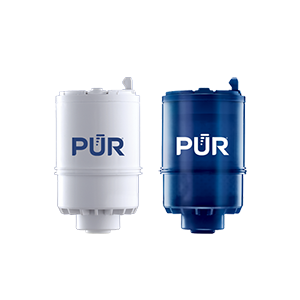
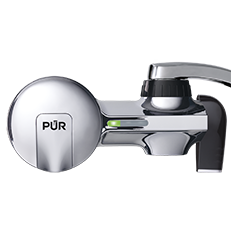
PUR & PUR PLUS FAUCET FILTERS
RF3375/RF9999

View Filters

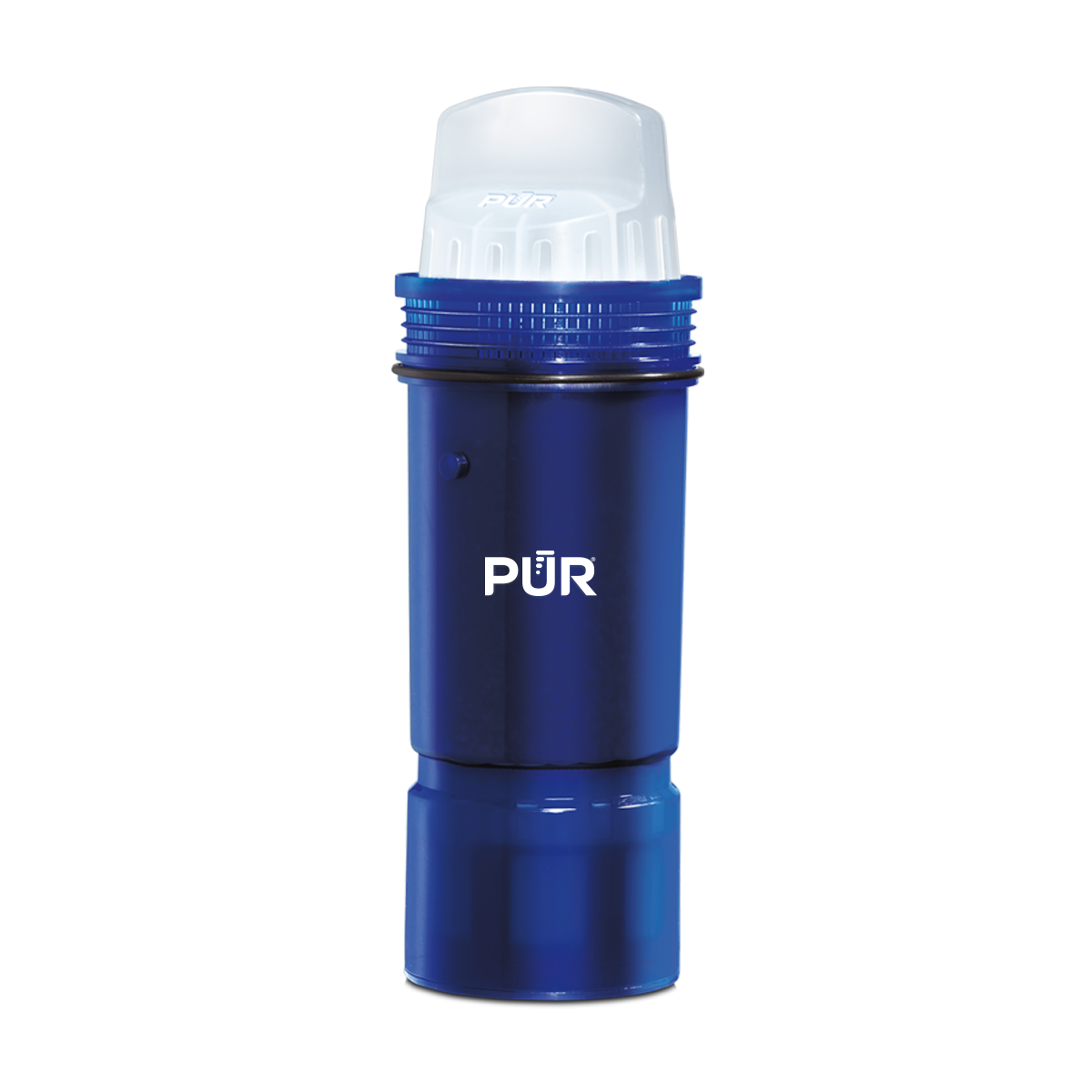
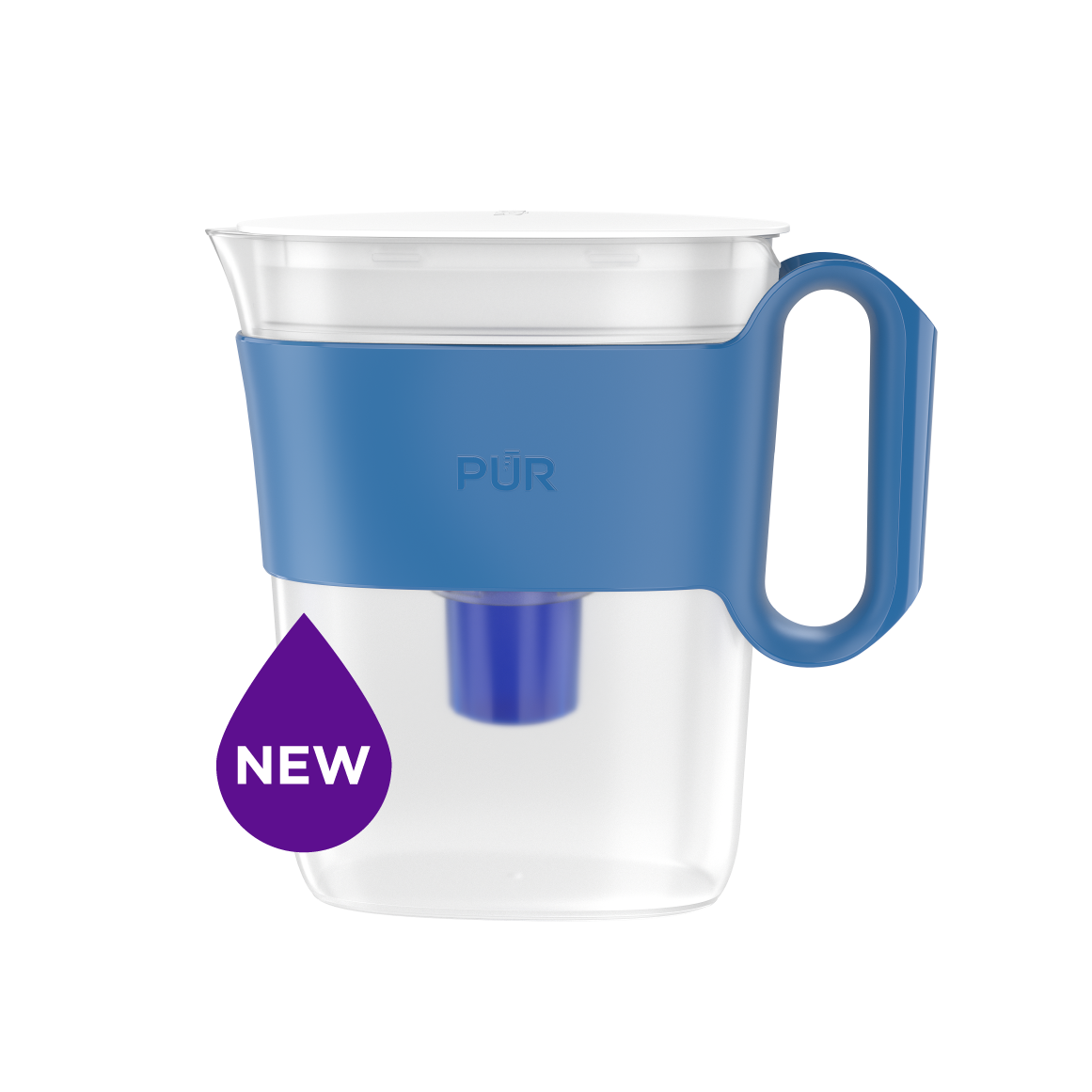
PUR PLUS PITCHER FILTERS
PPF951K

View Filter

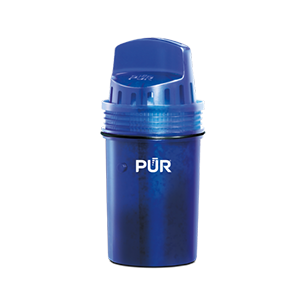
PUR BASIC PITCHER FILTERS
PPF900Z

View Filter


Vs. Brita*

Lead
Microplastics
Mercury
Chlorine Taste & Odor
DEET
TTHM

PUR’s Filtration Systems Are Certified By NSF And WQA For Their Contamination Reduction. WQA certifications as of 5/27/21 for Faucet filter models RF-3375 and RF-9999.

¹ Certified to reduce 10X more chemical and physical substances than Brita’s® leading pitcher filter.
² Certified to reduce 3X more chemical and physical substances than Brita’s® leading pitcher filter.
³ Certified to reduce 2X more chemical and physical substances than Brita’s® leading pitcher filter.
*Versus best-selling Brita® pitcher filter OB03. Brita® is a trademark of Brita LP.
**Like other leading brands, PUR does not filter microbes. As of 3/1/23 Brita® and ZeroWater® were not certified to filter microbes. Brita® is a trademark of Brita LP. ZeroWater® is a trademark of Zero Technologies, LLC..
 

PUR & PUR PLUS FAUCET FILTERS


PUR & PUR PLUS FAUCET FILTERS
RF3375/RF9999

View Filters


Vs. Brita*

Lead
Microplastics
Mercury
Chlorine Taste & Odor
DEET
TTHM

PUR’s Filtration Systems Are Certified By NSF And WQA For Their Contamination Reduction. WQA certifications as of 5/27/21 for Faucet filter models RF-3375 and RF-9999.

¹ Certified to reduce 10X more chemical and physical substances than Brita’s® leading pitcher filter.
² Certified to reduce 3X more chemical and physical substances than Brita’s® leading pitcher filter.
³ Certified to reduce 2X more chemical and physical substances than Brita’s® leading pitcher filter.
*Versus best-selling Brita® pitcher filter OB03. Brita® is a trademark of Brita LP.
**Like other leading brands, PUR does not filter microbes. As of 3/1/23 Brita® and ZeroWater® were not certified to filter microbes. Brita® is a trademark of Brita LP. ZeroWater® is a trademark of Zero Technologies, LLC..


PUR PLUS PITCHER FILTERS


PUR PLUS PITCHER FILTERS
PPF951K

View Filter


Vs. Brita*

Lead
Microplastics
Mercury
Chlorine Taste & Odor
DEET
TTHM

PUR’s Filtration Systems Are Certified By NSF And WQA For Their Contamination Reduction. WQA certifications as of 5/27/21 for Faucet filter models RF-3375 and RF-9999.

¹ Certified to reduce 10X more chemical and physical substances than Brita’s® leading pitcher filter.
² Certified to reduce 3X more chemical and physical substances than Brita’s® leading pitcher filter.
³ Certified to reduce 2X more chemical and physical substances than Brita’s® leading pitcher filter.
*Versus best-selling Brita® pitcher filter OB03. Brita® is a trademark of Brita LP.
**Like other leading brands, PUR does not filter microbes. As of 3/1/23 Brita® and ZeroWater® were not certified to filter microbes. Brita® is a trademark of Brita LP. ZeroWater® is a trademark of Zero Technologies, LLC..


PUR BASIC PITCHER FILTERS


PUR BASIC PITCHER FILTERS
PPF900Z

View Filter


Vs. Brita*

Lead
Microplastics
Mercury
Chlorine Taste & Odor
DEET
TTHM

PUR’s Filtration Systems Are Certified By NSF And WQA For Their Contamination Reduction. WQA certifications as of 5/27/21 for Faucet filter models RF-3375 and RF-9999.

¹ Certified to reduce 10X more chemical and physical substances than Brita’s® leading pitcher filter.
² Certified to reduce 3X more chemical and physical substances than Brita’s® leading pitcher filter.
³ Certified to reduce 2X more chemical and physical substances than Brita’s® leading pitcher filter.
*Versus best-selling Brita® pitcher filter OB03. Brita® is a trademark of Brita LP.
**Like other leading brands, PUR does not filter microbes. As of 3/1/23 Brita® and ZeroWater® were not certified to filter microbes. Brita® is a trademark of Brita LP. ZeroWater® is a trademark of Zero Technologies, LLC..


Why Choose Mixed Cat Litter for Your Feline Friends?

Mixed Cat Litter is gaining popularity among pet owners. It combines different litter types for improved performance. This blend can offer better odor control, absorbency, and comfort for your feline friends.

Choosing the right litter is crucial for your cat's health and happiness. Mixed Cat Litter often combines clay, natural materials, and silica. Each type brings unique benefits. For instance, clay offers excellent clumping, while natural options may be gentler on sensitive paws.

Some may question if mixing is necessary. It can be an ongoing experiment. Finding the best blend for your cat might require trial and error. Observing your cat's preferences is essential. Ultimately, Mixed Cat Litter could provide the ideal solution for both you and your furry companion.

Why Choose Mixed Cat Litter for Your Feline Friends?

Benefits of Mixed Cat Litter for Cat Health and Hygiene

Mixed cat litter offers significant advantages for cat health and hygiene. This type of litter blends different materials, enhancing clumping ability while minimizing odors. A study from the Journal of Feline Medicine found that proper litter management can reduce respiratory issues in cats by 30%. Cats are sensitive creatures. Poor litter choices can lead to stress and urinary problems.

Using mixed litter can improve overall litter box hygiene. A survey showed that 80% of cat owners reported reduced tracking and mess. This is crucial because clean environments prevent the spread of bacteria. It's important to know that some cats may have preferences. They might resist using the litter box if the litter feels uncomfortable. Choosing a blend that caters to texture can alleviate these issues.

However, not all cats react positively. Some may develop aversions to certain materials. Regular monitoring is necessary to ensure your cat’s comfort. Adjusting the litter type based on their reactions can improve their bathroom habits. This balance of preferences and hygiene creates a healthier living environment for your feline friends.

Understanding the Composition of Mixed Cat Litter

Mixed cat litter combines various materials to enhance performance and comfort. The most common components include clay, wood, and corn. Each material offers unique benefits. For example, clay provides excellent clumping ability. Wood adds natural odor control, while corn is eco-friendly and absorbent.

Research shows that 70% of cat owners prefer mixed litter for its versatility. Cats are sensitive creatures. They may have specific preferences for texture and scent. By incorporating multiple materials, mixed litters can cater to diverse feline needs. This approach can also reduce litter box aversion. A varied texture might encourage reluctant cats to use the box.

Tips: Observe your cat's behavior. If they seem hesitant to use the litter box, consider switching materials. Gradually introduce new litter to help them adjust. You can also mix litters to find the right combination. Keeping the litter box clean is essential, as even the best litter cannot mask odor if left unchanged. Regularly scooping can improve litter hygiene and your cat's comfort.

Environmental Impacts of Using Mixed Cat Litter

Using mixed cat litter can significantly impact the environment. Research indicates that conventional cat litter often comes from unsustainable sources. For example, clay-based litters typically require extensive mining operations. This mining activity disrupts ecosystems and consumes energy. These operations can produce large amounts of waste and may even affect local water supplies.

In contrast, mixed cat litter combines biodegradable materials that reduce waste. A study revealed that switching to eco-friendly options could lower landfill contributions by 30%. Materials like recycled paper and wood pellets are not only sustainable but offer effective odor control. However, confusion remains about what constitutes “eco-friendly.” Some products labeled as green may still contain harmful additives. Transparency in ingredient sourcing is vital for making informed choices.

Consumers should prioritize products with certifications that confirm their eco-credentials. A survey found that only 25% of pet owners consider the environmental impact of litter. This statistic highlights the need for increased awareness. The choice of cat litter reflects a commitment to caring for the environment. It's essential to rethink options and aim for choices that benefit both pets and their planet.

Environmental Impacts of Using Mixed Cat Litter

Cost-Effectiveness of Mixed Cat Litter Compared to Other Types

Mixed cat litter is gaining popularity for its cost-effectiveness. A recent industry report showed that cat owners can save up to 30% by choosing a mixed formulation over traditional clay litters. This is significant, especially for multi-cat households where litter expenses can add up quickly.

Moreover, mixed cat litter often combines the absorbency of clumping clay with the natural properties of biodegradable materials. Analysts estimate that biodegradable options are 50% more absorbent than standard clay. This leads to less frequent litter changes, further reducing costs. However, some users find mixed litters can occasionally clump poorly or generate more dust than anticipated, prompting a need for careful brand selection.

Additionally, the environmental implications add another layer to its appeal. Switching to mixed options can contribute to reduced landfill waste, with reports noting that traditional clay production consumes considerable resources. Critics may argue that certain brands do not perform as well as clay litters, so finding the right mix can require some trial and error. It's vital to balance cost and quality while ensuring the comfort of our feline friends.

Tips for Transitioning Your Cat to Mixed Cat Litter

When considering mixed cat litter, the transition process can be crucial. Cats are sensitive. They often dislike sudden changes. Here are some tips to help your feline friends adapt smoothly.

Start by blending the old litter with the new. Use a ratio of 75% old litter to 25% mixed litter. Gradually increase the new litter portion over a week. This helps ease your cat into the new texture and scent. Observe their reactions. If they seem hesitant, slow down the transition. Patience is key.

Next, create a comfortable environment. Ensure the litter box is clean and easily accessible. Cats like their privacy. Place the box in a quiet area. If your cat shows discomfort, pay attention. Sometimes, they may need more time to adjust. If accidents happen, don’t scold them. Instead, encourage your cat positively. Each cat is unique, and their adaptation period will vary.

Involving them in the process can help. Use treats or gentle encouragement to promote a positive association with the new litter. This proactive approach helps build trust and reduces anxiety about using the box. Monitor your cat's habits during this time. Small changes can make a significant difference in their comfort and confidence.