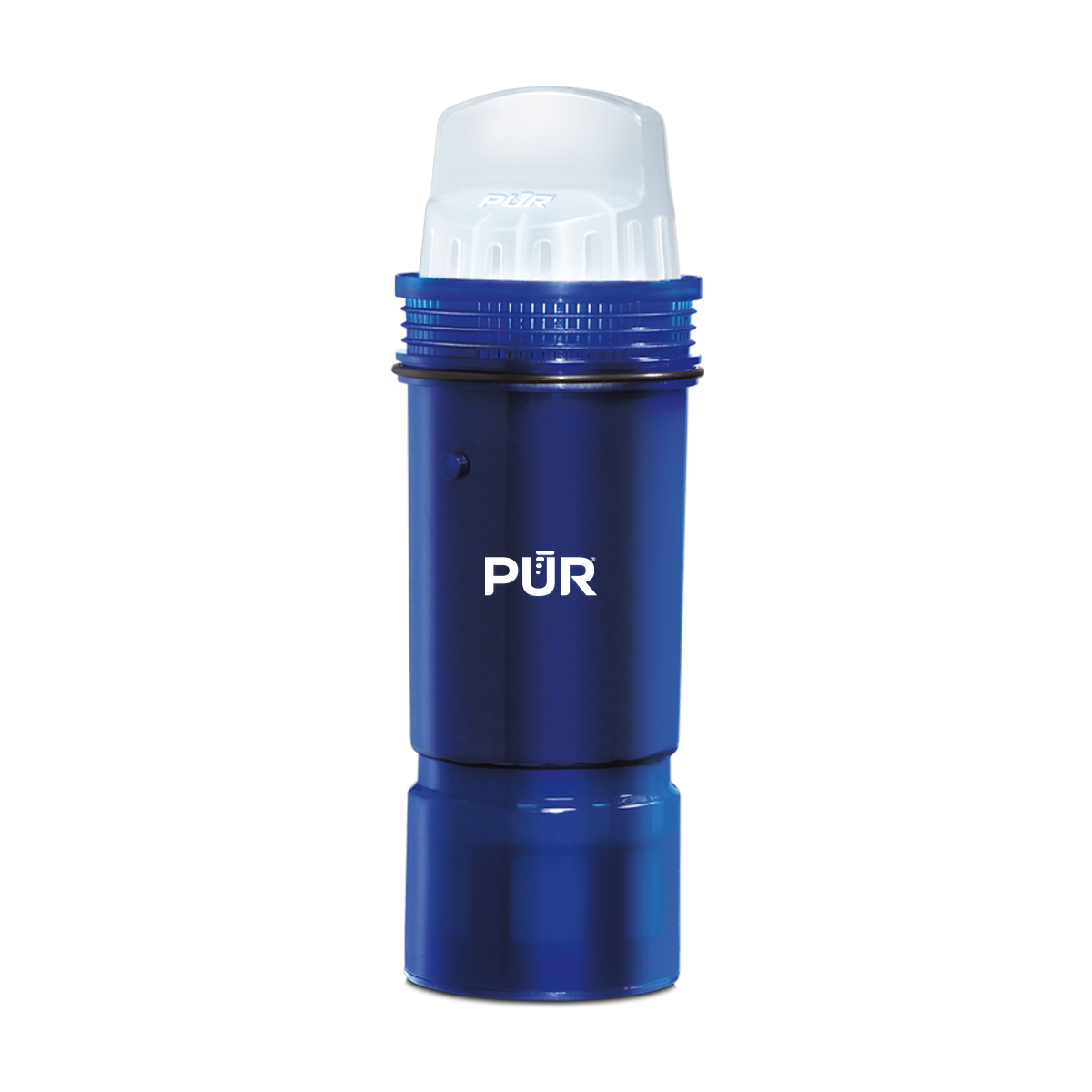
Contaminant Comparison Chart

For a complete list of contaminants that PUR filters reduce, please view our Performance Data Sheets here.


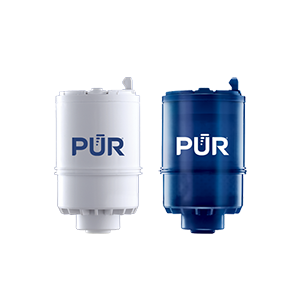
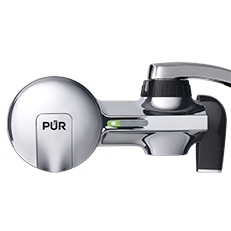
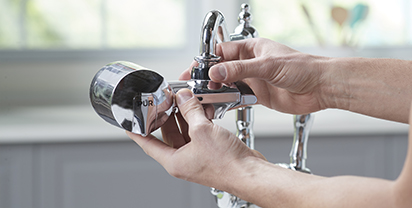
PUR & PUR PLUS FAUCET FILTERS
RF3375/RF9999

View Filters

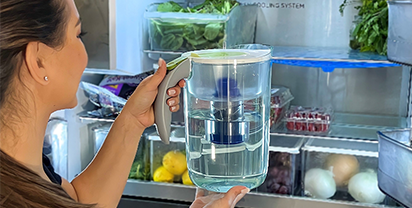
PUR PLUS PITCHER FILTERS
PPF951K

View Filter

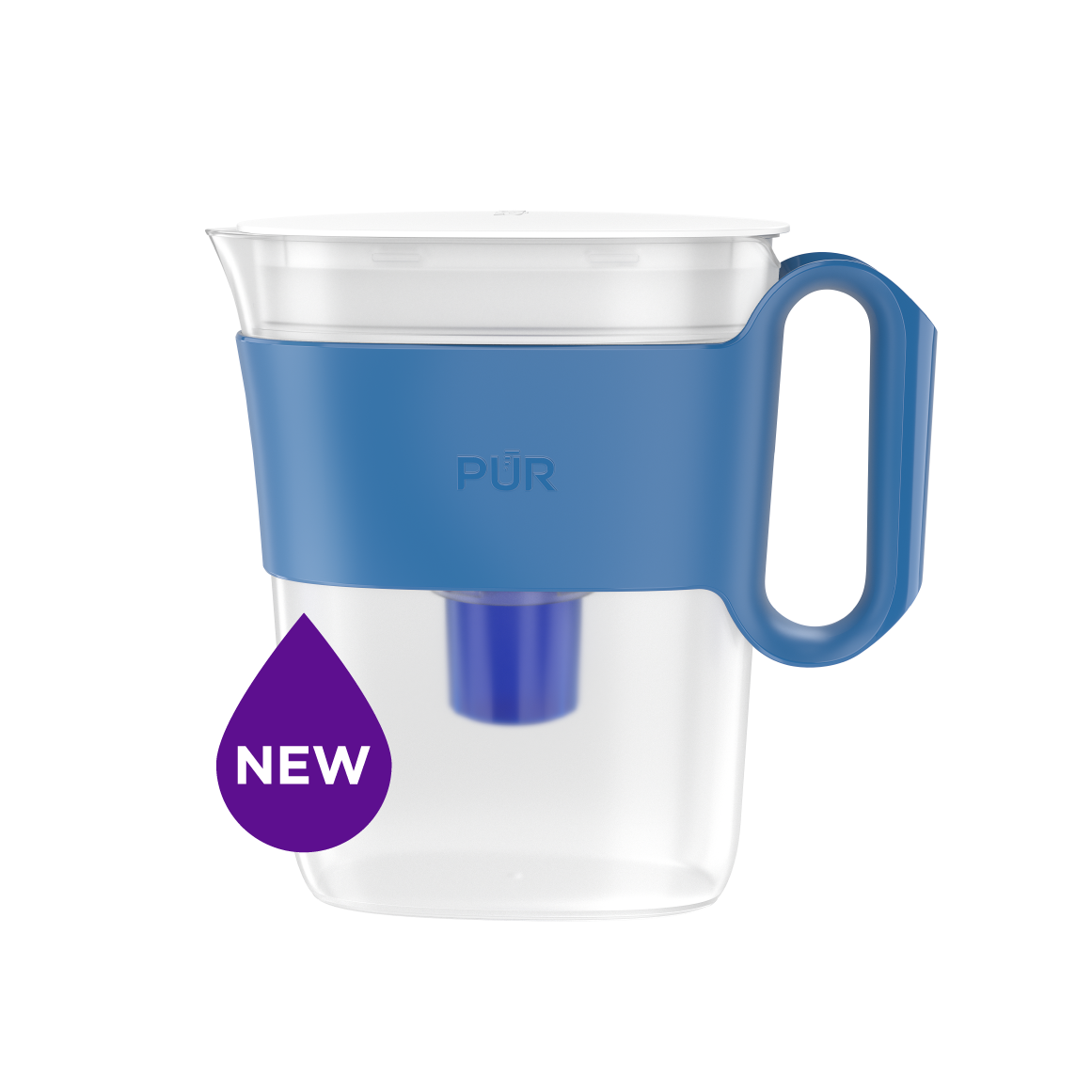
PUR BASIC PITCHER FILTERS
PPF900Z

View Filter


Vs. Brita*

Lead ✓ ✓
Microplastics ✓ ✓
Mercury ✓ ✓ ✓
Chlorine Taste & Odor ✓ ✓ ✓
DEET ✓
TTHM ✓

PUR’s Filtration Systems Are Certified By NSF And WQA For Their Contamination Reduction. WQA certifications as of 5/27/21 for Faucet filter models RF-3375 and RF-9999.

¹ Certified to reduce 10X more chemical and physical substances than Brita’s® leading pitcher filter.
² Certified to reduce 3X more chemical and physical substances than Brita’s® leading pitcher filter.
³ Certified to reduce 2X more chemical and physical substances than Brita’s® leading pitcher filter.
*Versus best-selling Brita® pitcher filter OB03. Brita® is a trademark of Brita LP.
**Like other leading brands, PUR does not filter microbes. As of 3/1/23 Brita® and ZeroWater® were not certified to filter microbes. Brita® is a trademark of Brita LP. ZeroWater® is a trademark of Zero Technologies, LLC..
 

PUR & PUR PLUS FAUCET FILTERS


PUR & PUR PLUS FAUCET FILTERS
RF3375/RF9999

View Filters


Vs. Brita*

Lead ✓
Microplastics ✓
Mercury ✓
Chlorine Taste & Odor ✓
DEET ✓
TTHM ✓

PUR’s Filtration Systems Are Certified By NSF And WQA For Their Contamination Reduction. WQA certifications as of 5/27/21 for Faucet filter models RF-3375 and RF-9999.

¹ Certified to reduce 10X more chemical and physical substances than Brita’s® leading pitcher filter.
² Certified to reduce 3X more chemical and physical substances than Brita’s® leading pitcher filter.
³ Certified to reduce 2X more chemical and physical substances than Brita’s® leading pitcher filter.
*Versus best-selling Brita® pitcher filter OB03. Brita® is a trademark of Brita LP.
**Like other leading brands, PUR does not filter microbes. As of 3/1/23 Brita® and ZeroWater® were not certified to filter microbes. Brita® is a trademark of Brita LP. ZeroWater® is a trademark of Zero Technologies, LLC..
 

PUR PLUS PITCHER FILTERS


PUR PLUS PITCHER FILTERS
PPF951K

View Filter


Vs. Brita*

Lead ✓
Microplastics ✓
Mercury ✓
Chlorine Taste & Odor ✓
DEET
TTHM

PUR’s Filtration Systems Are Certified By NSF And WQA For Their Contamination Reduction. WQA certifications as of 5/27/21 for Faucet filter models RF-3375 and RF-9999.

¹ Certified to reduce 10X more chemical and physical substances than Brita’s® leading pitcher filter.
² Certified to reduce 3X more chemical and physical substances than Brita’s® leading pitcher filter.
³ Certified to reduce 2X more chemical and physical substances than Brita’s® leading pitcher filter.
*Versus best-selling Brita® pitcher filter OB03. Brita® is a trademark of Brita LP.
**Like other leading brands, PUR does not filter microbes. As of 3/1/23 Brita® and ZeroWater® were not certified to filter microbes. Brita® is a trademark of Brita LP. ZeroWater® is a trademark of Zero Technologies, LLC..
 

PUR BASIC PITCHER FILTERS


PUR BASIC PITCHER FILTERS
PPF900Z

View Filter


Vs. Brita*

Lead
Microplastics
Mercury ✓
Chlorine Taste & Odor ✓
DEET
TTHM

PUR’s Filtration Systems Are Certified By NSF And WQA For Their Contamination Reduction. WQA certifications as of 5/27/21 for Faucet filter models RF-3375 and RF-9999.

¹ Certified to reduce 10X more chemical and physical substances than Brita’s® leading pitcher filter.
² Certified to reduce 3X more chemical and physical substances than Brita’s® leading pitcher filter.
³ Certified to reduce 2X more chemical and physical substances than Brita’s® leading pitcher filter.
*Versus best-selling Brita® pitcher filter OB03. Brita® is a trademark of Brita LP.
**Like other leading brands, PUR does not filter microbes. As of 3/1/23 Brita® and ZeroWater® were not certified to filter microbes. Brita® is a trademark of Brita LP. ZeroWater® is a trademark of Zero Technologies, LLC..
 

2026 How to Find the Best Home Water Filtration System?

Choosing the best water filtration system for home requires more than comparing prices and glossy product claims. Water quality differs between cities, wells, apartments, and older buildings. A filter that improves chlorine taste may not address lead, bacteria, hardness, or PFAS. The right choice begins with a recent water report or certified laboratory test. Know the problem first.

In 2026, homeowners can compare pitchers, faucet filters, under-sink units, whole-house systems, and reverse osmosis equipment. Each option involves different costs, flow rates, installation needs, and maintenance schedules. NSF/ANSI certifications can provide useful evidence, but certification must match the specific contaminant claim. Read the performance sheet carefully. Marketing language can be vague.

Daily experience matters too. A compact under-sink filter may suit a renter with limited space. A large household may need stronger flow and longer cartridge life. Well owners may require sediment treatment before advanced filtration. Replacement dates should be written beside the cabinet, not remembered vaguely. Small detail, big difference.

No single system removes everything. That is easy to forget. Some recommendations may also change after testing, plumbing inspection, or updated public-health guidance. Reliable decisions combine manufacturer documentation, independent certification, professional installation advice, and realistic household habits. Consider taste, safety, water pressure, waste volume, and long-term cartridge costs together. The “best” system is not always the most expensive one. It is the system that addresses verified risks, fits the home, and remains properly maintained. A little doubt is healthy here. If a claim sounds perfect, investigate it further.

2026 How to Find the Best Home Water Filtration System?

Understanding Home Water Quality and Filtration Needs

Home water quality varies by location, plumbing age, and water source. Municipal water reports provide useful baseline information, but they may not reflect conditions inside your home. Older pipes can introduce metals after water sits overnight. Private wells require regular testing for bacteria, nitrates, and other local risks.

Do not judge safety by appearance alone. Clear water can still contain dissolved contaminants. A metallic taste may suggest corrosion, while white scale often indicates hardness. These clues are helpful, but they are not proof. Laboratory testing is more reliable. Test before choosing equipment.

Your filtration needs should match the problem. Sediment filters can reduce sand and rust particles. Activated carbon may improve chlorine taste and odor. Reverse osmosis can reduce certain dissolved substances, but it also produces wastewater and needs careful maintenance. More filtration is not always better. It can lower water pressure, waste money, or remove minerals you do not need to remove.

Choose between point-of-use and whole-house treatment based on actual use. Drinking water may need different treatment than bathing water. Check flow rate, filter life, maintenance costs, and independent certification for the specific contaminant. Replace cartridges on schedule. Inspect connections for leaks.

A practical mistake is buying a complex system before testing the water. I have seen homeowners focus on taste while overlooking plumbing conditions. Water quality is not a one-time decision. Recheck it after renovations, source changes, or unusual odors.

How to Find the Best Home Water Filtration System?

U.S. EPA reference limits for selected drinking-water contaminants

These reference values help identify potential filtration priorities. Lead and copper are regulated by action levels, while the other values are maximum contaminant levels. Actual tap-water quality varies by location and should be confirmed with a certified laboratory test before choosing a filtration system.

Source: U.S. Environmental Protection Agency drinking-water regulations. Values are shown in micrograms per liter (µg/L).

Comparing the Main Types of Home Water Filtration Systems

2026 How to Find the Best Home Water Filtration System?

Comparing the Main Types of Home Water Filtration Systems

Choosing a home water filter starts with testing the water, not choosing a device. A laboratory report can reveal lead, nitrates, hardness, bacteria, or unpleasant odors. Taste alone is unreliable. I have found that clear water may still contain unwanted contaminants.

Activated carbon filters are practical for chlorine, odors, and many organic chemicals. They suit drinking-water pitchers, under-sink units, and refrigerator lines. However, carbon does not reliably remove dissolved minerals, nitrates, or most microbes. Filter replacement matters. An old cartridge can reduce flow and compromise performance.

Reverse osmosis systems remove many dissolved contaminants through a semi-permeable membrane. They work well when water contains high mineral levels or specific chemical concerns. These systems need pressure, storage space, and regular maintenance. They also produce wastewater. That trade-off is easy to overlook. Ultraviolet systems can control many microorganisms, but they do not remove sediment or chemicals. They require electricity and reasonably clear water.

Water softeners use ion exchange to reduce hardness, protecting pipes and reducing scale on kettles. They are not complete drinking-water filters. Whole-house systems treat water at the entry point, while point-of-use systems target one tap. A combined setup may seem ideal, but it can become expensive and confusing to maintain. I would check certification, replacement costs, flow rate, and service records before buying. The “best” system can still disappoint when installation conditions are ignored.

Evaluating Filter Performance, Capacity, and Maintenance

Choosing a home water filtration system in 2026 requires more than counting filter stages. Performance should match the contaminant. The U.S. Environmental Protection Agency’s 2024 PFAS regulation sets limits of 4.0 nanograms per liter for PFOA and PFOS in public water supplies. A certified filter should show reduction data for the exact substance, not vague claims such as “advanced purification.” Standards such as NSF/ANSI 42, 53, and 58 address different filtration purposes. Read the certification scope carefully.

Capacity also needs practical testing. A cartridge rated for 10,000 gallons may perform differently with cloudy water, high hardness, or heavy daily use. Water Quality Association research has repeatedly identified taste, safety, and convenience as major household concerns, but convenience disappears when replacement costs are ignored. Measure your family’s weekly consumption. Then compare it with the tested capacity and flow rate.

Maintenance is where many good systems fail. The World Health Organization’s Guidelines for Drinking-water Quality stress routine control and safe handling after treatment. Replace cartridges on schedule, even when water still looks clear. I once trusted appearance too much. That was a poor assumption. Keep a dated replacement record, inspect seals, and sanitize storage tanks when instructed. If pressure drops suddenly, stop guessing and test the water or contact a qualified professional. A cheaper system may be reliable, but only when its performance data and maintenance demands fit your household.

2026 How to Find the Best Home Water Filtration System? – Evaluating Filter Performance, Capacity, and Maintenance

Filtration Technology Typical Contaminant Reduction Typical Flow Rate Typical Capacity or Service Life Maintenance Requirement Water and Energy Considerations Best-Fit Applications and Limitations
Sediment Filtration Removes suspended particles such as sand, rust, silt, and visible debris. Common nominal ratings range from 1 to 50 microns; a smaller rating generally captures finer particles. Approximately 2–15 gallons per minute, depending on filter area, micron rating, pressure, and housing size. Often 3–12 months; replacement is usually needed sooner when incoming water contains heavy sediment. Replace when pressure drops, water flow decreases, or the cartridge becomes visibly loaded. A pressure gauge can help identify clogging. Usually no electricity and no wastewater. A finer filter can reduce flow more quickly. Pre-filtration Well water
Does not reliably remove dissolved chemicals, microorganisms, or salts.
Activated Carbon Can reduce chlorine taste and odor, many organic compounds, and some pesticides or solvents. Performance depends on carbon type, contact time, and certification. Approximately 0.5–5 gallons per minute for common point-of-use or point-of-entry cartridges. Commonly 2,000–20,000 gallons or about 6–12 months, whichever comes first. Replace on schedule or at rated capacity. Do not continue using an exhausted cartridge, because contaminant removal may decline without an obvious warning. Low energy use and normally no reject water. Flow and effectiveness depend strongly on contact time. Municipal water Taste and odor
Usually not sufficient by itself for dissolved salts, hardness, nitrate, or microbiological contamination.
Ultrafiltration (UF) A membrane with pores commonly around 0.01 micron can reduce suspended solids, bacteria, and some larger microorganisms. It generally does not remove dissolved salts or many small dissolved chemicals. Approximately 0.5–2 gallons per minute in residential drinking-water systems. Membrane life is often about 1–3 years; prefilters may require replacement every 6–12 months. Replace prefilters regularly and follow the manufacturer’s flushing and sanitation instructions. Adequate pretreatment helps prevent fouling. Typically operates without electricity and produces little or no reject water. It requires sufficient inlet pressure. Microbial barrier Low wastewater
Not designed for hardness, fluoride, nitrate, or total dissolved solids.
Reverse Osmosis (RO) Can reduce many dissolved solids, salts, metals, nitrate, fluoride, and some microorganisms. Actual removal varies by membrane, water chemistry, pressure, and pretreatment. Common purified-water production is approximately 0.02–0.1 gallons per minute; storage tanks provide faster short-term dispensing. Membrane life is commonly 2–5 years; prefilters often last 6–12 months. Replace prefilters and postfilters on schedule, sanitize the system periodically, and monitor for leaks, pressure loss, or unusual taste. Requires inlet pressure and typically sends concentrated water to drain. Conventional residential systems may produce approximately 2–5 gallons of reject water per gallon treated; efficient designs may use less. High TDS Nitrate Fluoride
Best for a drinking-water faucet; it may lower beneficial minerals and is slower than direct-flow filtration.
Ultraviolet (UV) Disinfection Inactivates bacteria, viruses, and other microorganisms when the lamp delivers the required UV dose. It does not remove sediment, chemicals, metals, or dissolved solids. Approximately 4–25 gallons per minute, depending on UV dose, lamp power, water clarity, and system design. UV lamps are commonly replaced every 9–12 months; the quartz sleeve may need cleaning as fouling develops. Maintain a clean sleeve, replace the lamp annually, and keep a working alarm or status indicator. Sediment pretreatment is important because cloudy water can shield microorganisms. Uses electricity continuously or whenever water flows, but normally produces no wastewater. Private wells Microbial control
Disinfection only; it does not improve taste, remove chemicals, or reduce hardness.
Water Softening Ion exchange reduces hardness minerals, primarily calcium and magnesium. It does not function as a general-purpose filter for pathogens or most organic contaminants. Approximately 5–15 gallons per minute for many residential whole-home units. Resin may last approximately 10–15 years when properly sized and maintained; salt use depends on hardness and household demand. Refill salt or potassium chloride, clean the brine tank as needed, and verify regeneration settings. Periodic testing helps prevent over- or under-treatment. Uses water during regeneration and adds sodium or potassium to treated water. It requires a drain connection and usually some electricity for controls. Hard water Scale prevention
Does not remove most dissolved contaminants and should not replace disinfection or certified drinking-water treatment.
Distillation Evaporation and condensation can reduce many dissolved minerals, metals, and microorganisms. Volatile compounds may require additional carbon treatment. Typically 0.1–0.3 gallons per hour for countertop units. Heating components and collection parts may require cleaning every 1–4 weeks, depending on water hardness and usage. Descale the boiling chamber, clean the collection container, and replace any carbon polishing filter according to its rated life. High electricity demand compared with passive filters and produces concentrated residue that must be cleaned out. Small-volume use Very high mineral content
Slow production and higher operating energy make it less practical for whole-home supply.
How to compare systems: Verify the specific contaminant claim, tested reduction percentage, rated capacity, operating pressure, replacement cost, and applicable independent certification. A system should be selected only after identifying the actual contaminants through a current municipal water report or a laboratory test.

Important: Performance values are representative residential ranges, not guarantees. Real results vary with water quality, temperature, pressure, installation, maintenance, and cartridge condition. No single technology removes every contaminant.

Choosing the Right System for Your Home and Budget

2026 How to Find the Best Home Water Filtration System?
Choosing the Right System for Your Home and Budget

Start with a water test, not a sales promise. Test for hardness, chlorine, sediment, lead, and bacteria where appropriate. Your water source matters. Municipal water and private wells can require different treatment.

I once chose a compact filter because its purchase price looked attractive. Replacement cartridges cost more than expected, and the flow rate felt frustrating during busy mornings. That mistake changed my approach. Compare the initial price with filter costs, installation, electricity, maintenance, and expected service life. Check the system’s certified performance claims against your test results. A filter designed for taste may not address heavy metals or microbial risks.

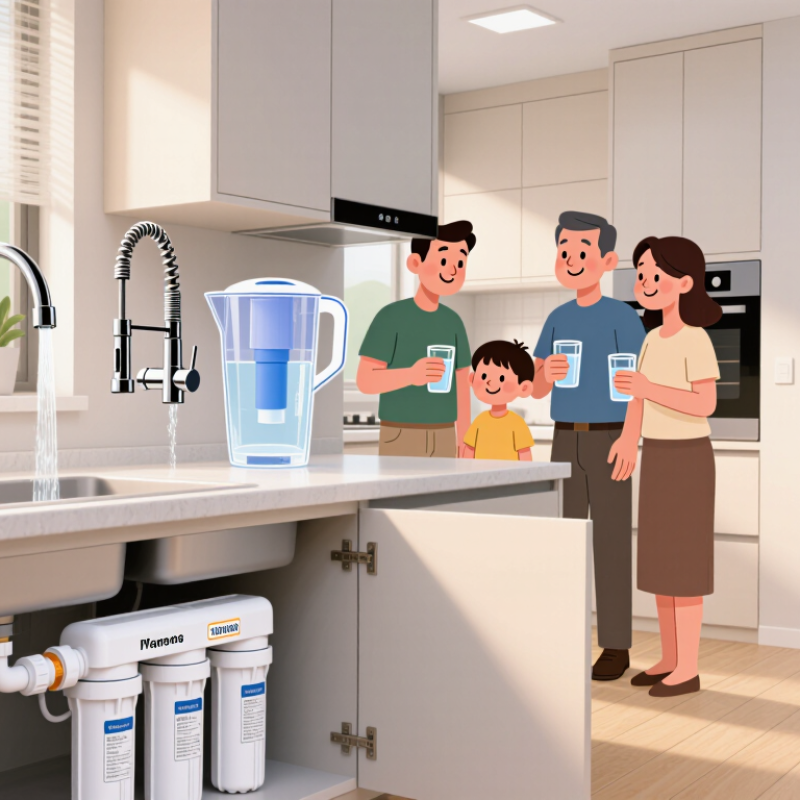
Measure your available space carefully. Under-sink units need cabinet clearance and compatible plumbing. Whole-house systems require a suitable entry point and enough flow for showers, laundry, and cooking. Ask whether professional installation is necessary. It can protect against leaks, but it also increases the budget. Select replacement parts that are easy to find locally. Avoid systems with unclear testing documents or vague maintenance instructions. Keep records. Even reliable equipment needs attention. My budget calculation is still imperfect, because water use changes from month to month. That uncertainty deserves room in your plan.

Installing, Testing, and Maintaining Your Water Filtration System

How to Find the Best Home Water Filtration System in 2026

Installing a water filtration system begins with evidence, not attractive specifications. Request your latest municipal water quality report, then test private well water through an accredited laboratory. The U.S. EPA’s 2024 PFAS rule set limits of 4.0 parts per trillion for PFOA and PFOS. A basic carbon filter may not address every regulated contaminant. Check the exact reduction claims and relevant NSF/ANSI certification, such as standards 42, 53, or 58.

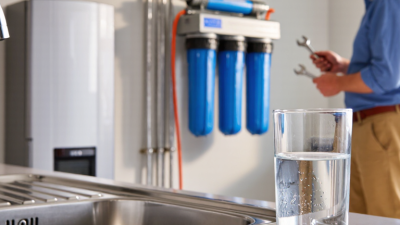
Installation details affect real performance. Place the filter after the main shutoff when whole-house treatment is required. Keep enough clearance for cartridge removal. Flush new media until water runs clear, then record the installation date. Test flow, pressure, taste, and selected contaminants after installation. TDS meters can show change, but they cannot prove microbiological safety or PFAS removal.

Maintenance is where many systems quietly fail. The CDC advises following replacement schedules and cleaning components as directed. A neglected cartridge can restrict flow and create hygiene concerns. Inspect seals for cracks, wipe the housing, and never touch clean fittings with dirty hands. Keep a simple log.

I once treated a lower TDS reading as proof of safer water. That assumption was wrong. Recheck after plumbing changes, unusual taste, flooding, or a missed replacement. The EPA requires public systems to monitor PFAS before compliance deadlines, but household conditions still vary. A filter can be certified, installed correctly, and poorly maintained.