Contaminant Comparison Chart

For a complete list of contaminants that PUR filters reduce, please view our Performance Data Sheets here.


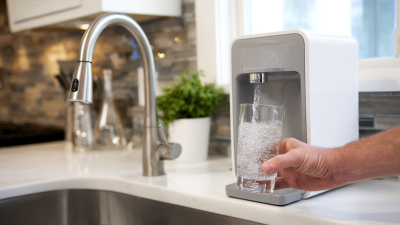
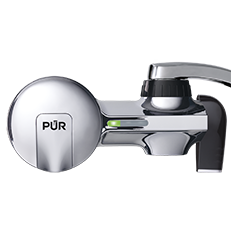
PUR & PUR PLUS FAUCET FILTERS
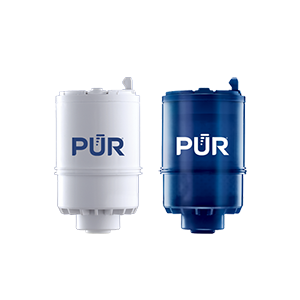
RF3375/RF9999

View Filters

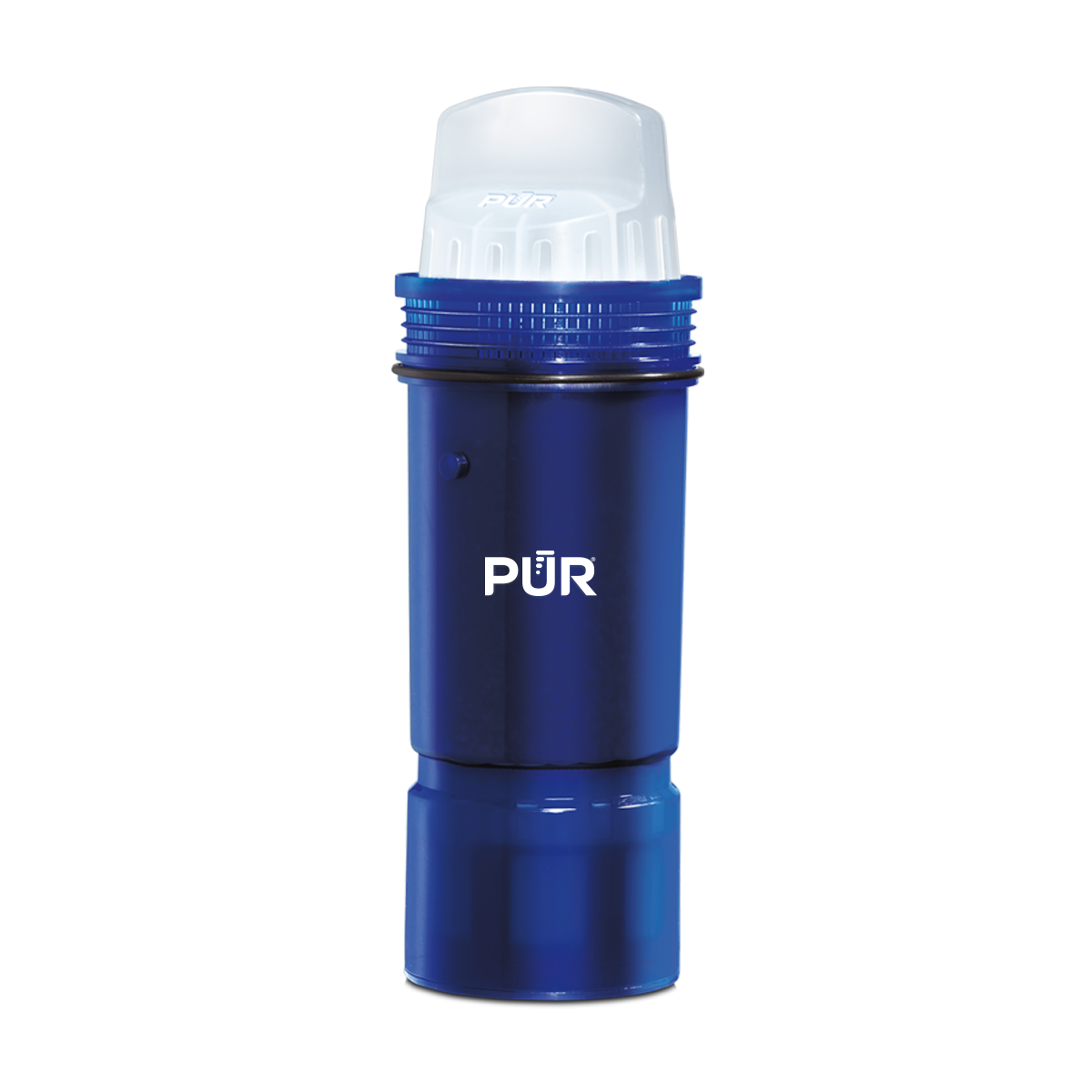
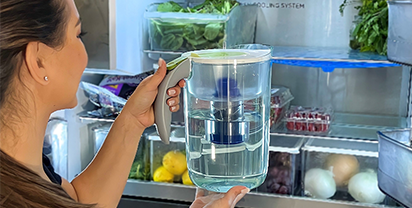
PUR PLUS PITCHER FILTERS
PPF951K

View Filter

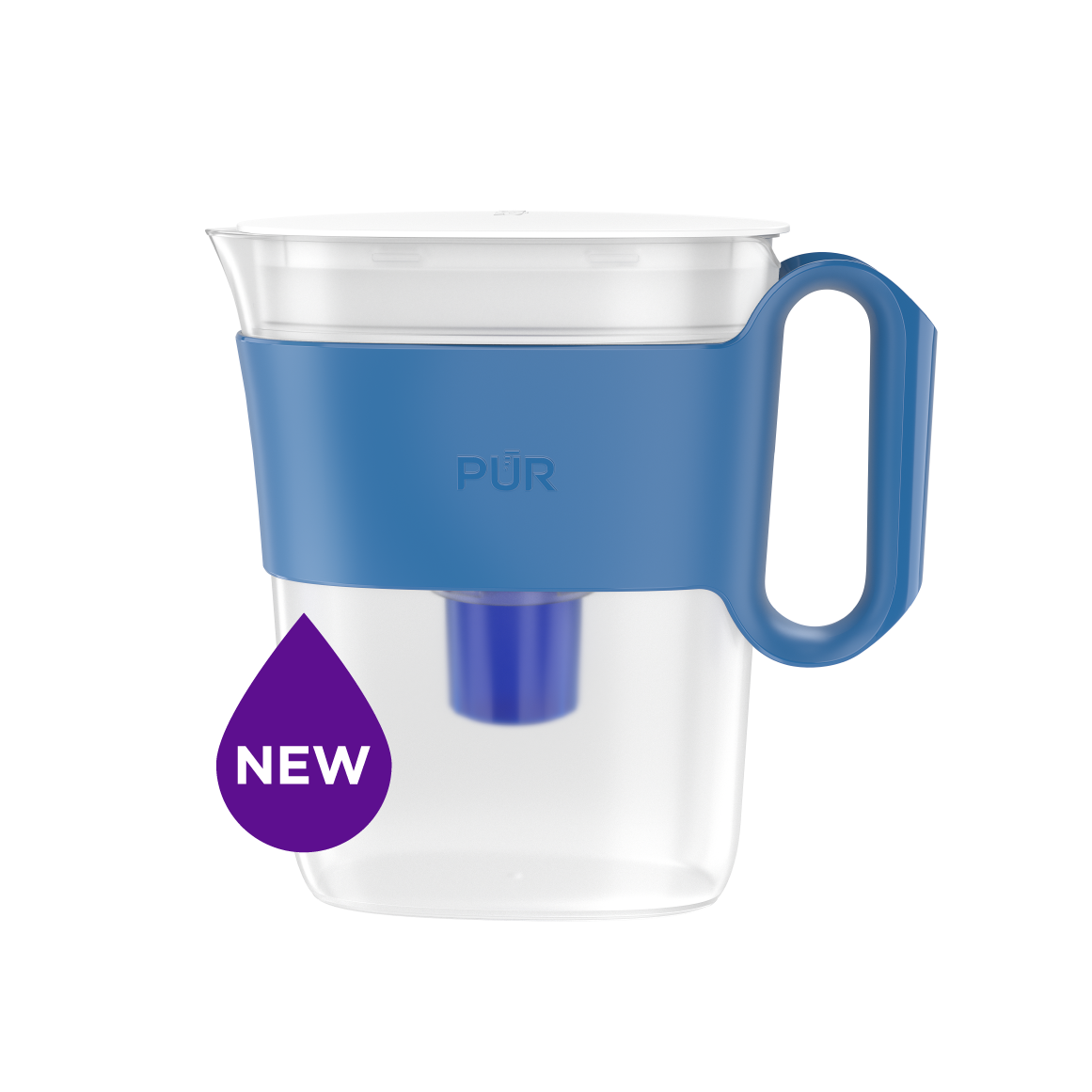
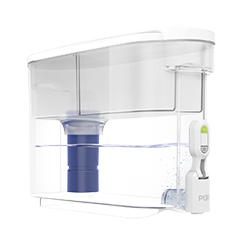
PUR BASIC PITCHER FILTERS
PPF900Z

View Filter


Vs. Brita*

Lead
Microplastics
Mercury
Chlorine Taste & Odor
DEET
TTHM

PUR’s Filtration Systems Are Certified By NSF And WQA For Their Contamination Reduction. WQA certifications as of 5/27/21 for Faucet filter models RF-3375 and RF-9999.

¹ Certified to reduce 10X more chemical and physical substances than Brita’s® leading pitcher filter.
² Certified to reduce 3X more chemical and physical substances than Brita’s® leading pitcher filter.
³ Certified to reduce 2X more chemical and physical substances than Brita’s® leading pitcher filter.
*Versus best-selling Brita® pitcher filter OB03. Brita® is a trademark of Brita LP.
**Like other leading brands, PUR does not filter microbes. As of 3/1/23 Brita® and ZeroWater® were not certified to filter microbes. Brita® is a trademark of Brita LP. ZeroWater® is a trademark of Zero Technologies, LLC..
 

PUR & PUR PLUS FAUCET FILTERS


PUR & PUR PLUS FAUCET FILTERS
RF3375/RF9999

View Filters


Vs. Brita*

Lead
Microplastics
Mercury
Chlorine Taste & Odor
DEET
TTHM

PUR’s Filtration Systems Are Certified By NSF And WQA For Their Contamination Reduction. WQA certifications as of 5/27/21 for Faucet filter models RF-3375 and RF-9999.

¹ Certified to reduce 10X more chemical and physical substances than Brita’s® leading pitcher filter.
² Certified to reduce 3X more chemical and physical substances than Brita’s® leading pitcher filter.
³ Certified to reduce 2X more chemical and physical substances than Brita’s® leading pitcher filter.
*Versus best-selling Brita® pitcher filter OB03. Brita® is a trademark of Brita LP.
**Like other leading brands, PUR does not filter microbes. As of 3/1/23 Brita® and ZeroWater® were not certified to filter microbes. Brita® is a trademark of Brita LP. ZeroWater® is a trademark of Zero Technologies, LLC..

 

PUR PLUS PITCHER FILTERS


PUR PLUS PITCHER FILTERS
PPF951K

View Filter


Vs. Brita*

Lead
Microplastics
Mercury
Chlorine Taste & Odor
DEET
TTHM

PUR’s Filtration Systems Are Certified By NSF And WQA For Their Contamination Reduction. WQA certifications as of 5/27/21 for Faucet filter models RF-3375 and RF-9999.

¹ Certified to reduce 10X more chemical and physical substances than Brita’s® leading pitcher filter.
² Certified to reduce 3X more chemical and physical substances than Brita’s® leading pitcher filter.
³ Certified to reduce 2X more chemical and physical substances than Brita’s® leading pitcher filter.
*Versus best-selling Brita® pitcher filter OB03. Brita® is a trademark of Brita LP.
**Like other leading brands, PUR does not filter microbes. As of 3/1/23 Brita® and ZeroWater® were not certified to filter microbes. Brita® is a trademark of Brita LP. ZeroWater® is a trademark of Zero Technologies, LLC..
 

PUR BASIC PITCHER FILTERS


PUR BASIC PITCHER FILTERS
PPF900Z

View Filter


Vs. Brita*

Lead
Microplastics
Mercury
Chlorine Taste & Odor
DEET
TTHM

PUR’s Filtration Systems Are Certified By NSF And WQA For Their Contamination Reduction. WQA certifications as of 5/27/21 for Faucet filter models RF-3375 and RF-9999.

¹ Certified to reduce 10X more chemical and physical substances than Brita’s® leading pitcher filter.
² Certified to reduce 3X more chemical and physical substances than Brita’s® leading pitcher filter.
³ Certified to reduce 2X more chemical and physical substances than Brita’s® leading pitcher filter.
*Versus best-selling Brita® pitcher filter OB03. Brita® is a trademark of Brita LP.
**Like other leading brands, PUR does not filter microbes. As of 3/1/23 Brita® and ZeroWater® were not certified to filter microbes. Brita® is a trademark of Brita LP. ZeroWater® is a trademark of Zero Technologies, LLC..
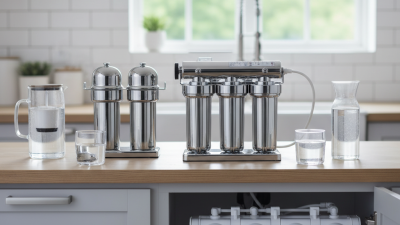
 

Best Home Filtration System for Clean Water in Your House?

In today's world, clean water is essential for a healthy lifestyle. However, tap water often contains contaminants. To ensure safe drinking water, investing in a home filtration system is crucial. These systems effectively remove impurities, providing better taste and health benefits.

The right home filtration system can significantly improve water quality. Many options are available, from simple pitcher filters to advanced reverse osmosis systems. Choosing the best system may feel overwhelming. It's important to consider factors like water source and specific contaminants.

Understanding your needs is the first step. A knowledgeable assessment can guide you to the best solution for your home. Remember, not all filtration systems are equal. Therefore, research and expert recommendations are vital to make an informed choice. Prioritizing clean water will positively impact your family's health.

Best Home Filtration System for Clean Water in Your House?

Types of Home Filtration Systems for Clean Drinking Water

Home filtration systems play a critical role in ensuring clean drinking water. There are several types available, each with unique benefits. Activated carbon filters are popular for their ability to remove chlorine and improve taste. However, they require regular replacement to maintain efficiency. Some users find this upkeep challenging and forget to change the filters on time.

Reverse osmosis systems provide thorough purification. They can remove a wide range of contaminants, including heavy metals and bacteria. Yet, these systems can waste a significant amount of water in the process. This aspect raises concerns for many people who are mindful of their water usage.

Ultraviolet (UV) purifiers are effective against pathogens. They are chemical-free and require minimal maintenance. However, they offer no protection against chemical contaminants. Therefore, a combination of systems might be necessary for comprehensive purification. Choosing the best filtration system requires careful consideration of your water quality and personal needs. It's essential to regularly test your water and assess your filtration system's performance for optimum results.

Key Features to Consider When Choosing a Filtration System

When selecting a home filtration system, consider several key features that can impact the quality of your water. First, the filtration method is crucial. Options include activated carbon, reverse osmosis, and UV purification. Each has its strengths. Activated carbon filters are great for improving taste and odor. Reverse osmosis systems effectively remove many contaminants. UV filters can eliminate bacteria and viruses.

Capacity also matters. Determine how much water your household needs daily. Some systems can handle larger volumes, while others are better for smaller families. Regular maintenance is necessary too. Filters need prompt replacement to ensure optimal performance.

It's wise to consider your water source. Well water may require additional filtration compared to municipal sources. Test your water to identify specific contaminants. This can guide your choice. Sometimes, selecting a more complex system may lead to overkill. Simplicity can be effective.

Invest time in researching certifications. Look for systems certified by organizations that verify their claims. This can ensure you are choosing a reliable product. Aim for a balance between complexity and effectiveness in your choice.

Benefits of Installing a Home Water Filtration System

Installing a home water filtration system offers numerous benefits that enhance both health and convenience. According to the Environmental Protection Agency, over 15 million households in the U.S. are exposed to unsafe drinking water. Contaminants such as lead, chlorine, and bacteria can negatively affect your health. A filtration system helps reduce these risks. It can remove up to 99% of harmful substances, ensuring cleaner and safer water for you and your family.

Moreover, filtered water tastes better and encourages people to drink more. A study by the Water Quality Association indicates that people are more likely to stay hydrated when they have access to clean water. This can lead to improved energy levels and overall well-being. Often, however, homeowners overlook the maintenance of these systems. Regular inspections are crucial to ensure they function correctly. Neglecting this can lead to backup of contaminants, making the situation worse rather than better.

Cost is another factor to consider. While the initial investment can be high, the long-term savings on bottled water and healthcare costs are significant. Reports show that families can save an average of $600 annually by avoiding bottled water. However, some systems may require costly replacement filters, which can offset those savings. Thoughtful consideration is essential when deciding on a filtration system that fits your needs and budget.

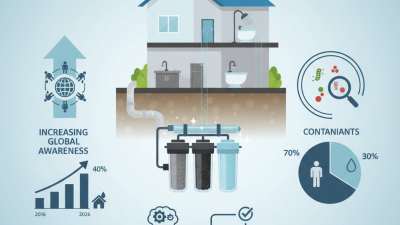
Water Filtration System Effectiveness by Contaminant Type

Maintenance and Replacement Tips for Water Filters

Maintaining a home water filtration system is crucial for clean drinking water. Regular maintenance ensures optimal performance and extends the life of the filters. It's important to check your filtration system every few months. Look for any clogs or signs of wear. Many people overlook this step, which can lead to reduced water quality.

Replacing filters is equally vital. Most systems require new filters every six months to a year. Be mindful of your water usage and quality. If your water is especially hard or has high sediment levels, you may need to replace filters more often. It’s easy to forget about them, but neglecting this can lead to contaminants in your water.

You should also document replacement dates. This simple habit can help track when filters need attention. Consider keeping a calendar for reminders. Some systems come with indicators for filter life, but relying solely on these can lead to issues if they fail. Stay proactive, but don't stress over every detail. Being aware is the first step toward maintaining clean water at home.

Comparing Cost-Effectiveness of Popular Filtration Brands

When choosing a home water filtration system, cost-effectiveness plays a crucial role. Various filtration brands offer different features, making it essential to analyze their value. While some systems promise high filtration rates, the initial investment might not reflect long-term savings. Evaluating maintenance costs is just as important. A low-priced filtration system can incur high replacement costs for filters.

Many homeowners overlook the volume of water each system can filter. An effective system should handle daily demands without frequent replacements. Take time to review water quality reports for your area, understanding what contaminants you need to filter out. Not all systems remove the same impurities, and a mismatch in expectations can lead to disappointment.

Consumer feedback often highlights issues. Some filters may not work as promised, leading to wasted money. It's worth researching user experiences to mitigate risks. Comparing various brands is vital, but so is finding a system that fits your lifestyle and budget. Stay open to alternatives; sometimes, the most expensive option is not the best choice for everyone.