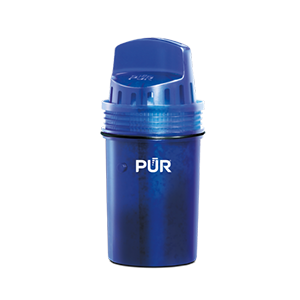
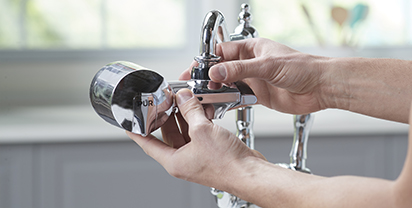
Contaminant Comparison Chart

For a complete list of contaminants that PUR filters reduce, please view our Performance Data Sheets here.


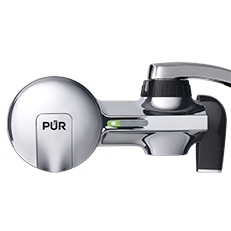
PUR & PUR PLUS FAUCET FILTERS
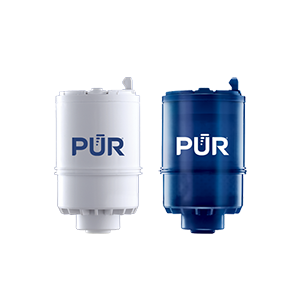
RF3375/RF9999

View Filters

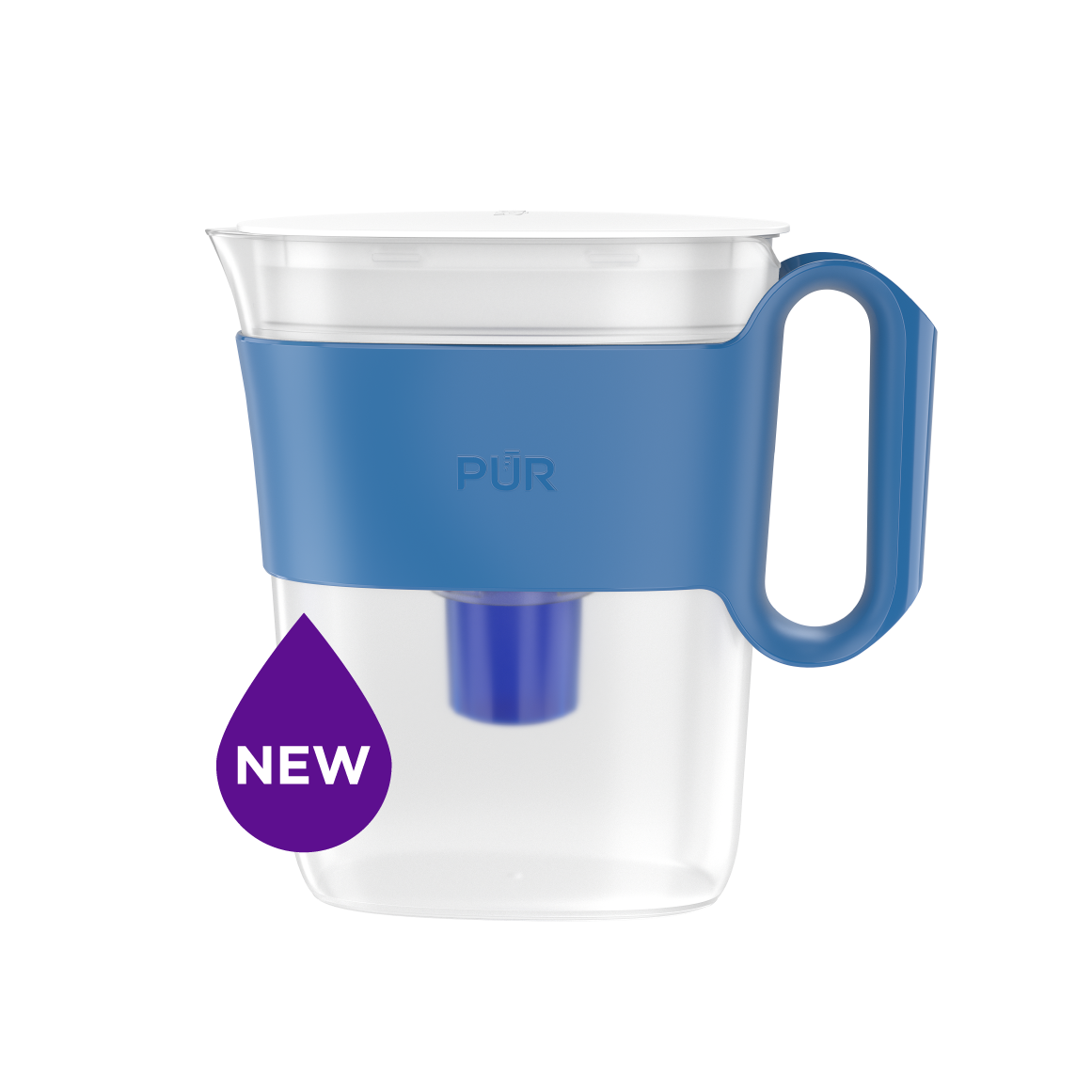
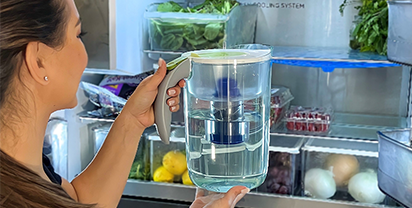
PUR PLUS PITCHER FILTERS
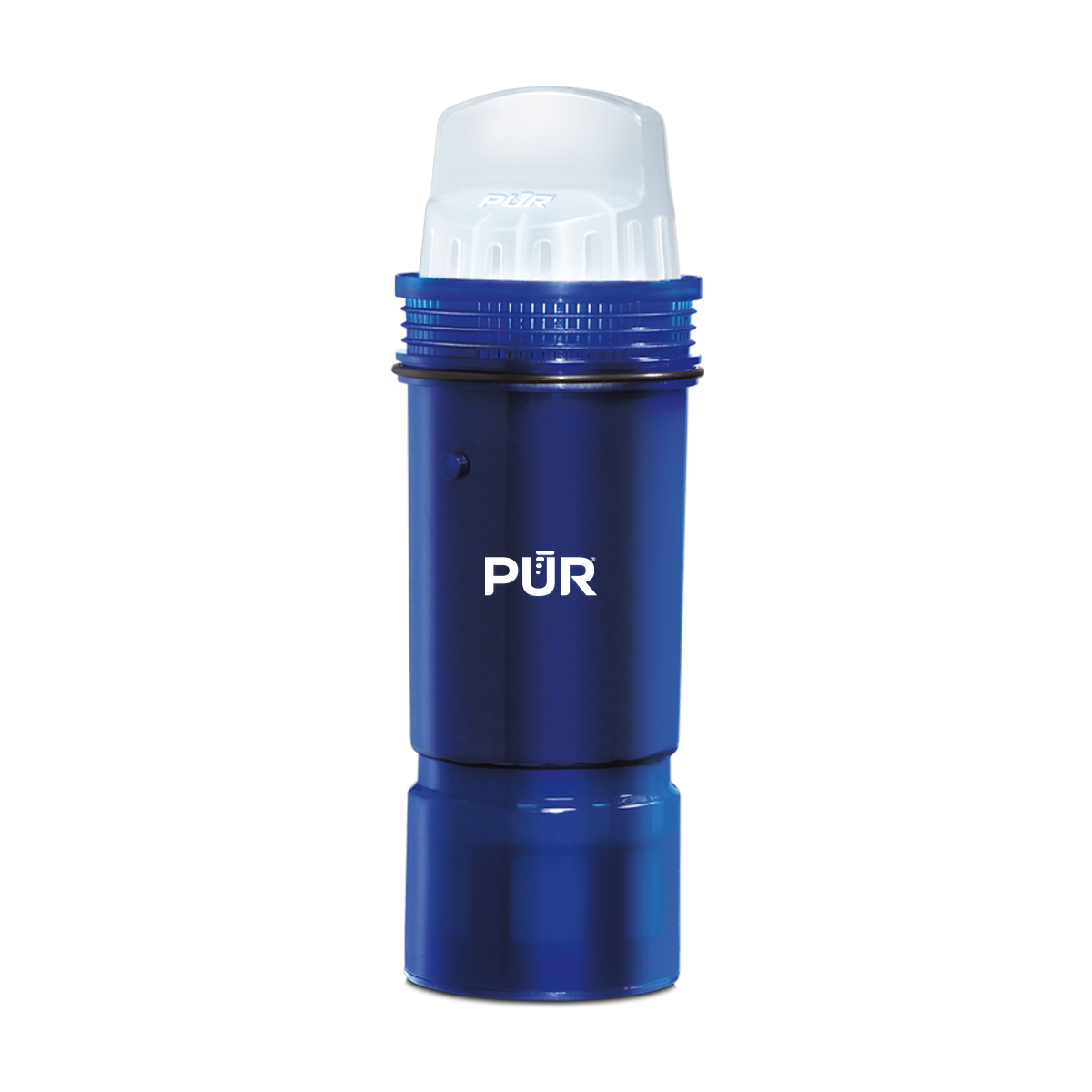
PPF951K

View Filter

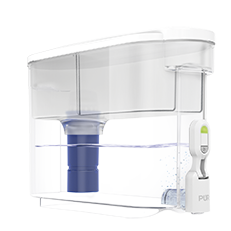
PUR BASIC PITCHER FILTERS
PPF900Z

View Filter


Vs. Brita*

Lead ✓ ✓
Microplastics ✓ ✓
Mercury ✓ ✓ ✓
Chlorine Taste & Odor ✓ ✓ ✓
DEET ✓
TTHM ✓

PUR’s Filtration Systems Are Certified By NSF And WQA For Their Contamination Reduction. WQA certifications as of 5/27/21 for Faucet filter models RF-3375 and RF-9999.

¹ Certified to reduce 10X more chemical and physical substances than Brita’s® leading pitcher filter.
² Certified to reduce 3X more chemical and physical substances than Brita’s® leading pitcher filter.
³ Certified to reduce 2X more chemical and physical substances than Brita’s® leading pitcher filter.
*Versus best-selling Brita® pitcher filter OB03. Brita® is a trademark of Brita LP.
**Like other leading brands, PUR does not filter microbes. As of 3/1/23 Brita® and ZeroWater® were not certified to filter microbes. Brita® is a trademark of Brita LP. ZeroWater® is a trademark of Zero Technologies, LLC..
 

PUR & PUR PLUS FAUCET FILTERS


PUR & PUR PLUS FAUCET FILTERS
RF3375/RF9999

View Filters


Vs. Brita*

Lead ✓
Microplastics ✓
Mercury ✓
Chlorine Taste & Odor ✓
DEET ✓
TTHM ✓

PUR’s Filtration Systems Are Certified By NSF And WQA For Their Contamination Reduction. WQA certifications as of 5/27/21 for Faucet filter models RF-3375 and RF-9999.

¹ Certified to reduce 10X more chemical and physical substances than Brita’s® leading pitcher filter.
² Certified to reduce 3X more chemical and physical substances than Brita’s® leading pitcher filter.
³ Certified to reduce 2X more chemical and physical substances than Brita’s® leading pitcher filter.
*Versus best-selling Brita® pitcher filter OB03. Brita® is a trademark of Brita LP.
**Like other leading brands, PUR does not filter microbes. As of 3/1/23 Brita® and ZeroWater® were not certified to filter microbes. Brita® is a trademark of Brita LP. ZeroWater® is a trademark of Zero Technologies, LLC..
 

PUR PLUS PITCHER FILTERS


PUR PLUS PITCHER FILTERS
PPF951K

View Filter


Vs. Brita*

Lead ✓
Microplastics ✓
Mercury ✓
Chlorine Taste & Odor ✓
DEET
TTHM

PUR’s Filtration Systems Are Certified By NSF And WQA For Their Contamination Reduction. WQA certifications as of 5/27/21 for Faucet filter models RF-3375 and RF-9999.

¹ Certified to reduce 10X more chemical and physical substances than Brita’s® leading pitcher filter.
² Certified to reduce 3X more chemical and physical substances than Brita’s® leading pitcher filter.
³ Certified to reduce 2X more chemical and physical substances than Brita’s® leading pitcher filter.
*Versus best-selling Brita® pitcher filter OB03. Brita® is a trademark of Brita LP.
**Like other leading brands, PUR does not filter microbes. As of 3/1/23 Brita® and ZeroWater® were not certified to filter microbes. Brita® is a trademark of Brita LP. ZeroWater® is a trademark of Zero Technologies, LLC..
 

PUR BASIC PITCHER FILTERS


PUR BASIC PITCHER FILTERS
PPF900Z

View Filter


Vs. Brita*

Lead
Microplastics
Mercury ✓
Chlorine Taste & Odor ✓
DEET
TTHM

PUR’s Filtration Systems Are Certified By NSF And WQA For Their Contamination Reduction. WQA certifications as of 5/27/21 for Faucet filter models RF-3375 and RF-9999.

¹ Certified to reduce 10X more chemical and physical substances than Brita’s® leading pitcher filter.
² Certified to reduce 3X more chemical and physical substances than Brita’s® leading pitcher filter.
³ Certified to reduce 2X more chemical and physical substances than Brita’s® leading pitcher filter.
*Versus best-selling Brita® pitcher filter OB03. Brita® is a trademark of Brita LP.
**Like other leading brands, PUR does not filter microbes. As of 3/1/23 Brita® and ZeroWater® were not certified to filter microbes. Brita® is a trademark of Brita LP. ZeroWater® is a trademark of Zero Technologies, LLC..
 

Why Choose a Filtered Water Dispenser for Your Business?

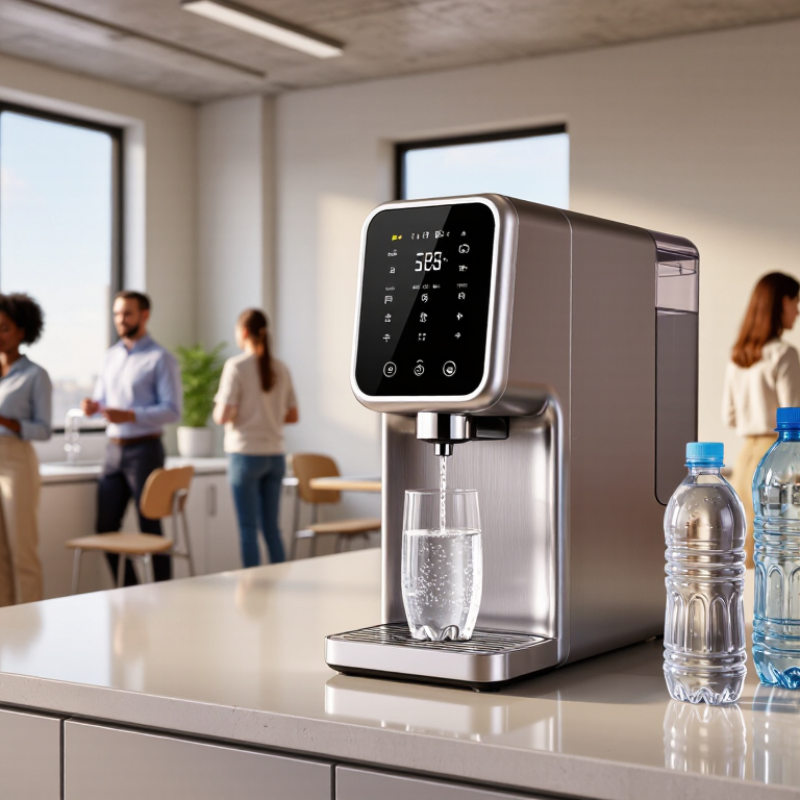
A reliable filtered water dispenser can make a practical difference in a busy workplace. It gives employees and visitors a convenient place to refill a glass or bottle, without relying on stacks of packaged water. That matters. In a reception area, a chilled refill can make a meeting feel more welcoming. In a shared kitchen, easy access may encourage staff to drink water throughout the day.

The benefits depend on choosing equipment that suits the business. Consider daily demand, available counter or floor space, water temperature options, and how often filters need replacing. A compact office may need a different setup from a restaurant or warehouse. Check the manufacturer’s specifications, service requirements, and the filter’s stated capabilities. Water quality varies by location, so a dispenser should not be treated as a universal solution. It also needs routine care. A missed filter change can undermine the experience, even when the unit looks clean.

Cost deserves a closer look, too. Compare purchase or rental costs with ongoing filters, servicing, and the business’s current water expenses. Bottled water may still be useful in some situations, such as events or areas without a suitable connection. There is no single best choice. The right filtered water dispenser balances convenience, maintenance, capacity, and budget. This guide explores those considerations and the questions businesses can ask before selecting a system.

Why Choose a Filtered Water Dispenser for Your Business?

How Filtered Water Dispensers Work in Business Settings

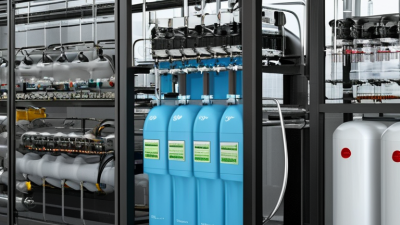
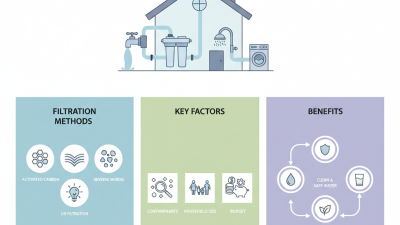
In a busy workplace, a filtered water dispenser provides a convenient drinking point. For mains-connected units, incoming water passes through one or more filter stages before reaching the outlet. A sediment filter can catch fine particles, while activated carbon may reduce chlorine taste and odor. Some systems use additional treatment, such as reverse osmosis, depending on the source water and model. No single filter removes everything.

Once treated, water may flow directly to the tap or collect in an internal tank. Cooling systems use a refrigeration circuit; hot-water models heat a separate portion when needed. Buttons or levers release water into bottles, cups, or reusable mugs. That sounds simple. It isn’t always.

In offices, kitchens, and staff areas, placement affects daily use. A dispenser near a sink can make bottle refills easier, but crowded counters may slow cleaning. Facilities teams should follow the filter-change schedule, flush the unit as directed, and check for leaks. They should also compare performance data with local water conditions, since needs vary. Small routines matter. Even with clear instructions, shift handovers can be missed, so a simple service log helps.

Key Components and Filtration Methods

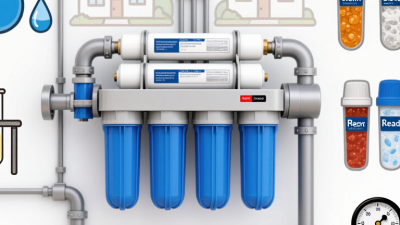
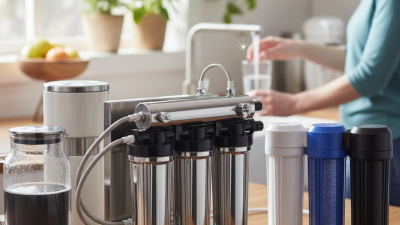
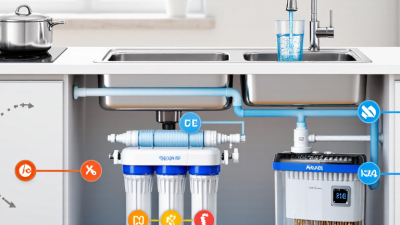
A commercial filtered water dispenser combines several parts, each with a specific job. Water usually passes through an inlet and sediment filter before reaching the main filtration stage. The sediment filter catches visible particles such as rust flakes and grit. An activated carbon cartridge can reduce chlorine taste and odor. Some dispensers also use a membrane, ultraviolet treatment, or a final polishing filter. Small parts matter. A clogged cartridge can slow the flow, while a poorly maintained tap may affect water quality after filtration. Storage tanks and internal tubing need attention too, not just the filter housing.

Filtration methods address different concerns. Carbon adsorption works well for taste and certain chemical compounds, but it does not remove every dissolved mineral or microorganism. Reverse osmosis uses a membrane to reduce many dissolved substances, though it can produce wastewater and may alter mineral content. Ultraviolet treatment can inactivate many microbes, but it does not remove particles or chemicals. Not always. The right setup depends on the incoming water, daily demand, and the contaminants identified through reliable testing. A busy café may need faster delivery than a small office, yet higher capacity alone does not guarantee better water. Check replacement intervals, service access, and filter performance documentation before choosing; these details are easy to overlook during installation planning.

Why Choose a Filtered Water Dispenser for Your Business? - Key Components and Filtration Methods

Component or Method How It Works Typical Role Potential Business Benefit Important Considerations
Sediment pre-filter Uses a porous filter medium to capture suspended particles such as sediment and rust. Protects downstream filters and helps reduce visible particles. Can help maintain reliable operation where incoming water contains particles. Does not remove dissolved substances such as salts. Replacement depends on water quality and the system’s instructions.
Activated carbon filter Adsorbs certain compounds onto the carbon’s porous surface; some designs also reduce chlorine through chemical reactions. Often used to improve taste and odor and to reduce chlorine or specific listed contaminants. Can make drinking water more appealing to staff and visitors. Reduction varies by filter design and certification. Standard carbon filtration does not generally remove dissolved minerals or salts.
Reverse osmosis membrane Uses pressure to move water through a semi-permeable membrane that separates water from many dissolved substances. Can reduce total dissolved solids and specific contaminants when the system is designed and certified for them. May suit locations seeking broader dissolved-contaminant reduction. Requires suitable pressure and regular service; systems typically send some water to drain. Performance depends on the membrane and system configuration.
Ultrafiltration membrane Uses a fine membrane barrier to retain many suspended particles and microorganisms, depending on pore size and system design. Provides a physical barrier for selected particles and microbes. Can provide an additional treatment step without the dissolved-solids removal approach used by reverse osmosis. Does not generally remove dissolved salts. Microorganism reduction depends on the membrane and validated system performance.
Ultraviolet (UV) treatment Exposes water to UV light to inactivate susceptible microorganisms; it does not physically filter them out. Can be used as a microbial treatment step in appropriately designed systems. Offers a treatment option without adding a chemical disinfectant to the water. Does not remove particles, dissolved chemicals, or metals. Water clarity, UV dose, lamp condition, and maintenance affect performance.
Chilling, heating, and dispensing system Stores or conditions treated water and delivers it through dedicated taps or outlets. Provides convenient access to drinking water at selected temperatures. Can support shared hydration points in offices, kitchens, and customer areas. Needs routine cleaning and servicing. Check electrical, plumbing, capacity, and installation requirements before purchase.
Filter monitoring and replacement Tracks filter life by time, treated volume, or system indicators, according to the equipment design. Helps ensure filters are replaced and the system is maintained as directed. Makes ongoing maintenance easier to plan and helps avoid neglected filter changes. Replacement intervals are model- and water-quality-specific; follow the manufacturer’s instructions rather than assuming one schedule fits all.

Filtration performance depends on the specific dispenser, filter configuration, incoming water, and maintenance. Check independent certification and contaminant-reduction claims for the exact system before purchase.

Benefits for Workplace Health, Cost, and Sustainability

A filtered water dispenser can make drinking water easier to access throughout the workday. Employees can refill a glass beside the break room rather than carry cases of bottled water upstairs. That matters. Convenient access may encourage people to drink regularly, though a dispenser alone cannot guarantee healthier habits.

Costs depend on staff numbers, water use, equipment, and filter replacement schedules. Compare those expenses with recurring bottled-water orders, delivery fees, storage space, and bottle disposal. The numbers can be awkward: savings are not automatic, especially in a small office. Track usage and service costs for several months before judging the investment.

Less reliance on single-use bottles can reduce packaging waste and delivery trips. A row of reusable bottles by the dispenser makes the change visible. Small details count. Choose a unit suited to your workplace, and follow its maintenance instructions. Filters have different capabilities and lifespans, so check the specifications and replace cartridges on schedule. Clean dispensing points regularly, too; neglected equipment can undermine the benefits.

Choosing a Dispenser for Your Business Needs

Choosing a dispenser starts with the people who will use it. A small office may need a compact countertop unit, while a busy workshop may require faster dispensing and a larger reservoir. Peak demand matters. Watch the kitchen or break-room area during the busiest hour, not just at lunchtime. A queue beside the sink is useful evidence that capacity or placement needs attention.

Check the practical details before choosing a model. Measure the available space, including room for filter changes and cleaning. Confirm whether the unit needs a water connection, drainage, or a nearby power outlet. Ask what the filter is designed to reduce, and compare that information with a recent water-quality report. “Filtered” does not mean every filter addresses every concern. Replacement intervals, filter costs, and service access should be clear.

Consider how the dispenser will fit daily routines. Staff should be able to fill a bottle without blocking a doorway, and cleaning surfaces should be easy to reach. If hot water is offered, place that option away from high-traffic edges. Maintenance can be overlooked; a dispenser that looks ideal on delivery may become inconvenient when filters are hard to access. No checklist predicts every habit, so note who will maintain it and how often.

Installation, Upkeep, and Filter Replacement

A filtered water dispenser works best when installation and care match the needs of the workplace. Before installation, estimate daily use and check nearby water access, drainage, and electrical requirements. Leave enough room to open panels, replace filters, and reach the shutoff valve. A qualified installer can verify the unit’s pressure and connection requirements. Small details matter.

During routine upkeep, wipe the dispensing area and empty the drip tray before residue builds up. Clean contact surfaces according to the equipment instructions, especially in shared kitchens. Check for leaks, unusual sounds, or a sudden change in water flow. If the water tastes different, inspect the unit and filter schedule rather than assuming the filter is the only cause. Keep a simple service log with dates and observations. Keep it visible. In practice, staff can forget to update it during busy weeks.

Replace filters at the interval or capacity specified for the unit; heavy use or local water conditions may shorten that interval. Use the correct replacement type, follow the shutoff and pressure-release steps, then flush the system as directed. Record the replacement date and check for leaks afterward. Waiting until flow drops can disrupt service, while replacing too early adds avoidable cost. Someone should own the task, even if the schedule needs adjusting.

Why Choose a Filtered Water Dispenser for Your Business?

Installation, Upkeep, and Filter Replacement

These are illustrative planning estimates, not guaranteed service times. Actual time depends on the dispenser, site, and water conditions. Replace filters according to the filter’s rated capacity and the manufacturer’s instructions.