Contaminant Comparison Chart

For a complete list of contaminants that PUR filters reduce, please view our Performance Data Sheets here.


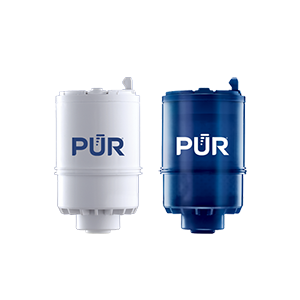
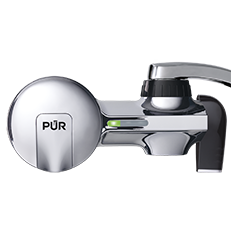
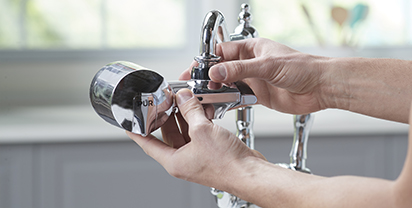
PUR & PUR PLUS FAUCET FILTERS
RF3375/RF9999

View Filters

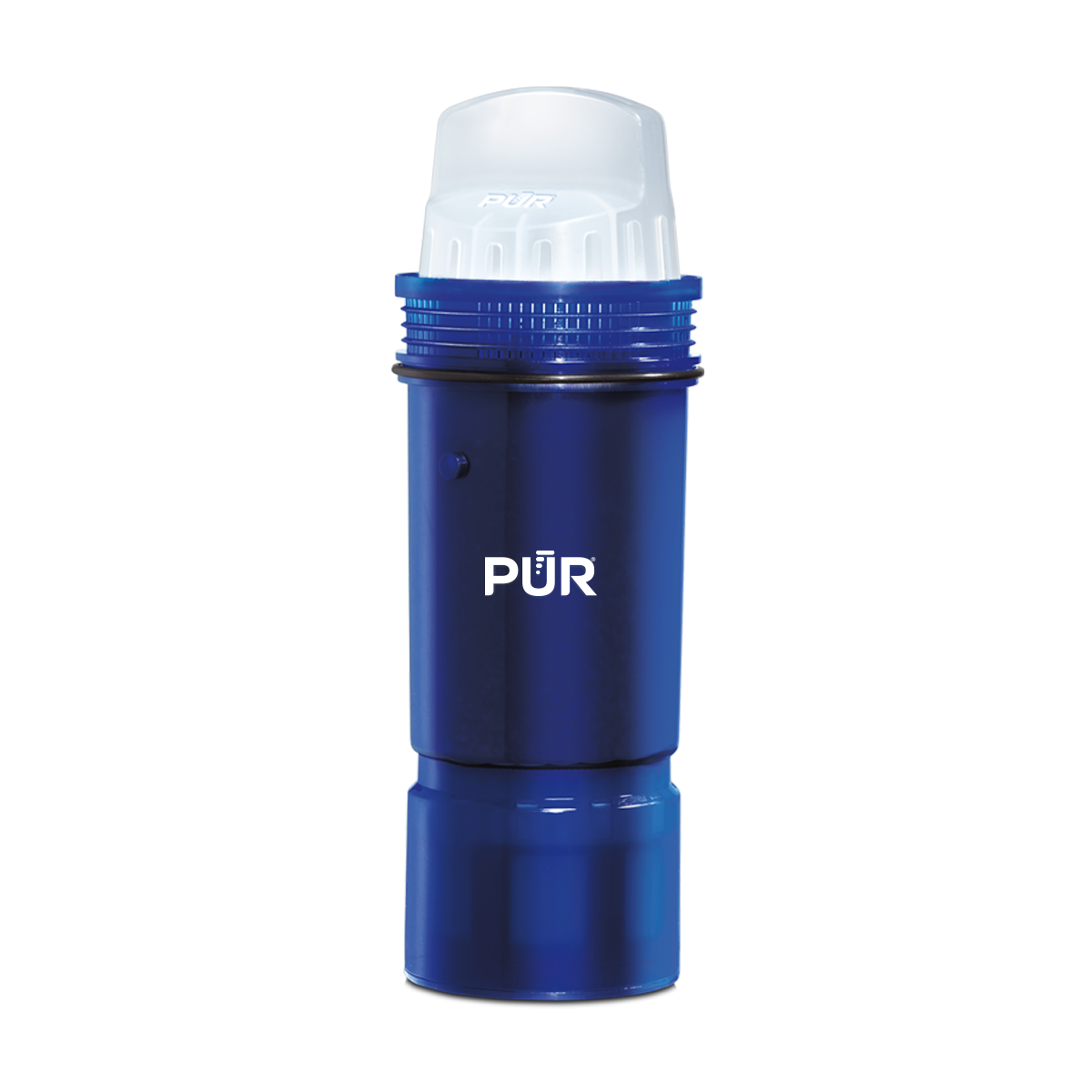
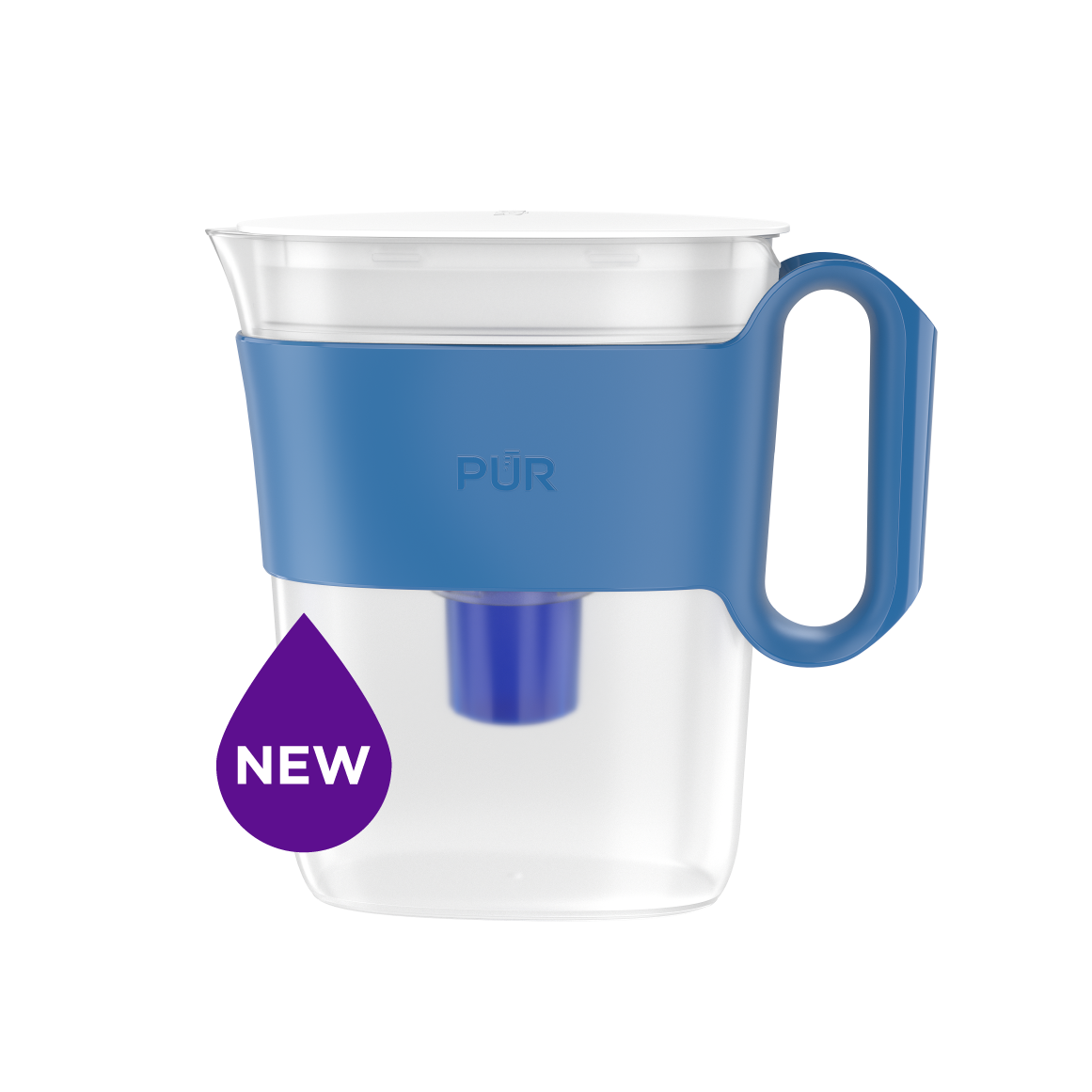
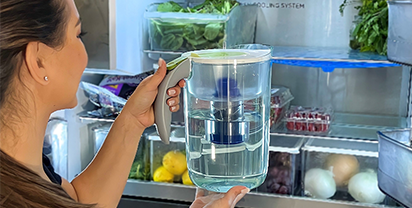
PUR PLUS PITCHER FILTERS
PPF951K

View Filter

PUR BASIC PITCHER FILTERS
PPF900Z

View Filter


Vs. Brita*

Lead
Microplastics
Mercury
Chlorine Taste & Odor
DEET
TTHM

PUR’s Filtration Systems Are Certified By NSF And WQA For Their Contamination Reduction. WQA certifications as of 5/27/21 for Faucet filter models RF-3375 and RF-9999.

¹ Certified to reduce 10X more chemical and physical substances than Brita’s® leading pitcher filter.
² Certified to reduce 3X more chemical and physical substances than Brita’s® leading pitcher filter.
³ Certified to reduce 2X more chemical and physical substances than Brita’s® leading pitcher filter.
*Versus best-selling Brita® pitcher filter OB03. Brita® is a trademark of Brita LP.
**Like other leading brands, PUR does not filter microbes. As of 3/1/23 Brita® and ZeroWater® were not certified to filter microbes. Brita® is a trademark of Brita LP. ZeroWater® is a trademark of Zero Technologies, LLC..

 

PUR & PUR PLUS FAUCET FILTERS


PUR & PUR PLUS FAUCET FILTERS
RF3375/RF9999

View Filters


Vs. Brita*

Lead
Microplastics
Mercury
Chlorine Taste & Odor
DEET
TTHM

PUR’s Filtration Systems Are Certified By NSF And WQA For Their Contamination Reduction. WQA certifications as of 5/27/21 for Faucet filter models RF-3375 and RF-9999.

¹ Certified to reduce 10X more chemical and physical substances than Brita’s® leading pitcher filter.
² Certified to reduce 3X more chemical and physical substances than Brita’s® leading pitcher filter.
³ Certified to reduce 2X more chemical and physical substances than Brita’s® leading pitcher filter.
*Versus best-selling Brita® pitcher filter OB03. Brita® is a trademark of Brita LP.
**Like other leading brands, PUR does not filter microbes. As of 3/1/23 Brita® and ZeroWater® were not certified to filter microbes. Brita® is a trademark of Brita LP. ZeroWater® is a trademark of Zero Technologies, LLC..
 

PUR PLUS PITCHER FILTERS


PUR PLUS PITCHER FILTERS
PPF951K

View Filter


Vs. Brita*

Lead
Microplastics
Mercury
Chlorine Taste & Odor
DEET
TTHM

PUR’s Filtration Systems Are Certified By NSF And WQA For Their Contamination Reduction. WQA certifications as of 5/27/21 for Faucet filter models RF-3375 and RF-9999.

¹ Certified to reduce 10X more chemical and physical substances than Brita’s® leading pitcher filter.
² Certified to reduce 3X more chemical and physical substances than Brita’s® leading pitcher filter.
³ Certified to reduce 2X more chemical and physical substances than Brita’s® leading pitcher filter.
*Versus best-selling Brita® pitcher filter OB03. Brita® is a trademark of Brita LP.
**Like other leading brands, PUR does not filter microbes. As of 3/1/23 Brita® and ZeroWater® were not certified to filter microbes. Brita® is a trademark of Brita LP. ZeroWater® is a trademark of Zero Technologies, LLC..
 

PUR BASIC PITCHER FILTERS


PUR BASIC PITCHER FILTERS
PPF900Z

View Filter


Vs. Brita*

Lead
Microplastics
Mercury
Chlorine Taste & Odor
DEET
TTHM

PUR’s Filtration Systems Are Certified By NSF And WQA For Their Contamination Reduction. WQA certifications as of 5/27/21 for Faucet filter models RF-3375 and RF-9999.

¹ Certified to reduce 10X more chemical and physical substances than Brita’s® leading pitcher filter.
² Certified to reduce 3X more chemical and physical substances than Brita’s® leading pitcher filter.
³ Certified to reduce 2X more chemical and physical substances than Brita’s® leading pitcher filter.
*Versus best-selling Brita® pitcher filter OB03. Brita® is a trademark of Brita LP.
**Like other leading brands, PUR does not filter microbes. As of 3/1/23 Brita® and ZeroWater® were not certified to filter microbes. Brita® is a trademark of Brita LP. ZeroWater® is a trademark of Zero Technologies, LLC..
 

How to Choose the Best Water Filter Pitcher for Your Needs?

Choosing the best water filter pitcher for your needs can enhance your drinking water experience. With so many options available, it's essential to understand what features matter most. A pitcher that fits your lifestyle can greatly improve water quality.

Consider factors such as filtration capacity and ease of use. Some filters remove chlorine, while others tackle lead and heavy metals. Look for certifications to ensure effectiveness.

However, purchasing the best water filter pitcher isn't always straightforward. You may face challenges in identifying the right brand or model. Misleading marketing claims can confuse consumers. Taking time to research can help you make an informed choice, leading to safer drinking water.

How to Choose the Best Water Filter Pitcher for Your Needs?

Factors to Consider When Selecting a Water Filter Pitcher

When selecting a water filter pitcher, various factors play a crucial role. One critical consideration is the type of contaminants present in your water. According to the Environmental Protection Agency, nearly 10% of community water systems in the U.S. exceed safe levels of contaminants. If your water tests positive for lead or chlorine, a pitcher with specific filters designed for these impurities is essential.

Capacity is another significant factor. Most water filter pitchers hold between 6 to 12 cups. If you have a larger family or entertain guests frequently, consider a pitcher with a higher capacity. However, larger models may take longer to filter water, which could be inconvenient. It's essential to balance storage capacity with filtering speed, as some users find waiting frustrating.

Filter lifespan is an important detail often overlooked. Many filter cartridges last about two months or 40 gallons of water, yet this can vary widely. Some reports indicate that frequent filter replacements contribute to higher long-term costs. Evaluating how often you're willing to replace filters can help narrow your choices. Always verify manufacturer claims and compare customer reviews to ensure reliability.

Types of Filter Cartridges and Their Performance

When selecting a water filter pitcher, understanding the types of filter cartridges is essential. Different cartridges target various contaminants. For instance, activated carbon filters effectively reduce chlorine and odors. These filters are popular for their affordability and ease of use. However, they may not effectively remove heavy metals or bacteria.

Ceramic filters are another option. They offer reliable performance in filtering out bacteria and sediments. Yet, they require careful cleaning and have a shorter lifespan. Ion exchange resins are specialized cartridges that excel in softening hard water. But they often need replacement more frequently, which can be a hassle.

Not all filters meet the same standards. Performance can vary greatly depending on your local water quality. Users may find their achieved results less satisfactory than promised. Understanding each type's limitations can help you make a better choice. Consider your specific needs and the contaminants present in your water. Reflect on the time and effort you're willing to invest in maintenance.

Capacity and Size: Finding the Right Fit for Your Lifestyle

When choosing a water filter pitcher, consider capacity and size. A pitcher suited for your lifestyle will enhance your daily routine. If you have a large family, a bigger pitcher can filter more water at once. This minimizes the frequency of refilling. On the other hand, a compact pitcher works well for singles or couples. It fits easily in the fridge without taking up too much space.

Pay attention to your drinking habits. If you drink a lot of water daily, a larger capacity is ideal. But, if you rarely use it, a smaller option may be sufficient. Ensure it meets your kitchen’s design. A visually appealing pitcher encourages more water consumption. You might find yourself drinking more water than before. Evaluate what size fits your needs without overwhelming your living area.

Reflect on how you store water. Does it take up too much shelf space? Can you easily access the pitcher? These are practical considerations. Sometimes, the best option might not be the most spacious one. A balance between functionality and convenience is essential. Finding the right fit involves understanding both your lifestyle and kitchen space.

Cost Analysis: Budgeting for Purchase and Maintenance

When selecting a water filter pitcher, cost analysis is vital. Your budget should cover both the initial purchase and ongoing maintenance. A good pitcher can range from $20 to $50. Some might seem expensive, but they often have superior filtration systems. Cheaper options may require frequent replacements, which can add up over time.

Consider how often you’ll need to replace filters. Most pitchers need a filter change every 40 to 100 gallons. Some filters may cost around $10 each. If you drink a lot of water, this can become a recurring expense. Tracking this can help you decide if the investment is worth it.

Budgeting for maintenance means more than just filter costs. Sometimes, pitchers develop leaks or cracks over time. Review the warranty and return policy before buying. Also, think about how much water you consume daily. If you struggle with hydration, opt for a model that encourages usage. Do thorough research to find the right balance for your needs.

How to Choose the Best Water Filter Pitcher for Your Needs? - Cost Analysis: Budgeting for Purchase and Maintenance

Feature Description Initial Cost ($) Filter Replacement Cost ($/year) Total Annual Cost ($)
Capacity Amount of water the pitcher can hold 25 20 45
Filtration Speed Time taken to filter water 30 15 45
Filter Lifespan Duration before needing replacement 20 10 30
Size Physical dimensions of the pitcher 15 5 20
Material Type of material used in the pitcher 20 12 32

User Reviews and Brand Reputation: Making an Informed Choice

When choosing a water filter pitcher, user reviews are crucial. They provide real-life experiences and highlight the effectiveness of different models. Look for comments about the taste and clarity of water after filtration. This firsthand feedback can reveal strengths and weaknesses. Yet, keep in mind that personal experiences can vary. One user's favorite may not suit your preferences.

Brand reputation plays a significant role too. Established brands often invest in quality control and customer service. Research brands that are known for reliable filtration systems. Feel free to check independent review sites and forums. Look for patterns in user feedback. If multiple reviews mention the same issue, take it seriously.

Trusting user experiences and brand reliability can guide your choice effectively. However, no product is perfect. Stay open to adjustments based on your needs. Understand that every water source and individual preference is unique. Balancing all these factors leads to making an informed decision.