Contaminant Comparison Chart

For a complete list of contaminants that PUR filters reduce, please view our Performance Data Sheets here.


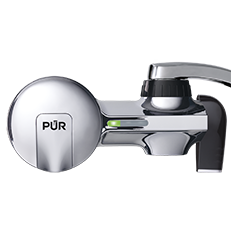
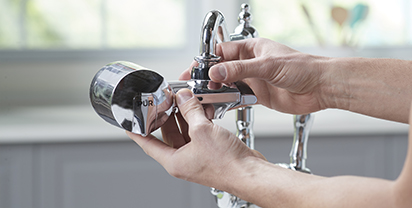
PUR & PUR PLUS FAUCET FILTERS
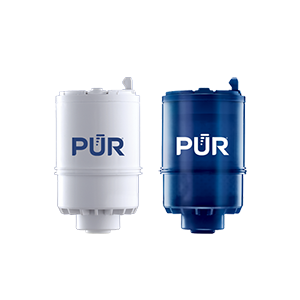
RF3375/RF9999

View Filters

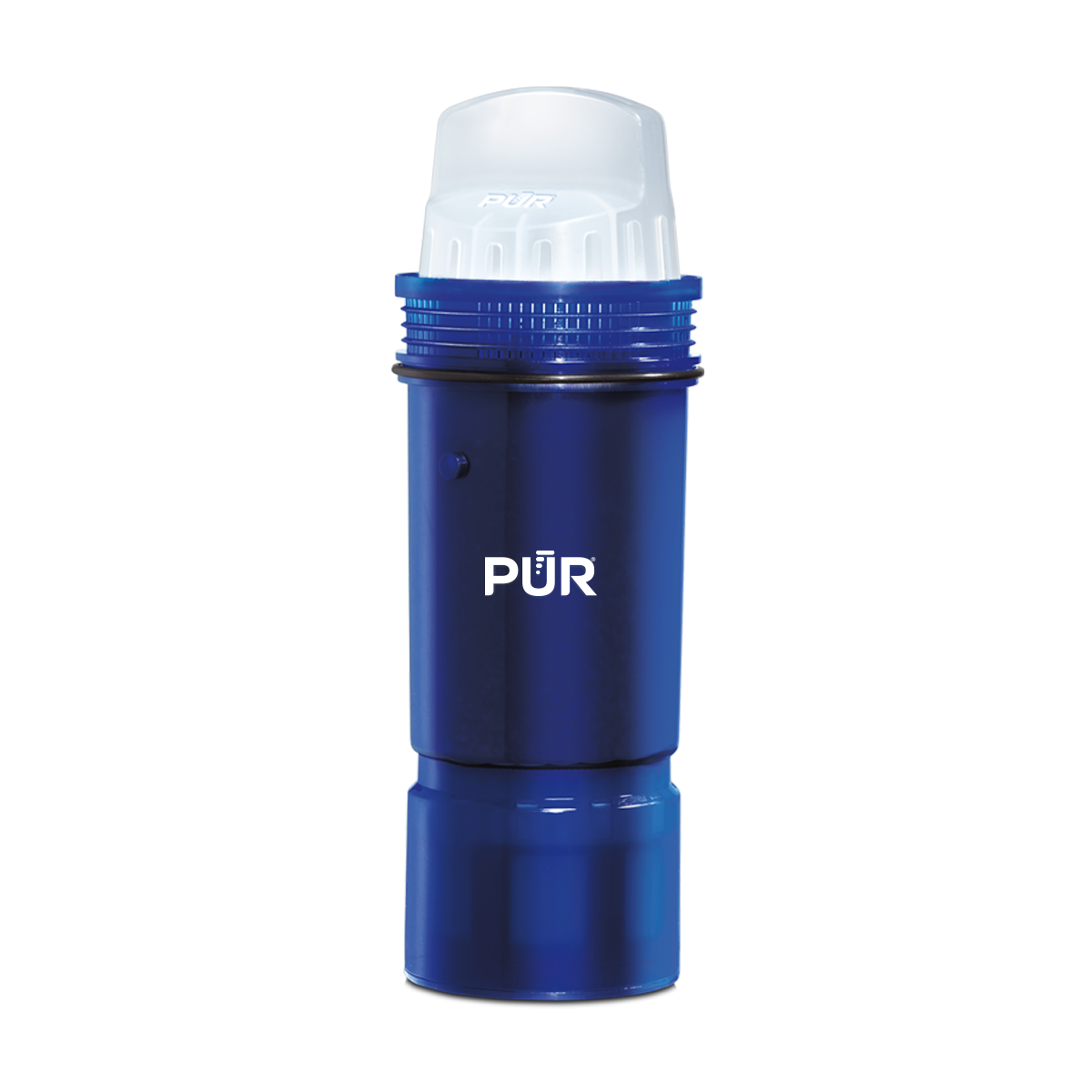
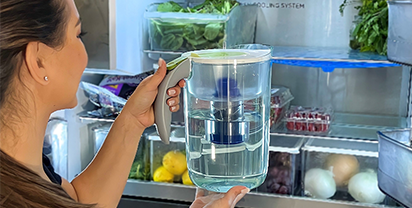
PUR PLUS PITCHER FILTERS
PPF951K

View Filter

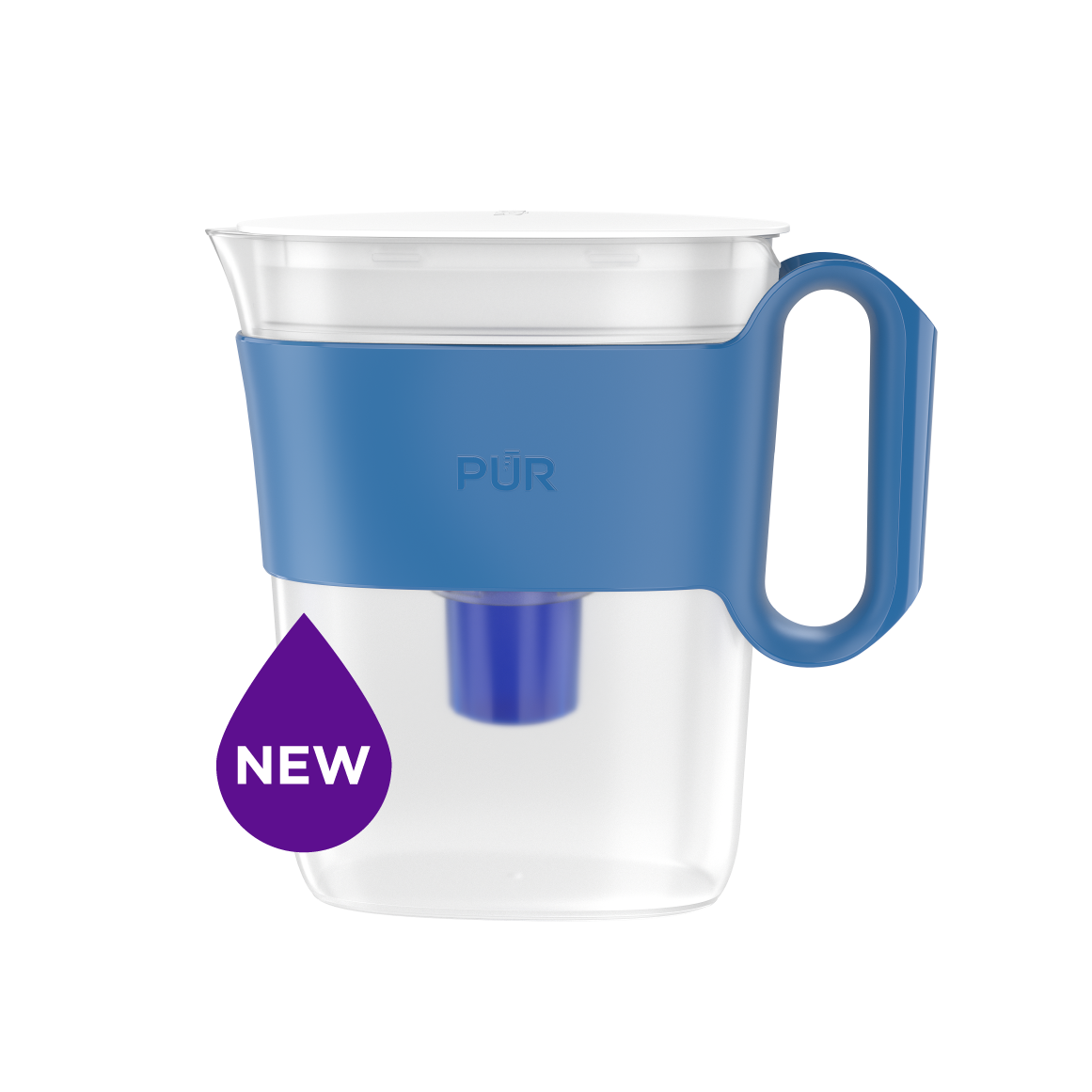
PUR BASIC PITCHER FILTERS
PPF900Z

View Filter


Vs. Brita*

Lead
Microplastics
Mercury
Chlorine Taste & Odor
DEET
TTHM

PUR’s Filtration Systems Are Certified By NSF And WQA For Their Contamination Reduction. WQA certifications as of 5/27/21 for Faucet filter models RF-3375 and RF-9999.

¹ Certified to reduce 10X more chemical and physical substances than Brita’s® leading pitcher filter.
² Certified to reduce 3X more chemical and physical substances than Brita’s® leading pitcher filter.
³ Certified to reduce 2X more chemical and physical substances than Brita’s® leading pitcher filter.
*Versus best-selling Brita® pitcher filter OB03. Brita® is a trademark of Brita LP.
**Like other leading brands, PUR does not filter microbes. As of 3/1/23 Brita® and ZeroWater® were not certified to filter microbes. Brita® is a trademark of Brita LP. ZeroWater® is a trademark of Zero Technologies, LLC..
 

PUR & PUR PLUS FAUCET FILTERS


PUR & PUR PLUS FAUCET FILTERS
RF3375/RF9999

View Filters


Vs. Brita*

Lead
Microplastics
Mercury
Chlorine Taste & Odor
DEET
TTHM

PUR’s Filtration Systems Are Certified By NSF And WQA For Their Contamination Reduction. WQA certifications as of 5/27/21 for Faucet filter models RF-3375 and RF-9999.

¹ Certified to reduce 10X more chemical and physical substances than Brita’s® leading pitcher filter.
² Certified to reduce 3X more chemical and physical substances than Brita’s® leading pitcher filter.
³ Certified to reduce 2X more chemical and physical substances than Brita’s® leading pitcher filter.
*Versus best-selling Brita® pitcher filter OB03. Brita® is a trademark of Brita LP.
**Like other leading brands, PUR does not filter microbes. As of 3/1/23 Brita® and ZeroWater® were not certified to filter microbes. Brita® is a trademark of Brita LP. ZeroWater® is a trademark of Zero Technologies, LLC..

 

PUR PLUS PITCHER FILTERS


PUR PLUS PITCHER FILTERS
PPF951K

View Filter


Vs. Brita*

Lead
Microplastics
Mercury
Chlorine Taste & Odor
DEET
TTHM

PUR’s Filtration Systems Are Certified By NSF And WQA For Their Contamination Reduction. WQA certifications as of 5/27/21 for Faucet filter models RF-3375 and RF-9999.

¹ Certified to reduce 10X more chemical and physical substances than Brita’s® leading pitcher filter.
² Certified to reduce 3X more chemical and physical substances than Brita’s® leading pitcher filter.
³ Certified to reduce 2X more chemical and physical substances than Brita’s® leading pitcher filter.
*Versus best-selling Brita® pitcher filter OB03. Brita® is a trademark of Brita LP.
**Like other leading brands, PUR does not filter microbes. As of 3/1/23 Brita® and ZeroWater® were not certified to filter microbes. Brita® is a trademark of Brita LP. ZeroWater® is a trademark of Zero Technologies, LLC..
 

PUR BASIC PITCHER FILTERS


PUR BASIC PITCHER FILTERS
PPF900Z

View Filter


Vs. Brita*

Lead
Microplastics
Mercury
Chlorine Taste & Odor
DEET
TTHM

PUR’s Filtration Systems Are Certified By NSF And WQA For Their Contamination Reduction. WQA certifications as of 5/27/21 for Faucet filter models RF-3375 and RF-9999.

¹ Certified to reduce 10X more chemical and physical substances than Brita’s® leading pitcher filter.
² Certified to reduce 3X more chemical and physical substances than Brita’s® leading pitcher filter.
³ Certified to reduce 2X more chemical and physical substances than Brita’s® leading pitcher filter.
*Versus best-selling Brita® pitcher filter OB03. Brita® is a trademark of Brita LP.
**Like other leading brands, PUR does not filter microbes. As of 3/1/23 Brita® and ZeroWater® were not certified to filter microbes. Brita® is a trademark of Brita LP. ZeroWater® is a trademark of Zero Technologies, LLC..

 

What Is a Home Water Filter and Which Type Is Best?

Clean water often looks ordinary. Yet a clear glass may still contain chlorine, sediment, lead, or unpleasant odors. A home water filter can reduce selected contaminants, but it cannot solve every water problem.

Rick Andrew, former Global Business Development Manager for Water Treatment Systems at NSF International, explains, “There is no one-size-fits-all solution for water treatment.” His point matters because tap water varies by location, plumbing, and source. A carbon filter may improve taste and reduce chlorine. A reverse osmosis system can remove many dissolved substances. Ultraviolet treatment can help control microorganisms, but it does not remove metals or sediment.

The right choice begins with evidence. Check your local water quality report. For private wells, arrange laboratory testing before buying equipment. Then compare the test results with an independently verified certification, such as NSF/ANSI standards. A filter’s marketing label is not enough. Neither is a low price.

This guide examines common home water filter types, their strengths, limitations, maintenance needs, and realistic costs. It also considers flow rate, replacement schedules, installation space, and wastewater. Small details matter. A neglected cartridge can become ineffective.

There is no perfect system.

Even this overview has limits. Water conditions differ, and product performance depends on correct installation and regular servicing. Treat the filter as one part of safer water management, not as a magical shield. The best decision is informed, tested, and practical for your household.

What Is a Home Water Filter and Which Type Is Best?

What a Home Water Filter Is and How It Works

A home water filter is a device that treats water at one point or throughout a house. It usually removes selected impurities, not everything. The treatment method determines the result.

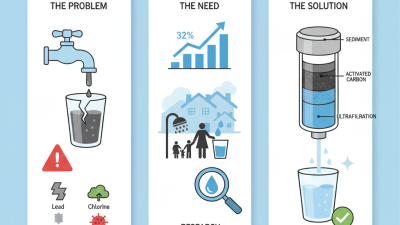
The need is real. The WHO/UNICEF Joint Monitoring Programme reported that 2.2 billion people lacked safely managed drinking water in 2022. Yet a filter cannot correct every supply problem. Activated carbon can reduce chlorine, odors, and some organic chemicals. Sediment filters catch visible particles, such as rust or sand. Reverse osmosis can reduce dissolved salts, lead, arsenic, and other contaminants, but it produces wastewater. Ultraviolet systems can inactivate microorganisms when water is clear and electricity is reliable.

It is not magic.

The 2022 WHO Guidelines for Drinking-water Quality list 10 micrograms per liter as the guideline value for arsenic and lead. These figures show why testing matters before choosing equipment. A laboratory report can reveal whether the concern is bacteria, metals, hardness, or simply taste. The U.S. Environmental Protection Agency also advises checking a filter’s certification for the specific contaminant claimed. A general “purification” label proves little.

Installation details matter at the kitchen sink. A clogged cartridge may slow flow and encourage poor maintenance. An unused filter can also become a hygiene concern. Replace cartridges according to measured capacity, not habit alone. The best type depends on local water results, daily volume, pressure, and maintenance discipline. That answer feels less convenient, but it is more reliable.

Which Contaminants Home Water Filters Can Remove

What Is a Home Water Filter and Which Type Is Best?

A home water filter treats water at one tap, under the sink, or for the whole house. Its effectiveness depends on the contaminant, not the filter’s appearance. Activated carbon commonly reduces chlorine taste, odors, and some volatile organic compounds. It may also reduce lead when independently certified for lead removal. However, carbon does not reliably remove nitrate, fluoride, hardness, or every microorganism.

Reverse osmosis can reduce dissolved salts, lead, arsenic, nitrate, and some PFAS. It also produces wastewater, which households sometimes overlook. Ultraviolet systems can inactivate many bacteria, viruses, and parasites, but they do not remove metals or chemicals. The CDC warns that no treatment method removes every contaminant. The U.S. EPA’s 2024 PFAS regulation sets a 4.0 nanograms-per-liter limit for PFOA and PFOS, showing why precise testing matters. Certification to NSF/ANSI 42, 53, 58, or 401 can support a claim, but the exact contaminant reduction must match the label.

Tips: Test your tap water before buying equipment. Check your local water-quality report, then use an accredited laboratory for private wells. Replace cartridges on schedule; an old carbon filter can lose performance and support bacterial growth. I once assumed clearer water meant safer water. It does not. Taste, color, and odor are useful clues, but they are incomplete evidence. A certified filter, correct installation, and regular maintenance matter more than a complicated product description.

The Main Types of Home Water Filters

What Is a Home Water Filter and Which Type Is Best?

A home water filter removes or reduces selected contaminants before drinking or bathing. The right choice depends on your water test, not a glossy specification sheet. The WHO and UNICEF Joint Monitoring Programme reported that 2.2 billion people lacked safely managed drinking water in 2022. That figure makes treatment important, but it does not make every filter suitable.

Activated carbon filters are common in pitchers, countertop units, and under-sink systems. They can improve chlorine taste and reduce some organic chemicals. Sediment filters trap sand, rust, and visible particles. They help protect other components. Reverse osmosis systems use a membrane to reduce dissolved salts, some metals, and other contaminants. They also produce wastewater. That trade-off is easy to overlook. Ultraviolet systems can inactivate many microorganisms, but they do not remove lead, salt, or sediment. Whole-house filters treat incoming water, while point-of-use systems focus on one tap.

The U.S. Environmental Protection Agency recommends matching treatment technology to confirmed contaminants and checking independent certification. Standards such as NSF/ANSI 42, 53, and 58 address different reduction claims. The Water Quality Association’s consumer guidance also stresses scheduled cartridge replacement. A neglected cartridge can become a weak point. In my experience, installation space and water pressure matter as much as laboratory performance. A compact pitcher may suit a renter, while a household with hard water may need pretreatment before reverse osmosis. Test first. Replace parts on schedule.

How to Choose the Best Filter for Your Water

What Is a Home Water Filter and Which Type Is Best?

Start with your water. Before choosing a filter, read your local water quality report or arrange a certified laboratory test. The U.S. Environmental Protection Agency’s 2024 PFAS rule set limits of 4 nanograms per liter for PFOA and PFOS. That figure shows why taste alone cannot guide a purchase. Clear water may still contain contaminants.

Match the Filter to the Problem

Match the filter to a confirmed problem. Sediment filters capture sand and rust, while activated carbon can reduce chlorine, odors, and some organic chemicals. Reverse osmosis removes many dissolved substances, but it may waste water and strip minerals. Distillation also reduces dissolved contaminants, though it usually works slowly. Look for independent certification under NSF/ANSI standards, such as Standard 42 for aesthetic effects, Standard 53 for health-related claims, or Standard 58 for reverse osmosis systems.

Check the Exact Reduction Claim

Check the exact reduction claim, not just the filter type. The Centers for Disease Control and Prevention advises consumers to verify certification and replace cartridges as directed. Maintenance matters. A neglected cartridge can reduce flow and become a hygiene concern. An overlooked detail is capacity: a small countertop unit may suit one person, but a busy household may need higher daily output. My first instinct would be choosing the most powerful system. That can be wasteful. A cheaper, properly certified filter may fit the water better. No filter solves every problem. Test, compare, and reconsider when household conditions change.

Installation, Maintenance, and Filter Replacement Basics

What Is a Home Water Filter and Which Type Is Best?

Installation starts with the water problem, not the filter shape. The U.S. Environmental Protection Agency reports that private wells serve about 15% of Americans. Well owners should test for bacteria, nitrate, and local contaminants before choosing equipment. Municipal users should read the latest water quality report. A carbon filter can improve taste and odor, while reverse osmosis targets more dissolved substances.

No filter removes everything.

Fit the system where it will be used most. A point-of-use unit under the sink usually needs a shutoff valve, correct tubing, and space for cartridge removal. Check flow direction carefully. A small leak can damage a cabinet overnight. The CDC advises maintaining treatment systems according to the manufacturer’s instructions and replacing parts on schedule.

That sounds simple. It is often ignored.

Replacement timing depends on water quality, household demand, and filter capacity. Use the rated gallon limit, not only the calendar. NSF/ANSI certification standards help verify contaminant-reduction claims, but certification does not guarantee every contaminant is removed.

The WHO and UNICEF Joint Monitoring Programme reported that 2.2 billion people lacked safely managed drinking water in 2022, showing why testing and treatment choices matter.

I once trusted a filter-change light too much; pressure had already dropped. That mistake taught me to watch taste, flow, odor, and installation records together.

A replacement cartridge should be sealed, seated firmly, and flushed before drinking.