Contaminant Comparison Chart

For a complete list of contaminants that PUR filters reduce, please view our Performance Data Sheets here.


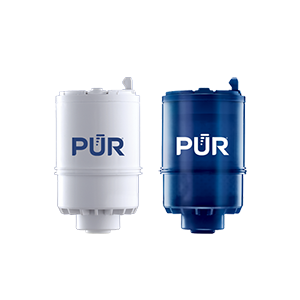
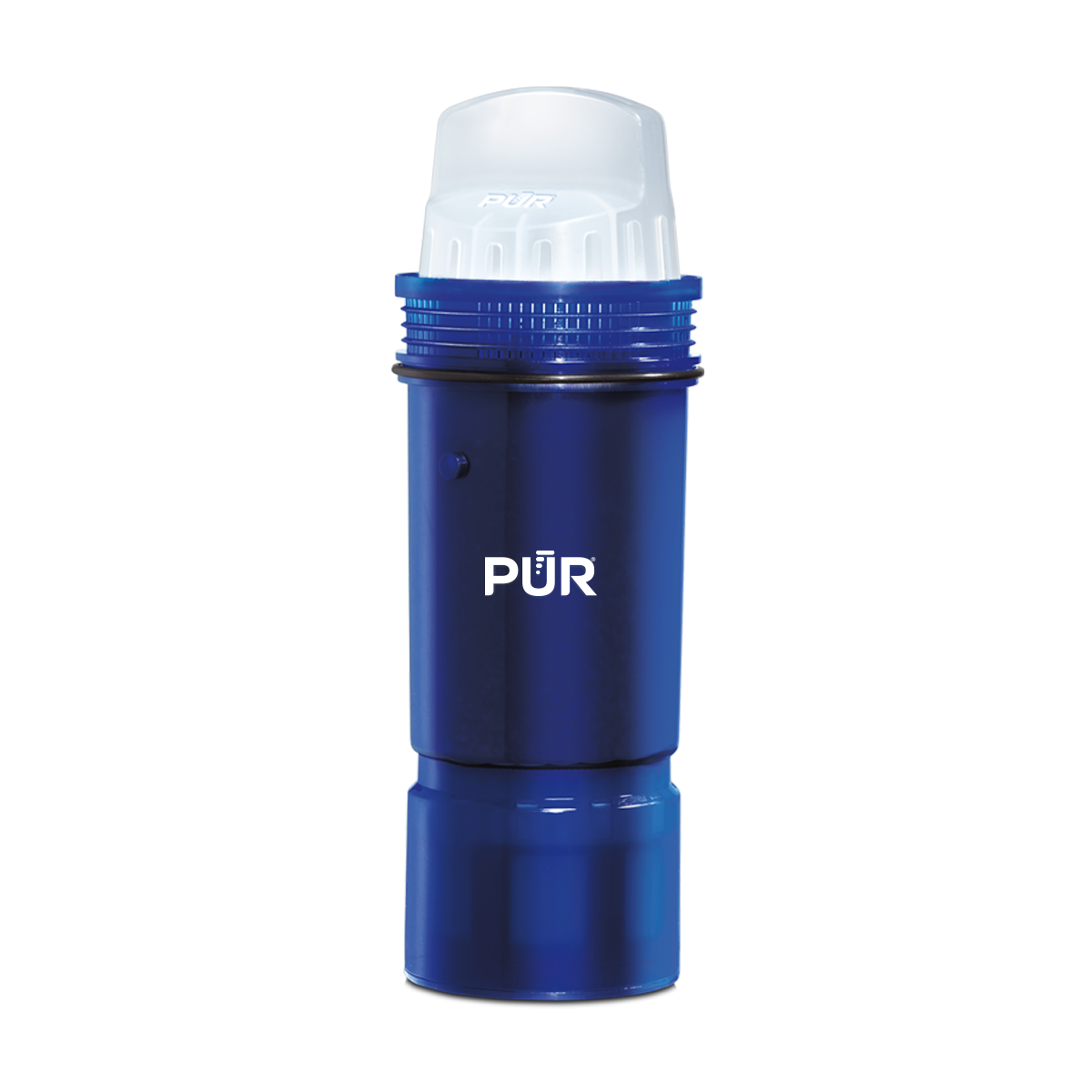
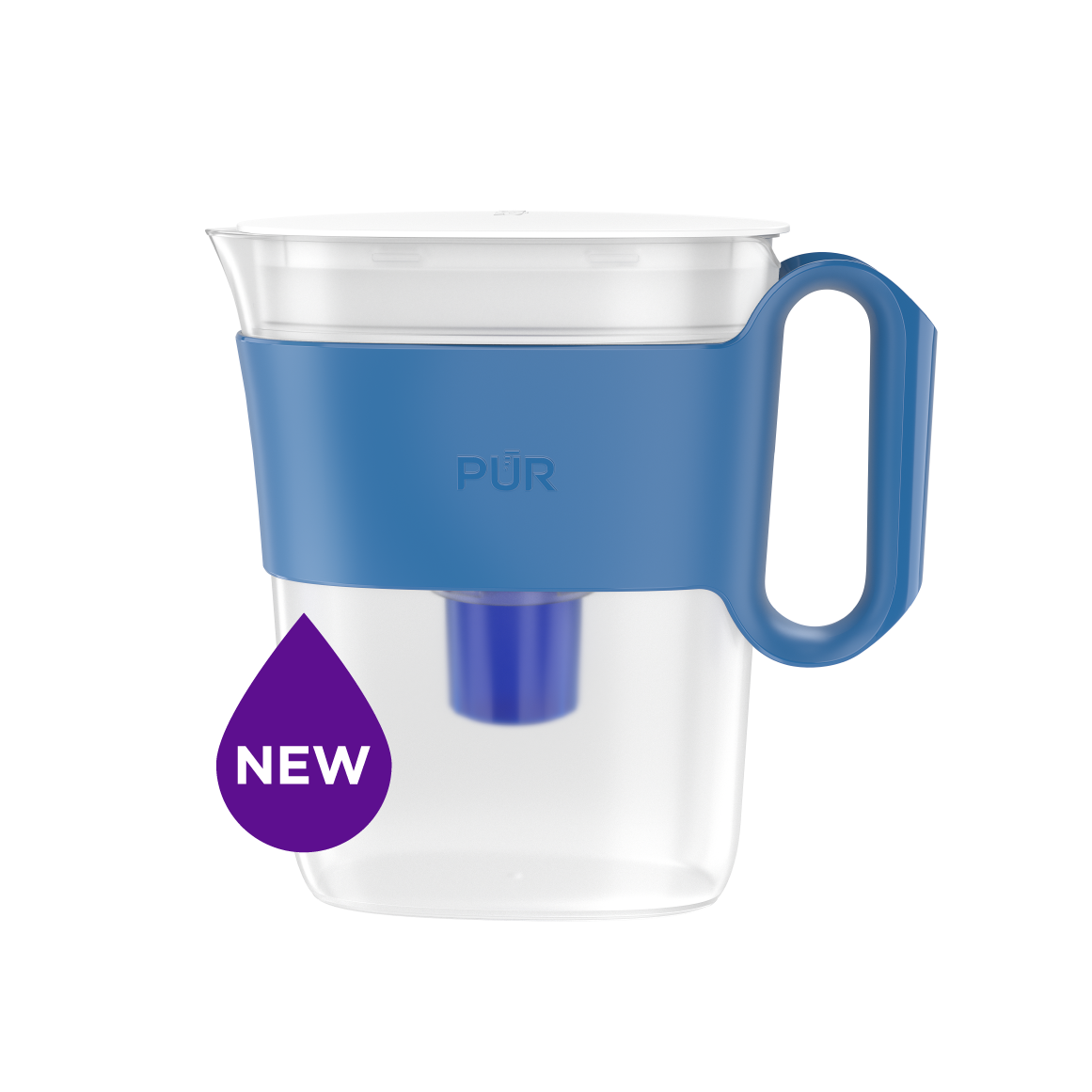
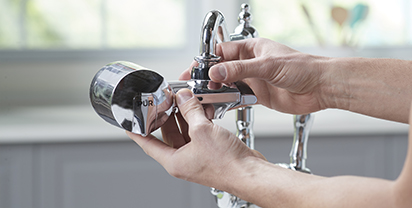
PUR & PUR PLUS FAUCET FILTERS
RF3375/RF9999

View Filters

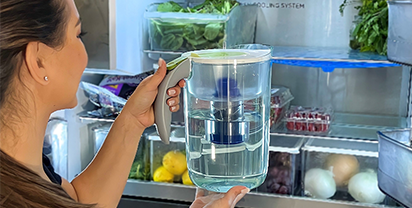
PUR PLUS PITCHER FILTERS
PPF951K

View Filter

PUR BASIC PITCHER FILTERS
PPF900Z

View Filter


Vs. Brita*

Lead
Microplastics
Mercury
Chlorine Taste & Odor
DEET
TTHM

PUR’s Filtration Systems Are Certified By NSF And WQA For Their Contamination Reduction. WQA certifications as of 5/27/21 for Faucet filter models RF-3375 and RF-9999.

¹ Certified to reduce 10X more chemical and physical substances than Brita’s® leading pitcher filter.
² Certified to reduce 3X more chemical and physical substances than Brita’s® leading pitcher filter.
³ Certified to reduce 2X more chemical and physical substances than Brita’s® leading pitcher filter.
*Versus best-selling Brita® pitcher filter OB03. Brita® is a trademark of Brita LP.
**Like other leading brands, PUR does not filter microbes. As of 3/1/23 Brita® and ZeroWater® were not certified to filter microbes. Brita® is a trademark of Brita LP. ZeroWater® is a trademark of Zero Technologies, LLC..
 

PUR & PUR PLUS FAUCET FILTERS


PUR & PUR PLUS FAUCET FILTERS
RF3375/RF9999

View Filters


Vs. Brita*

Lead
Microplastics
Mercury
Chlorine Taste & Odor
DEET
TTHM

PUR’s Filtration Systems Are Certified By NSF And WQA For Their Contamination Reduction. WQA certifications as of 5/27/21 for Faucet filter models RF-3375 and RF-9999.

¹ Certified to reduce 10X more chemical and physical substances than Brita’s® leading pitcher filter.
² Certified to reduce 3X more chemical and physical substances than Brita’s® leading pitcher filter.
³ Certified to reduce 2X more chemical and physical substances than Brita’s® leading pitcher filter.
*Versus best-selling Brita® pitcher filter OB03. Brita® is a trademark of Brita LP.
**Like other leading brands, PUR does not filter microbes. As of 3/1/23 Brita® and ZeroWater® were not certified to filter microbes. Brita® is a trademark of Brita LP. ZeroWater® is a trademark of Zero Technologies, LLC..
 

PUR PLUS PITCHER FILTERS


PUR PLUS PITCHER FILTERS
PPF951K

View Filter


Vs. Brita*

Lead
Microplastics
Mercury
Chlorine Taste & Odor
DEET
TTHM

PUR’s Filtration Systems Are Certified By NSF And WQA For Their Contamination Reduction. WQA certifications as of 5/27/21 for Faucet filter models RF-3375 and RF-9999.

¹ Certified to reduce 10X more chemical and physical substances than Brita’s® leading pitcher filter.
² Certified to reduce 3X more chemical and physical substances than Brita’s® leading pitcher filter.
³ Certified to reduce 2X more chemical and physical substances than Brita’s® leading pitcher filter.
*Versus best-selling Brita® pitcher filter OB03. Brita® is a trademark of Brita LP.
**Like other leading brands, PUR does not filter microbes. As of 3/1/23 Brita® and ZeroWater® were not certified to filter microbes. Brita® is a trademark of Brita LP. ZeroWater® is a trademark of Zero Technologies, LLC..
 

PUR BASIC PITCHER FILTERS


PUR BASIC PITCHER FILTERS
PPF900Z

View Filter


Vs. Brita*

Lead
Microplastics
Mercury
Chlorine Taste & Odor
DEET
TTHM

PUR’s Filtration Systems Are Certified By NSF And WQA For Their Contamination Reduction. WQA certifications as of 5/27/21 for Faucet filter models RF-3375 and RF-9999.

¹ Certified to reduce 10X more chemical and physical substances than Brita’s® leading pitcher filter.
² Certified to reduce 3X more chemical and physical substances than Brita’s® leading pitcher filter.
³ Certified to reduce 2X more chemical and physical substances than Brita’s® leading pitcher filter.
*Versus best-selling Brita® pitcher filter OB03. Brita® is a trademark of Brita LP.
**Like other leading brands, PUR does not filter microbes. As of 3/1/23 Brita® and ZeroWater® were not certified to filter microbes. Brita® is a trademark of Brita LP. ZeroWater® is a trademark of Zero Technologies, LLC..
 

How to Choose the Best Water System for Home?

Choosing the right water system for home begins with the water entering your kitchen, not with a glossy product label. The WHO/UNICEF Joint Monitoring Programme reported that 2.2 billion people lacked safely managed drinking water in 2022. That global figure does not describe every household, but it shows why source quality deserves attention. A private well, municipal supply, rainwater tank, or aging apartment pipe can create different risks. Taste is only one clue. It is not proof of safety.

A practical decision starts with a recent laboratory test and the local water-quality report. In the United States, the Environmental Protection Agency requires community suppliers to publish annual Consumer Confidence Reports. These reports identify regulated contaminants and treatment performance, yet they may not reflect plumbing inside your home. The EPA’s 2024 PFAS rule also shows how standards evolve as evidence improves. For product verification, look for independent certification, including relevant NSF/ANSI standards. A carbon filter may improve chlorine taste, while reverse osmosis can reduce selected dissolved substances. Neither solution is universal. Capacity, pressure, wastewater, replacement cost, and maintenance all matter.

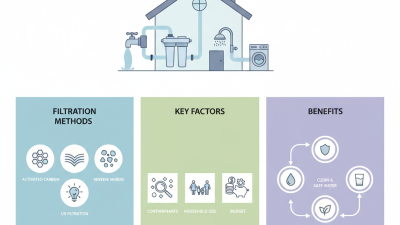
This guide compares point-of-use filters, whole-house systems, softeners, UV units, and combined designs. It considers test results, certification, installation conditions, and long-term upkeep. Small details matter. A filter left unchanged can become a neglected component, not a smart investment. Many homeowners choose by flow rate alone, then dislike slow filling at the kitchen tap. That is a useful warning. No guide removes every uncertainty. The best choice is not always the most complex system. It is the system matched to a documented problem, a realistic budget, and the household’s ability to maintain it.

How to Choose the Best Water System for Home?

Assess Your Home’s Water Quality and Daily Usage

How to Choose the Best Water System for Home?

Assess Your Home’s Water Quality and Daily Usage

Choosing a home water system should begin with evidence, not attractive claims. Request your utility’s latest Consumer Confidence Report, then test water from the kitchen tap. The U.S. Environmental Protection Agency reports that regulated public water supplies must monitor many contaminants, but local results can still vary. Older plumbing may add lead after treatment. A single test is only a snapshot.

Match the system to actual water problems. Hardness may leave white scale around a kettle and showerhead. A sulfur smell suggests a different treatment need than cloudy water. For private wells, the Centers for Disease Control and Prevention recommends testing at least annually, especially for bacteria and nitrate. Test during unusual conditions, too. Heavy rain can expose weaknesses that dry weather hides.

Daily demand matters just as much.

EPA WaterSense estimates that the average American family uses more than 300 gallons of water daily. USGS estimated domestic water use at about 82 gallons per person per day in 2015. Count drinking, cooking, bathing, laundry, and simultaneous use. A small household may still need strong peak flow when a shower and washing machine run together.

Oversizing wastes money and space; undersizing creates pressure drops and frequent maintenance. I would also check filter replacement records, drainage needs, and installation access before choosing equipment. The cheapest option can become expensive when neglected.

Compare Main Types of Residential Water Systems

How to Choose the Best Water System for Home?

Residential water systems usually fall into three groups: municipal supply, private wells, and rainwater collection. Municipal water is convenient and generally monitored under public health rules. However, aging pipes can still affect taste, odor, or lead exposure inside a home. The U.S. Environmental Protection Agency reports that about 15% of Americans rely on private wells. Well owners therefore need more responsibility, including annual testing for bacteria, nitrates, and other local contaminants. Rainwater can reduce demand on public supplies, but it requires careful storage and treatment. It should not be assumed safe for drinking.

Treatment equipment should match the water problem, not personal preference. Sediment filters help with visible particles. Activated carbon can reduce chlorine taste and some organic chemicals. Water softeners target hardness, while reverse osmosis removes many dissolved substances. Ultraviolet treatment can control microorganisms, but it does not remove metals or salts. The World Health Organization’s Guidelines for Drinking-water Quality stresses risk-based testing, because contamination varies by location and source.

A practical choice starts with a recent laboratory report. Check hardness, pH, iron, bacteria, lead, and nitrate levels. The U.S. Geological Survey notes that groundwater chemistry changes with geology and land use. That detail is easy to overlook. A whole-house filter may be unnecessary if only drinking water has a problem. Maintenance also matters; neglected cartridges can reduce performance and create new hygiene concerns. No system is perfect, and the cheapest installation may become the most expensive after repeated repairs.

How to Choose the Best Water System for Home? - Compare Main Types of Residential Water Systems
Residential Water System Primary Water Source Typical Treatment or Equipment Main Advantages Common Limitations Maintenance Requirements Best Suited For Overall Consideration
Municipal Water Supply Publicly managed surface water or groundwater distributed through a pressurized utility network. Centralized treatment may include filtration, disinfection, and pH or corrosion control. Homes may add a sediment filter, carbon filter, or point-of-use purifier. Usually available on demand; consistent pressure; no private well pump or storage tank is normally required. Water quality can vary by location and building plumbing. Disinfectant taste, hardness, lead from old plumbing, or occasional service interruptions may occur. Replace household filters according to manufacturer instructions; inspect plumbing; test water when taste, color, odor, or plumbing conditions change. Urban and suburban homes connected to an established public water network. ★★★★☆ Convenient
Private Well System Groundwater drawn from a private well on the property. Common equipment includes a submersible pump, pressure tank, sediment filter, and treatment selected from test results, such as iron, manganese, hardness, nitrate, or disinfection control. Independent of municipal supply; ongoing water charges are generally lower after installation; can serve rural properties. The homeowner is responsible for testing, maintenance, electricity, and repairs. Flow, pressure, and quality depend on the well and local geology. Test at least annually for coliform bacteria and nitrate, and after flooding, repairs, or changes in taste or odor. Inspect the wellhead, pressure tank, pump, and filters. Rural homes without access to a public water main. ★★★★☆ Independent
Rainwater Harvesting System Rain collected from a roof and conveyed to storage tanks or cisterns. Leaf screens, first-flush diversion, sediment filtration, and disinfection may be used. Potable use requires treatment designed for the local regulations and contamination risks. Can reduce demand on mains or wells; useful for irrigation, toilet flushing, laundry, and other non-potable applications; provides supplemental storage. Supply is seasonal and weather-dependent. Roof materials, bird droppings, insects, storage hygiene, and inadequate treatment can affect water quality. Clean gutters and screens, inspect tanks, remove accumulated sediment, maintain pumps, and service filters or disinfection equipment. Homes with suitable roof catchment, adequate rainfall, and a need for non-potable water or supplemental supply. ★★★☆☆ Supplemental
Whole-House Filtration Usually connected to municipal or private well water; it is a treatment layer rather than an independent water source. Depending on the contaminant, equipment may include sediment filters, activated carbon, iron filters, ultraviolet disinfection, or specialty media. Treats water at the point where it enters the home, helping protect multiple fixtures and improving taste, odor, sediment, or selected contaminant levels. A standard filter cannot remove every contaminant. Ultraviolet systems do not remove chemicals, and carbon filters do not reliably soften water or remove all dissolved minerals. Replace or backwash media as specified; keep ultraviolet lamps and sleeves clean where applicable; verify performance with periodic water testing. Homes with a known, test-confirmed issue affecting several fixtures. ★★★★☆ Targeted
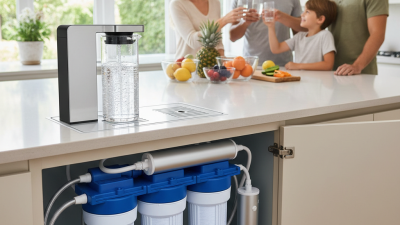
Point-of-Use Reverse Osmosis Usually supplied by municipal or well water at one drinking-water faucet. Typically includes sediment and carbon prefilters, a semipermeable membrane, a storage tank, and a final polishing filter. Can substantially reduce many dissolved contaminants, including salts and some metals, when properly selected and maintained. Produces a reject-water stream; flow is slower than a standard faucet; filters and membrane require replacement; not normally intended to supply the entire house. Replace prefilters and postfilters regularly, replace the membrane according to water quality and performance, and sanitize the system when required. Households seeking highly treated drinking and cooking water at one or a few faucets. ★★★★☆ High treatment
Water Softener Installed on municipal or private well water; it does not create or supply water. Ion-exchange resin exchanges hardness minerals, primarily calcium and magnesium, for sodium or potassium ions. A brine tank is commonly used for regeneration. Reduces scale in pipes, water heaters, and fixtures; may improve soap performance and laundry results in hard-water areas. Does not disinfect water or remove every contaminant. Requires salt or potassium chloride, drainage for regeneration, and correct sizing. Keep the brine tank supplied, check salt bridges, clean the brine tank when needed, and verify hardness and regeneration settings. Homes with confirmed hard water and scale-related problems. ★★★★☆ For hardness
Cistern and Pump System Stored municipal water, well water, delivered water, or treated rainwater. Storage tank, pump, pressure controls, sediment protection, overflow management, and treatment appropriate to the source and intended use. Provides reserve capacity and can support homes with low-yield wells, intermittent supply, or limited distribution pressure. Requires space, electrical power, pump maintenance, protection from contamination, and careful sizing for household demand. Inspect tank integrity, clean or disinfect when necessary, test pressure controls, maintain the pump, and check overflow and backflow protection. Properties needing stored water because of unreliable supply, low well yield, or planned water independence. ★★★☆☆ Storage-focused
Selection note: Water testing should come before choosing treatment equipment. The appropriate system depends on the source, confirmed contaminants, household demand, available space, local regulations, operating costs, and whether the water is intended for drinking or non-potable use. Rainwater and untreated well water should not be assumed safe to drink without suitable testing and treatment.

Match Filtration Features to Your Household Needs

Choosing a home water system starts with your water, not a product catalog. Review your local water report, then test privately for lead, hardness, nitrate, bacteria, or unusual taste. A glass can reveal taste. It cannot confirm safety. I recommend testing at the kitchen tap, especially in older homes or properties using private wells. Ask a qualified laboratory which method fits your concern.

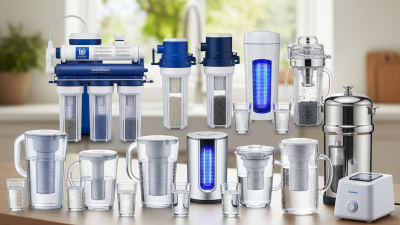
Match the filter to the contaminant. Activated carbon can improve chlorine taste and odor, while certified systems may reduce specific chemicals. Sediment filters catch visible particles, but they do not disinfect water. Ultraviolet treatment can address microorganisms, yet it needs clear water and reliable electricity. Reverse osmosis can reduce dissolved salts and some metals, but it uses storage space and creates reject water. A water softener treats hardness; it is not a drinking-water purifier. Look for independent certification against the exact reduction claim, preferably under relevant NSF/ANSI standards.

Household habits matter as much as test results. A family with infants may value simple maintenance and verified lead reduction. A household with hard water may prioritize scale control for showers and appliances. Renters often need compact, reversible options. Check replacement costs, flow rate, installation limits, and filter-change indicators. Neglected cartridges can become a hygiene problem. The strongest system is not always the best choice. A complicated unit may fail when maintenance feels inconvenient. Choose one you can monitor, service, and afford consistently.

Evaluate Installation, Maintenance, Cost, and Space

Choosing a home water system starts with the installation site, not the sales brochure. Measure cabinet depth, drain access, outlet distance, and replacement-cartridge clearance. A point-of-use filter usually needs less space than a whole-house unit, but it treats only one outlet. Professional standards such as NSF/ANSI 42 and 53 can help verify contaminant-reduction claims. The U.S. Environmental Protection Agency reports that household leaks waste nearly one trillion gallons of water annually, so inspect pipes before adding equipment. A new system cannot correct a leaking connection.

Maintenance should be visible and scheduled. Record the installation date on the housing. Replace cartridges according to tested capacity, water quality, and actual household use. Waiting for bad taste is unreliable. The Centers for Disease Control and Prevention advises following manufacturer instructions and preventing stagnant water in treatment devices. I have seen homeowners ignore this step. It is an easy mistake. It also weakens trust in the entire system.

Cost includes installation, filters, electricity, wastewater, and future servicing. The U.S. Department of Energy reports that water heating represents about 18% of residential energy use, so heated treatment can increase running costs. Compare annual ownership costs, not just the purchase price. Leave space for a wrench and a spill tray. That small detail matters during a hurried replacement. I would also question unusually cheap estimates; they may exclude plumbing changes, disposal, or testing. In practice, the best system is the one your space, budget, and maintenance habits can support consistently.

Choose a Reliable System and Plan for Long-Term Care

Choosing the best home water system starts with the water source, not the equipment. Test municipal or well water through an accredited laboratory before purchasing treatment. The U.S. Environmental Protection Agency’s 2023 Drinking Water Infrastructure Needs Survey estimates $625 billion will be needed over 20 years. That figure reflects aging systems and changing water-quality demands. Your home may need modest treatment, but guessing can create unnecessary expense.

Reliable care requires a written maintenance plan. Record filter changes, pressure readings, laboratory results, and unusual taste or odor. Private well owners should test annually, especially after flooding or nearby construction. The Centers for Disease Control and Prevention reports that more than 23 million U.S. households rely on private wells. That responsibility cannot be outsourced to a filter alone. Check flow rate, storage capacity, drain requirements, and replacement costs before installation. Small details matter.

Look for products tested against the contaminant you actually have. General certification does not prove removal of every substance. Use recognized performance standards and verify the testing scope. A system that works well today may perform poorly when filters clog or water demand rises. This part is easy to underestimate. Even a careful plan can fail if nobody owns the maintenance calendar. Review results at least yearly, and reconsider the setup after plumbing changes, renovations, or new health guidance. My own preference is simple: choose fewer components, document their purpose, and leave clear access for inspection.

How to Choose the Best Water System for Home?

Typical maintenance intervals help compare long-term care requirements before selecting a water treatment system.

Carbon filters and sediment filters usually need more frequent replacement, while reverse-osmosis membranes commonly last longer. UV lamps are generally replaced annually, even when they still appear to work. Actual intervals depend on water quality, household usage, and test results, so follow local guidance and the system’s care instructions.