Contaminant Comparison Chart

For a complete list of contaminants that PUR filters reduce, please view our Performance Data Sheets here.


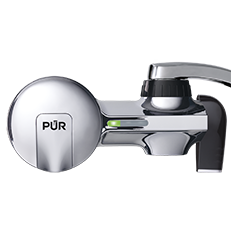
PUR & PUR PLUS FAUCET FILTERS
RF3375/RF9999

View Filters

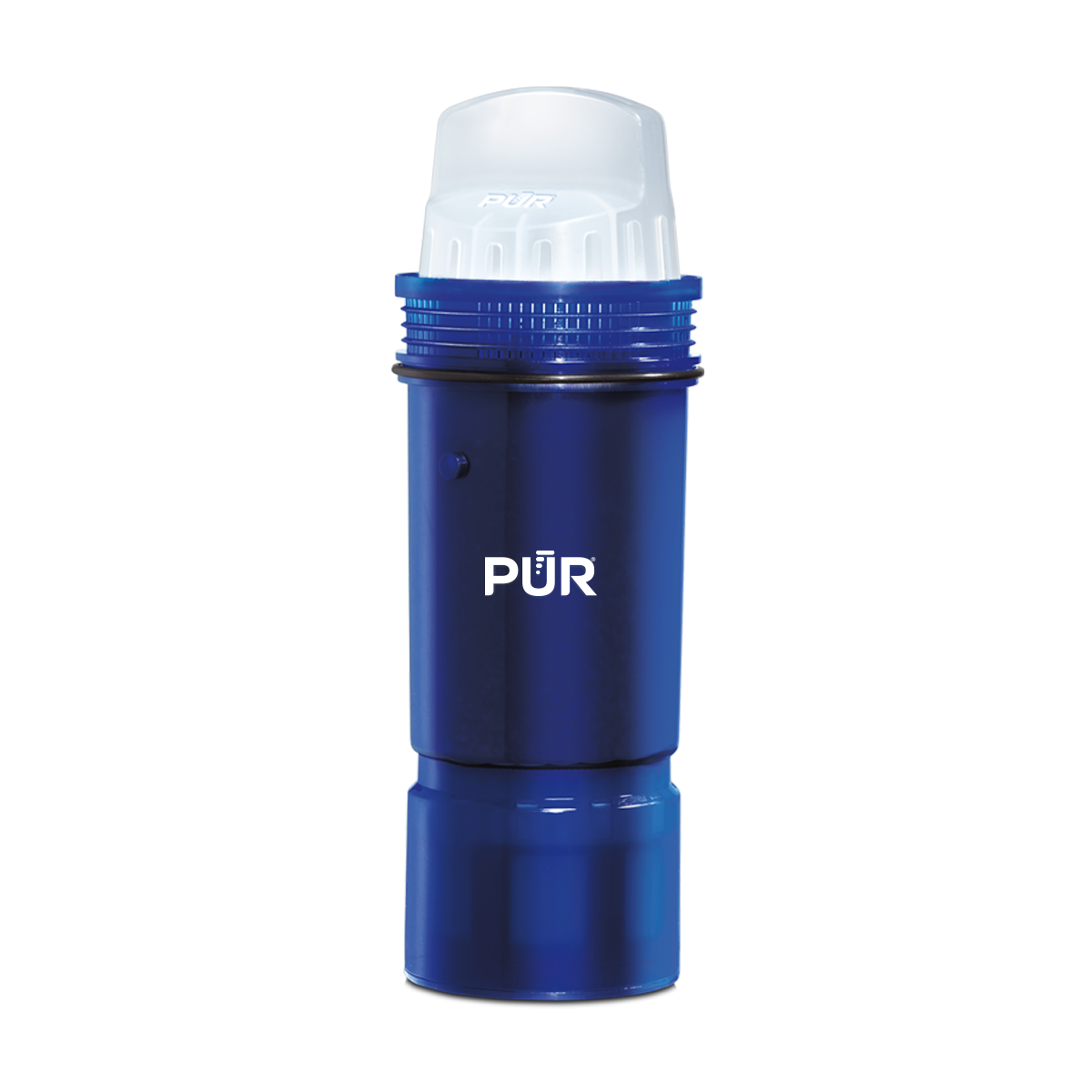
PUR PLUS PITCHER FILTERS
PPF951K

View Filter

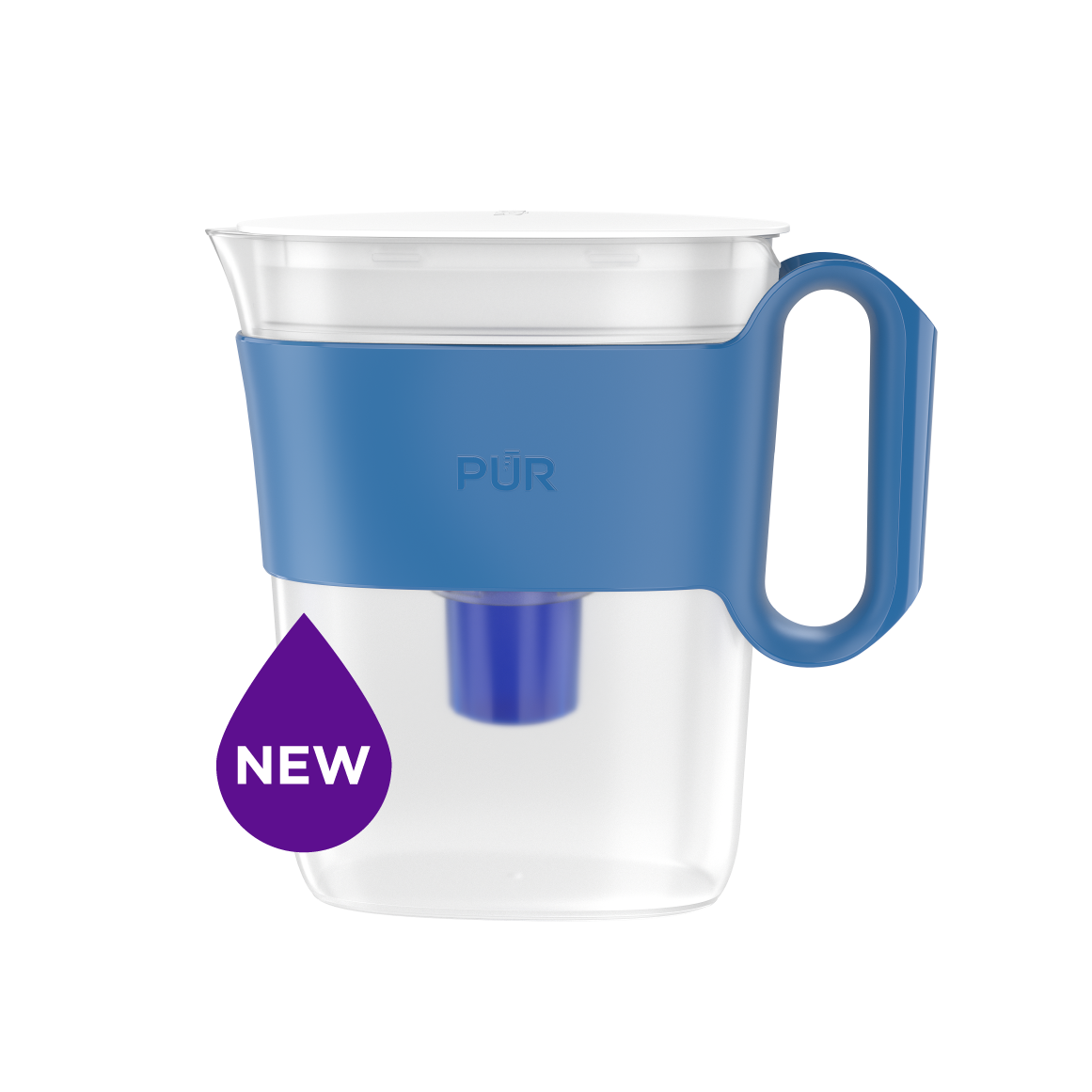
PUR BASIC PITCHER FILTERS
PPF900Z

View Filter


Vs. Brita*

Lead
Microplastics
Mercury
Chlorine Taste & Odor
DEET
TTHM

PUR’s Filtration Systems Are Certified By NSF And WQA For Their Contamination Reduction. WQA certifications as of 5/27/21 for Faucet filter models RF-3375 and RF-9999.

¹ Certified to reduce 10X more chemical and physical substances than Brita’s® leading pitcher filter.
² Certified to reduce 3X more chemical and physical substances than Brita’s® leading pitcher filter.
³ Certified to reduce 2X more chemical and physical substances than Brita’s® leading pitcher filter.
*Versus best-selling Brita® pitcher filter OB03. Brita® is a trademark of Brita LP.
**Like other leading brands, PUR does not filter microbes. As of 3/1/23 Brita® and ZeroWater® were not certified to filter microbes. Brita® is a trademark of Brita LP. ZeroWater® is a trademark of Zero Technologies, LLC..
 

PUR & PUR PLUS FAUCET FILTERS


PUR & PUR PLUS FAUCET FILTERS
RF3375/RF9999

View Filters


Vs. Brita*

Lead
Microplastics
Mercury
Chlorine Taste & Odor
DEET
TTHM

PUR’s Filtration Systems Are Certified By NSF And WQA For Their Contamination Reduction. WQA certifications as of 5/27/21 for Faucet filter models RF-3375 and RF-9999.

¹ Certified to reduce 10X more chemical and physical substances than Brita’s® leading pitcher filter.
² Certified to reduce 3X more chemical and physical substances than Brita’s® leading pitcher filter.
³ Certified to reduce 2X more chemical and physical substances than Brita’s® leading pitcher filter.
*Versus best-selling Brita® pitcher filter OB03. Brita® is a trademark of Brita LP.
**Like other leading brands, PUR does not filter microbes. As of 3/1/23 Brita® and ZeroWater® were not certified to filter microbes. Brita® is a trademark of Brita LP. ZeroWater® is a trademark of Zero Technologies, LLC..
 

PUR PLUS PITCHER FILTERS


PUR PLUS PITCHER FILTERS
PPF951K

View Filter


Vs. Brita*

Lead
Microplastics
Mercury
Chlorine Taste & Odor
DEET
TTHM

PUR’s Filtration Systems Are Certified By NSF And WQA For Their Contamination Reduction. WQA certifications as of 5/27/21 for Faucet filter models RF-3375 and RF-9999.

¹ Certified to reduce 10X more chemical and physical substances than Brita’s® leading pitcher filter.
² Certified to reduce 3X more chemical and physical substances than Brita’s® leading pitcher filter.
³ Certified to reduce 2X more chemical and physical substances than Brita’s® leading pitcher filter.
*Versus best-selling Brita® pitcher filter OB03. Brita® is a trademark of Brita LP.
**Like other leading brands, PUR does not filter microbes. As of 3/1/23 Brita® and ZeroWater® were not certified to filter microbes. Brita® is a trademark of Brita LP. ZeroWater® is a trademark of Zero Technologies, LLC..

 

PUR BASIC PITCHER FILTERS


PUR BASIC PITCHER FILTERS
PPF900Z

View Filter


Vs. Brita*

Lead
Microplastics
Mercury
Chlorine Taste & Odor
DEET
TTHM

PUR’s Filtration Systems Are Certified By NSF And WQA For Their Contamination Reduction. WQA certifications as of 5/27/21 for Faucet filter models RF-3375 and RF-9999.

¹ Certified to reduce 10X more chemical and physical substances than Brita’s® leading pitcher filter.
² Certified to reduce 3X more chemical and physical substances than Brita’s® leading pitcher filter.
³ Certified to reduce 2X more chemical and physical substances than Brita’s® leading pitcher filter.
*Versus best-selling Brita® pitcher filter OB03. Brita® is a trademark of Brita LP.
**Like other leading brands, PUR does not filter microbes. As of 3/1/23 Brita® and ZeroWater® were not certified to filter microbes. Brita® is a trademark of Brita LP. ZeroWater® is a trademark of Zero Technologies, LLC..
 

7 Tips for Choosing a Water Filtration System?

Choosing a water filtration system is less about buying the most expensive model and more about knowing what is in your water. A clear glass can still contain contaminants you cannot see, smell, or taste. Start with a recent water report or a properly selected test. Then compare systems designed to reduce the specific substances found. Water-treatment expert Dr. Joseph Cotruvo’s guidance can be distilled into one practical rule: “Test first; treat for what you find.” That is a paraphrase, not a verbatim quotation. It captures an important point: no single filter suits every home.

The right choice also depends on daily use. A small pitcher may work for one person, while a busy household might need an under-sink unit with a faster flow rate. Check the filter’s certified claims, replacement cost, installation needs, and expected lifespan. Look for relevant NSF/ANSI certifications, and confirm which contaminants the specific model is tested to reduce. A label can sound reassuring without answering your actual water-quality question. That part is easy to miss.

These seven tips will help you compare options without getting lost in marketing language. You will consider your water source, testing results, filtration technology, certifications, maintenance, costs, and household needs. No system is effortless. Filters need timely replacement, and some require professional installation. Even careful buyers can overlook a detail. The aim is not perfect certainty; it is a well-supported choice that fits your water and your routine.

7 Tips for Choosing a Water Filtration System?

Assess Your Water Quality and Household Needs

Before comparing filtration systems, find out what is actually in your water. Check your utility’s latest water quality report, then note any concerns it cannot address, such as changes caused by household plumbing. A certified laboratory test can help identify specific contaminants, especially if you use a private well. Start with evidence. Taste and odor can offer clues, but they cannot confirm whether water is safe or reveal every contaminant. If results seem unclear, ask a qualified water professional or local health department what testing is appropriate.

Match the test results to your household’s daily use. A family that fills several bottles, cooks often, and runs a refrigerator dispenser may need more capacity than one person in a small apartment. Consider how many taps need filtered water, available installation space, water pressure, and how often you can replace cartridges. A system that treats the wrong contaminant may add cost without solving your concern. It is tempting to choose the broadest-sounding option, but specific performance claims matter more. Compare independent certification details against your test results, and check replacement costs before buying. I might overlook maintenance when shopping; that is worth reconsidering, because an overdue cartridge can reduce performance.

7 Tips for Choosing a Water Filtration System? – Assess Your Water Quality and Household Needs

Tip What to Assess Options to Consider What to Check Before Buying
1. Identify your water source Determine whether your home uses a public water supply or a private well. Public suppliers generally publish annual water quality reports; private well owners are responsible for testing their water. Use the latest public water report as a starting point, or arrange laboratory testing for well water. Water quality can vary between the treatment plant and your tap. If you have a private well, test at least annually for coliform bacteria and nitrate, and follow local health guidance for additional tests.
2. Test for the contaminants that matter Consider local water reports, plumbing age, nearby land uses, taste or odor concerns, and any health advice relevant to your household. Choose a filter based on test results—for example, a specifically certified lead-reduction filter if lead is detected or suspected. Do not assume one filter removes every contaminant. Check that the exact product is independently certified for the specific reduction claim you need.
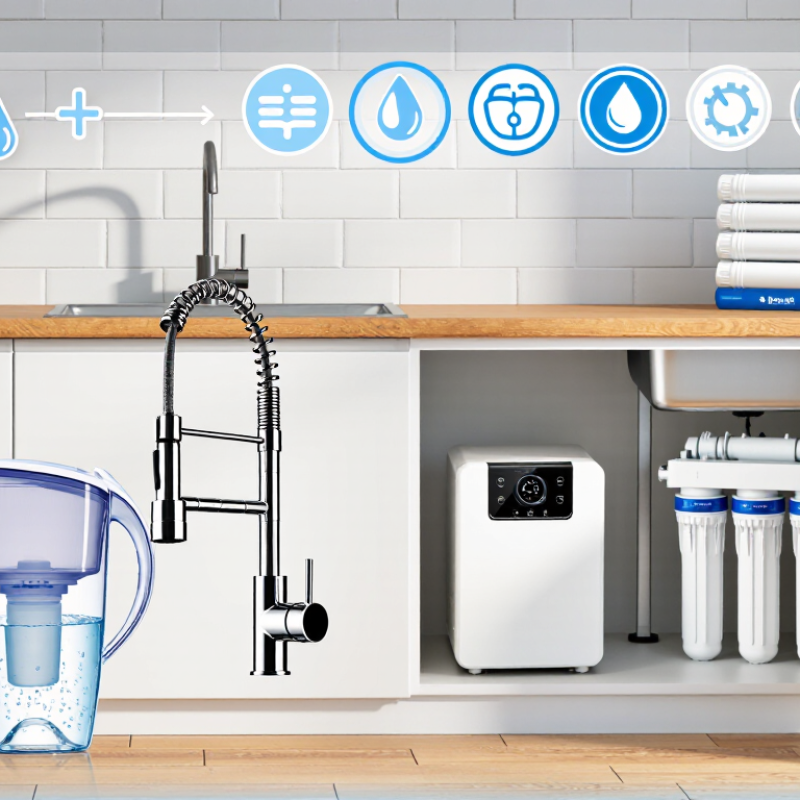
3. Match the treatment method to the problem Clarify whether your priority is sediment, chlorine taste and odor, certain dissolved contaminants, hardness, or microorganisms. Sediment filters capture particles; activated carbon can improve taste and odor and reduce certain listed substances; reverse osmosis can reduce many dissolved substances; ultraviolet systems disinfect water. Performance depends on the specific system and its certified claims. UV treatment does not remove chemical contaminants, and reverse osmosis is not a universal solution for every water-quality issue.
4. Check independent certification Compare the contaminant-reduction claims with your test results and intended use. Look for relevant NSF/ANSI standards: 42 for aesthetic effects, 53 for specified health-related contaminant reductions, 58 for reverse-osmosis systems, and 55 for ultraviolet microbiological treatment. Certification to a standard does not mean a product reduces every contaminant covered by that standard. Verify the exact model and specific claims in the certifier’s listing.
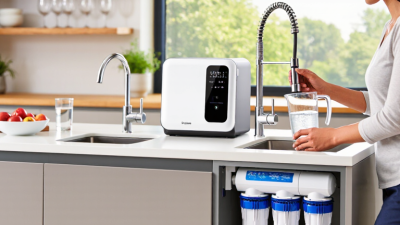
5. Choose the right installation point Decide whether you need treated water at one tap or throughout the home. Point-of-use systems, such as faucet-mounted or under-sink units, treat water at a particular outlet. Point-of-entry systems treat water as it enters the home. Whole-house treatment may be unnecessary if the concern is limited to drinking water. Check plumbing compatibility, installation requirements, and whether professional installation is needed.
6. Calculate ongoing costs and maintenance Estimate household water use and the time and cost involved in replacing cartridges, membranes, or UV lamps. Compare replacement-part prices, stated service intervals, filter capacity, and any required water testing. Replace components on schedule. A clogged, exhausted, or poorly maintained filter may perform less effectively; follow the manufacturer’s maintenance instructions.
7. Consider household needs and limitations Account for household size, daily drinking-water use, available space, water pressure, and whether the system produces wastewater. Compare flow rate, storage capacity, faucet requirements, and the practical needs of children, older adults, or people with specific medical advice. Water softeners primarily address hardness and are not substitutes for filters designed to remove pathogens or specific toxic contaminants. Consult a qualified water professional or local health department when results are unclear.

Identify the Contaminants the System Must Remove

Before comparing systems, find out what is actually in your water. Check the latest local water quality report, but remember it may not reflect plumbing inside your home. If water comes from a private well, arrange testing through a qualified laboratory. A sample drawn after the tap runs can miss contaminants released by old pipes. That detail matters.

Look for specific concerns, not broad claims like “cleaner water.” Sediment can cloud a glass, while chlorine may affect taste and odor. Lead, nitrate, arsenic, and certain PFAS require different treatment approaches. Microbes are another concern, particularly for untreated well water. Not every filter. A carbon unit may improve taste but is not automatically effective against lead or germs. Check that independent test data supports removal of the contaminant you care about, under conditions similar to your household’s use.

Match the treatment to the test results and the intended tap. A whole-house system may reduce sediment throughout the home, while an under-sink unit can target drinking water. Verify replacement schedules and flow limits; an overdue cartridge can perform poorly. I would not choose a system from a single headline result alone. Retesting after installation can confirm whether the specific problem has improved, though sampling errors are possible.

Compare Filtration Methods and Their Capabilities

Choosing a filtration method starts with the contaminant, not the device. Sediment filters catch grit and rust, but they do not remove dissolved chemicals. Activated carbon can reduce chlorine taste and odor, plus specific contaminants when independently certified. Check the exact claim. A carbon cartridge is not automatically a lead filter. Reverse osmosis can reduce many dissolved substances, including certain salts and metals, but performance depends on the membrane and maintenance. It also sends some water to drain. Ultraviolet treatment can inactivate microbes, yet it does not remove chemicals or particles.

Certifications help make these differences visible. NSF/ANSI 42 covers aesthetic effects such as taste; NSF/ANSI 53 covers specified health effects; and NSF/ANSI 58 applies to reverse-osmosis systems. These standards do not mean every certified product removes every contaminant. EPA’s 2024 PFAS drinking-water rule set limits of 4 parts per trillion for PFOA and PFOS. That figure is a useful reminder: tiny concentrations can matter, so match a system’s verified reduction claim to your water test.

For well water, consider a lab test before choosing UV, carbon, or another method. Cloudy water can shield microbes from UV light, while hard water may shorten membrane life. I would check replacement intervals, too; a neglected filter can disappoint. Small detail, big difference. Compare certified performance data, not broad phrases like “purifies water.”

Check System Capacity, Installation, and Maintenance

Choosing a water filtration system starts with understanding how much water your home uses. Check the stated capacity and flow rate, not just the filter’s size. A unit that handles a kitchen tap may struggle with several taps running at once. Capacity also depends on the water and contaminants involved, so compare specifications with a recent water test when possible. Small details matter.

Tip: Check installation needs before buying. A compact under-sink unit may need cabinet space, a nearby drain, or an electrical outlet. A whole-home system may require plumbing changes and room for filter replacement. Ask who can install it and whether the instructions match your setup. Measure twice; it saves hassle.

Maintenance is easy to underestimate. Find out how often cartridges need changing, what replacements cost, and whether the system has a clear service indicator. Set a reminder or write the change date on a label near the filter. Follow the manufacturer’s schedule, since taste and appearance alone cannot confirm performance. I’d leave some room in the budget for replacement parts, too; that cost is easy to overlook. Keep test results and service dates together, even if the record is not perfect. A simple note is better than guessing later.

Choosing a Water Filtration System: Typical Filter Replacement Intervals

Compare common maintenance intervals as you evaluate system capacity, installation needs, and ongoing upkeep.

Intervals are general estimates, not guarantees. Actual replacement schedules depend on the system, water quality, and household use; follow the manufacturer’s instructions and replace filters when indicated.

Verify Certifications, Replacement Costs, and Long-Term Value

A low purchase price can hide costly upkeep. Verify that a system’s certification covers the contaminants you want reduced, not just taste or odor. NSF/ANSI 42 addresses aesthetic effects; NSF/ANSI 53 covers specific health-related contaminants. Read the certification listing and performance sheet carefully. “Certified” alone is not enough.

Tip: Match the claim to your water test. A 2023 USGS study estimated that at least 45% of U.S. tap water may contain one or more PFAS. That finding does not mean every household faces the same exposure. It does show why local water reports and contaminant-specific certification matter. Check the exact model and replacement cartridge against the listed reduction claims.

Calculate the yearly cost before buying. For example, a $30 cartridge replaced every six months costs about $60 annually, before membranes, installation, or wasted water. Check the manufacturer’s replacement schedule, but treat it as an estimate; sediment and household use can shorten filter life. Compare several years of replacement costs with the system price. I’d also check how easy cartridges are to find. A filter that performs well on paper may be poor value if replacements are hard to source.