Contaminant Comparison Chart

For a complete list of contaminants that PUR filters reduce, please view our Performance Data Sheets here.


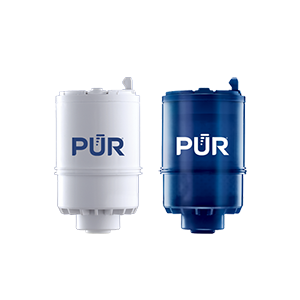
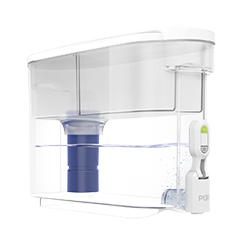
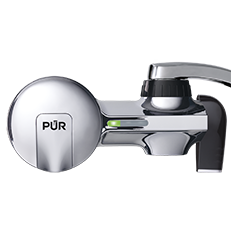
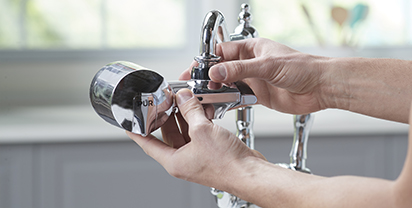
PUR & PUR PLUS FAUCET FILTERS
RF3375/RF9999

View Filters

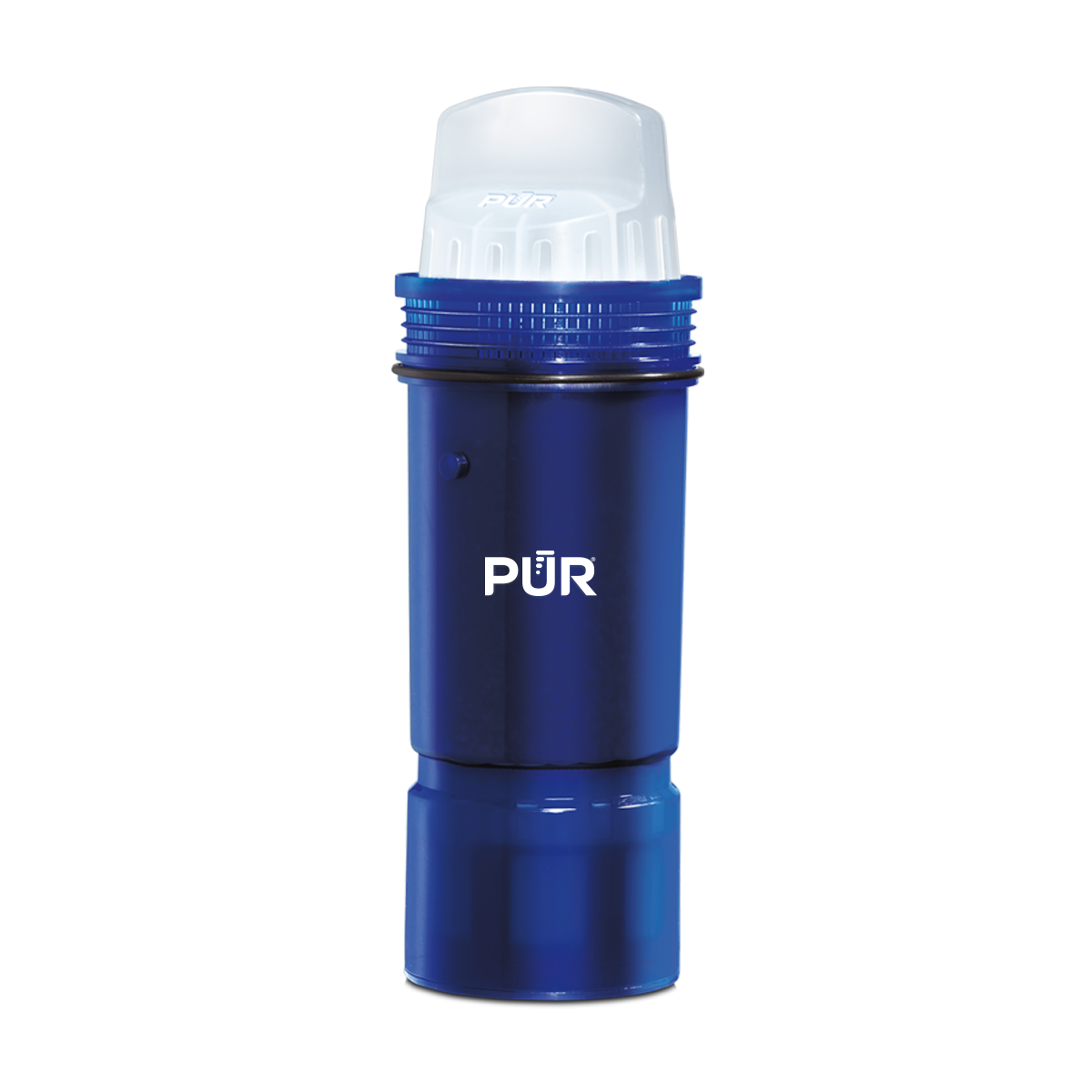
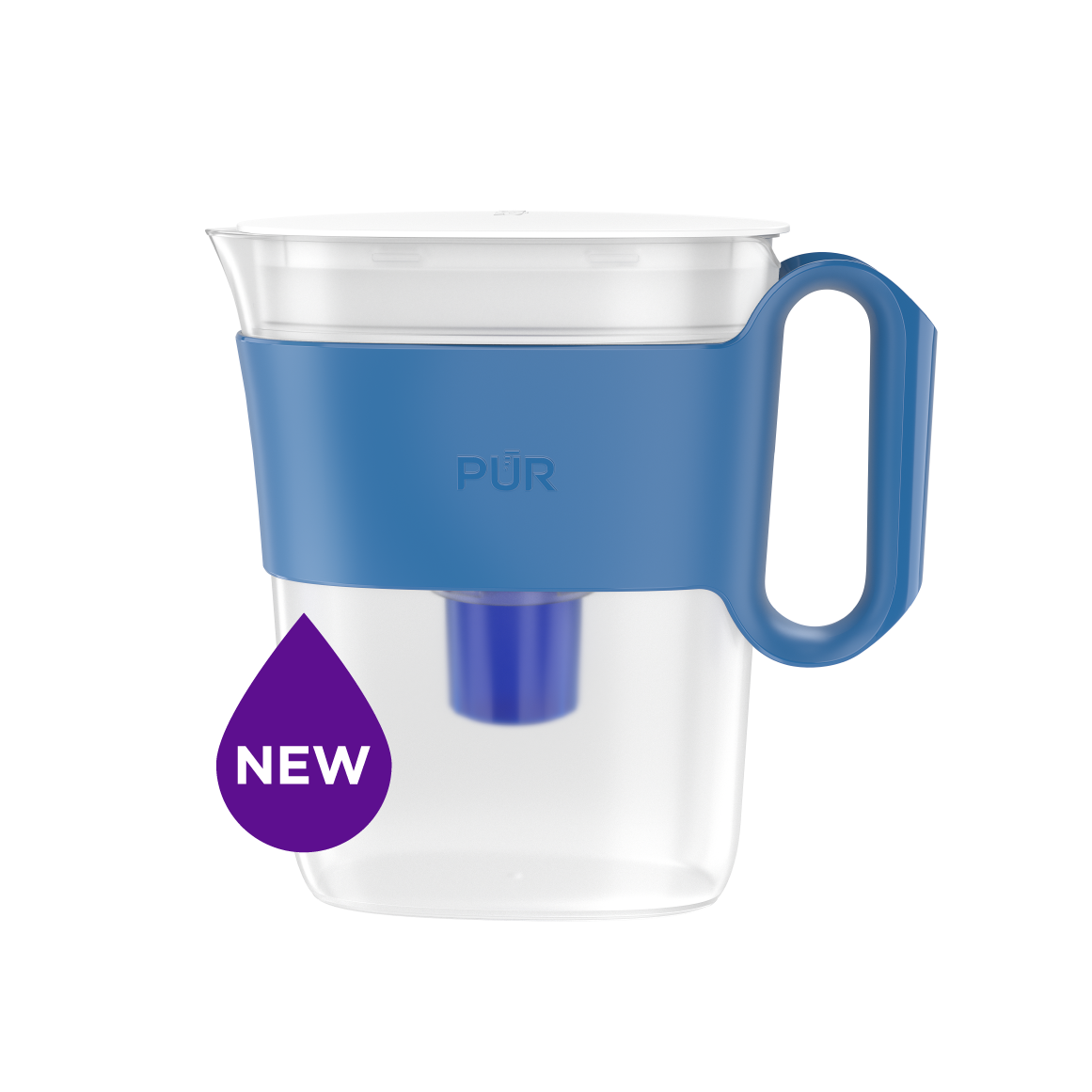
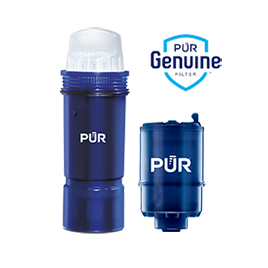
PUR PLUS PITCHER FILTERS
PPF951K

View Filter

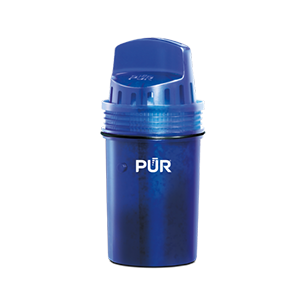
PUR BASIC PITCHER FILTERS
PPF900Z

View Filter


Vs. Brita*

Lead
Microplastics
Mercury
Chlorine Taste & Odor
DEET
TTHM

PUR’s Filtration Systems Are Certified By NSF And WQA For Their Contamination Reduction. WQA certifications as of 5/27/21 for Faucet filter models RF-3375 and RF-9999.

¹ Certified to reduce 10X more chemical and physical substances than Brita’s® leading pitcher filter.
² Certified to reduce 3X more chemical and physical substances than Brita’s® leading pitcher filter.
³ Certified to reduce 2X more chemical and physical substances than Brita’s® leading pitcher filter.
*Versus best-selling Brita® pitcher filter OB03. Brita® is a trademark of Brita LP.
**Like other leading brands, PUR does not filter microbes. As of 3/1/23 Brita® and ZeroWater® were not certified to filter microbes. Brita® is a trademark of Brita LP. ZeroWater® is a trademark of Zero Technologies, LLC..
 

PUR & PUR PLUS FAUCET FILTERS


PUR & PUR PLUS FAUCET FILTERS
RF3375/RF9999

View Filters


Vs. Brita*

Lead
Microplastics
Mercury
Chlorine Taste & Odor
DEET
TTHM

PUR’s Filtration Systems Are Certified By NSF And WQA For Their Contamination Reduction. WQA certifications as of 5/27/21 for Faucet filter models RF-3375 and RF-9999.

¹ Certified to reduce 10X more chemical and physical substances than Brita’s® leading pitcher filter.
² Certified to reduce 3X more chemical and physical substances than Brita’s® leading pitcher filter.
³ Certified to reduce 2X more chemical and physical substances than Brita’s® leading pitcher filter.
*Versus best-selling Brita® pitcher filter OB03. Brita® is a trademark of Brita LP.
**Like other leading brands, PUR does not filter microbes. As of 3/1/23 Brita® and ZeroWater® were not certified to filter microbes. Brita® is a trademark of Brita LP. ZeroWater® is a trademark of Zero Technologies, LLC..
 

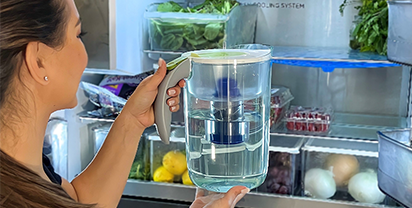
PUR PLUS PITCHER FILTERS


PUR PLUS PITCHER FILTERS
PPF951K

View Filter


Vs. Brita*

Lead
Microplastics
Mercury
Chlorine Taste & Odor
DEET
TTHM

PUR’s Filtration Systems Are Certified By NSF And WQA For Their Contamination Reduction. WQA certifications as of 5/27/21 for Faucet filter models RF-3375 and RF-9999.

¹ Certified to reduce 10X more chemical and physical substances than Brita’s® leading pitcher filter.
² Certified to reduce 3X more chemical and physical substances than Brita’s® leading pitcher filter.
³ Certified to reduce 2X more chemical and physical substances than Brita’s® leading pitcher filter.
*Versus best-selling Brita® pitcher filter OB03. Brita® is a trademark of Brita LP.
**Like other leading brands, PUR does not filter microbes. As of 3/1/23 Brita® and ZeroWater® were not certified to filter microbes. Brita® is a trademark of Brita LP. ZeroWater® is a trademark of Zero Technologies, LLC..
 

PUR BASIC PITCHER FILTERS


PUR BASIC PITCHER FILTERS
PPF900Z

View Filter


Vs. Brita*

Lead
Microplastics
Mercury
Chlorine Taste & Odor
DEET
TTHM

PUR’s Filtration Systems Are Certified By NSF And WQA For Their Contamination Reduction. WQA certifications as of 5/27/21 for Faucet filter models RF-3375 and RF-9999.

¹ Certified to reduce 10X more chemical and physical substances than Brita’s® leading pitcher filter.
² Certified to reduce 3X more chemical and physical substances than Brita’s® leading pitcher filter.
³ Certified to reduce 2X more chemical and physical substances than Brita’s® leading pitcher filter.
*Versus best-selling Brita® pitcher filter OB03. Brita® is a trademark of Brita LP.
**Like other leading brands, PUR does not filter microbes. As of 3/1/23 Brita® and ZeroWater® were not certified to filter microbes. Brita® is a trademark of Brita LP. ZeroWater® is a trademark of Zero Technologies, LLC..
 

How to Choose a Home Filtration System?

Choosing a home filtration system is not simply a matter of buying the most expensive model. The right choice depends on your water source, household size, plumbing, and specific contaminants. A private well may need different treatment than municipal water. Even nearby homes can receive different results because pipes, storage tanks, and maintenance histories vary.

A practical evaluation starts with evidence. Read your latest municipal water report, or arrange an accredited laboratory test for well water. Look for measurable concerns such as lead, chlorine, sediment, hardness, nitrates, or microbial contamination. Do not rely only on taste or clear appearance. Water can look clean and still require attention. Certification marks, such as NSF/ANSI standards, can help verify performance claims, but the exact standard matters. A filter certified for chlorine may not reduce lead or bacteria.

Installation details deserve equal attention. Check flow rate, cartridge life, replacement cost, drain requirements, and available cabinet space. Imagine filling a cooking pot during a busy evening. A slow system may become frustrating. A system with costly cartridges may be neglected later. That weakens its real-world value.

There is no perfect answer. I have seen homeowners focus on contaminant removal while overlooking maintenance access. That mistake is easy to make. Reliable selection balances test results, verified claims, household habits, and long-term upkeep. This guide explains how to compare filter types, interpret certifications, estimate operating costs, and choose a home filtration system that fits your water and your daily routine. Be cautious. Good decisions begin with better evidence.

How to Choose a Home Filtration System?

Identify Your Household Water Quality and Filtration Needs

How to Choose a Home Filtration System?

Your household water quality should guide every filtration decision. Start with the latest report from your local water authority. If you use a private well, arrange laboratory testing at least annually, or after flooding or repairs. Test before buying.

Look for results covering bacteria, lead, nitrates, hardness, chlorine, and sediment. The right panel depends on your location and plumbing. A cloudy glass may indicate particles, while a metallic taste can suggest pipe corrosion. However, appearance and taste cannot confirm safety. An accredited laboratory provides more reliable evidence than guesswork.

Match the system to your actual needs. A point-of-use filter may suit drinking and cooking water. A whole-house unit is more suitable when sediment affects showers, laundry, or appliances. Carbon filtration can reduce certain odors and chemicals, while other contaminants require different treatment methods. Check independent performance certifications and the stated flow rate. A filter that slows the kitchen tap becomes frustrating quickly.

Maintenance matters just as much as initial performance. Record installation dates, inspect leaks, and replace cartridges according to tested capacity, not convenience. Neglected filters can become less effective and may affect water quality. Needs change. A growing family, new plumbing, or seasonal well conditions may require retesting. I once underestimated cartridge replacement costs; the system looked affordable until routine maintenance was included. A practical decision should consider installation, wastewater, storage space, and long-term service.

Compare Common Home Filtration Technologies and Their Uses

Choosing a home filtration system starts with the contaminant, not the appliance.

Activated carbon filters reduce chlorine, odors, and some organic chemicals. They usually preserve useful minerals. Sediment filters catch visible particles, such as sand or rust. They do not disinfect water.

Reverse osmosis removes many dissolved salts, metals, and other contaminants through a membrane. However, it can waste water. The U.S. Environmental Protection Agency reports that inefficient systems may discharge five gallons for every gallon treated. WaterSense-labeled models waste 2.3 gallons or less. Ultraviolet systems target microorganisms, but they need clear water and electricity. Ion-exchange softeners reduce hardness, not bacteria. No method is perfect. A filter can improve taste while leaving a serious contaminant untouched. The WHO and UNICEF Joint Monitoring Programme reported that 2.2 billion people lacked safely managed drinking water in 2022, so local water quality still matters more than attractive specifications.

Tips: Check your municipal water report or test a private well before buying. Match claims with recognized standards, such as NSF/ANSI 42 for taste, 53 for selected health contaminants, and 58 for reverse osmosis. Replace cartridges on schedule. An overloaded carbon filter may become ineffective, and sometimes I underestimate how quickly sediment blocks flow. Test again after installation, especially when children, older adults, or immunocompromised people live at home.

Evaluate System Capacity, Installation, and Maintenance Requirements

How to Choose a Home Filtration System?

Evaluate System Capacity, Installation, and Maintenance Requirements

A suitable filtration system must match your household’s daily water demand. Check the rated flow rate, not only the filter size. A system that works for one faucet may struggle during showers and laundry. Count regular users, peak hours, and appliances using filtered water. Measure before buying. A recent water test also helps identify sediment, chlorine, metals, or microbial concerns. Treatment should address measured problems, not vague fears.

Installation details can determine whether the system remains reliable. Inspect the available pipe space, drain access, water pressure, and nearby electrical outlets. Some units need a bypass valve, a storage tank, or a secure mounting surface. Space matters. Leave enough room to remove cartridges without spilling water across the cabinet. In real household installations, an awkward location often causes neglected maintenance. A qualified plumbing professional should verify connections and local requirements, especially for whole-house systems.

Maintenance costs deserve the same attention as the purchase price. Ask how often cartridges, membranes, seals, and lamps require replacement. Actual intervals vary with water quality and consumption. Keep a simple service record with dates, pressure readings, and replacement parts. That detail is easy to miss. Reduced flow, unusual taste, leaks, or cloudy water can signal a delayed service visit. Manufacturer instructions are useful, but local water conditions may prove them optimistic. I would rather replace a filter early than trust a calendar while ignoring visible changes.

How to Choose a Home Filtration System? - Evaluate System Capacity, Installation, and Maintenance Requirements

Compare common residential filtration options by treatment purpose, capacity, installation complexity, and ongoing maintenance needs.

System Type Typical Treatment Purpose Typical Capacity or Flow Best Installation Location Installation Requirements Maintenance Frequency Routine Maintenance Space Requirement Relative Operating Cost Key Selection Consideration
Point-of-Use Carbon Filter Improves taste and odor; reduces chlorine and some organic compounds. Performance depends on the certified filter media. Approximately 0.5–2 gallons per minute (GPM), depending on filter size and water pressure. Under the kitchen sink, on a countertop, or attached to a dedicated drinking-water faucet. Usually connects to the cold-water line; may require a dedicated faucet and basic plumbing tools. Typically every 3–12 months, or according to treated volume and the manufacturer’s instructions. Replace the cartridge before its rated capacity is exceeded; inspect for leaks and sanitize reusable housings when applicable. Low; generally fits inside a cabinet or beside a faucet. Low Check the certified contaminant-reduction claims and select a cartridge rated for the household’s daily drinking-water demand.
Whole-House Sediment Filter Reduces suspended particles such as sand, silt, and rust before water enters household plumbing. Common residential flow range: approximately 5–20 GPM, depending on pipe size, filter area, and pressure loss. On the main water line after the point of entry and before sensitive fixtures or other treatment equipment. Requires cutting into the main water line, shutoff valves, a pressure-relief arrangement, and adequate drainage or clearance for servicing. Every 1–6 months in many homes, but replacement may be more frequent with visibly dirty or high-sediment water. Replace or clean the sediment element; check pressure drop, housing seals, and shutoff valves. Moderate; allow vertical clearance to remove the filter housing. Low Choose a micron rating that balances particle removal with acceptable flow and pressure; finer filtration can clog sooner.
Whole-House Carbon Filter Reduces chlorine, taste, odor, and selected organic contaminants when the media and contact time are appropriate. Approximately 5–15 GPM for many residential units; actual flow depends on tank size and required contact time. At the main water entry point so treated water flows to most fixtures. Requires a main-line connection, bypass valves, adequate floor space, and access to a drain if backwashing is used. Backwashing may be required weekly or as programmed; carbon media commonly lasts about 2–5 years, depending on water quality and usage. Backwash when applicable, inspect valves, monitor pressure, and replace carbon media at the end of its service life. Moderate to high; tank height and overhead clearance are important. Medium Size the unit for peak household flow and verify that the media is suitable for the specific contaminant being targeted.
Under-Sink Reverse Osmosis (RO) Reduces many dissolved solids and a broad range of contaminants when properly designed, maintained, and certified for the intended use. Typical production is approximately 10–100 gallons per day (GPD); treated-water flow at the faucet is lower and depends on tank pressure and membrane condition. Under the kitchen sink or at another dedicated drinking-water point. Requires a cold-water connection, dedicated faucet, drain connection, storage tank, and sufficient cabinet space. Pre-filters commonly every 6–12 months; membrane often every 2–5 years; post-filter commonly every 6–12 months. Replace filters, check for leaks, sanitize the system, monitor production rate, and maintain correct storage-tank pressure. Moderate; requires space for multiple filters and a storage tank. Medium Consider water waste, storage capacity, feed-water pressure, and the specific contaminants confirmed by a water test.
Ultraviolet (UV) Disinfection Inactivates many bacteria, viruses, and other microorganisms; it does not remove sediment, dissolved chemicals, or metals. Common residential systems range from approximately 5–20 GPM, based on the required UV dose and water clarity. At the point of entry, usually after sediment filtration and sometimes after carbon filtration. Requires a water connection, electrical outlet, lamp chamber, and adequate pretreatment to prevent particles from shielding microorganisms. Lamp replacement is commonly annual; the quartz sleeve may need cleaning periodically, especially with hard or turbid water. Replace the lamp, clean the quartz sleeve, inspect the sensor and alarm, and keep water flowing within the rated range. Moderate; requires vertical clearance and continuous electrical power. Medium Confirm that the system is sized for peak flow and that turbidity, hardness, and iron are controlled sufficiently for effective UV transmission.
Whole-House Ultrafiltration (UF) Reduces suspended solids and many microorganisms through a fine membrane; it generally does not remove dissolved salts. Approximately 3–15 GPM for residential systems, depending on membrane area, water quality, and operating pressure. At the point of entry for treatment throughout the home. Requires main-line plumbing, pressure management, a bypass, and either manual or automatic flushing provisions. Flushing may be required weekly or as programmed; membrane replacement commonly occurs every 2–5 years, depending on conditions. Flush the membrane, replace pre-filters where fitted, monitor pressure, and inspect connections for leaks. Moderate to high; requires service access and sufficient drainage for flushing. Medium Verify that the membrane is suitable for the feed-water quality and understand that dissolved minerals may pass through.
Water Softening System Reduces calcium and magnesium hardness through ion exchange; it is a conditioning system rather than a general-purpose filter. Common residential sizes provide approximately 8–20 GPM of service flow, with capacity specified in grains of hardness removed. On the main water line, commonly after a sediment pre-filter and before the water heater. Requires plumbing connections, a brine tank, a drain line, an electrical outlet for automatic models, and sufficient floor space. Regeneration varies from several times per week to every few weeks, depending on hardness, water use, and settings. Add salt or regenerant, clean the brine tank when needed, check the drain line, and inspect for salt bridging or malfunction. High; requires space for the resin tank and brine tank. Medium Use a water test to determine hardness, iron, and household demand; select capacity so regeneration is efficient without sacrificing peak flow.
Ceramic or Microfiltration Unit Reduces suspended particles and some bacteria depending on pore size; it does not generally remove dissolved chemicals or salts. Approximately 0.1–2 GPM for gravity-fed or low-pressure residential units. Point-of-use locations such as a countertop or dedicated drinking-water station. Usually simple to install; gravity-fed models may require no plumbing, while pressurized models need a water connection. Cleaning may be needed weekly to monthly; replacement depends on damage, clogging, and the element’s rated life. Clean the ceramic surface as directed, inspect for cracks, and replace the element if damaged or no longer serviceable. Low to moderate; countertop units require visible space. Low Confirm the pore size and microbiological performance claims; low flow makes this option better for drinking water than whole-home use.

Planning note: Capacity, flow rate, service life, and replacement intervals vary with water quality, household size, pressure, temperature, and actual usage. Test the water first and compare the system’s independently certified performance claims with the contaminants that need to be addressed.

Check Certifications, Replacement Costs, and Long-Term Value

Choosing a home filtration system starts with the certification label, not the glossy claims. Look for standards that match the contaminant you need to reduce, such as NSF/ANSI 42 for aesthetic issues or NSF/ANSI 53 for specific health-related claims. Certification is not universal approval. A system certified for chlorine may not reduce lead or PFAS. The U.S. EPA’s 2024 PFAS rule set limits of 4.0 nanograms per liter for PFOA and PFOS, showing why precise claims matter.

Check replacement costs before installation. A low-priced unit may require cartridges every three months, while another may last a year. Write the schedule on a cabinet door. Then calculate five years of cartridges, labor, electricity, and possible pre-filters. The U.S. EPA reports that household leaks waste nearly 10,000 gallons of water annually, so efficiency deserves attention too. Still, water savings should not outweigh verified contaminant reduction.

Long-term value also depends on testing and maintenance. The CDC advises replacing filters according to the manufacturer’s instructions, because neglected filters can lose effectiveness. I would compare laboratory performance data with a local water-quality report, then keep records of each change. That sounds excessive. It is probably not. The WHO and UNICEF Joint Monitoring Programme reported that 2.2 billion people lacked safely managed drinking water in 2022, reminding us that household treatment supports, but does not replace, reliable public water management. A certification mark helps. Careful upkeep matters more.

Select the Filtration System That Fits Your Home and Budget

How to Choose a Home Filtration System?

A suitable filtration system should match your water problem, household size, and budget. Start with your local water quality report, then test private-well water through an accredited laboratory. The CDC advises homeowners to identify specific contaminants before buying a filter. Guessing can waste money.

Budget beyond the purchase price. Replacement cartridges, electricity, installation, and wastewater can change the total cost. A simple point-of-use filter may suit a rented apartment or one drinking tap. A whole-house system can be useful when sediment affects showers, laundry, and appliances. However, it costs more and may need professional installation.

EPA’s 2023 Drinking Water Infrastructure Needs Assessment estimates about 9.2 million lead service lines in the United States. If lead is a concern, select a system independently certified for lead reduction. Certification matters more than impressive advertising.

Tips

Compare five-year ownership costs. Check cartridge availability. Measure cabinet space. Confirm flow rate. Avoid buying for every possible contaminant. That approach sounds safe, but it often creates unnecessary expense.

Also, remember that filtration does not automatically disinfect water. The CDC recommends following maintenance instructions carefully, because an overdue cartridge may reduce performance. A perfect system does not exist. The sensible choice is the one you can maintain consistently and verify with testing.