Contaminant Comparison Chart

For a complete list of contaminants that PUR filters reduce, please view our Performance Data Sheets here.


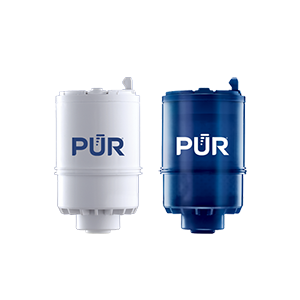
PUR & PUR PLUS FAUCET FILTERS
RF3375/RF9999

View Filters

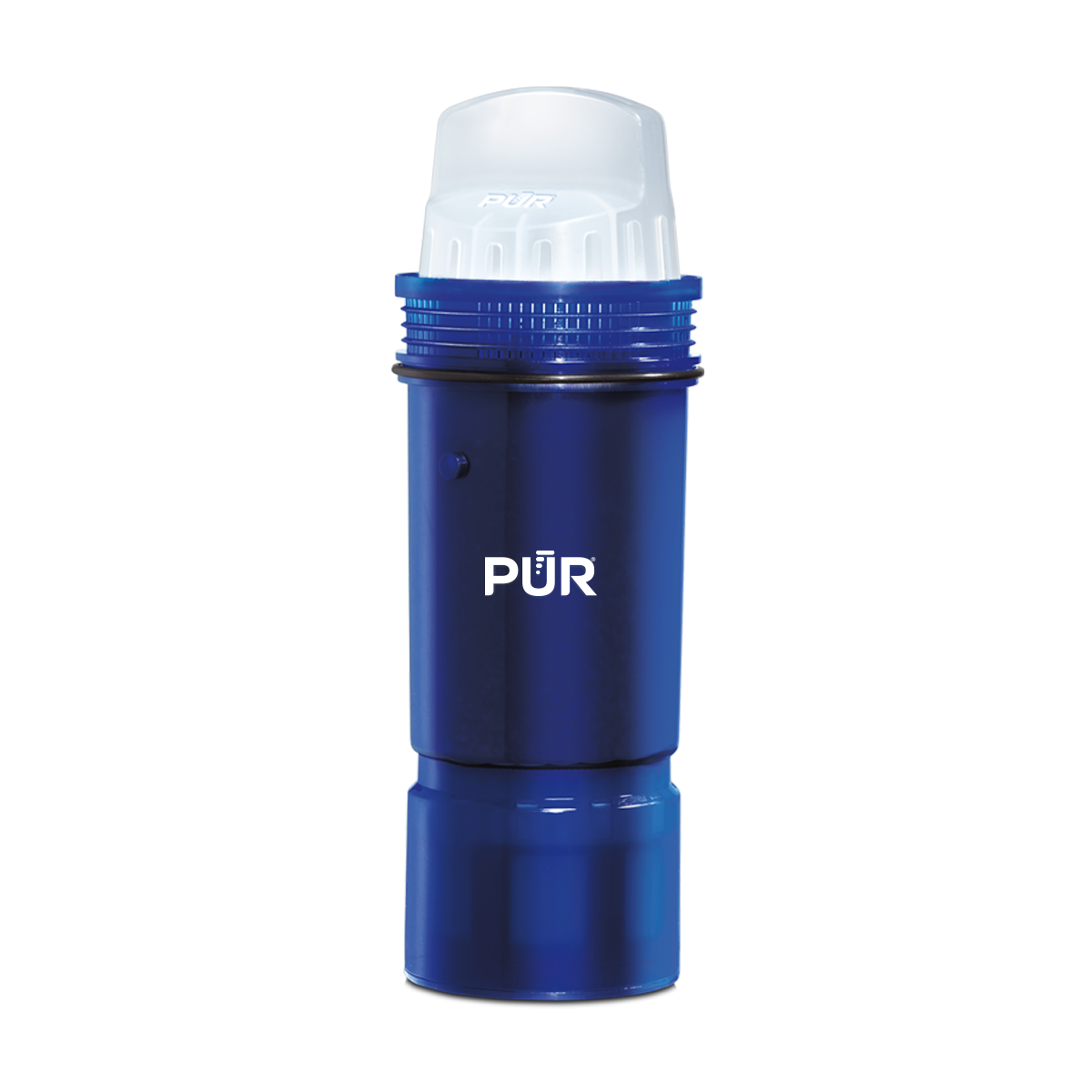
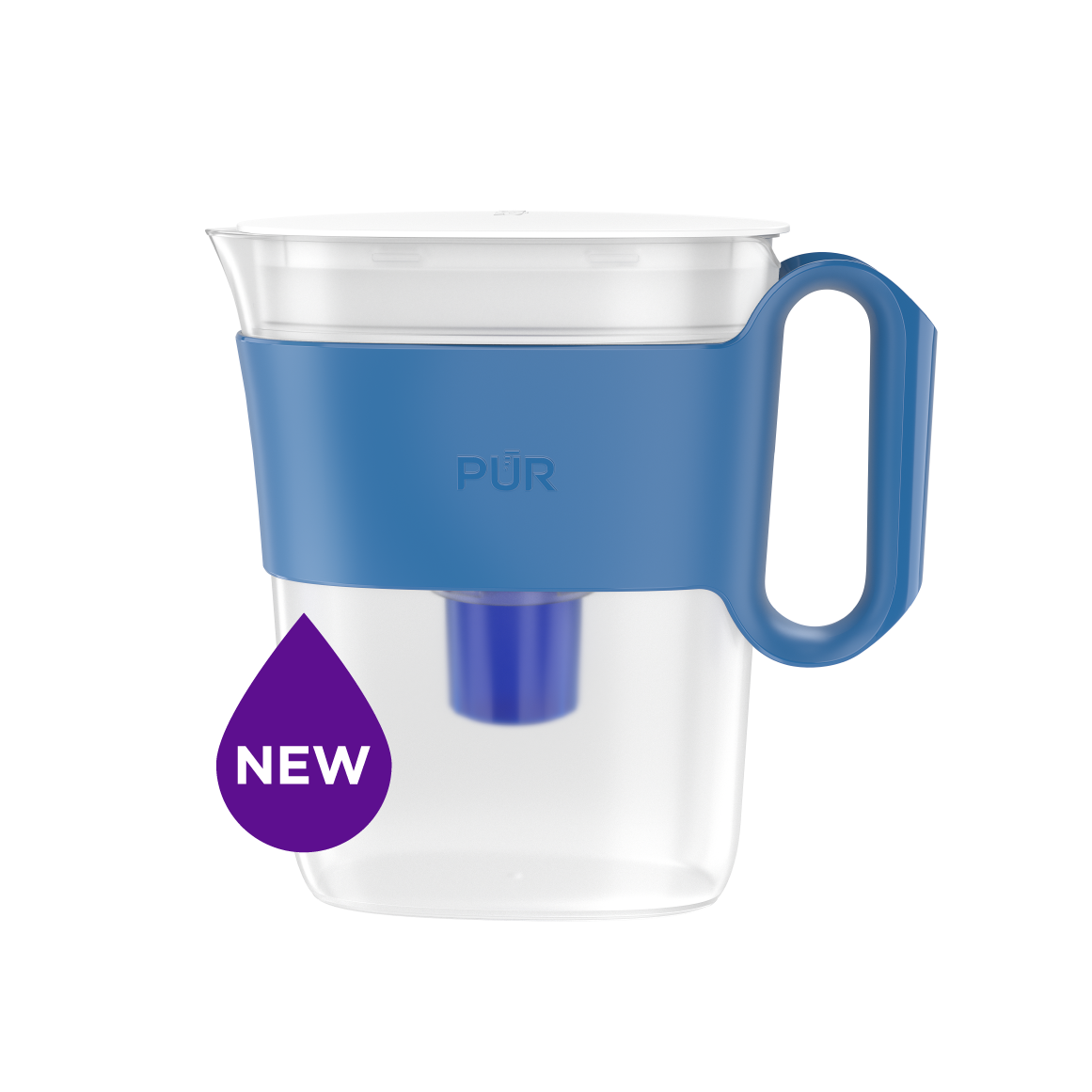
PUR PLUS PITCHER FILTERS
PPF951K

View Filter

PUR BASIC PITCHER FILTERS
PPF900Z

View Filter


Vs. Brita*

Lead
Microplastics
Mercury
Chlorine Taste & Odor
DEET
TTHM

PUR’s Filtration Systems Are Certified By NSF And WQA For Their Contamination Reduction. WQA certifications as of 5/27/21 for Faucet filter models RF-3375 and RF-9999.

¹ Certified to reduce 10X more chemical and physical substances than Brita’s® leading pitcher filter.
² Certified to reduce 3X more chemical and physical substances than Brita’s® leading pitcher filter.
³ Certified to reduce 2X more chemical and physical substances than Brita’s® leading pitcher filter.
*Versus best-selling Brita® pitcher filter OB03. Brita® is a trademark of Brita LP.
**Like other leading brands, PUR does not filter microbes. As of 3/1/23 Brita® and ZeroWater® were not certified to filter microbes. Brita® is a trademark of Brita LP. ZeroWater® is a trademark of Zero Technologies, LLC..
 

PUR & PUR PLUS FAUCET FILTERS


PUR & PUR PLUS FAUCET FILTERS
RF3375/RF9999

View Filters


Vs. Brita*

Lead
Microplastics
Mercury
Chlorine Taste & Odor
DEET
TTHM

PUR’s Filtration Systems Are Certified By NSF And WQA For Their Contamination Reduction. WQA certifications as of 5/27/21 for Faucet filter models RF-3375 and RF-9999.

¹ Certified to reduce 10X more chemical and physical substances than Brita’s® leading pitcher filter.
² Certified to reduce 3X more chemical and physical substances than Brita’s® leading pitcher filter.
³ Certified to reduce 2X more chemical and physical substances than Brita’s® leading pitcher filter.
*Versus best-selling Brita® pitcher filter OB03. Brita® is a trademark of Brita LP.
**Like other leading brands, PUR does not filter microbes. As of 3/1/23 Brita® and ZeroWater® were not certified to filter microbes. Brita® is a trademark of Brita LP. ZeroWater® is a trademark of Zero Technologies, LLC..
 

PUR PLUS PITCHER FILTERS


PUR PLUS PITCHER FILTERS
PPF951K

View Filter


Vs. Brita*

Lead
Microplastics
Mercury
Chlorine Taste & Odor
DEET
TTHM

PUR’s Filtration Systems Are Certified By NSF And WQA For Their Contamination Reduction. WQA certifications as of 5/27/21 for Faucet filter models RF-3375 and RF-9999.

¹ Certified to reduce 10X more chemical and physical substances than Brita’s® leading pitcher filter.
² Certified to reduce 3X more chemical and physical substances than Brita’s® leading pitcher filter.
³ Certified to reduce 2X more chemical and physical substances than Brita’s® leading pitcher filter.
*Versus best-selling Brita® pitcher filter OB03. Brita® is a trademark of Brita LP.
**Like other leading brands, PUR does not filter microbes. As of 3/1/23 Brita® and ZeroWater® were not certified to filter microbes. Brita® is a trademark of Brita LP. ZeroWater® is a trademark of Zero Technologies, LLC..
 

PUR BASIC PITCHER FILTERS


PUR BASIC PITCHER FILTERS
PPF900Z

View Filter


Vs. Brita*

Lead
Microplastics
Mercury
Chlorine Taste & Odor
DEET
TTHM

PUR’s Filtration Systems Are Certified By NSF And WQA For Their Contamination Reduction. WQA certifications as of 5/27/21 for Faucet filter models RF-3375 and RF-9999.

¹ Certified to reduce 10X more chemical and physical substances than Brita’s® leading pitcher filter.
² Certified to reduce 3X more chemical and physical substances than Brita’s® leading pitcher filter.
³ Certified to reduce 2X more chemical and physical substances than Brita’s® leading pitcher filter.
*Versus best-selling Brita® pitcher filter OB03. Brita® is a trademark of Brita LP.
**Like other leading brands, PUR does not filter microbes. As of 3/1/23 Brita® and ZeroWater® were not certified to filter microbes. Brita® is a trademark of Brita LP. ZeroWater® is a trademark of Zero Technologies, LLC..
 

What Is the Best House Water Filter in 2026?

Choosing the best house water filter in 2026 is not about buying the largest system or the most expensive brand. It starts with understanding your water.

A home may receive treated municipal water, private well water, or both after seasonal changes. Each source can carry different concerns, including chlorine taste, sediment, lead, PFAS, bacteria, or hardness. A clear glass does not prove water quality. It only shows what the eye can see.

Rick Andrew, a former director of NSF International’s Water Treatment and Distribution Program, has emphasized, “There is no single treatment technology that addresses every water quality concern.” That principle should guide every comparison in this article. Certification matters. So do flow rate, filter capacity, installation space, replacement cost, and maintenance habits.

The best choice depends on the contaminant you need to reduce. Carbon filters can improve taste and chlorine levels. Reverse osmosis systems may reduce many dissolved substances, but they can waste water and require more upkeep. Sediment filters protect downstream equipment, yet they cannot solve every chemical problem.

Small details matter.

A neglected cartridge can become a weak point. An undersized system may reduce water pressure at the kitchen tap. A filter without verified performance claims may create false confidence.

This guide compares practical options for real homes, not showroom promises. It also recognizes an uncomfortable truth: no filter removes everything. Testing your water remains the most reliable starting point. Even this review has limits, because local water conditions and household needs can change.

What Is the Best House Water Filter in 2026?

What Is a Whole-House Water Filter and How Does It Work?

In 2026, the best house water filter is not automatically the largest one. A whole-house water filter, or point-of-entry system, treats water as it enters your home. It can reduce sediment, chlorine, odors, and selected contaminants. The exact result depends on the filter media and your water report. Inside, water usually passes through a sediment stage first. This catches sand and rust particles. Carbon media can then absorb many tastes and odors.

Some systems add specialized media for hardness, iron, or certain chemicals. Ultraviolet treatment may target microorganisms, but it needs electricity and clear water. A filter also creates resistance. If the cartridge is too small, showers may lose pressure. I once focused on removal claims and overlooked replacement costs. That was a practical mistake. Check flow rate, cartridge life, installation space, and pressure limits before buying. Independent test data matters more than dramatic advertising.

Tips: Test your water before choosing equipment. Keep the laboratory report and installation date. Replace cartridges on schedule, even when water looks clear. Inspect leaks around fittings after maintenance. If your source changes seasonally, test again. A professional can size the system using household demand, pipe diameter, and contaminant levels. Do not assume one filter handles everything. Good water treatment is specific, measurable, and occasionally less convenient than expected.

What Is the Best House Water Filter in 2026?

What Is a Whole-House Water Filter and How Does It Work?

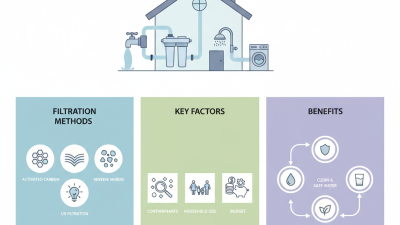
Whole-house systems treat water at the main entry point before it reaches faucets, showers, and appliances. Sediment filters commonly capture larger particles, activated carbon helps reduce chlorine, odors, and some organic compounds, while ultrafiltration membranes can block much smaller particles. The values shown are representative nominal ratings used in residential systems; actual performance depends on the model, water quality, flow rate, maintenance, and independent test results.

How to Identify Your Home’s Water Quality and Filtration Needs

What Is the Best House Water Filter in 2026?

How to Identify Your Home’s Water Quality and Filtration Needs

The best filter depends on evidence, not a glossy specification sheet. Start with your latest water quality report from the local utility. It should list regulated contaminants, testing dates, and detected levels. The U.S. Environmental Protection Agency’s 2024 PFAS rule set limits of 4 nanograms per liter for PFOA and PFOS. That number is tiny, but household exposure can still vary by location and plumbing.

Private wells require more personal investigation. The Centers for Disease Control and Prevention recommends testing well water at least annually, plus after flooding, repairs, or changes in taste and odor. Ask an accredited laboratory for tests covering bacteria, lead, nitrate, arsenic, hardness, and local industrial contaminants. A metallic taste is not a diagnosis. Neither is clear water.

Match the treatment to the result. Sediment filters handle visible particles, while activated carbon can reduce chlorine and certain organic compounds. Certified reverse-osmosis systems may address dissolved contaminants, but they produce wastewater and need careful maintenance. Look for performance claims tested under relevant NSF/ANSI standards, not vague “purification” language. Keep receipts and replacement dates.

I once trusted taste alone.

That was a mistake.

Water chemistry changes inside pipes, too. Older plumbing may add lead after water sits overnight, even when the utility report looks reassuring. Retest after installation, because a filter can fail quietly when its cartridge is overdue.

What Is the Best House Water Filter in 2026? - How to Identify Your Home’s Water Quality and Filtration Needs
Water Quality Concern Typical Signs or Test Results Most Suitable Filtration Technology Contaminants Commonly Reduced Typical Installation Point Maintenance Consideration Need Priority
Sediment and cloudiness Visible particles, cloudy water, or a sediment result from laboratory testing. Washable or replaceable sediment cartridge, commonly rated from approximately 5 to 50 microns. Sand, silt, rust particles, and suspended solids. Whole-house prefilter or point of entry. Clean or replace when pressure drops or flow decreases. High
Chlorine taste and odor Swimming-pool-like smell, unpleasant taste, or a disinfectant result in the water report. Activated carbon block or granular activated carbon. Chlorine, many taste- and odor-causing compounds, and some organic chemicals. Under-sink for drinking water or whole-house for bathing and household use. Replace carbon media on schedule; exhausted carbon may lose effectiveness without obvious warning. Medium
Lead and other regulated metals Older plumbing, brass fixtures, or a certified laboratory test showing elevated metal levels. Certified carbon block, ion exchange, or reverse osmosis selected specifically for the target metal. Lead and, depending on certification, copper, mercury, chromium, or other metals. Point of use is often preferred for drinking and cooking water. Use only a filter certified for the specific contaminant; replace cartridges before rated capacity is exceeded. High
Hard water Scale on faucets, white deposits on fixtures, reduced soap lather, or hardness above approximately 120 mg/L as calcium carbonate. Ion-exchange water softener; filtration alone does not generally remove hardness minerals. Calcium and magnesium that form scale. Whole-house point of entry. Requires salt or regenerant management and periodic system servicing. Medium
Iron and manganese Orange or black staining, metallic taste, or laboratory results showing elevated concentrations. Oxidizing filtration, catalytic media, or an appropriate iron-removal system based on water chemistry. Dissolved or oxidized iron and manganese. Whole-house point of entry. Performance depends on pH, oxidation state, flow rate, and periodic backwashing. Medium
Nitrate or nitrite Laboratory test indicates elevated nitrate or nitrite, especially in a private well or agricultural area. Reverse osmosis or anion-exchange treatment designed and certified for nitrate reduction. Nitrate and nitrite; ordinary sediment and carbon filters are not reliable solutions. Point of use for drinking and cooking, or whole-house when specifically required. Monitor treated-water results and replace media according to capacity and test data. High
Fluoride or dissolved salts Water analysis shows elevated fluoride, total dissolved solids, or a salinity concern. Reverse osmosis or another treatment method certified for the specific dissolved contaminant. Some fluoride and dissolved inorganic substances, depending on system design and membrane condition. Usually point of use for drinking water. Replace prefilters and membrane as specified; verify performance with periodic testing. Medium
PFAS or emerging contaminants A local advisory, environmental assessment, or laboratory report identifies a concern. Certified granular activated carbon, carbon block, or reverse osmosis selected for the specific contaminant. Some PFAS compounds and other emerging contaminants, subject to certification and operating conditions. Point of use or whole-house, depending on exposure routes and the test results. Strict replacement intervals are important because breakthrough may not affect taste or appearance. High
Bacteria and parasites Positive microbiological test, boil-water notice, or untreated surface or well water. Ultraviolet disinfection, certified microbiological filtration, or an appropriately designed treatment train. Many bacteria, protozoa, and other microorganisms, depending on the technology and certification. Whole-house point of entry or point of use. UV systems require electricity, clear water, lamp replacement, and regular sleeve cleaning. High
Viruses Microbiological contamination risk or laboratory evidence of viral contamination. Reverse osmosis, ultraviolet treatment, or disinfection systems specifically rated for viruses. Viruses, depending on validated treatment performance and operating conditions. Whole-house or point of use based on the contamination source. Requires reliable disinfection, membrane maintenance, or both; test after installation. High
Low water pressure or high household demand Noticeable pressure loss when several fixtures operate, or a home with multiple occupants and high peak flow. High-flow whole-house system with appropriately sized pipes, housing, and cartridges. Not a contaminant category; focuses on maintaining treatment performance and flow. Whole-house point of entry. Check pressure drop across the filter and select a capacity suitable for peak demand. Medium
Private well water with unknown quality No recent laboratory analysis, changing taste or color, flooding, or nearby septic or agricultural activity. Water testing first; treatment may combine sediment filtration, carbon, softening, iron removal, or disinfection. May include bacteria, nitrate, metals, hardness, sediment, and other site-specific contaminants. Usually whole-house, with point-of-use protection for drinking water where appropriate. Test at least periodically and after flooding, repairs, or changes in taste, odor, or appearance. High
Selection guidance: Test the water before choosing a system, match the treatment method to the measured contaminant, confirm independent contaminant-specific certification, and compare rated flow, capacity, pressure drop, wastewater production, replacement frequency, and total operating cost. Treatment performance varies by model and operating conditions.

Which Types of House Water Filters Are Available in 2026?

Choosing the best house water filter in 2026 depends on the contaminant, water pressure, and maintenance capacity. The available types differ sharply.

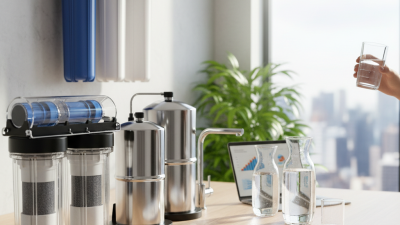
Whole-house filters treat water at the entry point. Sediment cartridges catch sand and rust. Activated carbon reduces chlorine, odors, and some organic chemicals. Ion-exchange softeners address hardness, not microbes. Ultraviolet systems can inactivate microorganisms, but they require clear water and electricity. They do not remove metals or chemicals. Point-of-use filters serve one drinking tap. These include faucet-mounted, countertop, under-sink, and pitcher systems. Reverse osmosis removes many dissolved salts and metals, but it creates wastewater and needs periodic membrane replacement.

The U.S. Environmental Protection Agency identifies point-of-use reverse osmosis as a treatment option for several regulated contaminants, while the Centers for Disease Control and Prevention recommends checking independent certification claims. The World Health Organization and UNICEF reported that 2.2 billion people lacked safely managed drinking water in 2022. That figure shows why treatment must begin with testing, not advertising.

A practical assessment should examine a laboratory water report, household flow demands, and filter replacement records. Whole-house carbon can be useful when bathing water also contains chlorine. Under-sink reverse osmosis may suit a family focused on drinking water. UV may help with private-well risks after professional testing. However, no filter removes everything. That is the uncomfortable part. An oversized system can waste money, while neglected cartridges can reduce performance and encourage microbial growth. Look for certification to the relevant contaminant standard, not vague “purification” language.

How to Compare Filter Performance, Costs, Maintenance, and Installation

Choosing the best house water filter in 2026 starts with water testing, not advertising. In my own inspections, a basic laboratory report has prevented expensive guesswork. Test for sediment, chlorine, hardness, iron, and bacteria when local guidance recommends it. A filter rated for tiny particles may not reduce dissolved minerals. Micron ratings can also confuse buyers. A lower number usually means finer filtration, but flow may drop quickly. Check certified performance claims against recognized standards. Ask whether testing covered your actual contaminant. Not every claim is equally useful.

Compare performance at your home’s real flow rate. A shower may need 2.5 gallons per minute, while several fixtures demand more. Watch pressure gauges during use. A system that looks efficient on paper may feel weak upstairs. Calculate the purchase price, installation labor, replacement cartridges, electricity, drainage, and prefilters. A cheaper unit can cost more after two years. I have underestimated cartridge waste before. That mistake changed my maintenance estimates.

Installation depends on pipe size, shutoff access, drainage, and available space. Leave room to turn the housing wrench. Keep a dry towel nearby. Some systems need a bypass valve or pressure regulator. Local codes may require licensed work. Replace cartridges by measured capacity or water quality, not a calendar alone. Still, calendars help busy households remember. Record installation dates and pressure readings. If water becomes cloudy, tastes unusual, or flow falls sharply, test again. A qualified professional can interpret results when treatment involves multiple contaminants.

How to Choose the Best House Water Filter for Your Home

Choosing the best house water filter starts with your water report, not a product label.

The WHO/UNICEF Joint Monitoring Programme reported that 2.2 billion people lacked safely managed drinking water in 2022.

Your local supply may still contain chlorine, sediment, lead, or PFAS. Request the latest utility report, then test your tap water independently. This small step prevents expensive guesswork.

Match the filter to the contaminant.

Sediment filters help with visible particles, while activated carbon can reduce chlorine and some organic compounds. Reverse osmosis may reduce dissolved metals and PFAS, but it can waste water and remove minerals.

Look for independent certification under NSF/ANSI standards, such as Standard 42 for aesthetic effects and Standard 53 for selected health contaminants. The EPA’s 2024 PFAS rule set limits as low as 4 parts per trillion for PFOA and PFOS, so vague “purification” claims are not enough.

Check the exact contaminant, tested capacity, and replacement schedule. A whole-house system protects showers and appliances, but a kitchen filter may provide better drinking-water control.

Flow rate matters too. A filter that slows a shower to a trickle becomes irritating quickly.

Maintenance is easy to underestimate. Missed replacements can reduce performance and create hygiene concerns.

I would also compare wastewater, installation access, and annual filter costs before choosing. The most expensive system is not automatically the safest.