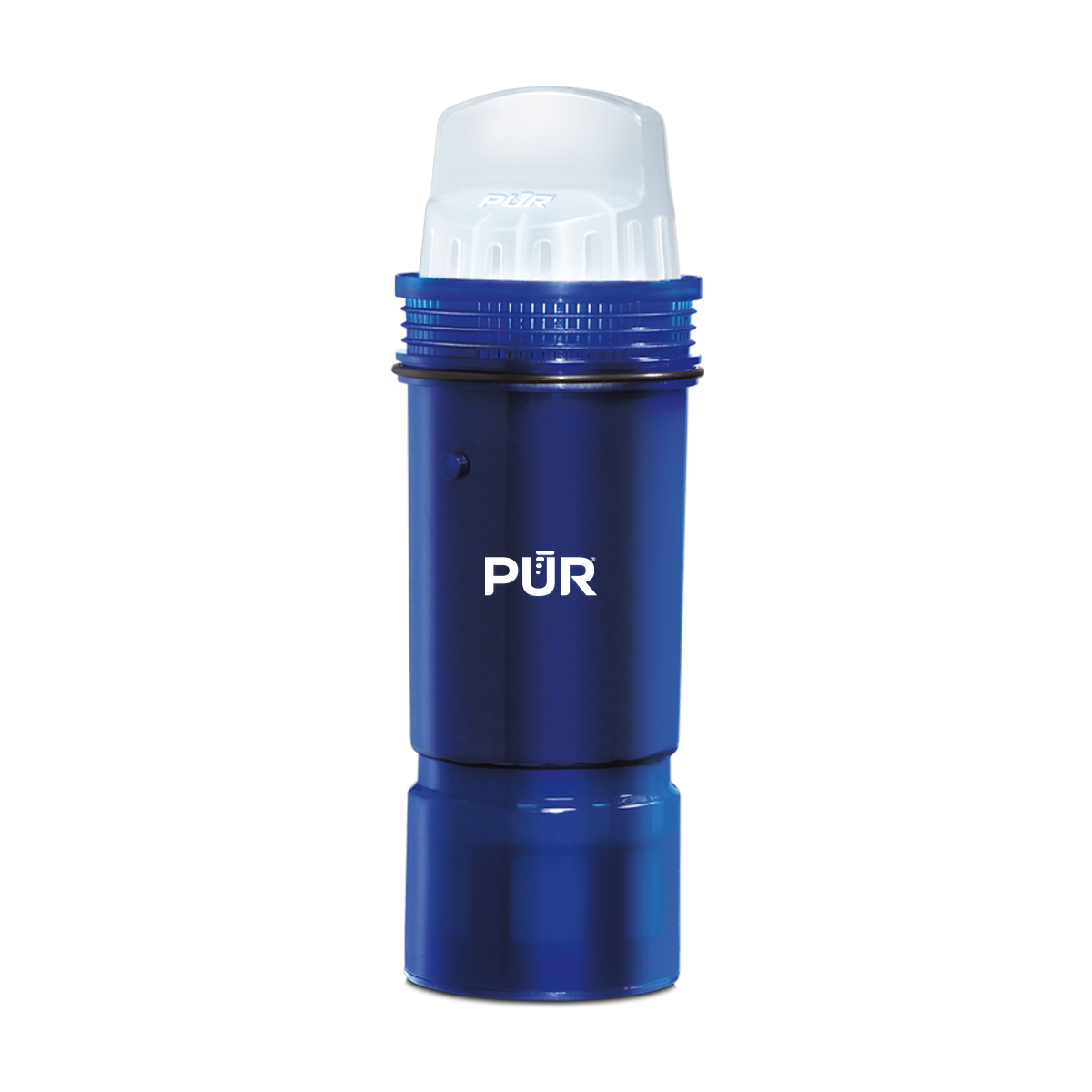
Contaminant Comparison Chart

For a complete list of contaminants that PUR filters reduce, please view our Performance Data Sheets here.


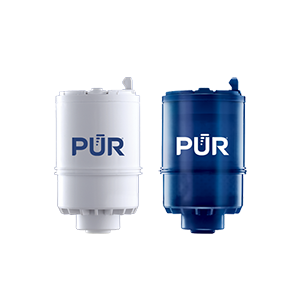
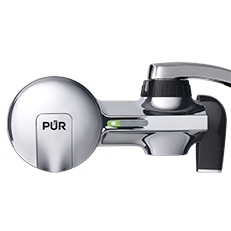
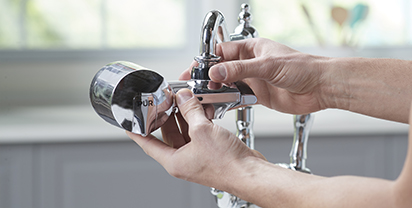
PUR & PUR PLUS FAUCET FILTERS
RF3375/RF9999

View Filters

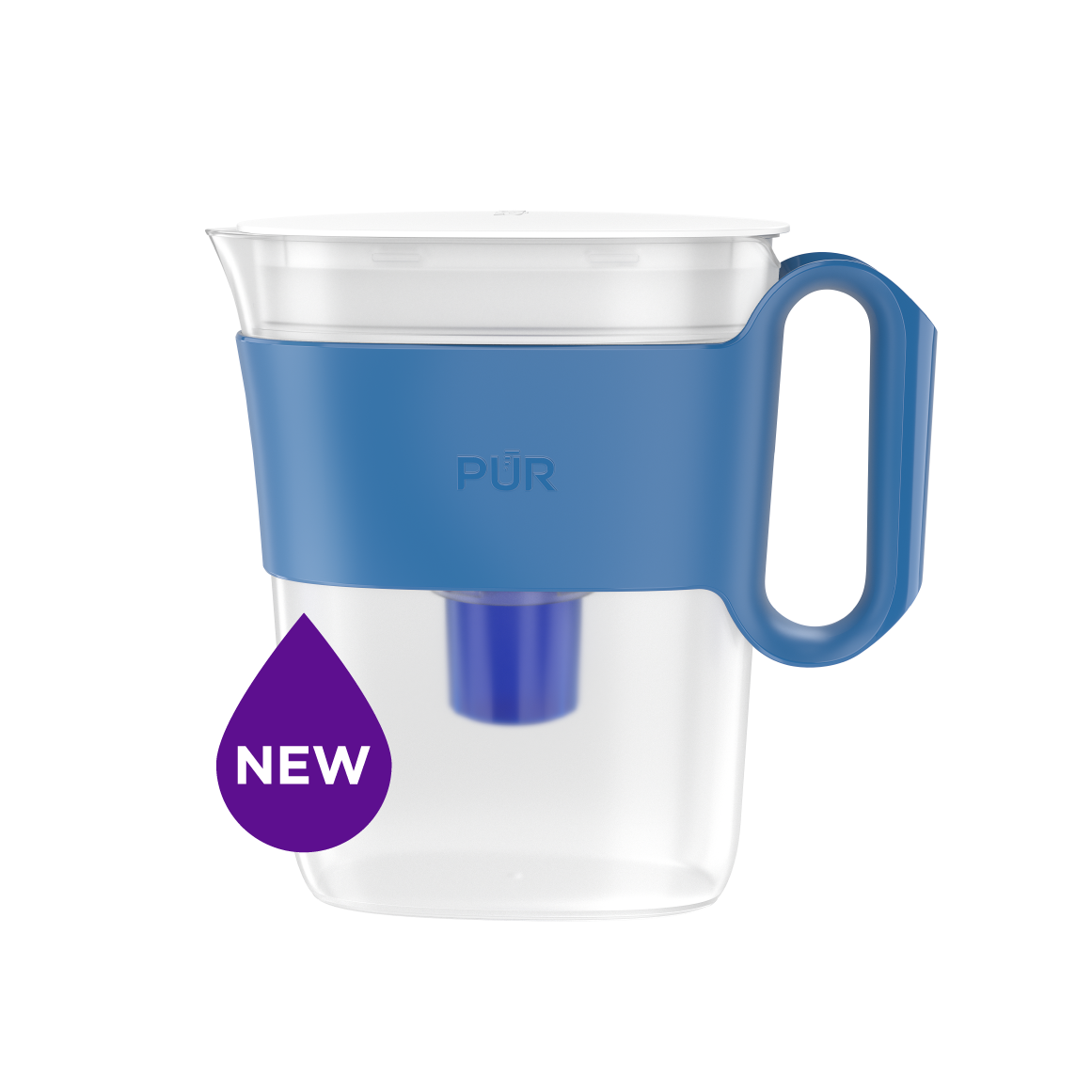
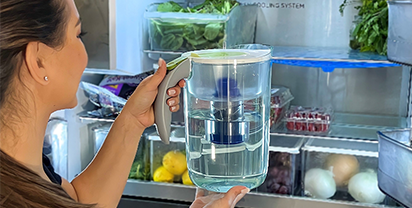
PUR PLUS PITCHER FILTERS
PPF951K

View Filter

PUR BASIC PITCHER FILTERS
PPF900Z

View Filter


Vs. Brita*

Lead ✓ ✓
Microplastics ✓ ✓
Mercury ✓ ✓ ✓
Chlorine Taste & Odor ✓ ✓ ✓
DEET ✓
TTHM ✓

PUR’s Filtration Systems Are Certified By NSF And WQA For Their Contamination Reduction. WQA certifications as of 5/27/21 for Faucet filter models RF-3375 and RF-9999.

¹ Certified to reduce 10X more chemical and physical substances than Brita’s® leading pitcher filter.
² Certified to reduce 3X more chemical and physical substances than Brita’s® leading pitcher filter.
³ Certified to reduce 2X more chemical and physical substances than Brita’s® leading pitcher filter.
*Versus best-selling Brita® pitcher filter OB03. Brita® is a trademark of Brita LP.
**Like other leading brands, PUR does not filter microbes. As of 3/1/23 Brita® and ZeroWater® were not certified to filter microbes. Brita® is a trademark of Brita LP. ZeroWater® is a trademark of Zero Technologies, LLC..
 

PUR & PUR PLUS FAUCET FILTERS


PUR & PUR PLUS FAUCET FILTERS
RF3375/RF9999

View Filters


Vs. Brita*

Lead ✓
Microplastics ✓
Mercury ✓
Chlorine Taste & Odor ✓
DEET ✓
TTHM ✓

PUR’s Filtration Systems Are Certified By NSF And WQA For Their Contamination Reduction. WQA certifications as of 5/27/21 for Faucet filter models RF-3375 and RF-9999.

¹ Certified to reduce 10X more chemical and physical substances than Brita’s® leading pitcher filter.
² Certified to reduce 3X more chemical and physical substances than Brita’s® leading pitcher filter.
³ Certified to reduce 2X more chemical and physical substances than Brita’s® leading pitcher filter.
*Versus best-selling Brita® pitcher filter OB03. Brita® is a trademark of Brita LP.
**Like other leading brands, PUR does not filter microbes. As of 3/1/23 Brita® and ZeroWater® were not certified to filter microbes. Brita® is a trademark of Brita LP. ZeroWater® is a trademark of Zero Technologies, LLC..

 

PUR PLUS PITCHER FILTERS


PUR PLUS PITCHER FILTERS
PPF951K

View Filter


Vs. Brita*

Lead ✓
Microplastics ✓
Mercury ✓
Chlorine Taste & Odor ✓
DEET
TTHM

PUR’s Filtration Systems Are Certified By NSF And WQA For Their Contamination Reduction. WQA certifications as of 5/27/21 for Faucet filter models RF-3375 and RF-9999.

¹ Certified to reduce 10X more chemical and physical substances than Brita’s® leading pitcher filter.
² Certified to reduce 3X more chemical and physical substances than Brita’s® leading pitcher filter.
³ Certified to reduce 2X more chemical and physical substances than Brita’s® leading pitcher filter.
*Versus best-selling Brita® pitcher filter OB03. Brita® is a trademark of Brita LP.
**Like other leading brands, PUR does not filter microbes. As of 3/1/23 Brita® and ZeroWater® were not certified to filter microbes. Brita® is a trademark of Brita LP. ZeroWater® is a trademark of Zero Technologies, LLC..
 

PUR BASIC PITCHER FILTERS


PUR BASIC PITCHER FILTERS
PPF900Z

View Filter


Vs. Brita*

Lead
Microplastics
Mercury ✓
Chlorine Taste & Odor ✓
DEET
TTHM

PUR’s Filtration Systems Are Certified By NSF And WQA For Their Contamination Reduction. WQA certifications as of 5/27/21 for Faucet filter models RF-3375 and RF-9999.

¹ Certified to reduce 10X more chemical and physical substances than Brita’s® leading pitcher filter.
² Certified to reduce 3X more chemical and physical substances than Brita’s® leading pitcher filter.
³ Certified to reduce 2X more chemical and physical substances than Brita’s® leading pitcher filter.
*Versus best-selling Brita® pitcher filter OB03. Brita® is a trademark of Brita LP.
**Like other leading brands, PUR does not filter microbes. As of 3/1/23 Brita® and ZeroWater® were not certified to filter microbes. Brita® is a trademark of Brita LP. ZeroWater® is a trademark of Zero Technologies, LLC..
 

10 Water Filtration Tips for Global Buyers

Buying water filtration equipment across borders is not a simple catalog exercise. Water sources differ sharply. A clear sample may still contain dissolved metals, microbes, pesticides, or excessive salts. Climate, maintenance skills, electricity, and replacement supply also shape the final result.

Dr. Peter Gleick, co-founder of the Pacific Institute, has said, “Access to water is a basic human right.” That principle gives water filtration a practical purpose beyond equipment sales. Global buyers should begin with laboratory testing, not attractive product photos. Test the source water, intended flow rate, daily volume, and target contaminants. Then compare technologies, including sediment filters, activated carbon, ultrafiltration, reverse osmosis, and ultraviolet treatment. Each option has limits. Reverse osmosis can reduce many dissolved contaminants, but it may waste water and require pressure. Ultraviolet systems can inactivate microorganisms, but they do not remove sediment.

Look closely at independent certifications, test methods, warranty terms, and local compliance requirements. Ask who will replace cartridges in twelve months. Ask what happens during a power outage. Small details matter. A filter installed in a remote clinic may need simple tools and locally available parts. A hotel system may prioritize flow, monitoring, and predictable service intervals. Total cost matters more than the purchase price.

No guide can remove every uncertainty. Product labels can confuse. Even experienced buyers may overlook disposal, training, or seasonal water changes. Recheck assumptions before signing. Reliable water filtration is not only about cleaner water; it is about verified performance, responsible maintenance, and decisions that remain practical after installation.

10 Water Filtration Tips for Global Buyers

Assess Water Risks: 2.2 Billion People Lack Safely Managed Drinking Water

10 Water Filtration Tips for Global Buyers

Assess Water Risks: 2.2 Billion People Lack Safely Managed Drinking Water

Around 2.2 billion people still lack safely managed drinking water, according to WHO and UNICEF monitoring. This figure should change how buyers evaluate filtration equipment. Water risks differ sharply between regions. A clear glass may still contain bacteria, heavy metals, or agricultural chemicals. Flooding can also change water quality within hours.

Tip 1: Test before selecting. Request recent laboratory results for microbial contamination, turbidity, arsenic, fluoride, and lead. Do not rely on taste or appearance. Check seasonal changes, too. A dry-season sample may hide flood-season problems. This is often missed.

Tip 2: Match treatment to the source. Surface water usually needs stronger microbial control and sediment removal. Groundwater may require chemical treatment instead. Ask for performance data under realistic flow rates. Confirm replacement intervals, cleaning requirements, and safe disposal procedures. A filter that works in a laboratory may perform poorly in a crowded clinic or a remote household.

Buyers should also examine certification, local service capacity, and user training. Independent verification matters more than impressive claims. Keep records of installation, maintenance, and test results. Even good equipment can fail when cartridges are unavailable or instructions are unclear. Budget for these weaknesses honestly. Perfect planning is unlikely, but transparent risk assessment prevents avoidable harm.

Match Contaminants to WHO Guideline Values and Suitable Filter Media

Global buyers should match each contaminant with a verified treatment process. In 2022, 2.2 billion people lacked safely managed drinking water, according to the WHO/UNICEF Joint Monitoring Programme 2023 report. Test the source before selecting equipment. WHO guidance lists values of 0.01 mg/L for arsenic, 1.5 mg/L for fluoride, 50 mg/L for nitrate, and 0.01 mg/L for lead. These figures guide design, not marketing claims. No filter solves every contaminant.

Tip one: Use sediment filtration for sand, rust, and visible particles. Tip two: Choose activated carbon for chlorine, odors, and many organic chemicals. Tip three: Consider ion exchange for hardness, nitrate, or selected metals. Tip four: Use reverse osmosis when dissolved salts, arsenic, or fluoride require stronger reduction. Tip five: Add ultraviolet treatment only when microbial control is needed, and protect the treated water afterward.

Tip six: Request independent test data under realistic flow rates. Tip seven: Check contact time, pressure, temperature, and cartridge capacity. Tip eight: Measure treated water, not only incoming water. Tip nine: Plan replacement intervals using local water quality and household demand. Tip ten: Verify lead-safe materials throughout tanks, pipes, and fittings. Small details matter. I have seen low-cost systems appear effective while bypassing maintenance controls. That weakness deserves honest review. Confirm results against the WHO Guidelines for Drinking-water Quality, fourth edition with addenda, 2022.

10 Water Filtration Tips for Global Buyers - Match Contaminants to WHO Guideline Values and Suitable Filter Media

No. Contaminant or Water Issue WHO Guideline Value or Reference Suitable Filter Media or Process Buyer Selection Tip Important Limitation
1 Microbial pathogens
Bacteria, viruses and protozoa
Escherichia coli: not detectable in any 100 mL sample Ultrafiltration, validated absolute ceramic filtration, microfiltration for selected organisms, followed by UV or chlorination where appropriate Request a validated log-removal or inactivation claim and confirm the pore size, flow rate and integrity-testing method. Conventional sediment or activated-carbon filters alone should not be treated as reliable disinfection barriers.
2 Turbidity
Suspended particles and cloudiness
Less than 1 NTU is a recommended operational target before disinfection; turbidity should not exceed 5 NTU in treated water where practicable. Multimedia filtration, sand, anthracite, depth cartridges, ceramic membranes or ultrafiltration Select pretreatment according to the inlet turbidity and peak flow, not only the average laboratory result. High turbidity can shield microorganisms and rapidly clog membranes or cartridges.
3 Arsenic
Arsenite and arsenate
0.010 mg/L (10 µg/L), provisional WHO guideline value Iron-based adsorption media, activated alumina, coagulation–filtration, ion exchange or reverse osmosis Test arsenic species, pH, phosphate, iron and competing ions before sizing the media bed. Arsenite is generally more difficult to remove than arsenate; oxidation may be needed before adsorption.
4 Fluoride 1.5 mg/L Activated alumina, bone char, anion exchange or reverse osmosis Compare capacity at the actual pH and alkalinity of the source water and specify a replacement or regeneration schedule. Performance is strongly affected by pH and competing anions; spent media must be managed safely.
5 Nitrate
Measured as nitrate ion, NO3−
50 mg/L as nitrate Nitrate-selective anion exchange, reverse osmosis or biological denitrification Check sulfate and chloride levels because they compete for anion-exchange capacity; provide nitrate breakthrough monitoring. Standard activated carbon and ordinary sediment filters generally do not remove nitrate.
6 Lead 0.010 mg/L (10 µg/L), provisional WHO guideline value Reverse osmosis, lead-selective ion exchange or specifically designed adsorption media Test first-draw and flushed samples, and verify performance at the actual pH, hardness and alkalinity. Lead may originate from plumbing after treatment; filter replacement and certified performance testing are essential.
7 Manganese 0.08 mg/L, provisional WHO guideline value Oxidation followed by manganese dioxide-coated media, catalytic filtration or biological filtration Specify the oxidation method, pH range, contact time and backwash water requirements. Dissolved manganese may pass through ordinary sand or sediment filters without oxidation and adequate contact time.
8 Iron WHO has no health-based guideline value; about 0.3 mg/L is commonly used as an operational or acceptability reference. Aeration or oxidation followed by sand, multimedia or catalytic filtration; iron-removal media for specific water chemistry Measure both dissolved and total iron, together with manganese, pH, alkalinity and hydrogen sulfide. Iron can stain plumbing and create taste or color problems; treatment selection depends heavily on its chemical form.
9 Free chlorine
Disinfectant residual
5 mg/L maximum WHO guideline value; operational residuals are normally much lower and depend on the distribution system. Granular activated carbon or catalytic carbon for dechlorination; do not remove the residual before a system that relies on it for protection. Decide whether the treatment point is before or after disinfection and specify the required residual at the outlet. Carbon removes chlorine but can support bacterial growth if poorly maintained or operated without downstream protection.
10 Hardness and dissolved solids
Calcium, magnesium and total dissolved solids
WHO does not set a health-based guideline value for total hardness or TDS; acceptability depends on taste, scaling and local water-use requirements. Cation-exchange softening for hardness; reverse osmosis or nanofiltration for broader dissolved-solids reduction Use water analysis to compare hardness, alkalinity, silica, sulfate and TDS before choosing softening or membrane treatment. Softening does not remove most dissolved contaminants; reverse osmosis produces reject water and needs suitable pretreatment.
Purchasing note: WHO guideline values are health-based or operational references for drinking water and may be adopted differently by national regulations. Always verify the source-water analysis, treatment claims, flow rate, maintenance requirements, waste handling and local legal limits before procurement.
Reference basis: World Health Organization, Guidelines for Drinking-water Quality, 4th edition incorporating the first and second addenda, 2022.

Verify Claims Through NSF/ANSI 42, 53, 58, and 401 Standards

10 Water Filtration Tips for Global Buyers

Water claims need evidence, not attractive packaging. The WHO and UNICEF Joint Monitoring Programme reported that 2.2 billion people lacked safely managed drinking water in 2022. Local supply quality can also change seasonally. Buyers should match each claim with the correct NSF/ANSI standard and contaminant test. NSF/ANSI 42 addresses aesthetic effects, such as chlorine, taste, and odor. NSF/ANSI 53 focuses on specific health-related contaminants. NSF/ANSI 58 applies to reverse osmosis systems. NSF/ANSI 401 covers selected emerging contaminants.

Tip: Request the complete performance data sheet. Check the exact model number, tested contaminant, reduction percentage, capacity, and replacement interval. A certificate for one claim does not validate every claim. Confirm the certification through an independent certification directory, not only a supplier brochure. Also inspect operating pressure and water temperature requirements. Small details matter.

The U.S. Environmental Protection Agency’s Consumer Confidence Report guidance shows why source-water information should support purchasing decisions. A filter designed for municipal water may perform differently with a private well. Ask for recent laboratory results when possible. Beware of phrases like “tested to” or “meets standards.” They may describe testing, not certification. I have seen procurement teams miss this distinction. It is easy to miss. Buyers should also calculate lifetime costs, including cartridges, rejected water, installation, and disposal. Certification reduces uncertainty, but it does not replace site-specific testing or careful maintenance.

Compare Flow Rates, Micron Ratings, and Capacity in Liters

10 Water Filtration Tips for Global Buyers

Tip: Compare flow rates under real operating pressure, not only advertised maximums. A filter rated at 10 liters per minute may deliver less with low pressure or cloudy water. For a small household, 2–5 liters per minute can be practical. Busy kitchens may need 8 liters or more. Test the outlet with a measuring jug. This simple check often reveals a disappointing difference.

Tip: Micron ratings describe particle size, but they do not tell the whole story. A 5-micron filter can reduce visible sediment, while a 0.5-micron model captures much finer particles. Buyers should confirm whether the rating is nominal or absolute. The distinction matters. I have seen specifications that looked impressive but lacked testing details. Ask for independent performance data and the test conditions used.

Tip: Calculate capacity in liters before choosing replacement intervals. A cartridge rated for 6,000 liters may last months in one home but weeks in another. Cooking, drinking, and daily cleaning can quickly increase usage. Record weekly consumption for a month. It is not perfectly precise. Still, it creates a useful baseline. Also check local water quality, temperature, and sediment levels, because these factors can reduce actual capacity. A filter with a high flow rate may fill containers quickly, yet require earlier replacement when heavily loaded. Procurement teams should compare cost per filtered liter, replacement access, and installation requirements across each target market.

Calculate Maintenance and Total Cost per 1,000 Liters Across Markets

Water Filtration Tips for Global Buyers

A low purchase price can hide expensive maintenance. Global buyers should calculate total cost per 1,000 liters before comparing systems.

Use this formula: equipment cost, filters, labor, energy, water loss, and disposal costs, divided by treated volume, then multiplied by 1,000.

In a site review, a unit processing 100,000 liters monthly used 12% for backwashing. That reduced saleable output and increased the real treatment cost.

Check local water quality first. The WHO and UNICEF Joint Monitoring Programme reported that 2.2 billion people lacked safely managed drinking water in 2022.

Conditions vary sharply between markets. Sediment may dominate in one location, while hardness, salinity, or microbial risks drive costs elsewhere.

A filter rated for 100,000 liters may perform differently with muddy source water. Laboratory capacity matters, too.

Keep a maintenance log.

Record pressure, flow, replacement dates, and rejected water.

For example, a system costing 1,800 dollars annually and producing 600,000 usable liters costs 3 dollars per 1,000 liters before labor.

Add labor and downtime. The number changes quickly. Energy tariffs also vary, so avoid copying a supplier’s factory estimate.

The International Energy Agency reports major differences in electricity prices across regions, affecting pumping and treatment costs.

One weakness remains: buyers often estimate filter life from ideal water. That assumption deserves testing.