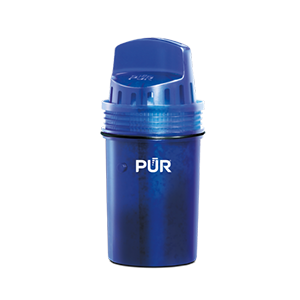
Contaminant Comparison Chart

For a complete list of contaminants that PUR filters reduce, please view our Performance Data Sheets here.


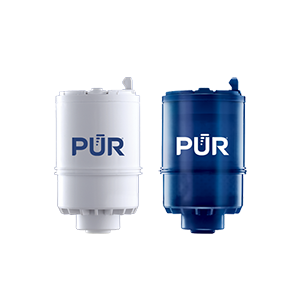
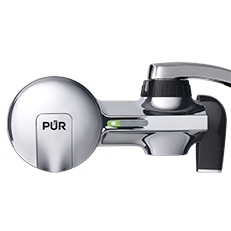
PUR & PUR PLUS FAUCET FILTERS
RF3375/RF9999

View Filters

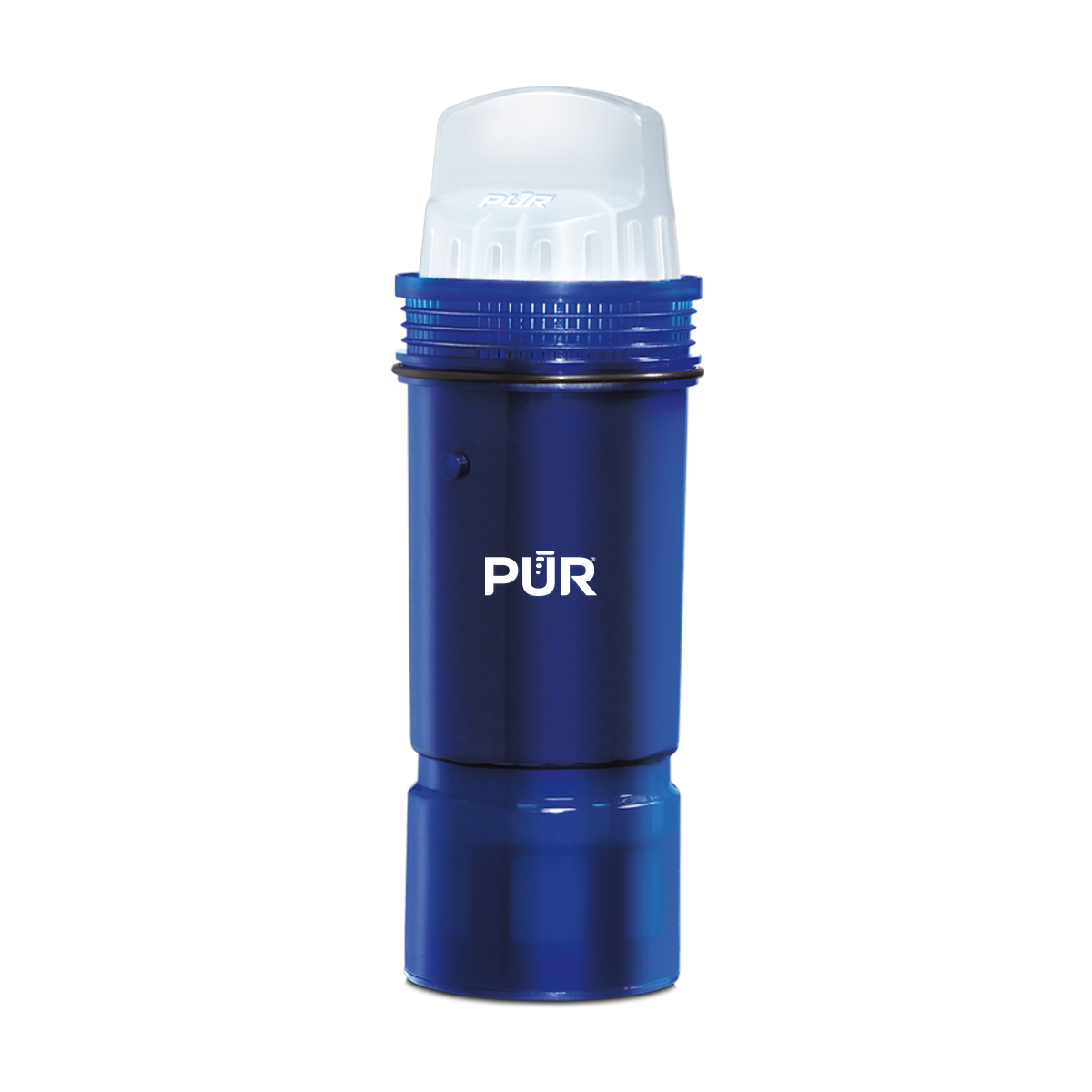
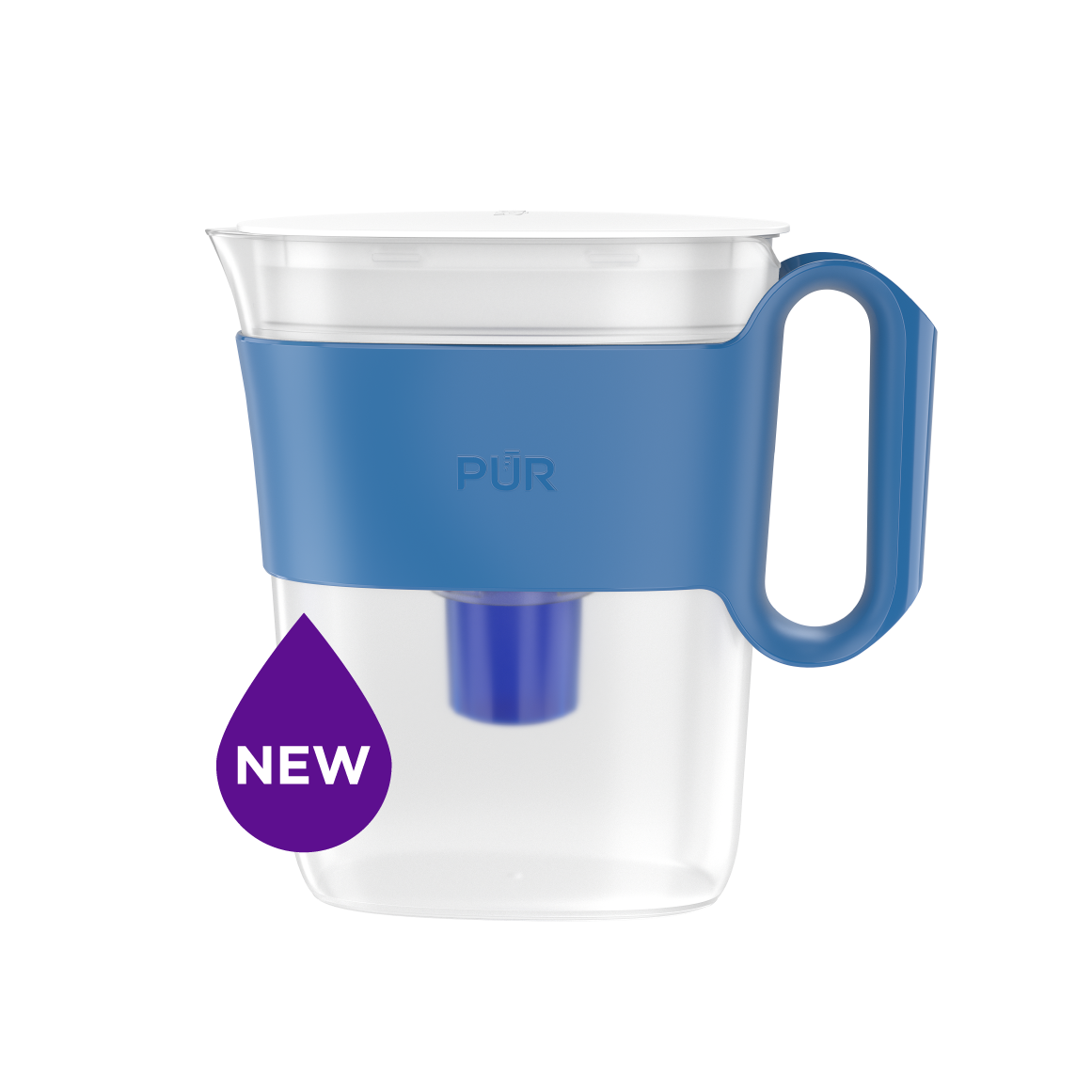
PUR PLUS PITCHER FILTERS
PPF951K

View Filter

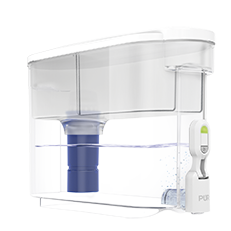
PUR BASIC PITCHER FILTERS
PPF900Z

View Filter


Vs. Brita*

Lead ✓ ✓
Microplastics ✓ ✓
Mercury ✓ ✓ ✓
Chlorine Taste & Odor ✓ ✓ ✓
DEET ✓
TTHM ✓

PUR’s Filtration Systems Are Certified By NSF And WQA For Their Contamination Reduction. WQA certifications as of 5/27/21 for Faucet filter models RF-3375 and RF-9999.

¹ Certified to reduce 10X more chemical and physical substances than Brita’s® leading pitcher filter.
² Certified to reduce 3X more chemical and physical substances than Brita’s® leading pitcher filter.
³ Certified to reduce 2X more chemical and physical substances than Brita’s® leading pitcher filter.
*Versus best-selling Brita® pitcher filter OB03. Brita® is a trademark of Brita LP.
**Like other leading brands, PUR does not filter microbes. As of 3/1/23 Brita® and ZeroWater® were not certified to filter microbes. Brita® is a trademark of Brita LP. ZeroWater® is a trademark of Zero Technologies, LLC..
 

PUR & PUR PLUS FAUCET FILTERS


PUR & PUR PLUS FAUCET FILTERS
RF3375/RF9999

View Filters


Vs. Brita*

Lead ✓
Microplastics ✓
Mercury ✓
Chlorine Taste & Odor ✓
DEET ✓
TTHM ✓

PUR’s Filtration Systems Are Certified By NSF And WQA For Their Contamination Reduction. WQA certifications as of 5/27/21 for Faucet filter models RF-3375 and RF-9999.

¹ Certified to reduce 10X more chemical and physical substances than Brita’s® leading pitcher filter.
² Certified to reduce 3X more chemical and physical substances than Brita’s® leading pitcher filter.
³ Certified to reduce 2X more chemical and physical substances than Brita’s® leading pitcher filter.
*Versus best-selling Brita® pitcher filter OB03. Brita® is a trademark of Brita LP.
**Like other leading brands, PUR does not filter microbes. As of 3/1/23 Brita® and ZeroWater® were not certified to filter microbes. Brita® is a trademark of Brita LP. ZeroWater® is a trademark of Zero Technologies, LLC..
 

PUR PLUS PITCHER FILTERS


PUR PLUS PITCHER FILTERS
PPF951K

View Filter


Vs. Brita*

Lead ✓
Microplastics ✓
Mercury ✓
Chlorine Taste & Odor ✓
DEET
TTHM

PUR’s Filtration Systems Are Certified By NSF And WQA For Their Contamination Reduction. WQA certifications as of 5/27/21 for Faucet filter models RF-3375 and RF-9999.

¹ Certified to reduce 10X more chemical and physical substances than Brita’s® leading pitcher filter.
² Certified to reduce 3X more chemical and physical substances than Brita’s® leading pitcher filter.
³ Certified to reduce 2X more chemical and physical substances than Brita’s® leading pitcher filter.
*Versus best-selling Brita® pitcher filter OB03. Brita® is a trademark of Brita LP.
**Like other leading brands, PUR does not filter microbes. As of 3/1/23 Brita® and ZeroWater® were not certified to filter microbes. Brita® is a trademark of Brita LP. ZeroWater® is a trademark of Zero Technologies, LLC..
 

PUR BASIC PITCHER FILTERS


PUR BASIC PITCHER FILTERS
PPF900Z

View Filter


Vs. Brita*

Lead
Microplastics
Mercury ✓
Chlorine Taste & Odor ✓
DEET
TTHM

PUR’s Filtration Systems Are Certified By NSF And WQA For Their Contamination Reduction. WQA certifications as of 5/27/21 for Faucet filter models RF-3375 and RF-9999.

¹ Certified to reduce 10X more chemical and physical substances than Brita’s® leading pitcher filter.
² Certified to reduce 3X more chemical and physical substances than Brita’s® leading pitcher filter.
³ Certified to reduce 2X more chemical and physical substances than Brita’s® leading pitcher filter.
*Versus best-selling Brita® pitcher filter OB03. Brita® is a trademark of Brita LP.
**Like other leading brands, PUR does not filter microbes. As of 3/1/23 Brita® and ZeroWater® were not certified to filter microbes. Brita® is a trademark of Brita LP. ZeroWater® is a trademark of Zero Technologies, LLC..
 

Top Water Purifier for Sink Which One Is Best?

Choosing the best water purifier for sink depends less on a glossy label and more on your water, your household, and your daily habits. A compact unit may fit neatly beside a faucet, while another needs space beneath the basin and a separate tap. Check your cabinet clearance, filter replacement cost, and expected flow before comparing features. Small details matter. A slow stream can frustrate a busy morning.

Purdue water-quality researcher Dr. Andrew Whelton’s work supports a practical principle: choose treatment for a specific, verified water concern, not a broad marketing promise. Start with a local water-quality report or suitable testing, then check whether a purifier’s independently certified claims address the contaminants you care about. Certifications and performance vary by model. Read the exact product listing, not just the brand name. The right answer is not always obvious, and a filter cannot solve every water problem. That is worth remembering.

This guide compares common sink-mounted and under-sink options by filtration claims, installation needs, upkeep, and everyday usability. You will see what to check before buying, which trade-offs deserve attention, and how to match a system to your kitchen. No single model suits every home. The best water purifier for sink is the one that fits your tested needs, your space, and the maintenance you will actually keep up with.

Top Water Purifier for Sink Which One Is Best?

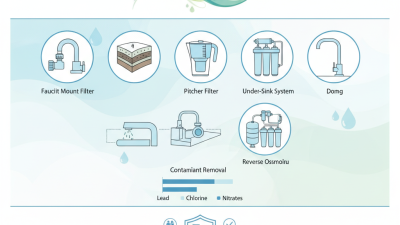
Map Sink-Filter Types: Faucet-Mount, Inline, Under-Sink and RO

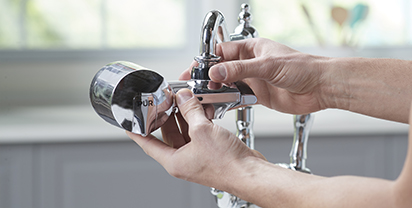
A faucet-mount filter is the simplest option when you want filtered water without opening a cabinet. It attaches near the tap and often switches between filtered and regular water. Check that it fits your faucet; pull-down and unusual faucets may not be compatible. The cartridge is visible, which makes replacement reminders easy. It can also crowd a small sink.

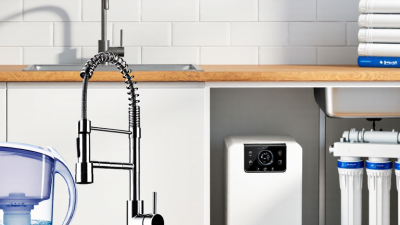
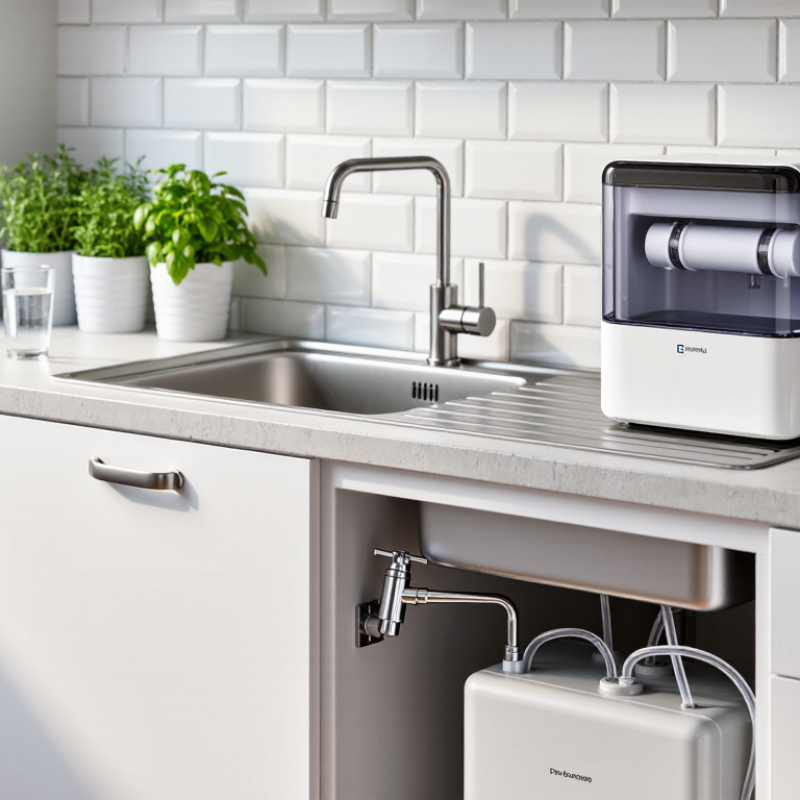
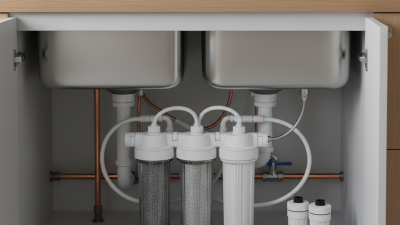
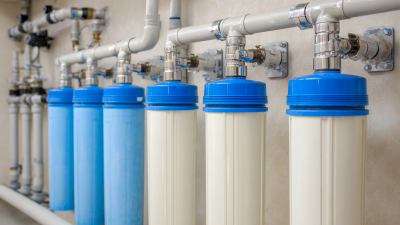
An inline filter sits along the cold-water line, often beneath the sink or near the faucet connection. It keeps the counter clear, but installation depends on the plumbing layout. An under-sink system connects to the cold-water supply and usually dispenses through a separate small faucet. It offers a tidy setup and room for larger cartridges. Measure the cabinet first. A trash bin or cleaning supplies can leave less space than expected.

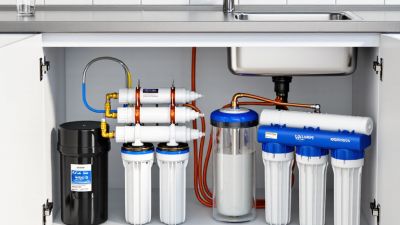
Reverse osmosis, or RO, is a more involved under-sink choice. It pushes water through a membrane and commonly includes several filter stages. Many systems need a storage tank and drain connection; water use and output vary by design. Small trade-off. Before choosing, identify the concern you want to address, such as taste, sediment, or a tested contaminant. Compare independent certification claims with that specific need, and follow the stated replacement schedule. I might be tempted by the most elaborate setup, but extra stages are not automatically a better fit.

Top Water Purifier for Sink: Which Type Is Best?

Compare common installation requirements for faucet-mount, inline, under-sink, and reverse-osmosis (RO) filters.

Faucet-mount filters attach directly to an existing faucet and usually need no drain or power. Inline and under-sink filters connect to the water line; under-sink setups commonly use a separate drinking-water faucet. RO systems typically need a drain connection, while electrical needs vary by model. Values show general setup tendencies, not rules for every product: 1 = typically yes, 0 = typically no, and 0.5 = varies by configuration.

Set the Lead Benchmark: EPA’s Action Level Drops to 10 ppb by 2027

EPA’s 2024 Lead and Copper Rule Improvements lower the lead action level from 15 to 10 parts per billion, with compliance required by November 1, 2027. The level is based on the 90th percentile of sampled tap water, not a guarantee that every home’s water is below 10 ppb. Important distinction. EPA estimates roughly 9 million lead service lines remain nationwide, so older plumbing deserves attention when choosing a sink purifier. The rule sets a utility response benchmark; it does not certify household filters.

For a sink-mounted unit, check for independent certification to NSF/ANSI 53 specifically for lead reduction. Confirm the exact model and replacement cartridge in the certifier’s listing; a general “tested” claim is not the same thing. Check the rated capacity, too. A filter past its replacement interval may not perform as expected. EPA guidance recommends testing tap water when lead is a concern, since plumbing conditions vary from home to home. I would not rely on taste or clarity. Lead has no reliable visual warning, and even a good filter cannot fix a lead pipe upstream. One test helps, but it may not tell the whole story.

Top Water Purifier for Sink: Which One Is Best? — Set the Lead Benchmark: EPA’s Action Level Drops to 10 ppb by 2027
Under-Sink Option Lead-Reduction Evidence to Look For What It Typically Does Advantages Considerations Best Fit
Carbon block or other point-of-use filter Look for certification to NSF/ANSI 53 with an explicit lead-reduction claim for the exact product model. Can reduce lead when the specific filter has been independently certified for that claim. Often a straightforward under-sink option; does not require reverse osmosis. Certification to NSF/ANSI 42 alone covers aesthetic claims such as taste or odor, not lead reduction. Replace cartridges on schedule. Households seeking a dedicated lead-reduction filter with a relatively simple setup.
Reverse osmosis system Look for NSF/ANSI 58 certification and confirm that lead reduction is included in the product’s certified claims. Uses a membrane-based treatment process; performance depends on the complete system and its certified claims. May reduce a range of dissolved substances when the system is designed and certified for those claims. Usually requires more installation space and maintenance than a basic filter; many systems discharge reject water. Households wanting reverse osmosis and willing to manage installation and ongoing maintenance.
Other under-sink treatment systems Check the applicable NSF/ANSI standard and verify a specific, independently certified lead-reduction claim. Capabilities vary by treatment method and by the exact model. May suit particular water-quality needs when supported by certification and test results. Do not assume a technology name, general certification, or marketing statement proves lead reduction. People who have identified a specific water concern and can verify the system’s relevant certified claims.
Practical selection benchmark Check the product’s certification listing, exact model number, lead-reduction claim, and replacement-filter requirements. Choose based on verified performance claims rather than a broad “purifier” label. Helps distinguish lead-reduction claims from claims about taste, odor, or other contaminants. Use and maintain the system according to its instructions; a filter does not replace testing or plumbing repairs where needed. Best overall approach: choose an under-sink system independently certified for lead reduction under the applicable standard.
Regulatory context: EPA’s Lead and Copper Rule Improvements establish a 10 parts-per-billion (ppb) lead action level, with compliance required by November 1, 2027. An action level is a regulatory trigger for required actions; it is not a health-based declaration that lead at or below that level is safe. EPA states that there is no known safe level of lead exposure.
Important: Certification applies to specific products and claims, not automatically to every filter of a given type. Check the current certification directory and product documentation, and consider testing household water to understand its lead level.

Decode NSF/ANSI 42, 53 and 58 Certification Claims

When choosing a top water purifier for a sink, read the certification claim as carefully as the product description. NSF/ANSI 42 covers aesthetic effects, such as chlorine taste, odor, and certain particles. It does not automatically mean a filter removes lead or other health-related contaminants. NSF/ANSI 53 covers specific health-effect reduction claims, but only for contaminants listed for that exact model. The number alone is not enough.

Tips: Check the model’s performance data sheet. Match each contaminant to a tested claim. Verify the listing with the certifying organization.

NSF/ANSI 58 applies to reverse osmosis systems and includes requirements such as total dissolved solids reduction. It may also cover specific contaminant claims, which still need checking individually. Certification applies to a defined product and test criteria, not every possible water concern. A common mistake is treating a standard number like a complete guarantee. Even careful shoppers can overread the label. Look for the exact model, the specific reduction claims, and any notes about testing conditions or cartridge changes. If your water has a known issue, compare the claim with a recent water report or seek qualified local guidance. A tidy label can help, but it cannot tell the whole story.

Compare Verified Reduction Rates, Flow and Cartridge Capacity

Top Water Purifier for Sink: Which One Is Best?

A sink filter is only as useful as its verified claims. Check the exact contaminant named on its certification, not broad phrases such as “removes impurities.” NSF/ANSI 42 covers aesthetic effects like chlorine taste; NSF/ANSI 53 addresses specific health-related contaminants. NSF/ANSI 401 covers certain emerging compounds. Certification applies to tested claims, not every contaminant in a product’s advertising. The CDC also cautions that treatment systems differ in what they remove. Read the listing closely.

Reduction rates need context. A stated 99% reduction means 100 units of a target contaminant would become about one under the test conditions. That sounds impressive, but the incoming water and test method matter. Check the certifier’s listing and the performance sheet for the named contaminant. EPA guidance likewise advises consumers to match a filter to their water-quality concern. If you have a local water report, use it.

Then compare flow and cartridge capacity. A slow stream can make a filter frustrating during a full pot refill; a high flow rate may matter more in a busy kitchen. Capacity is usually stated in gallons or liters, but actual life can change with water quality and use. Keep an eye on the replacement schedule. I would not treat the rated capacity as a promise for every home.

Sources: CDC home water treatment guidance; NSF/ANSI drinking-water treatment standards; U.S. EPA consumer guidance on water filters.

Choose by Contaminant Match, Installation Needs and Annual Cost

A sink purifier is only useful when its certified claims match the water you actually have. Check your local water utility’s Consumer Confidence Report, then compare its listed contaminants with the purifier’s performance sheet. The USGS estimated in a 2023 study that at least one PFAS compound may be present in about 45% of U.S. tap water. That does not mean every home needs a PFAS filter. It does mean vague “cleaner water” claims are not enough. Look for certification to the relevant NSF/ANSI standard and the specific contaminant reduction you need. Check the fine print.

Installation can change the best choice. A faucet-mounted unit is quick to fit, while an under-sink system may need cabinet space, a separate tap, or a plumber. Measure around the drainpipe and keep room for filter changes; I have seen people forget that awkward corner. Compare annual cost, not just the purchase price: add replacement cartridges, estimated filter life, and any installation fee. For example, a low-cost unit with frequent cartridge changes may cost more over a year than a pricier system. Water use and local prices vary, so treat online cost estimates as a starting point, not a promise. A small spreadsheet helps.