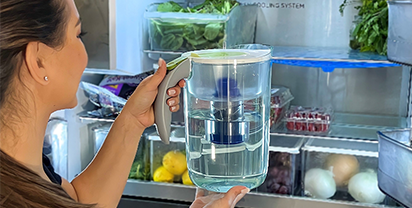
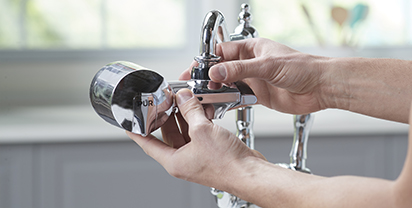
Contaminant Comparison Chart

For a complete list of contaminants that PUR filters reduce, please view our Performance Data Sheets here.


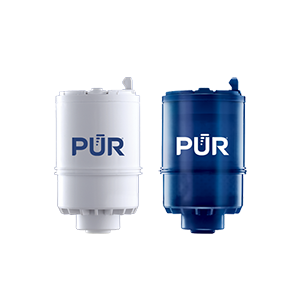
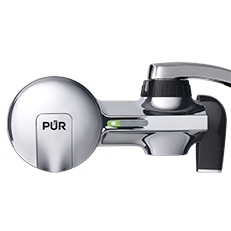
PUR & PUR PLUS FAUCET FILTERS
RF3375/RF9999

View Filters

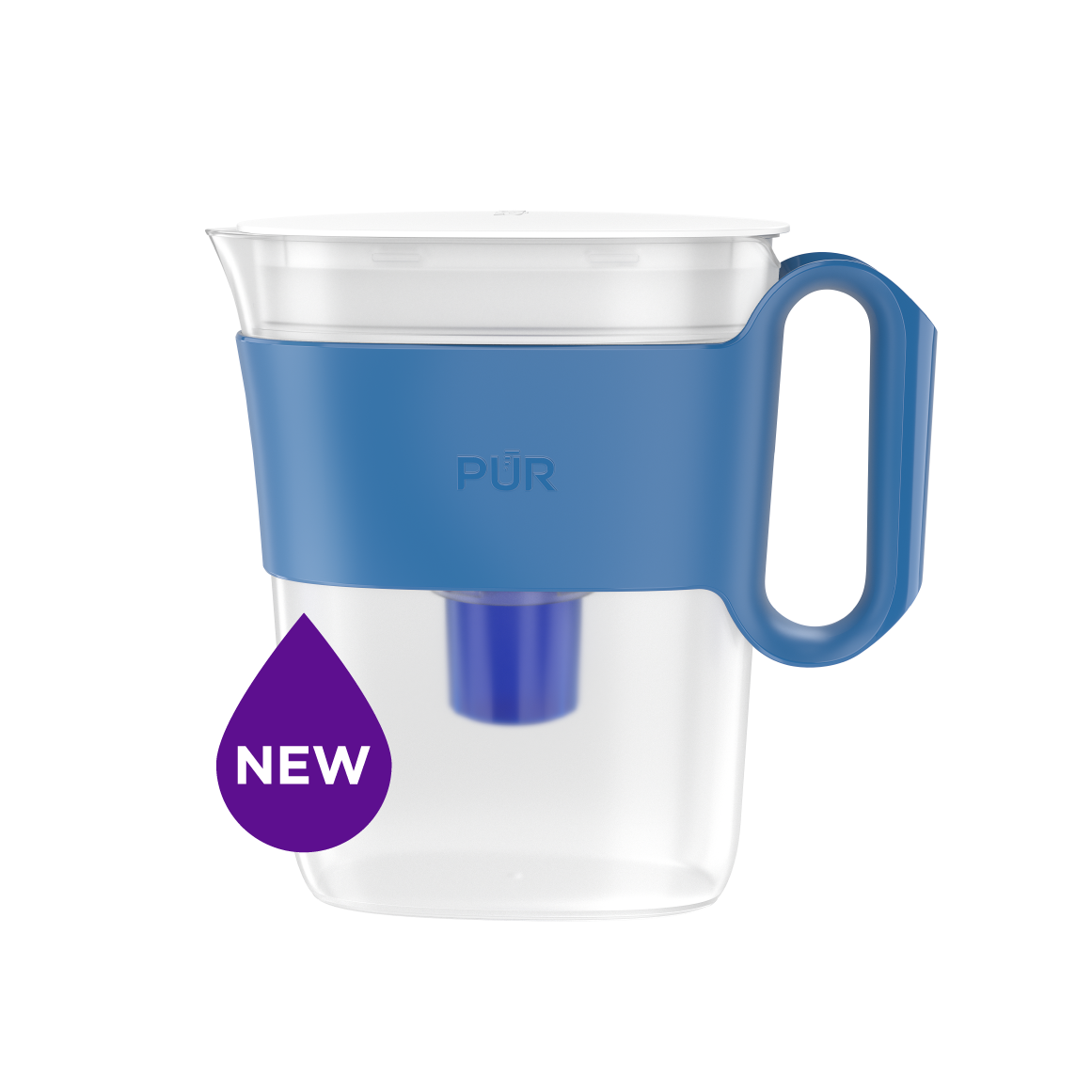
PUR PLUS PITCHER FILTERS
PPF951K

View Filter

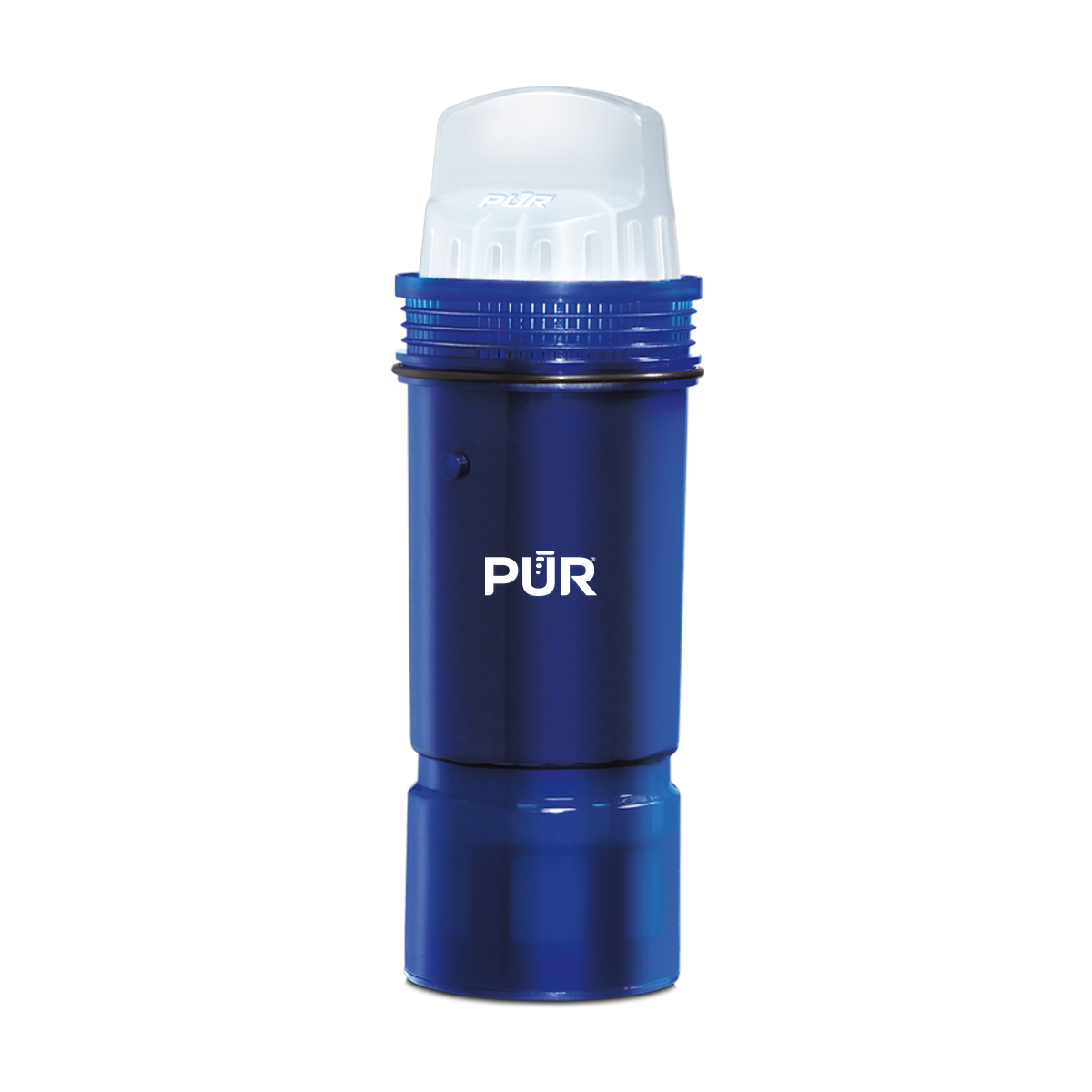
PUR BASIC PITCHER FILTERS
PPF900Z

View Filter


Vs. Brita*

Lead ✓ ✓
Microplastics ✓ ✓
Mercury ✓ ✓ ✓
Chlorine Taste & Odor ✓ ✓ ✓
DEET ✓
TTHM ✓

PUR’s Filtration Systems Are Certified By NSF And WQA For Their Contamination Reduction. WQA certifications as of 5/27/21 for Faucet filter models RF-3375 and RF-9999.

¹ Certified to reduce 10X more chemical and physical substances than Brita’s® leading pitcher filter.
² Certified to reduce 3X more chemical and physical substances than Brita’s® leading pitcher filter.
³ Certified to reduce 2X more chemical and physical substances than Brita’s® leading pitcher filter.
*Versus best-selling Brita® pitcher filter OB03. Brita® is a trademark of Brita LP.
**Like other leading brands, PUR does not filter microbes. As of 3/1/23 Brita® and ZeroWater® were not certified to filter microbes. Brita® is a trademark of Brita LP. ZeroWater® is a trademark of Zero Technologies, LLC..
 

PUR & PUR PLUS FAUCET FILTERS


PUR & PUR PLUS FAUCET FILTERS
RF3375/RF9999

View Filters


Vs. Brita*

Lead ✓
Microplastics ✓
Mercury ✓
Chlorine Taste & Odor ✓
DEET ✓
TTHM ✓

PUR’s Filtration Systems Are Certified By NSF And WQA For Their Contamination Reduction. WQA certifications as of 5/27/21 for Faucet filter models RF-3375 and RF-9999.

¹ Certified to reduce 10X more chemical and physical substances than Brita’s® leading pitcher filter.
² Certified to reduce 3X more chemical and physical substances than Brita’s® leading pitcher filter.
³ Certified to reduce 2X more chemical and physical substances than Brita’s® leading pitcher filter.
*Versus best-selling Brita® pitcher filter OB03. Brita® is a trademark of Brita LP.
**Like other leading brands, PUR does not filter microbes. As of 3/1/23 Brita® and ZeroWater® were not certified to filter microbes. Brita® is a trademark of Brita LP. ZeroWater® is a trademark of Zero Technologies, LLC..
 

PUR PLUS PITCHER FILTERS


PUR PLUS PITCHER FILTERS
PPF951K

View Filter


Vs. Brita*

Lead ✓
Microplastics ✓
Mercury ✓
Chlorine Taste & Odor ✓
DEET
TTHM

PUR’s Filtration Systems Are Certified By NSF And WQA For Their Contamination Reduction. WQA certifications as of 5/27/21 for Faucet filter models RF-3375 and RF-9999.

¹ Certified to reduce 10X more chemical and physical substances than Brita’s® leading pitcher filter.
² Certified to reduce 3X more chemical and physical substances than Brita’s® leading pitcher filter.
³ Certified to reduce 2X more chemical and physical substances than Brita’s® leading pitcher filter.
*Versus best-selling Brita® pitcher filter OB03. Brita® is a trademark of Brita LP.
**Like other leading brands, PUR does not filter microbes. As of 3/1/23 Brita® and ZeroWater® were not certified to filter microbes. Brita® is a trademark of Brita LP. ZeroWater® is a trademark of Zero Technologies, LLC..
 

PUR BASIC PITCHER FILTERS


PUR BASIC PITCHER FILTERS
PPF900Z

View Filter


Vs. Brita*

Lead
Microplastics
Mercury ✓
Chlorine Taste & Odor ✓
DEET
TTHM

PUR’s Filtration Systems Are Certified By NSF And WQA For Their Contamination Reduction. WQA certifications as of 5/27/21 for Faucet filter models RF-3375 and RF-9999.

¹ Certified to reduce 10X more chemical and physical substances than Brita’s® leading pitcher filter.
² Certified to reduce 3X more chemical and physical substances than Brita’s® leading pitcher filter.
³ Certified to reduce 2X more chemical and physical substances than Brita’s® leading pitcher filter.
*Versus best-selling Brita® pitcher filter OB03. Brita® is a trademark of Brita LP.
**Like other leading brands, PUR does not filter microbes. As of 3/1/23 Brita® and ZeroWater® were not certified to filter microbes. Brita® is a trademark of Brita LP. ZeroWater® is a trademark of Zero Technologies, LLC..
 

2026 Best Water Filter System for Home and Business?

Choosing the 2026 best water filter system for home and business starts with a simple question: what is in your water? A clear glass can still contain contaminants you cannot see, smell, or taste. Start with a recent water-quality report or a suitable laboratory test. Then compare the results with each system’s independently verified reduction claims. Dr. Peter Gleick, a water scientist and president emeritus of the Pacific Institute, has described water as “a basic human need, and a fundamental human right.” That principle makes safe, dependable access more important than a flashy product label.

The right system depends on the building, its plumbing, and daily demand. A family may prefer an under-sink filter that fills a kettle quickly and fits inside a crowded cabinet. A café may need higher flow, easier cartridge changes, and clear maintenance records. Reverse osmosis, activated carbon, and whole-house filtration serve different purposes; none is a universal fix. Look for certifications that match the specific contaminant you want reduced, and check replacement costs before buying. Installation space matters, too. So does pressure.

There is no perfect shortlist. Product data can be confusing, and a certified filter still needs timely maintenance. This guide compares practical options for homes and businesses, including performance, upkeep, and ownership costs. It also points out where evidence is thin. A little skepticism helps. The best water filter system is not automatically the most expensive one; it is the system whose verified capabilities fit your water and your routine.

2026 Best Water Filter System for Home and Business?

How Water Filtration Systems Work in Homes and Businesses

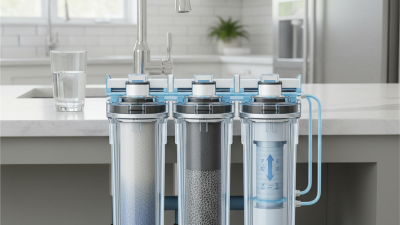
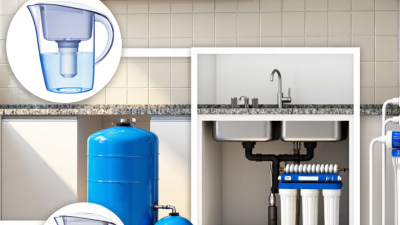
Water filtration systems improve water by directing it through materials that capture or reduce specific contaminants. A typical home unit may use a sediment screen to trap grit, followed by activated carbon to reduce chlorine taste and odor. Some systems add a membrane that reduces dissolved substances. Others use ultraviolet light to inactivate certain microorganisms. Each stage has a different job. No single setup removes everything.

Homes and businesses have different demands. A kitchen tap may need modest flow, while a café or office may draw water continuously. System size, water pressure, plumbing, and maintenance all matter. A recent water test helps identify what needs treatment; clear water can still contain unwanted substances. Check performance claims against independent certification for the contaminants of concern. That detail matters.

The part people often underestimate is upkeep. Filters can clog, and exhausted cartridges may perform poorly. Keep a replacement schedule, note changes in taste or flow, and follow the manufacturer’s service instructions. Not every system fits every building. A small unit may struggle during a busy lunch rush, while a larger setup may waste space or water. Choosing well takes more than comparing filter stages. Even careful planning has limits.

Which Water Contaminants Should a Filter Remove?

A filter should match the contaminants in your water, not a long list on a product label. The World Health Organization’s 2023 drinking-water fact sheet estimates that 2 billion people use water contaminated with feces. For wells or boil-water advisories, microbial protection matters. Carbon filters can improve chlorine taste, but ordinary carbon is not a dependable barrier against every germ.

Check for dissolved contaminants too. The U.S. Environmental Protection Agency’s 2024 PFAS rule sets limits for six PFAS in public drinking water. Lead, arsenic, and nitrate may also require targeted treatment, depending on local pipes and water sources. A clear glass proves little. Testing provides a better starting point.

Look for independent certification that names the contaminant and reduction claim. NSF/ANSI 53 covers certain health-related contaminants; NSF/ANSI 58 covers reverse-osmosis systems. Neither number means a unit removes everything. A lab report can help a household or business choose between carbon, reverse osmosis, or ultraviolet treatment. Honestly, this step is easy to skip—and that can mean buying the wrong filter. Retest after installation, and follow cartridge replacement instructions; neglected filters can perform poorly.

How to Compare Filter Types, Capacity, and Certification

Choosing a water filter starts with the water you actually use. A carbon filter can improve chlorine taste and odor, while sediment filtration helps catch visible particles such as rust. Reverse osmosis can reduce more dissolved substances, but it may use more water and need extra maintenance. No filter removes every contaminant. A recent water test makes the choice more practical than guessing from taste alone.

Capacity matters at the busiest hour, not just on the product label. Estimate daily use, peak flow, and how many taps may run together. A small household may manage with a compact unit; a café or office may need faster flow and larger treatment capacity.

Check replacement intervals and cartridge costs, too. Certifications can help, but read the exact standard and reduction claim. Certification for one contaminant does not prove removal of all others. Verify that the specific model—not just the filter material—is listed.

Tips: Compare tested claims with your water report. Check the fine print. I would leave room for uncertainty: actual performance can vary with water quality, pressure, and timely maintenance.

Choosing a System for Household or Commercial Water Use

2026 Best Water Filter System for Home and Business?
Choosing a System for Household or Commercial Water Use

A suitable system starts with the water, not the product label. Test the incoming supply and identify the contaminants that matter. A 2023 USGS study estimated that at least one PFAS may occur in tap water serving about 45% of the US population. That estimate is a prompt to test, not proof of a problem in every building. Match the system’s certified claims to your test results. NSF/ANSI 53 and 58 cover different treatment capabilities, so check the certification listing carefully.

Households often need compact equipment, manageable cartridge changes, and enough flow for daily use. A café, clinic, or office may need higher peak flow, more storage, and a clear maintenance schedule. Ask for rated capacity, pressure limits, replacement intervals, and performance data for your water conditions. The WHO/UNICEF Joint Monitoring Programme reported that 2.2 billion people lacked safely managed drinking-water services in 2022. Source conditions vary widely. Bigger is not always better; an oversized system may waste water or be neglected without an assigned maintainer.

Tips: Compare a recent lab test with certified treatment claims. Measure busiest-hour demand, not average use. Keep a visible filter-change log. Re-test after installation; it is easy to overlook.

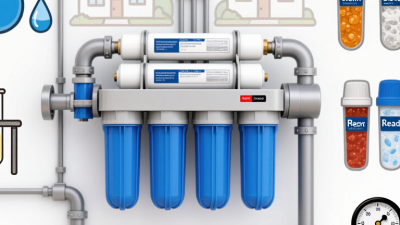
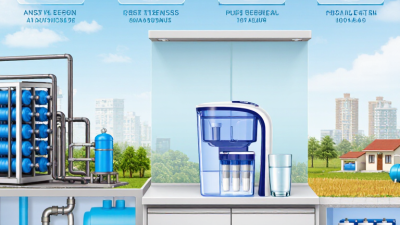
Choosing a system: Household and commercial systems use the same core treatment technologies, but differ in required flow rate, daily capacity, and maintenance needs. Match the treatment method to a water test and the contaminants you need to reduce.

Typical membrane pore-size ranges are shown for microfiltration, ultrafiltration, and nanofiltration. Actual performance varies by system and operating conditions; pore size alone does not confirm contaminant removal. Reverse osmosis is omitted because it is not generally described by a simple, uniform pore-size range.

Installation, Maintenance, and Long-Term Operating Costs

A reliable water filter system starts with a clear picture of the water and the building. Test the incoming water before comparing equipment. The results help determine which contaminants need attention and whether treatment is needed at every tap or only at a drinking-water point. A high-capacity system may sound reassuring, but it can add unnecessary expense if the actual demand is modest.

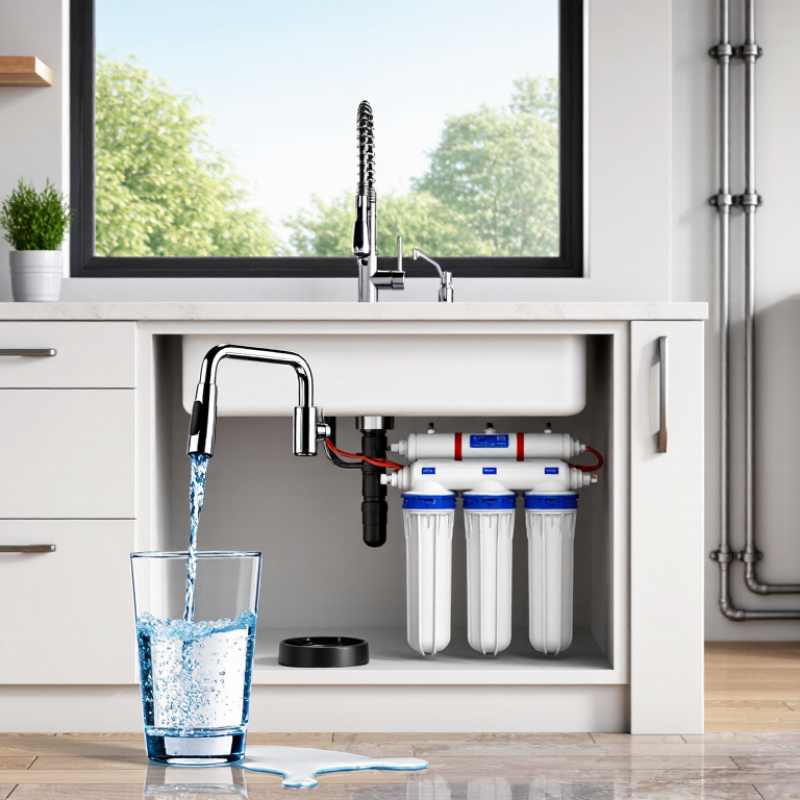
Installation costs depend on pipe access, available space, water pressure, and whether a drain or power connection is required. Measure the area under the sink or beside the main line, and check that replacement cartridges can be reached without moving stored items. Older plumbing can complicate the job. Small leaks matter. A qualified installer can verify connections and pressure, though the visit adds to the initial cost.

Maintenance is part of the real price. Record cartridge changes, service visits, and any changes in taste or flow. Keep a log. Compare the system’s purchase and installation costs with filters, labor, water use, and possible wastewater over several years. Some systems need more frequent servicing in sediment-heavy water. It is tempting to trust the advertised service interval, but actual conditions may differ. A simple cost spreadsheet can make that difference visible before you buy.