Contaminant Comparison Chart

For a complete list of contaminants that PUR filters reduce, please view our Performance Data Sheets here.


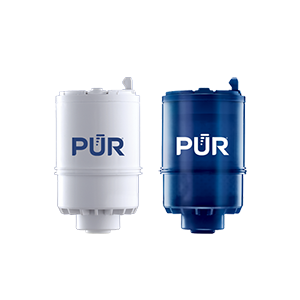
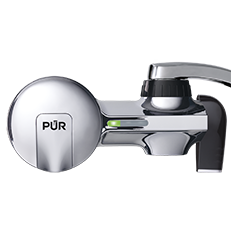
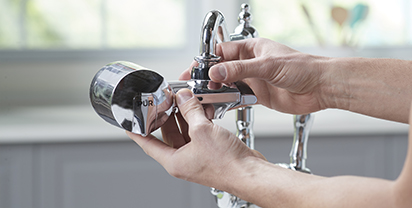
PUR & PUR PLUS FAUCET FILTERS
RF3375/RF9999

View Filters

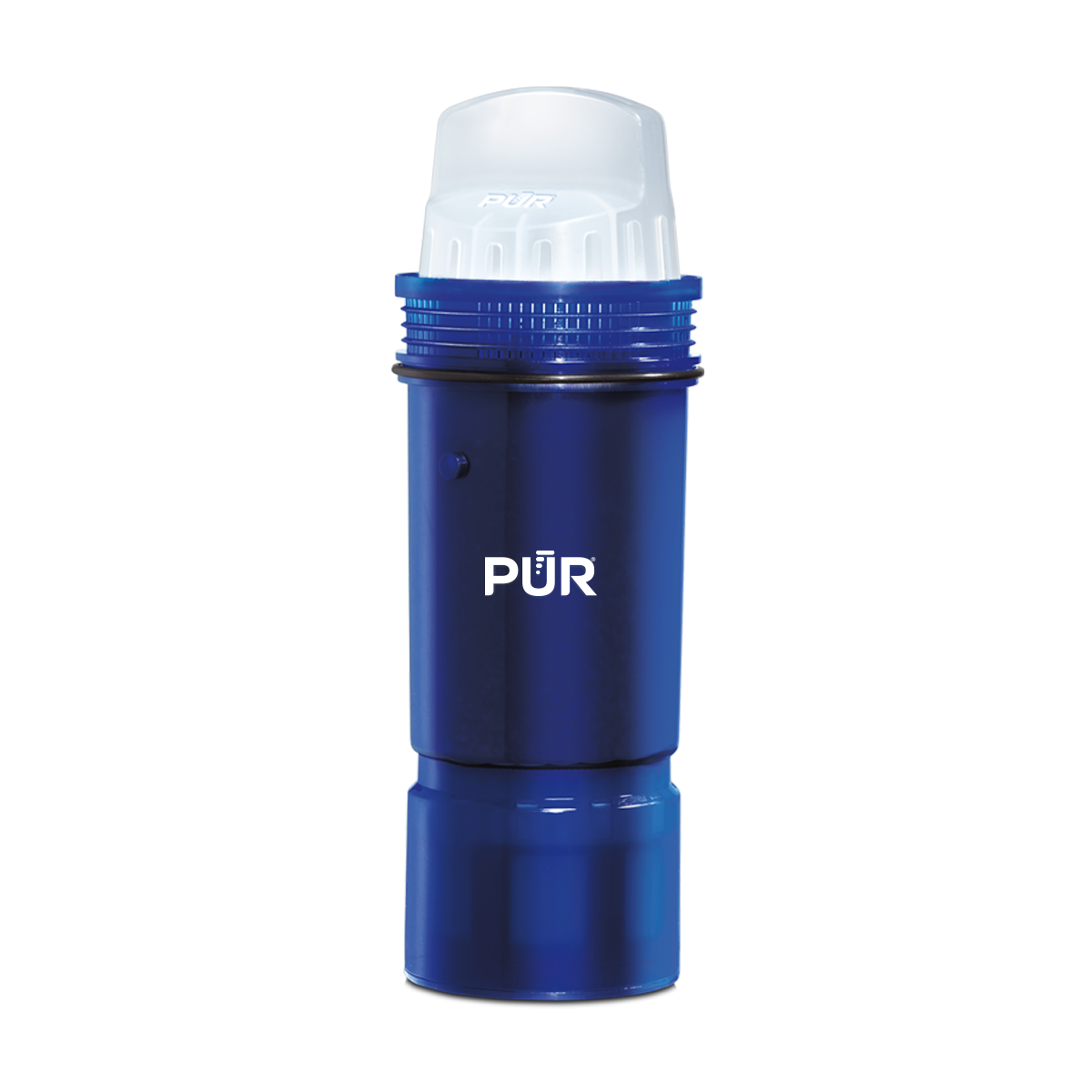
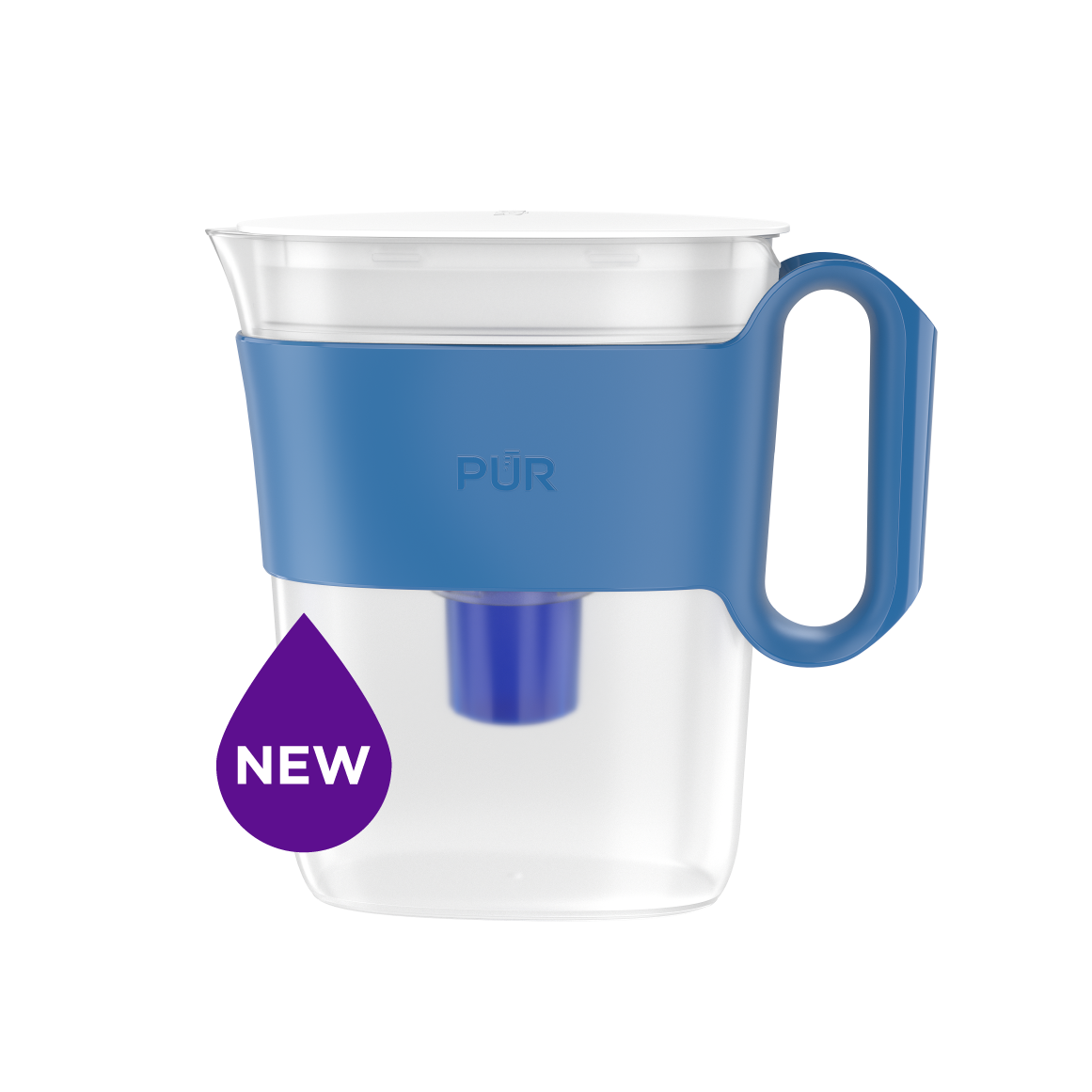
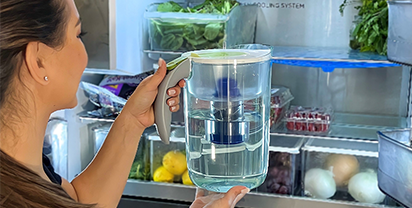
PUR PLUS PITCHER FILTERS
PPF951K

View Filter

PUR BASIC PITCHER FILTERS
PPF900Z

View Filter


Vs. Brita*

Lead ✓ ✓
Microplastics ✓ ✓
Mercury ✓ ✓ ✓
Chlorine Taste & Odor ✓ ✓ ✓
DEET ✓
TTHM ✓

PUR’s Filtration Systems Are Certified By NSF And WQA For Their Contamination Reduction. WQA certifications as of 5/27/21 for Faucet filter models RF-3375 and RF-9999.

¹ Certified to reduce 10X more chemical and physical substances than Brita’s® leading pitcher filter.
² Certified to reduce 3X more chemical and physical substances than Brita’s® leading pitcher filter.
³ Certified to reduce 2X more chemical and physical substances than Brita’s® leading pitcher filter.
*Versus best-selling Brita® pitcher filter OB03. Brita® is a trademark of Brita LP.
**Like other leading brands, PUR does not filter microbes. As of 3/1/23 Brita® and ZeroWater® were not certified to filter microbes. Brita® is a trademark of Brita LP. ZeroWater® is a trademark of Zero Technologies, LLC..
 

PUR & PUR PLUS FAUCET FILTERS


PUR & PUR PLUS FAUCET FILTERS
RF3375/RF9999

View Filters


Vs. Brita*

Lead ✓
Microplastics ✓
Mercury ✓
Chlorine Taste & Odor ✓
DEET ✓
TTHM ✓

PUR’s Filtration Systems Are Certified By NSF And WQA For Their Contamination Reduction. WQA certifications as of 5/27/21 for Faucet filter models RF-3375 and RF-9999.

¹ Certified to reduce 10X more chemical and physical substances than Brita’s® leading pitcher filter.
² Certified to reduce 3X more chemical and physical substances than Brita’s® leading pitcher filter.
³ Certified to reduce 2X more chemical and physical substances than Brita’s® leading pitcher filter.
*Versus best-selling Brita® pitcher filter OB03. Brita® is a trademark of Brita LP.
**Like other leading brands, PUR does not filter microbes. As of 3/1/23 Brita® and ZeroWater® were not certified to filter microbes. Brita® is a trademark of Brita LP. ZeroWater® is a trademark of Zero Technologies, LLC..
 

PUR PLUS PITCHER FILTERS


PUR PLUS PITCHER FILTERS
PPF951K

View Filter


Vs. Brita*

Lead ✓
Microplastics ✓
Mercury ✓
Chlorine Taste & Odor ✓
DEET
TTHM

PUR’s Filtration Systems Are Certified By NSF And WQA For Their Contamination Reduction. WQA certifications as of 5/27/21 for Faucet filter models RF-3375 and RF-9999.

¹ Certified to reduce 10X more chemical and physical substances than Brita’s® leading pitcher filter.
² Certified to reduce 3X more chemical and physical substances than Brita’s® leading pitcher filter.
³ Certified to reduce 2X more chemical and physical substances than Brita’s® leading pitcher filter.
*Versus best-selling Brita® pitcher filter OB03. Brita® is a trademark of Brita LP.
**Like other leading brands, PUR does not filter microbes. As of 3/1/23 Brita® and ZeroWater® were not certified to filter microbes. Brita® is a trademark of Brita LP. ZeroWater® is a trademark of Zero Technologies, LLC..
 

PUR BASIC PITCHER FILTERS


PUR BASIC PITCHER FILTERS
PPF900Z

View Filter


Vs. Brita*

Lead
Microplastics
Mercury ✓
Chlorine Taste & Odor ✓
DEET
TTHM

PUR’s Filtration Systems Are Certified By NSF And WQA For Their Contamination Reduction. WQA certifications as of 5/27/21 for Faucet filter models RF-3375 and RF-9999.

¹ Certified to reduce 10X more chemical and physical substances than Brita’s® leading pitcher filter.
² Certified to reduce 3X more chemical and physical substances than Brita’s® leading pitcher filter.
³ Certified to reduce 2X more chemical and physical substances than Brita’s® leading pitcher filter.
*Versus best-selling Brita® pitcher filter OB03. Brita® is a trademark of Brita LP.
**Like other leading brands, PUR does not filter microbes. As of 3/1/23 Brita® and ZeroWater® were not certified to filter microbes. Brita® is a trademark of Brita LP. ZeroWater® is a trademark of Zero Technologies, LLC..
 

How to Choose a Water Filter System in 2026?

In 2026, choosing a water filter system requires more than comparing prices and attractive claims. A glossy faucet cannot reveal what the filter removes. Your local water report can.

Water quality varies between cities, buildings, and even neighboring homes. Older pipes may add lead or copper. Chlorine can affect taste and smell. Well water may contain sediment, bacteria, or excessive minerals. The right system must match the actual problem, not a general worry.

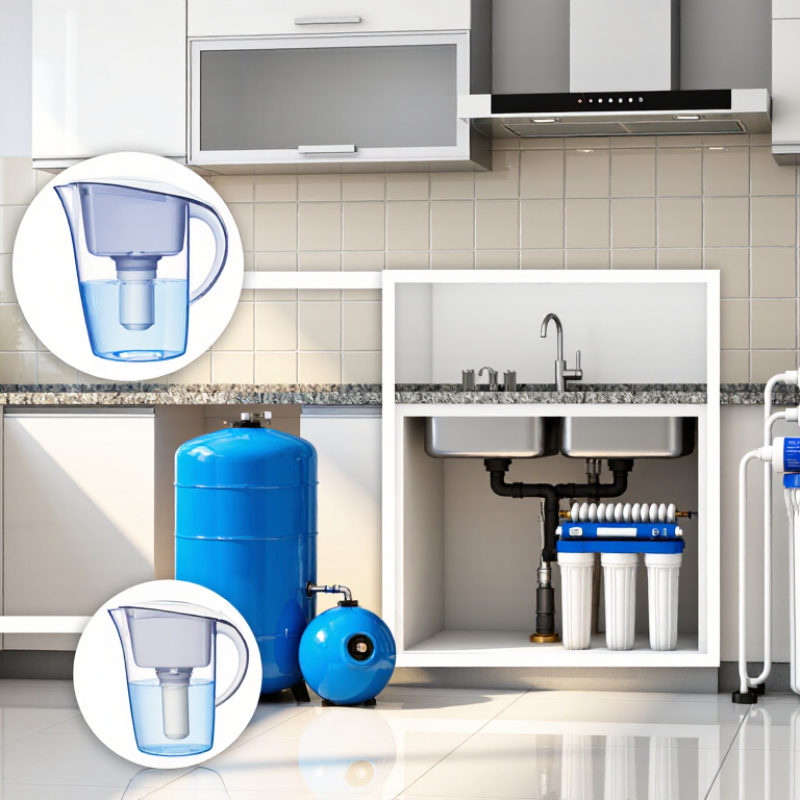
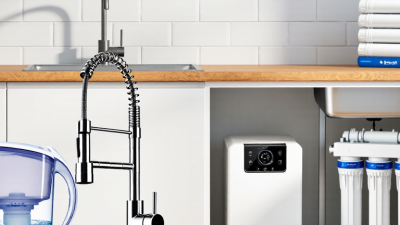
This guide explains how to compare pitchers, under-sink filters, whole-house units, and reverse osmosis systems. It considers filtration performance, flow rate, cartridge life, installation, maintenance, and long-term cost. Certification matters. Look for independently verified claims, such as NSF/ANSI 42 for taste and odor, NSF/ANSI 53 for selected health contaminants, or NSF/ANSI 58 for reverse osmosis systems. Certification does not mean universal protection. Check the exact contaminant and model.

Real-world use also matters. A filter with excellent laboratory results may feel disappointing if replacement cartridges are expensive or difficult to find. Measure the available cabinet space. Check water pressure. Calculate daily usage.

Read the performance data carefully. Do not rely on vague phrases like “advanced purification.” Manufacturer information is useful, but independent testing and local water records deserve greater weight. Some recommendations sound certain when the evidence is incomplete. That is worth admitting.

The best choice balances verified reduction claims, practical maintenance, household needs, and realistic expectations. Cleaner water should not create unnecessary expense, waste, or daily frustration.

How to Choose a Water Filter System in 2026?

Assess Water Risks: WHO Reports 2 Billion People Use Contaminated Water

How to Choose a Water Filter System in 2026?

WHO reports that about 2 billion people use water contaminated by fecal matter. That figure is not distant statistics for families drawing water from aging pipes, shallow wells, or unsafe storage tanks. Risk can change between neighborhoods. Before buying a filter, identify the threat: microbes, lead, nitrates, pesticides, hardness, or an unpleasant odor. Clear water is not automatically safe.

Ask for a recent laboratory report from the local supplier or an accredited testing service. Test the tap you actually drink from, not only the building entrance. Check sampling dates, detection limits, and methods. An inexpensive home strip can suggest a problem, but it cannot replace laboratory confirmation. For suspected contamination, choose treatment matched to the contaminant. Disinfection targets germs, while activated carbon often reduces certain chemicals and odors. Reverse osmosis can remove many dissolved substances, yet it wastes water and needs careful maintenance.

Look for independent performance data, replacement schedules, and clear installation instructions. Certification should match the specific contaminant claim.

Maintenance is easy to underestimate. A neglected cartridge may become a hidden source of bacteria. Keep a dated replacement record, sanitize storage containers, and retest after repairs or flooding.

Even careful decisions can be imperfect. Water quality changes, and a filter selected last year may not fit today’s risk.

Match Contaminants to NSF/ANSI 42, 53, 58, and 401 Standards

Choosing a water filter in 2026 starts with the contaminant, not the cabinet design. Review your municipal water report, then confirm concerns with an accredited laboratory test. A clear glass can still hide lead, PFAS, or microbial risks.

NSF/ANSI 42 covers aesthetic problems, such as chlorine taste, odor, and visible particles. It improves flavor, but it does not prove broad health protection. NSF/ANSI 53 addresses specific health-related contaminants, including lead, cysts, or certain volatile chemicals. Check the exact reduction claim. A filter certified for one contaminant may not reduce another.

NSF/ANSI 58 applies to reverse osmosis systems. These systems can reduce dissolved solids, arsenic, fluoride, and other listed substances, but they may waste water and need pressure. NSF/ANSI 401 targets selected emerging contaminants, such as some medicines and pesticides. It is not a universal “everything” standard. Read the performance data sheet, replacement schedule, and flow limits carefully. Certification applies to tested claims, not every component in the product. A missed maintenance date can weaken protection. That detail is easy to overlook. Consult a qualified water professional when test results conflict with marketing language.

How to Choose a Water Filter System in 2026? Match Contaminants to NSF/ANSI 42, 53, 58, and 401 Standards

NSF/ANSI Standard Main Purpose Typical Contaminants or Water Issues Common Treatment Technologies What the Certification Indicates Best-Fit Use Case Selection Priority
NSF/ANSI 42 Aesthetic and non-health-related water improvement Chlorine taste and odor, chloramine taste and odor when specifically claimed, sediment, rust particles, dirt, and turbidity Activated carbon, catalytic carbon, sediment cartridges, and carbon block filters The product has been evaluated for specific aesthetic reduction claims. The standard does not by itself demonstrate removal of every health-related contaminant. Municipal tap water that is microbiologically treated but has an unpleasant chlorine taste, odor, or visible particles Taste and appearance
NSF/ANSI 53 Reduction of contaminants with a potential health effect Lead, mercury, asbestos, cysts, volatile organic compounds, and other contaminants only when the exact reduction claim is listed Certified activated carbon, specialty adsorption media, ion exchange, and combination filtration systems The filter has been tested for one or more specified health-effect contaminant claims. Certification to 53 does not mean that the product removes all contaminants covered by the standard. Homes concerned about lead from plumbing, specific industrial or agricultural contaminants, or microbial cysts in treated water Health protection
NSF/ANSI 58 Reverse osmosis drinking-water treatment systems Total dissolved solids, sodium, fluoride, nitrate/nitrite, arsenic, copper, lead, chromium, and other dissolved substances when specifically certified Reverse osmosis membrane, sediment prefilter, carbon prefilter, post-filter, and sometimes remineralization The complete reverse osmosis system has been evaluated for specified contaminant reduction, structural integrity, material safety, and related performance criteria. Water with elevated dissolved minerals, salinity, fluoride, nitrate, or multiple dissolved contaminants requiring broad treatment Dissolved contaminants
NSF/ANSI 401 Reduction of selected emerging contaminants Certain prescription and non-prescription medicines, personal-care product ingredients, herbicides, pesticides, and chemical compounds such as BPA, depending on the exact claim Advanced activated carbon, catalytic carbon, reverse osmosis, and multi-stage filtration systems The product has been tested for selected emerging-contaminant reduction claims. The listed substances and performance levels must be checked individually. Users seeking additional treatment for trace organic chemicals not always covered by conventional aesthetic filtration Trace chemicals
42 + 53 Combined aesthetic and health-related treatment Chlorine taste and odor plus a specified health contaminant such as lead, mercury, cysts, or selected volatile organic compounds Multi-stage carbon filtration with sediment filtration and certified specialty media The system carries separate, specific claims under both standards. Each claim should identify the contaminant and rated capacity. Municipal water users who want better taste while addressing a documented health concern Balanced coverage
53 + 401 Health-effect and emerging-contaminant reduction A combination of specified regulated health contaminants and selected pharmaceuticals, personal-care chemicals, or pesticides Advanced carbon systems, multi-stage adsorption systems, and systems combining carbon with other treatment media The system has separate performance claims for the listed 53 and 401 contaminants. Neither standard is a blanket guarantee for every chemical in the water supply. Households seeking broader organic-chemical treatment without necessarily using reverse osmosis Expanded chemical coverage
58 + 53 Reverse osmosis with additional health-effect claims Dissolved solids and specified contaminants such as lead, arsenic, nitrate, fluoride, chromium, or cysts, depending on the tested configuration Reverse osmosis membrane supported by certified carbon and sediment prefiltration The system should be checked for both the exact NSF/ANSI 58 reduction claims and any separate NSF/ANSI 53 claims. Replacement filters and membrane maintenance affect performance. Water supplies with several dissolved contaminants or a laboratory report showing elevated concentrations Broad dissolved treatment
Important selection rule: Choose a system based on the exact contaminant reduction claim, not only the standard number. Review the current performance data sheet, rated capacity, installation type, replacement schedule, water pressure requirements, and independent laboratory certification. Private-well users should test their water before selecting a filter.

Compare Carbon, RO, UV, and Ion-Exchange Systems by Removal Needs

How to Choose a Water Filter System in 2026?

Choose the filter according to the contaminant, not the marketing label. Carbon filters improve chlorine taste, odors, and some organic chemicals. They are practical for drinking water, but they cannot reliably remove dissolved salts or most microbes. Replace the cartridge on schedule. An exhausted carbon filter can become a weak point.

Reverse osmosis removes many dissolved minerals, salts, fluoride, nitrate, and certain metals. It suits homes with high total dissolved solids, but it wastes some water and needs pressure, storage space, and regular membrane changes. Test the source water before buying. I have seen households install RO systems for simple taste problems, then dislike the slower flow and maintenance.

Ultraviolet systems target bacteria, viruses, and other microorganisms without changing mineral content. They need electricity and reasonably clear water. UV does not remove chemicals.

Ion-exchange systems reduce hardness by exchanging calcium and magnesium, while specialized resins can target nitrate or selected metals. Results depend heavily on resin type and water chemistry. Ask for independent performance data, laboratory testing, and a recent local water report.

One detail is easy to miss: a filter can work well in a test and poorly in a neglected kitchen. That human factor matters.

Check Lead Performance Against EPA’s 10 µg/L Action Level

How to Choose a Water Filter System in 2026?

Lead performance deserves more attention than glossy claims. Use EPA’s 10 µg/L action level as a practical screening benchmark. This level equals 10 parts per billion in drinking water. However, it is not a promise that every filter will make water lead-free. The action level mainly guides public water system responses. Your household results may differ.

Check the filter’s independent test data before buying. Look for lead-reduction results at the stated flow rate, water temperature, and total capacity. A filter may perform well during testing but weaken after months of use. Confirm whether the test measured both dissolved lead and particle-bound lead. Those forms can behave differently. Also check replacement schedules, since neglected cartridges can reduce protection.

Test your tap water when possible. Collect a sample after water has stood overnight, then compare it with a flushed sample. This can reveal whether plumbing contributes lead. Ask for the laboratory’s detection limit, not just a rounded result. Small details matter. Do not rely only on a package sentence saying “tested for lead.” I would also record installation dates and water changes, although many households forget. That weakness is worth admitting. A filter choice should match your plumbing, usage, and verified test evidence—not marketing confidence.

Calculate Flow Rate, Filter Capacity, Replacement Costs, and Water Waste

How to Choose a Water Filter System in 2026?

Choosing a water filter in 2026 starts with numbers, not a glossy feature list. Measure peak flow at the tap with a one-gallon bucket and a timer. Flow rate equals bucket volume divided by filling time. A 30-second fill delivers two gallons per minute. That may suit drinking water, but not a shower. Check performance at your actual water pressure. Published maximums can mislead.

Filter capacity needs closer attention. A cartridge rated for 1,000 gallons may perform differently with sediment-heavy water. Compare capacity with your household’s daily use, then divide by 365. A four-person home using three gallons daily needs about 4,380 gallons yearly. That cartridge would not last one year. My first estimate ignored tea, soup, and pet bowls. It was wrong. Use independent testing or certification for contaminant claims, and record replacement dates.

Calculate replacement costs before buying. Add cartridges, labor, delivery, and occasional sanitizing supplies. An inexpensive system can become costly after several short replacement cycles. Reverse osmosis systems also create wastewater. A one-to-three ratio means one filtered gallon may send three gallons to the drain. Track this for a week using a marked container. Some households reuse suitable reject water for cleaning, but follow local plumbing guidance. A lower-waste system may be preferable, even when its purchase price is higher. Check for leaks after installation. Small drips quietly change the calculation.