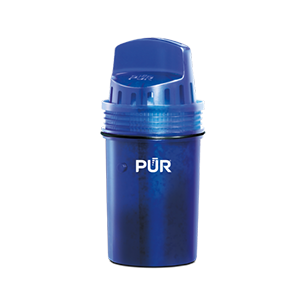
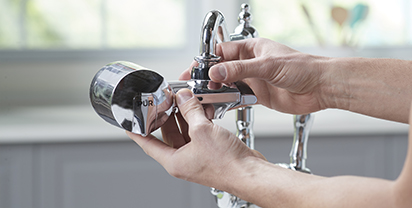
Contaminant Comparison Chart

For a complete list of contaminants that PUR filters reduce, please view our Performance Data Sheets here.


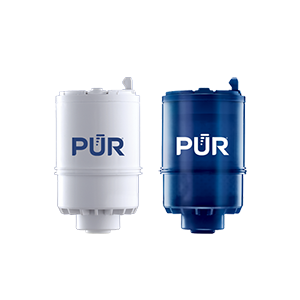
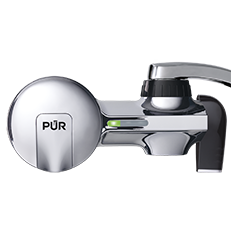
PUR & PUR PLUS FAUCET FILTERS
RF3375/RF9999

View Filters

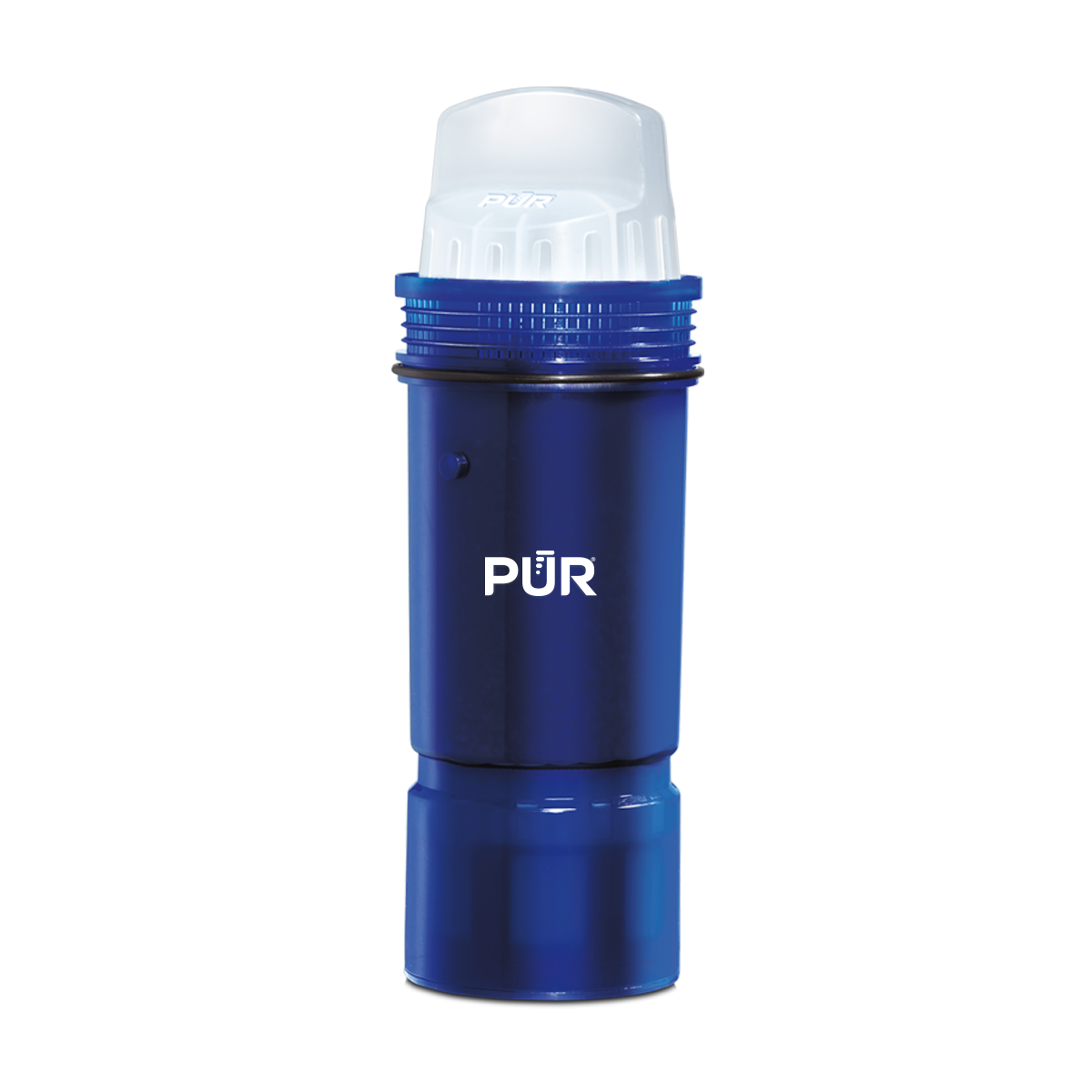
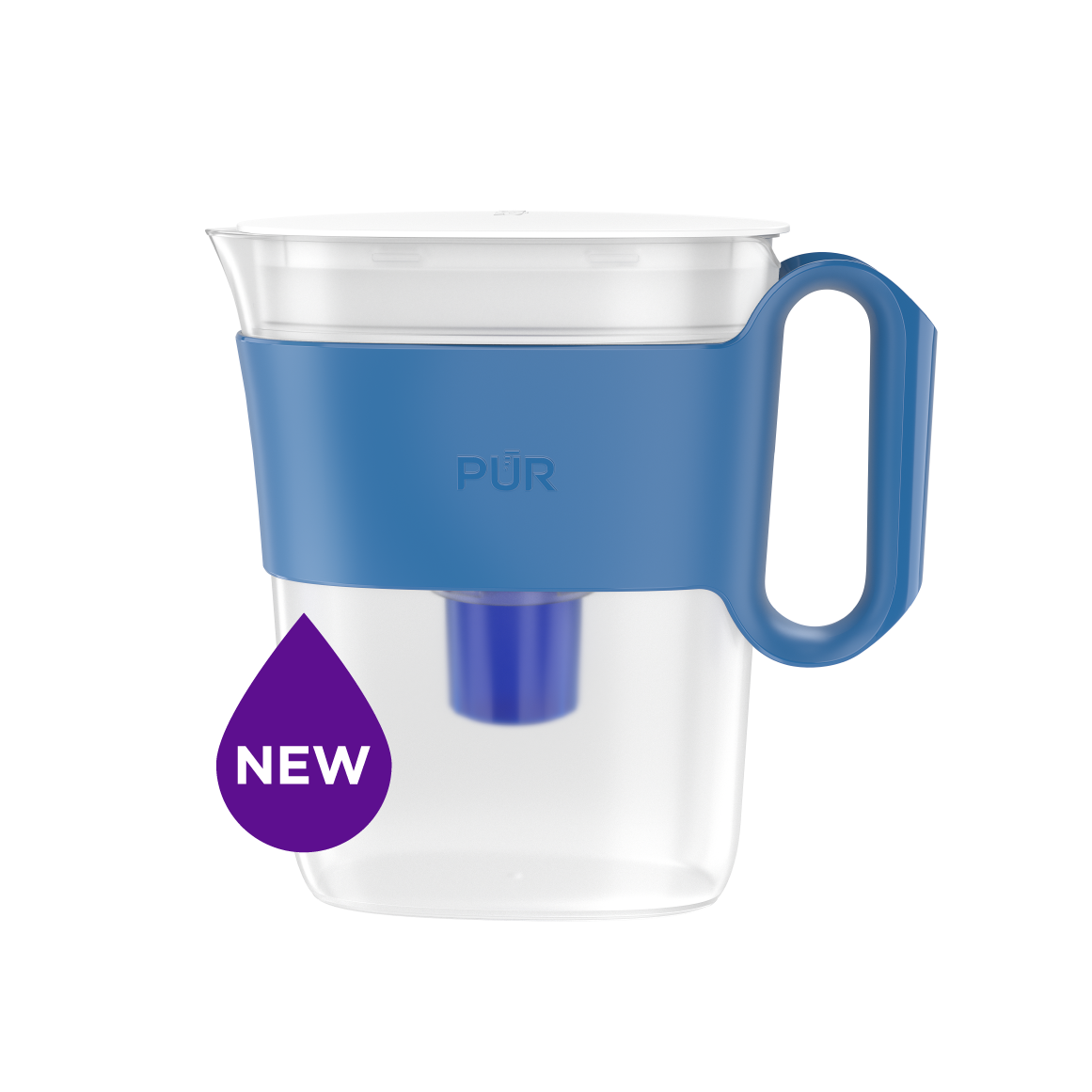
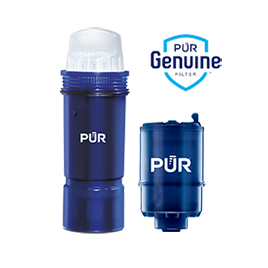
PUR PLUS PITCHER FILTERS
PPF951K

View Filter

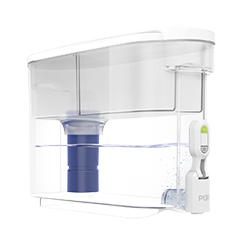
PUR BASIC PITCHER FILTERS
PPF900Z

View Filter


Vs. Brita*

Lead ✓ ✓
Microplastics ✓ ✓
Mercury ✓ ✓ ✓
Chlorine Taste & Odor ✓ ✓ ✓
DEET ✓
TTHM ✓

PUR’s Filtration Systems Are Certified By NSF And WQA For Their Contamination Reduction. WQA certifications as of 5/27/21 for Faucet filter models RF-3375 and RF-9999.

¹ Certified to reduce 10X more chemical and physical substances than Brita’s® leading pitcher filter.
² Certified to reduce 3X more chemical and physical substances than Brita’s® leading pitcher filter.
³ Certified to reduce 2X more chemical and physical substances than Brita’s® leading pitcher filter.
*Versus best-selling Brita® pitcher filter OB03. Brita® is a trademark of Brita LP.
**Like other leading brands, PUR does not filter microbes. As of 3/1/23 Brita® and ZeroWater® were not certified to filter microbes. Brita® is a trademark of Brita LP. ZeroWater® is a trademark of Zero Technologies, LLC..
 

PUR & PUR PLUS FAUCET FILTERS


PUR & PUR PLUS FAUCET FILTERS
RF3375/RF9999

View Filters


Vs. Brita*

Lead ✓
Microplastics ✓
Mercury ✓
Chlorine Taste & Odor ✓
DEET ✓
TTHM ✓

PUR’s Filtration Systems Are Certified By NSF And WQA For Their Contamination Reduction. WQA certifications as of 5/27/21 for Faucet filter models RF-3375 and RF-9999.

¹ Certified to reduce 10X more chemical and physical substances than Brita’s® leading pitcher filter.
² Certified to reduce 3X more chemical and physical substances than Brita’s® leading pitcher filter.
³ Certified to reduce 2X more chemical and physical substances than Brita’s® leading pitcher filter.
*Versus best-selling Brita® pitcher filter OB03. Brita® is a trademark of Brita LP.
**Like other leading brands, PUR does not filter microbes. As of 3/1/23 Brita® and ZeroWater® were not certified to filter microbes. Brita® is a trademark of Brita LP. ZeroWater® is a trademark of Zero Technologies, LLC..
 

PUR PLUS PITCHER FILTERS


PUR PLUS PITCHER FILTERS
PPF951K

View Filter


Vs. Brita*

Lead ✓
Microplastics ✓
Mercury ✓
Chlorine Taste & Odor ✓
DEET
TTHM

PUR’s Filtration Systems Are Certified By NSF And WQA For Their Contamination Reduction. WQA certifications as of 5/27/21 for Faucet filter models RF-3375 and RF-9999.

¹ Certified to reduce 10X more chemical and physical substances than Brita’s® leading pitcher filter.
² Certified to reduce 3X more chemical and physical substances than Brita’s® leading pitcher filter.
³ Certified to reduce 2X more chemical and physical substances than Brita’s® leading pitcher filter.
*Versus best-selling Brita® pitcher filter OB03. Brita® is a trademark of Brita LP.
**Like other leading brands, PUR does not filter microbes. As of 3/1/23 Brita® and ZeroWater® were not certified to filter microbes. Brita® is a trademark of Brita LP. ZeroWater® is a trademark of Zero Technologies, LLC..
 

PUR BASIC PITCHER FILTERS


PUR BASIC PITCHER FILTERS
PPF900Z

View Filter


Vs. Brita*

Lead
Microplastics
Mercury ✓
Chlorine Taste & Odor ✓
DEET
TTHM

PUR’s Filtration Systems Are Certified By NSF And WQA For Their Contamination Reduction. WQA certifications as of 5/27/21 for Faucet filter models RF-3375 and RF-9999.

¹ Certified to reduce 10X more chemical and physical substances than Brita’s® leading pitcher filter.
² Certified to reduce 3X more chemical and physical substances than Brita’s® leading pitcher filter.
³ Certified to reduce 2X more chemical and physical substances than Brita’s® leading pitcher filter.
*Versus best-selling Brita® pitcher filter OB03. Brita® is a trademark of Brita LP.
**Like other leading brands, PUR does not filter microbes. As of 3/1/23 Brita® and ZeroWater® were not certified to filter microbes. Brita® is a trademark of Brita LP. ZeroWater® is a trademark of Zero Technologies, LLC..
 

10 Best Countertop Water Filters for Home and Office

Clean drinking water should feel simple, but choosing the right filter rarely is. A countertop water filter can improve taste, reduce certain contaminants, and fit neatly beside a kitchen sink. Yet performance depends on the water entering your home.

This guide examines ten practical options for homes and offices. We consider filtration technology, certified performance, flow rate, capacity, installation, and replacement costs. We also look at everyday details, such as filling a glass before work or storing a filter beneath a small cabinet. Independent certifications, including relevant NSF/ANSI standards, deserve careful attention. Marketing language alone is not enough.

Water quality varies by location, plumbing, and building age. A filter that performs well in one apartment may feel slow or unnecessary in another. Check local water reports when available, and confirm which contaminants each model is designed to reduce. Replacement schedules matter, too. An overloaded cartridge may affect taste and performance.

No product is perfect. Even strong recommendations involve trade-offs. Some units are compact but have limited capacity. Others offer broader filtration but require more counter space and costly cartridges. We may also find that advertised convenience becomes less impressive after months of cleaning and refilling. This review aims to make those compromises visible, using manufacturer information, recognized standards, user-focused testing considerations, and real household practicality. The best choice is not always the most advanced model. It is the one that matches your water, habits, budget, and willingness to maintain it.

10 Best Countertop Water Filters for Home and Office

What Are Countertop Water Filters and How Do They Work?

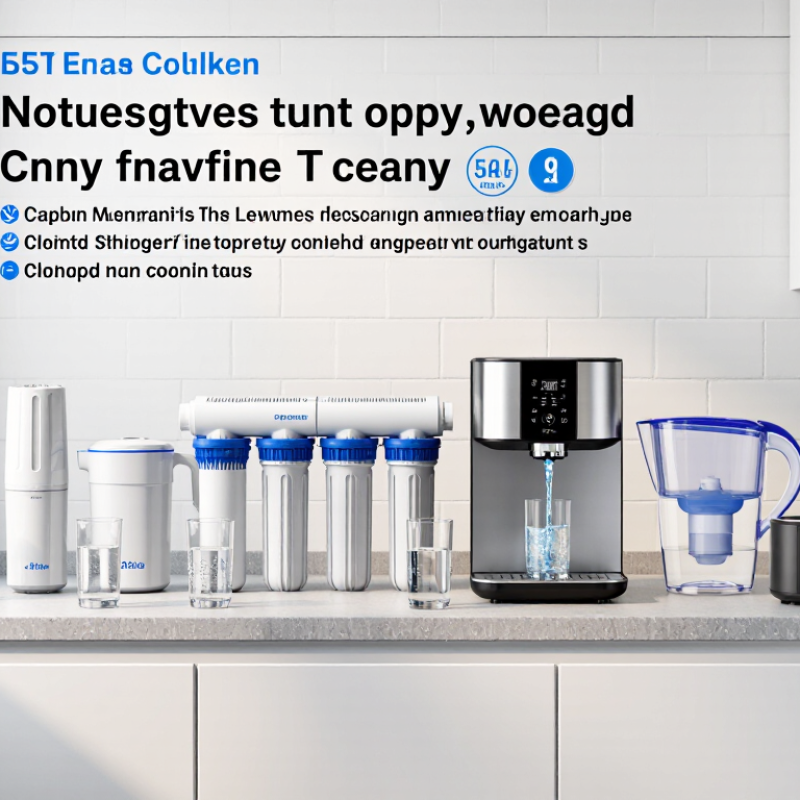
Countertop water filters sit beside a sink and treat drinking water without permanent plumbing changes. Most models use a refillable reservoir, while others connect directly to a faucet. Water moves through one or more filter stages by pressure or gravity. Simple design.

Inside, a sediment layer can trap sand, rust, and visible particles. Activated carbon may reduce chlorine, unpleasant tastes, and some organic compounds. More advanced units use membrane filtration, such as reverse osmosis, to reduce dissolved minerals and certain contaminants. However, performance depends on the filter media, water pressure, and replacement schedule. A filter is not automatically effective against every pollutant.

In my experience, setup takes only a few minutes, but correct maintenance matters more than appearance. I once ignored a cloudy cartridge housing and noticed a stale taste before checking the filter. That was a useful warning. Users should follow the manufacturer’s replacement guidance and verify independent testing for claimed reductions. Look for clear information about tested contaminants, flow rate, and installation limits. A countertop system can improve everyday water quality, yet it cannot repair unsafe plumbing or replace official water testing. Keep the outlet clean, wash the reservoir regularly, and avoid letting filtered water sit for days. Small habits matter.

Key Factors for Choosing a Countertop Water Filter

Choosing a countertop water filter starts with the water you actually use. A home kitchen may need better taste and odor control, while an office may require higher capacity and faster flow. Check an independent water report before shopping. It can reveal chlorine, lead, sediment, or other local concerns. Do not assume one filter removes everything. Treatment claims should match recognized testing standards and clearly state which contaminants were measured.

Tips: Measure your counter space, faucet clearance, and daily water use. Compare filter capacity, replacement costs, and installation steps. A compact unit may look convenient, but frequent cartridge changes can become frustrating. Look for a sealed design, easy-to-read replacement indicators, and food-contact materials suitable for drinking water. These details matter more than a polished appearance.

Maintenance is part of water quality. Follow the replacement schedule, wash removable parts, and avoid touching clean outlets with dirty hands. I have found that slow flow often signals a clogged cartridge, not a defective system. Still, schedules are not perfect; heavy sediment can shorten filter life. If the water has an unusual smell, color, or taste, stop using the filter and investigate the source. Keep the manual and testing information nearby, especially in a shared office. Reliable filtration depends on both sound equipment and consistent habits.

The 10 Best Countertop Water Filters for Home and Office Use

10 Best Countertop Water Filters for Home and Office

The 10 Best Countertop Water Filters for Home and Office Use should fit real routines, not idealized kitchens. The strongest choices combine certified contaminant reduction, clear replacement schedules, and sturdy housings. Look for independent testing against specific substances, such as chlorine, lead, or sediment. “Improves taste” alone is too vague.

Counter space matters. A compact unit beside a sink works well in a small apartment, while a larger reservoir suits a busy office pantry. Check the filtration speed, tank capacity, and connection method before buying. A household using four liters daily may need frequent refills. That small task becomes annoying quickly. Some models also require a faucet adapter, so measure the spout first.

Maintenance separates dependable filters from disappointing ones. Wash the reservoir with mild soap, keep the nozzle covered, and replace cartridges according to tested capacity. Do not rely only on water taste or appearance. Clear water may still contain invisible contaminants. I would also record the installation date on a piece of tape. It sounds overly cautious, but memory fails. Filter performance can decline before the water smells different. Offices should consider noise, shared handling, and cleaning responsibility. A quiet countertop filter with simple parts is often more practical than a feature-heavy model. Still, no filter is perfect, and local water reports should guide the final choice.

10 Best Countertop Water Filters for Home and Office Use

U.S. EPA maximum contaminant levels commonly used as reference benchmarks when comparing countertop water-filter capabilities.

Lower benchmark values indicate contaminants regulated at lower concentrations. Actual removal depends on the filter media, certification, water quality, flow rate, and cartridge condition. Values are based on U.S. EPA drinking-water standards; nitrate is shown as nitrogen.

How to Match Each Filter to Different Water Quality Needs

10 Best Countertop Water Filters for Home and Office

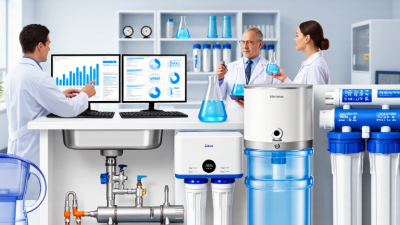
Choosing among the ten best countertop water filters starts with the water problem, not the product shape. Check your local water report, then test unclear concerns. The U.S. Environmental Protection Agency’s 2024 PFAS rule sets limits of 4.0 nanograms per liter for PFOA and PFOS. If PFAS is a concern, choose a unit with independently verified PFAS reduction claims. A basic carbon filter may improve taste but offer limited protection.

For chlorine odor, sediment, and unpleasant flavors, look for certification under NSF/ANSI 42. Lead concerns require NSF/ANSI 53 certification and careful cartridge replacement. The EPA still identifies 15 parts per billion as the lead action level in drinking water. That number is not a “safe target.” Lower is better. For dissolved salts, nitrate, or fluoride, reverse osmosis systems certified under NSF/ANSI 58 are more suitable. WHO’s Guidelines for Drinking-water Quality list 50 milligrams per liter as the nitrate guideline value.

Office users should also measure daily demand. A small gravity unit may struggle beside a busy coffee station. Reverse osmosis can waste water and remove minerals, which some households dislike. Microbiological risks need special attention; ordinary carbon cannot reliably disinfect contaminated water. In that situation, professional testing and treatment advice matter more than online rankings. I would not choose a filter from taste alone. Clear water can still contain invisible contaminants, and filter claims can be misunderstood.

Installation, Maintenance, and Replacement Guide for Countertop Filters

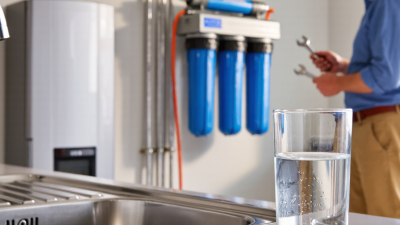
A countertop water filter should sit on a stable, dry surface near the sink. Before installation, check the adapter, gasket, tubing, and faucet thread. Turn off the faucet, then rinse every washable part with clean water. Attach the diverter valve firmly, but do not force plastic threads. Run water slowly for five minutes, or follow the measured flushing time in the manual. This removes loose carbon dust and helps reveal leaks. Check for drips.

During daily use, keep the unit away from direct heat and splashing oils. Wipe the housing with a soft cloth, and never use abrasive powder. Clean the intake screen weekly if sediment appears in the water. A simple log can record installation dates, filter changes, and unusual taste. Replace cartridges according to rated capacity, local water quality, or earlier if flow drops. Ratings are estimates. If water becomes cloudy, smells unusual, or leaks persist, stop using the filter and inspect every connection.

For replacement, wash your hands, close the diverter, and place a towel under the housing. Open the compartment carefully, because trapped water may spill. Remove the old cartridge without touching contaminated surfaces, then clean the chamber as directed. Insert the new cartridge in the correct orientation and flush it before drinking. Keep the old part for disposal guidance; local programs differ. I once tightened a fitting too much and damaged its seal. Gentle pressure works better. That small mistake is worth remembering: a dry seal can look secure while still leaking.