Contaminant Comparison Chart

For a complete list of contaminants that PUR filters reduce, please view our Performance Data Sheets here.


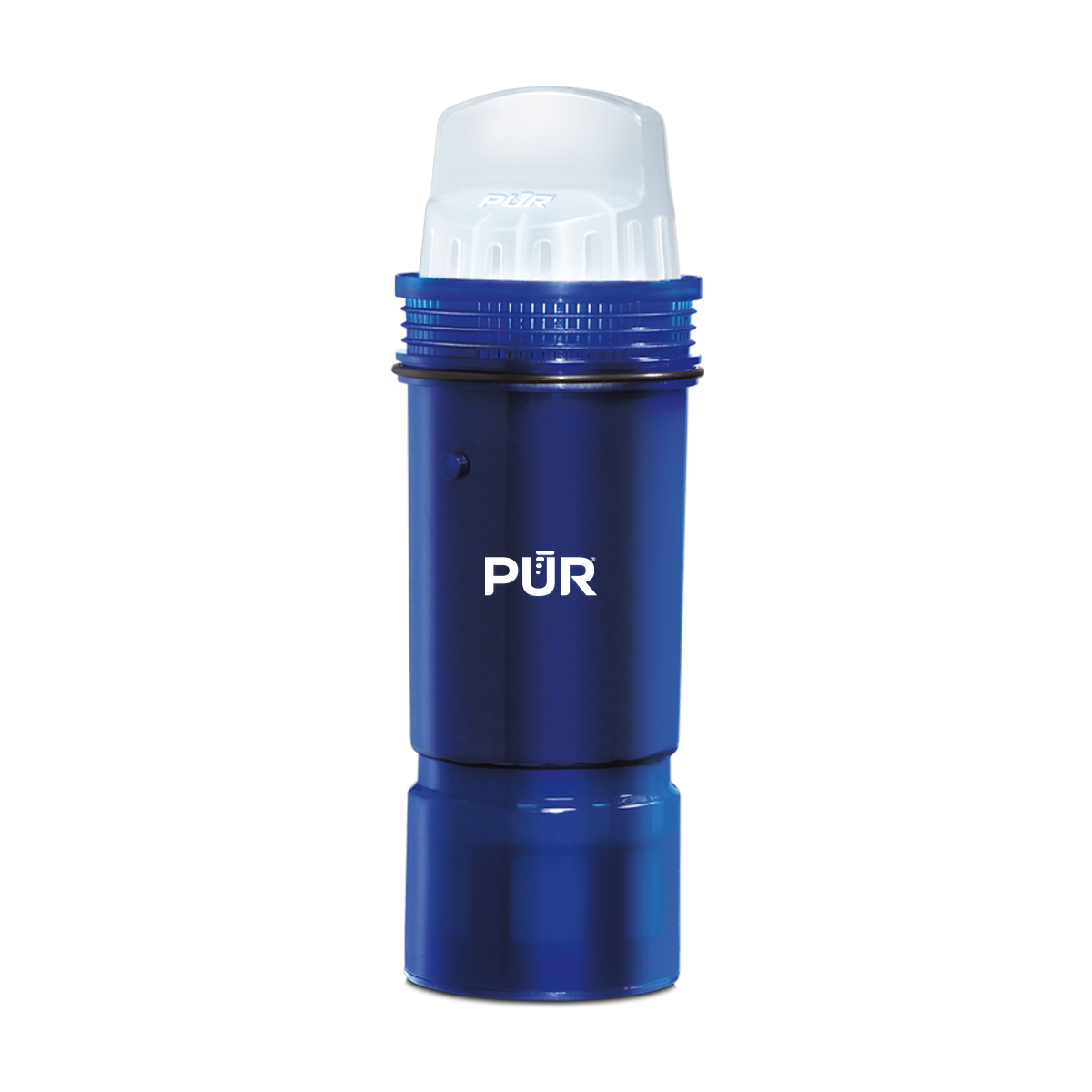
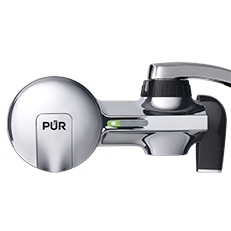
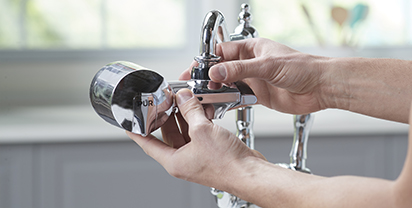
PUR & PUR PLUS FAUCET FILTERS
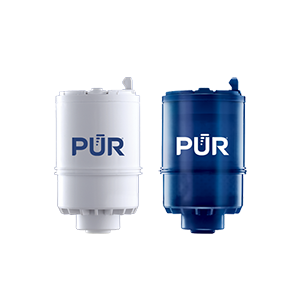
RF3375/RF9999

View Filters

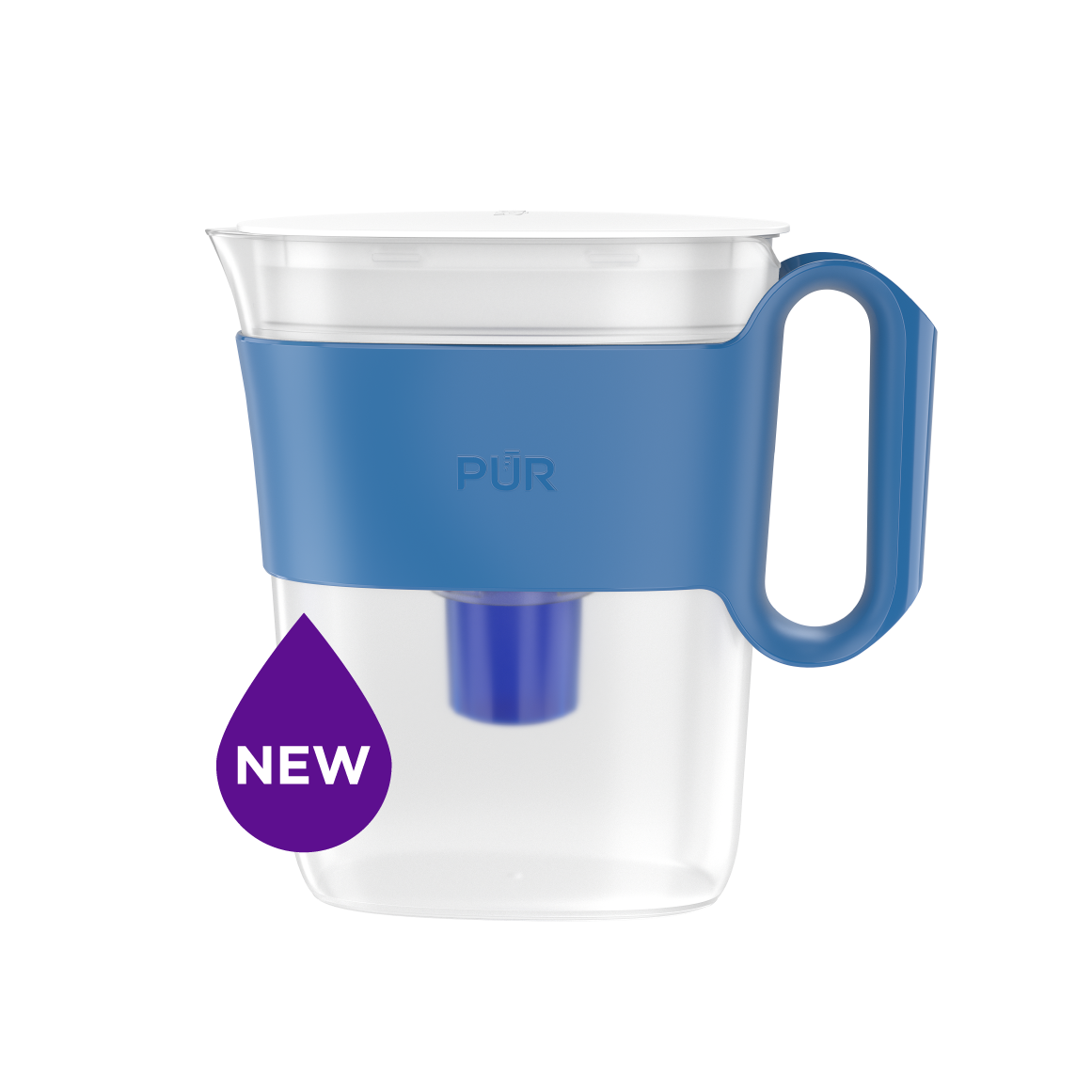
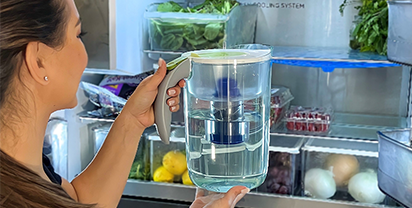
PUR PLUS PITCHER FILTERS
PPF951K

View Filter

PUR BASIC PITCHER FILTERS
PPF900Z

View Filter


Vs. Brita*

Lead ✓ ✓
Microplastics ✓ ✓
Mercury ✓ ✓ ✓
Chlorine Taste & Odor ✓ ✓ ✓
DEET ✓
TTHM ✓

PUR’s Filtration Systems Are Certified By NSF And WQA For Their Contamination Reduction. WQA certifications as of 5/27/21 for Faucet filter models RF-3375 and RF-9999.

¹ Certified to reduce 10X more chemical and physical substances than Brita’s® leading pitcher filter.
² Certified to reduce 3X more chemical and physical substances than Brita’s® leading pitcher filter.
³ Certified to reduce 2X more chemical and physical substances than Brita’s® leading pitcher filter.
*Versus best-selling Brita® pitcher filter OB03. Brita® is a trademark of Brita LP.
**Like other leading brands, PUR does not filter microbes. As of 3/1/23 Brita® and ZeroWater® were not certified to filter microbes. Brita® is a trademark of Brita LP. ZeroWater® is a trademark of Zero Technologies, LLC..
 

PUR & PUR PLUS FAUCET FILTERS


PUR & PUR PLUS FAUCET FILTERS
RF3375/RF9999

View Filters


Vs. Brita*

Lead ✓
Microplastics ✓
Mercury ✓
Chlorine Taste & Odor ✓
DEET ✓
TTHM ✓

PUR’s Filtration Systems Are Certified By NSF And WQA For Their Contamination Reduction. WQA certifications as of 5/27/21 for Faucet filter models RF-3375 and RF-9999.

¹ Certified to reduce 10X more chemical and physical substances than Brita’s® leading pitcher filter.
² Certified to reduce 3X more chemical and physical substances than Brita’s® leading pitcher filter.
³ Certified to reduce 2X more chemical and physical substances than Brita’s® leading pitcher filter.
*Versus best-selling Brita® pitcher filter OB03. Brita® is a trademark of Brita LP.
**Like other leading brands, PUR does not filter microbes. As of 3/1/23 Brita® and ZeroWater® were not certified to filter microbes. Brita® is a trademark of Brita LP. ZeroWater® is a trademark of Zero Technologies, LLC..
 

PUR PLUS PITCHER FILTERS


PUR PLUS PITCHER FILTERS
PPF951K

View Filter


Vs. Brita*

Lead ✓
Microplastics ✓
Mercury ✓
Chlorine Taste & Odor ✓
DEET
TTHM

PUR’s Filtration Systems Are Certified By NSF And WQA For Their Contamination Reduction. WQA certifications as of 5/27/21 for Faucet filter models RF-3375 and RF-9999.

¹ Certified to reduce 10X more chemical and physical substances than Brita’s® leading pitcher filter.
² Certified to reduce 3X more chemical and physical substances than Brita’s® leading pitcher filter.
³ Certified to reduce 2X more chemical and physical substances than Brita’s® leading pitcher filter.
*Versus best-selling Brita® pitcher filter OB03. Brita® is a trademark of Brita LP.
**Like other leading brands, PUR does not filter microbes. As of 3/1/23 Brita® and ZeroWater® were not certified to filter microbes. Brita® is a trademark of Brita LP. ZeroWater® is a trademark of Zero Technologies, LLC..
 

PUR BASIC PITCHER FILTERS


PUR BASIC PITCHER FILTERS
PPF900Z

View Filter


Vs. Brita*

Lead
Microplastics
Mercury ✓
Chlorine Taste & Odor ✓
DEET
TTHM

PUR’s Filtration Systems Are Certified By NSF And WQA For Their Contamination Reduction. WQA certifications as of 5/27/21 for Faucet filter models RF-3375 and RF-9999.

¹ Certified to reduce 10X more chemical and physical substances than Brita’s® leading pitcher filter.
² Certified to reduce 3X more chemical and physical substances than Brita’s® leading pitcher filter.
³ Certified to reduce 2X more chemical and physical substances than Brita’s® leading pitcher filter.
*Versus best-selling Brita® pitcher filter OB03. Brita® is a trademark of Brita LP.
**Like other leading brands, PUR does not filter microbes. As of 3/1/23 Brita® and ZeroWater® were not certified to filter microbes. Brita® is a trademark of Brita LP. ZeroWater® is a trademark of Zero Technologies, LLC..
 

How to Choose a Whole House Water Filtration System in 2026

Choosing a whole house water filtration system in 2026 starts with a simple question: what is actually in your water? A cloudy glass or chlorine smell can raise concerns, but neither reveals every contaminant. Use your local water utility’s latest quality report, or arrange an accredited laboratory test if your home uses a private well. Small details matter. Let test results guide your choice instead of relying on broad promises printed on a product box. Sediment filters may capture grit and rust. Carbon can reduce some tastes and odors, but it does not address every water-quality concern. Check that a system’s independently verified claims match the specific substances found in your supply.

Sizing matters too. A home with several bathrooms may need more capacity than a small household with modest water use. Compare the system’s rated flow with your likely peak demand, and consider whether installation could affect water pressure. Check third-party certifications, such as applicable NSF/ANSI standards, for the exact contaminant-reduction claims you need. A certification is useful evidence, not a guarantee that a product solves every problem. Maintenance deserves equal attention. Replacement cartridges, filter changes, and service costs can make a low-priced unit less attractive over time. Keep it practical. It is tempting to buy the most comprehensive system available, but extra stages may add expense without addressing a tested need. The best choice is the one that fits your water results, household use, installation conditions, and willingness to maintain it. Even careful research has limits; when test results are unclear, ask a qualified water-treatment professional to explain them before you buy.

How to Choose a Whole House Water Filtration System in 2026

Identify Your Water Source and Household Treatment Needs

Start with the water entering your home, not a filter’s feature list. If you use municipal water, review the latest utility quality report and note any concerns linked to your neighborhood’s pipes. If your home uses a private well, arrange a laboratory test for bacteria, nitrate, minerals, and locally relevant contaminants. Well water can change after heavy rain or seasonal shifts. Taste and smell are clues, but they cannot confirm that water is safe.

Turn the results into specific treatment goals. Hardness may leave chalky marks on faucets, while sediment can collect in a sink aerator. Chlorine affects taste and odor, but it does not automatically mean your water needs broad treatment. Look for independently certified performance claims that match the contaminants found in your test or report. A long contaminant list can feel alarming. It is not a shopping list; treating for substances that are not present may add cost and maintenance without benefit.

Consider how your household uses water, too. A system must supply enough flow when a shower, washing machine, and kitchen tap run together. Check its rated flow, pressure requirements, filter replacement schedule, and any water sent to drain. Homes with older plumbing may need follow-up testing at the tap, since the source report may not reflect water after it passes through household pipes. I would not treat one confusing result as the whole story; ask the testing lab what it measured and whether another sample is warranted.

Test Water Quality and Interpret the Results

Start with a laboratory test, not a filter catalog. For a private well, ask a certified lab about bacteria, nitrate, arsenic, lead, pH, and hardness. Municipal customers can review the annual Consumer Confidence Report, then test their own tap if plumbing may affect results. Follow sampling instructions closely: a flushed sample and a first-draw sample can tell different stories. Small details matter.

Interpret each result with its units and benchmark. The World Health Organization’s 2022 drinking-water guidelines set a provisional arsenic value of 10 micrograms per liter and a nitrate value of 50 milligrams per liter, measured as nitrate. The US Environmental Protection Agency’s arsenic maximum contaminant level is also 10 micrograms per liter. Compare like with like; nitrate reported as nitrogen uses a different number. A total dissolved solids reading is not a list of contaminants. Numbers need context. A clean-looking glass can still contain pollutants, while hardness may affect taste without signaling the same kind of health risk. If lead appears, test again using the lab’s sampling method and investigate plumbing sources before choosing treatment. Retest after repairs. It is easy to overread one result. Keep the report, sampling date, and lab notes for future comparison.

Compare Filtration Technologies and Their Contaminant Coverage

A whole-house filter should match the contaminants in your water, not just its taste or appearance. Start with a recent utility report, then test a private well through a qualified laboratory. A clear glass proves little. The USGS reported in 2023 that at least one PFAS was detected in about 45% of sampled U.S. tap water. That national estimate is not a prediction for your home, but it shows why local evidence matters.

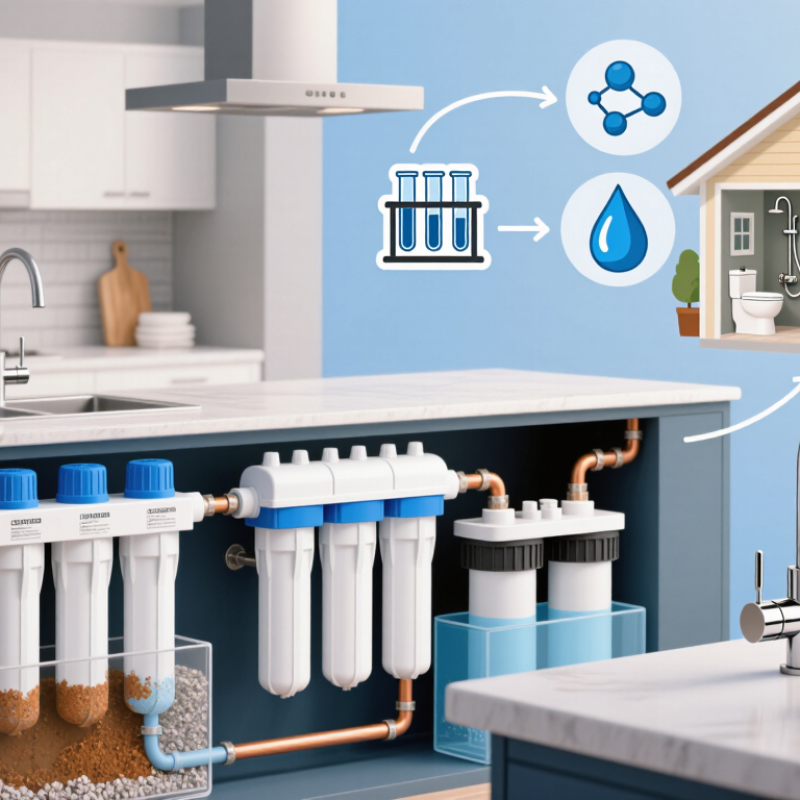
Sediment filters catch particles such as sand and rust; they do not remove dissolved chemicals. Activated carbon can reduce chlorine, odors, and certain organic compounds, but performance depends on the specific unit and certified claims. Reverse osmosis can reduce a broader range of dissolved substances, though it produces wastewater and may need more maintenance. Water softeners target hardness minerals, not a general list of contaminants. No single technology does everything.

Check certifications against the exact contaminant you want reduced. NSF/ANSI 42 covers aesthetic effects, while 53 addresses specific health-related claims; 58 applies to reverse-osmosis systems. Certification does not mean every system removes every contaminant under that standard. In 2024, the U.S. EPA finalized drinking-water limits for six PFAS, making verified reduction claims especially relevant for affected households. Match the test results to the system’s documentation, and plan for filter changes. This step is easy to underestimate. A neglected cartridge can undermine an otherwise suitable setup.

How to Choose a Whole House Water Filtration System in 2026

Compare typical contaminant coverage across common treatment technologies.

Coverage scale: 0 = not intended, 1 = limited or system-dependent, 2 = commonly targeted. These are qualitative comparisons, not guaranteed removal rates. Check independent certification and performance data for the specific system, and test your water before choosing treatment.

Evaluate System Capacity, Installation, and Ongoing Costs

A whole-house filter should match your home’s peak water demand, not simply its advertised capacity. Count how many fixtures may run together: two showers, a washing machine, and a kitchen tap can strain an undersized unit. Check the system’s rated flow at your household’s water pressure. A plumber can help verify pipe size and pressure before you buy. Small details matter.

Plan the installation around the actual space. Measure the area near the main water line, including room to remove filter housings and change cartridges. Some systems need a drain, an electrical outlet, or a bypass valve; backwashing models may need all three. Ask how installation affects water service and whether existing pipes require changes. A water test can also help identify which contaminants need treatment, rather than paying for stages you may not need.

Look beyond the purchase price. Add replacement filters, professional servicing, and any extra water or electricity the system uses. Ask how often parts need changing under your water conditions, and whether that estimate assumes unusually clean incoming water. Keep a simple maintenance log. Even a careful cost estimate can miss a detail, especially when local water quality changes seasonally. Check the written warranty and service terms before installation.

Verify 2026 Standards, Certifications, and Maintenance Requirements

When comparing whole-house systems in 2026, check what the certification actually covers. NSF/ANSI 42 addresses aesthetic effects such as taste and odor; 53 covers specific health-related contaminants, while 401 applies to certain emerging compounds. The relevant standard depends on your water test. A certificate is not a promise that a system removes every contaminant.

Verify the exact model and reduction claims in the certifier’s current online directory. Look for the test conditions and rated capacity, not just a certification logo on a product page. Standards and listings can change. A polished spec sheet can still leave gaps, so compare its claims with a recent laboratory water report.

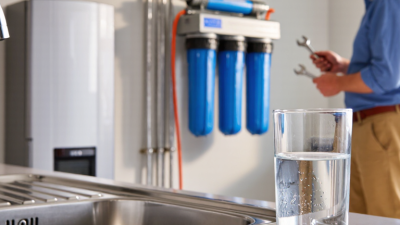
Maintenance matters after installation. Follow the manual’s replacement schedule, and note whether the unit needs backwashing, UV-lamp changes, or periodic media replacement. Check for leaks and watch the pressure gauge; a sudden drop in flow may signal a clogged sediment filter. Keep dated service records. Not glamorous, but useful. If your source water changes, retest it and reconsider whether the existing treatment stages still match the problem.

How to Choose a Whole House Water Filtration System in 2026 — Verify 2026 Standards, Certifications, and Maintenance Requirements

Selection area What to verify Useful standard or evidence Practical 2026 check
Water source and quality Identify whether the home uses a public supply or a private well. Review a recent water-quality report or obtain a laboratory test before choosing treatment. For public water, consult the supplier’s Consumer Confidence Report. For private wells, use a qualified laboratory; testing needs depend on location and local health guidance. Match treatment to measured contaminants and the system’s stated reduction claims. Do not assume a general-purpose filter removes every contaminant.
Contaminant-specific performance Check the exact substances addressed, reduction percentages, test conditions, and rated capacity—not just broad phrases such as “clean water.” NSF/ANSI 42 covers aesthetic effects such as chlorine taste and odor; NSF/ANSI 53 covers specified health effects. Certification applies only to the claims listed for the product. Verify the model and each relevant claim in the certifier’s current product listing. A standard number alone does not prove reduction of a particular contaminant.
Specialized treatment needs Determine whether the problem requires softening, reverse osmosis, ultraviolet disinfection, or another treatment process. NSF/ANSI 44 addresses residential cation-exchange water softeners; NSF/ANSI 55 addresses ultraviolet microbiological water-treatment systems; NSF/ANSI 58 addresses reverse-osmosis drinking-water treatment systems. These standards cover different technologies and uses. Confirm the system is suitable for the installation point and the specific water-quality issue.
Emerging contaminants and lead content Check whether any relevant claim specifically names the contaminant and identifies the tested system configuration. NSF/ANSI 401 covers specified emerging compounds; NSF/ANSI/CAN 372 addresses lead content in drinking-water system components. Neither should be treated as a blanket guarantee for all contaminants or all lead-related risks. Distinguish a material-content certification from a contaminant-reduction claim. Confirm the exact scope and listed claims with the certifier.
Independent certification Look for certification by an independent, accredited testing and certification body, and confirm the product’s exact model number. Certification listings should state the applicable standard and the specific performance claims. The U.S. Environmental Protection Agency does not certify individual household water filters. Check the certifier’s current online directory rather than relying only on packaging or general marketing statements. Recheck listings when comparing models in 2026.
Flow rate and household demand Compare the system’s rated service flow with simultaneous household use, and check pressure-drop data where available. Use the product’s documented flow-rate and capacity specifications. Required flow depends on plumbing, fixtures, and the number of occupants. A system that is undersized may reduce water pressure or require more frequent servicing. Ask an installer to assess peak demand and pipe compatibility.
Maintenance and replacement Obtain the maintenance schedule, replacement-part specifications, service intervals, and any required sanitation or flushing instructions. Follow the system’s current manufacturer instructions. Filter life varies with water quality, usage, capacity, and operating conditions; there is no universal replacement interval. Budget for cartridges, media, salt where applicable, and professional service. Record installation dates and replace or service components as directed.
Installation and ongoing verification Check installation location, bypass arrangements, drain or power needs, plumbing-code requirements, and access for servicing. Use qualified installation support where required. For private wells or treatment targeting health-related contaminants, consider follow-up testing appropriate to the treatment system. Recheck local requirements and product documentation before purchase. Confirm that the installed configuration matches the configuration covered by certification.

Standards and certification scopes can be updated. Verify current listings, product documentation, local requirements, and water-test results before selecting or installing a system.