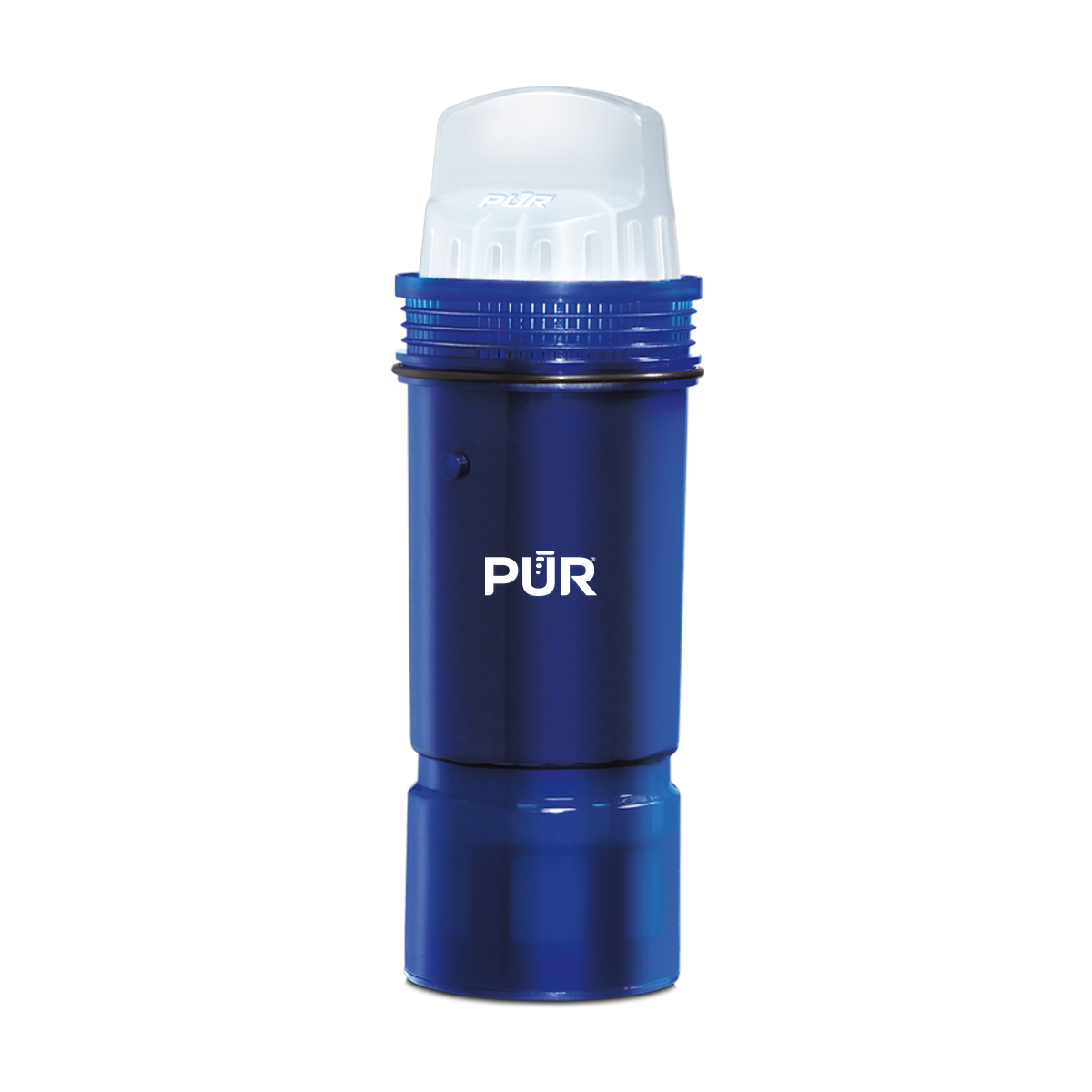
Contaminant Comparison Chart

For a complete list of contaminants that PUR filters reduce, please view our Performance Data Sheets here.


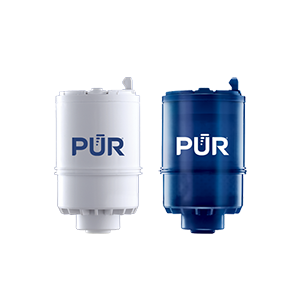
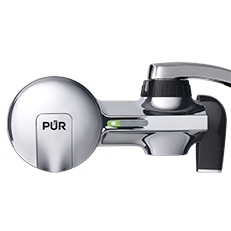
PUR & PUR PLUS FAUCET FILTERS
RF3375/RF9999

View Filters

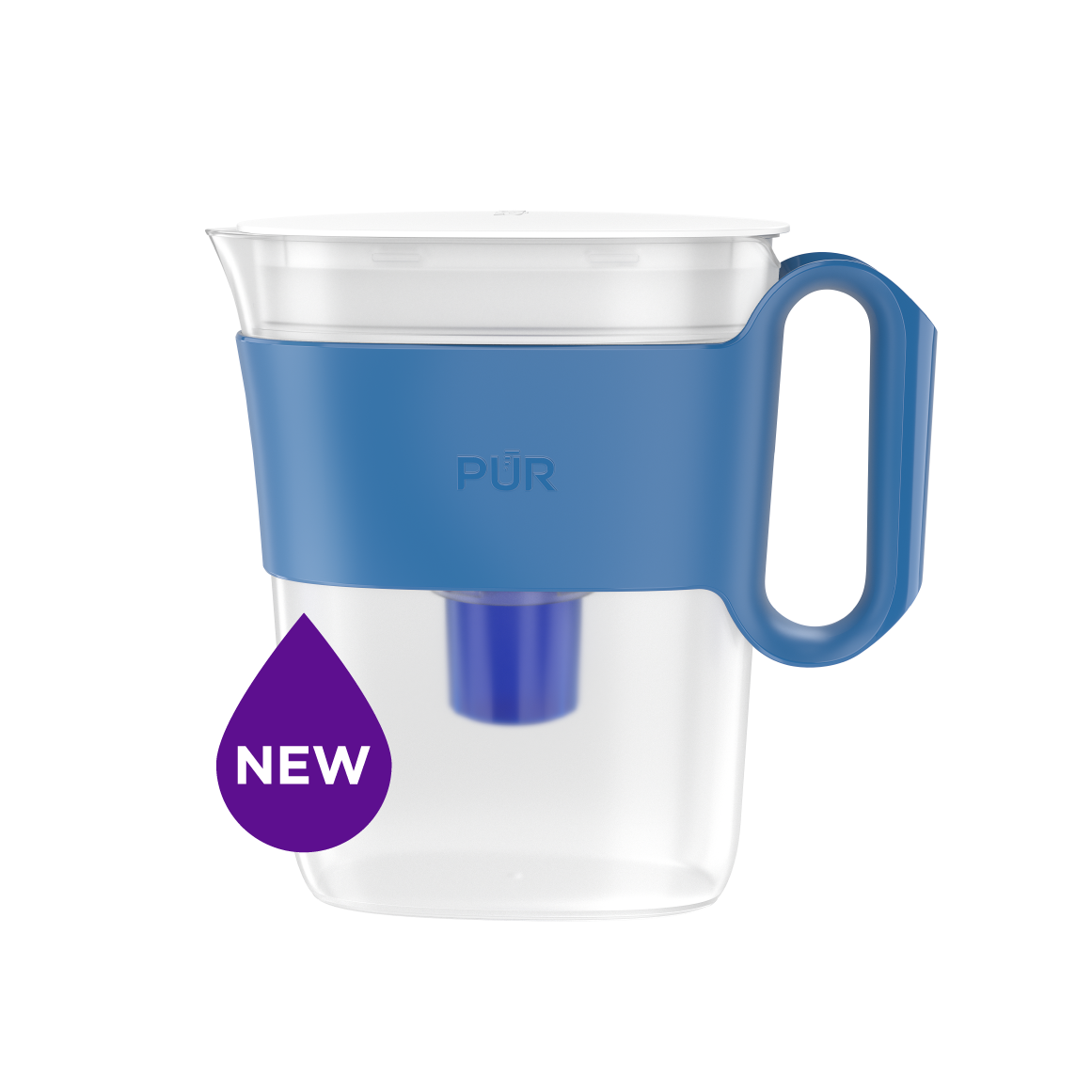
PUR PLUS PITCHER FILTERS
PPF951K

View Filter

PUR BASIC PITCHER FILTERS
PPF900Z

View Filter


Vs. Brita*

Lead ✓ ✓
Microplastics ✓ ✓
Mercury ✓ ✓ ✓
Chlorine Taste & Odor ✓ ✓ ✓
DEET ✓
TTHM ✓

PUR’s Filtration Systems Are Certified By NSF And WQA For Their Contamination Reduction. WQA certifications as of 5/27/21 for Faucet filter models RF-3375 and RF-9999.

¹ Certified to reduce 10X more chemical and physical substances than Brita’s® leading pitcher filter.
² Certified to reduce 3X more chemical and physical substances than Brita’s® leading pitcher filter.
³ Certified to reduce 2X more chemical and physical substances than Brita’s® leading pitcher filter.
*Versus best-selling Brita® pitcher filter OB03. Brita® is a trademark of Brita LP.
**Like other leading brands, PUR does not filter microbes. As of 3/1/23 Brita® and ZeroWater® were not certified to filter microbes. Brita® is a trademark of Brita LP. ZeroWater® is a trademark of Zero Technologies, LLC..
 

PUR & PUR PLUS FAUCET FILTERS


PUR & PUR PLUS FAUCET FILTERS
RF3375/RF9999

View Filters


Vs. Brita*

Lead ✓
Microplastics ✓
Mercury ✓
Chlorine Taste & Odor ✓
DEET ✓
TTHM ✓

PUR’s Filtration Systems Are Certified By NSF And WQA For Their Contamination Reduction. WQA certifications as of 5/27/21 for Faucet filter models RF-3375 and RF-9999.

¹ Certified to reduce 10X more chemical and physical substances than Brita’s® leading pitcher filter.
² Certified to reduce 3X more chemical and physical substances than Brita’s® leading pitcher filter.
³ Certified to reduce 2X more chemical and physical substances than Brita’s® leading pitcher filter.
*Versus best-selling Brita® pitcher filter OB03. Brita® is a trademark of Brita LP.
**Like other leading brands, PUR does not filter microbes. As of 3/1/23 Brita® and ZeroWater® were not certified to filter microbes. Brita® is a trademark of Brita LP. ZeroWater® is a trademark of Zero Technologies, LLC..
 

PUR PLUS PITCHER FILTERS


PUR PLUS PITCHER FILTERS
PPF951K

View Filter


Vs. Brita*

Lead ✓
Microplastics ✓
Mercury ✓
Chlorine Taste & Odor ✓
DEET
TTHM

PUR’s Filtration Systems Are Certified By NSF And WQA For Their Contamination Reduction. WQA certifications as of 5/27/21 for Faucet filter models RF-3375 and RF-9999.

¹ Certified to reduce 10X more chemical and physical substances than Brita’s® leading pitcher filter.
² Certified to reduce 3X more chemical and physical substances than Brita’s® leading pitcher filter.
³ Certified to reduce 2X more chemical and physical substances than Brita’s® leading pitcher filter.
*Versus best-selling Brita® pitcher filter OB03. Brita® is a trademark of Brita LP.
**Like other leading brands, PUR does not filter microbes. As of 3/1/23 Brita® and ZeroWater® were not certified to filter microbes. Brita® is a trademark of Brita LP. ZeroWater® is a trademark of Zero Technologies, LLC..
 

PUR BASIC PITCHER FILTERS


PUR BASIC PITCHER FILTERS
PPF900Z

View Filter


Vs. Brita*

Lead
Microplastics
Mercury ✓
Chlorine Taste & Odor ✓
DEET
TTHM

PUR’s Filtration Systems Are Certified By NSF And WQA For Their Contamination Reduction. WQA certifications as of 5/27/21 for Faucet filter models RF-3375 and RF-9999.

¹ Certified to reduce 10X more chemical and physical substances than Brita’s® leading pitcher filter.
² Certified to reduce 3X more chemical and physical substances than Brita’s® leading pitcher filter.
³ Certified to reduce 2X more chemical and physical substances than Brita’s® leading pitcher filter.
*Versus best-selling Brita® pitcher filter OB03. Brita® is a trademark of Brita LP.
**Like other leading brands, PUR does not filter microbes. As of 3/1/23 Brita® and ZeroWater® were not certified to filter microbes. Brita® is a trademark of Brita LP. ZeroWater® is a trademark of Zero Technologies, LLC..
 

How to Choose the Best Water Purifier for Sink

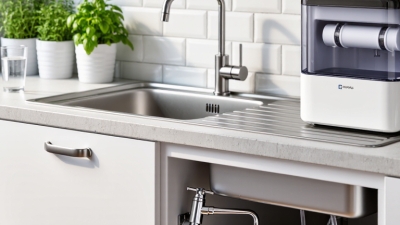
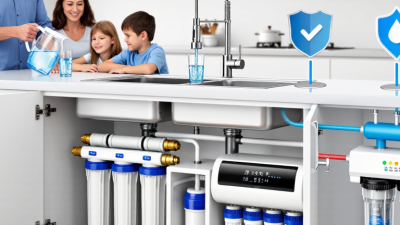
Choosing the best water purifier for sink starts with a simple question: what do you want it to remove? A compact unit beneath the counter can free up space, while a faucet-mounted model is easier to install. Looks matter, but performance matters more. A purifier designed to reduce chlorine may not address dissolved minerals or other contaminants. Reverse osmosis systems can reduce a broader range, but they may need more space and produce wastewater. The right choice depends on your water and your household.

Start with a local water-quality report, or consider testing private well water. Then compare the purifier’s stated reduction claims with your specific concerns. Look for independent certification from recognized organizations, and check what each certification actually covers. A label alone is not a promise that every unwanted substance will be reduced. Small print counts.

Next, measure the cabinet and check the plumbing connections. A tall cleaning bottle or garbage disposal can make an otherwise suitable unit awkward to fit. Think about daily use, too: flow rate, filter replacement cost, and how easily cartridges can be changed. Replacement schedules are easy to overlook. I once focused on the purchase price and gave too little thought to ongoing filter costs; that was a useful reminder. This guide explains how to compare a water purifier for sink by filtration needs, installation, upkeep, and value—so your choice fits both the water and the kitchen.

How to Choose the Best Water Purifier for Sink

Start With Your Water Report: EPA Regulates Over 90 Drinking-Water Contaminants

Before choosing a sink-mounted purifier, read your water report. The EPA’s National Primary Drinking Water Regulations cover more than 90 contaminants, but that does not mean they are all present in your home’s water. Your local utility’s annual Consumer Confidence Report lists detected contaminants and compares their levels with federal standards. Check the report’s date and look for details on lead, nitrate, arsenic, and disinfectant byproducts. That matters.

Match the purifier to a specific concern. A filter certified to NSF/ANSI 53 may reduce certain health-related contaminants, while NSF/ANSI 42 covers aesthetic effects such as chlorine taste and odor. Certification applies to stated substances, not every contaminant. Read the performance data sheet, and confirm the exact reduction claim. “Tested” is not the same as “certified.”

A utility report describes the water system, not necessarily the water at your kitchen tap. Older pipes or plumbing can change what comes out. A report is a starting point, not a diagnosis. If you use a private well, the EPA’s public-water reports will not cover it; arrange suitable testing through a qualified laboratory. Then compare the results with a purifier’s certified claims and replacement schedule. I’d be cautious about buying based on taste alone. Water can look clear and still contain contaminants you cannot see.

Match Contaminants to NSF/ANSI 42, 53, 58, or 401 Certifications

How to Choose the Best Water Purifier for Sink

Match Contaminants to NSF/ANSI 42, 53, 58, or 401 Certifications

Choose an under-sink purifier based on the contaminants you want reduced, not its appearance. NSF/ANSI 42 covers aesthetic effects such as chlorine taste, odor, and certain particles. It does not, by itself, verify health-related contaminant reduction. If tap water smells faintly of chlorine, a certified 42 claim may help.

For lead, cysts, or other specified health-related contaminants, check for NSF/ANSI 53 and confirm the exact reduction claim. The USGS estimated in a 2023 study that at least one PFAS may occur in 45% of U.S. tap water. That figure is a national estimate, not a result for every home.

NSF/ANSI 58 applies to reverse-osmosis systems, which may reduce dissolved solids and other listed contaminants. Check the performance sheet for the specific reduction you need; a lower TDS reading alone does not identify every contaminant. NSF/ANSI 401 covers up to 15 emerging compounds, including certain pharmaceuticals and pesticides, depending on the certified claim.

Standard numbers can sound like blanket guarantees. They aren’t. Compare your local water-quality report, or an accredited lab test, with the certification listing for the exact purifier model. Certifications apply to specified claims under defined test conditions, and cartridges need replacement on schedule. I’d still read the fine print.

Compare Filter Types Using NSF/ANSI 58 Reverse-Osmosis Criteria

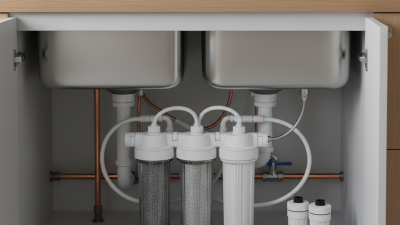
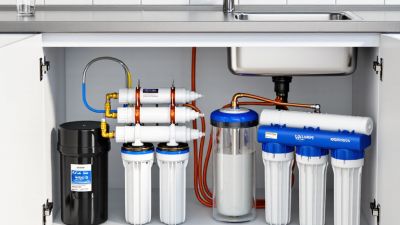
Choosing the best water purifier for a sink starts with the contaminant you need to reduce. A carbon filter can improve taste and address certain listed contaminants, while a sediment stage catches particles such as rust. Reverse osmosis (RO) pushes water through a membrane and may reduce dissolved substances, but performance depends on the exact system and conditions. Check the details.

Use NSF/ANSI 58 as a comparison tool for RO systems. Look for certification of the complete system, not just a membrane, and confirm which reduction claims are listed for that model. The standard includes requirements for total dissolved solids reduction, but that does not prove removal of every possible contaminant. Read the performance data sheet and compare the specific claims with your water test results. A broad “purifies water” statement is not enough.

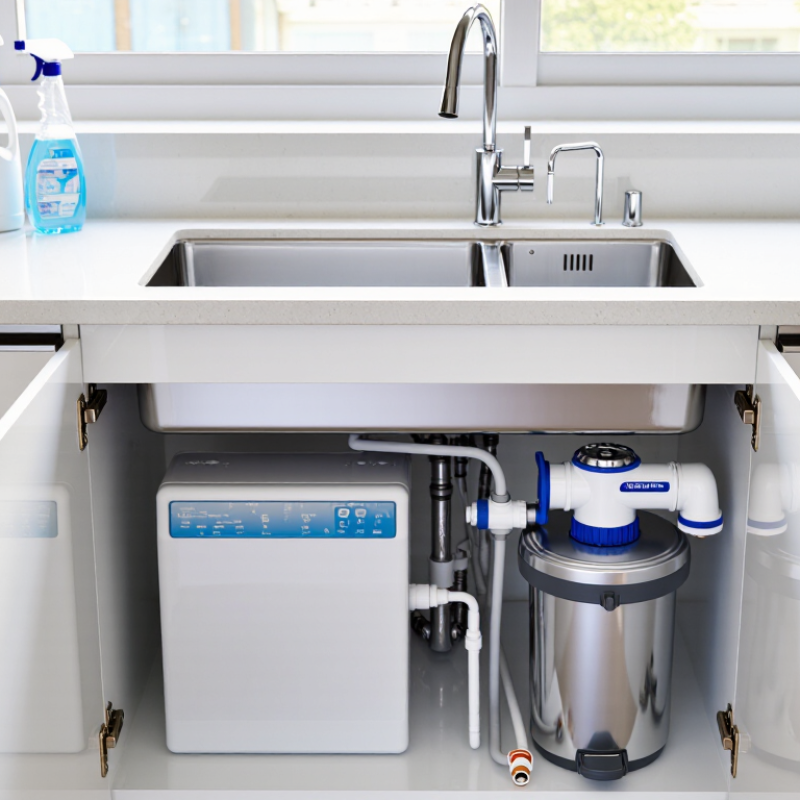
Fit matters at the sink. Measure the space under the cabinet, check whether a separate faucet is needed, and consider how much reject water the system produces. Ask how often filters and membranes need replacement, and include those costs in your comparison. I have seen a technically capable system become inconvenient when its cartridges were difficult to access. That’s not a lab result, but it matters at home. A perfect choice is unlikely.

Verify Lead-Reduction Claims Against NSF/ANSI 53 Certification

A sink-mounted purifier can look reassuring, but appearance says little about lead performance. Check the exact model and cartridge in an independent certification directory, not just the wording on a box. NSF/ANSI 53 covers reduction claims for health-related contaminants, including lead, when a product is certified for that specific claim. Read the listing carefully. “Tested to” is not the same as certified, and a general certification mark does not prove lead reduction. These details matter.

Compare the certified lead-reduction claim with your household’s needs, and confirm it applies to the system you plan to install. Listings may distinguish between a cartridge and a complete filtration unit. Follow the stated flow rate, capacity, and replacement schedule; an overdue cartridge may not perform as tested. Keep the installation sheet near the sink, and note each replacement date. Small habit, real value. If your water has unusual plumbing or a recent service disruption, ask your local water provider about testing rather than assuming a filter addresses every concern. It is tempting to treat a certification mark as a broad guarantee, but its claim has limits.

Compare Rated Flow, Capacity, and Cartridge Life to Estimate Costs

How to Choose the Best Water Purifier for Sink

Compare Rated Flow, Capacity, and Cartridge Life to Estimate Costs

A sink purifier’s rated flow tells you how quickly it fills a glass, not how long its cartridge lasts. Check the stated flow in gallons per minute and capacity in gallons. Then compare both with your household’s drinking and cooking needs. The EPA’s WaterSense program says an average family uses more than 300 gallons of water daily, but most of that is not drinking water. Don’t size a drinking-water filter from total household use. Track your actual use for a week instead.

Estimate yearly cost by dividing expected annual use by the cartridge’s rated capacity, rounding up to whole cartridges. Add replacement prices, then check the manual for a time-based replacement limit. For example, a 1,000-gallon cartridge used at 3 gallons daily reaches capacity in about 11 months. Real water quality can shorten that interval. NSF/ANSI standards provide useful benchmarks: Standard 42 covers aesthetic claims, while Standard 53 addresses specified health effects. Verify that the exact contaminant you care about appears in the product’s certified claim.

Tips: Measure how long the tap takes to fill a one-liter bottle; use that as a quick flow check. Keep a note of installation and replacement dates. A small caveat: published capacity is a test rating, not a promise for every home.

Source: U.S. EPA WaterSense, “WaterSense at Home”; NSF, NSF/ANSI 42 and 53 standards.